FEB

Penulis: admin

  • Mahasiswa Prodi MM dan Maksi Ikuti Workshop Penulisan Proposal Penelitian

    Mahasiswa Prodi MM dan Maksi Ikuti Workshop Penulisan Proposal Penelitian

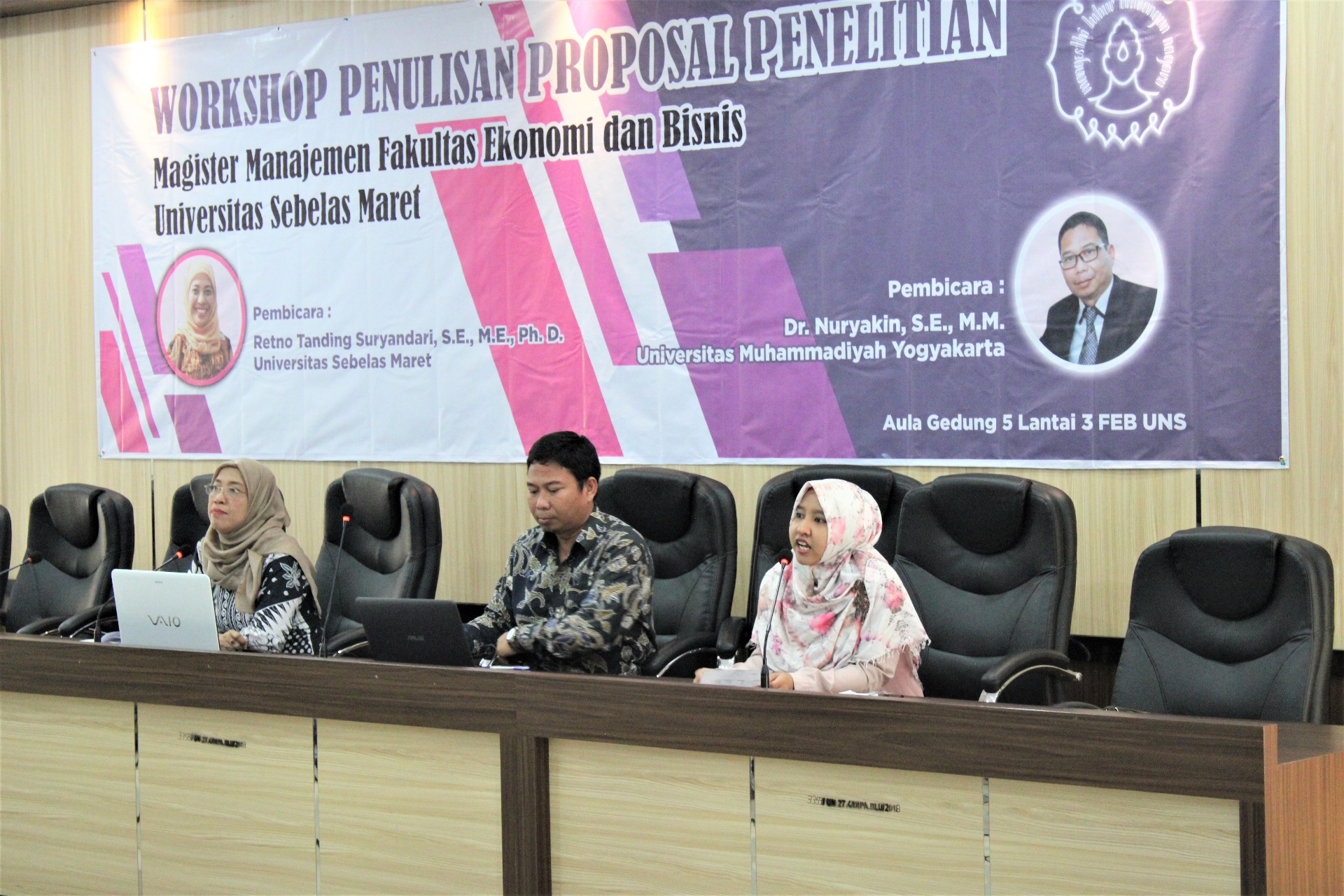
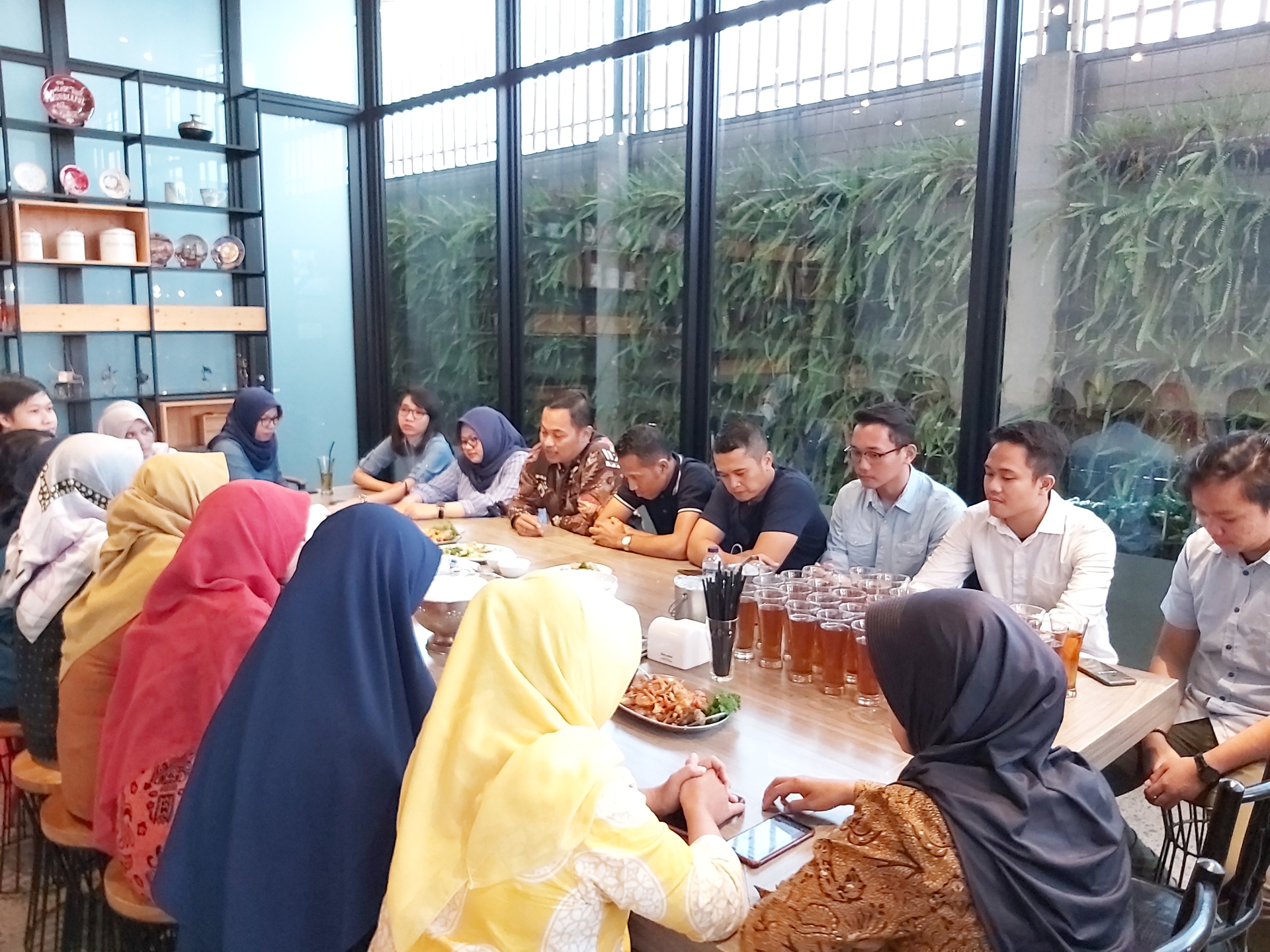
    Program Studi Magister Manajemen (Prodi MM) Fakultas  Ekonomi Universitas Sebelas Maret (FEB UNS) gelar Workshop Penulisan Proposal Penelitian, Sabtu 11 Januari 2020 di Aula Konimex FEB UNS.

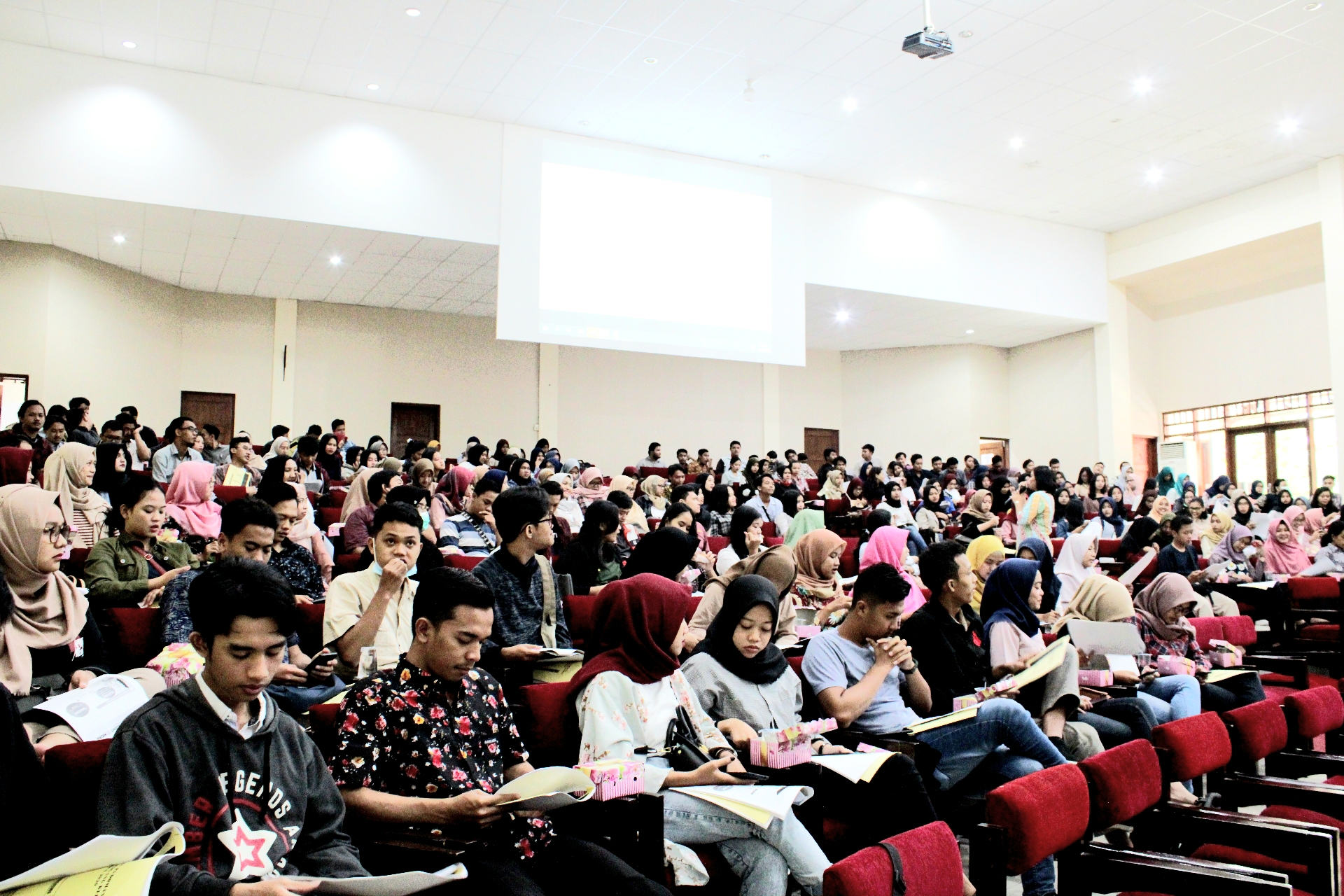
    Kegiatan yang diikuti oleh sekitar 90 mahasiswa Prodi MM dan Maksi (Magister Akuntansi)   menghadirkan narasumber Dr. Nuryakin dari Universitas Muhammadiyah Yogyakarta dan Retno Tanding Suryandari, Ph.D, Kepala Prodi MM FEB UNS.

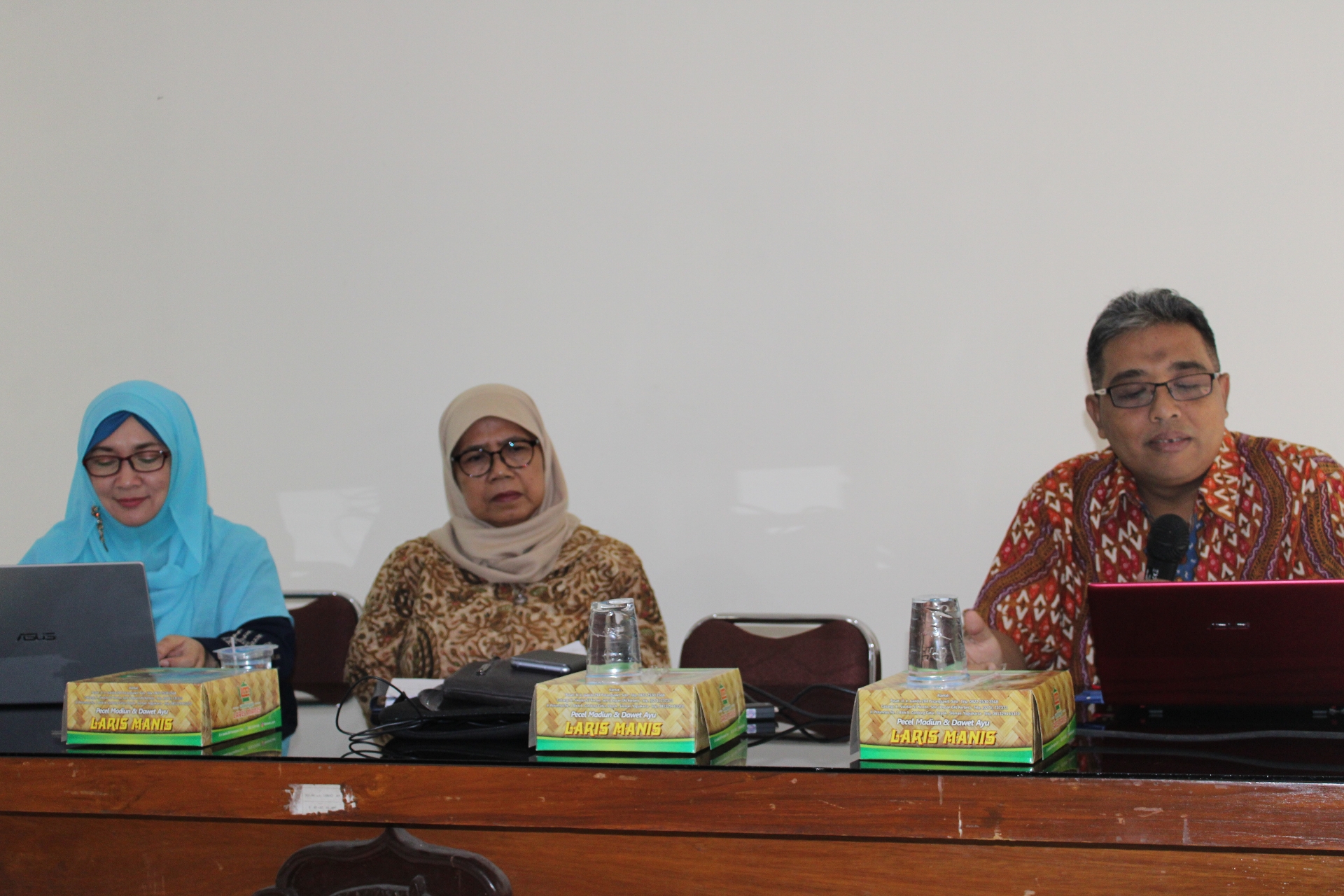
    Retno Tanding, Ph.D Jelaskan Penulisan Proposal Penelitian

    Dalam paparan presentasinya, Retno Tanding, Ph.D  menyampaikan bahwa proposal penelitian merupakan tulisan formal yang menjelaskan topik dan rencana penelitian, untuk meyakinkan bahwa penulis telah memiliki ide riset yang relevan, fokus, dan menarik serta rencana risetnya dapat dijalankan.

    Proposal penelitian mencakup tiga  hal penting yakni ide penelitian,  tentang apa yang ingin dicapai; kepentingan penelitian,  mengapa ingin meneliti topik tersebut, serta rencana dan desain penelitian,  bagaimana melakukan penelitian.

    Beberapa hal yang perlu dipertimbangkan dalam memilih ide penelitian adalah ide  tersebut yang menarik diri peneliti , penting , dapat diteliti (akses data, dosen pembimbing, akses literature) , layak (dana, waktu, teknik pelaksanaan),  serta bernilai praktis.

    Workshop Diikuti Mahasiswa Prodi MM dan Maksi

    “Buatlah ide yang menarik hati  Anda, jangan untuk menarik orang lain dulu. Ketika Anda tidak bisa menjadikan diri anda tertarik, bagaimana Anda bisa meyakinkan ide penelitian Anda kepada orang lain . Setelah itu yakinkan  bahwa  rencana riset dapat dijalankan karena ada kemungkinan ide tersebut tidak bisa dijalankan” jelasnya.

    Selanjutnya dikatakan, beberapa elemen yang perlu ada dalam proposal penelitian yakni Judul (tidak harus dituliskan diawal, bisa menyusul), Pendahuluan yang berisi ide dan perumusan masalah, kajian pustaka yang mencakup formulasi tujuan penelitian , metodologi riset,  serta rencana kerja penelitian yang meliputi budget, waktu, dan sumber dana.

    Senada dengan Retno Tanding,  Dr. Nuryakin juga menjelaskan,  yang paling mendasar dalam memulai sebuah penelitian/tesis adalah mencari ide penelitian, hindari topik yang kurang back-up theory atau minim penelitian terdahulu,  gambar kerangka konsep,  cari referensi yang mendukung, koleksi referensi yang mendukung dengan software (endnote, zootero, mendeley), serta akses informasi dari jurnal-jurnal bereputasi.

    Usai paparan dari dua narasumber, peserta diberi kesempatan untuk menyampaikan pertanyaan terkait materi.
     

  • Unit Kerja Internship and Career Development Sosialisasikan Program Magang

    Unit Kerja Internship and Career Development Sosialisasikan Program Magang

    Kegiatan magang merupakan proses pembelajaran bagi mahasiswa untuk mendapatkan pengalaman pada dunia kerja dan sebagai sarana mengasah softskill mahasiswa serta sebagai sarana belajar untuk memahami berbagai alternatif penyelesaian masalah dengan menggunakan kajian ilmu yang telah diperoleh dari kampus.

    Wakil Dekan Bidang Alumni dan Kemahasiswaan Membuka Sosialisasi Magang

    Untuk memperkenalkan program magang,  Unit Kerja Internship and Career Development Fakultas Ekonomi dan Bisnis Universitas Sebelas Maret (FEB UNS) menyelenggarakan Sosialisasi dan Pembekalan Magang bagi mahasiswa Program Sarjana dan Diploma III, Kamis dan Jumat, 9-10 Januari 2020 di Aula FEB.

    Wakil Dekan Bidang Alumni dan Kemahasiswaan FEB UNS, Dr. Mugi Harsono, sebelum membuka acara menjelaskan pentingnya program magang yang menjadi salah satu matakuliah wajib.

    “Program magang diadakan karena kuliah klasikal yang diberikan selama ini dirasa belum memberikan kecukupan bekal untuk mahasiswa dalam memasuki dunia kerja. Mahasiswa belum siap secara optimal karena belum dilibatkan dalam pekerjaan riil pada sebuah organisasi atau perusahaan. Terdapat perbedaan antara dunia kampus dengan dunia kerja’ papar Dr. Mugi .

    Ketika magang akan banyak yang dipelajari, tentang etika, standar prosedur, menyikapi adanya perbedaan pendapat, konflik dan bagaimana cara bernegosisiasi.

    Praliyana Berikan Bekal Sebelum Mahasiswa Magang

    Di kegiatan itu, Praktisi dari Human Resources Department Hotel Novotel dan IBIS Solo, Praliyana Megasari, dihadirkan untuk memberikan kesiapan bagi para mahasiswa dalam memasuki dunia kerja.

    Di awal paparannya, Praliyana yang juga alumni FEB UNS Prodi Manajemen angkatan 2003 memaparkan bekal yang perlu dipersiapkan ketika magang.

    “Magang adalah pintu pertama mahasiswa mempersiapkan dunia kerja, saatnya untuk memperkaya pengetahuan, memperkaya skill, memperkaya jaringan, memperluas koneksi, serta mengetahui hal-hal baru di dunia kerja sesungguhnya” jelas Praliyana

    Lebih lanjut Praliyana berpesan agar saat memasuki dunia kerja, perilaku harus benar benar dijaga, karena itu merepresentasikan siapa dan bagaimana Anda.

    Beberapa hal yang diperhatikan oleh para user di sebuah perusahaan ketika memilih freshgraduate masuk di dunia kerja diantaranya adalah kemampuan freshgraduate dalam berkomunikasi, keloyalan, daya tahan, kerjasama, kinerja dan kepekaan.

    Diakhir acara, salah satu pengelola ICD yang lain, Juliati, M.Si menjelaskan kepada seluruh peserta segala sesuatu yang menjadi pedoman magang diantaranya kriteria tempat kuliah magang, dosen pembimbing magang, kewajiban peserta dan pelaksana magang, prosedur magang hingga evaluasi dan aspek penilaian magang.

  • Increasing the Academic Support Staff Fellowship, FEB holds Character Coaching and Workshop

    Increasing the Academic Support Staff Fellowship, FEB holds Character Coaching and Workshop

    The Faculty of Economics and Business, Universitas Sebelas Maret (FEB UNS) Surakarta, organized a Character Coaching and Workshop for the Faculty academic support staff, on Saturday, January 11, 2020 in Magelang. The activity was attended by 80 support staff in FEB UNS as well as the Deanery and the Head of Study Programs and Units in FEB UNS. The activity was started with rafting along the Elo river, which was supported with a clear weather that day.

    FEB UNS academic support staffAfter the rafting, the academic support staff held a Workshop in Kampung Ulu Resort meeting room. Prof. Djoko Suhardjanto, the Dean of FEB UNS in his remarks mentioned that this activity aims to refresh the spirit of all support staff after working and busy with various activities at the office. “This activity is also a means to disciplining ourselves, to work hard, and work together to maintain compactness. Be happy under any circumstances even under a high pressure to achieve the target set,” the Dean said. Further, he also mentioned that this activity is useful to train the staff to be a good event organizer, how to plan an event to be successfully implemented, and providing excellent service.
    Meanwhile, the Vice Dean of Academic Affairs, Dr. Izza Mafruhah, tells a story about “Learning from a Butterfly”. A kid who watch a cocoon felt sorry for the butterfly that struggling to getting out from its cocoon. The kid took initiative to help the butterfly and cut a wide hole on the cocoon to help the butterfly, but the butterfly is to weak to fly. The struggle taken by a butterfly to get out from its cocoon helps the butterfly to strengthen its wings, thus when it finally out, the butterfly has a strong wing. Learning from this, the difficulties in life actually bring wisdom to us become stronger and wiser. Work hard and struggling is part of life.the academic support staff during the training

    Dr. Izza also reminds the staff that FEB is a family, if one person is sick, then the other will be affected. Likewise, if one is happy, then the other will feel happy too. “Wherever, the position is, either in academic or student affairs or other unit, we should work together to support FEB UNS,” she said.

    During the testimonial session, Lucida Rectavia represent the other 4 support staff who are transferred to other unit, to deliver a speech.

    Starting on January 1, 2020, there are 5 support staff from FEB UNS who were transferred to other faculty in UNS. They are Edi Kusnadi transferred to the Faculty of Sport; Mohammad Taufiqurrahman, A.Md transferred to Faculty of Mathematics and Natural Science (MIPA); Sutopo, S.Kom transferred to the Vocational School; Hermawanti transferred to the Legal and Administrative and Cooperation Division; and Lucida Rectavia, SP transferred to Interest, Talent, Reasoning, and Student Information Section.

    The Workshop was ended with photo session.

  • Tingkatkan Kebersamaan, FEB adakan Pembinaan Karakter dan Sarasehan

    Tingkatkan Kebersamaan, FEB adakan Pembinaan Karakter dan Sarasehan

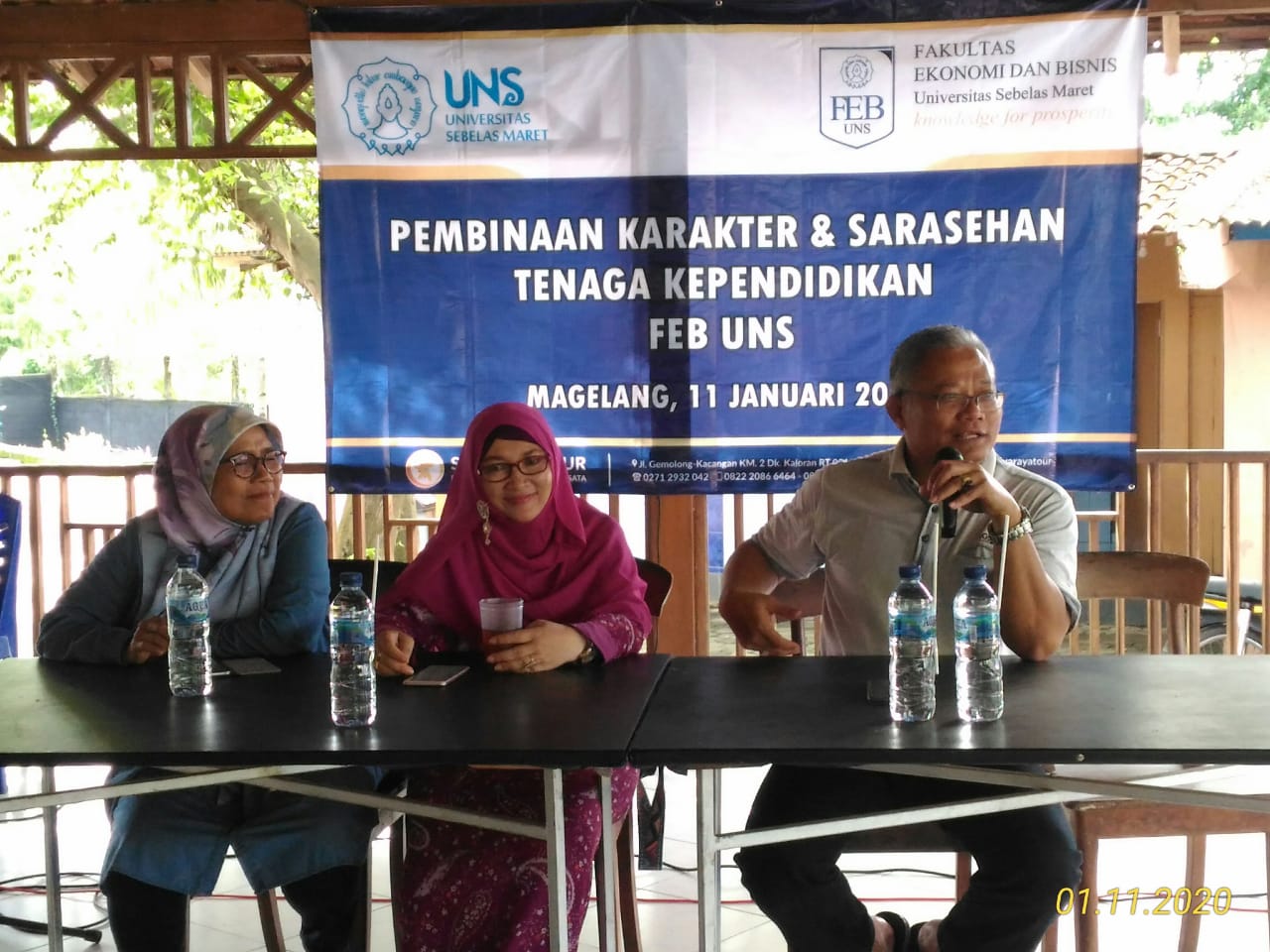
    Fakultas Ekonomi dan Bisnis UNS menyelenggarakan kegiatan Pembinaan Karakter dan Sarasehan Tenaga Kependidikan, Sabtu, 11 Januari 2020 di Magelang.

    Kegiatan yang diikuti oleh 80 orang tenaga kependidikan (tendik) FEB,  juga dihadiri oleh Dekanat dan beberapa pimpinan prodi dan unit.

    Acara diawali dengan kegiatan rafting di sepanjang Sungai Elo. Cuaca yang cerah sangat mendukung terlaksananya rafting dengan lancar.

    Usai rafting, tendik mengikuti kegiatan di pendapa Kampung Ulu Resort untuk mengikuti sarasehan.

    Prof. Djoko Suhardjanto, Dekan FEB UNS dalam sambutannya mengatakan bahwa kegiatan pembinaan dan sarasehan ini untuk refreshing, penyegaran kembali setelah sekian lama tendik bekerja dengan berbagai kesibukan di kantor.

    “Kegiatan ini juga sebagai sarana mendidik kita untuk berdisiplin, kerja keras dan bekerja sama menjaga kekompakkan. Senang dalam keadaan apapun meski dalam tekanan kerja untuk mencapai target yang kita inginkan bersama” tegas Dekan.

    Dikatakannya pula, kegiatan ini berguna untuk melatih kita menjadi event organizer yang baik. Bagaimana merencanakan sebuah kegiatan agar bisa berjalan dengan baik dan lancar serta memberikan pelayanan yang prima.

    Sementara itu, Wakil Dekan Bidang Akademik FEB UNS, Dr. Izza Mafruhah menceritakan sebuah kisah “Belajar dari Seekor Kupu-Kupu”.

    Seorang anak kecil melihat kepompong dan merasa kasihan melihat kupu-kupu didalamnya yang sangat sulit berjuang untuk keluar dari lobang kecil, tampak keluar sedikit lalu masuk lagi dan terus berulang.

    Si anak lalu berinisiatif mengguntingnya untuk membantu kupu-kupu keluar dan terbang, tetapi ternyata kupu-kupu tersebut masih lemah dan tidak bisa terbang.

    Upaya kupu-kupu yang tampak selalu keluar sedikit lalu masuk lagi ternyata untuk mengeluarkan lendir yang ada ditubuhnya hingga pada saat keluar sayapnya bisa berkembang dan terbang .

    Belajar dari kupu-kupu itu, adanya kesulitan dalam hidup sebenarnya membawa hikmah untuk kita  menjadi lebih kuat dan bijak. Berusaha keras dan perjuangan adalah bagian kehidupan yang kita perlukan.

    Dr. Izza juga mengingatkan bahwa FEB adalah sebuah keluarga, jika yang satunya ada yang sakit, maka yang lainpun juga merasakannya. Demikian juga jika mendapat kebahagiaan, yang lain turut berbahagia.

    “Dimanapun posisi kita, entah di bagian akademik, kemahasiswaan atau bagian yang lain harus selalu berkerja sama agar FEB melesat lebih cepat” tegasnya.

    Sesi kesan dan pesan tendik yang alih tugas disampaikan oleh Lucida Rectavia, mewakili ke empat tendik lainnya.

    Per 1 Januari 2020, lima Tendik FEB beralih tugas ke fakultas lain di lingkungan UNS, yakni Edi Kusnadi ke Fakultas Keolahragaan, Mohammad Taufiqurrahman,A.Md ke Fakultas MIPA, Sutopo, S.Kom ke Sekolah Vokasi, Hermawanti ke Bagian Hukum dan Administrasi dan Kerjasama serta Lucida Rectavia, SP ke Bagian Minat, Bakat, Penalaran dan Informasi Kemahasiswaan.

    Acara yang dikemas dalam suasana santai dan kekeluargaan diakhiri dengan foto bersama.

  • Prodi Akuntansi Adakan Penutupan Kegiatan ICSBAL

    Prodi Akuntansi Adakan Penutupan Kegiatan ICSBAL


    Program Studi S1 Akuntansi FEB UNS adakan Penutupan Kegiatan International Conference on Business, Accounting, Supply Chain , and Logistics (ICSBAL), Kamis, 9 Januari 2020.

    ICBASL dengan tema “New Paradigm of Link and Match Between Government, University, and Industry” telah digelar November 2019 lalu di Hotel Harris Solo.

    Narasumber ternama yang hadir dalam konferen yakni Prof. Juliana Sutanto (Lancaster University), Prof. Madya Dr. Corina Joseph (Universiti Teknologi MARA Cawangan Sarawak, Malaysia), Prof. Ruhul Salim, BSc, MSc., Ph.D. (Curtin University, Australia), and Prof. Habib Mahama, Ph.D (Qatar University, Qatar), dan Prof. Dr. Hooy Chee Woi (Universiti Sains Malaysia, Malaysia).

  • Alumni Serahkan Kaos Bagi Tendik

    Serah Terima Bantuan Kaos dari Dr. Abdul Kharis, alumni FEB UNS untuk kegiatan Pembinaan Karakter Tenaga Kependidikan FEB UNS, Kamis 9 Januari 2020.

  • Establishing Positive Collaboration, FEB UNS Hosted Support Staff Year-End Meeting

    Establishing Positive Collaboration, FEB UNS Hosted Support Staff Year-End Meeting

    The end year meeting of the FEB UNS is attended by the Deanery of FEB UNS and all of the Faculty support staff. The meeting, which was conducted modestly, is organized on December 27, 2019, in FEB UNS 2nd Meeting Room. This aims to establish a positive synergy among the Deanery and FEB UNS support staff.

    support staff attending the year end meetingThe Vice Dean of Academic Affairs, Dr. Mugi Harsono, starting the meeting with an introspection toward oneself mistake, both in action and thought in the daily life. In general, he mentions that all people should introspect their worship to the Allah, as all a person did should goes along with God regulation. Meanwhile, in social interaction he reminds the support staff about the good moral to fellow human beings. Dr. Mugi also provides example on how to introspect someone life, such as finding comparison to someone better or reviewing one’s weakness, and understand that God always keep an eye on our life.
    Meanwhile, the Vice Dean of General and Finance Affairs, Dr. Djuminah, wishes that FEB UNS will be a ecosystem that provide usefulness and convenience for all stakeholders both internal and external parties. She also mentions that all Faculty member should have a sense of belonging in their workplace, which leads to responsibility and better performance. Further, she informs that in 2020 the structural official of echelon 3 and 4 will be abolished. Therefore, all the Head of Unit in UNS will retain their position but their rank will changed into functional position.

    faculty support staff at FEB UNSMoreover, in the beginning of 2020 there will be a rearrangement of support staff to refresh the staff performance. This mean several FEB UNS support staff will be transferred to other Faculty or to another unit within the FEB UNS. This, however, is a normal transfer.

    At the end of meeting, Dr. Izza Mafruhah, mentioned to the support staff that in conducting their job in FEB UNS all Faculty members are establishing a collaboration, not working together. Where in collaboration there is an interrelated bond. A job conducted by academic unit can be forwarded by student service and/or other units. Therefore, all organization unit is important and no unit is more prominent than other. In an interconnected bond, if one part is loose then all other part will likely to crumble.

  • Study Program Needs to Work Hard Preparing the BAN-PT Accreditation with 9 Criteria

    Study Program Needs to Work Hard Preparing the BAN-PT Accreditation with 9 Criteria

    The National Accreditation Board for Higher Study (BAN-PT) recently updated the requirements for the Accreditation Instrument for Study Program (IAPS) 4.0. The current standard focused more on the output and outcome of the teaching and learning activities. The quality assessment is more focused on the process, output, and outcome, while the previous instrument focused more on input. This will make a Study Program do harder work in order to prepare the accreditation using Criteria 9. The Criteria 9 covers: vision, mission, goals, and objective; human resource; finance and infrastructure; education; research; community service; output and the achievement of the Tri Dharma of Higher Education.

    This was mentioned by Prof. Tulus Haryono, M.Ek., during a technical meeting with the Universitas Mataram (UNRAM) on Friday, December 27, 2019. The meeting was attended by approximately 20 staff of the Faculty of Economics and Business, Universitas Mataram (FEB UNRAM) who hold leadership role.

    Further, Prof. Tulus explained that there are two reports that should be submitted to the BAN-PT namely the Study Program Performance Report, which covers quantitative data, and Self Evaluation Report for Study Program that mainly covers qualitative information. The submission to the BAN-PT should be made at least 6 (six) months before the previous accreditation certificate is expired. Therefore, the preparation of the reports should take one year prior to the submission to BAN-PT, the Study Programs should get prepared because the preparation of the Accreditation Reports needs a high accuracy.

    “The Reports is prepared by the Head of Study Program assisted by an accreditation team. The Head of Study Program should be directly involved in the preparation of the Report and should completely understand its content, because they will get interviewed during the assessment, while the team member will provide assistance where needed,” Prof. Tulus explained. Further he also mentions that the Report should strictly follow the format provided by the BAN-PT. “No matter what the template is, we have to follow the format provided by the BAN-PT,” said the Professor who had served as BAN-PT assessor for more than 16 years.

    In term of collaboration report, the Study Programs need to report their collaboration with the industries, institutions, or other universities both with national and international universities. However, the collaborations that can be included in the report are not the ‘dormant’ collaboration, which mean only active collaboration can be included. For lecturer profile, the assessor will assess whether the lecturers are capable and possess the competency to teach on certain course, this apply for both permanent and non-permanent lecturer. The assessor will also consider the lecturer last education.

    “If all lecturers are assigned to course that are in line with their competency and skill, the program will earn 4 points. Based on the regulation from the BAN-PT if there are more than 7 lecturers who are assigned to a course that is not in line with their competency, then the program will be given 3 points,” he said.

    For the sake of accreditation process, Prof. Tulus reminds that a program should focus on hiring permanent lecturers and limit the number of non-permanent lecturer. In his presentation, Prof. Tulus explains all the important point related with accreditation using 9 criteria and followed with discussion with the participants.