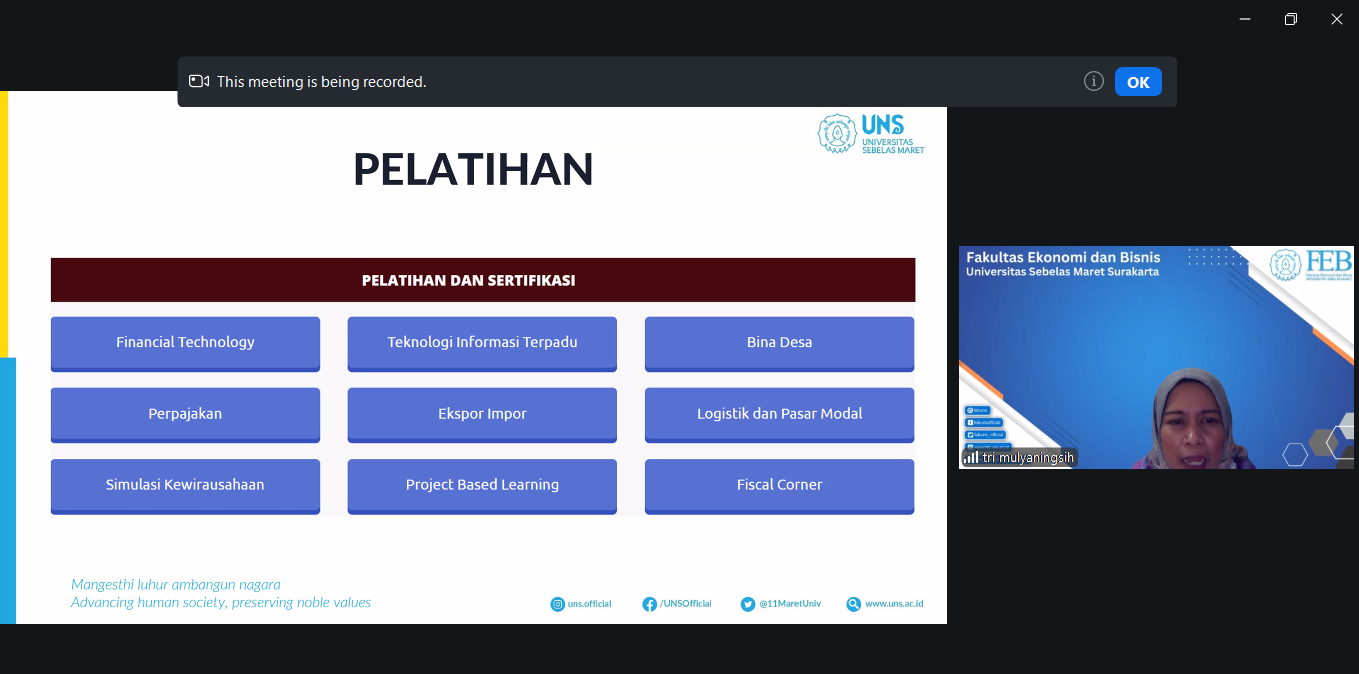
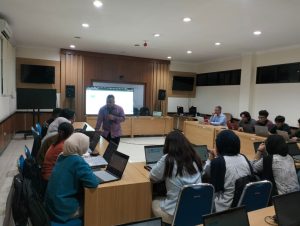
Faculty of Economics and Business (FEB), Universitas Sebelas Maret (UNS), held a virtual info session for the FEB UNS 2026 Laboratory Training and Certification Program via Zoom Meeting on Monday, 9 March 2026. The activity was addressed to FEB UNS students, particularly those from the 2022, 2023, and 2024 cohorts, as part of the faculty’s ongoing efforts to enhance student competencies through laboratory-based training programs.
In her remarks, the Vice Dean for Academic and Research Affairs of FEB UNS, Prof. Tri Mulyaningsih, S.E., M.Si., Ph.D., conveyed that the session is important for providing students with a comprehensive understanding of the laboratory training programs designed to support their readiness for the professional world. She explained that FEB UNS students are expected to develop three core skill components: academic skills, generic skills, and technical skills, where technical skills being particularly significant given their direct relevance to specific professional competencies in fields such as export-import, logistics, the capital market, and entrepreneurship.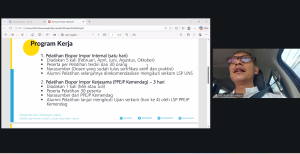
“This info session aims to ensure that students understand that, in addition to completing their coursework, they are also required to participate in training activities equivalent to 5 credit units (SKS) as part of competency strengthening prior to graduation,” she explained.
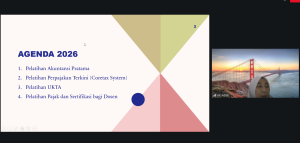
 Following the opening remarks, each laboratory head presented their respective training plans for the year 2026. The laboratories currently operating under FEB include the Financial Technology Laboratory, the Export-Import Laboratory, the Logistics and Capital Market Laboratory, the Entrepreneurship Simulation Laboratory, the Taxation Laboratory, the Project-Based Learning Laboratory, the Village Development Laboratory (Laboratorium Bina Desa), and the Integrated Information Technology Laboratory. In the subsequent session, each laboratory head elaborated on the types of training offered, the subject matter to be covered, and the benefits students stand to gain from participating in the programs.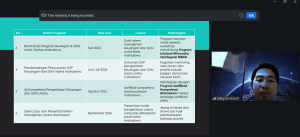
In addition to the training sessions, students also have the opportunity to pursue formal recognition of the competencies they have acquired through professional certification facilitated by the Universitas Sebelas Maret Professional Certification Body (LSP UNS). Such certification provides formal acknowledgment of student competencies and serves as a valuable asset upon entering the workforce.
 Through this socialization activity, FEB UNS encourages students to take full advantage of the available training and certification programs to enhance their practical skills, strengthen their readiness for the professional world, and support competency development from their undergraduate years onward. The activity is also consistent with efforts to advance the Sustainable Development Goals (SDGs), particularly SDG 4 (Quality Education) through the enhancement of skills-based learning, and SDG 8 (Decent Work and Economic Growth) by preparing graduates who are competent, adaptive, and competitive in the labor market.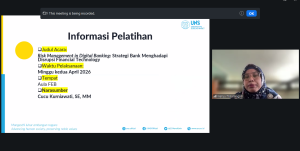
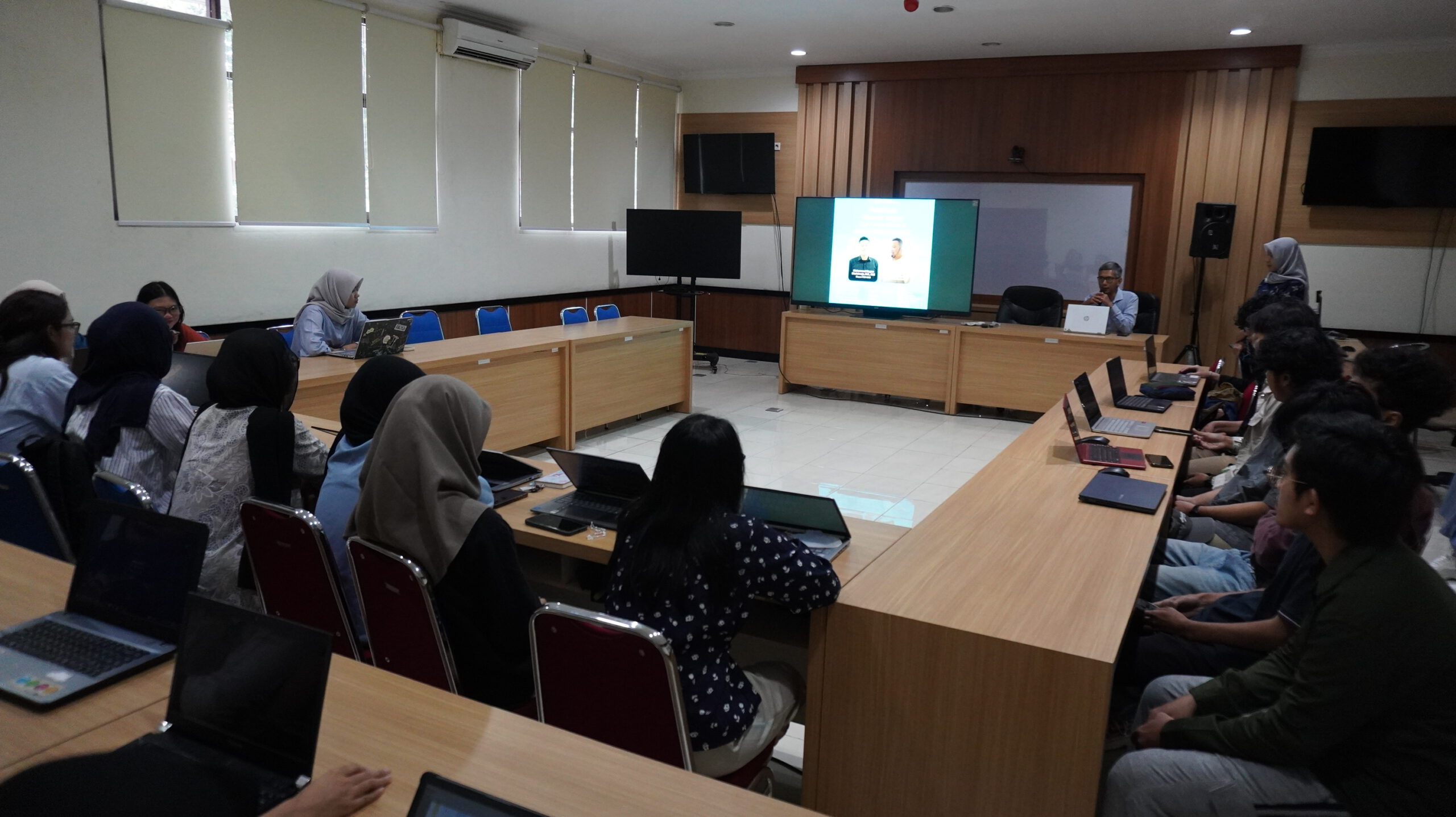
 In his opening remarks, the Head of the Export-Import Laboratory FEB UNS, Arif Rahman Hakim, S.E., M.Ec.Dev., Ph.D., MCE., conveyed that the activity forms part of the faculty’s student competency development program in the field of international trade. He explained that in 2026, the Export-Import Laboratory of FEB UNS plans to organize six rounds of export-import training, with the current session constituting the first batch in the series.
 Arif further noted that the first through fifth batches will be conducted internally, featuring speakers from among FEB lecturers and export practitioners based in Surakarta, while the certification-based training will be held in partnership with the Ministry of Trade. Through this program, participants will not only receive a faculty-issued training certificate, but will also be encouraged to proceed to professional certification at the university level through the UNS Professional Certification Body (LSP).
 He further affirmed that the objective of the training extends beyond fulfilling administrative student requirements, and is aimed at strengthening practical skills and soft skills relevant to the world of work. “We wish students to not only have a strong GPA, but also to possess expertise that will serve them well when entering the workforce. One of the essential skills is understanding export-import process,” he added.
 “We will try to identify commodities that have export market potential, such as coffee and spices like chili and ginger, and examine which countries offer the greatest market opportunities,” he explained.
 Through this activity, students are expected to gain practical insights into international trade while strengthening their readiness to navigate the dynamics of the global business environment. The training also reflects FEB UNS’s ongoing efforts to develop well-rounded graduates who excel not only academically, but also possess practical skills aligned with industry needs. Furthermore, the training is consistent with the commitment of the Faculty of Economics and Business, UNS, to advancing the Sustainable Development Goals (SDGs), particularly SDG 4 (Quality Education) through the strengthening of student competencies in international trade, and SDG 8 (Decent Work and Economic Growth) by equipping students with practical skills relevant to the industrial world and global business opportunities.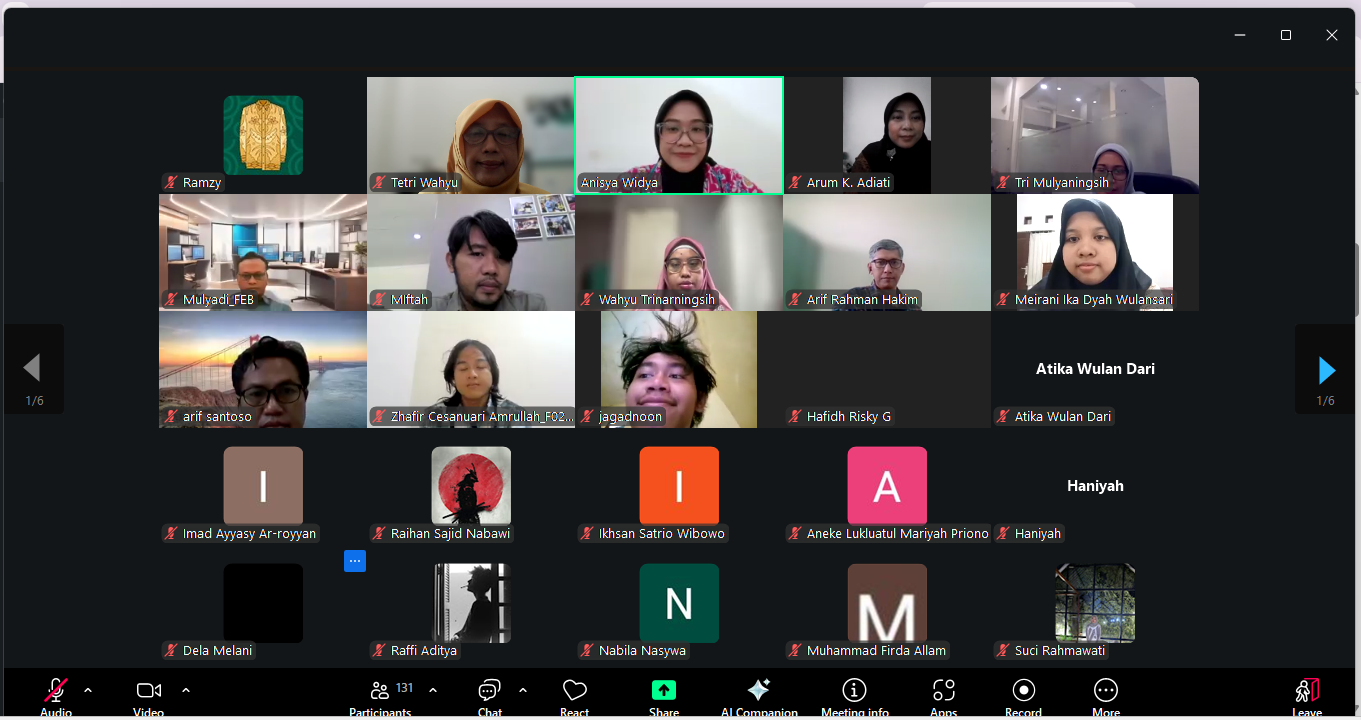

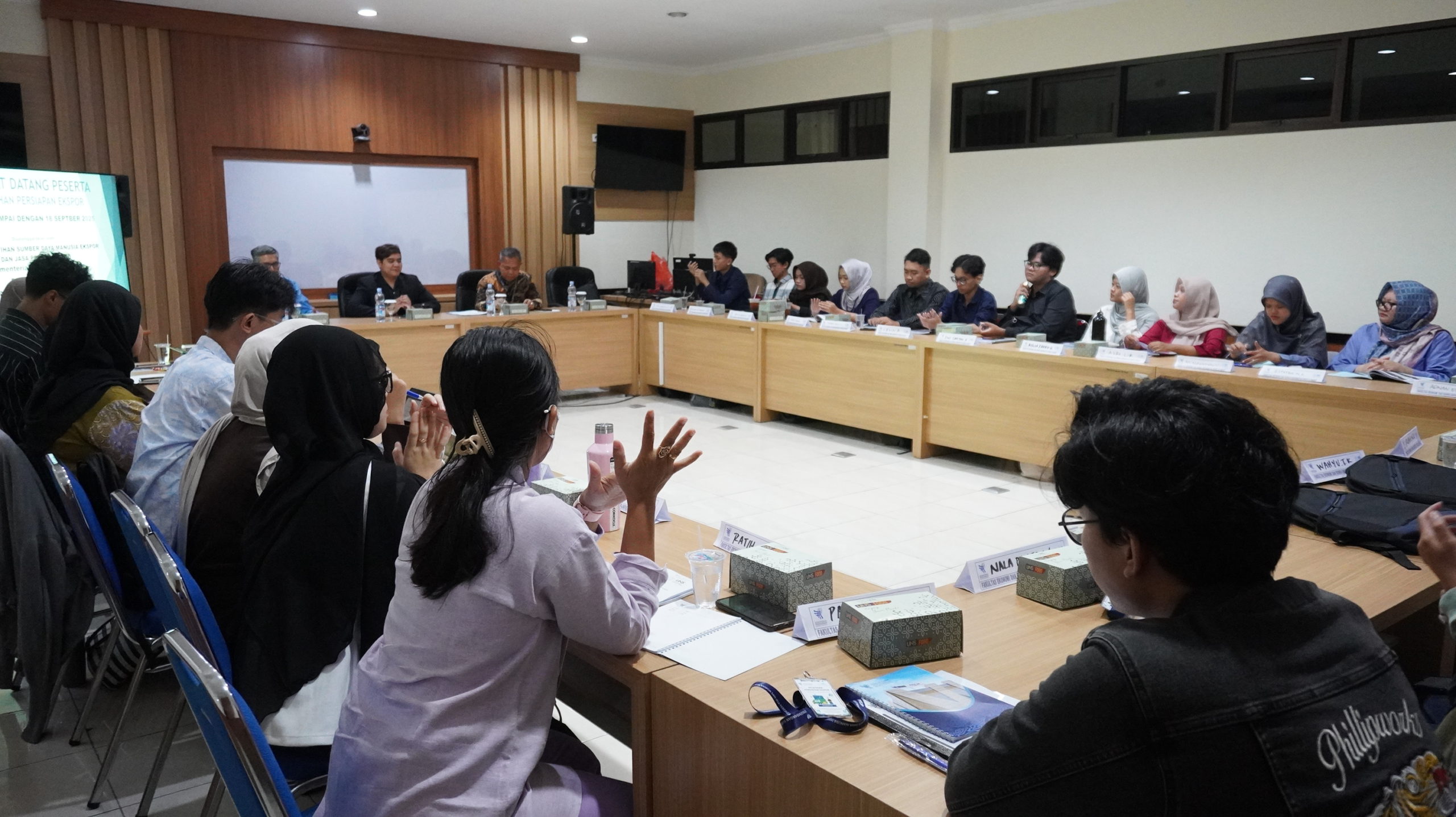


 Sementara itu, Kepala Laboratorium Ekspor Impor FEB UNS, Dr. Arif Rahman Hakim, S.E., M.Ec.Dev., menyampaikan bahwa kerja sama antara FEB UNS dan PPEJP telah terjalin sejak tahun 2001. Salah satu wujud nyata dari kerja sama ini adalah pendirian Laboratorium Ekspor Impor sebagai pusat pembelajaran dan pengembangan kompetensi di bidang perdagangan internasional.
