
Management Study Program and the Master of Management Program, Faculty of Economics and Business (FEB), Universitas Sebelas Maret (UNS), organized a practitioner lecture themed “Safeguarding Project Success through Project Integrated Monitoring & Controlling” on Saturday, 6 December 2025, at the Suhardi Hall, FEB UNS. This activity formed part of the Operations Specialization Course and featured a professional practitioner to enrich students’ understanding of contemporary project management practices.
 The speaker for this session was Edi Marwanto, Vice President of Business Development at PT National Energy Solutions, who has more than 20 years of experience in construction projects within the oil, gas, and petrochemical sectors. In his presentation, Edi Marwanto emphasized that projects do not merely produce unique deliverables, but also drive change and create value for organizations.
He explained that project failure is often caused by weak control processes, unmanaged changes, and inadequate monitoring of project performance. Data from The Standish Group indicate that large-budget projects face significant failure risks if they are not properly controlled.
The lecture then outlined core concepts in Project Management, including the Project Management Framework, Integrated Monitoring and Controlling, the role of the Project Management Office (PMO), and key recommendations for achieving project success.
 The speaker described the comprehensive project life cycle, beginning with initiating, planning, executing, monitoring and controlling, and concluding with closing. Each phase plays a critical role in ensuring that projects proceed in line with established plans.
The main section of the lecture highlighted the importance of Project Integrated Monitoring & Controlling, which encompasses scope control to prevent scope creep, project schedule control through baseline monitoring, cost control using CPI and CV indicators, quality control to ensure outputs meet specifications, as well as the management of risks, communication, resources, and stakeholders.
Edi introduced the application of Earned Value Management (EVM) as a highly effective method for assessing actual project performance and forecasting final project outcomes. The case studies presented demonstrated how EVM enables early identification of deviations, allowing project teams to design appropriate action plans.
The speaker emphasized the significance of a Project Management Office (PMO) as the center of organizational project governance. The PMO ensures strategic alignment, manages project business processes, develops human resource competencies, and facilitates knowledge transfer, enabling organizations to better manage the complexity of modern projects.
 In closing, Edi Marwanto presented several key recommendations, including the adoption of global project management standards, stronger risk and change management practices, character-based leadership that includes emotional intelligence, and the application of the talent triangle for project managers, comprising technical, leadership, and strategic-business skills.
This practitioner lecture supports the achievement of SDG 4 (Quality Education) through the enhancement of student competencies in project management. In addition, the emphasis on monitoring and controlling practices, project governance, and efficient resource utilization contributes to SDG 9 (Industry, Innovation, and Infrastructure) and SDG 16 (Peace, Justice, and Strong Institutions) through transparent, effective, and sustainable project management practices.
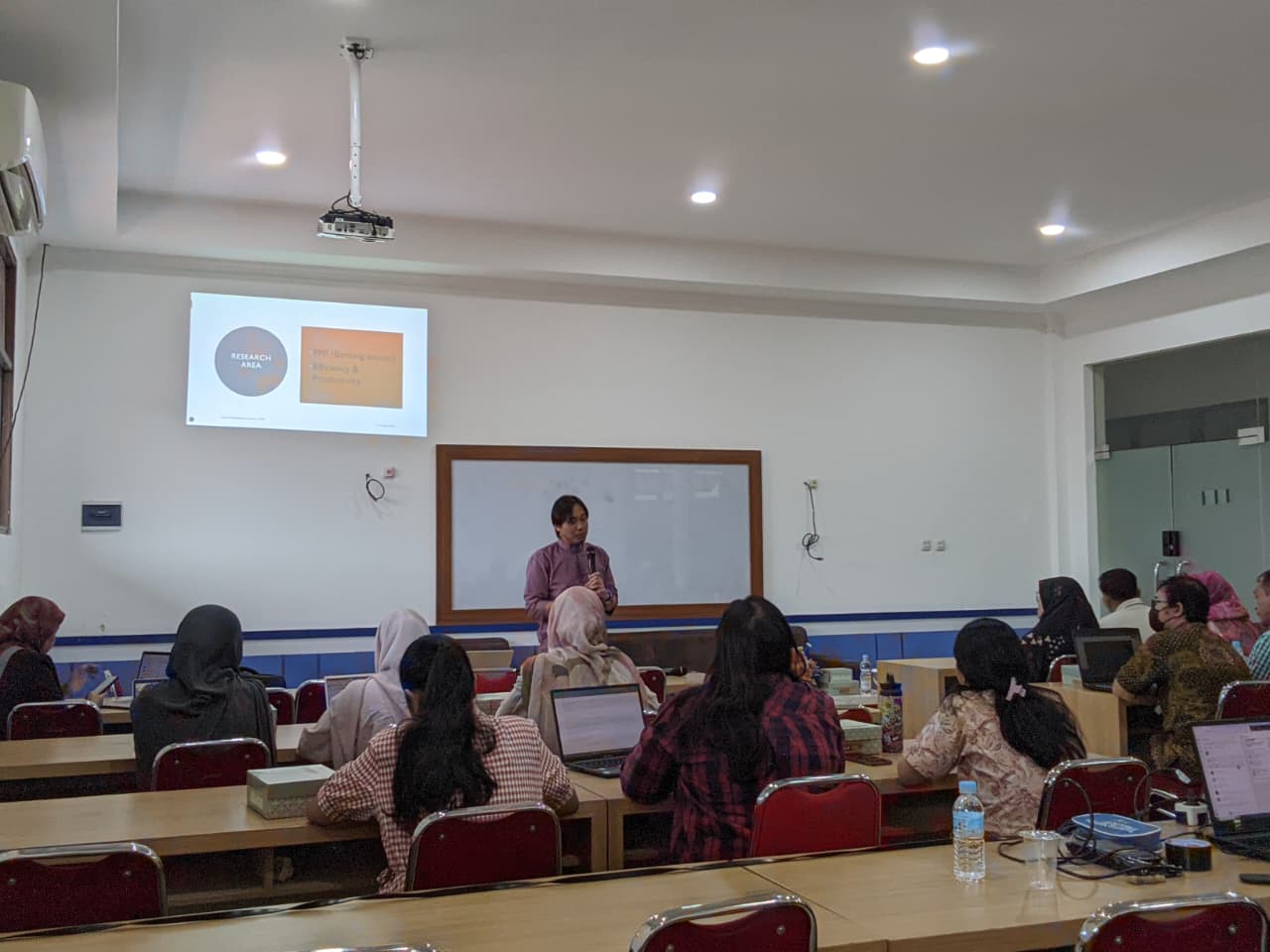
 “Meanwhile, for editors, there are three aspects they will consider: similarity, scope alignment, and novelty. Novelty is subjective and concerns new contributions. Its assessment depends on the editor of the journal,” explained Assoc. Prof. Fakarudin.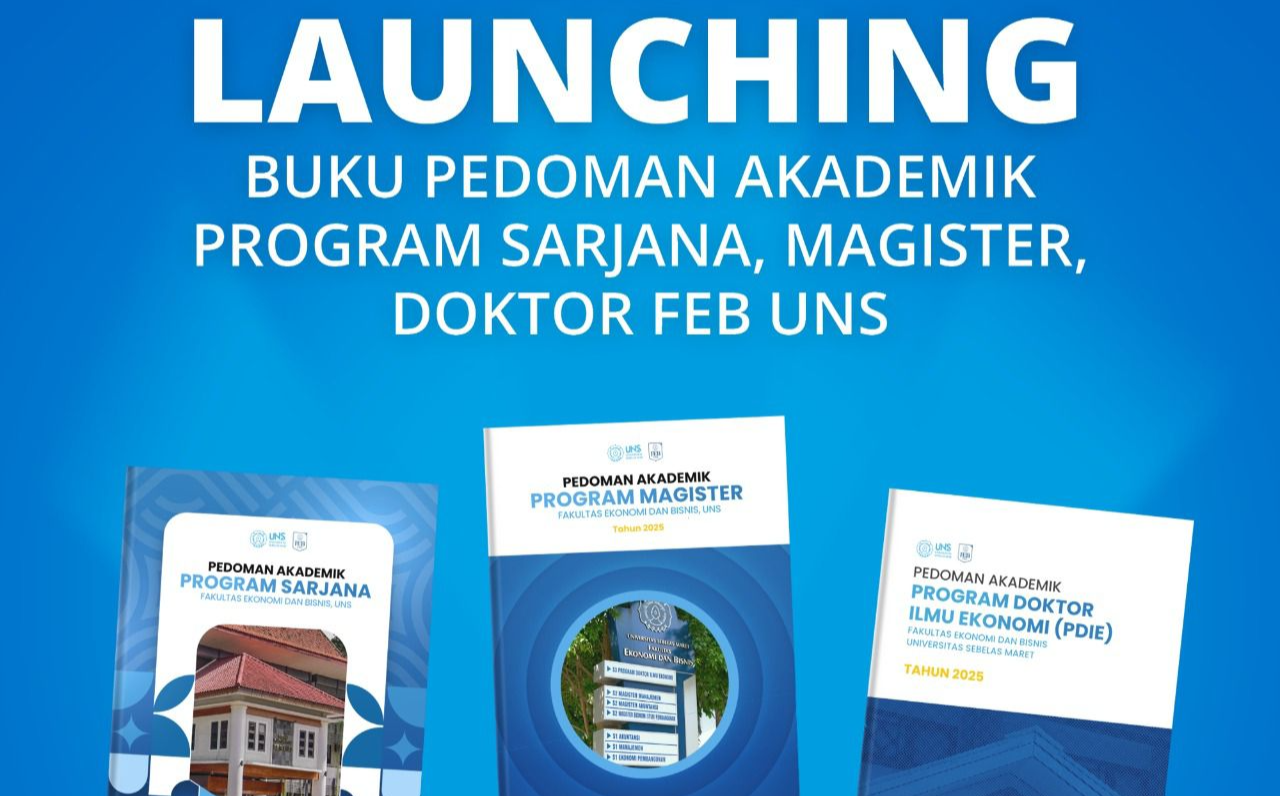
 “There are two main objectives of this activity: improving the quality of graduates and enhancing the quality of curriculum and learning experiences. The academic and curricular information presented in this handbook will help students to graduate on time, acquire knowledge and skills relevant to the job market, and ensure a meaningful and enjoyable learning experience at FEB UNS,” she explained.
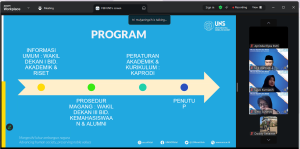
 Through the launch of this Academic Handbook, FEB UNS hopes that all students can follow a clearer academic path, understand their rights and responsibilities, and make full use of the available learning facilities. This initiative also reaffirms FEB UNS’s commitment to supporting the achievement of the Sustainable Development Goals (SDGs), particularly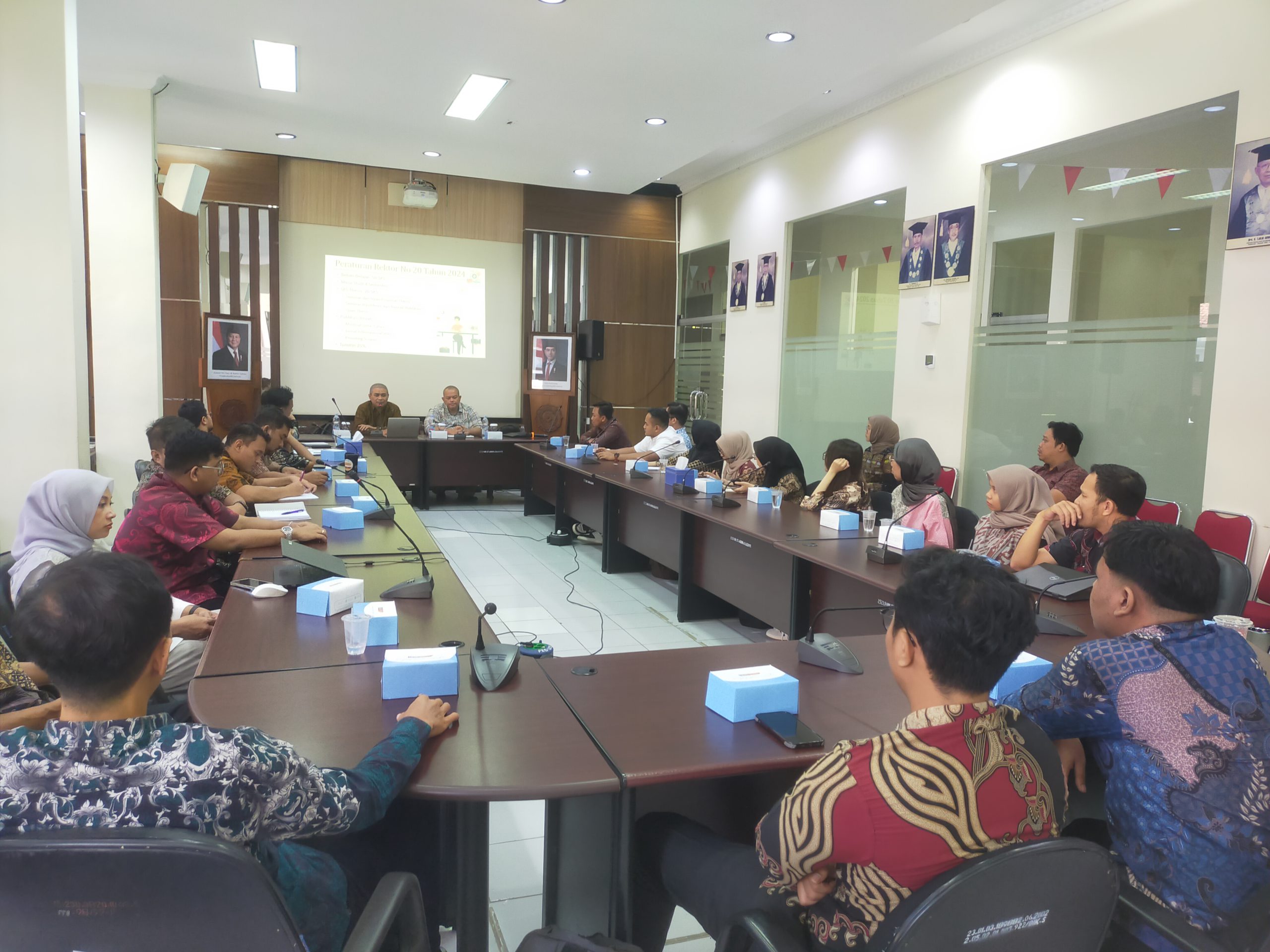

 One of the strategies introduced by the Head of the Study Program is the acceleration of scientific publications. Students are guided from the first semester through individual proposal writing. In the following semesters, the research is developed into a research report, transformed into a manuscript for publication in the third semester, and finally presented in a research seminar during the fourth semester. “We do not want you to spend too much time here; aim to finish within a maximum of two years,” he emphasized.

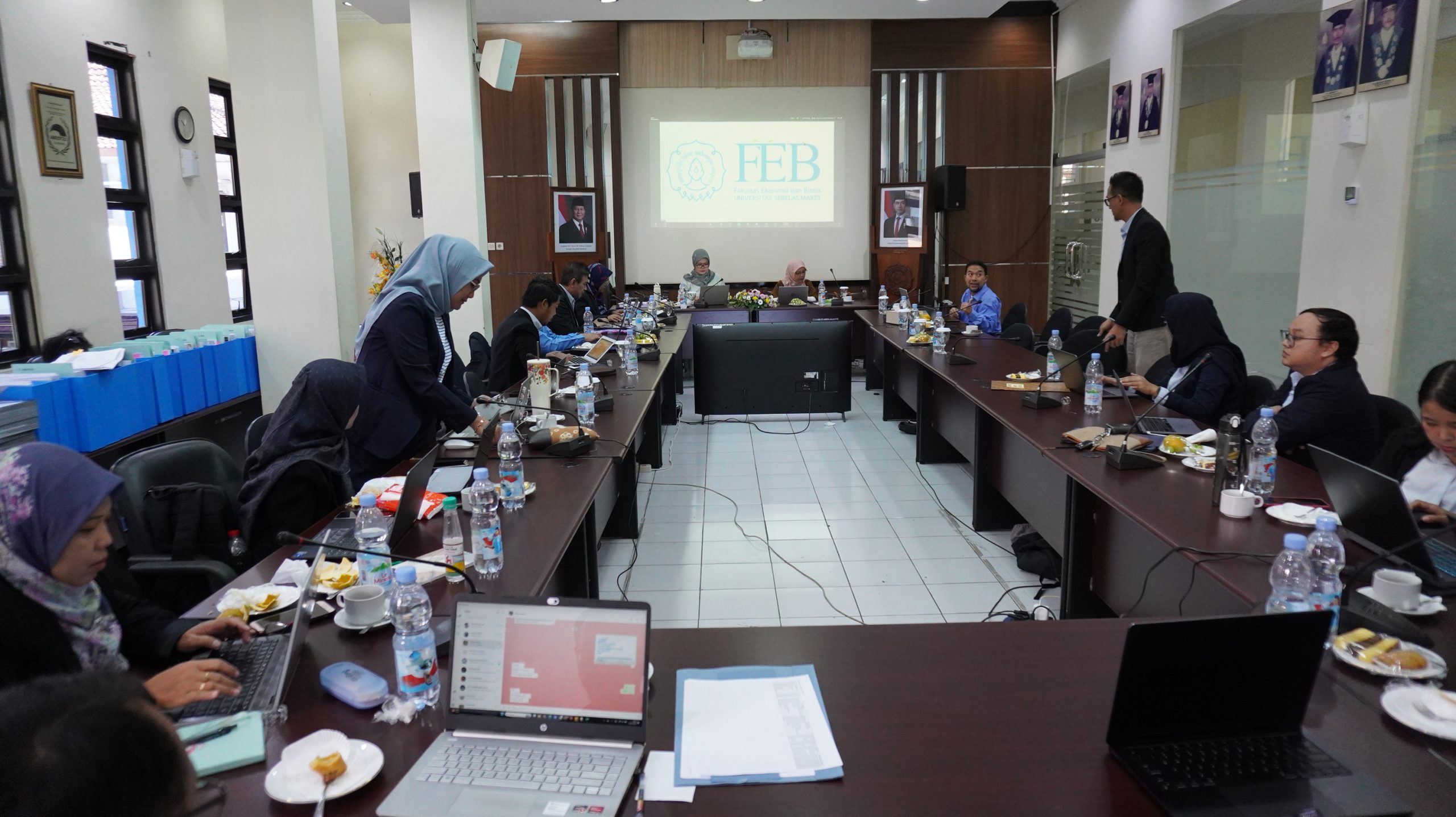
 The assessor team consisted of Prof. Dr. Farida Titik Kristanti, S.E., M.Si., from Telkom University, and Dr. Wuryan Andayani, C.A., M.Si., CSRS., CSRA., CMA., from Universitas Brawijaya. They were formally welcomed at the Rectorate Meeting Room by Prof. Dr. Fitria Rahmawati, S.Si., M.Si., Vice Rector for Academic and Research Affairs, together with the FEB UNS Dean Office, heads of the respective study programs, and representatives from the UNS Institute for Educational Development and Quality Assurance.


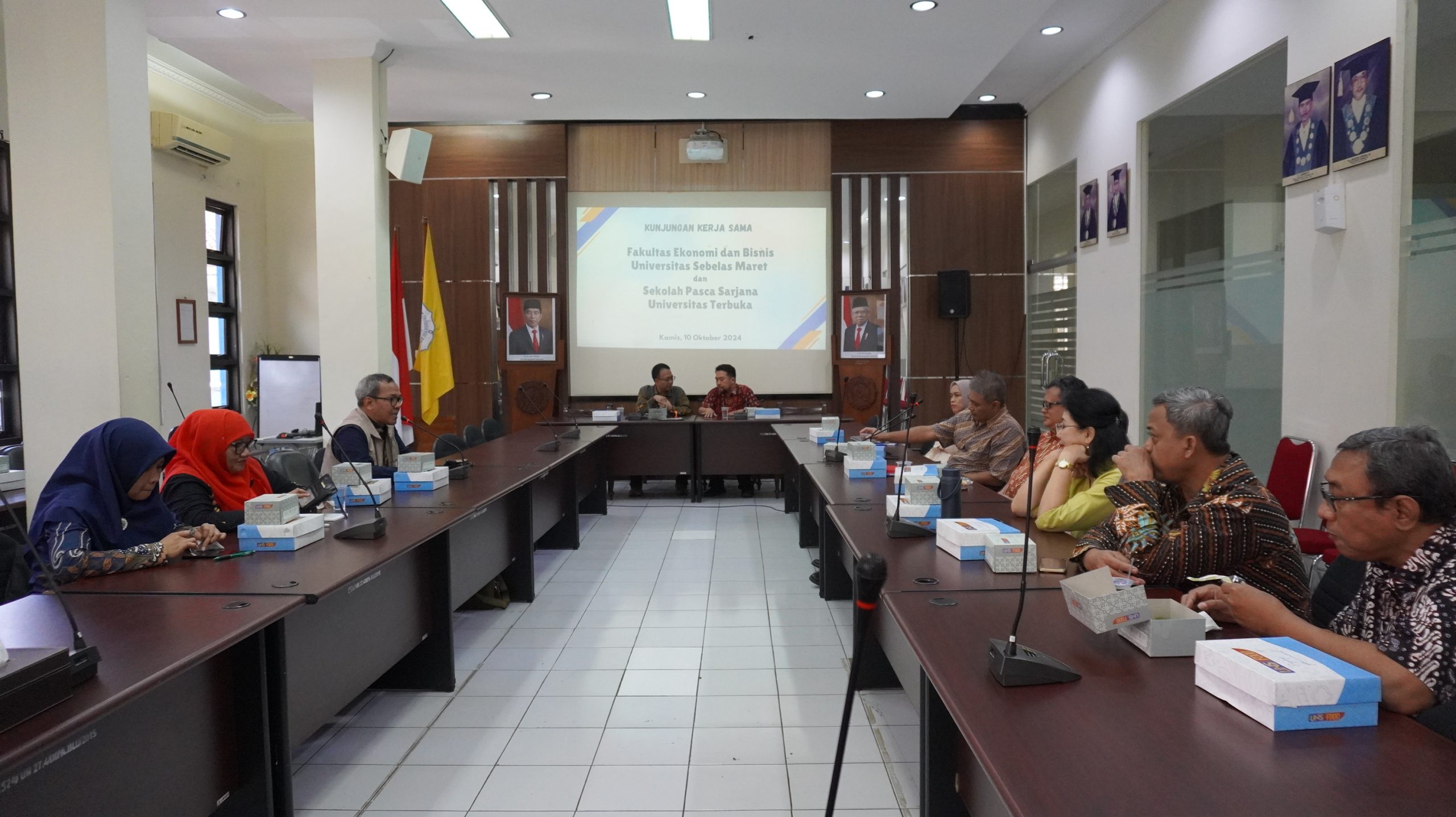


 The event featured two keynote speakers: Mirwan Surya Perdhana, S.E., M.M., Ph.D., Head of the MM Program at Universitas Diponegoro (UNDIP), and Prof. Dr. sc. Agr. Ir. Adi Ratriyanto, S.Pt., M.P., IPU., ASEAN Eng., a member of the drafting team for UNS Rector’s Regulations based on Permendikbudristek No. 53 of 2023. The workshop, attended by MM Program lecturers, was moderated by Wahyu Trinarningsih, S.E., M.M., M.A.
 She noted that although the university has not yet issued derivative regulations based on the Ministry’s policy, the program invited the Head of the MM Program at UNDIP, as UNDIP has already implemented the regulation. Additionally, the event included Prof. Adi Ratriyanto, a team member responsible for drafting the university’s regulation aligned with the Ministry’s directive.
 “The key issue is the increased credit requirements for the MM Program. Currently set at 36 credits, the new standard mandates a minimum of 54 and a maximum of 72 credits. One aspect highlighted is that mandatory dissemination of research publications will no longer be required. However, discussions at the university level suggest that UNS may still impose this requirement under specific conditions. With these additional credit requirements, discussions like this are essential,” she explained.
 She further expressed hope that the discussions during the workshop would serve as a valuable resource as the MM Study Program prepares for reaccreditation, with its current accreditation expiring in November 2025. Dr. Retno added that initial data collection for the reaccreditation process has already begun and will be further managed by the newly appointed Head of the MM Program, Dr. Lilik Wahyudi, S.E., M.Si.

 This statement was made by Dr. Dwi Prasetyani, SE. M.Si., Director of the Directorate of Alumni and Student Entrepreneurship at UNS, during the opening remarks of the Sharing Session titled “Balancing Corporate, Business, and People Development.” The event was hosted by the Master of Management (MM) Program FEB UNS on Saturday, September 21, 2024, in the Konimex Hall, Bachtiar Effendi Building.
 Dr. Prasetyani further explained that scholarships provided by KAFEB have shown remarkable growth over the past two years. In its first year, the fund allocation stood at around IDR 24 million, which then increased significantly to IDR 184 million in the second year. These scholarships are awarded based on three criteria: financial need, academic achievement, and active involvement in campus activities.
 In addition to KAFEB scholarships, there is also the “Bakti Almamater” program, which provides support for students through mentorship, job placements in state-owned enterprises, and opportunities in the banking sector. KAFEB provides mentoring and assistance starting from application to interview stages. Additionally, Bakti Almamater KAFEB also offers financial support for students participating in achievement-oriented activities.
 Moreover, there is an additional fundraising initiative outside of KAFEB called “Gerbang Pitulungan,” donations specifically established by the alumni for student scholarships.
 Dr. Prasetyani expressed her sincere gratitude and appreciation for the efforts of FEB UNS and KAFEB. “KAFEB UNS is a source of pride for us all. FEB is the only faculty at UNS with a dedicated foundation and endowment fund. Nationally, very few faculties have such resources. FEB UNS serves as a benchmark within UNS, setting an example for other faculties. Thank you to our alumni, who have shown exceptional commitment and integrity in supporting the advancement of FEB and UNS,” she concluded.
 Meanwhile, the Dean of FEB UNS emphasized the importance of fostering a sense of belonging among alumni. Alumni who maintain a strong connection to their alma mater, and feel pride and respect for it, contribute to its enduring value.
 The Sharing Session featured three guest speakers from the 1989 alumni cohort: Heri Purnomo, Director of HR and General Affairs at PT Alumni; Eko Ariantoro, Chief Commissioner of PT. Elnusa; and Danang Andriyanto from Bank Mandiri. The event was moderated by Retno Tanding Suryandari, Ph.D., Head of the MM Program, and attended by undergraduate, master’s, and doctoral students, as well as the alumni from 1989 cohort. The session was engaging and featured many door prizes for active participants.
 Speakers included Tri Mulyaningsih, Ph.D., and Dr. Nuryakin, who discussed academic writing techniques; Dr. Mulyanto and Dr. Roderikus Agus Trihatmoko, who focused on popular science writing; Suwarmin, MM., who covered Managerial Challenges; and Vika Laretha Dyahsasanti, S.E., who presented on Digital Literacy.
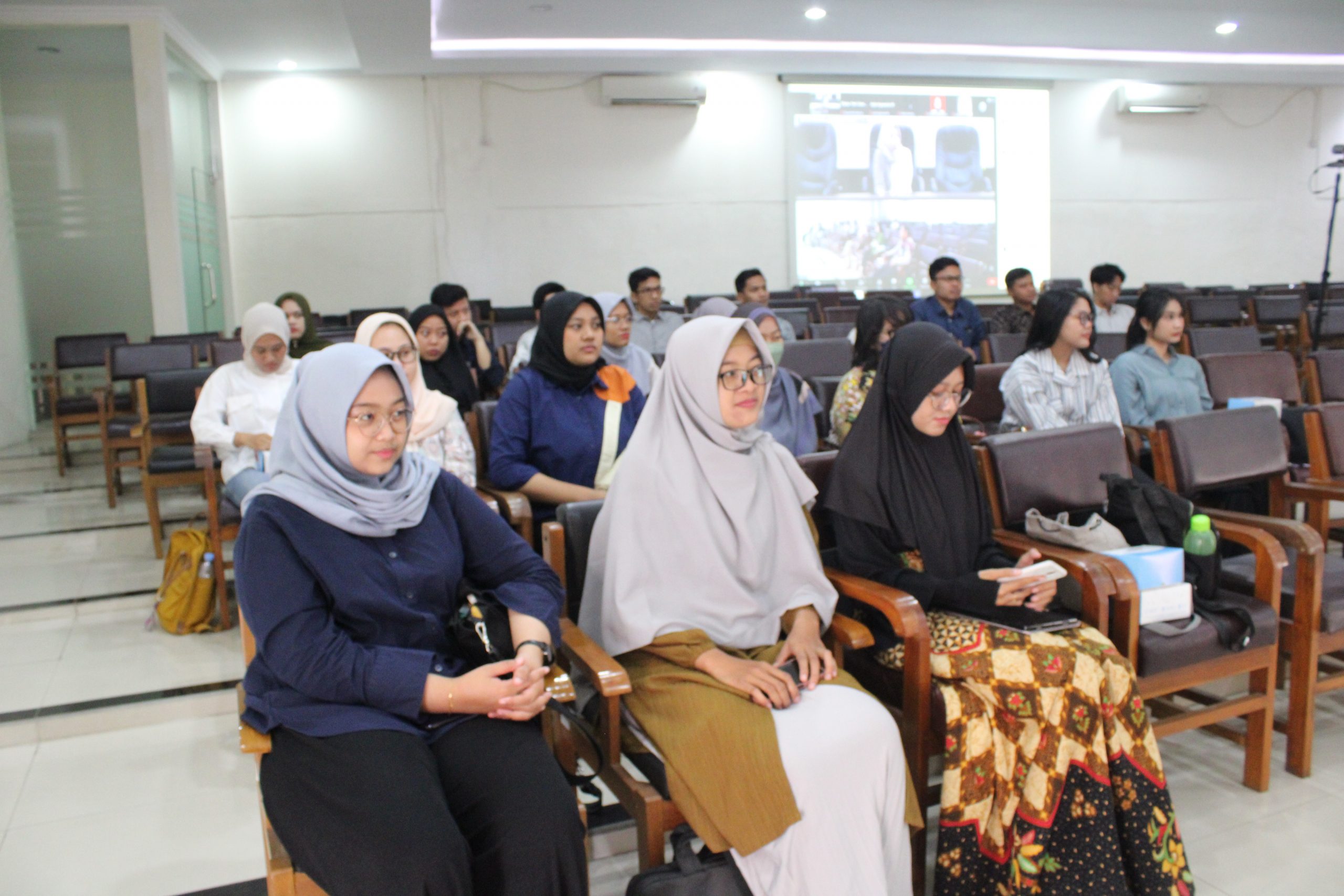

 To the new students, Dr. Dwi emphasizes that at the beginning students must have a goal while continuing their studies in the MM Study Program. “What motivated you to get to MM FEB UNS? You must have a mission and a purpose, this is a better path for your future, to improve your capacity. We really hope that by joining MM FEB UNS, your abilities and competencies can improve significantly, thus creating a unique skill as your personal characteristic, to further enhance your bargaining power,” she explained.
 The Study Program decided to deliver material on research and publications on the first day of orientation because this material deals with the biggest challenge for students. When registering for the thesis exam, students are required to have a research publication.