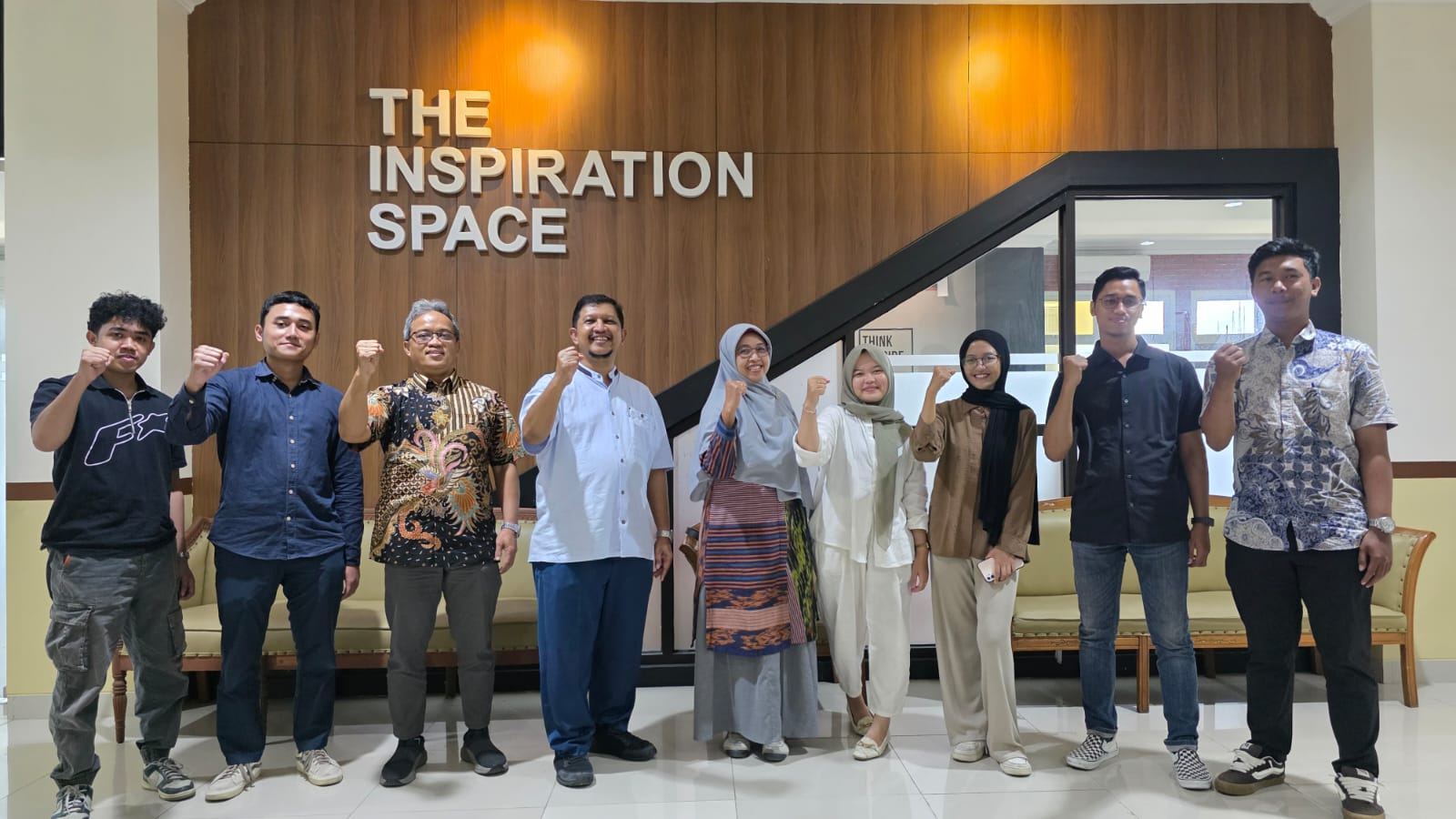
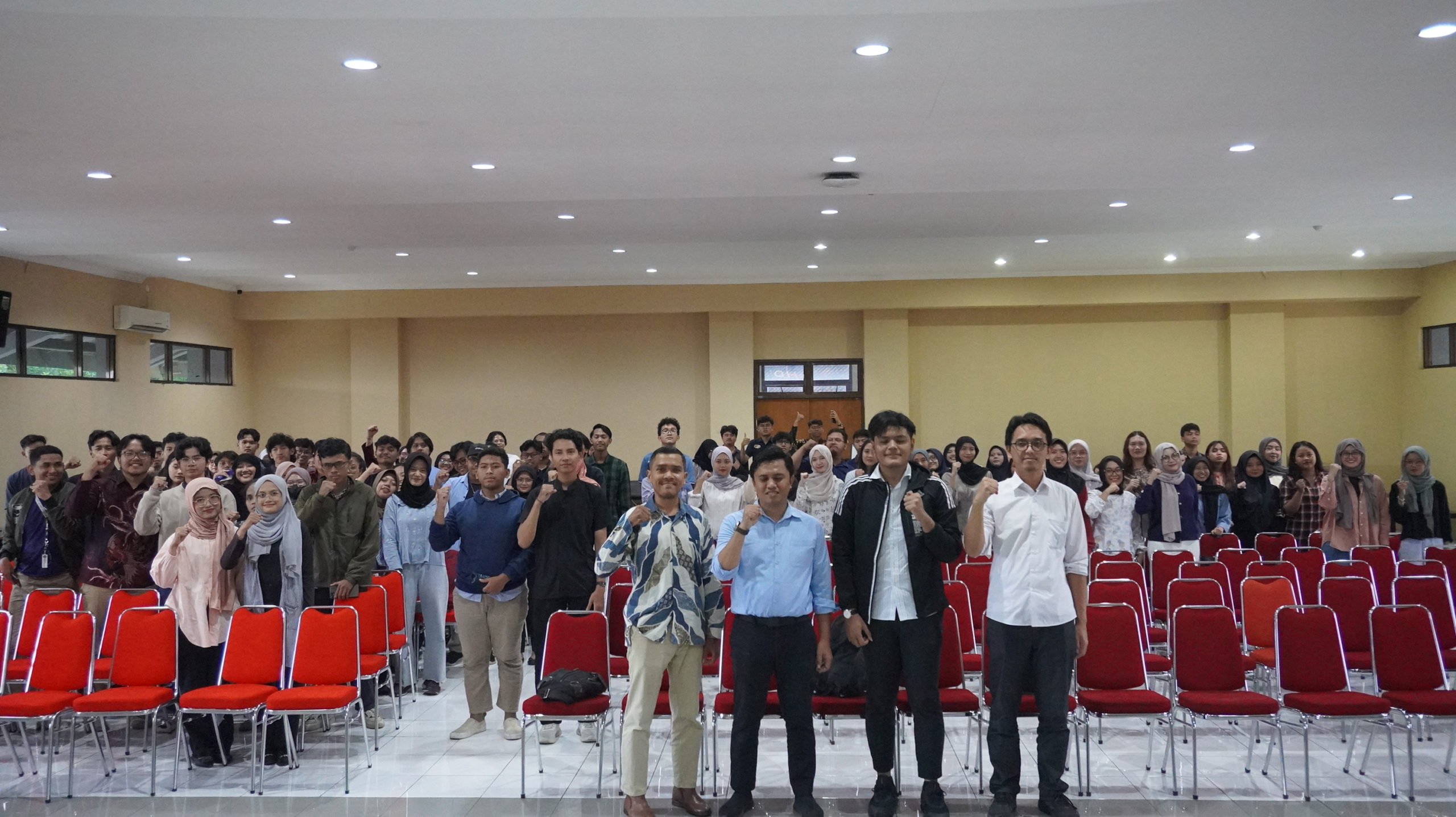
The Behavioral Marketing Research Group (RG), Faculty of Economics and Business (FEB), Universitas Sebelas Maret (UNS), in collaboration with the Entrepreneurship Clinic and Business Incubator (KKIB), Universitas Diponegoro (UNDIP), strengthened their partnership in developing a research-based startup incubation ecosystem through a Focus Group Discussion (FGD) held on Tuesday, 18 November 2025. The forum served as an academic platform to examine the role of incubators in nurturing research-driven innovative business ideas within higher education institutions.
Dr. Ahmad Ikhwan Setiawan, Head of the Behavioral Marketing Research Group at FEB UNS, emphasized that business incubators are a critical foundation for supporting students and researchers in developing ideas, building business models, and receiving professional mentoring. He noted that incubators can accelerate the transformation of innovation into solutions that provide value and benefits to society.
Prof. Dr. Datien Eriska Utami from UIN RM Said highlighted the importance of establishing modern incubators as collaborative ecosystems that adapt to market dynamics and technological developments. 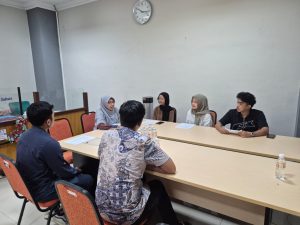 She pointed out the need for multidisciplinary approaches, including product design, consumer behavior analysis, and digital marketing strategies, to ensure that tenants remain competitive. For her, the success of an incubator depends not only on physical facilities but also on strong mentoring networks, market access, and the integration of research outcomes with industry needs.
From the incubator management perspective, Dr. Idris, Head of KKIB UNDIP, explained that universities must provide an enabling environment for startup growth. This includes space for creativity, experimentation, and a strong culture of innovation. He added that institutional policies, research support, and industry partnerships are essential factors that enable startups to grow from idea development to commercialization.
Through this FGD, both institutions agreed to strengthen research collaboration, share best practices, and promote the development of an incubator model capable of supporting the emergence of competitive startups at the national level. This collaboration is expected to enhance the campus entrepreneurship ecosystem while contributing to national innovation and competitiveness.
This incubation initiative aligns with SDG 4 (Quality Education) through improved research-based entrepreneurship capacity; SDG 8 (Decent Work and Economic Growth) through the creation of new business opportunities and the strengthening of the creative economy; and SDG 9 (Industry, Innovation and Infrastructure) through the advancement of innovation ecosystems, industry collaboration, and research commercialization in higher education institutions.


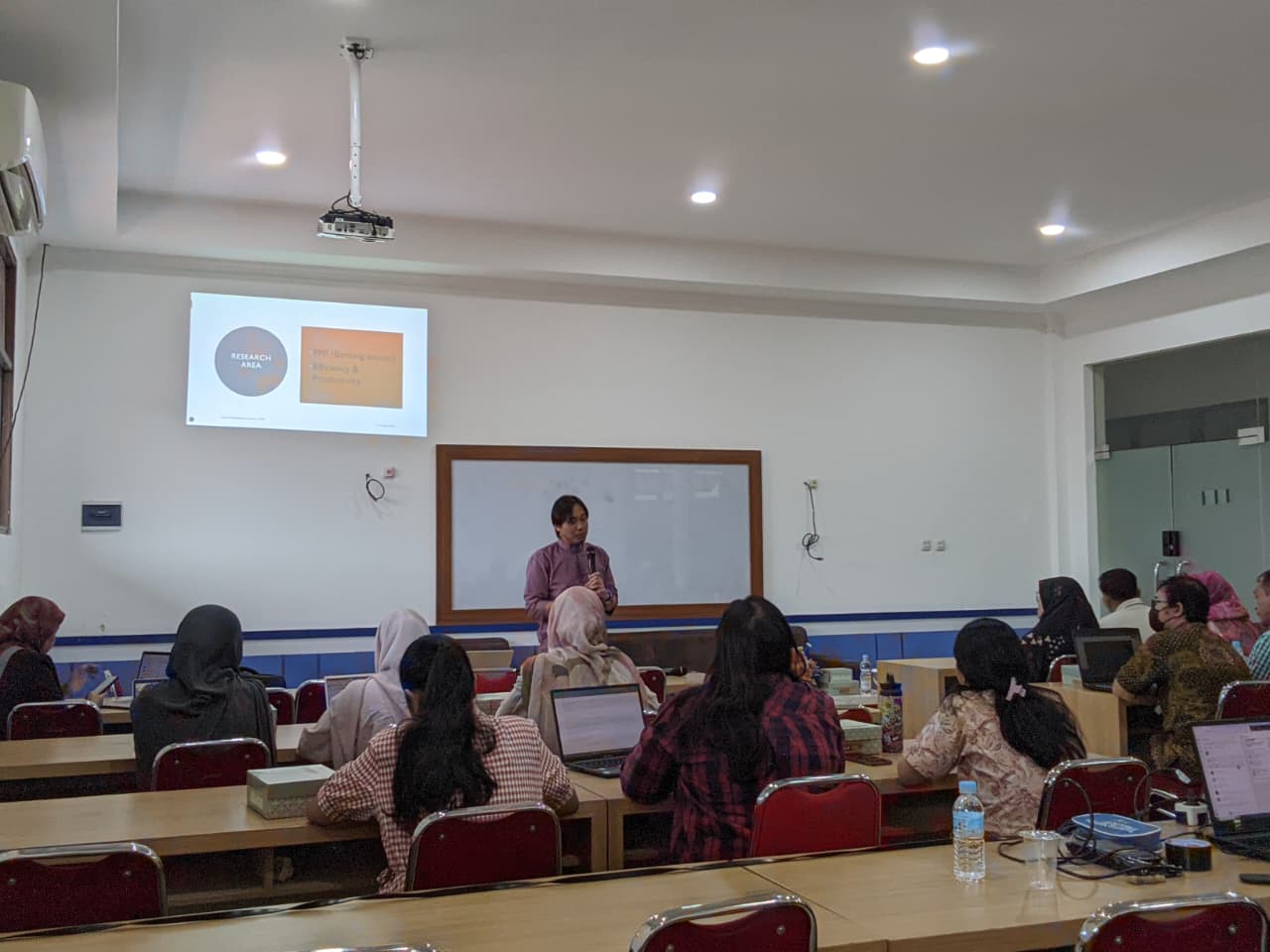
 “Meanwhile, for editors, there are three aspects they will consider: similarity, scope alignment, and novelty. Novelty is subjective and concerns new contributions. Its assessment depends on the editor of the journal,” explained Assoc. Prof. Fakarudin.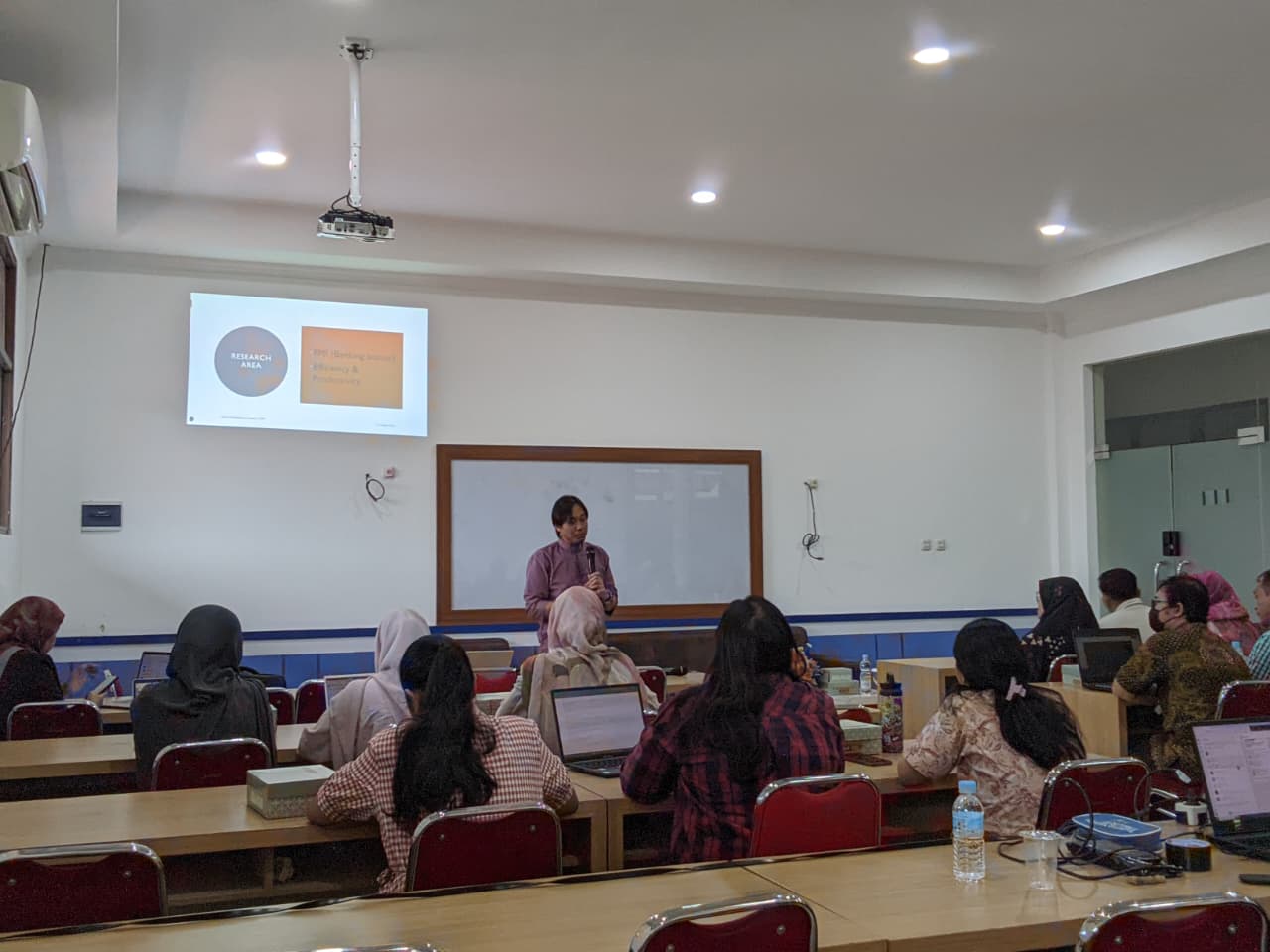

 During his presentation, Heri delivers material titled “The Happiness Trap: Finding Peace Amid Pressure.” He explains that many individuals unconsciously fall into the expectation of being constantly happy, a condition that often intensifies dissatisfaction and anxiety. He emphasizes that genuine happiness does not arise from avoiding difficulties, but from the ability to find meaning in every stage of life.
 Participants demonstrate strong enthusiasm throughout the program. Many actively engage in discussions, share experiences regarding workplace pressures, and practice emotional management techniques introduced by the speaker. Additionally, the roleplay and Feeling Game sessions also generate high participation, reflected through group interactions, communication practice, and simulated work scenarios. Positive responses emerge as participants encounter practical concepts applicable to daily routines, including strategies for managing energy, strengthening positive mindsets, and addressing minor conflicts in the work environment.
 The training provides Academic Support Staff not only with new knowledge but also with opportunities to build stronger working relationships and enhance well-being in fulfilling daily responsibilities. This initiative aligns with FEB UNS’s commitment to supporting the Sustainable Development Goals (SDGs), particularly SDG 3 (Good Health and Well-Being), SDG 4 (Quality Education), and SDG 8 (Decent Work and Economic Growth). Through this program, FEB UNS continues to promote a healthy, productive, and sustainable work environment.