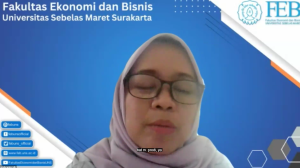
Program Studi S1 Manajemen Fakultas Ekonomi dan Bisnis (FEB) Universitas Sebelas Maret (UNS) menyelenggarakan Kuliah Praktisi secara daring bertajuk “Leadership in the Digital Era: Building an Authentic Presence on Social Media” Kamis, 16 Oktober 2025.
Kegiatan ini menghadirkan Astrid Widayani, S.S., S.E., M.B.A., Ph.D (Cand.), Wakil Wali Kota Surakarta, sebagai narasumber utama, dan dipandu oleh Dr. Wulan Permatasari, S.E., M.M., SHRM.CP sebagai moderator.
Dalam sambutannya, Dr. Sinto Sunaryo, S.E., M.Si., SHRM.CP., Ketua Program Studi S1 Manajemen FEB UNS, menjelaskan bahwa kuliah praktisi merupakan agenda rutin yang menghubungkan teori akademik dengan praktik profesional.
“Mahasiswa diharapkan memperoleh wawasan langsung dari para praktisi agar dapat memahami penerapan teori dalam konteks nyata, terutama di bidang kepemimpinan,” ujarnya.
Astrid Widayani membuka pemaparannya dengan membahas konsep persona pejabat publik di media sosial, yaitu bagaimana citra dan identitas seorang pemimpin dibangun secara daring untuk menjangkau publik, menjelaskan kebijakan, serta menampilkan sisi personal dan emosional.
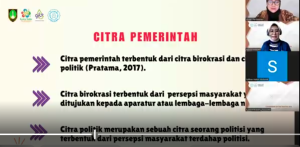
Ia juga menguraikan bahwa citra pemerintah terbentuk dari dua dimensi: citra birokrasi dan citra politik, yang keduanya sangat dipengaruhi oleh persepsi masyarakat terhadap aparatur dan pemimpin publik.
Lebih lanjut, Astrid menjelaskan dimensi “authentic presence” yang menjadi kunci kepemimpinan di era digital.
“Kehadiran otentik di media sosial bukan sekadar eksis, tetapi harus konsisten antara nilai pribadi dan pesan yang disampaikan, transparan, serta membangun interaksi dua arah,” tegasnya.
Ia menambahkan bahwa autentisitas diukur dari kredibilitas, kepercayaan, dan koneksi emosional yang tumbuh antara pemimpin dan publik.
Sebagai strategi, Astrid menyoroti empat langkah membangun authentic presence: menemukan nilai inti (core value), menjaga konsistensi dengan konten yang relevan, mendengarkan audiens secara aktif, dan berinteraksi secara otentik tanpa gimmick. Ia menutup sesinya dengan menekankan bahwa “autentisitas akan menumbuhkan kepercayaan publik”, pondasi utama dalam kepemimpinan yang berkelanjutan.
Kuliah ini diikuti secara daring oleh mahasiswa yang sebagian besar dari Prodi S1 Manajemen berjalan interaktif melalui sesi tanya jawab.
Melalui kegiatan ini, mahasiswa tidak hanya mempelajari teori kepemimpinan, tetapi juga bagaimana membangun citra diri dan kepemimpinan yang kredibel di ruang digital.
Kegiatan kuliah praktisi ini juga mendukung pencapaian Sustainable Development Goals (SDG) 4: Pendidikan Berkualitas dan SDG 16: Perdamaian, Keadilan, dan Kelembagaan yang Tangguh, dengan menumbuhkan generasi pemimpin muda yang berintegritas, adaptif, dan komunikatif di era digital.
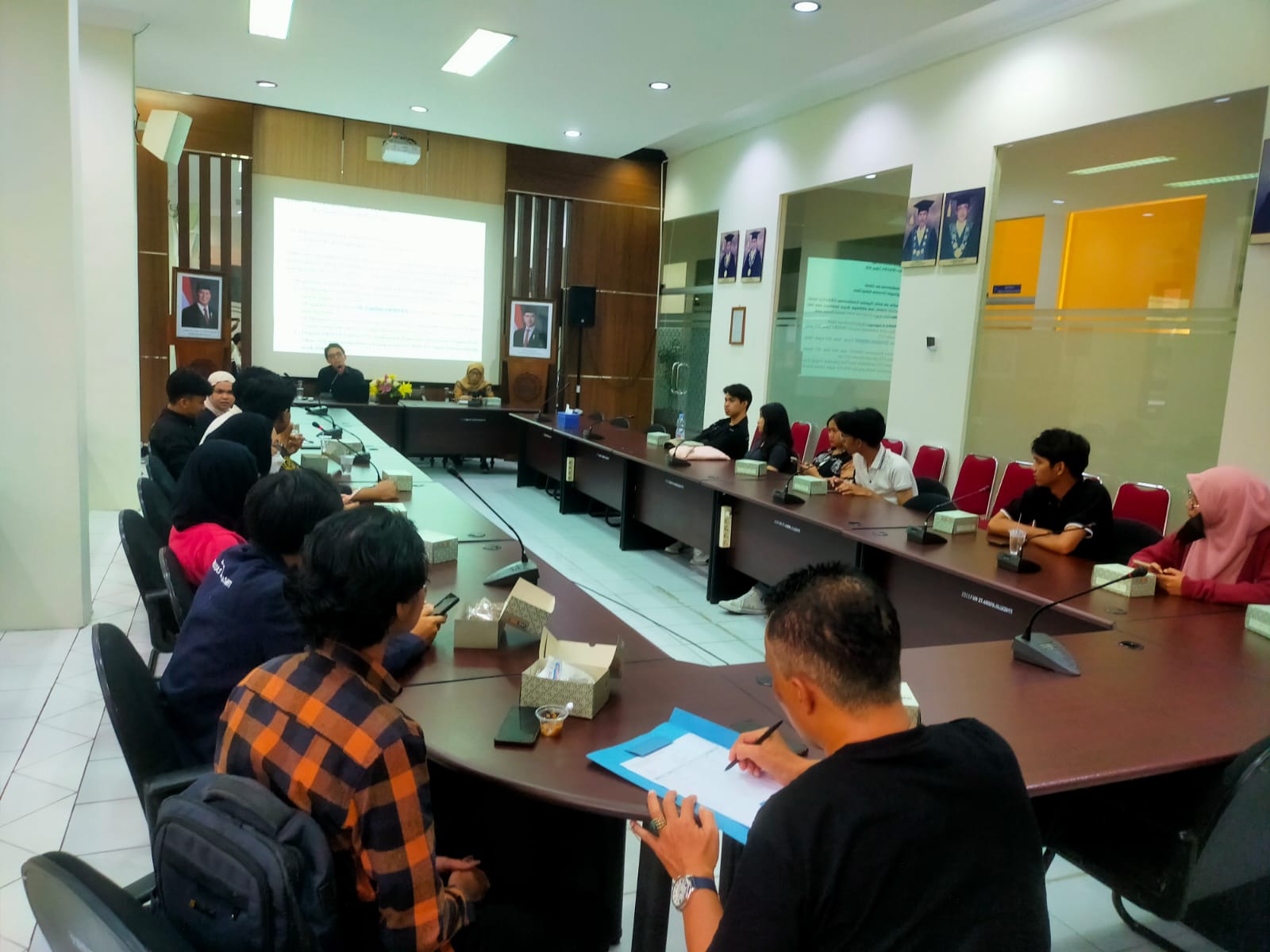
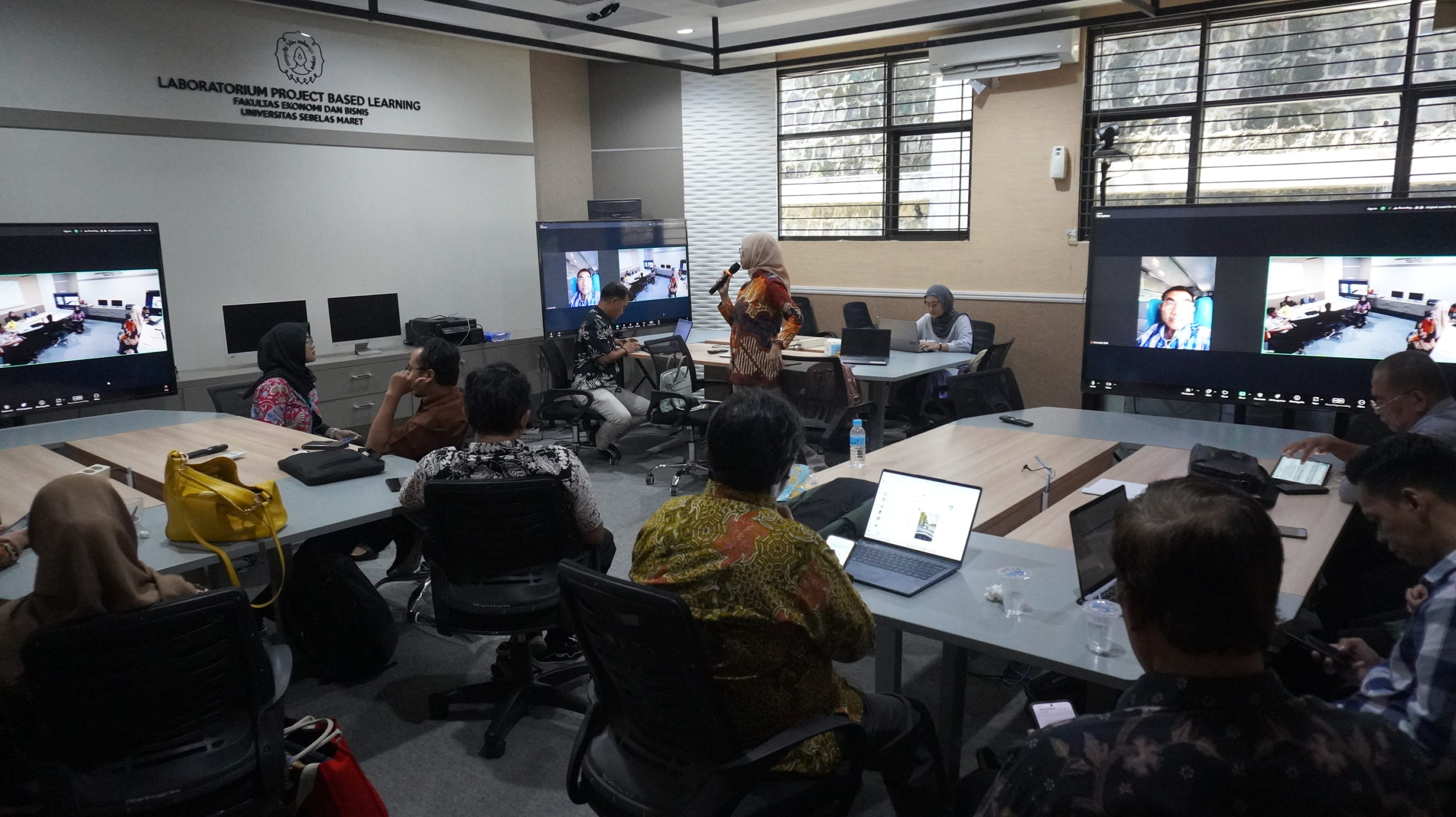
 In her remarks, Prof. Tri Mulyaningsih explained that the discussion marked an important step in facilitating the MESP Program’s preparation to launch its RPL track. She stated, “RPL is the acknowledgment of learning outcomes acquired through prior professional experience. FEB has gained experience in managing RPL at the undergraduate level, such as in the Accounting Study Program that admitted students from the Financial and Development Supervisory Board (BPKP). For the master’s level, we are designing an RPL model based on credit recognition through professional portfolios rather than mere credit transfers.”
 He added that the RPL model in MESP will open opportunities for graduates from both Economics and non-Economics undergraduate programs with at least three years of work experience, particularly in planning, public policy, or regional economics. Through an assessment and portfolio-based mechanism, participants’ professional experiences will be recognized as part of their learning outcomes in accordance with academic standards.
 Through this curriculum draft discussion, the MESP Program is expected to open the RPL track in the even semester of the 2025/2026 academic year. The program aims to expand access to higher education for professionals while contributing to the enhancement of human resource capacity in economic planning and policy development.
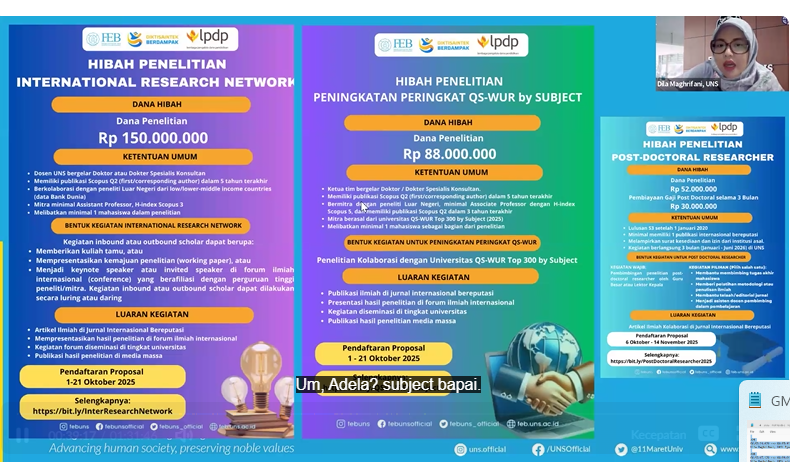
 In her presentation, Prof. Tri also elaborated on how grant implementation could support the faculty’s strategic objectives, including enhancing international reputation and integrating research with teaching. She gave examples of grant schemes that could fund collaborative teaching and international research initiatives, such as inviting visiting professors or postdoctoral fellows from reputable overseas universities.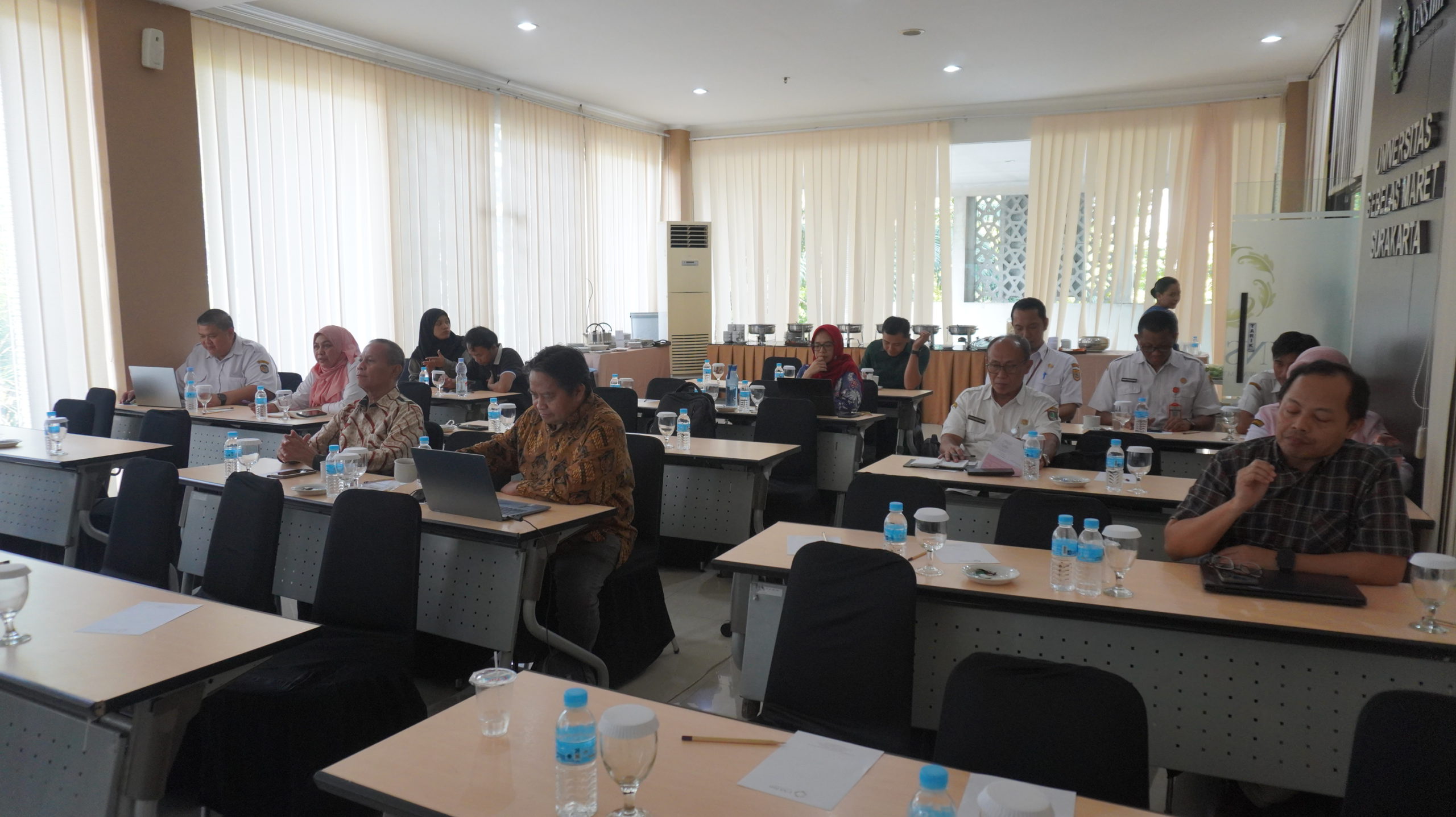
 The workshop opened with remarks from Johadi, S.E., M.Sc., Head of Cooperation at FEB UNS, who emphasized the importance of enhancing fiscal planning and public policy capacity amid regional financial constraints. “Hopefully, this workshop will bring new perspectives amid fiscal pressures. Our budget base will decline by about 19.9 percent in 2026 compared to 2025, which will have a major impact since intergovernmental transfers account for around 83 percent of our budget. Given this situation, research conducted by local governments in collaboration with BRIDA and Bappeda must propose policy recommendations that are effective, well-targeted, and outcome-oriented,” said Johadi.
 The event was attended by approximately 25 participants, including lecturers, researchers, and representatives from Bappeda and BRIDA across the Solo Raya region, including Surakarta, Sukoharjo, Karanganyar, Boyolali, Sragen, and Wonogiri. Discussions were active and productive, addressing various technical issues in data-based planning, budgeting, and policy evaluation.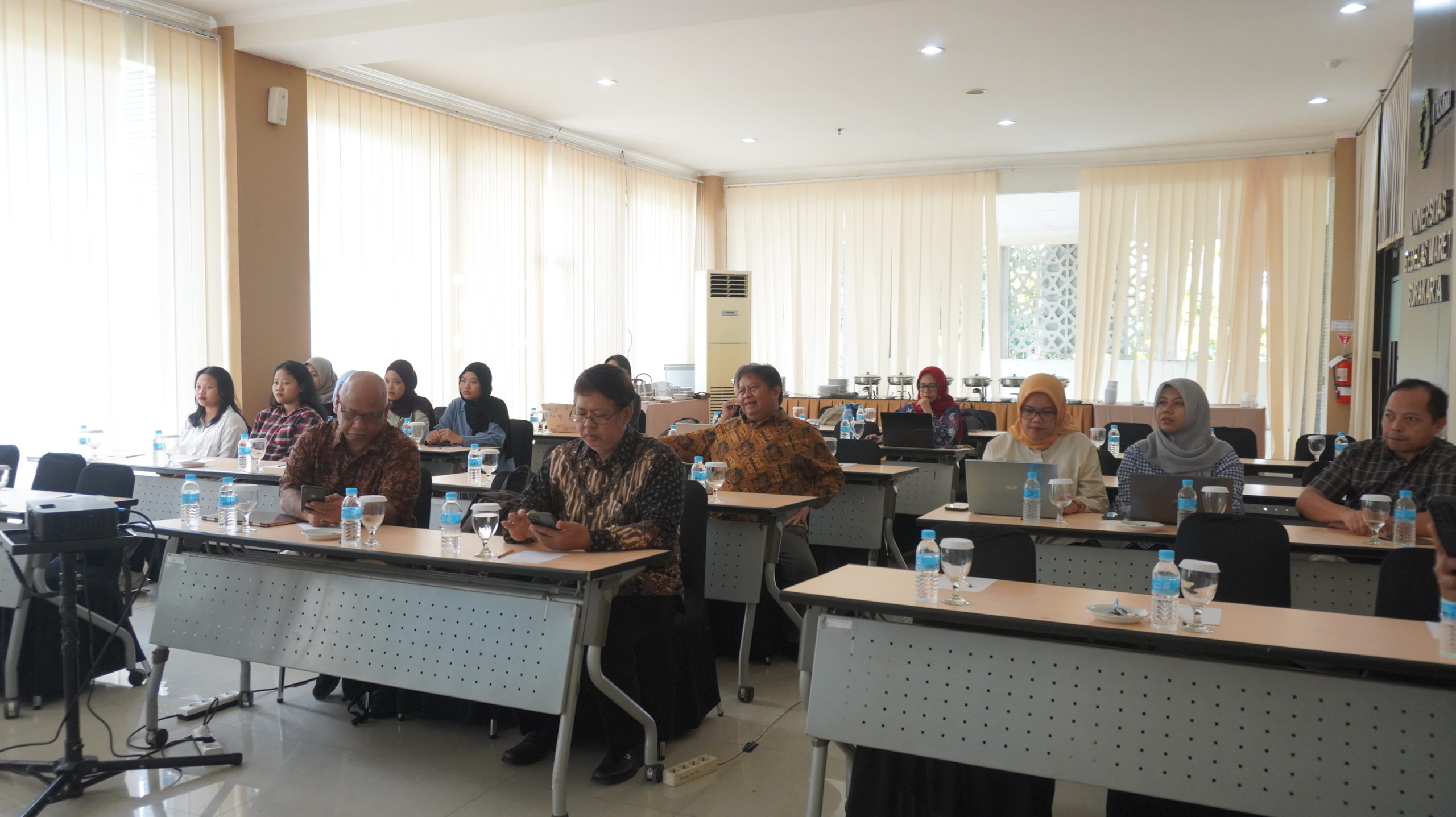
 The workshop opened with remarks from Prof. Bhimo Rizky Samudro, S.E., M.Si., Ph.D., Dean of FEB UNS, who emphasized the importance of developing adaptive and contextual curricula that respond to the dynamics of public policy. “One crucial point is how we develop an adaptive curriculum, where the learning process is directed toward case-based and project-based learning. This material is designed not only for postgraduate courses but also for undergraduate levels and is relevant to all study programs at FEB—Development Economics, Accounting, and Management,” stated Prof. Bhimo.
 The workshop continued with a presentation by Dr. Mulyanto, M.E., Head of Fiscal Corner FEB UNS, who introduced the draft of the Development Planning and Budgeting module.
 Further, Risky Sulistyanto, S.E., M.M., Head of the Finance Division of the Secretariat General of the Ministry of Finance, delivered a presentation on the practical implementation of development planning and budgeting across ministries and agencies. He shared insights on budget formulation, fiscal supervision, and financial policy innovations within the Ministry of Finance.
 Through this workshop, FEB UNS continues to strengthen its academic collaboration with the Ministry of Finance in developing a curriculum that is contextual, applicable, and oriented toward enhancing students’ competencies in public planning and budgeting.
 In his opening remarks, Sutaryo, S.E., M.Si., Ph.D., Ak., CA., CRA., CRP., ACPA, Vice Dean for Non-Academic Affairs of FEB UNS, emphasized the importance of commitment and responsibility among all staff members in providing the best service to the academic community and the public. He stated, “This type of training will be conducted continuously for at least four times a year, each with a different theme. There should be no reason to stop learning, whether one is approaching retirement or already senior, because we are all service providers who must deliver the best service, speak courteously, and behave properly. While we receive compensation, we must also demonstrate performance.”
 She explained, “Every expenditure on human resources is not merely a cost but an investment. When employee performance aligns with organizational objectives, efficiency, productivity, and public service quality will improve.”
 The second session was delivered by Heri Susilo, a happiness motivator and author of Happiness at Work, who presented material titled Living Happily, Living Meaningfully. Conducted in an interactive format through games, reflection, and team activities, the session created an engaging and meaningful training atmosphere.
 Heri emphasized that happy employees tend to be more productive, creative, and positively contribute to their work environment. He stated, “Good performance is born from happy employees. Workplace happiness is built on three pillars: meaning, engagement, and positive emotion. Happy employees will work with integrity, discipline, and a collaborative spirit.”
 The training program was conducted interactively through discussions, reflections, and experience-sharing among staff members. The event also served as an opportunity for academic support staff to strengthen their commitment to service excellence and to cultivate an adaptive work culture responsive to organizational change.
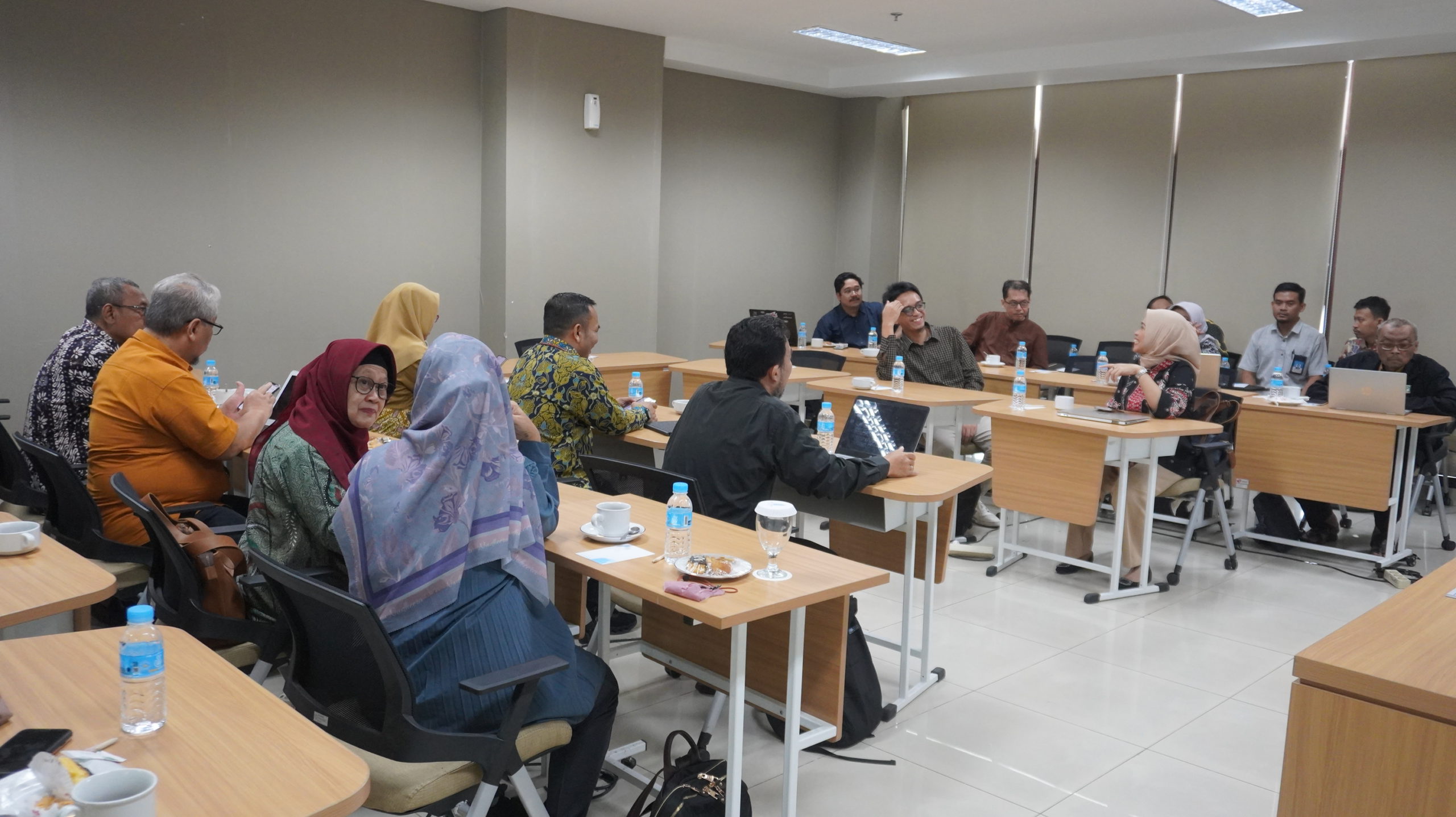
 In her opening remarks, Prof. Dr. Hunik Sri Runing Sawitri, M.Si., Chair of the FEB Academic Senate, explained that the plenary session is a follow-up to the Dean’s Office’s formal request for the Faculty Senate to review and approve the Strategic Plan, Organizational Structure, and the proposed new study program.
 “We have invited all members (of the Academic Senate) to review and provide input, therefore, the drafted documents can be further refined. Hopefully, the revisions will be minimal, and the results of today’s discussion can soon be finalized,” stated Prof. Hunik.
 “The Strategic Plan is essentially based on the 2024 achievements and baseline data, projected through 2029. Ideally, its formulation follows the performance agreement between the Dean and the Rector. However, as the said process is still underway, we continue to move forward to ensure that the faculty’s direction remains clear and measurable,” he explained.

 Following the discussions, the plenary session concluded with several agreements and recommendations to rectify the documents before their official ratification. This process reflects the commitment of the FEB UNS Academic Senate to implementing transparent, participatory, and data-driven governance in support of the faculty’s vision toward international recognition.