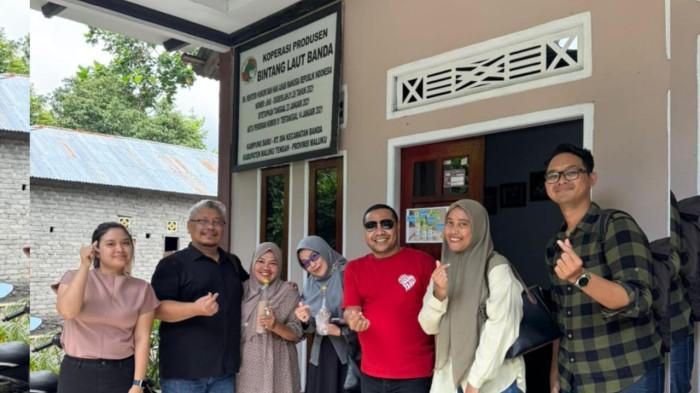
A research team from the Faculty of Economics and Business (FEB), Universitas Sebelas Maret (UNS), led by Prof. Dr. Budhi Haryanto, M.M., has completed a groundbreaking field study that may transform economic development in archipelagic regions. Conducted on July 19–24, 2025, the study focused on exploring the unique potential of the Banda Islands, Central Maluku, and designing an inclusive economic model rooted in local characteristics. This initiative is part of the 2025 Fundamental Research Grant under the BIMA Dikti scheme.
The team’s arrival in Banda Neira was warmly welcomed by the Subdistrict Government, which commended the direct involvement of leading academics in community-based research, particularly in remote areas often overlooked in national development programs. The study involved in-depth interviews and field observations of local micro, small, and medium enterprises (MSMEs), specializing in nutmeg-based products, marine crafts, and traditional culinary businesses. Uniquely, the research also reached out to entrepreneurs from the disability community, a group often marginalized in economic empowerment initiatives.
“We discovered numerous local business practices deeply rooted in cultural values, mutual cooperation, and innovations born from limited resources,” said Prof. Budhi Haryanto. He further emphasized that the research not only documents local economic practices but also explores the potential for creating inclusive, adaptive, and sustainable business models suitable for island regions.
The research team was strengthened by cross-institutional collaboration, involving academics from various universities. Among them were Cheryl Marlitta Stefia from Universitas Kristen Duta Wacana, Eni Munarsih from Universitas Mahakarya Asia, and Baretha Meisar Titioka from Politeknik Negeri Ambon—doctoral candidates at the Doctoral Program in Economics (PDIE) FEB UNS. Additionally, Sabda Adji Kurniawan from Universitas Pattimura contributed perspectives on cross-cultural and interregional economic analysis.
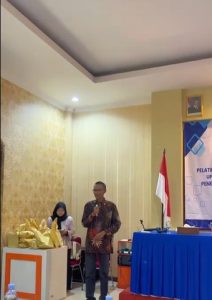
Amid their research activities, Prof. Budhi Haryanto also delivered a guest lecture at Universitas Banda Neira, attended by students, faculty members, and community leaders. He highlighted the importance of strategic approaches to region-based MSME development and underscored the need for synergy between academia, local government, and local communities. “Research is not solely for publication purposes—it must also deliver tangible benefits to society. We believe knowledge must take root and address the real challenges faced by communities, including MSMEs in island regions,” he stated.
Following the data collection phase, the team will proceed with analysis and model development based on empirical findings. The resulting framework is expected to serve as a practical guide for designing policies and empowerment strategies for MSMEs in underdeveloped and archipelagic areas, particularly those involving vulnerable groups. This research strengthens UNS’s position as a university strongly committed to driving social transformation through transformative and collaborative research.

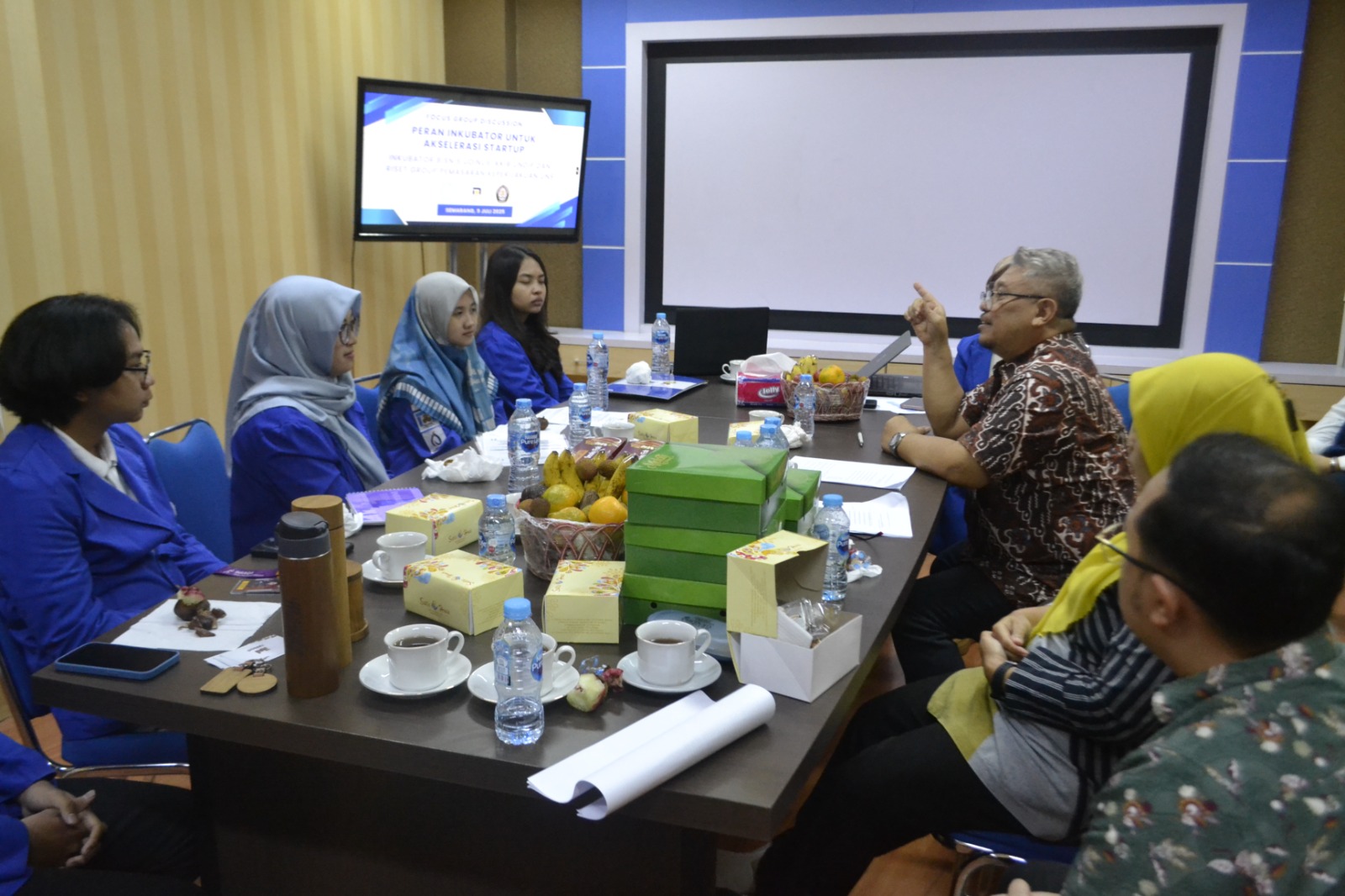
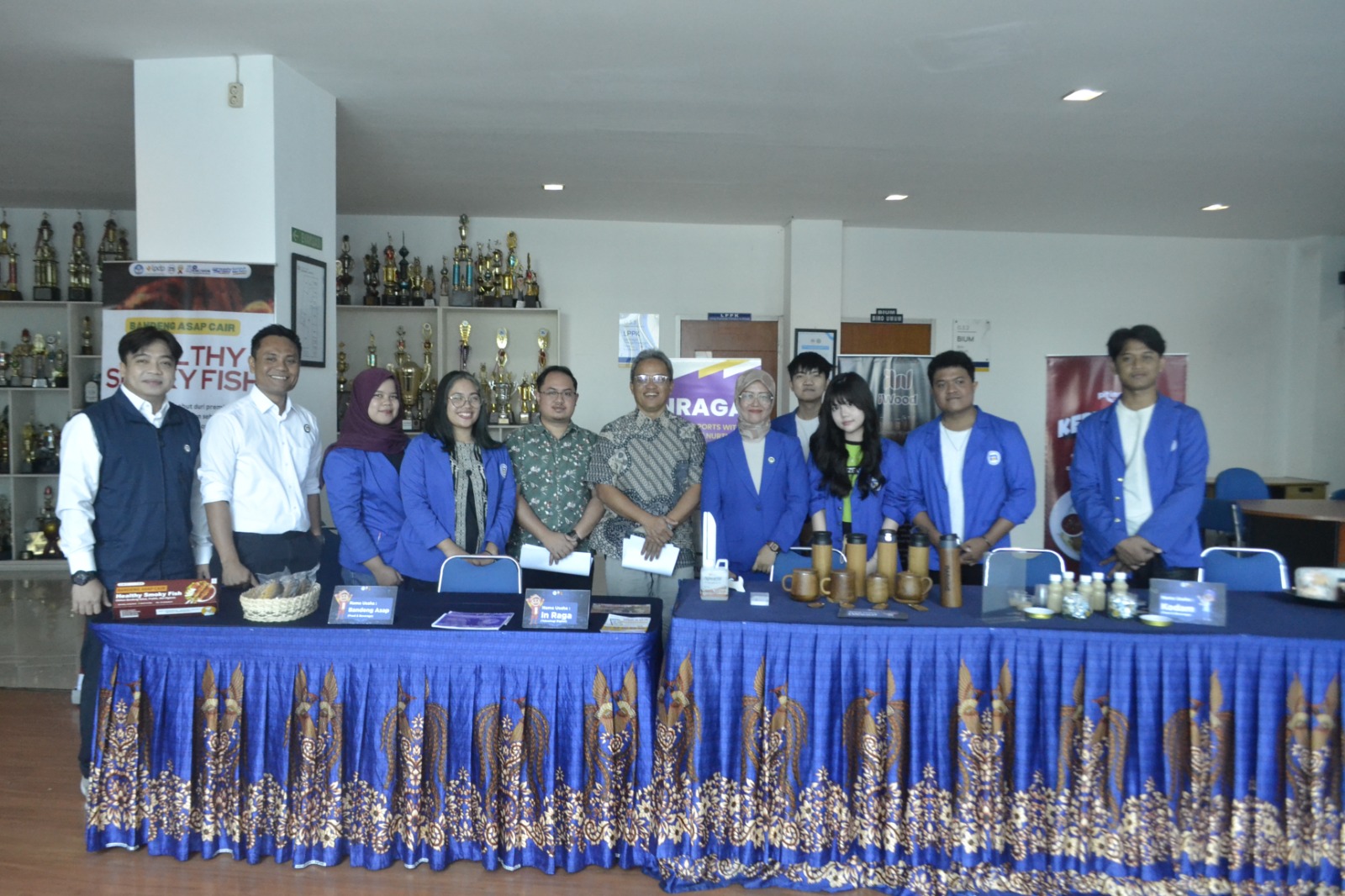


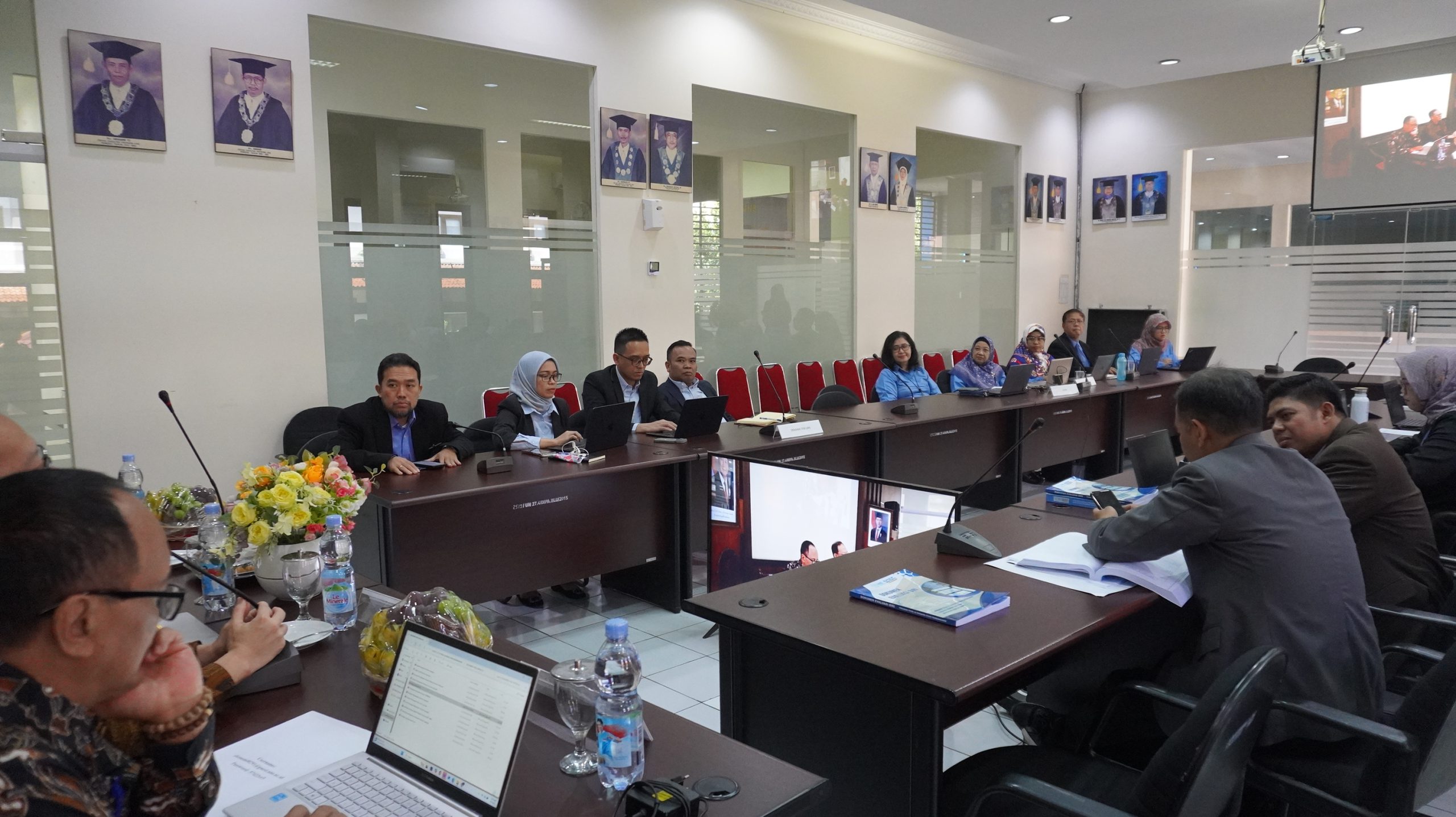
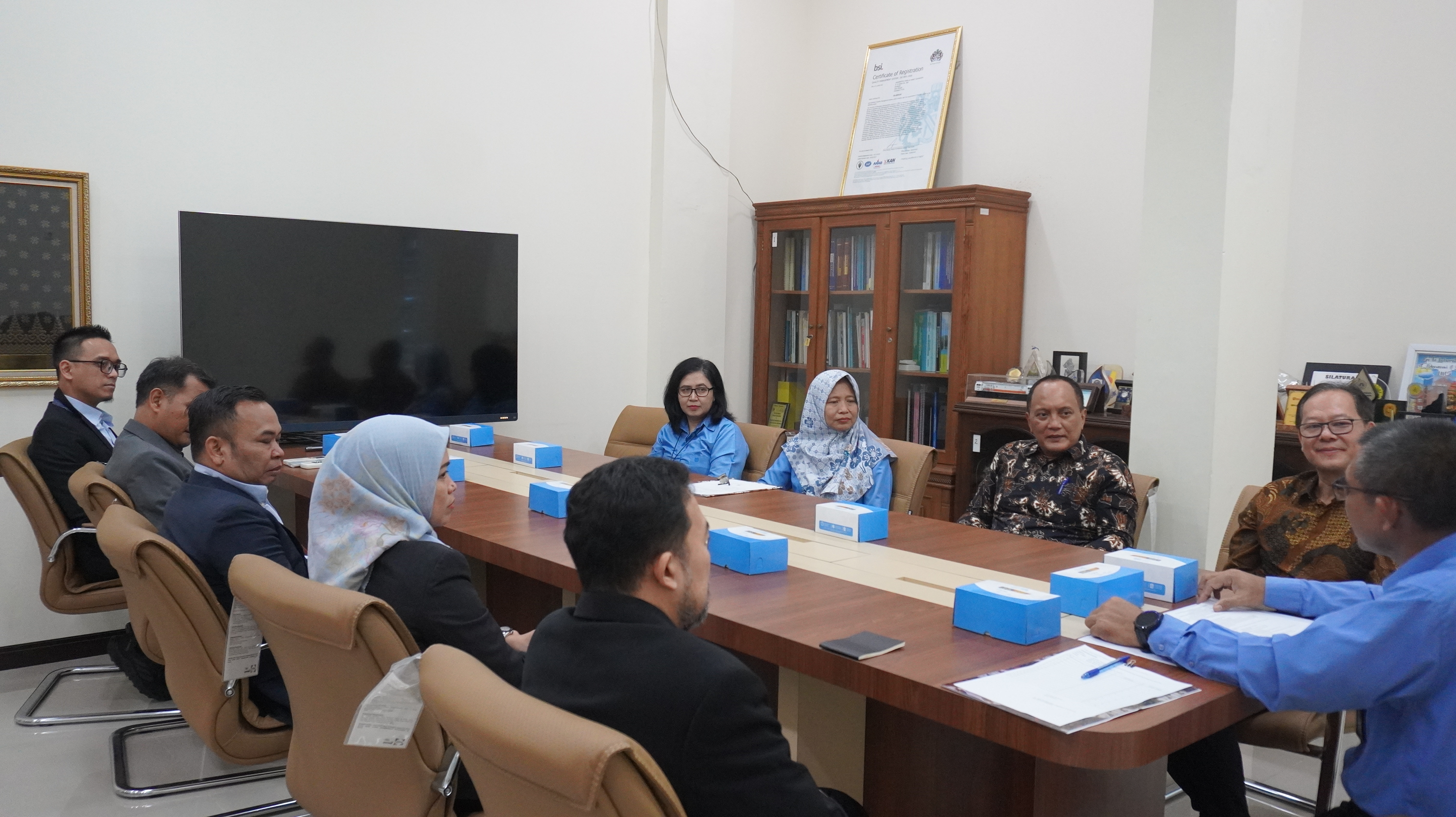
 The assessment, led by assessors Prof. Suyanto, S.E., M.Ec.Dev., Ph.D., from the Universitas Surabaya and Prof. Ida Bagus Putu Purbadharmaja, S.E., M.E., from Universitas Udayana, was part of the on-site assessment for the Master’s Program in Economics and Development Studies at FEB UNS.
 In his opening remarks, delivered before the Dean Office, the Head of the Master’s Program in Economics and Development Studies, the Quality Assurance Unit (UPM), and the Accreditation Taskforce Team, Prof. Suyanto emphasized that the assessors’ visit aimed to validate the content of the accreditation documents submitted by the program.
 “All statements provided in the documents must not only be descriptive narratives, but also supported by concrete evidence. These include regulations and records of implementation. We will work thoroughly, so we expect consistent responses from everyone involved. We will provide a report based on everything we observe on site. Often, we find that the real action conducted on-site is even more impressive. Therefore, we hope the team will work more swiftly and more effectively,” he explained.
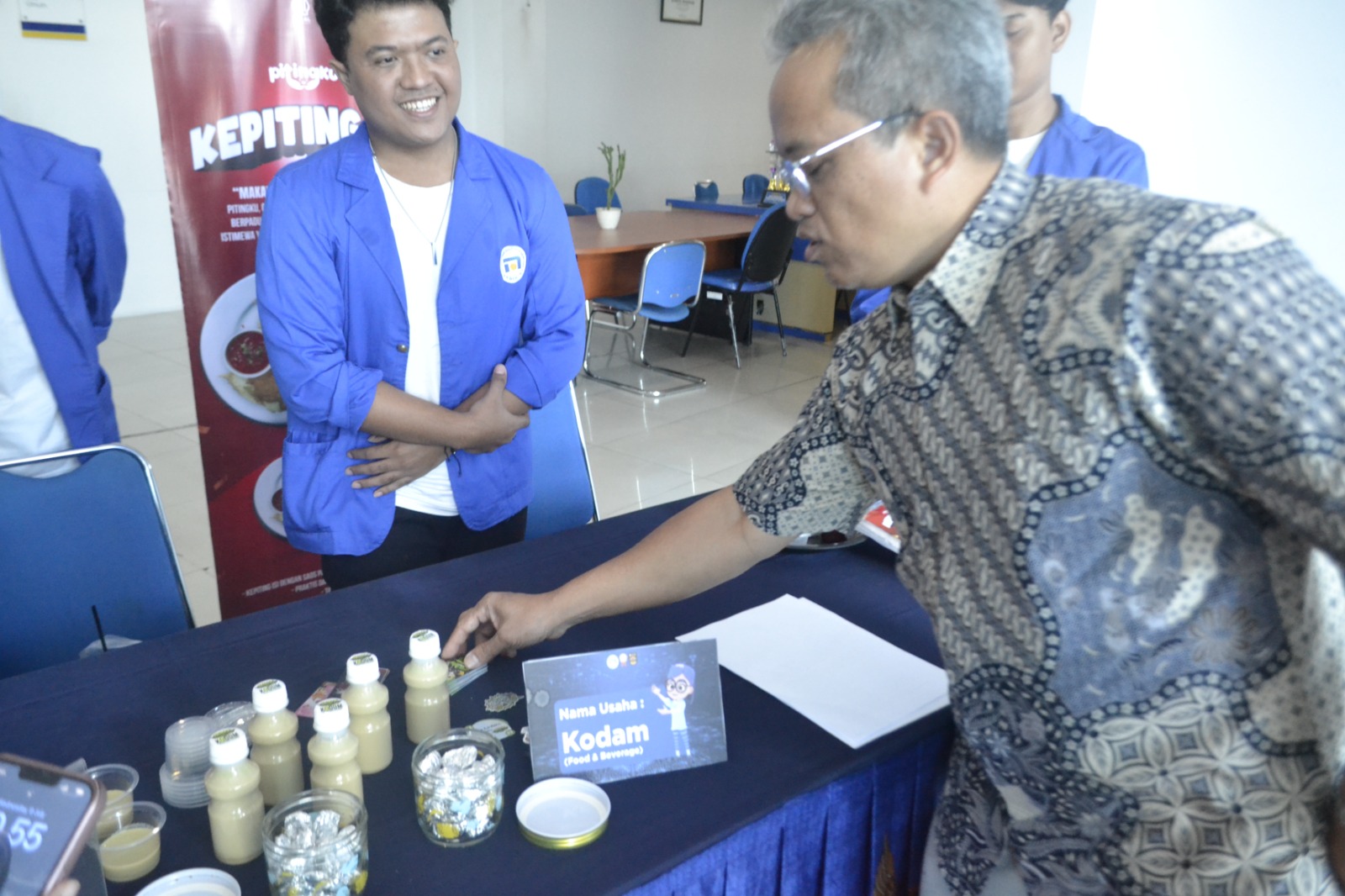
 On the second day, the assessors conducted a facilities review, visiting several FEB units including the Center for Research and Community Engagement Development (P4M), Fiscal Corner, professors’ offices, archives room, classrooms, Konimex Hall, student workspace, and the Computer Laboratory.
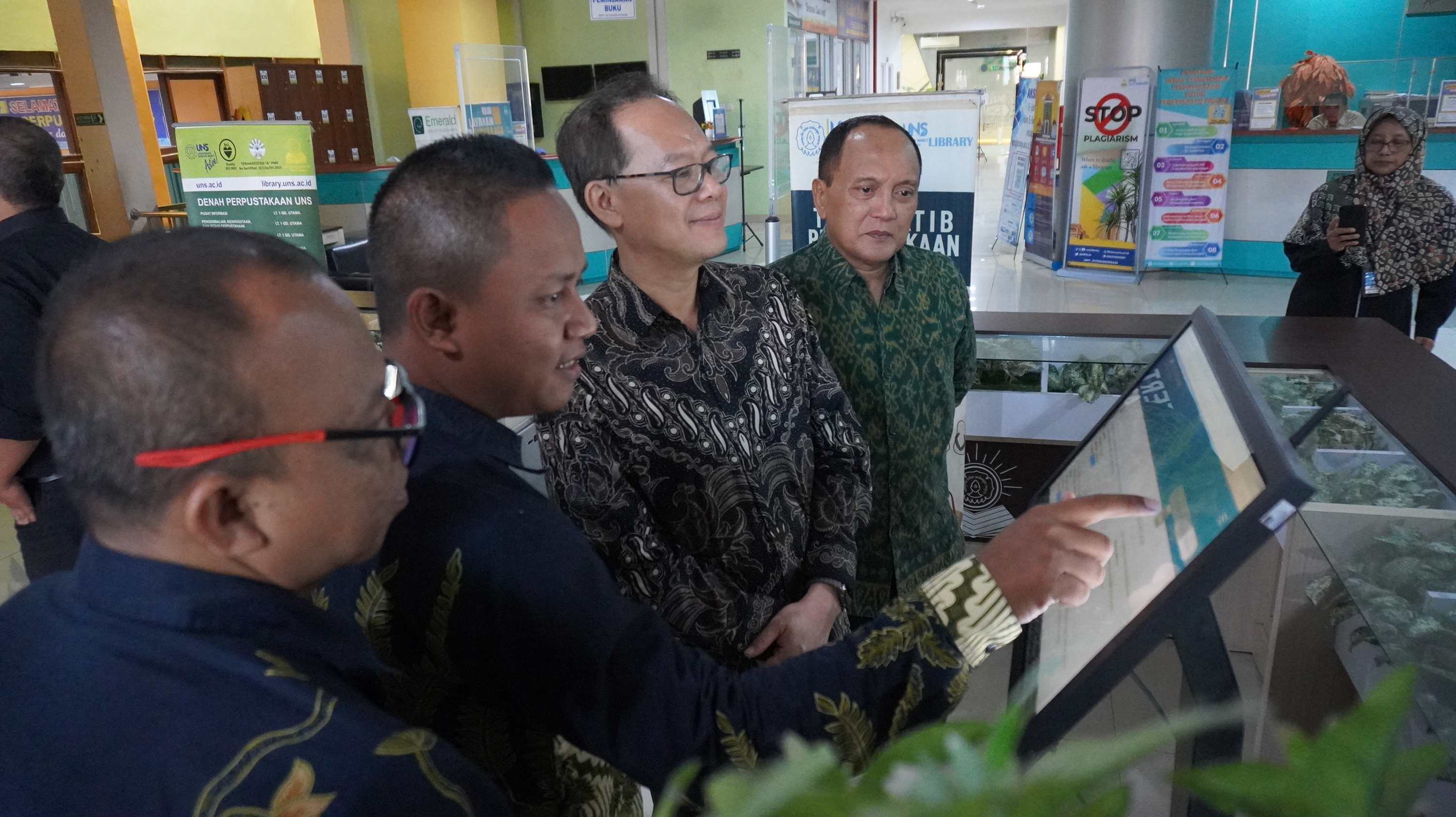 The visit concluded with a feedback session, signing of the on-site assessment report, and the official closing ceremony.


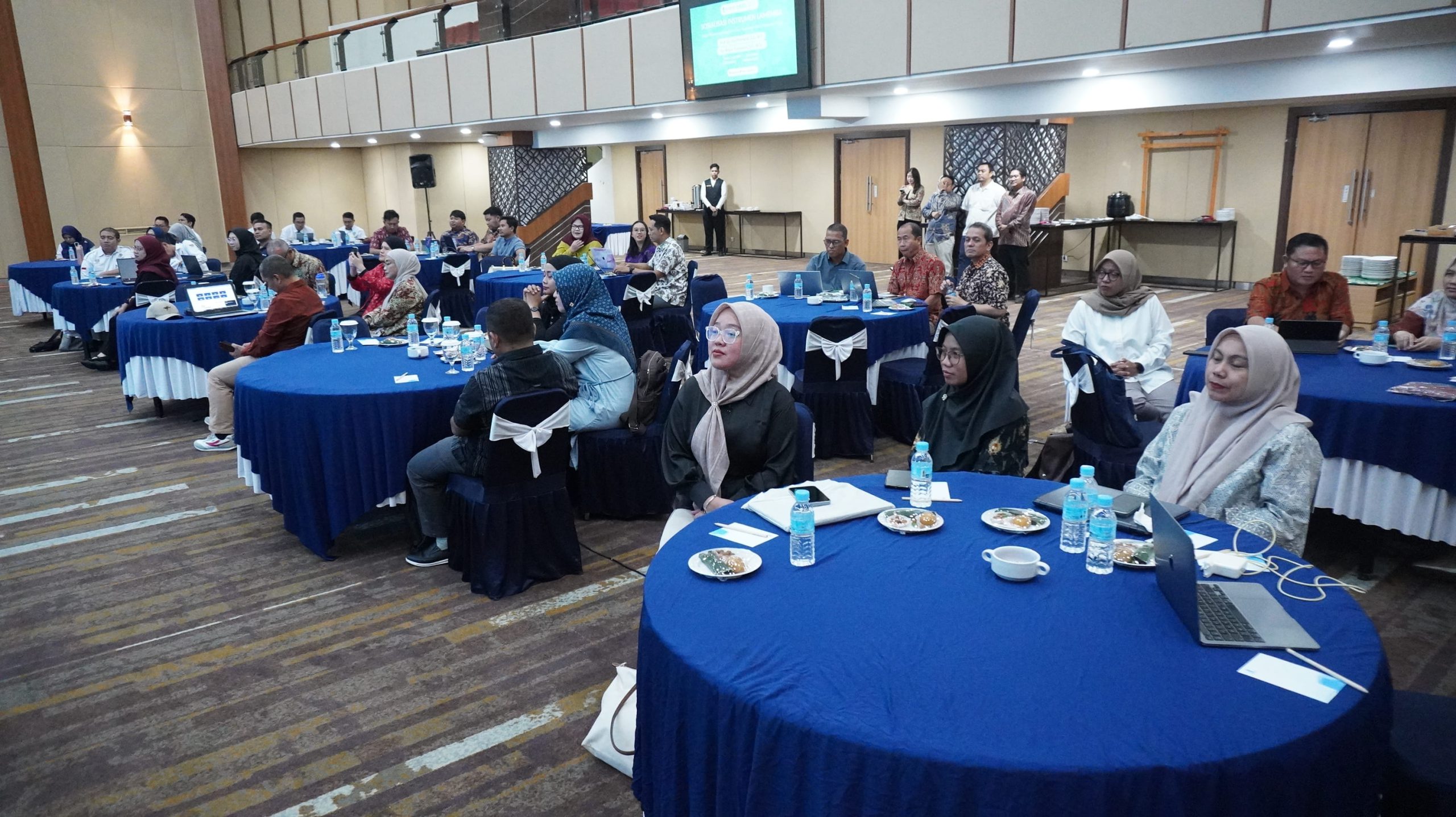
 Attended by Digital Business Study Program administrator from various universities across Indonesia, the event featured speakers from the Executive Board of LAMEMBA (Institute of Accreditation for Economics, Management, Business, and Accounting Programs), Prof. Dr. Ina Primiana, S.E., M.T., and Dr. Ahyar Yuniawan, S.E., M.Si.
 Dr. Mery Citra Sondari, S.E., M.Si., Chair of APBISDI, expressed optimism regarding the promising employment opportunities offered by Digital Business programs. She noted that several Digital Business programs have achieved commendable graduate absorption rates. “We must take advantage of and maintain these opportunities. It is important to ensure that the public does not perceive Digital Business programs as low quality. As a relatively new program, it requires our collective support, both in terms of academic development and industry linkage,” she said.
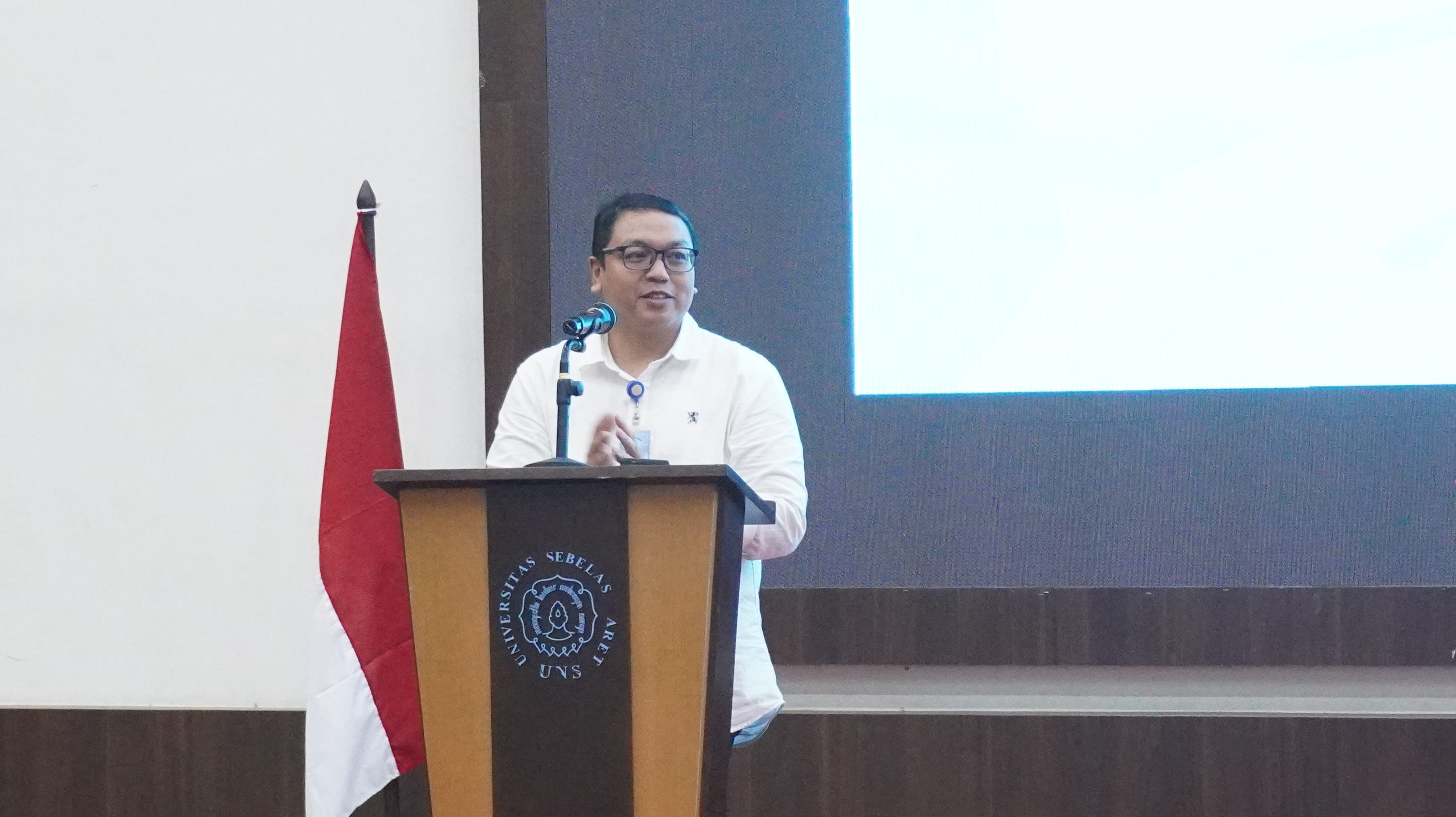 In line with this concern, she also emphasized that APBISDI’s national board places a strong focus on quality. APBISDI has conducted multiple socialization sessions, which will be followed by further workshops tailored to the distinctive nature of Digital Business programs. Additionally, APBISDI is committed to designing and launching various initiatives to advance its programs and agenda. This occasion is expected to deliver substantial benefits that can be implemented by each participating study program, particularly in preparing effective teaching and learning strategies in pursuit of excellent accreditation.
 Concluding his remarks, Prof. Irwan urged all parties to continue strengthening the quality assurance system of the Digital Business program, noting that the market already has trust in its potential. The event, held from morning to late afternoon, featured dynamic discussions in which the speakers responded to various questions, concerns, and suggestions from participants.


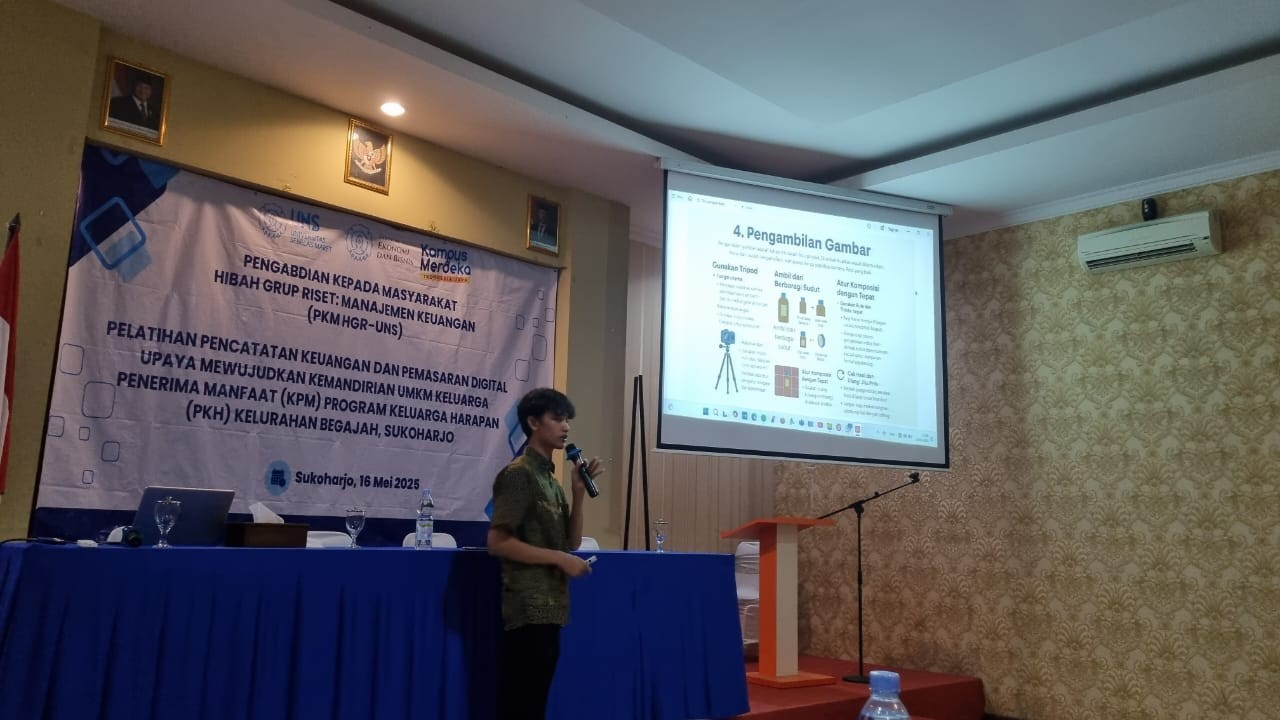
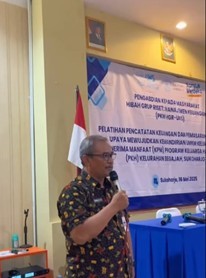 Following the opening remarks, Bambang Sudiono, S.Km., M.M. (Secretary of the Social Affairs Office of Sukoharjo Municipality), and Muhammad Jaelani, S.Sos. (PKH Coordinator of Sukoharjo Municipality), delivered a short welcome speech to the UNS Team and attending participants. The event also received strong support from PKH mentor Widia Lestari, S.Sos., M.Sos.
 SIAPIK is designed to assist MSME entrepreneurs in recording business transactions in a digital, simple, and systematic manner. During the training, participants received handouts as training guides for both digital marketing and SIAPIK-based financial recording.