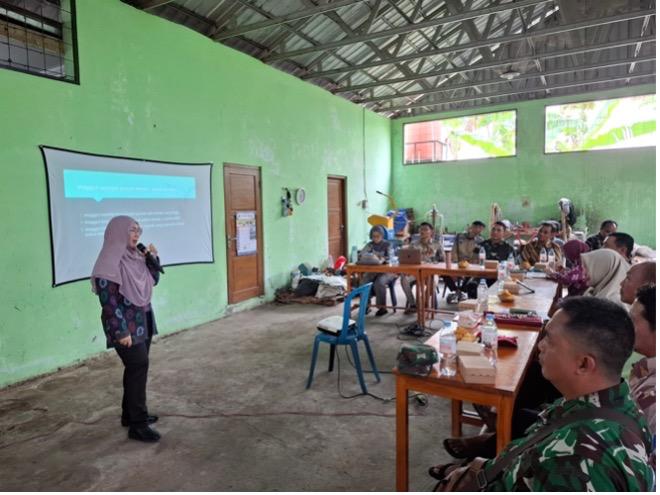
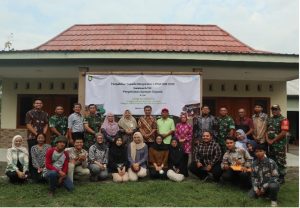
To promote sustainable organic waste management, the Institute for Research and Community Engagement (LPPM), Universitas Sebelas Maret (UNS), organized a Dissemination and Focus Group Discussion (FGD) session entitled Organic Waste Management at the “Reduce, Reuse, Recycle Waste Processing Facility (TPS3R) Mojo Makmur” in Jebres, Surakarta. The activity was attended by the Commander of Military District 0735/Surakarta, Lt. Col. Inf. Fictor Juradi Situmorang, S.I.P., M.I.P., who expressed interest in collaborating to strengthen organic waste management efforts.
 The event opened with remarks by Prof. Dr. Suryanto, S.E., M.Si., Head of the Community Engagement Program (PKM). He highlighted the common perception that organic waste is often viewed as useless or even problematic. However, he emphasized that through the integration model of UMAITA—Poultry, Maggot, Fish, and Plants—organic waste can be transformed into valuable and economically beneficial resources.
The official opening was delivered by Santi Yuniati, S.So., M.A.P., Secretary of the Jebres Sub-District Office. She noted that the collaboration with UNS is not limited to this event alone, but is expected to continue, with the university serving as an academic partner that consistently supports TPS3R initiatives.
The event featured Prof. Dr. Izza Mafruhah, S.E., M.Si., as the main speaker. She presented insights on the circular economy and the innovation of using black soldier fly (BSF) maggots to address organic waste issues. Prof. Izza explained that Indonesia generates approximately 34.2 million tons of waste annually, with around 40% still unmanaged. In Surakarta, particularly the Jebres area, household and student food waste constitutes the largest portion. Maggot farming, she argued, offers an effective solution, being fast, odorless, safe, and environmentally friendly.
“Not only is maggot farming environmentally sustainable, but it also holds high economic value. Products like dried maggots and maggot meal can serve as feed for poultry and fish, reducing feed costs by up to 40%,” she explained.
During the FGD session moderated by Dr. Nurul Istiqomah, S.E., M.Si., Mr. Sunarno, manager of TPS3R Mojo Makmur, described the current operations involving composting, liquid fertilizer production, and maggot cultivation, despite facing challenges related to waste supply and distribution.
Lt. Col. Fictor Situmorang affirmed the TNI’s commitment to supporting the initiative, noting that organic waste management aligns with national efforts in food security and environmental cleanliness. “We are ready to collaborate with all stakeholders to ensure the success of this program,” he stated.
Community representatives raised concerns about the lack of public participation in waste sorting, while Mrs. Santi from the sub-district office encouraged the establishment of a community-based waste bank as a strategic long-term solution.
One innovative proposal discussed was forming partnerships with local food vendors to supply leftover food for maggot cultivation and utilizing liquid fertilizer for hydroponic agriculture at the TPS3R site.
This activity is expected to serve as a milestone in developing an integrated organic waste management ecosystem that leverages community participation and local technology, with support from government bodies, academics, and the wider community.

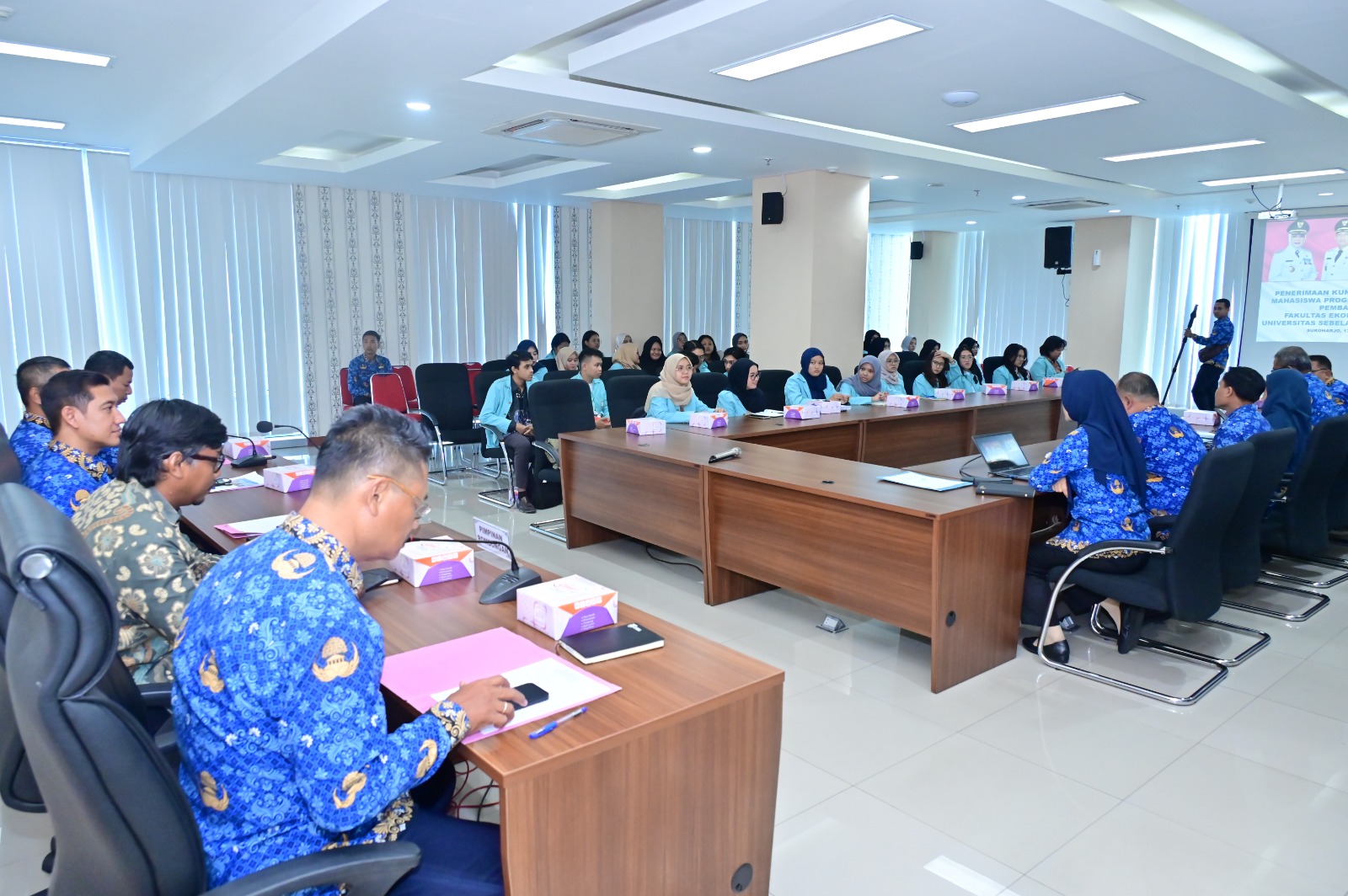
 This activity is part of the learning program for two courses: Public Policy Analysis and Public Economics II, taught by Ariyanto Adhi Nugroho, SE., M.Ec.Dev., MAPPI (Cert), a lecturer at FEB UNS. “Through this field study, students are expected to learn directly from public policy actors—not just through theories and literature. This is undoubtedly a valuable experience for students, especially as they can engage directly with the Vice Regent, department heads, and other relevant officials,” explained Ariyanto.
 The activity was warmly welcomed by the Vice Regent of Sukoharjo, Eko Sapto Purnomo, SE. In his address, he stated that the current generation is working toward the vision of Indonesia Emas 2045. One of the ways to achieve this is by expanding access to education, including through initiatives like this field study. Students can learn how policies are formulated at the regional level. At the same time, students can also contribute through their research, offering insights and solutions to current issues.
 He also highlighted the rapid development of Sukoharjo Regency. With a complex regional profile that includes rural, urban, and metropolitan areas, it demands policies that are both precise and contextually appropriate.

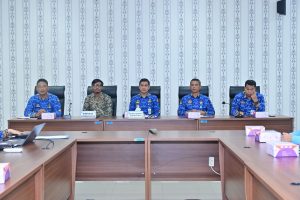
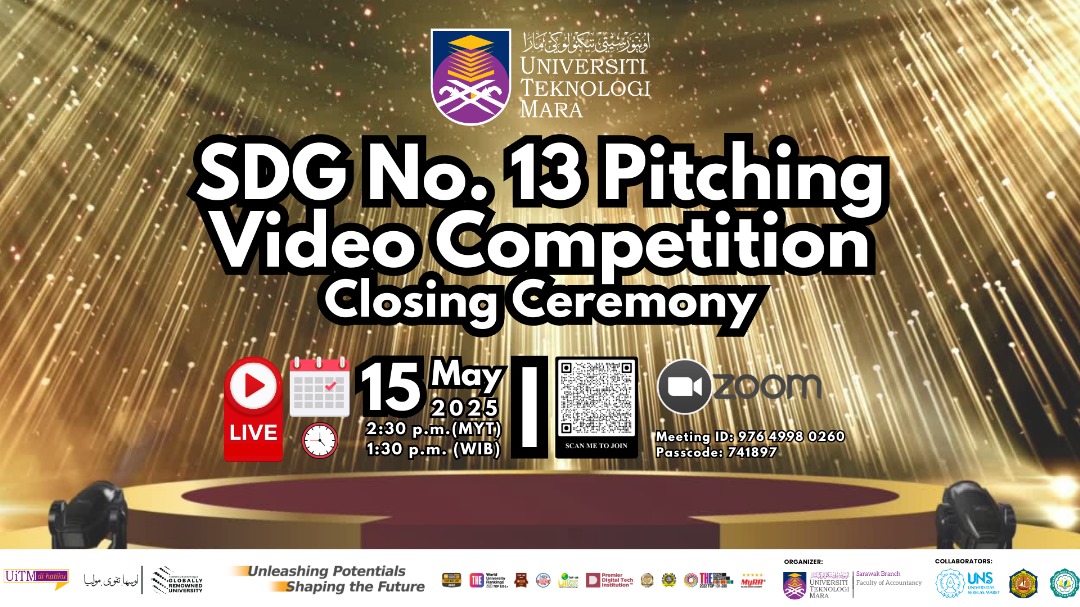

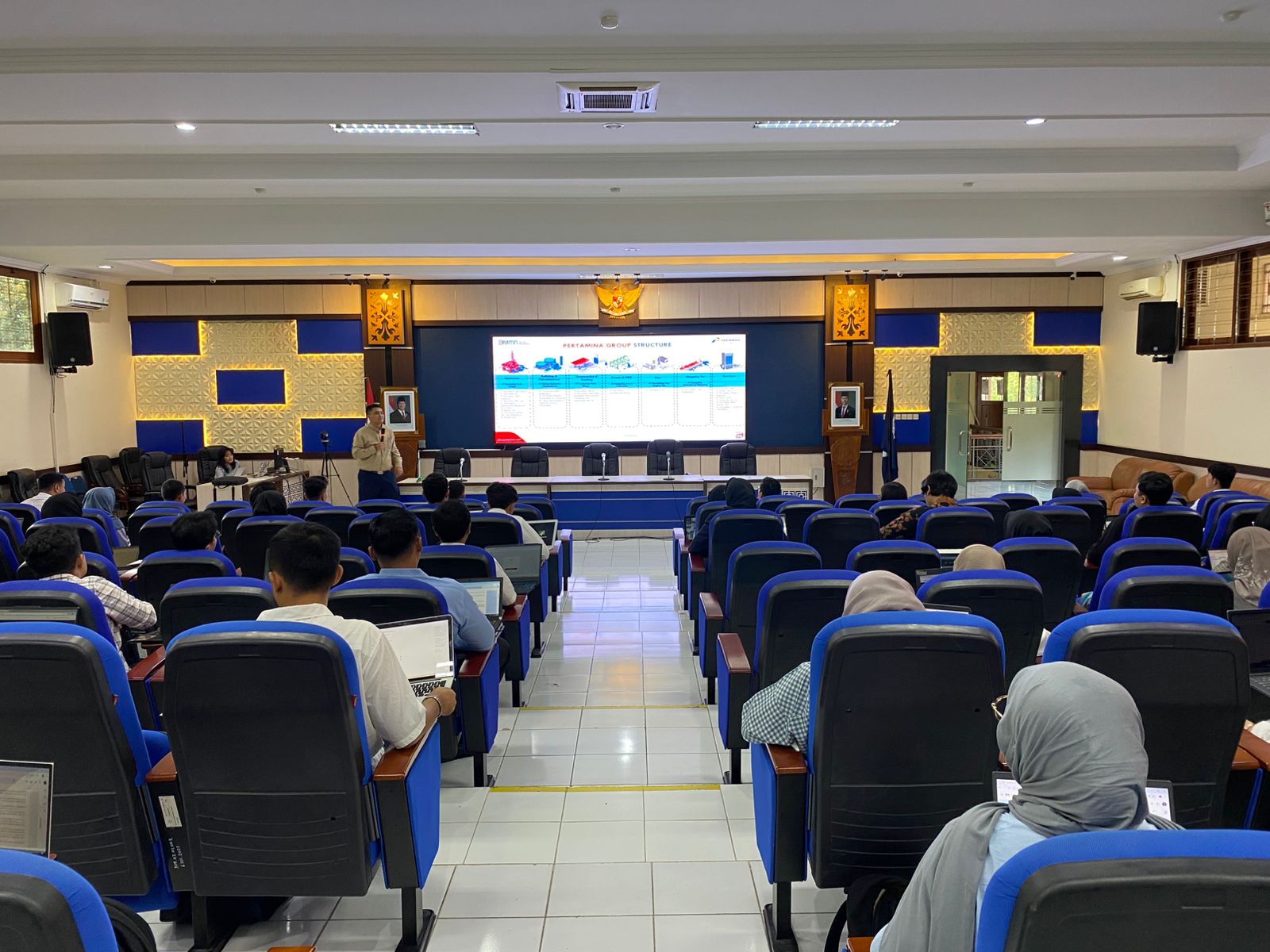
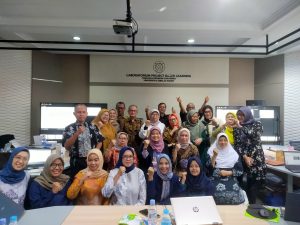 Head of Cooperation at FEB UNS, Johadi, S.E., M.Sc., explained that this initiative reflects FEB UNS’s commitment to facilitating alumni—particularly from the Accounting and Management Study Programs, either from the field of Finance and other concentrations—thus, that they gain relevant experience in the financial sector, which will be needed to enter the labor market, especially with opportunities to work at PT Pertamina Hulu Energi.
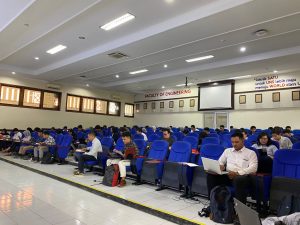
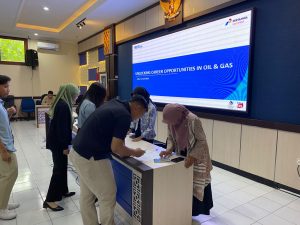

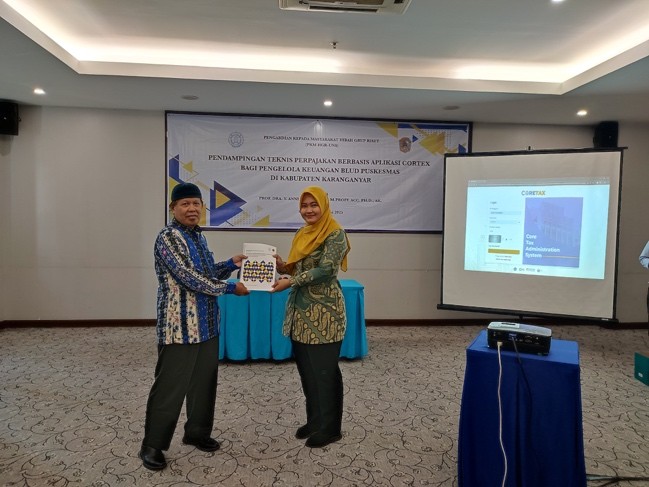
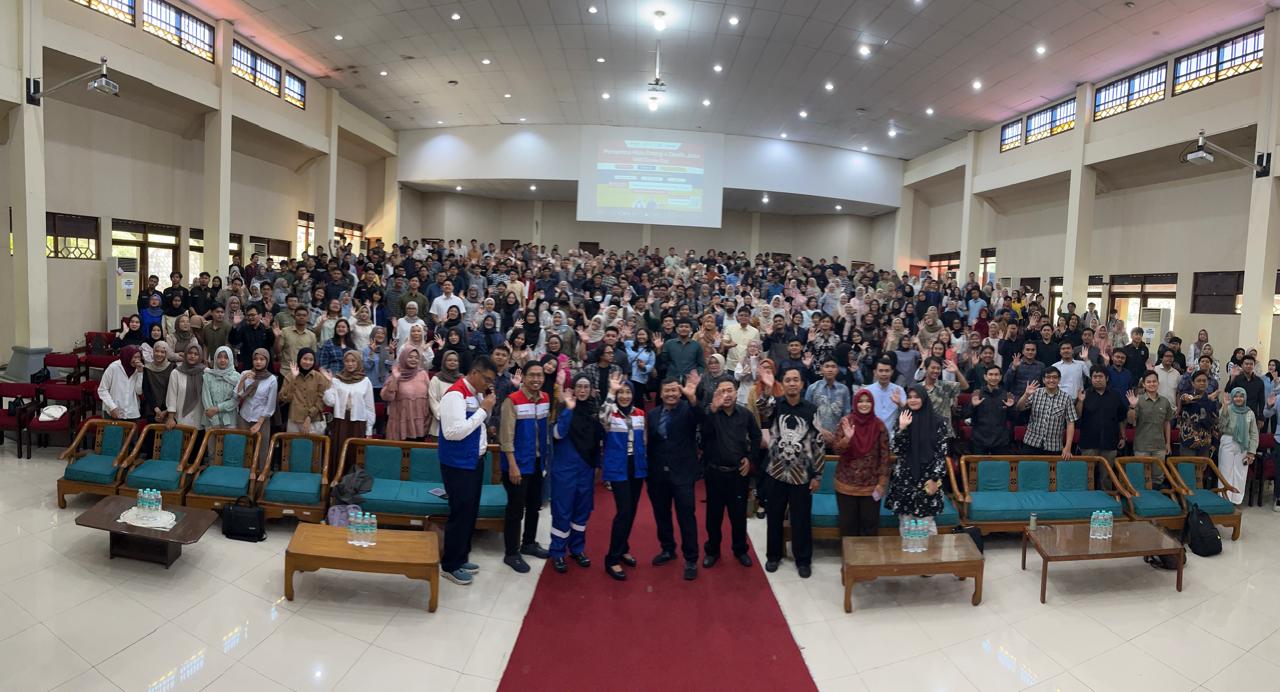

 During the Inspiring Talks session, two UNS alumni served as keynote speakers. Dewi Kurnia Salwa, VP of Human Capital at Subholding Upstream PT Pertamina Hulu Energi, delivered a talk titled “Unlocking Career Opportunities in Oil & Gas.” She emphasized the broad career opportunities available in the energy sector for today’s youth. “Pertamina Hulu Energi is undergoing significant growth in upstream oil and gas and other energy business lines. We hope that UNS candidates can become part of PHE’s future talent pool,” she said. Dewi also expressed that the success of UNS alumni within PHE stands as a testament to the university’s quality of education. She encouraged students to embody the values of hard work, loyalty, and strong competence exemplified by their predecessors.
 In addition to the talk show sessions, participants were also introduced to the corporate profile of PT Pertamina (Persero). The presentation highlighted the role of PHE as the Subholding for Upstream operations since 2021. PHE currently manages 40 domestic working areas and 27 international operations across 13 countries. As the upstream subholding, PHE is responsible for strategic planning and policy-making in the national oil and gas sector, while regional areas focus on operational management and resource development. By the end of 2021, PHE oversaw 68 subsidiaries and six joint ventures.