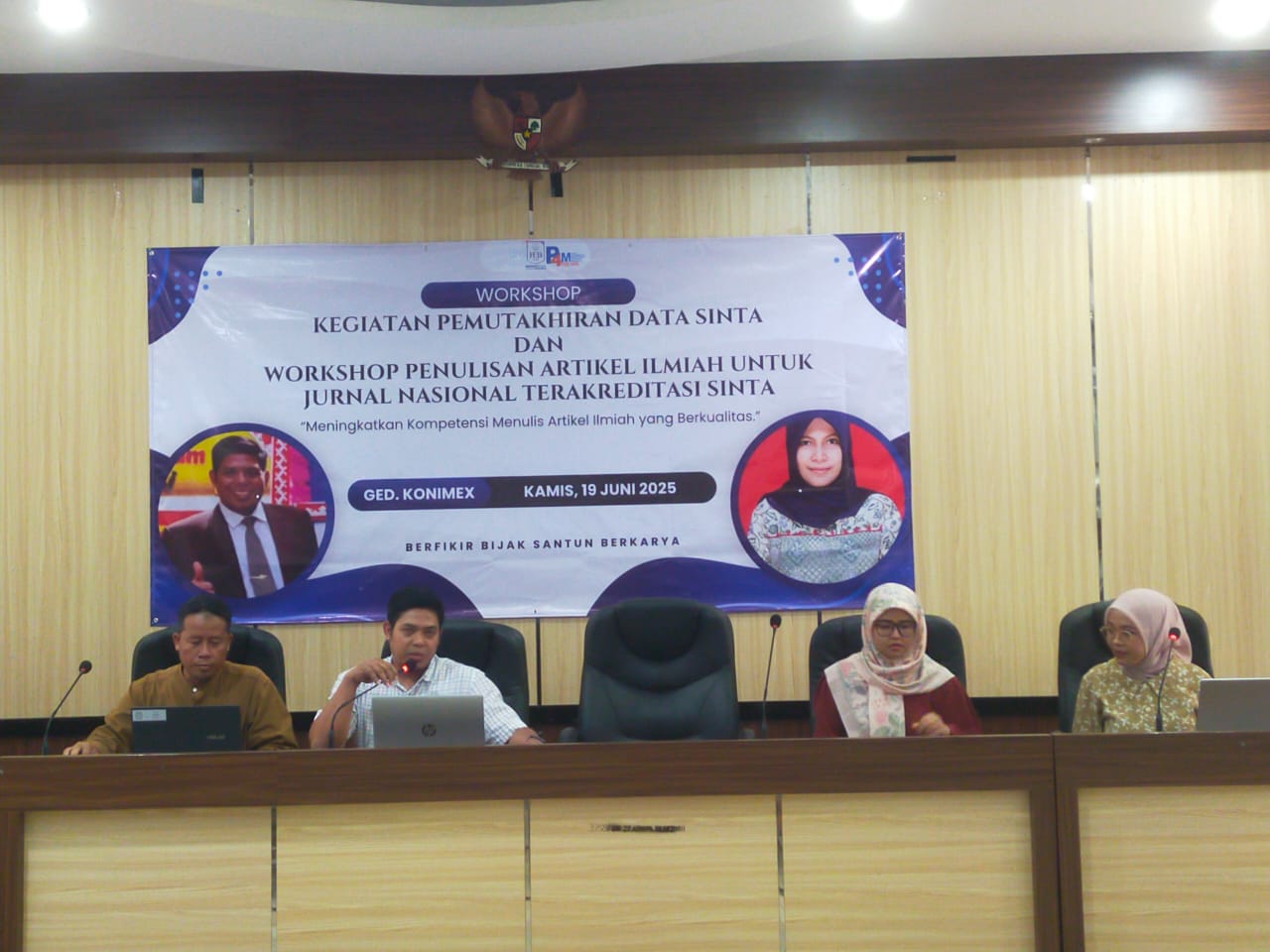
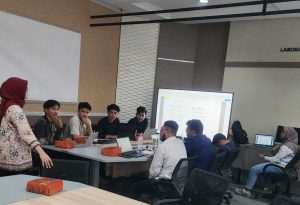
The Center for Research and Community Engagement Development (P4M), Faculty of Economics and Business (FEB), Universitas Sebelas Maret (UNS), organized a SINTA Data Update Workshop on Thursday, 19 June 2025, at the Konimex Room, Bachtiar Effendi Building, FEB UNS.
The session featured Sarjiyanto, S.E., MBA., Ph.D., CPDS., CSRS., representing the Institute for Research and Community Engagement (LPPM) UNS, as the main speaker. Also present was Mudzakir, who provided assistance with the SINTA verification process for UNS academic staff. In his presentation, Sarjiyanto emphasized the importance of regularly updating data on SINTA (Science and Technology Index) for both individual faculty members and institutions.
SINTA is an online platform managed by the Ministry of Education, Culture, Research, and Technology (Kemendikbudristek) of the Republic of Indonesia. It serves as a database for managing and presenting information on nationally accredited scientific journals. SINTA data is used for various purposes, including research and community engagement clustering, Lecturer Credit Score Assessment (PAK), Academic Integrity Dashboard (ANJANI), and institutional performance evaluations.
Sarjiyanto highlighted the need for faculty members to consistently update their SINTA accounts with publications, research activities, and other academic outputs. New lecturers, in particular, are expected to promptly create a SINTA account and actively engage in research and community engagement, which will form the foundation of their academic profiles. He also provided detailed instructions on how to update and synchronize publication data in the SINTA system, including managing author profiles, verifying publications, and entering various types of academic outputs.
 Concluding his presentation, Sarjiyanto expressed his hope that the workshop and guidelines provided by the LPPM team would increase awareness among participants about the significance of using SINTA effectively to enhance both individual and institutional rankings and reputations at the national and international levels.
The second speaker, Mudzakir, delivered a practical session on the SINTA registration process, verification procedures, and available resources to help maintain accurate academic records. He elaborated on how to update and synchronize publication data in the SINTA system, covering the access and integration of various publication types (Scopus, Google Scholar, Garuda), and how to synchronize them within the platform. The presentation also included steps on adding books, claiming intellectual property rights (IPR), and uploading products or prototypes.
Mudzakir emphasized the importance of verifying data accuracy and avoiding duplicate entries. Additionally, the workshop provided guidance on configuring Google Scholar settings to prevent automatic updates and how to locate a Garuda ID for authors with indexed publications in the Garuda database.
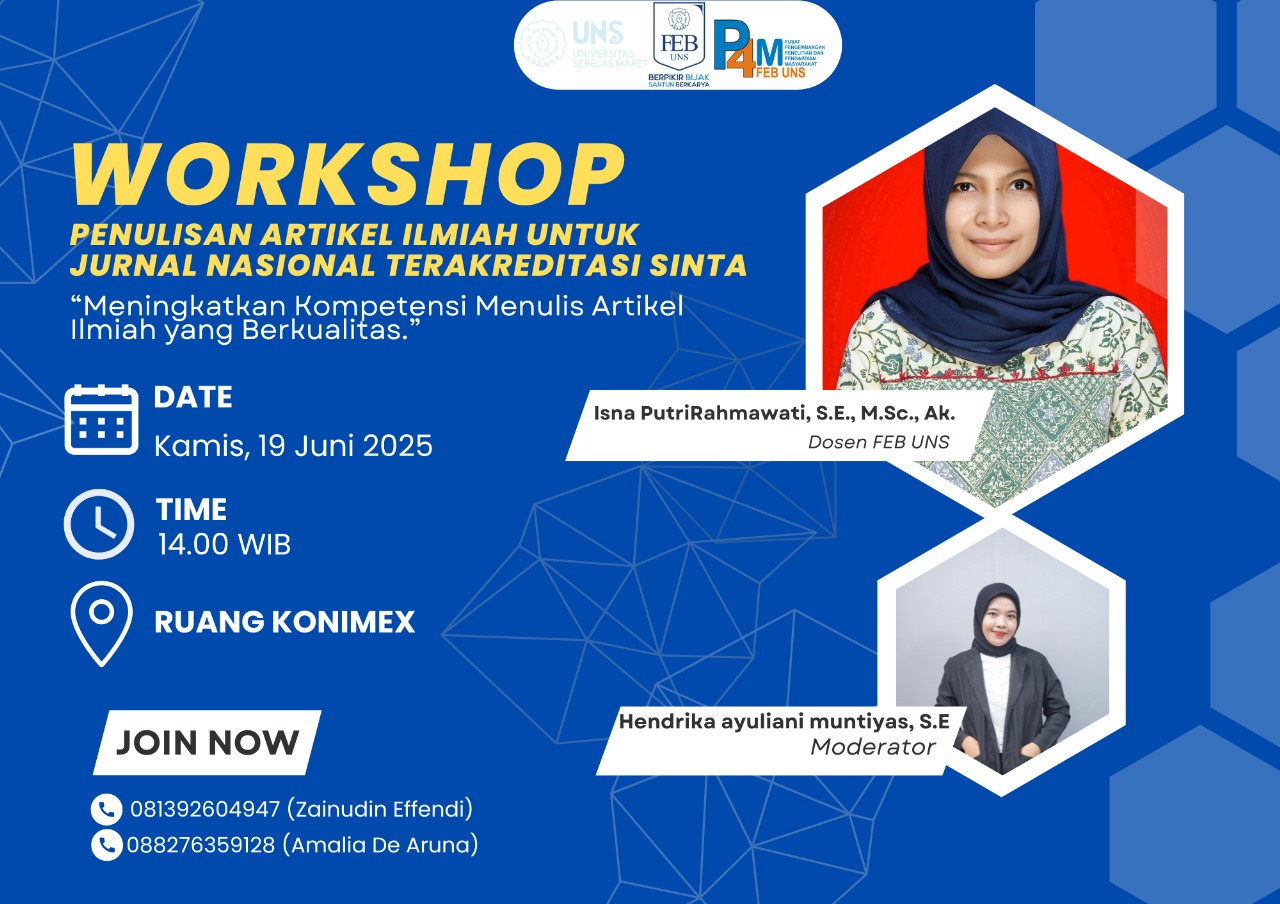
 In her opening remarks, Dila Maghrifani, S.E., B.Sc., M.Sc., Ph.D., Head of P4M, emphasized that the workshop aimed to enhance participants’ skills and understanding in preparing high-quality scientific articles aligned with the standards of SINTA (Science and Technology Index) accreditation. The session was also designed to equip participants with effective publication strategies to increase the acceptance rate of their manuscripts in indexed journals.
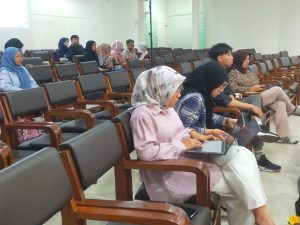 Isna shared her experience of supervising five to eight students each year. Typically, two of the student’s articles will be successfully published in SINTA-2 journals, while the rest were published in SINTA-3, 4, or 5 journals. Her approach aims to ensure that students’ academic work does not remain idle in repositories or personal files but contributes to scholarly discussions.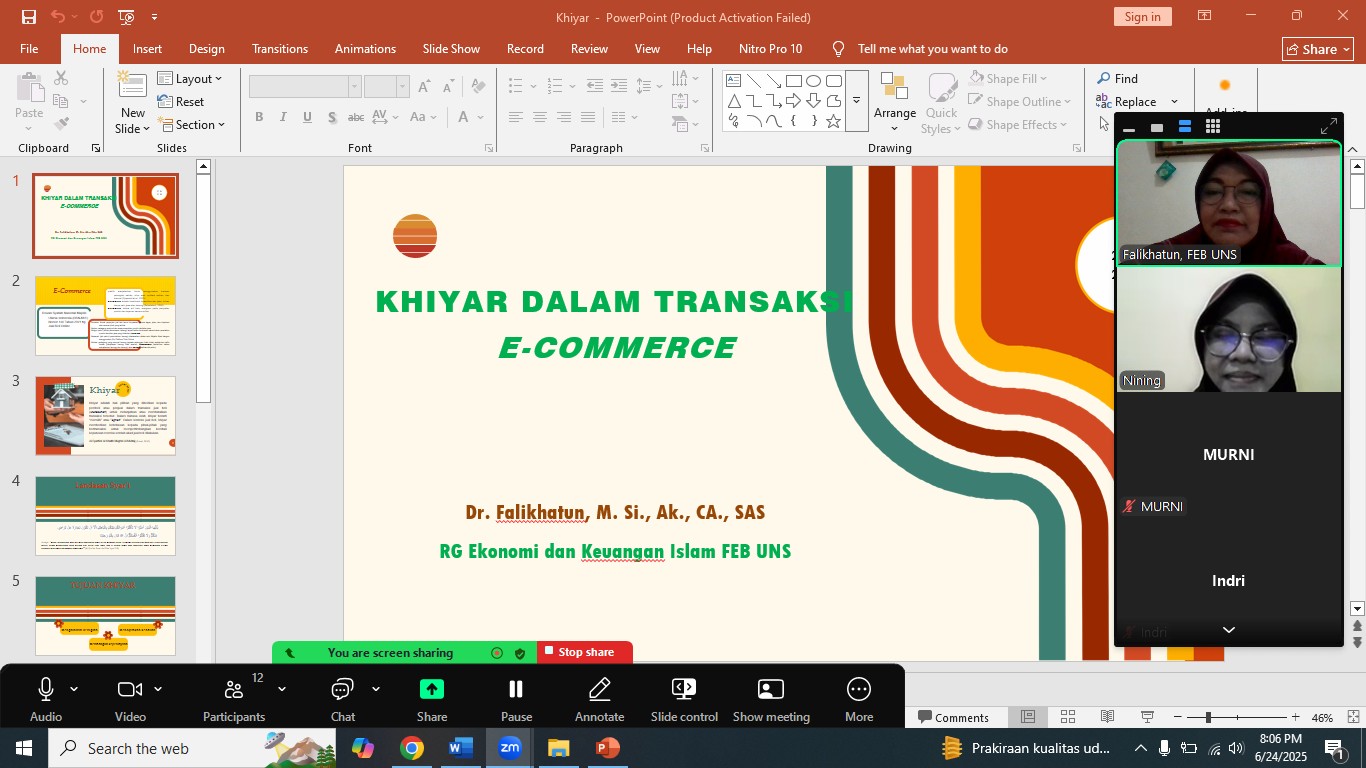
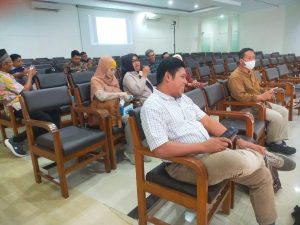
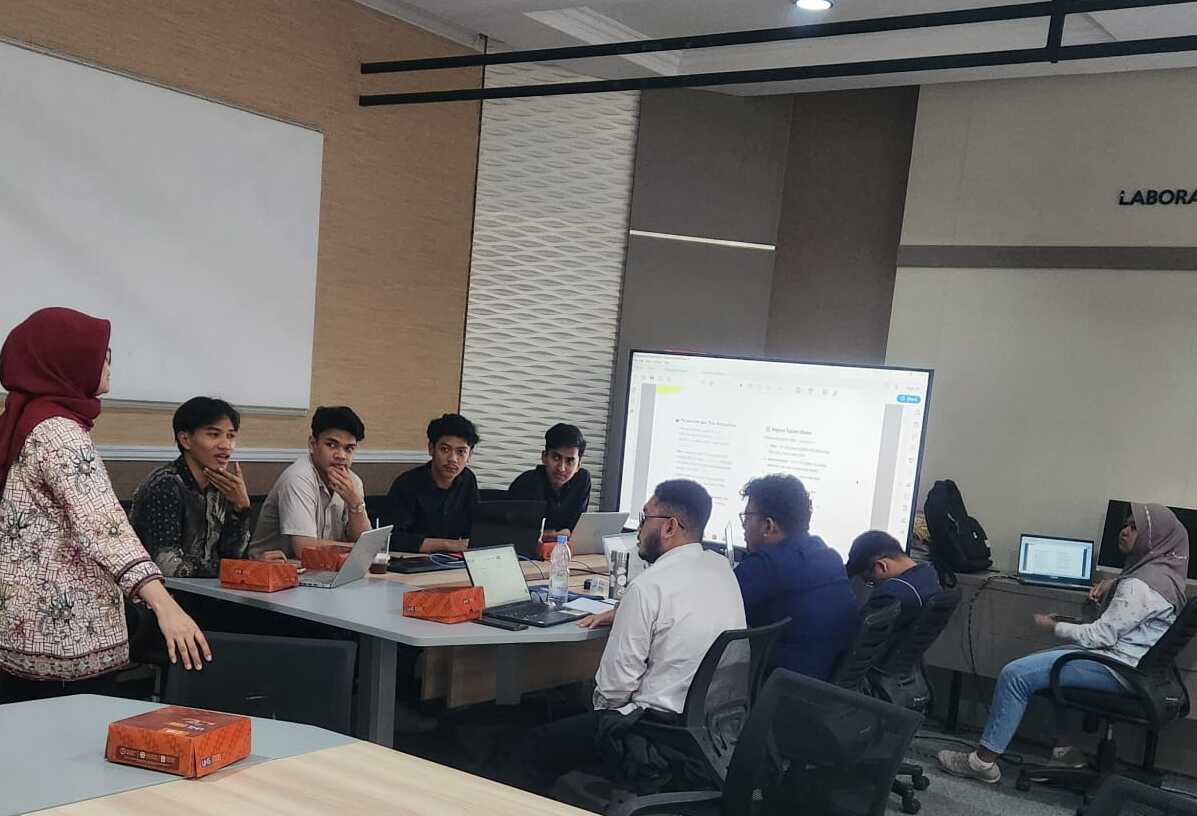
 The training featured resource persons from BNI Xpora and Solo-based export-import practitioners from CV Ivan Sugih Arta. Key topics covered included Export Market Research & Commodity Identification, Export Pricing and Negotiation, Payment Methods and Market Requirements, Promotion, Distribution, and Export Financing.


 This training aimed to strengthen the staff’s digital proficiency, especially in improving service quality, work efficiency, and operational effectiveness. By mastering Microsoft Office tools such as Word, Excel, and PowerPoint, the participants are expected to enhance their daily performance and support their career development, including potential certification. These digital competencies are considered essential to meet the demands of an increasingly digitized work environment.
