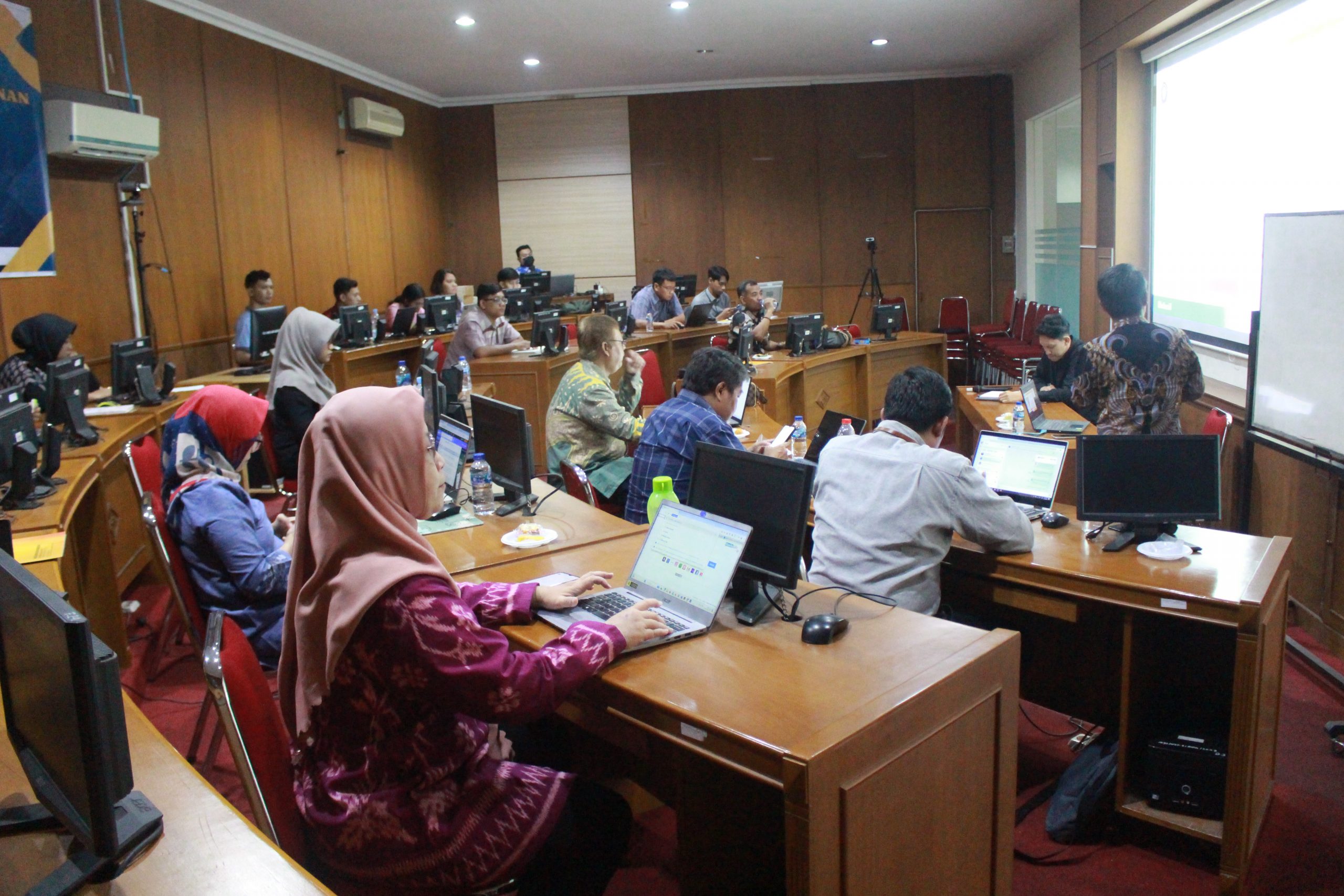
Master of Economics and Development Studies (MESP) Study Program, Faculty of Economics and Business (FEB), Universitas Sebelas Maret (UNS), held a Workshop on the Formulation of the Vision, Mission, Objectives, and Strategies of the MESP Study Program on Wednesday, 15 May 2024, at the Teleconference Room of the Bachtiar Effendi Building, FEB UNS. The workshop invited Prof. Setyo Tri Wahyudi, S.E., M.Ec., Ph.D., from Universitas Brawijaya as the main resource person.
 In her opening remarks, the Head of the MESP Study Program, Dr. Evi Gravitiani, S.E., M.Si., expressed her appreciation to the invited speaker for his participation. She explained that this activity is routinely conducted every two years, with the previous workshop held in 2022. She noted that the session was expected to provide opportunities for sharing and discussion on the formulation of the vision, mission, objectives, and strategies of the MESP Study Program, and hopefully support the maintenance of its “A” or “Excellent” accreditation status.
Conducted in a hybrid format, the workshop was attended by lecturers and students of the MESP Study Program. Dr. Evi encouraged all participants to remain engaged and actively participate in discussions until the conclusion of the program in the afternoon, emphasizing that input from both the speaker and participants was essential for the continued development of the Study Program.
At the beginning of his presentation, Prof. Setyo explained that, in accordance with the Indonesian National Qualifications Framework (Kerangka Kualifikasi Nasional Indonesia/KKNI), the learning outcome standards for master’s programs should refer to KKNI Level 8. At this level, master’s education emphasizes the capacity of students to develop knowledge, technology, and/or professional practice through research, resulting in innovative and validated outputs.
He further noted that students are expected to address scientific, technological, and/or professional challenges through inter- or multidisciplinary approaches, manage research and development activities that benefit society and academic advancement, and achieve national and international recognition.
Prof. Setyo then outlined systematic approaches to formulating the vision, mission, objectives, and strategies of a study program, highlighting key elements that should be considered in each component. He explained that the vision should clearly describe the aspirations, future direction, and profile of the study program in a realistic and credible manner, supported by periodic review and evaluation to ensure effective implementation in line with developments in the economic and business environment.
The mission, he added, should clearly reflect the distinctive role of the study program in achieving its vision, specify measurable actions, involve stakeholders, and be subject to regular review and evaluation to bridge current and future economic and business conditions.
 Objectives are derived from the vision and mission and should undergo regular evaluation and review to remain aligned with ongoing and future developments. Strategies, meanwhile, describe the processes for carrying out the mission and realizing the vision through the achievement of strategic objectives, with clear outputs and impacts that enhance competitiveness through effective and efficient use of available resources at both national and global levels.
Moderated by Muhammad Bagus Sisriatmaja, a lecturer at FEB UNS, the workshop took place from morning until afternoon and featured active discussions between participants and the resource person.
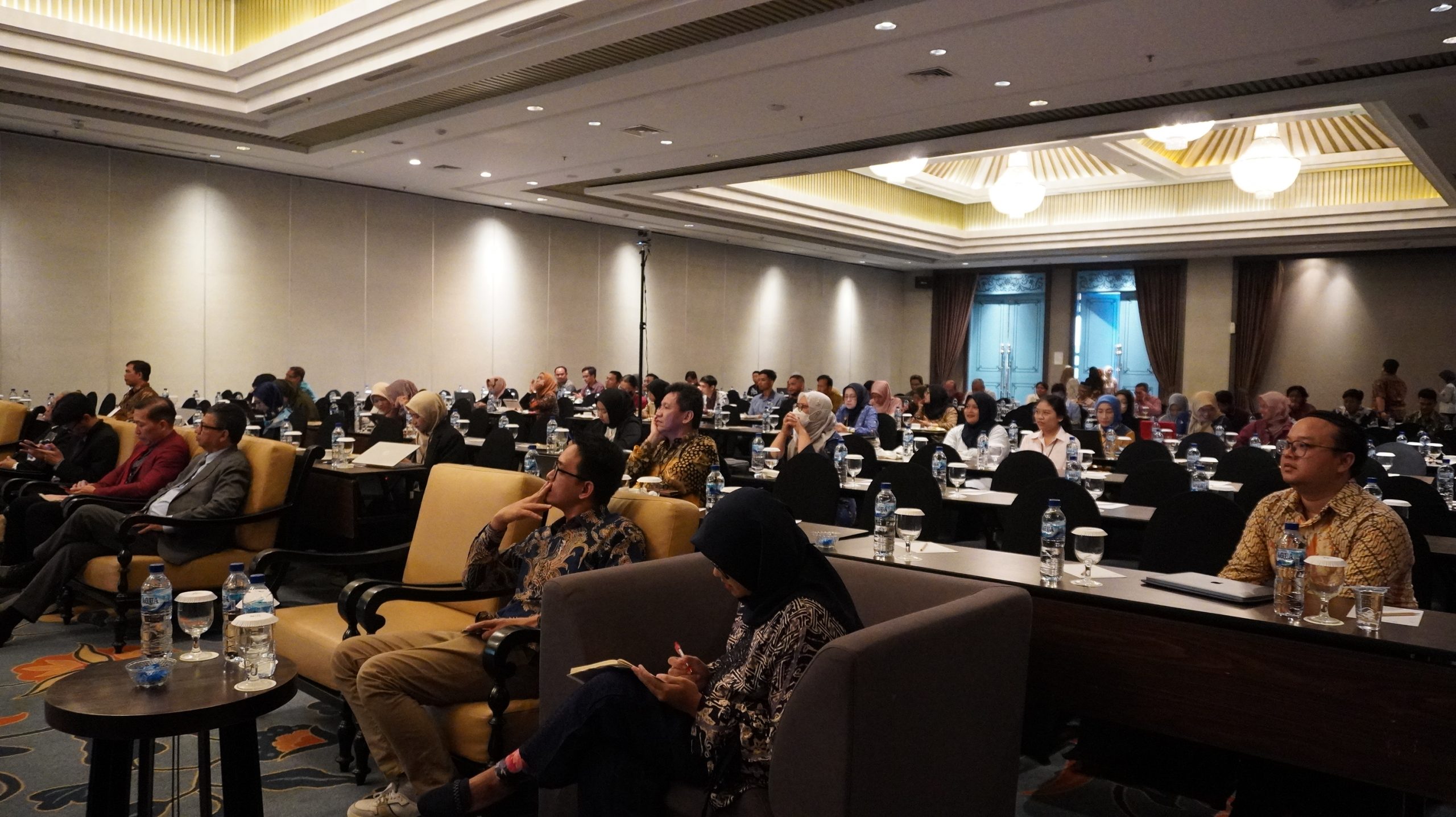



 The three presenters who received the Best Paper award were Antonius Grivaldi Sondakh from Gadjah Mada University, with an article entitled Competitive Information Systems and Knowledge Sabotage: The Moderating Effect of Group Identity, Hadi Ismanto from Doctoral Program in Economics (PDIE) FEB UNS with an article entitled the Role of Sales and Investment on Environmental Performance of Publicly Listed Companies in Indonesia, and Mohamad Egi Destiartono from Universitas Sebelas Maret with an article entitled Does Digitalization Foster Economic Development: Evidence from Emerging Economies.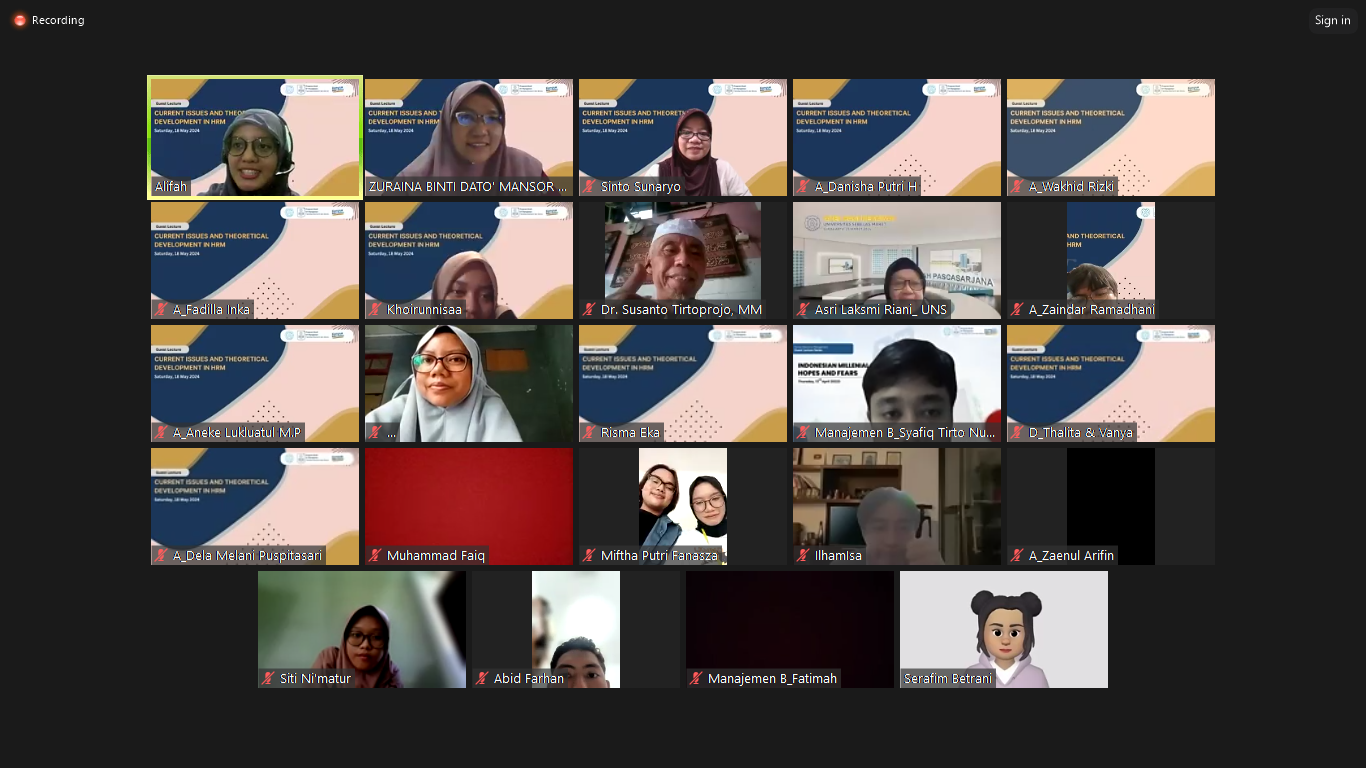
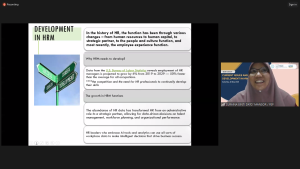
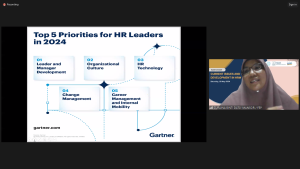
 The Bachelor in Management Study Program, Faculty of Economics and Business (FEB), Universitas Sebelas Maret (UNS) Surakarta, held a Guest Lecture on Human Resource Management II, with the topic Current Issues and Theoretical Development in HRM, on May 18, 2024. In this activity, the study program presented guest lecturers from Universiti Putra Malaysia, Assoc. Prof. Dr. Zuraina Dato’ Mansor.