Experimental economics is an alternative way to collect data in economic research, specifically behavioral data of economic agents. The goal is to get a collection of data on a specific problem that is difficult or impossible to be gathered in the usual way.
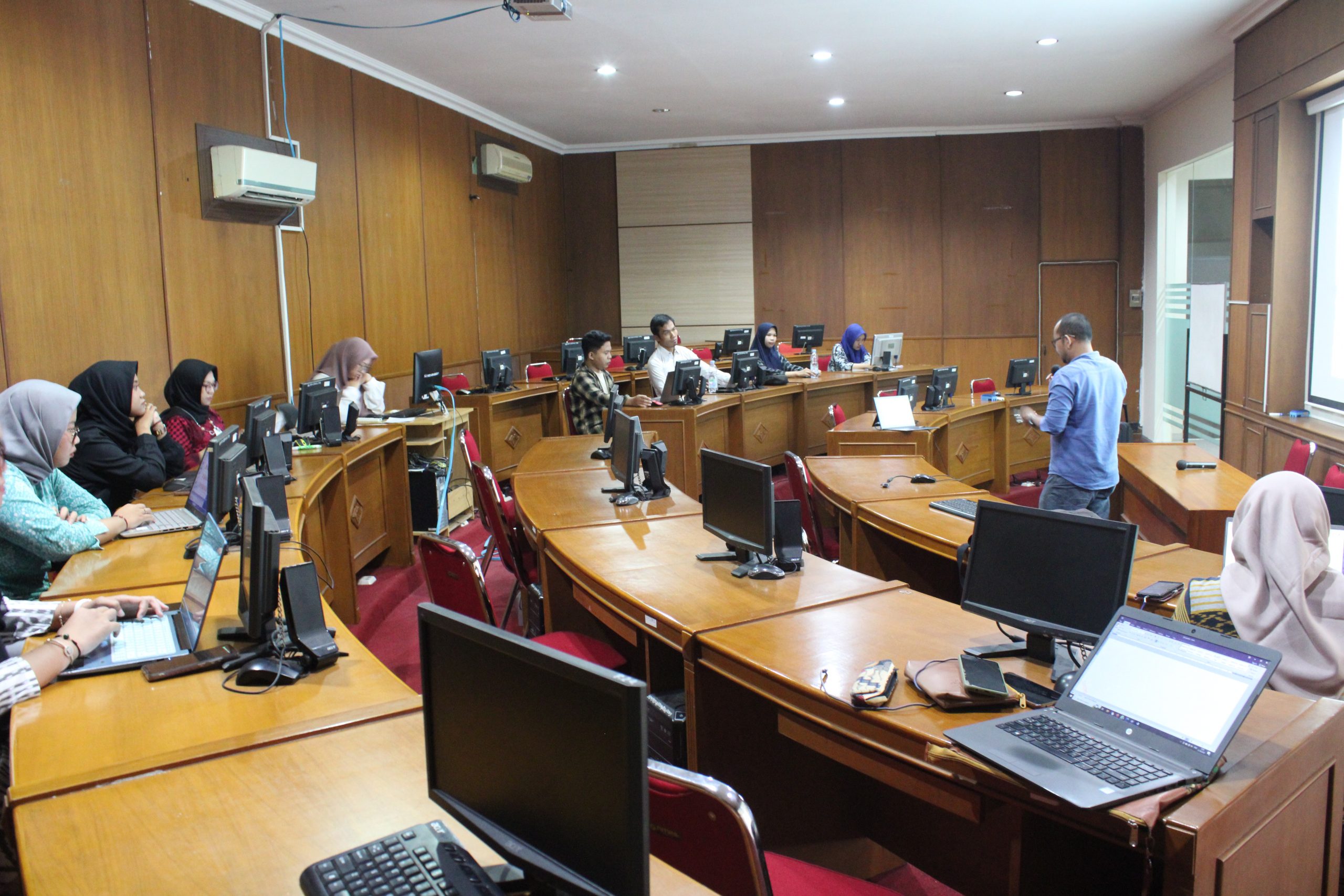
 Roth (1985) identified three types of experiments, the first of which was designed to discuss economic theory. The second is to investigate previously identified anomalies and the third is designed to inform policy. This statement was delivered by Dr. AGR. Deden Dinar Iskandar, SE, MA, a lecturer from FEB UNDIP, in the Experimental Economics Workshop organized by the Master in Economics and Development Studies (MESP) Study Program, Faculty of Economics and Business (FEB), Universitas Sebelas Maret (UNS). The hybrid workshop was conducted at the Teleconference Room Bachtiar Effendi Building FEB UNS and Zoom Meeting.
In the occasion hosted on Wednesday 21 June 2023, he explained that experimental economics uses controlled experiments with people as research subjects to answer research or policy questions. “In experiments, we conduct controlled trials with people as subjects, almost similar to surveys but with controlled environments. There are data that we need but cannot be collected through a conventional way, for example, data about corruption, taxpayer compliance percentage, or data related to the response to a policy that the policy has not been implemented,” he explained.
Further, he expla ined that economic theory is designed to be generally applicable to different sets of subjects.
Economic experiments at first did not even consider the participants’ demographic data and very little analysis was done to examine how different individuals act differently.
“In an experiment, there has to be an incentive, something positive that moves people to do something. People must be incentivized if we are to make people obey. All economic experiments involved equivalent rewards to participants. This practice is considered important to maintain the validity of the experiment,” he said.
 There are 4 types of experiments, the first being the conventional lab experiments, experiments that use a collection of students as subjects, use framing, and are carried out in a laboratory setting with the application of a set of rules. The next type is Artefactual field experiments, which is the same as conventional laboratory experiments but with a collection of non-standard subjects (not students). The third is Framed field experiments, which is the same as artefactual field experiments but using real context both in the task, rules, or collection of information used by the subject.
The last is Natural field experiments, which is the same as framed field experiments but in an environment where the subject naturally performs his activities and the subject does not know that they are in the experiment. This type is widely used, for instance, a study that wants to see the behavior of middle to lower economic groups in terms of income subsidies from the government. In this experiment type, the researcher need to observe participants who receive a subsidy after a few weeks or months, and then the recipients’ behavior before and after getting a subsidy. By doing this observation, the people (subject) involved in the research will not feel like they’re in an experiment or observation.
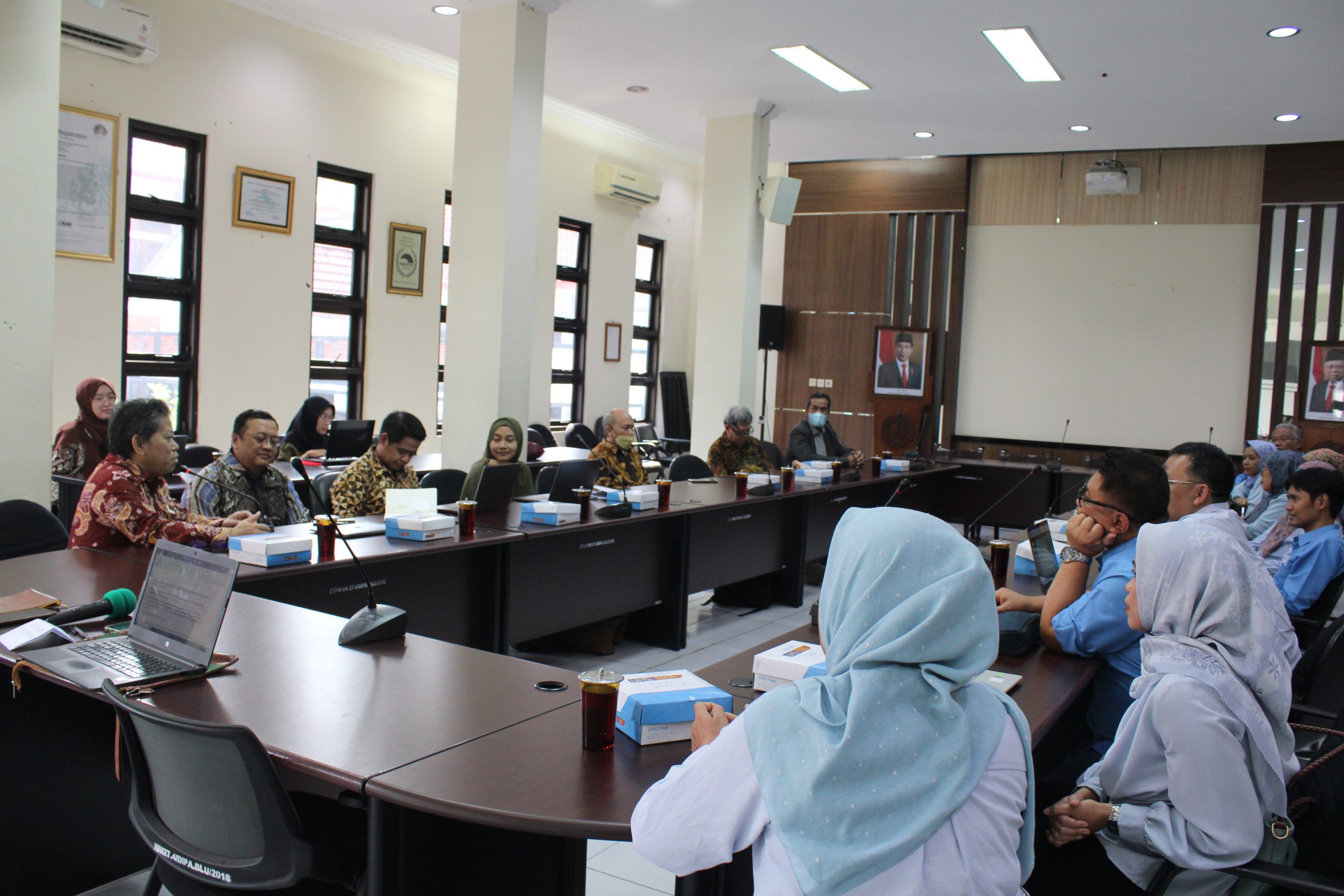
 The entourage led by the Coordinator of the Master of Science Study Program and Doctoral Program of FEB UGM, Prof. Catur Sugiyanto, M.S., Ph.D., was welcomed by the Dean, Head of Study Program for the Master’s and Doctoral Study Program FEB UNS, Head of UPM (Quality Assurance Unit) and P4M FEB.
 To this day, FEB UNS has three Master’s Study Programs, namely Master of Accounting, Master of Management, and Master of Economics and Development Studies, and one Doctoral Program in Economics. Prof. Djoko also explained the general stages that must be passed by the Master’s and Doctoral programs students until graduation.


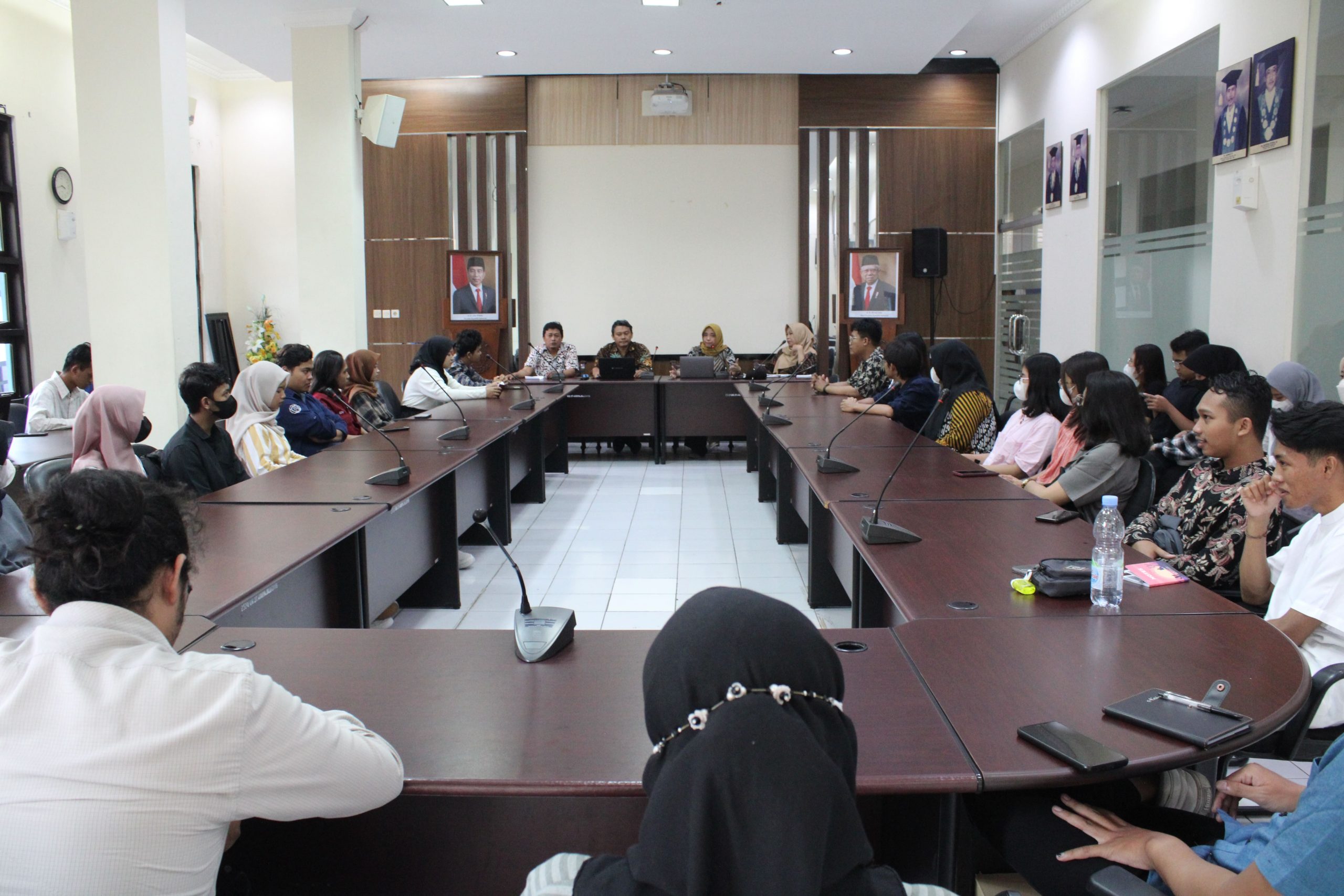

 As the FEB UNS received the mandate to deliver a good academic process. The faculty must manage its funding appropriately and provide suitable hard-skill and soft-skill outlets for students. Students should also understand the Faculty’s strategic plan, vision, and mission.
 Dr. Dwi also emphasizes 3 principles that students must have, namely hard work, smart work, and networking. Further, she also highlighted that FEB students receive significant concern from the members of the FEB Alumni Association (KAFEB). “I hope ORMAWA administrators can participate in the internship vacancies provided by KAFEB UNS and be selected as intern students there. I don’t wish to see a gap between students and alumni. The alumni are eager to recruit our alumni,” she said encouragingly.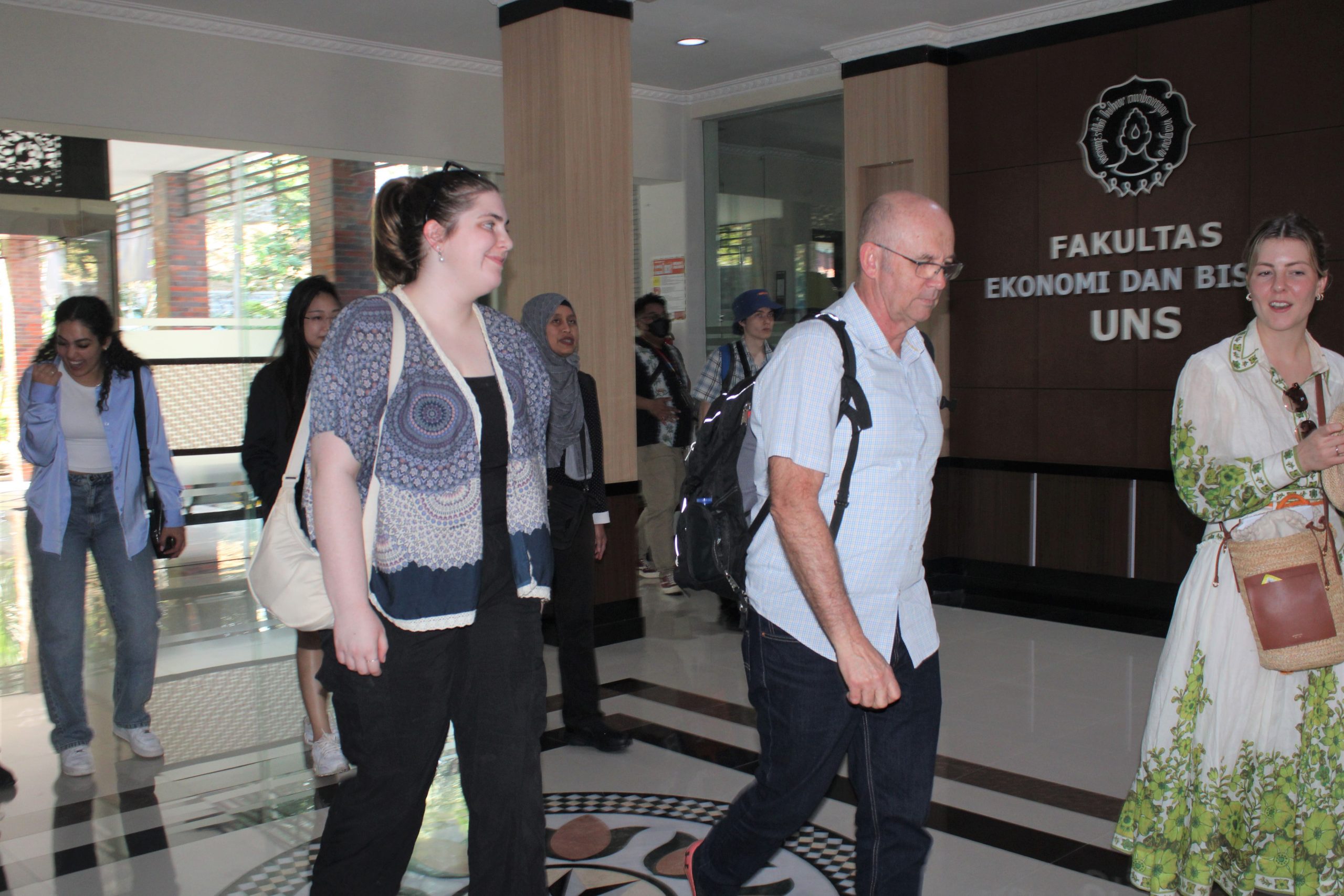
 To support this UNS mission, FEB hosted the Short Course Program ‘UNS International Summer Program’ in collaboration with the University of Canberra, Australia, through the New Colombo Plan Funding Scheme 2023 ‘Indonesian Economy’. The opening ceremony for this Summer Program was conducted on Friday (9/6/2023).
 Through her speech, Dr. Dwi Prasetyani also introduced some of the FEB UNS Deanery members and the lecturers who were attending the opening ceremony. She also hopes that the program can have a positive impact on both institutions.
 “Thanks to UNS for their support. We from the University of Canberra need support from partner universities starting from the application process. We also welcome UNS students to study in Canberra. Hopefully, UNS and the University of Canberra can build a sustainable collaboration.”