ASEAN or the Association of Southeast Asian Nations is an organization that aims to develop the prosperity and welfare of countries in the Southeast Asia region. The member countries are Indonesia, Malaysia, Singapore, Philippines, Thailand, Brunei Darussalam, Vietnam, Laos, Myanmar, Cambodia, and East Timor. This regional organization was established on August 8, 1967, by the 5 (five) founding countries, namely Indonesia, Malaysia, Singapore, Philippines, and Thailand.
The regional association is starting from the similarity among the countries that were once colonized, except for Thailand. The organization will strive to strengthen economic sovereignty, promote sustainable economic growth, and create a conducive environment for the development of the digital economy in the Southeast Asian region.
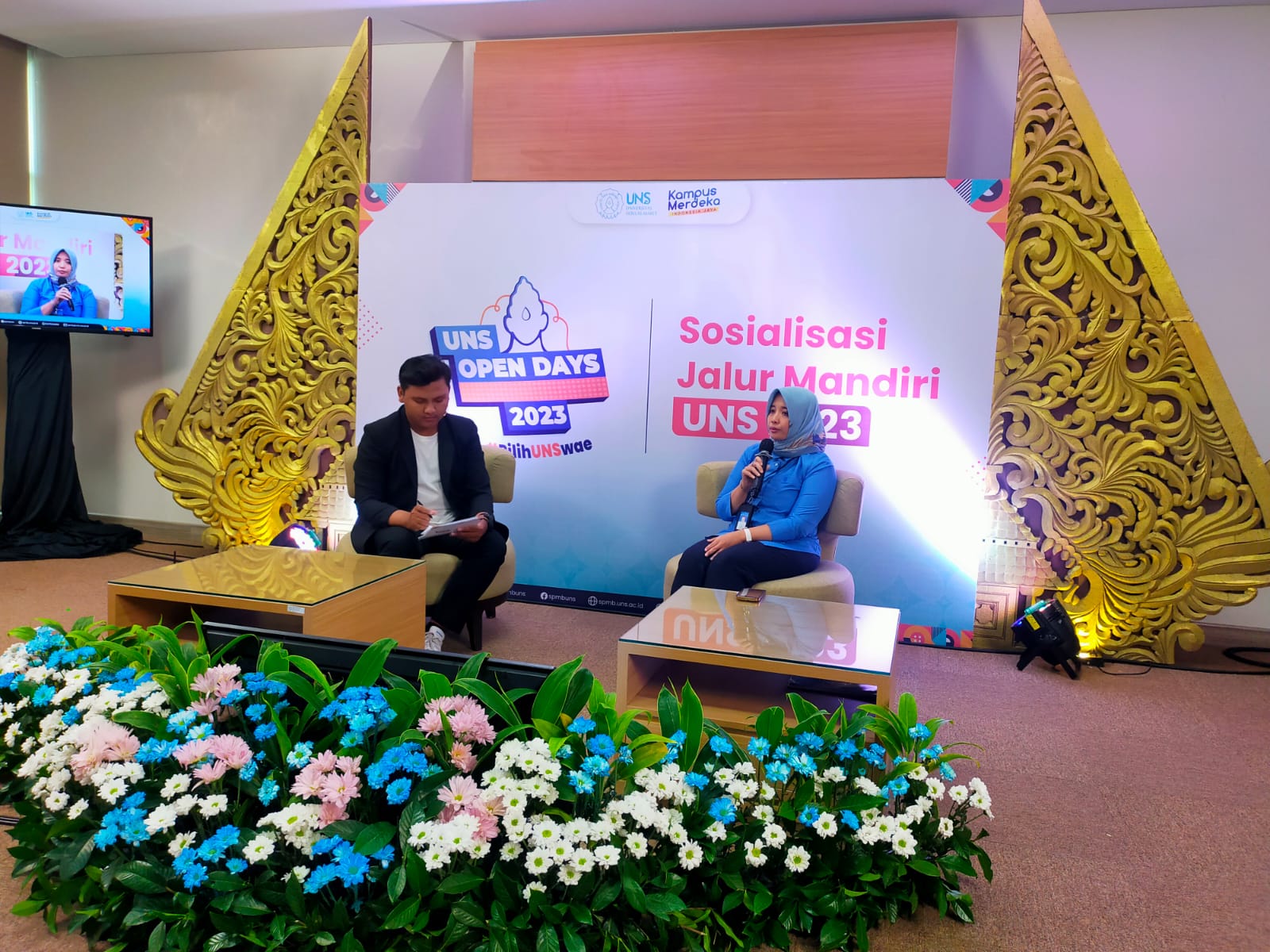
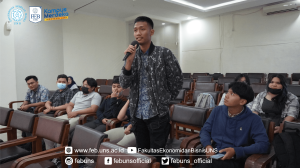
This material presentation was delivered by Drs. Heru Wicaksono, M.M., a Diplomat who is also a FEB UNS alumnae, at the ASEAN Economy Guest Lecture, entitled ‘ASEAN Economic Dynamics: Networking and Cooperation,’ Monday (5/6/2023), at the Soedarah Soepono Hall FEB UNS.
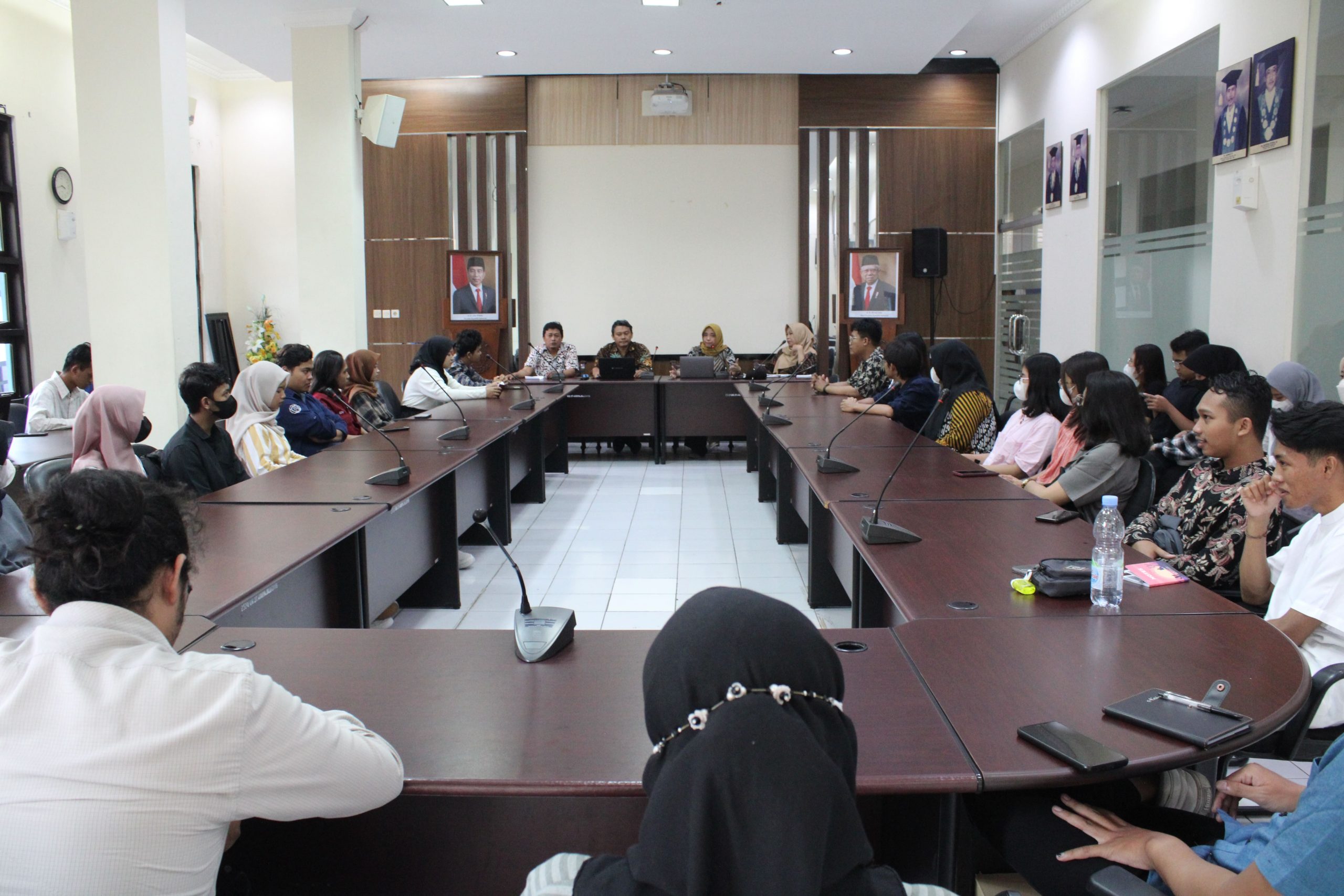
The Guest Lecture hosted by the Development Economics Study Program (DESP), Faculty of Economics and Business (FEB), Universitas Sebelas Maret (UNS), was led by Lukman Hakim S.E., M.Si., Ph.D., a lecturer FEB UNS, as the moderator.
Related to the ASEAN economic situation, Indonesia will become the Chair of ASEAN in 2023. This can be a momentum to expand and strengthen the de-dollarisation spirit to break away from the superpower countries’ power. “Indonesia as Chair of the ASEAN focuses on strengthening the ASEAN economy into a fast-growing, inclusive, and sustainable economic region, as the center of regional and world economic growth.
 This shall be achieved in an “ASEAN way” in line with the principles of the ASEAN Charter. A peaceful solution, no interference, no confrontation, mutual respect, cooperation, dialogue, consensus, soft diplomacy,” he explained.
Meanwhile, Drs. Heru also states that Indonesia and Thailand are the two main countries in the ASEAN region. Good relationships have been an asset for both countries to move forward and contribute significantly to the region.
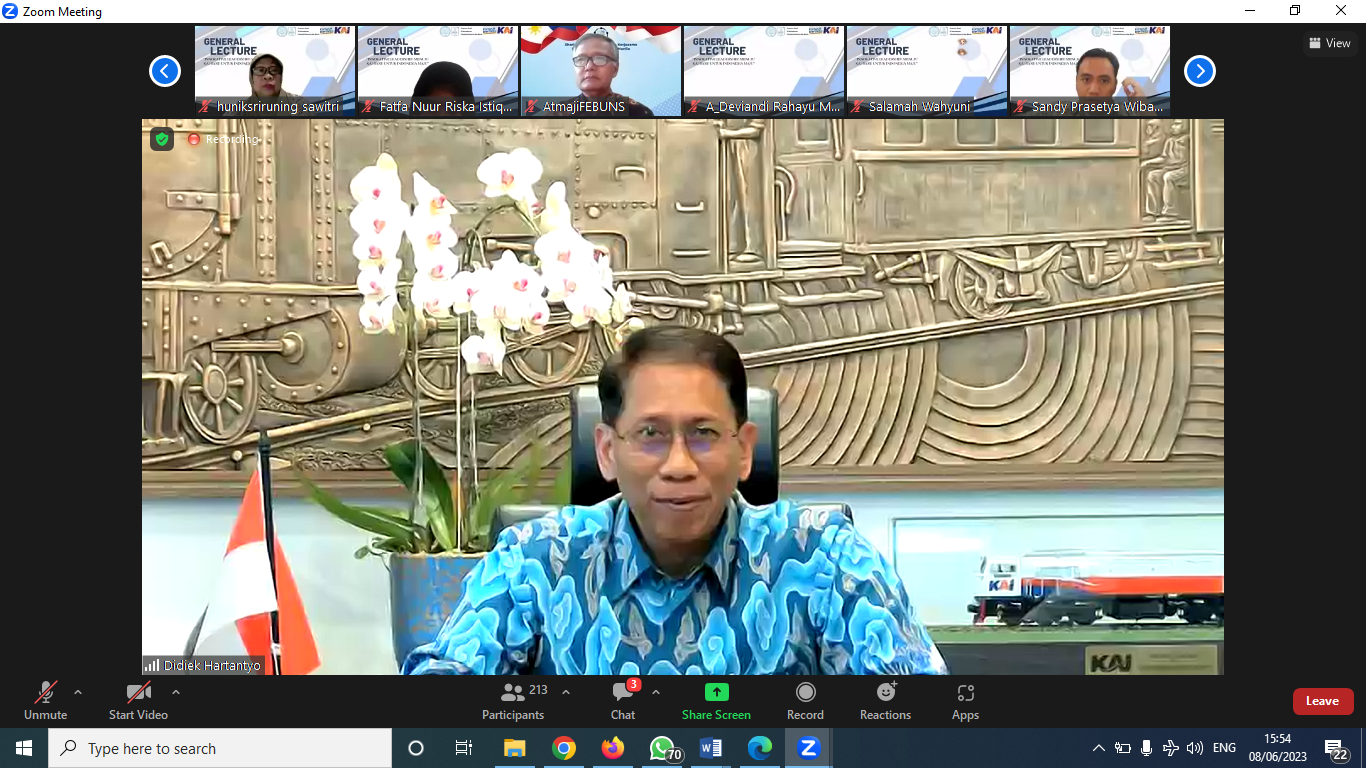
 In his material, Didiek quoted the statement of Deputy Minister of SOEs II, Kartika Wirjoatmodjo: “KAI became the executor for most difficult National Strategic Project in terms of risk and complexity level. Therefore, we need to master Functional Management Skills and Technical Sectoral Skills. However, within a transformation process, leadership skills are the key.”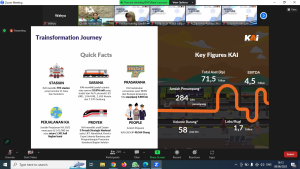




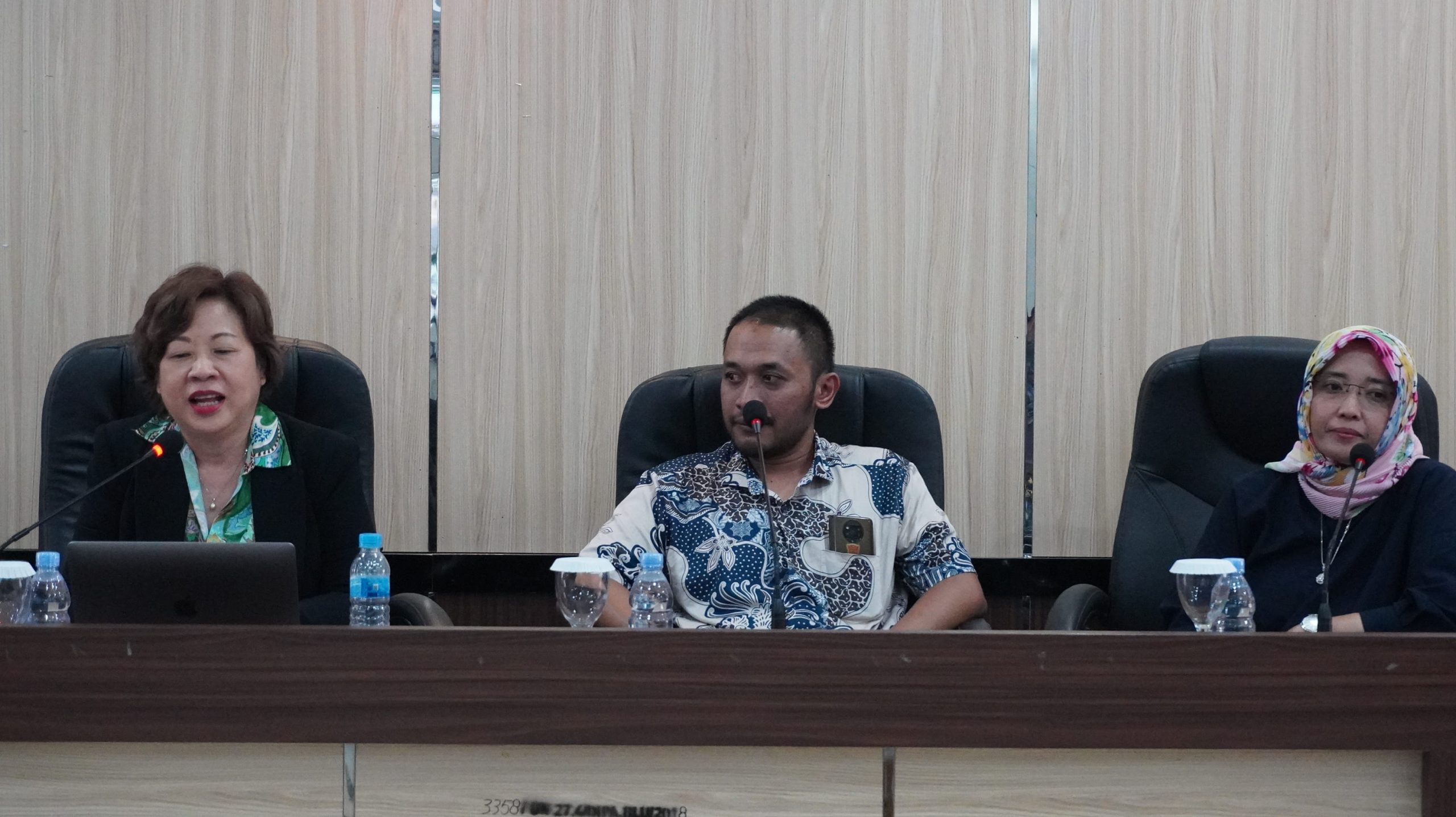


 Perubahan ini, menurut Prof. Caroline, tidak lepas dari pengaruh pademi Covid-19, dimana banyak pekerja kehilangan pekerjaan dan harus menemukan pekerjaan baru.
 Furthermore, she explained the growth of digital services, which developed during the Covid pandemic. Not only in the trade sector, teaching and learning activities have also been transformed, especially in the field of digital learning. Students inevitably have to learn new skills related to this digital development. “Today employers are no longer asking for academic degrees. They focus more on whether you can do the task given and whether you can do the task given. That’s why you need to learn a new skill set to support your future job,” she explained.