FEB

Kategori: s1_akt

  • The Dean of FEB UNS Inaugurates BEM, DEMA, and Student Association Administrator

    The Dean of FEB UNS Inaugurates BEM, DEMA, and Student Association Administrator

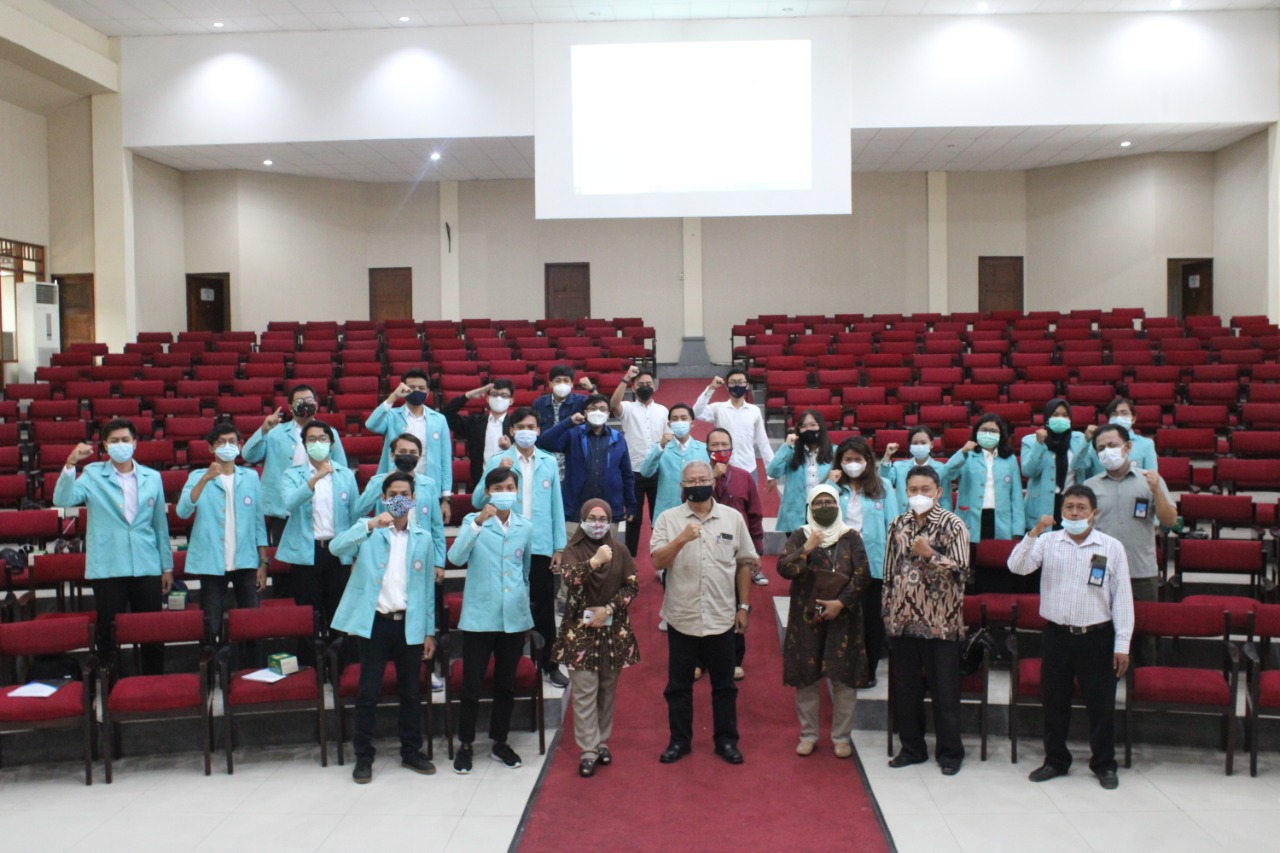
    The Dean of the Faculty of Economics and Business (FEB) Universitas Sebelas Maret (UNS) Surakarta, Prof. Drs. Djoko Suhardjanto, M.Com. (Hons), Ph.D., Ak. Inaugurates the administrator for the Student Executive Board (BEM), Student Supervisory Board (DEMA), and Student Organizations (ORMAWA) for 2021. The ceremony took place on Thursday, 25 February 2021 in FEB UNS Auditorium (Building 3).

    The ceremony was attended by the Vice-Dean, Head of Partnership Unit, and FEB UNS Administrative Leaders, where a signatory of Minutes of Management Handover also took place. The signatory was represented by the Chair of BEM and DEMA FEB UNS, which symbolizes the transfer of responsibility from the Administrator for the previous period (2020) to the new Administrator in 2021.

    The Dean of FEB UNS in his opening remarks congratulate the elected new administrator and thanking the previous administrator for their service and devotion. Prof. Djoko also requested that the previous leader will assist the new leader to accomplish even greater achievements. Further, regarding the shift of UNS status from a Public Service Agency (BLU) into a State University as Legal Entity (PTN BH), there are many adjustments, both in terms of organizational structure and working pattern, there must be a great leap. UNS is required to accomplish a target set by the government to enter the top 500 global universities.

    Prof. Djoko also encourages the students, especially the administrators for BEM, DEMA, and ORMAWA to actively engage, organize, and joining international events. The FEB UNS will assist the students to reach international achievements. “The designation of UNS as PTNBH, students’ activities both in academic and non-academic sector lead to international achievements. University, faculty, and study programs will support students’ activities. If there is any difficulty, we will solve it together. We must collaborate to reach the target,” he stressed while motivating the students.

    Concluding the event, the Dean delivers a message for the students that even though they are actively participating in the organization, they must maintain their academic achievement. (Humas FEB).
  • FEB UNS Organizes Workshop in Budgeting Submission and SPJ Preparation

    FEB UNS Organizes Workshop in Budgeting Submission and SPJ Preparation

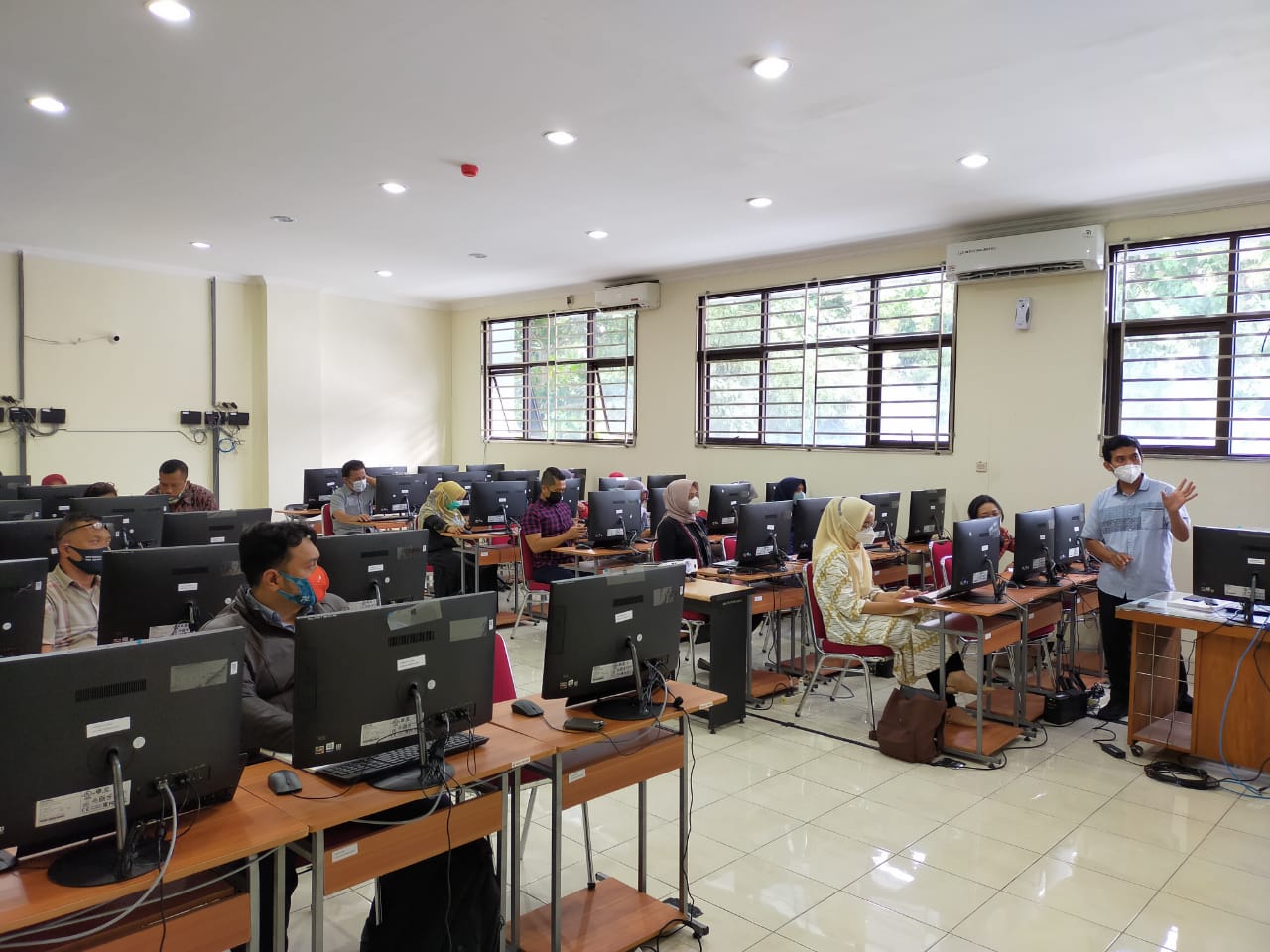
    The Faculty of Economics and Business (FEB) Universitas Sebelas Maret (UNS) Surakarta organizes a Workshop in Budgeting Submission and Accountability Report (SPJ) Preparation on Thursday (25/02/2021) in FEB UNS Computer Laboratory. The event was attended by 20 participants representing each study program in FEB UNS and Helpdesk administrator.

    The Coordinator of FEB UNS Administration Unit, Tunggul Ardhi, S.Si., in his remarks stated that the shift of UNS administration from Public Service Agency (BLU) into a State University as Legal Entity (PTN BH) need several adjustments in term of budget submission and SPJ preparation. The currently applicable guideline is the UNS Minimum Standard Cost (SBM).

    On this occasion, all technical staff will be introduced to the new guidelines, how to prepare SPJ, and the budget submission process. Through this training, it is expected that all technical staffs can adjust faster. Christiana Yulia, S.Pd., as the FEB UNS General Treasurer, and Gigih Fantriko, A.Md., from the FEB UNS Planning Unit, become the instructors for the workshop.

    Gigih Fantriko explains the general description of the service provided by FEB UNS Planning Affairs, such as uploading and supporting faculty data (KPI), the revision for budget submission, downloading faculty planning, and budget planning procedure. He also guides the participants on how the study program’s operator uses Budget Planning and Evaluation System (Sireva).

    Meanwhile, Christiana Yulia delivers the technical budgeting submission and SPJ preparation. Participants are expected to learn the new guidelines. In order to evaluate participants’ understanding, at the end of the session, Yulia delivers questions that need to be solved. The questions related to SPJ preparation, Payment Warrant (SPBY), payment receipt according to the rates used, and taxes according to the new regulations. (Humas FEB UNS)

  • Accounting Study Program FEB UNS Hosts Visiting Lecturer with Evan Lau

    Accounting Study Program FEB UNS Hosts Visiting Lecturer with Evan Lau

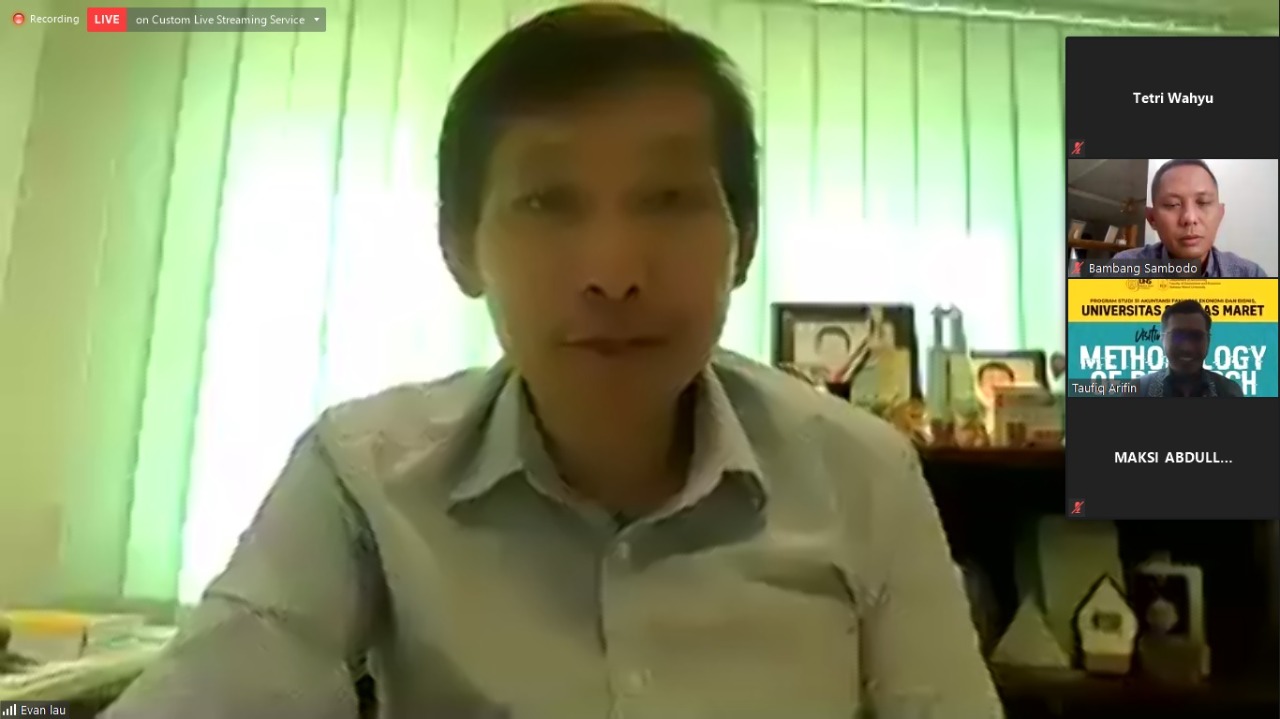
    The Accounting Study Program at the Faculty of Economics and Business, Universitas Sebelas Maret (UNS) Surakarta, organized a Visiting Lecturer on the Methodology of Research inviting Assoc. Prof. Evan Lau from Universiti Malaysia Sarawak (UNIMAS) on Tuesday-Wednesday (24-25/11/2020).

    In his opening remarks, Dr. Agung Nur Probohudono, Ph.D., Head of the Accounting Study Program at FEB UNS, expressed his gratitude to Prof. Evan for sharing his valuable experiences on research methodology with the students. “Although conducted virtually, we hope that the current situation does not diminish the value of this lecture. Research methodology is crucial as it provides knowledge about the proper steps and methods for conducting final research,” he stated.

    Meanwhile, Prof. Evan addressed the students of FEB UNS who were taking the course on research methodology and several lecturers from the Faculty of Economics and Business, delivering various definitions of research and reasons why research is necessary.
    “Research is a process of seeking and investigating, to find the ‘truth’ of an event or condition, which must be carried out in accordance with methodology, systematic, and following the rules and ethics of research,” he explained.

    Furthermore, he elaborated on the aspects of research, including the 3C’s: concentration, commitment, and continuity. The first session concluded with an interactive Q&A session between the speaker and the participants.

    Prof. Evan also presented the problem statement, which relates to the interesting research topics and how to identify issues that could become research topics. “When starting research, we should begin with uncertainty, doubt, questions, or problems. If there is already an answer to the problem, then there is no need to conduct research on it. Instead, consider extending the previous research,” he clarified.

    The problem statement is a crucial aspect as it will affect the literature to be reviewed, hypotheses, required data, analysis techniques, and appropriate conclusions.

    A well-formulated problem statement should include several elements, such as answering unanswered questions in previous literature, replicating previous research but focusing on a different research object, expanding or deepening the analysis of previous research, and being related to practical field conditions. For this, Prof. Evan encouraged the participants to brainstorm ideas.

    On the second day of the visiting lecturer, the discussion continued with Research Design. Research design can be understood as the plan used to answer the research problem. This design includes the techniques to be used, the objects involved in the research, how data is collected, and how data is analyzed. Several points need to be considered in determining the research design, including the nature of the research problem, research objectives, available data sources, and academic discipline.

    (Aulia/Humas)

  • Accounting UNS Mengajar at Assalam: Implementation of Internal Audit and the Role of Internal Monitoring Unit (SPI)

    Accounting UNS Mengajar at Assalam: Implementation of Internal Audit and the Role of Internal Monitoring Unit (SPI)

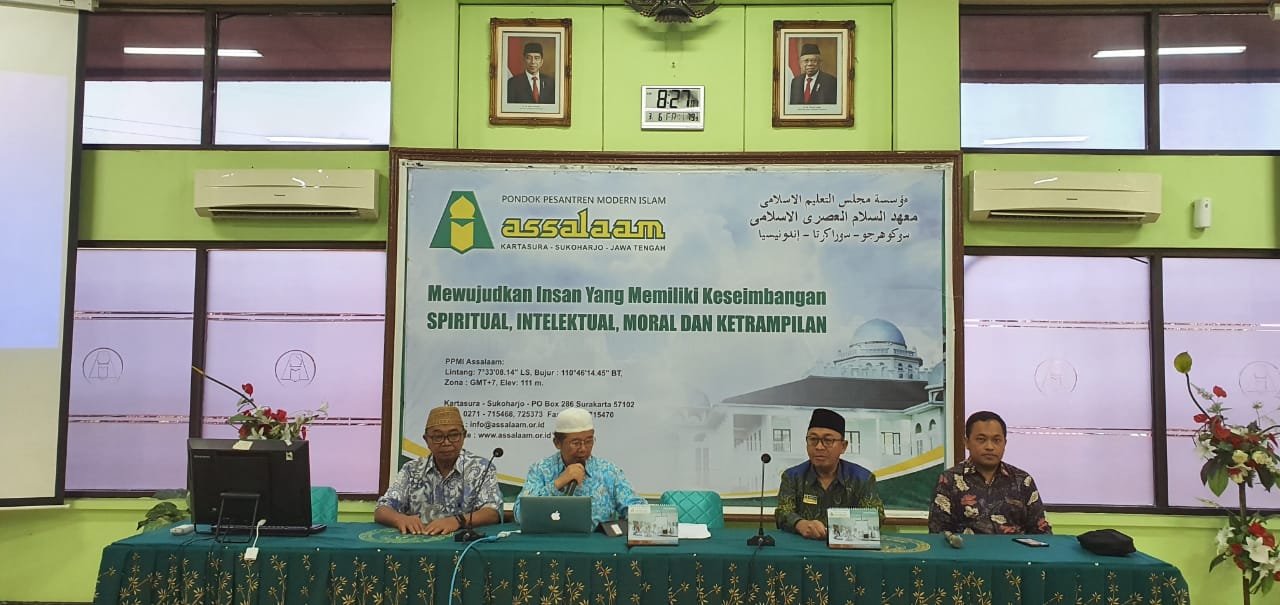
    In order to support the implementation of the UNS Mengajar Program celebrating the 44th UNS Anniversary, the Accounting Study Program (ASP), Faculty of Economics and Business, Universitas Sebelas Maret (FEB UNS), held training in Pondok Pesantren Modern Assalam, Friday, March 6th, 2020.

    UNS Mengajar at Assalam

    The training was held in the Meeting Room of Assalam Office 2nd floor, with a theme the “Implementation of Internal Audit and the Role of Internal Monitoring Unit (SPI)”. This theme is initiated by Assalam and proposed to the Study Program, because the Surakarta Islamic Study Board Foundation (YMPIS), a foundation that supports the Pondok Pesantren Modern Assalam is currently developing their SPI in order to establish a more clean and professional entity.

    The event was opened by the Chairman of the Foundation, Mr. Ahmad Syamsuri, the Head of Foundation, Prof. Dr. Munawir Yusuf, M.Psi, and the Head of Undergraduate in Accounting Study Program, Agung Nur Probohudono, S.E., M.Si., Ph.D., Ak., CA.

    Afterward there were 15 lecturers who deliver material consecutively, started by Agung Nur Probohudono, S.E.,Accounting Study Program lecturer at UNS Mengajar M.Si., Ph.D., Ak., CA., Prof. Dr. Munawir Yusuf, M.Psi., Drs. Sri Hanggana, M.Si,. Ak., Dr. Sri Hartoko, M.BA, Ak., Ari Kuncara Widagdo SE, MBA, Ph.D, Ak., Nurmadi Harsa Sumarta, S.E., M.Si., Ak., Drs. Muhammad Agung Prabowo, M.Si., Ph.D, Ak., Dr. Djuminah, M.Si., Ak., Khresna Bayu Sangka, S.E., M.M. Ph.D., Dr. Arum Kusumaningdyah Adiati, S.E, MM., Estetika Mutiaranisa Kurniawati, S.E., M.Acc., Dian Perwitasari, S.Ak., M.Si., An Nurrahmawati, S.E., M.Sc., Nur Chayati, S.E., M.Sc., and Saktiana Rizki Endiramurti, S.E., M.Ak.
    The Accounting UNS Mengajar was attended by all academic members of the Pondok Pesantren Modern Assalam, starting from the Chairman of the Foundation and the teachers. The discussion section that was held after the lecture went warmly. The participants are eager to ask questions related to SPI to the speakers, especially regarding the suggestion on SPI implementation within the entities in the form of foundations.

    The YMPIS and the Accounting Study Program FEB UNS will organize a follow-up after the signatory of a Memorandum of Understanding (MoU) in SPI training between the two parties.

    The event was closed by the Chairman of the YMPIS and the Head of Study Program. Forward, it is expected that the collaboration between the YMPIS and FEB UNS can expand more broadly.

    Editor: Drs. BRM. Bambang Irawan, M.Si.

  • The Undergraduate in Accounting Study Program Organize the International Conference on Business, Accounting, Supply Chain and Logistics (ICBASL)

    The Undergraduate in Accounting Study Program Organize the International Conference on Business, Accounting, Supply Chain and Logistics (ICBASL)

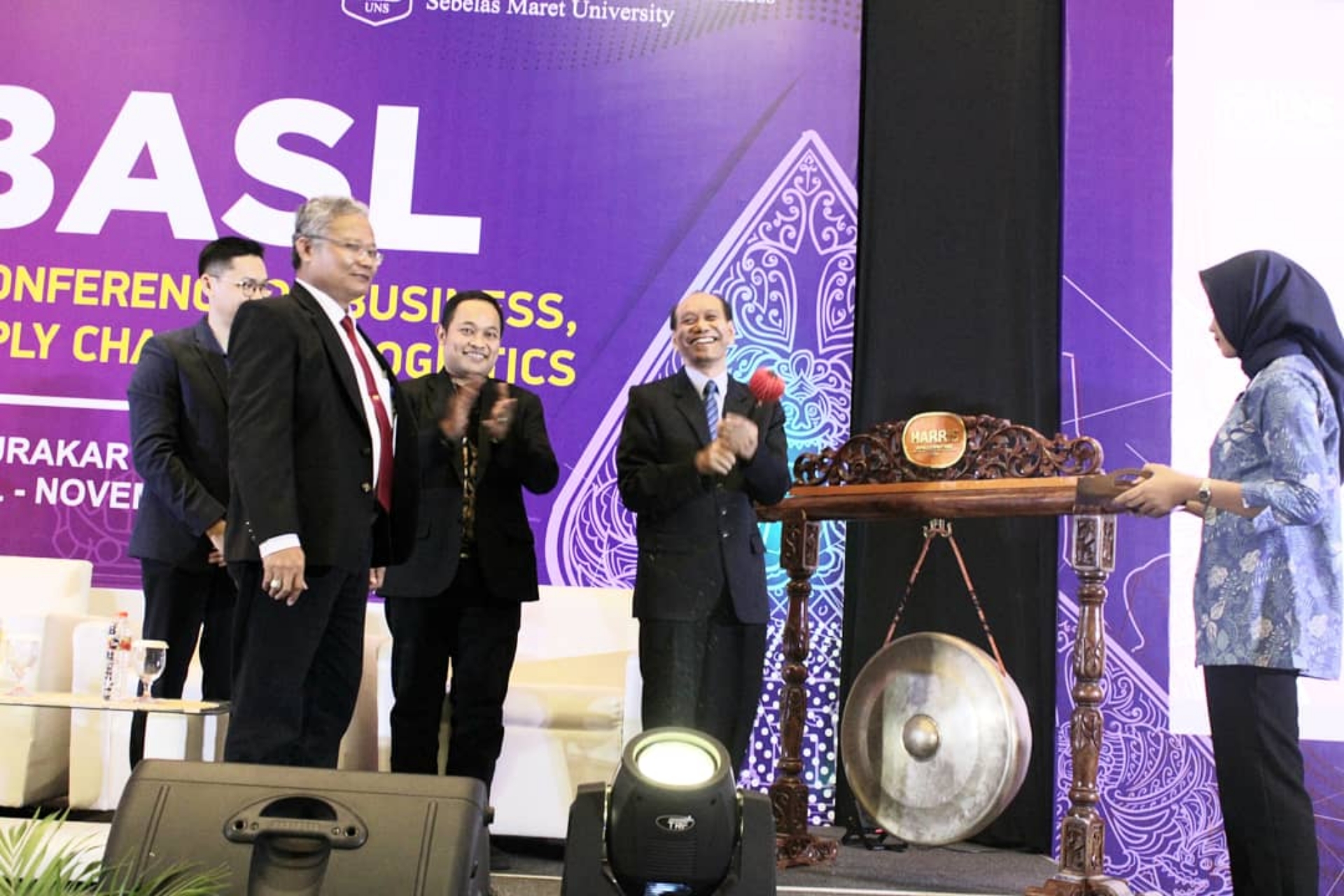
    The logistic network and payment system are the important supporting component to improve the penetration on the e-commerce market in Indonesia. The complexity in distribution has made the topics on logistics become an interesting research topic to be discussed. An extensive research on these topics is expected to help the Government in developing the economics condition. This remark was presented by Prof. Ahmad Yunus, the Vice Rector of Academics Affairs, Universitas Sebelas Maret (UNS), during the opening of International Conference on Business, Accounting, Supply Chain and Logistics (ICBASL), on Thursday, November 21, 2019 in Harris Hotel Solo.

    Prof. Yunus delivers his appreciations to the Undergraduate in Accounting Study Program of the Faculty of Economics and Business, Universitas Sebelas Maret (FEB UNS) and all the speakers, for organizing a spectacular inaugural international week that consist of International Conference, Visiting Lecture, and International Student Visit. During his remarks, Prof. Yunus also expressing his gratitude to the Prof. Hooy Chee Wooi from the University Sains Malaysia as the Visiting Professor and providing an excellent course in Investment Theory and Portfolio to the FEB UNS students. He also appreciates the international students who participated in International Short Course Program. “We hope that their participation in this program will strengthen our relationship with our international partners.”

    The main theme for the ICBASL is “New Paradigm of Link and Match Between Government, University, and Industry” will cover various topics in business such as accounting, business, and logistic in its relationship with the current globalization issues. The invited speakers in this Conference are Prof. Juliana Sutanto (Lancaster University), Assoc. Prof. Dr. Corina Joseph (Universiti Teknologi MARA Cawangan Sarawak, Malaysia), Prof. Ruhul Salim, BSc, MSc., Ph.D. (Curtin University, Australia), Prof. Habib Mahama, Ph.D (Qatar University, Qatar), and Prof. Dr. Hooy Chee Woi (Universiti Sains Malaysia, Malaysia).

    Approximately 250 articles will be presented on the Conference, which covers various issues in accounting, business, logistic, and supply chain. The best article will be given the opportunity to publish in National Accredited Journal such as Jurnal Akuntansi dan Bisnis, Jurnal Keuangan dan Perbankan, Jurnal Akuntansi dan Auditing Indonesia, Jurnal Akuntansi Multiparadigma, and Jurnal Sains Bisnis. The best articles will also have the opportunity to get published in Scopus indexed journal such as Social Responsibility Journal (SRJ), Meditary Accountancy Research, Journal of Contemporary Accounting, International Journal of Economics and Management, and International Journal of Service Management Sustainability.
  • The Needs for an Automation in Logistic Operation

    The Needs for an Automation in Logistic Operation

    The trend in logistic market in Indonesia keep drawing more attention due to a recurring increase each year. The logistic trend in economics era 4.0 needs contribution from educational sector, similar to the one in university. This is because education field is one out of four important points that should be considered in developing logistic field, namely more precise deregulation for logistic sector, harmonization between central and regional government, physical and information technology infrastructure development, and education.

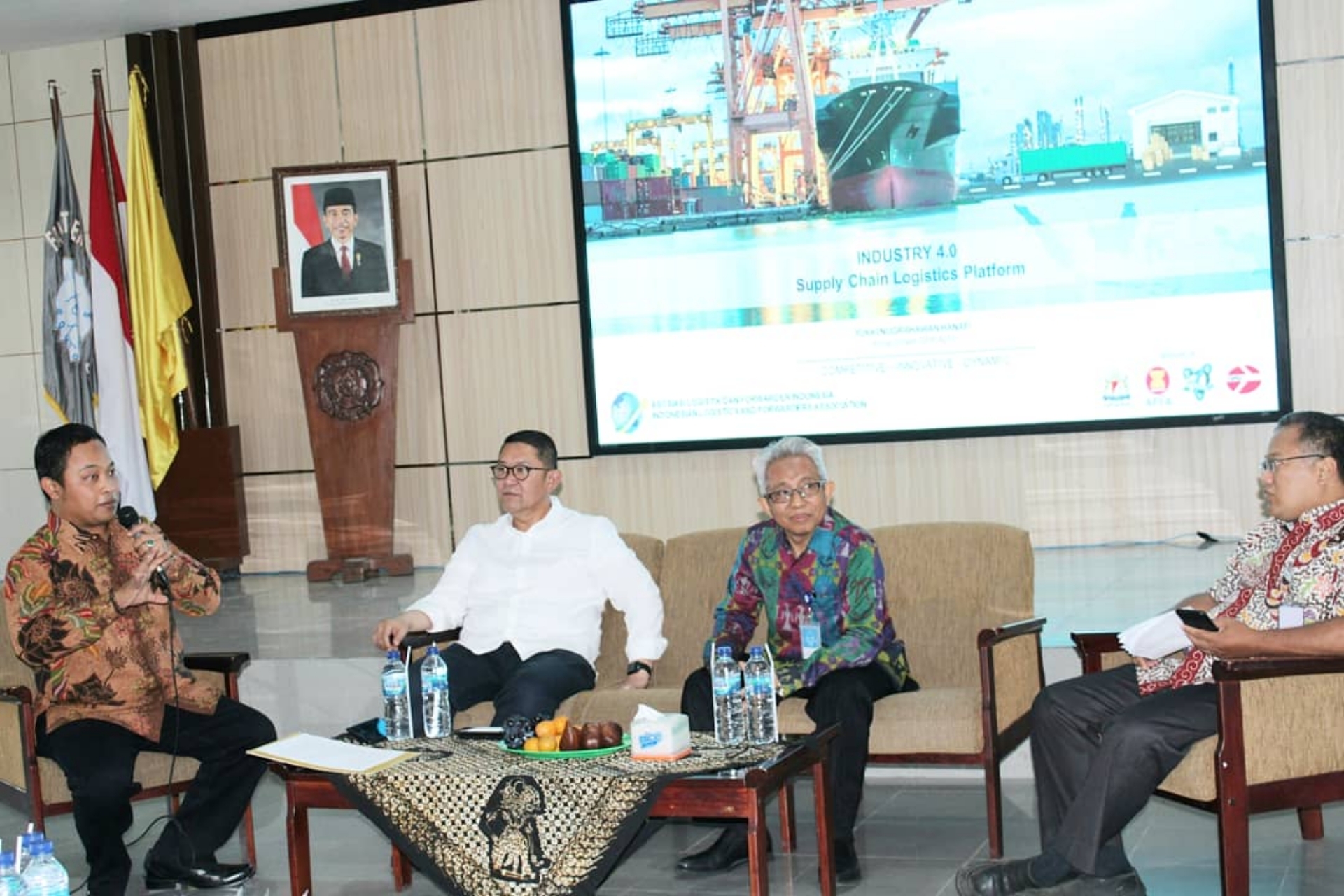
    Logistic is important in Indonesia because of the potential of Indonesia region has not fully utilized. Currently Indonesia is including in developing country. However, Indonesia is also in third position in term of economics power and sixth position in term of economics growth in ASEAN region. Solo area, especially, has many potentials such as the biggest textile corporation in ASEAN. This explanation is delivered by Yukki Nugrahawan Hanafi, the Chairman of Logistic and Forwarder Association (ALFI), during the National Seminar on the Role of Accounting in Logistic Industry, on Friday October 18th, 2019, in FEB UNS 5th Building Hall.

    He mentions that in the digital era, a renewal for a new business model is needed that can embrace digital era as tools to facilitate logistic sector. “A qualified system development to combine and collaborate all four components,” he explains. Forward, the infrastructure and physical logistic will no longer become the most important components in logistic, thus the actor in this sector should change and improve their competence following the era. Logistic platform needs an automation; thus, it can facilitate the collaboration and efficiency in information communication through global network.

    Meanwhile, Prof. Drs. Hassan Fauzi, M.Ba., Ph.D., Ak, a lecturer from the Faculty of Economics and Business (FEB) UNS states that besides tools to support supply chain management, stakeholder within the entity should be one of the aspects that should be considered. This relates with the human resource that become the key for the implementation of effective supply chain management. The supply chain management will be no longer profit-oriented, but also considering the social an environmental interest as a form of corporate social responsibility.

    Other speakers who were invited to the National Seminar, organized in collaboration with ALFI, is Arif Prabowo, the CEO of PT. Pelindo III for Jawa Tengah Region. During the occasion a collaboration MoU between ALFI and FEB UNS is signed.

    Source: Accounting Study Program

  • Fintech Goes to Campus: Young Generation Should Understand the Financial Technology

    Fintech Goes to Campus: Young Generation Should Understand the Financial Technology

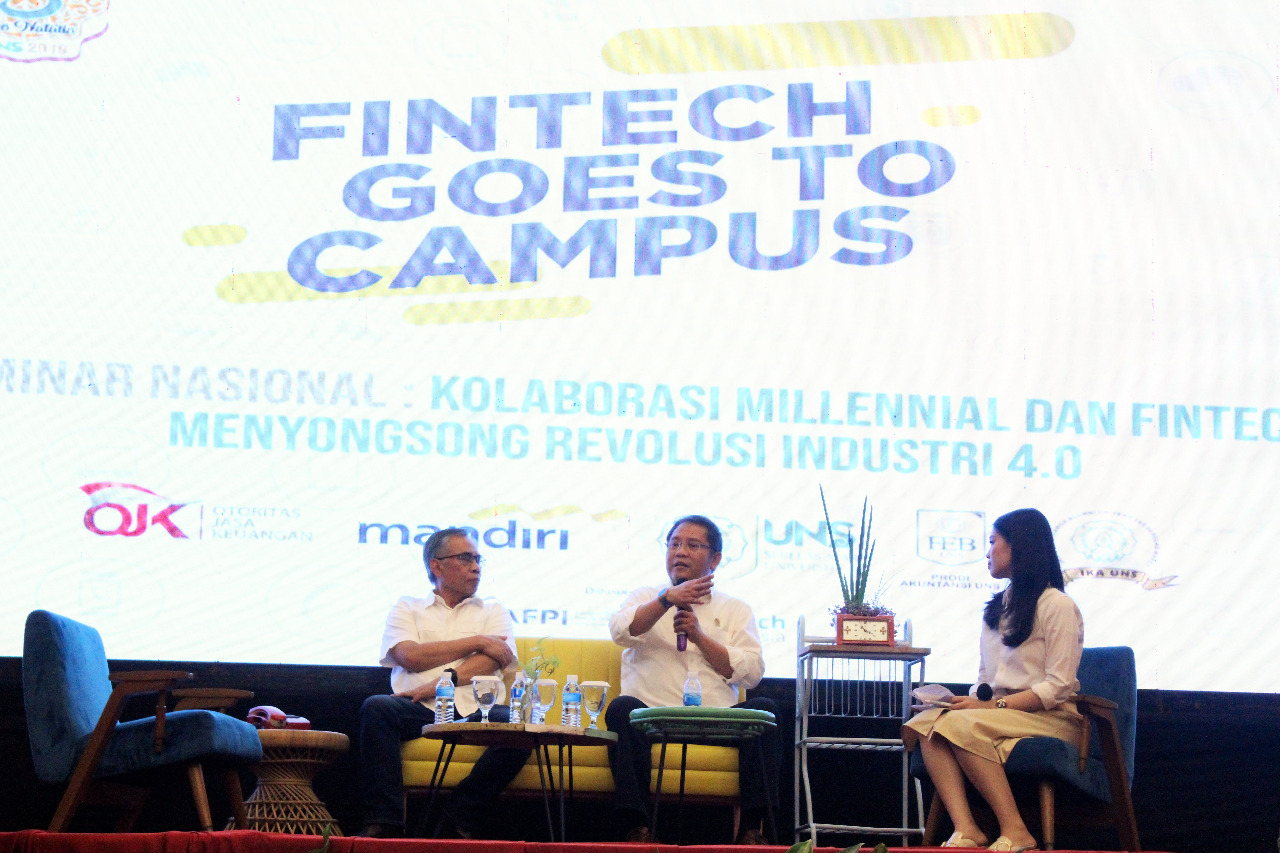
    More than 3000 students’ participants attend the National Seminar Fintech Goes to Campus, on Saturday March 3rd 2019 in GPH Haryo Mataram building, Universitas Sebelas Maret (UNS). The event with a theme “Digital Cooperation to Stimulate Economic Growth in 4.0 Industrial Era” is organized by the Otoritas Jasa Keuangan (OJK), in collaboration with the Undergraduate in Accounting Study Program FEB UNS, and Ikatan Alumni (IKA-Alumni Association) UNS. The keynote speaker for the event is the Minister of Communication and Information, Rudiantara, S.Stat. MBA and the Head of Commissioner Board of OJK, Dr. Wimboh Santoso, S.E., M.Sc., Ph.D.

    Other speakers who also deliver a speech on the event are M. Ihsanuddin, the Deputy Commissioner for Non-Bank Financial Industry, Adrian Gunadi, the Head of The Indonesian Fintech Joint Funding Associationt (AFPI), Rico Usthavia Frans, the Director of Information Technology and Operation for Bank Mandiri, Chris Antonius, the Co-Founder of PT Toko Modal Mitra Usaha, and Irwan Trinugroho, PhD, Faculty members of the FEB UNS.

    The development of fintech brings many benefit such as shorter time of information delivery, as well as faster and more precise decision making process. Fintech also improve economic growth, create new employment, reduce poverty, and improve financial inclusion.

    The Rector of UNS, Ravik Karsidi, in his opening remarks states that in this digital era the young generation should adapt quickly. Awareness on Fintech development is important as Fintech can create various new business opportunity that use digital platform as business base. In line with the opening remarks, in his presentation, Wimboh states that technology development is unstoppable and currently has reach the economics sector including the financial industry. Nowadays there are many Fintech companies emerges in the cyberspace. Hence, OJK made an effort to regulate the fintech companies by requiring every fintech companies to be listed as AFPI member.

    Supervision is conducted comprehensively and directly to the fintech lending office to assess whether the companies comply with the regulation on requirements and prohibitions, in accordance with the regulation of law in financial service.

    OJK also conduct a report-based supervision, either Periodical Report (monthly, quarterly, or annually) or other report such as consumer report, legal aid agency report, or the report from the community member. In the future OJK will implement the Host to Host supervision or IT-based supervision. “Until February 2019, OJK together with the members of the Investment Alert Task Force has stopped 803(accumulative total) illegal peer-to-peer lending entities,” he explained.

    Before the seminar started, a memorandum of understanding between UNS, OJK, and AFPI, was signed by the Rector of UNS, Ravik Karsidi, the Head of Commissioner Board of OJK, Wimboh Santoso, and the Chairman of AFPI, Adrian Gunadi.

    This memorandum of understanding is a part of collaboration between UNS, OJK, and AFPI to improve the quality of education in digital economics, which covers scholarship, internship, training, curriculum, research, and various other collaboration activities.

    In line with the collaboration with UNS, OJK will continue to socialize and collaborate with other universities, by targeting the young generation to encourage the development and improvement of Fintech, thus it could be beneficial for the wider community.