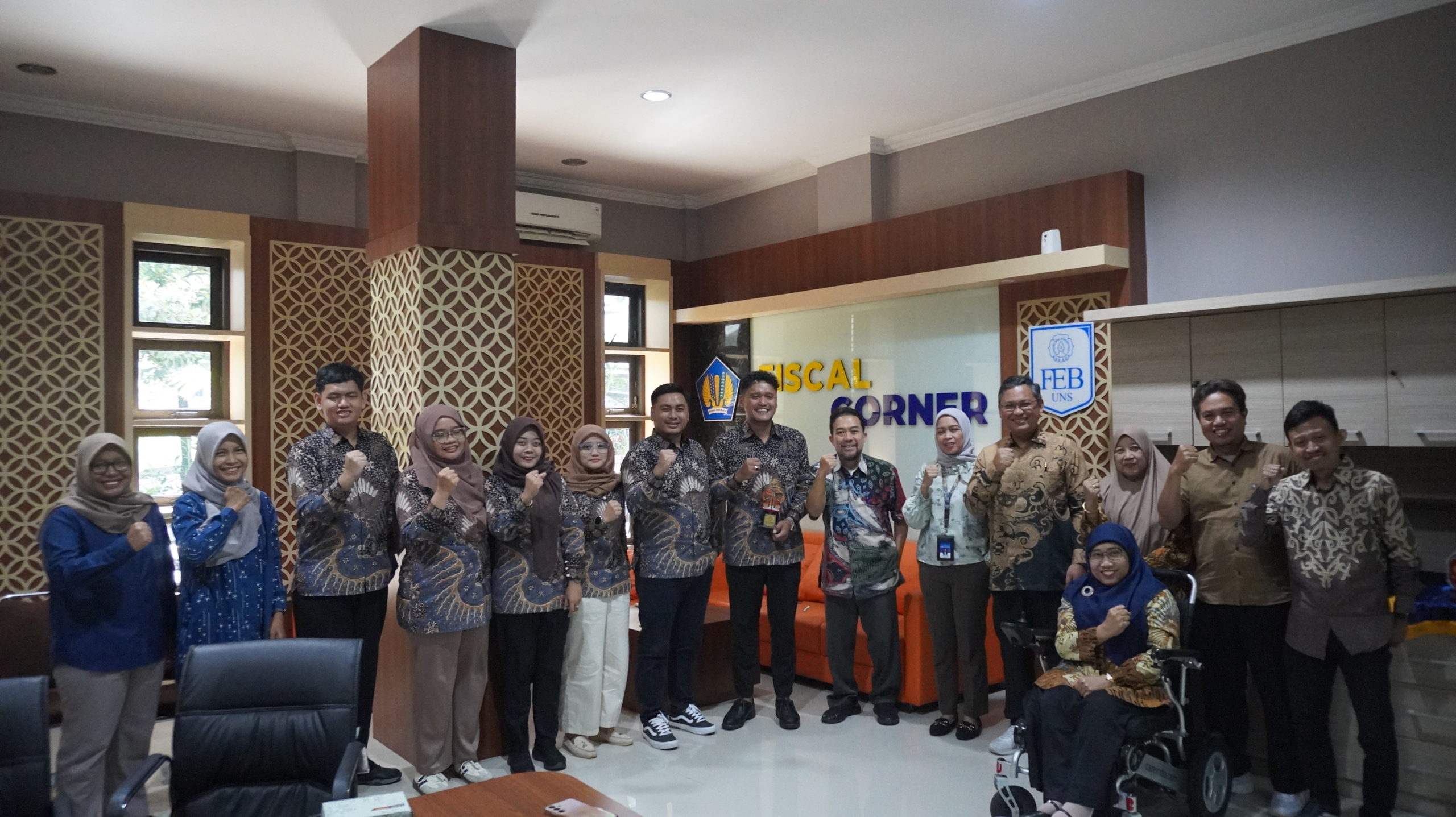
Faculty of Economics and Business (FEB), Universitas Sebelas Maret (UNS), welcomed a benchmarking visit from the Accounting Study Program of Campus UNESA 5, Universitas Negeri Surabaya (UNESA), on Thursday, 22 January 2026. The visit took place at the Fiscal Corner Room, Soeharno TS Building, FEB UNS. The activity aimed to strengthen academic governance, enhance study program quality, and expand institutional networks and collaboration among higher education institutions.
 The UNESA delegation was received directly by the Dean of FEB UNS, Prof. Bhimo Rizky Samudro, S.E., M.Si., Ph.D. The benchmarking session was attended by the leadership team of FEB UNS and faculty members from the Accounting Study Program FEB UNS.
In his remarks, Prof. Bhimo stated that the benchmarking visit represented a valuable momentum, particularly in light of the development and opening of new study programs at FEB UNS. He emphasized that differences in institutional character and academic orientation should be viewed as complementary strengths rather than barriers.
“When we received the letter from UNESA, we had just opened a new study program. I believe this is a valuable opportunity. Although our institutional bases differ, where UNESA has a strong foundation in education, this is precisely where we can learn a great deal, particularly in teaching practices,” he explained.
He further elaborated that UNESA’s established educational systems, curriculum development frameworks, and instructional methodologies could serve as important references for FEB UNS. Conversely, FEB UNS is equally open to sharing best practices in academic governance and study program development.
Prof. Bhimo also noted that collaboration could be implemented gradually, either partially or at the study program level. Potential areas for cooperation include the management of scientific journals, the development of international classes, and the implementation of Recognition of Prior Learning (RPL) schemes.
In the subsequent session, the Head of the Undergraduate Accounting Study Program at FEB UNS, Prof. Doddy Setiawan, S.E., M.Si., Ph.D., Ak., delivered a comprehensive presentation on the profile and management of the Accounting Study Program. His presentation covered curriculum structure, learning systems, academic governance, as well as various innovations and development initiatives undertaken by the program. The session facilitated an interactive discussion and exchange of best practices between FEB UNS and the Undergraduate Accounting Study Program of UNESA.
Through this benchmarking activity, both institutions are expected to foster sustained synergy and collaboration in enhancing the quality of higher education, particularly in the field of accounting.
This initiative also supports the achievement of the Sustainable Development Goals (SDGs), specifically SDG 4 (Quality Education) and SDG 17 (Partnerships for the Goals), through strengthened academic quality and inter-institutional collaboration in higher education.
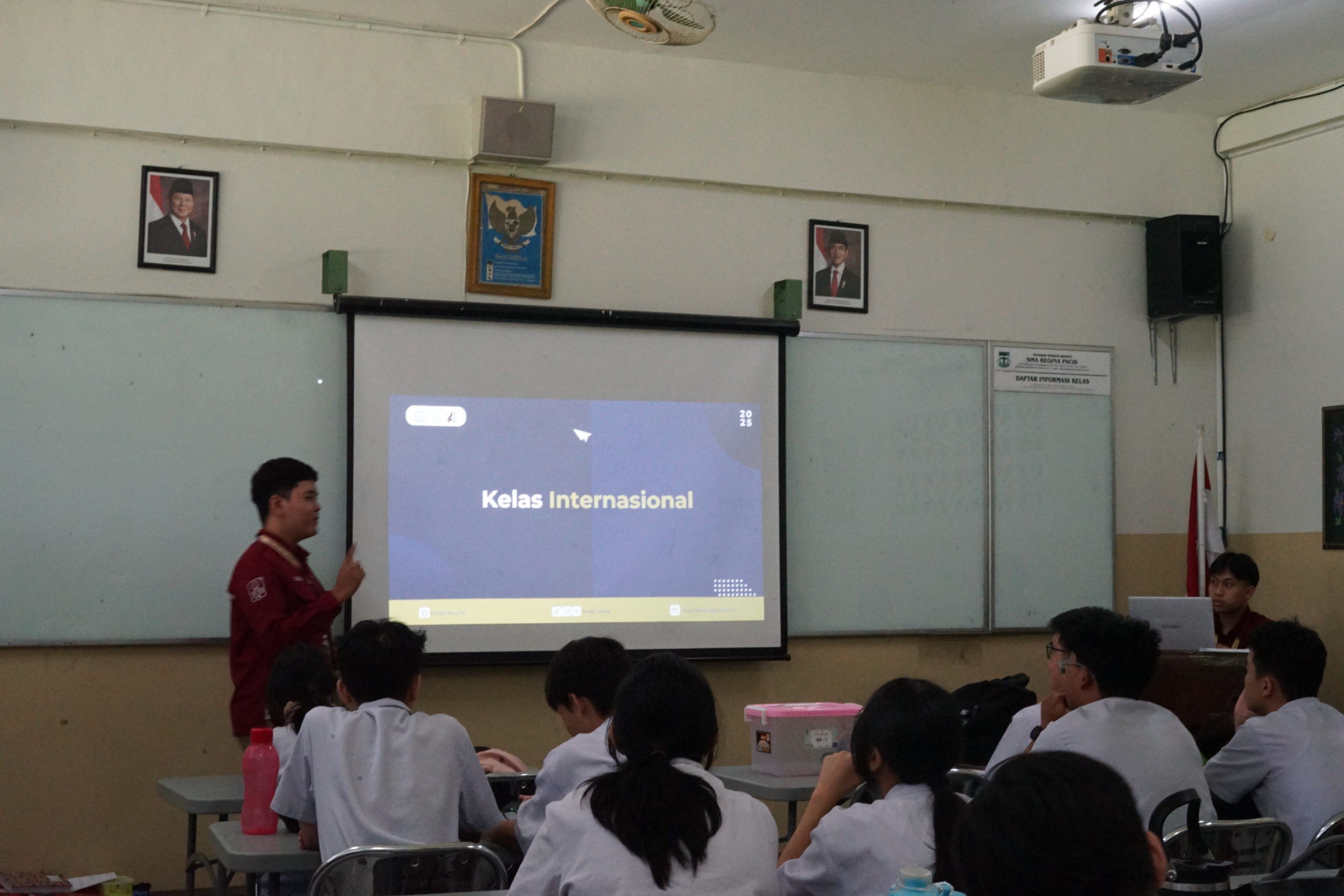
 The 2025 HGTS program marked HMJA’s first visit to SMA Regina Pacis Surakarta (Ursulin) as an initial step in expanding outreach and academic socialization of the Accounting Study Program to senior high schools. HGTS was designed to provide a comprehensive overview of academic life in the Accounting Study Program at FEB UNS, covering both the regular and international classes, including curriculum structure, learning experiences, student achievements, and graduate career prospects.

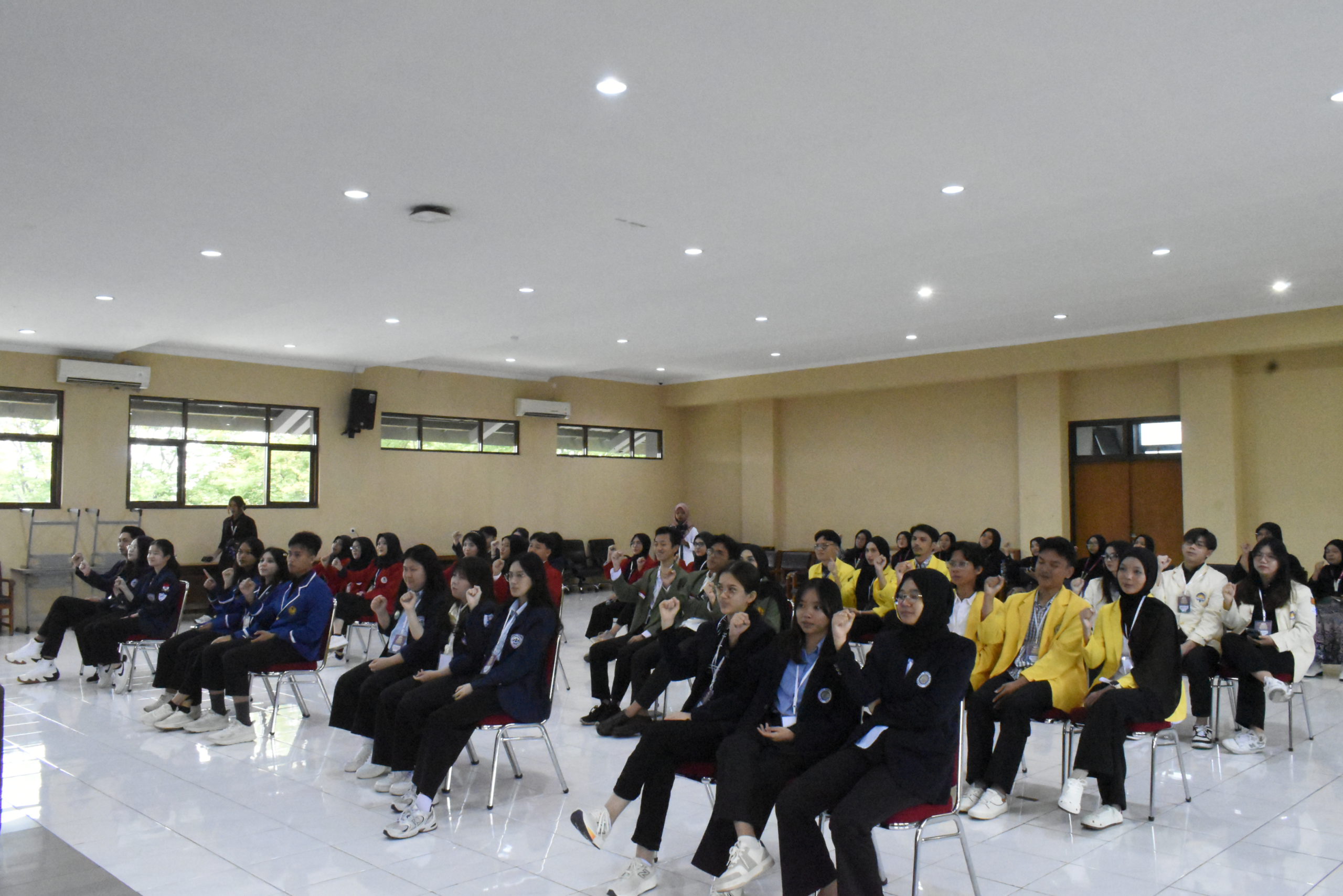
 The National Talkshow carried the theme “Lead the Leap: Bridging Ambition and Action for an Impactful Future,” featuring three speakers: Shafa Salsabila, Malaikha Dayanara, and Budi Santoso, S.E., Ak.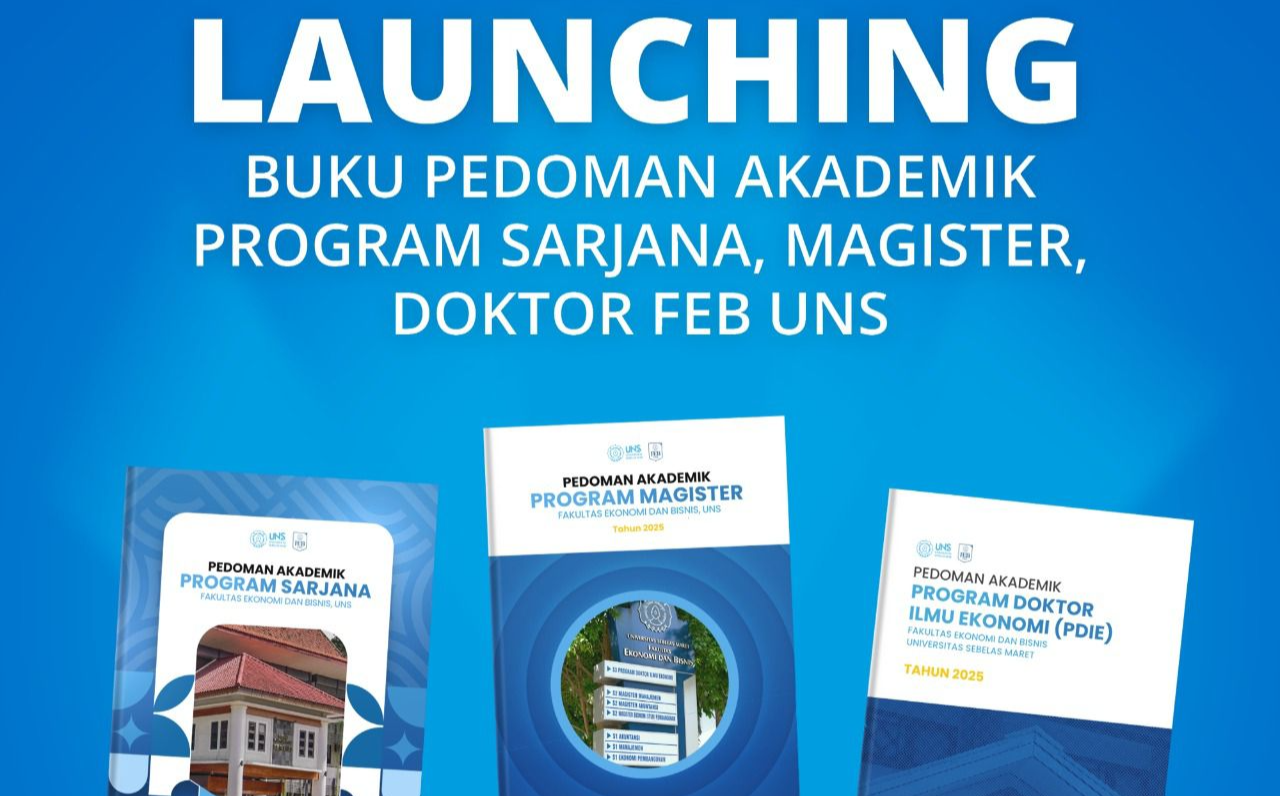
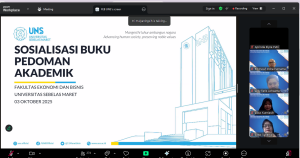 “There are two main objectives of this activity: improving the quality of graduates and enhancing the quality of curriculum and learning experiences. The academic and curricular information presented in this handbook will help students to graduate on time, acquire knowledge and skills relevant to the job market, and ensure a meaningful and enjoyable learning experience at FEB UNS,” she explained.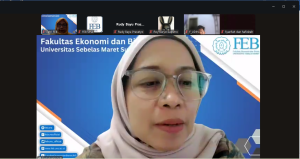
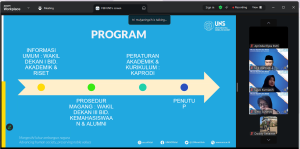
 Through the launch of this Academic Handbook, FEB UNS hopes that all students can follow a clearer academic path, understand their rights and responsibilities, and make full use of the available learning facilities. This initiative also reaffirms FEB UNS’s commitment to supporting the achievement of the Sustainable Development Goals (SDGs), particularly
 In his opening remarks, Prof. Doddy Setiawan, S.E., M.Si., Ph.D., Ak., Head of the Accounting Study Program, emphasized the need for a platform to enhance students’ knowledge on research activity, particularly in public sector accounting. He further stated, “We hope you can understand that both qualitative and quantitative approaches are equally important. Each offers a different perspective, but together they provide a more complete picture. Hopefully, this activity will help students complete their studies on time and even publish reputable publications, such as those indexed in Sinta 2 or Scopus.”

 He further explained that research is not merely about collecting data but about engaging in critical and creative thinking to discover new insights. “Research is about seeing what everyone else sees, but thinking about what others do not,” he remarked.
 The second session was delivered by Taufiq Arifin, S.E., M.Sc., Ph.D., Ak., who presented material on “Generating Research Ideas.” In this occasion, he encouraged students to learn on how to produce high-impact research by identifying research gaps, observing contemporary issues, and utilizing diverse data sources, including text data such as public reports, speeches, and social media. He also highlighted that impactful research should not only focus on academic achievement but also contribute meaningfully to science and society.
 Through this general lecture, participants were introduced to modern research approaches, including textual analysis in public financial reports, qualitative data exploration through interviews and focus group discussions, and the integration of findings to address challenges in public sector governance.
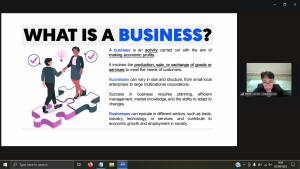 The lecture, entitled “Positioning Business Sustainability,” was conducted virtually on Wednesday, 3 September 2025, featuring Prof. Hooy Chee Wooi from Universiti Sains Malaysia (USM). In his presentation, Prof. Hooy discussed the objectives of business activities, the necessary steps to ensure business sustainability, and how to position the sustainability concept within a business.
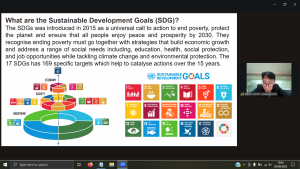 He further outlined strategies for ensuring business sustainability, which include clear business planning, strong financial management, market understanding, adaptability, flexibility, and investment in talent and organizational culture. With technological advancement, businesses also need to adopt automation and data-driven decision-making. Additional measures include risk management, maintaining a solid customer base, market growth, strong governance, and strategic collaboration.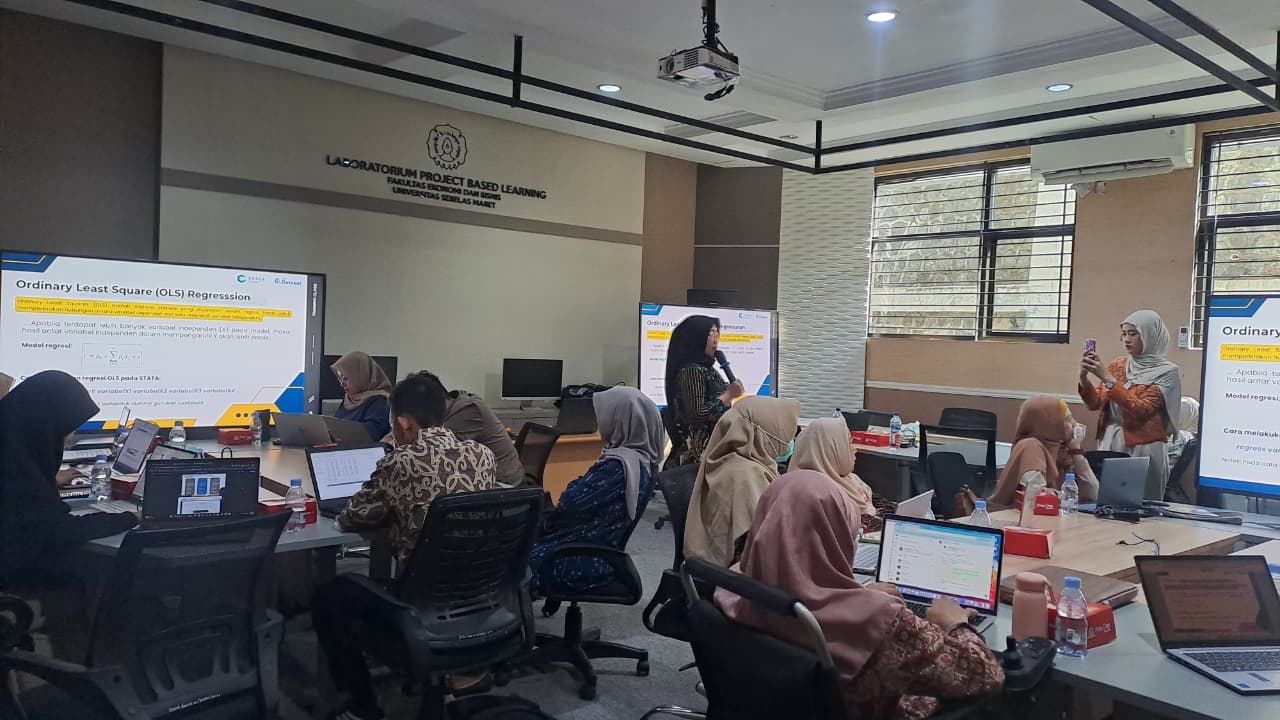
 The training aims to strengthen lecturers’ skills to use STATA as a quantitative data analysis tools, particularly in supporting research and scientific publication. The Head of the Accounting Study Program, Prof. Doddy Setiawan, S.E., M.Si., Ph.D., Ak., in his opening remarks, emphasized the need for mastering modern statistical software to produce high-quality research for publication in both national and international journals.
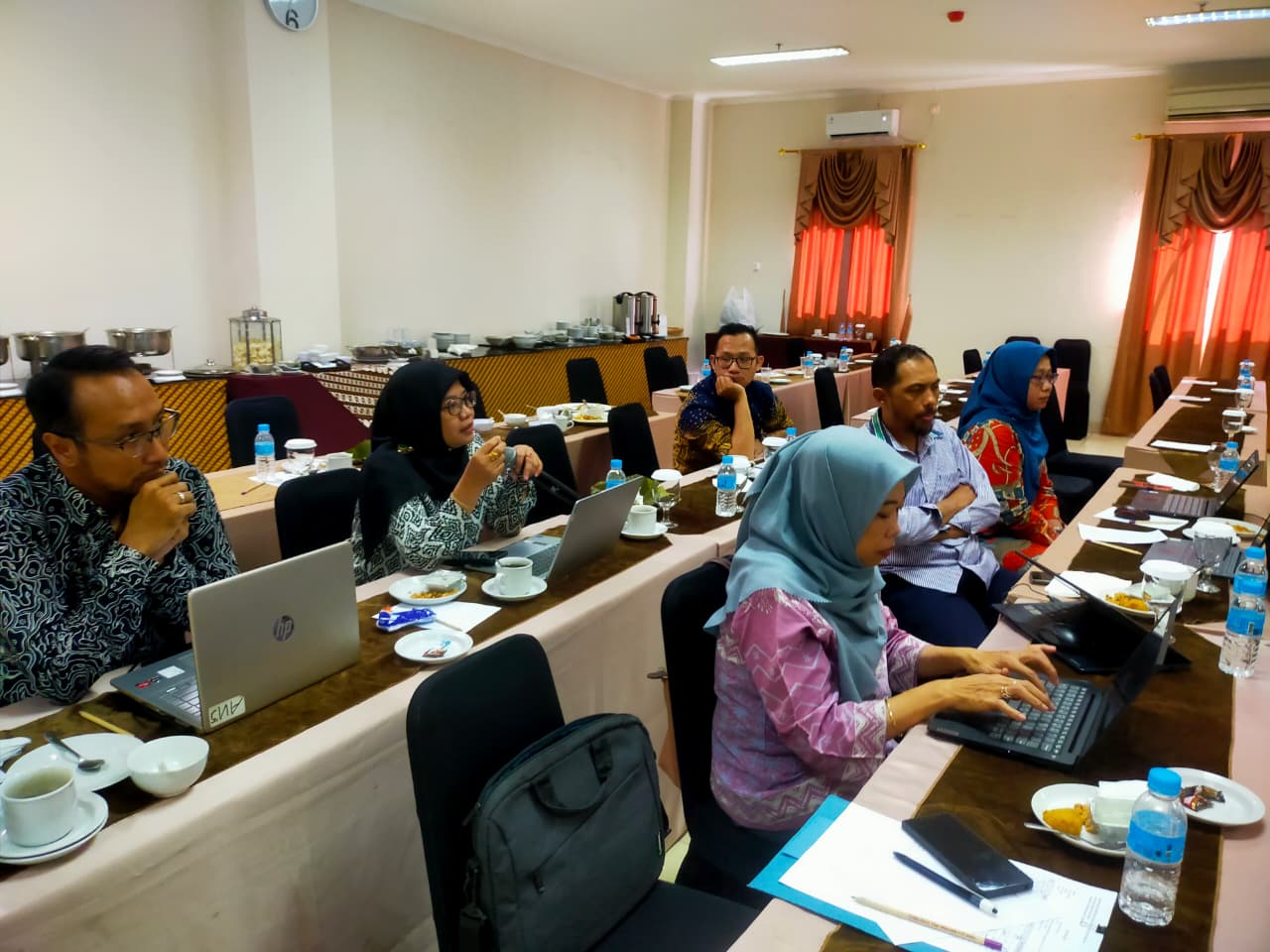

 This initiative is a joint-effort undertaken by the Academic Affairs Division (Division 1) and the Student and Alumni Affairs Division (Third Division). In its presentation, the Division highlighted the importance of structuring mandatory internships, which apply generally to all study programs and must be reported to each program. On the other hand, there are also independently managed internships by students within the MBKM framework, now known as Impactful Internships.
 It is important to understand that the current implementation of internships refers to Ministerial Regulation (Permendikbudristek) No. 63 of 2024 on the Implementation of Student Internships. FEB UNS, through Division 3, is committed to preparing and launching the Internship Handbook in the near future. One of the key discussions was the positioning and relationship between Mandatory Internships, MBKM Internships, and Impactful Internships within the curriculum structure and academic policies.

 Head of the Accounting Study Program at FEB UNS, Prof. Doddy Setiawan, S.E., M.Si., Ph.D., delivered a welcoming speech to all Accounting lecturers in attendance and expressed his gratitude to the two speakers for their willingness to share knowledge and experience. “We sincerely thank both speakers for dedicating their time to contribute to this forum. Hopefully, this activity will provide great benefits for all of us,” he stated.
 The discussion then continued with a presentation by Dr. Luluk Widyawati, who outlined that the curriculum review process involves three main stages: defining the Learning Outcomes (CPL), translating the CPL into courses and determining credit weight (SKS), and further detailing CPL and courses into structured learning processes for each session. “These three stages serve as the basis for evaluating the existing curriculum and for developing the Undergraduate Accounting curriculum at Universitas Indonesia,” said Dr. Luluk.
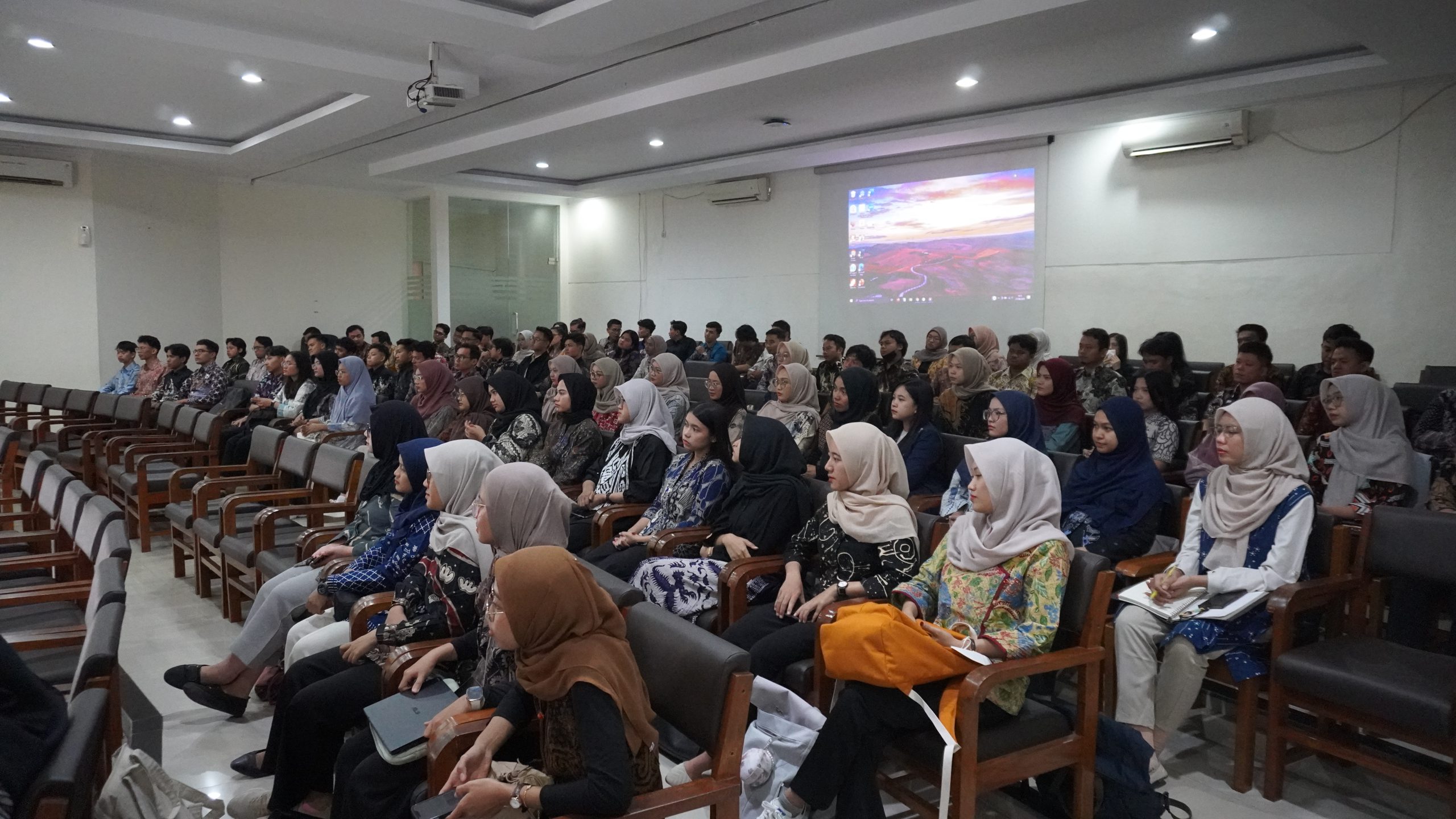
 Prof. Tri Mulyaningsih, S.E., M.Si., Ph.D., Vice Dean for Academic and Research Affairs, in her remarks, highlighted the national and international accreditations achieved by FEB UNS, including “Unggul (Superior)” accreditation from LAMEMBA and international accreditation from AQAS. She also noted that FEB UNS is in the process of pursuing accreditation from the world’s prestigious body, AACSB.
 Meanwhile, the Head of the Undergraduate Accounting Study Program, Prof. Doddy Setiawan, S.E., M.Si., Ph.D., Ak., explained that the study program offers an academic incentive in the form of exemption from the thesis examination for students who successfully publish their scientific work in reputable journals, at least SINTA 2. However, students are still required to write a thesis as part of their academic process. He also explained that from the second semester, students will begin taking Research Methodology courses and start engaging in discussions with lecturers. By the third semester, they may choose a supervisor to guide them in preparing their thesis proposal.
 As part of the orientation process, the session continued with an academic lecture titled “Emerging Research in Public Sector Accounting” delivered by Prof. Dra. Y. Anni Aryani, M.Prof. Acc., Ph.D., Ak., CA. The lecture provided students with an initial perspective on the importance of research in accountable and transparent public sector governance.