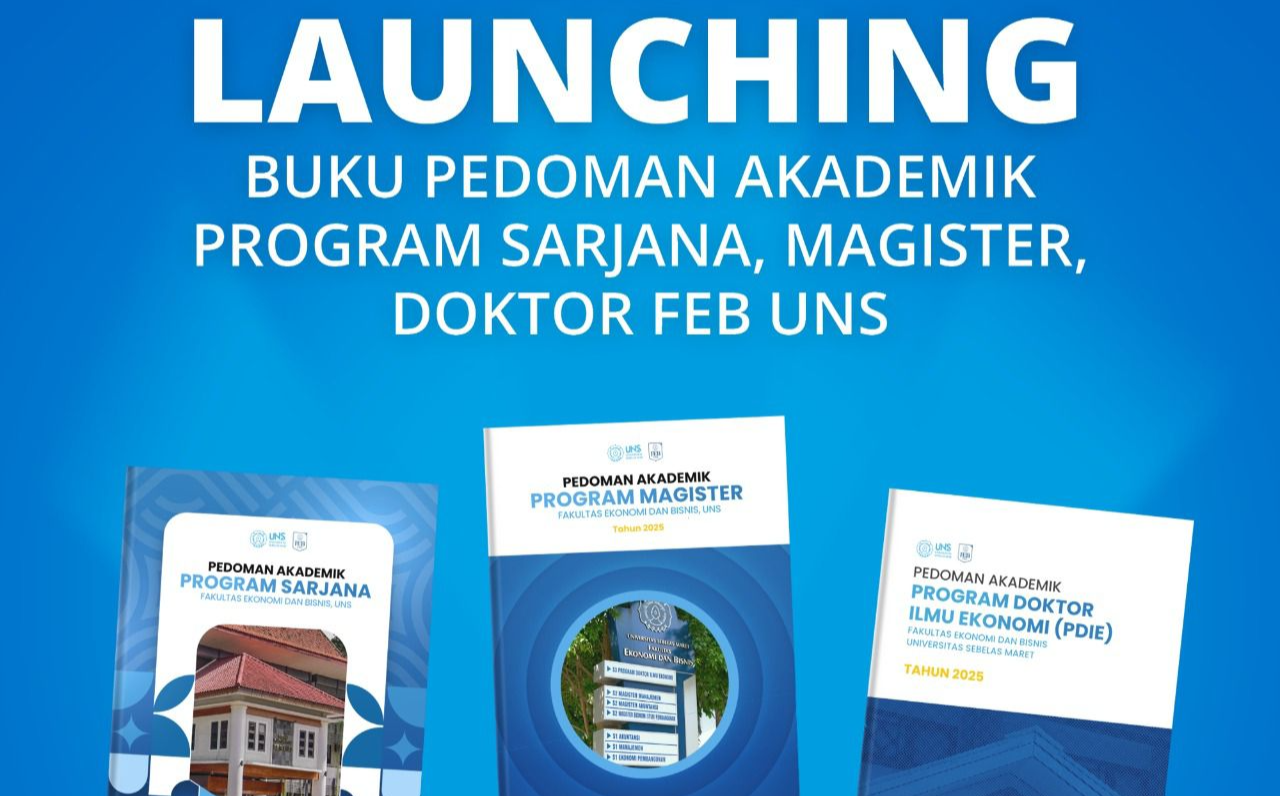
Faculty of Economics and Business (FEB), Universitas Sebelas Maret (UNS) officially launched “Academic Handbook for Undergraduate, Master’s, and Doctoral Programs” on Friday, 3 October 2025. The event was conducted virtually and attended by all undergraduate, master’s, and doctoral students, as well as faculty members of FEB UNS.
In her remarks, Vice Dean for Academic and Research Affairs, Prof. Tri Mulyaningsih, S.E., M.Si., Ph.D., emphasized the significance of the session for students. The academic handbook serves as a primary reference to help students navigate their academic journey in a more structured and focused manner.
 “There are two main objectives of this activity: improving the quality of graduates and enhancing the quality of curriculum and learning experiences. The academic and curricular information presented in this handbook will help students to graduate on time, acquire knowledge and skills relevant to the job market, and ensure a meaningful and enjoyable learning experience at FEB UNS,” she explained.
Prof. Tri further added that the handbook also provides a comprehensive understanding of academic regulations, including lecture procedures, scientific writing guidelines, and the stages of final project completion. With this information, students are expected to design more effective learning strategies, enabling them not only to graduate but also to gain competencies that are relevant to professional settings.
The handbook covers various essential aspects, including the vision and mission of UNS and FEB, organizational governance, academic regulations, curriculum, and supporting facilities. It is divided into three categories the Undergraduate Programs: Accounting, Management, Development Economics, and Digital Business. Master’s Programs covering the Master of Accounting (MAKSI), Master of Economics and Development Studies (MESP), and Master of Management (MM), and lastly the Doctoral Program in Economics (PDIE) with specializations in Accounting, Management, and Economics.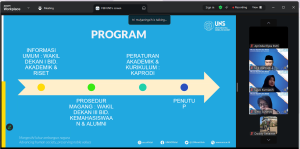
In addition to the launching session, the event also addressed the latest regulations regarding student internships. Vice Dean for Student and Alumni Affairs, Tastaftiyan Risfandy, S.E., M.Sc., Ph.D., explained that internships at FEB UNS are divided into two categories: compulsory internships and independent internships. The compulsory internship is part of the curriculum, worth 3 credits, and requires submission of a final report. Meanwhile, the independent internship is initiated by students, carries no credit load, and does not require reporting. Detailed information on internship programs is included in the Academic Handbook.
As a parallel session of the event, students participated in breakout room sessions led by each Head of Study Program. During these sessions, students received more in-depth explanations about the curriculum, academic regulations, and learning strategies specific to their programs. The interactive sessions provided opportunities for students to ask questions directly and obtain information tailored to their academic needs.
 Through the launch of this Academic Handbook, FEB UNS hopes that all students can follow a clearer academic path, understand their rights and responsibilities, and make full use of the available learning facilities. This initiative also reaffirms FEB UNS’s commitment to supporting the achievement of the Sustainable Development Goals (SDGs), particularly Goal 4 (Quality Education) through strengthened learning systems, Goal 8 (Decent Work and Economic Growth) through internship regulations, and Goal 9 (Industry, Innovation, and Infrastructure) through the provision of modern learning facilities.
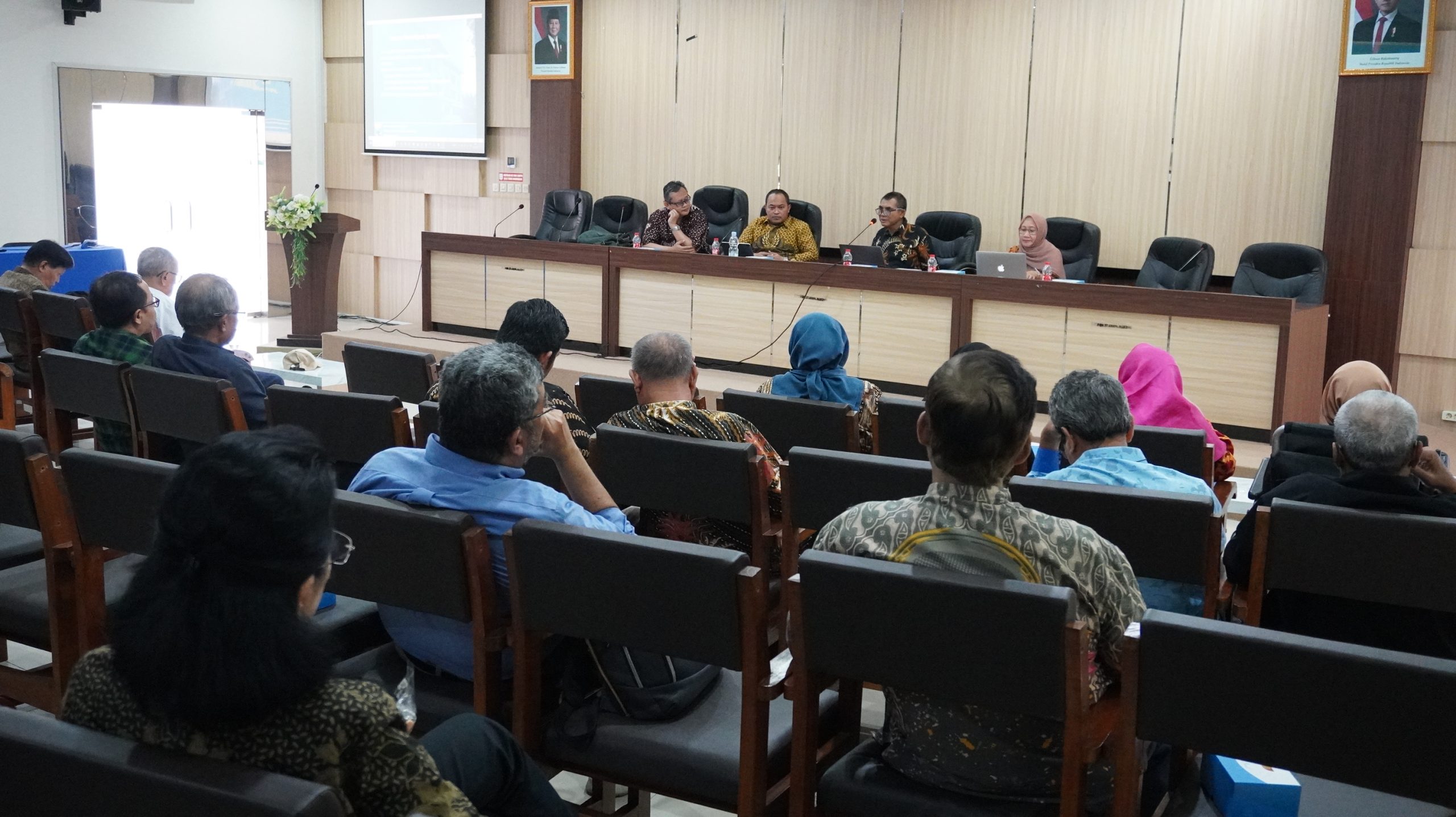
 Prof. Agung Nur Probohudono, S.E., M.Si., Ph.D., Ak., CA., CFrA., Head of PDIE, stated in his opening remarks that the event was organised in response to Rector’s Regulation No. 22 of 2024 on the Management and Implementation of Master’s and Doctoral Programs.
 Prof. Sarwanto elaborated on the implementation of an Outcome-Based Education (OBE) curriculum model at UNS. OBE is an educational approach that emphasises the learning outcomes students must achieve upon completing a course. The approach ensures graduates are equipped with skills relevant to current industry and societal needs.
 He also stated that each curriculum document must include a matrix linking each course with the CPLs, enabling proper distribution and ensuring that all CPLs are comprehensively addressed across courses.
 Prof. Sarwanto also introduced new features in the Academic Information System (Siakad), where once a lecturer finalises their RPS, they simply need to click submit. The system will then forward the RPS to all instructors involved in the course, including the course coordinator. If adjustments are needed, the RPS will be returned to the drafter until it is approved by the Head of Study Program—making the process more streamlined.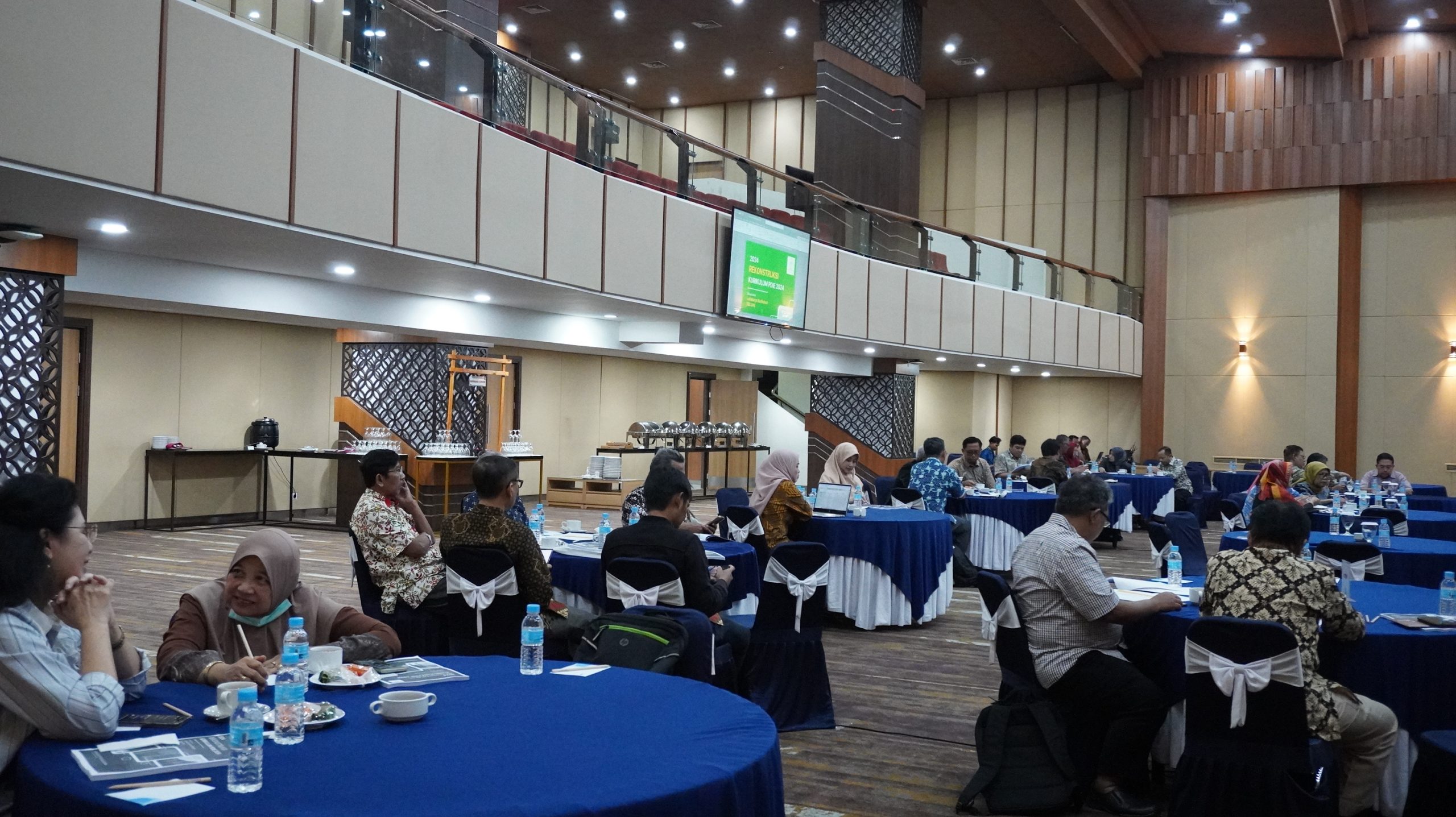
 In his opening remarks, Dr. Samudro expressed his appreciation to the program coordinators and teaching faculty for their commitment to participating in the curriculum development process. He emphasized the importance of this initiative in aligning academic programs with recent regulatory changes and improving academic management processes.
 Prior to this workshop, a preparatory session was held involving the program managers of the Master’s and Doctoral programs. The session focused on discussing key points from two regulatory documents: the Ministerial Regulation of the Ministry of Education, Culture, Research, and Technology (Permendikbudristek) No. 53 of 2023 on Quality Assurance in Higher Education, and UNS Rector’s Regulation No. 22 of 2024 concerning the management and implementation of Master’s and Doctoral programs at the university.
 Several critical issues were addressed during the workshop discussions. These included adjustments in the number of credit units (SKS) to align with the updated curriculum structure, reassignment of faculty members who have recently completed their studies, and improvements in academic management—particularly in the administration of examinations.
 “One major change involves the adjustment of credit loads. Under the new guidelines, the Master’s program requires 54 to 60 credit units, while the Doctoral program must comprise a minimum of 60 credits,” Prof. Mulyaningsih explained.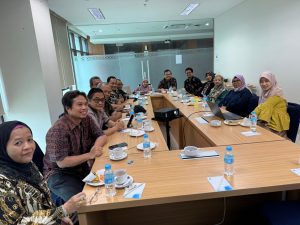
 The updated curriculum will apply to new students admitted in 2025 (starting February intake), while current students will continue under the existing curriculum. A transitional mechanism will be implemented to ensure that the process runs smoothly, particularly for students nearing the end of their programs.
 Regarding publication requirements, the standards remain unchanged: Master’s students are required to publish in SINTA-3 or higher-ranked national journals or international journals, while Doctoral students must publish in Scopus-indexed international journals as a prerequisite for thesis defense.
 Prof. Mulyaningsih views Permendikbudristek No. 53/2023 as a valuable opportunity for academic programs to comprehensively review and update their curricula. “This is a timely moment for programs and the faculty to revitalize the curriculum to ensure that it remains responsive and aligned with the demands of the evolving academic and professional landscape,” she concluded.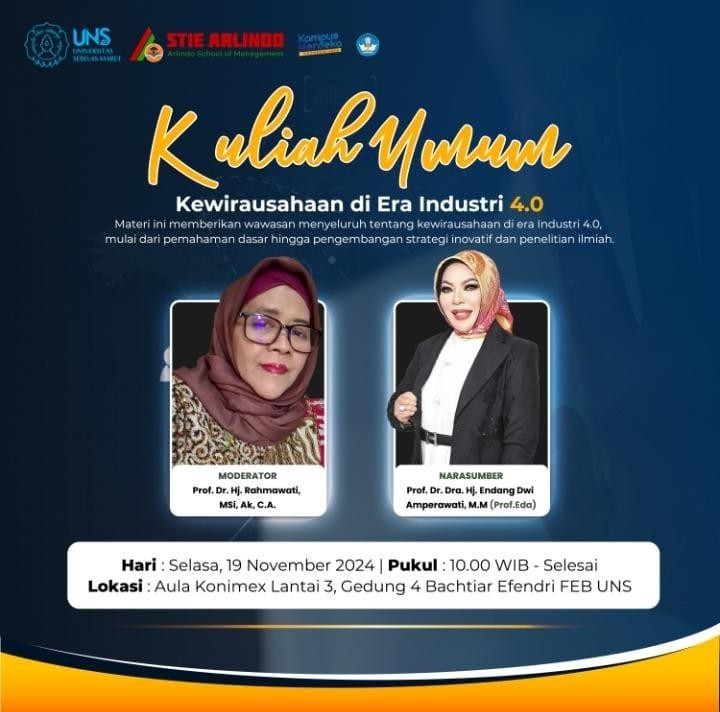
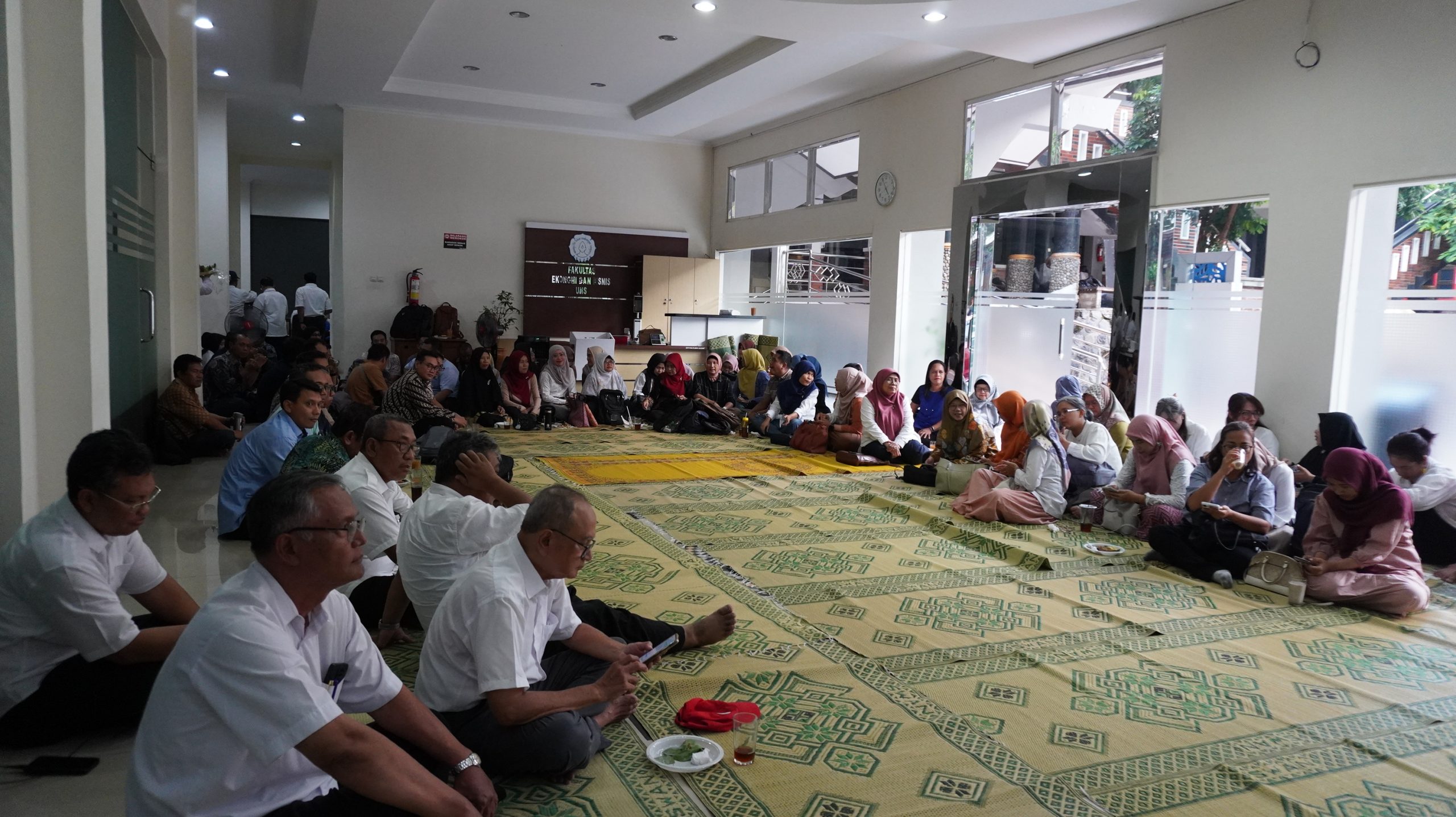

 He also noted that the sarasehan was a moment of gratitude for PDIE’s journey over the past 16 years. “We are gathered here to express our gratitude for PDIE reaching its 16th year, marking its second lustrum as part of FEB UNS,” he stated.
 In this occasion, Dr. Siti Aisyah Tri Rahayu, S.E., M.Si., was introduced as the Head for the Development Economics track, while Dr. Hidajat Hendarsjah, S.Si., M.M., was introduced as the Head for the Management track. Additionally, the forum marked the official establishment of the Himpunan Mahasiswa Program Doktor Ilmu Ekonomi (HMPDIE), a student association for PDIE students, with Adhitya Agri Putra, a student from the 2022 first academic session, appointed as its first chairman.
 Prior to this occasion, PDIE did not have a formal student association. The establishment of HMPDIE is expected to facilitate various academic and extracurricular activities and serve as a bridge between students and the PDIE administration for conveying feedback and addressing concerns.
 The sarasehan was conducted successfully, with valuable input, suggestions, and constructive feedback from faculty, students, and alumni. These contributions will play an important role in helping PDIE achieve academic excellence and strengthen its reputation both nationally and internationally.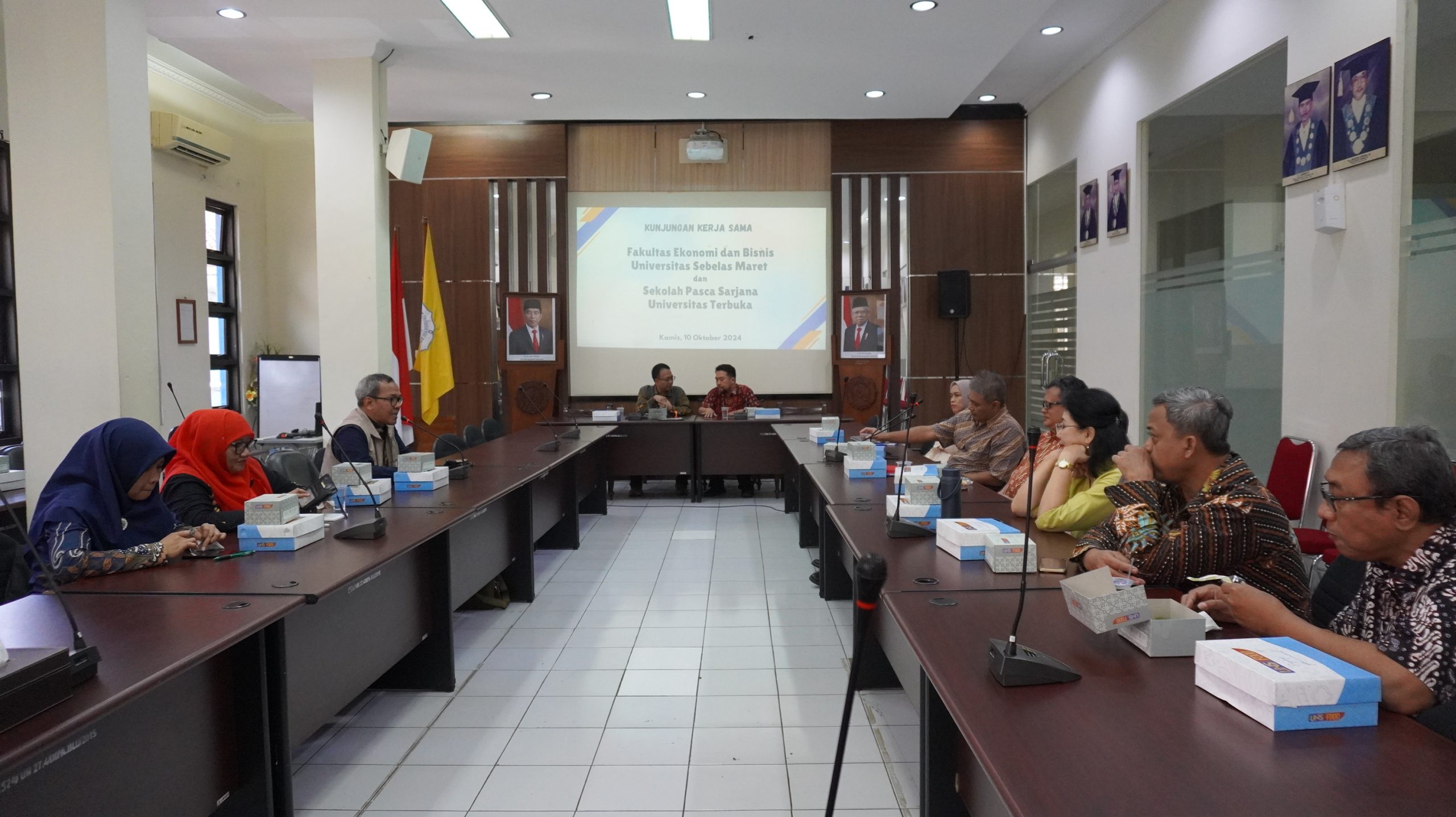


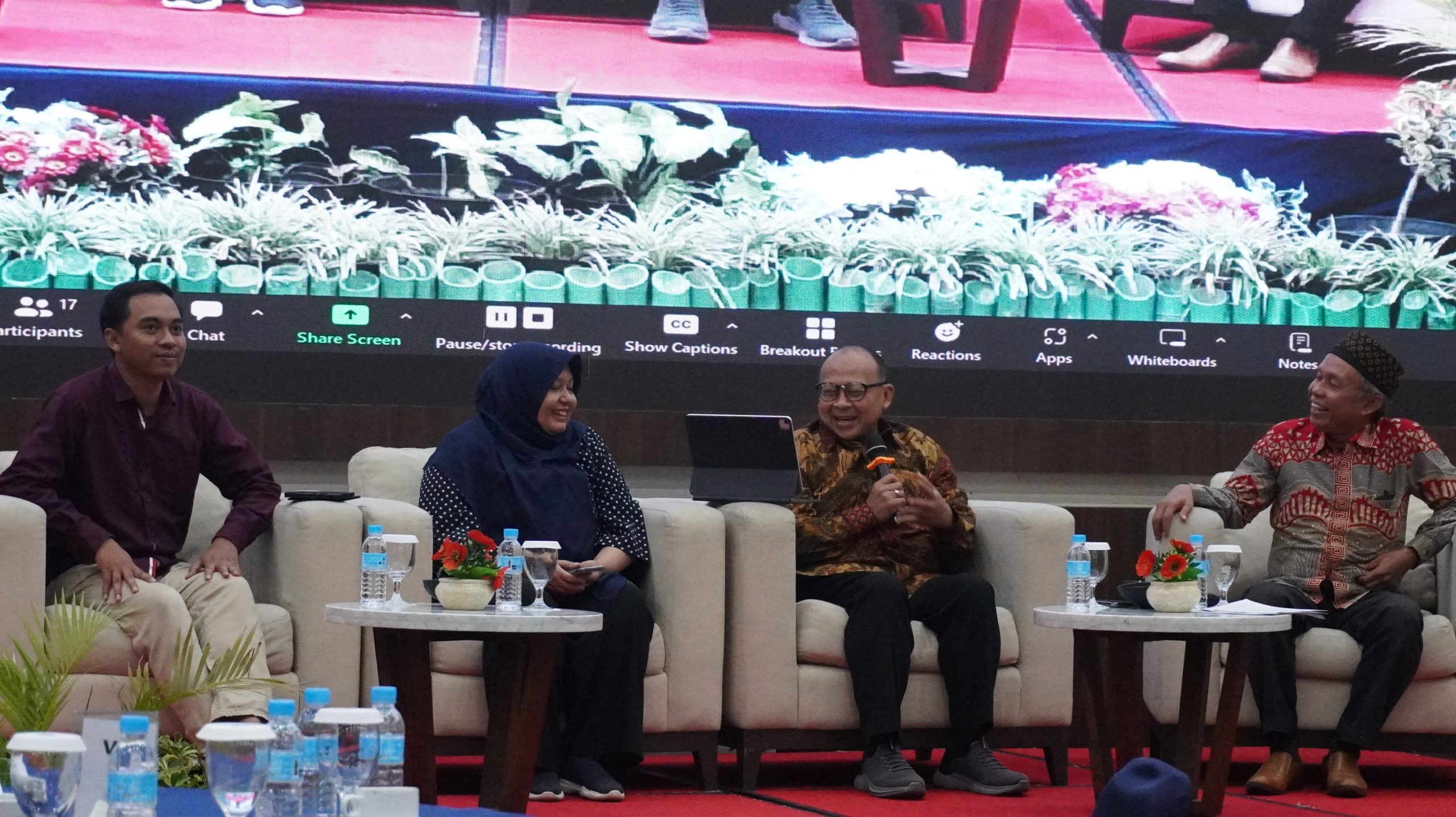
 The event, attended by both alumni and students of PDIE, featured three distinguished speakers: Dr. Erna Setiany, M.Si, Ak., Vice Rector of Universitas Mercu Buana; Dr. Anto Prabowo, MBA., Senior Advisor to the Financial Services Authority (OJK); and Dr. Rochmat Aldy Purnomo, M.Si., from Universitas Muhammadiyah Ponorogo.
 In her opening speech, Prof. Dr. Rahmawati, M.Si., Ak., Interim Head of the PDIE Program, explained that this event is part of an annual routine aimed at strengthening connections between alumni and current students.
 Prof. Rahmawati also highlighted the crucial role of PDIE alumni in supporting the program’s accreditation process. With over 155 alumni already recorded, their participation is essential in upcoming activities. PDIE is set for re-accreditation in 2026 using the Lamemba instrument.
 Additionally, Prof. Rahmawati shared feedback from an assessor in 2022, suggesting the separation of the PDIE program into three distinct doctoral programs: PDIE for Development Economics, Doctoral Program in Accounting (PDIA), and Doctoral Program in Management (PDIM). “This would make sense because alignment is essential. Development Economics should stay under PDIE, while Management and Accounting should each have their own proposals,” she explained.
 Regarding the typical study duration, Prof. Rahmawati noted that students usually complete their studies in an average of 4.2 years, with the ideal time frame being between 3 to 4 years. If students receive a scholarship for a 3-year program, it can be extended for an additional year.
 “From the beginning, as the first cohort of PDIE alumni, we’ve hoped to see the program’s quality continuously improve. We urge the program administrators not to tolerate any decline in quality. We are ready to help maintain and enhance the PDIE program so that it can stand alongside other advanced doctoral programs from leading universities,” he stated.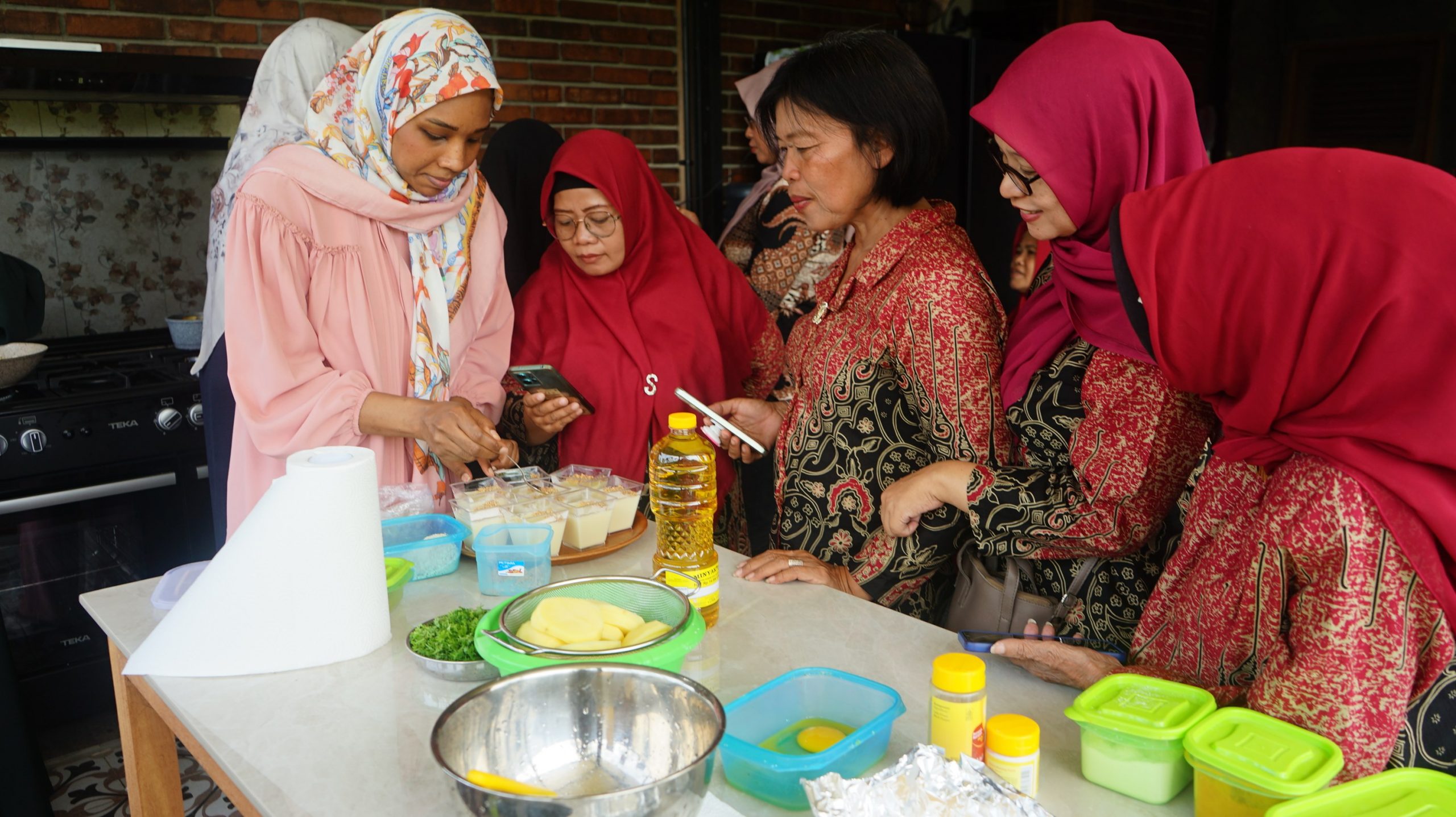
 Initiated by the Doctoral Program in Economics (PDIE) at FEB UNS, the community engagement event takes on the topic of “Arabian Food Training: Culinary Innovation through Arabian Food Product Diversification for Mangkubumen Culinary MSMEs.”
 “Through this Libyan cooking demonstration, I hope the participants will gain as much knowledge as possible. They will see the process and results, and hopefully replicate it or even start selling it. We also have a cooking kitchen in the PKK unit, so we hope to exchange knowledge with the speakers. Thank you to the UNS students for their assistance,” said the 81-year-old Mientansih.
 Prof. Dr. Rahmawati, M.Si., Ak., Head of the PDIE Program, stated that this activity served as a networking opportunity between FEB UNS faculty members and the Mangkubumen community. She noted that the event qualifies as international community service because it involved not only UNS team members but also international participants.
 Concluding the event, Dean of FEB UNS, Prof. Drs. Djoko Suhardjanto, M.Com.(Hons)., Ph.D., Ak., expressed gratitude to all attendees, including PKK members, leadership, FEB UNS lecturers, and students.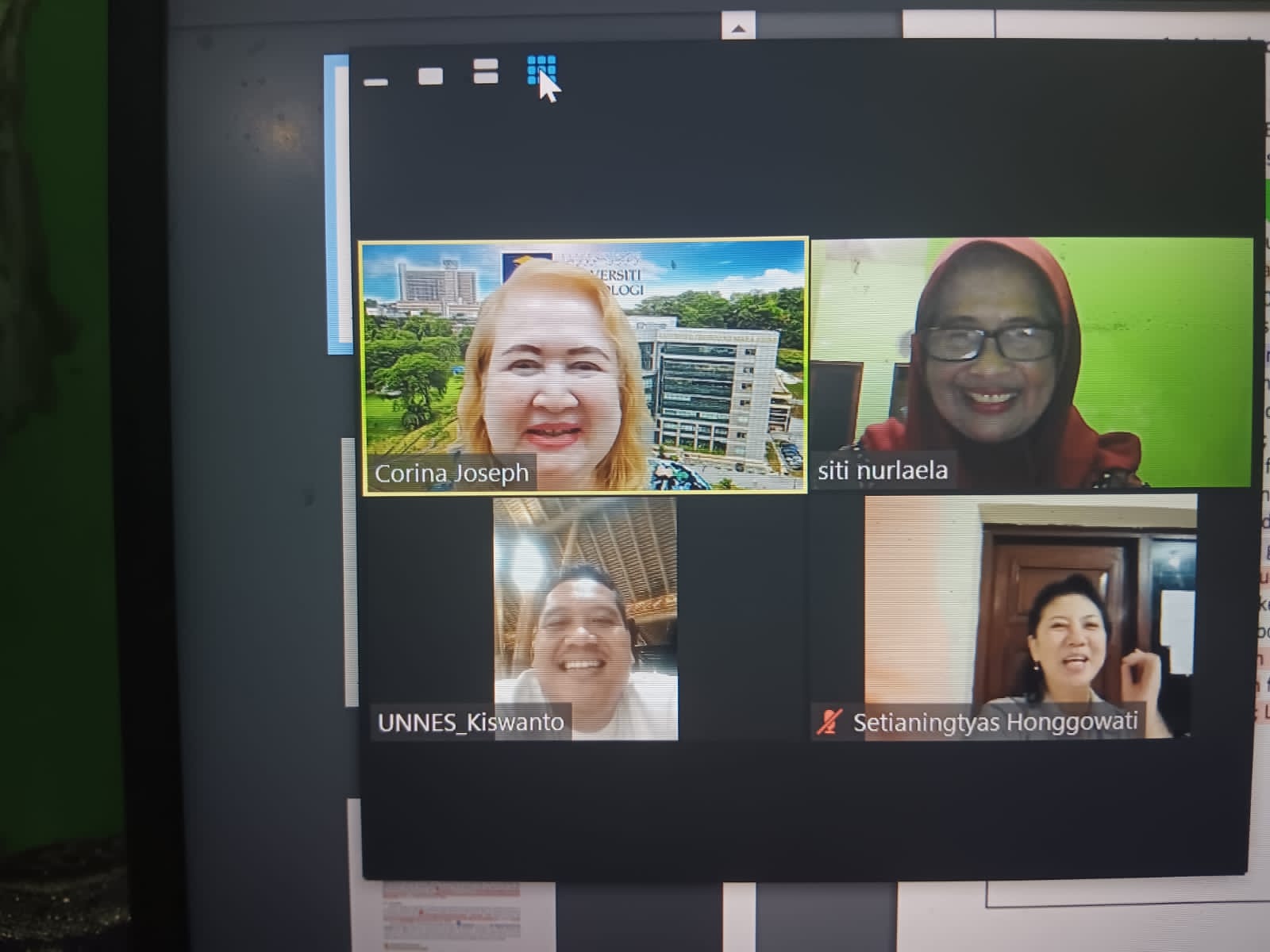
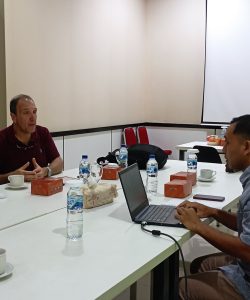 Furthermore, she reveals that joint supervision is most effective when conducted with professors who have published in top-tier international journals or journals ranked ABS 4; have published ABS 4–ranked articles with their former doctoral supervisors and former doctoral students; and have collaborated with leading scholars in specific fields. Invited professors are also expected to have managerial experience at universities holding triple crown accreditation.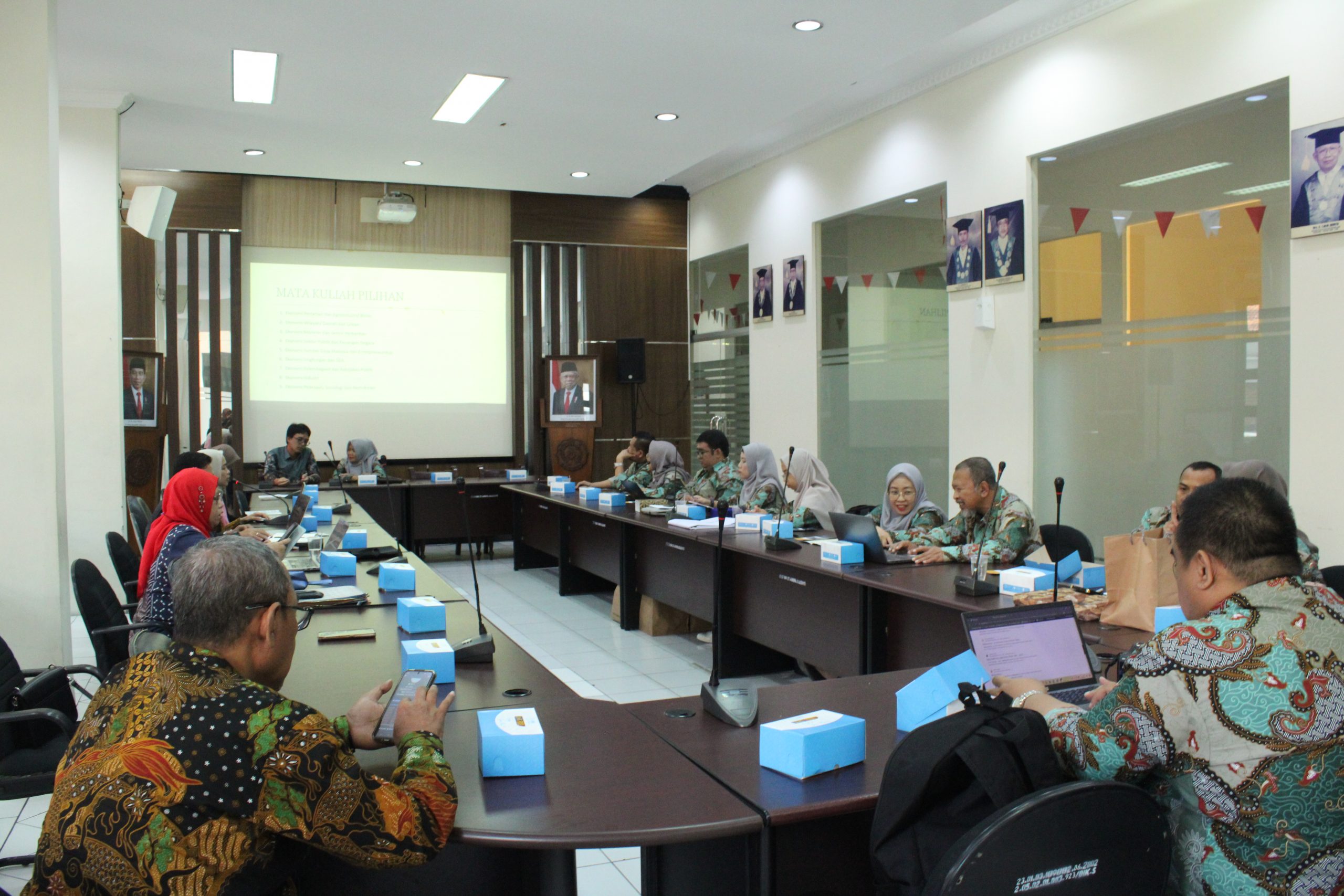
 The UNEJ delegation was welcomed by the Vice Dean for Planning, Business, Collaboration, and Information Affairs FEB UNS; the Heads of the PDIE, MESP, and Development Economics Study Programs; Professors from FEB; the Head of Economic Studies; and the Coordinator of Monitoring, Evaluation, and Audit FEB UNS.
 The second purpose of the visit was to discuss the curriculum redesign and comparison for the doctoral program in economics. “This visit aligns with the doctoral program’s curriculum redesign efforts, following the new ministerial regulation that mandates an increase in credits for master’s and doctoral programs. We are benchmarking with PDIE FEB UNS to align with the necessary adjustments,” she explained.