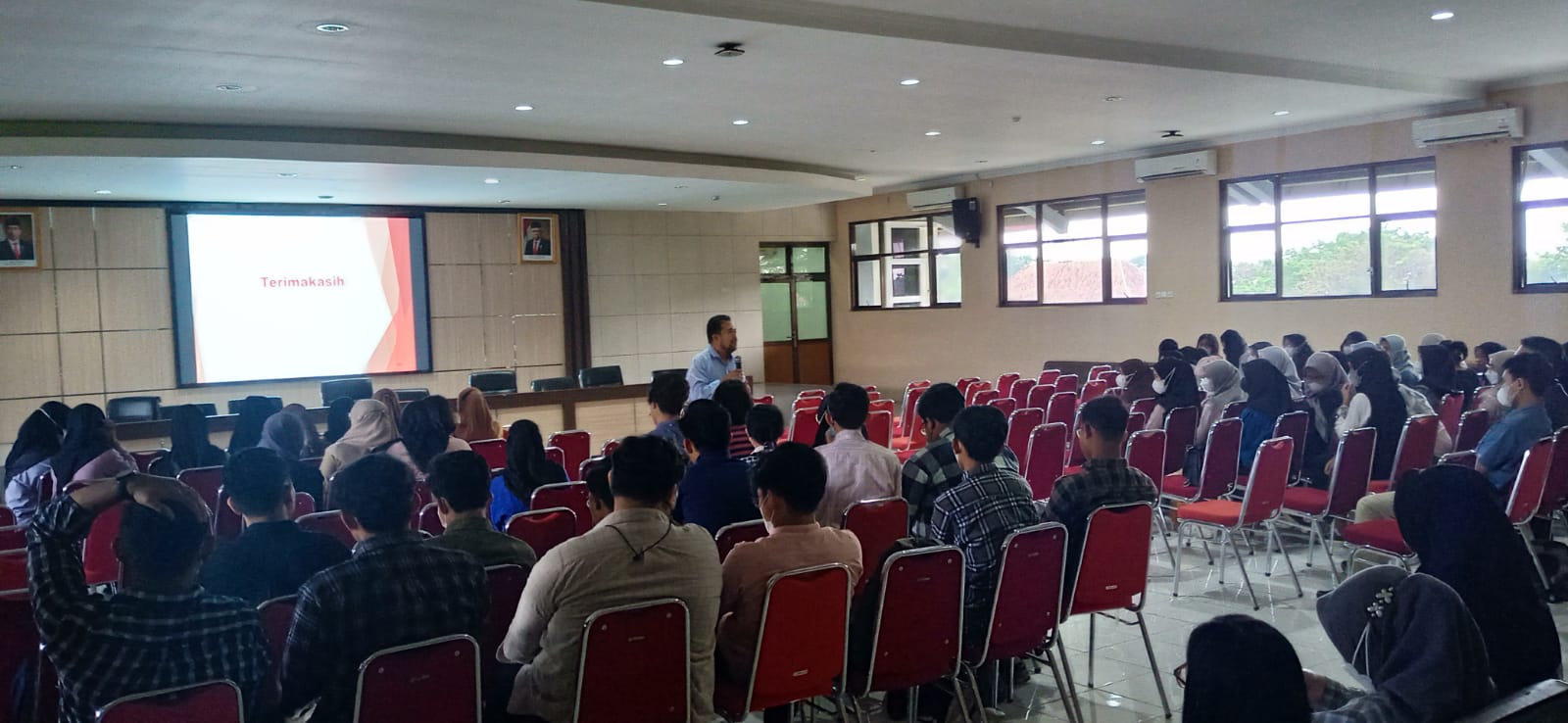
Development Economy Study Program (DESP), Faculty of Economics and Business (FEB), Universitas Sebelas Maret (UNS) Surakarta, hosted a Dissemination of Merdeka Belajar Kampus Merdeka (MBKM) Program to DESP students, especially for the 4th-semester students, on 28 February 2023 at Soedarah Soepono Building FEB UNS. This agenda aims to prepare students to understand the stages, procedures, and process dynamics of MBKM application in DESP FEB UNS.
Bhimo Rizky Samudro, S.E., M.Si,. Ph.D., the Head of DESP, delivers an overview of the MBKM Program hosted by the Minister of Education, Culture, Research, and Technology (Kemendikbudristek), which the objective to give liberty and autonomy to education institutions to be independent of bureaucracy, while lecturers are freed from complex bureaucracy, and students are given the freedom to choose their preferred field of study.

Several MBKM programs provided by the Ministry of Education are student exchange, independent study/project, entrepreneurship, research, humanities project, rural development, internship, and teaching assistance.
The DESP has provided various supporting accommodations to facilitate MBKM Program implementation.
“The Study Program always provides support and assistance for students who wish to participate in MBKM to improve student’s individual quality and competency,” he explains.
To this day, the Study Program has delegates outbound students through the Permata Sakti Program and welcomed inbound students through an internal program in collaboration with the Economics Education Study Program FKIP UNS under the HRM course.
Moreover, DESP also establishes a reciprocal partnership, student exchange (inbound and outbound) with Development Economy Study Program FEB in Universitas Brawijiaya, Universitas Negeri Jember, Universitas Jenderal Soedirman, and Universitas Negeri Semarang. DESP FEB UNS also received inbound students from the reciprocal partnership with Development Economy Study Program FEB Universitas Lambung Mangkurat and participated in Permata Merdeka MBKM Program.
Further, Dr. Bhimo explains the system for Kampus Merdeka Program applied in DESP FEB UNS, established by the Study Program to assist students through their participation in the Program.

For instance, in the student exchange program, DESP chose non-block learning for MBKM Program. Through this model, the Study Program offers General Courses and Study Program-specific courses at the introductory level in the first and second semesters.
In the third and fourth semesters, the Study Program offers intermediate-level Program-specific courses, while in the fourth to sixth semesters, students have the right to take courses from other Study Programs, either out of university, internship (fifth and seventh semester), or courses offered by other Study Programs in their home university (sixth semester). After completing the MBKM Program, students will continue their studies to the eighth semester to finish their final student thesis.

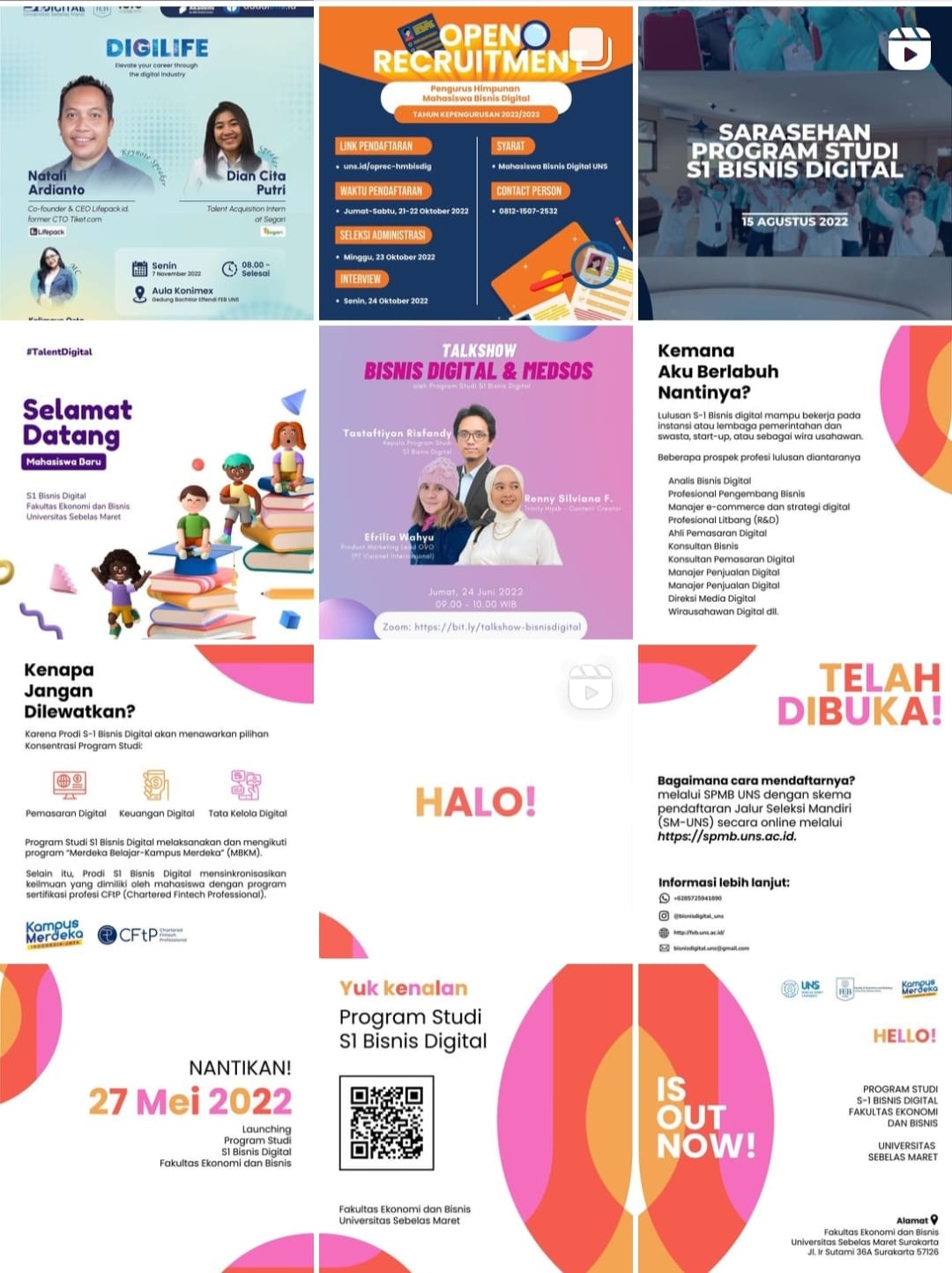
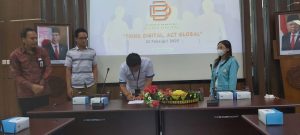
 Meanwhile, Athaya, a student of the Digital Business Study Program, expressed his impressions during his time as the first batch student of the Digital Business Study Program.
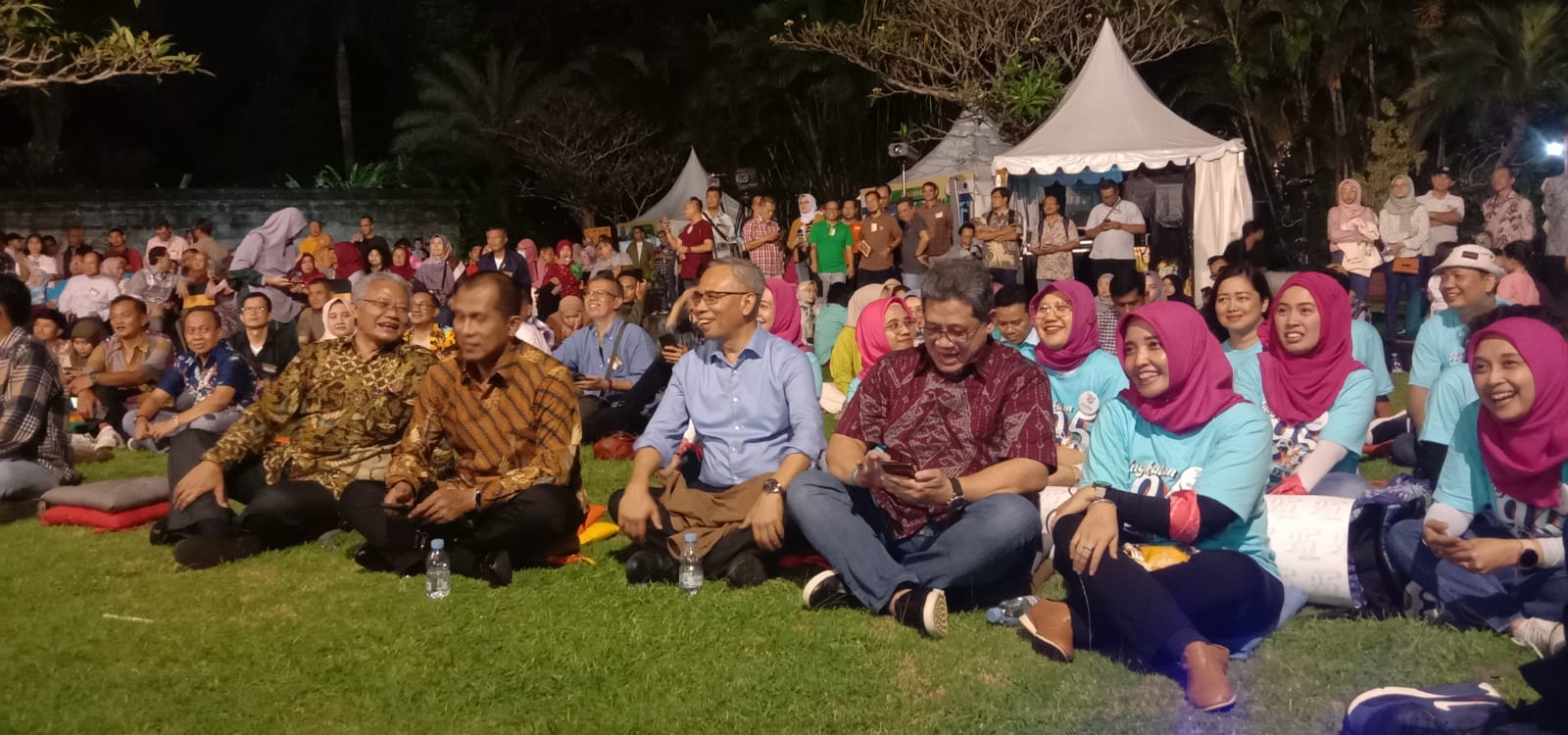
 The agenda was attended by more than 1,000 FEB UNS Alumni from various generations. Although conducted in Jakarta, the event managed to garner high enthusiasm, proven with attendees from more than 100 cities/municipalities across Indonesia. The Dean of FEB UNS, Prof. Dr. Djoko Suhardjanto, M.Com (Hons). Ak., revealed that he highly appreciated the grand agenda.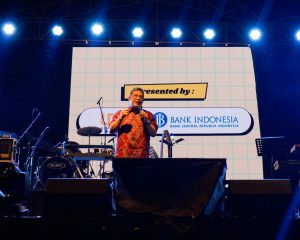
 The Chairman of KAFEB UNS also thanks the Dean of FEB UNS for approving the wishes proposed by KAFEB to establish a Coding and Bigdata Laboratory in FEB UNS and to establish Digital Business Study Program as wished by Prof. Wimboh Santoso.
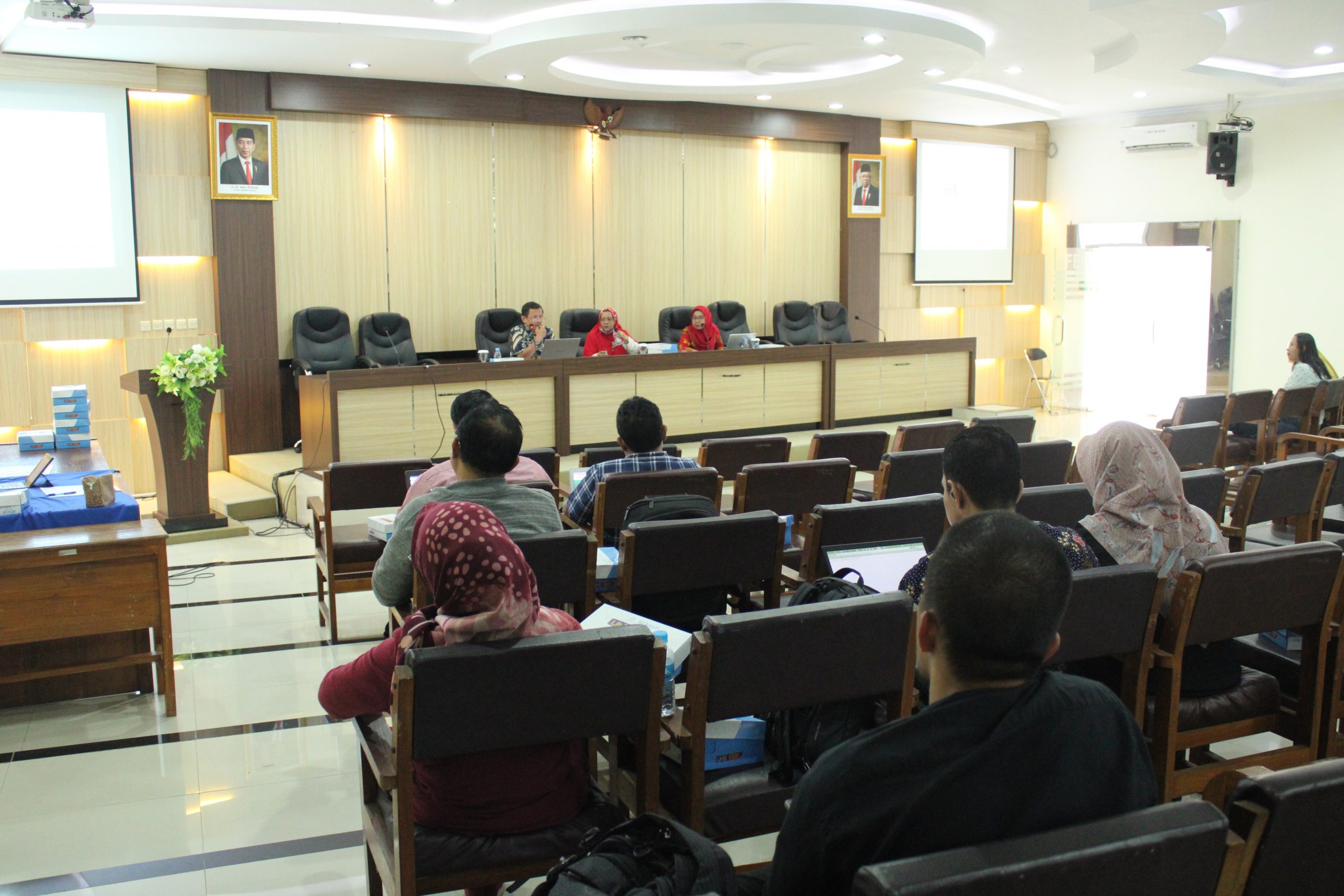
 In his material presentation, Dr. Wing showcased several AI-based applications to assist students in completing their scientific writing process. According to him, in the present, AI has not been able to be implemented in academic and scientific writing. This is because considerable human interventions are still needed. AI is only a tool, thus, it can be applied to assist humans in conducting both good and bad activities. “AI has excellent features, however, it cannot defeat real intelligence,” he revealed.
 “Thus, there is no more reason to spend much time in completing your thesis, dissertation, or research report, because now we have been assisted by advanced technology, it is up to the individual whether they are willing to use it or not,” he explains.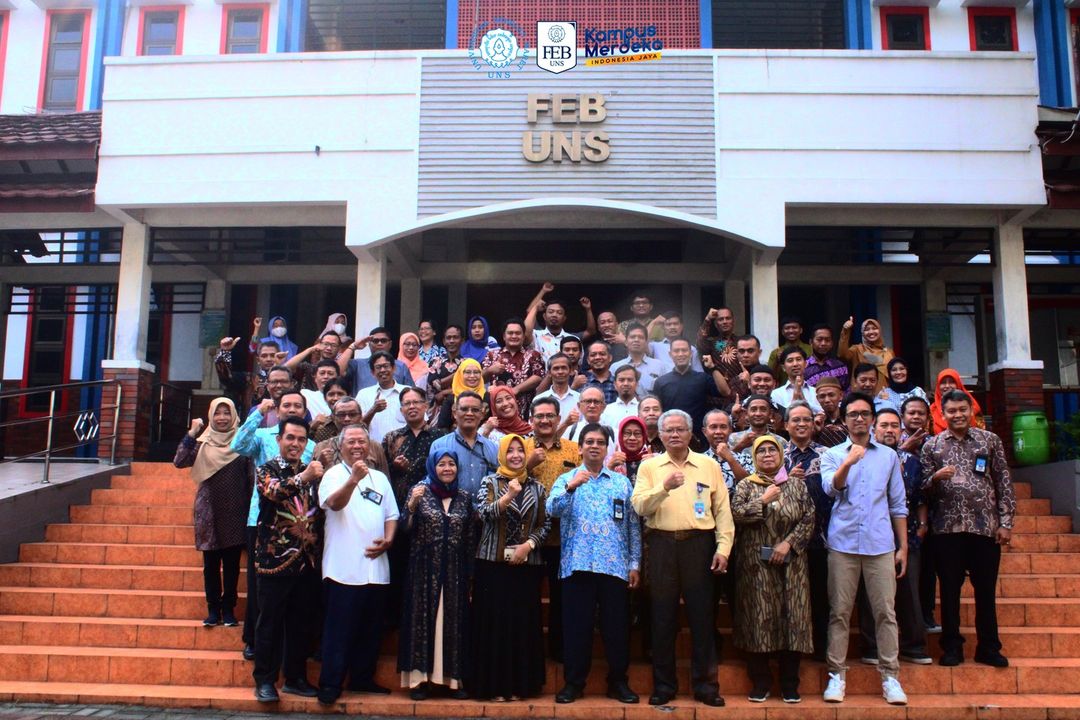


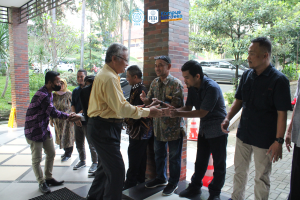 At the end of his direction, the Rector thanked the Dean, Vice Dean, Head of Study Program, Lecturer, and FEB academic support staff for their teamwork and loyalty. After the impromptu investigation, the Rector and other UNS Leaders had a brief exchange and discussion with the FEB Leaders in the FEB UNS Alumni Lounge Room.
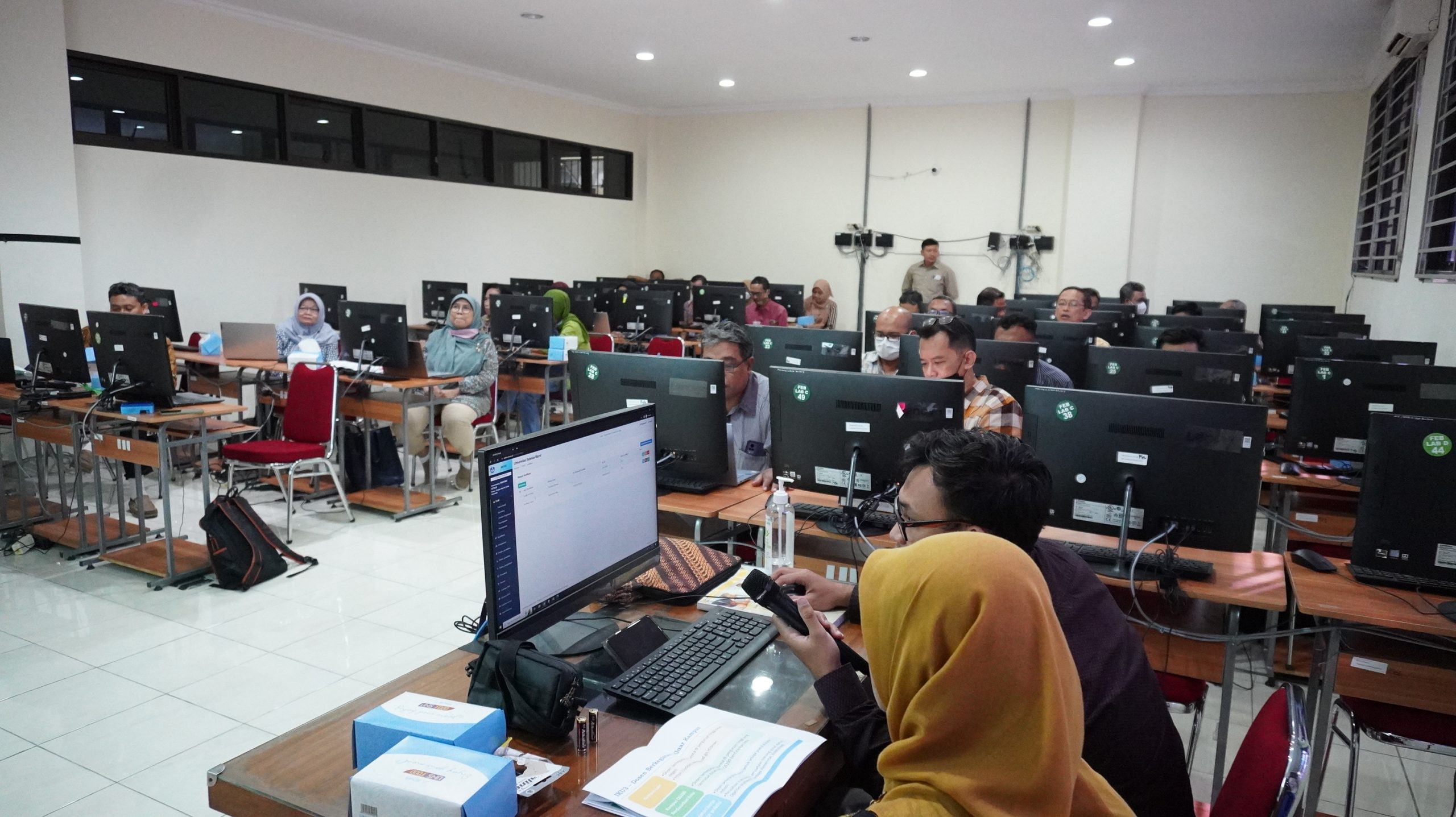
 The Vice Dean for Human Resources, Finance, and Logistics FEB UNS, in her remarks, thanked the lecturers participating in the assistance, for taking the time to attend the agenda. Further, she reveals that the SISTER Data update is important aside from the urgent IKU 3 and IKU 4 report, which later will be the basis for BKD’s assessment.
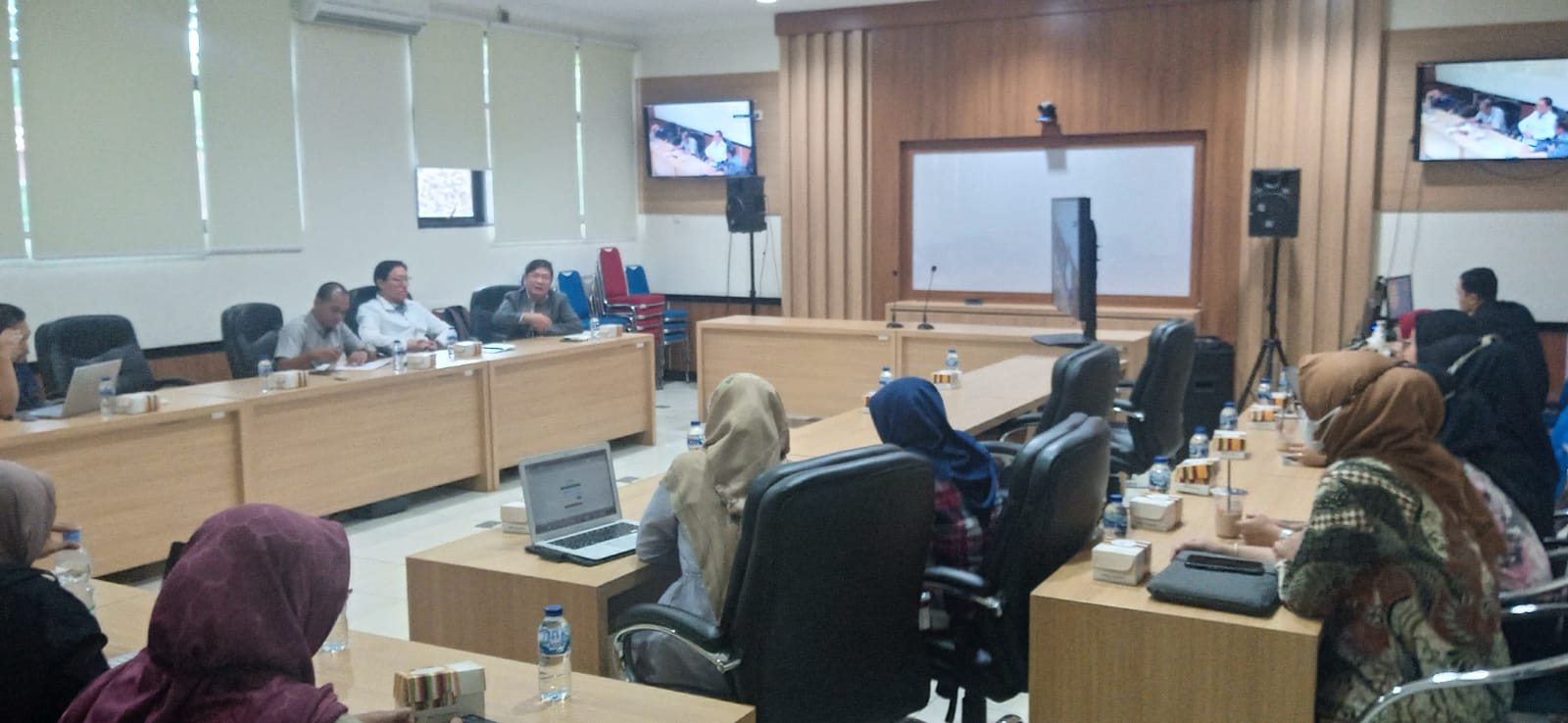
 The session is also available for the lecturers, who have completed updating their accounts, to discuss other topics related to SISTER. Previously, Dr. Djuminah has sent several reminders through the lecturers’ chat group to share various information regarding IKU 3 and IKU 4 reporting. PowerPoint material has also been disseminated to lecturers, allowing them to learn the topic beforehand, the lecturers also requested to prepare any supporting documents in pdf format to have an efficient and effective assistance session.
 Meanwhile, Iwan Kusmartono, S.H., the Coordinator for UNS Human Resources Office, in his remarks states that the HR Office will oversee or assist lecturers in filling their IKU-3 and IKU-4 reports, which will be closed today.