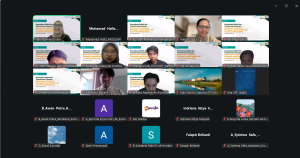
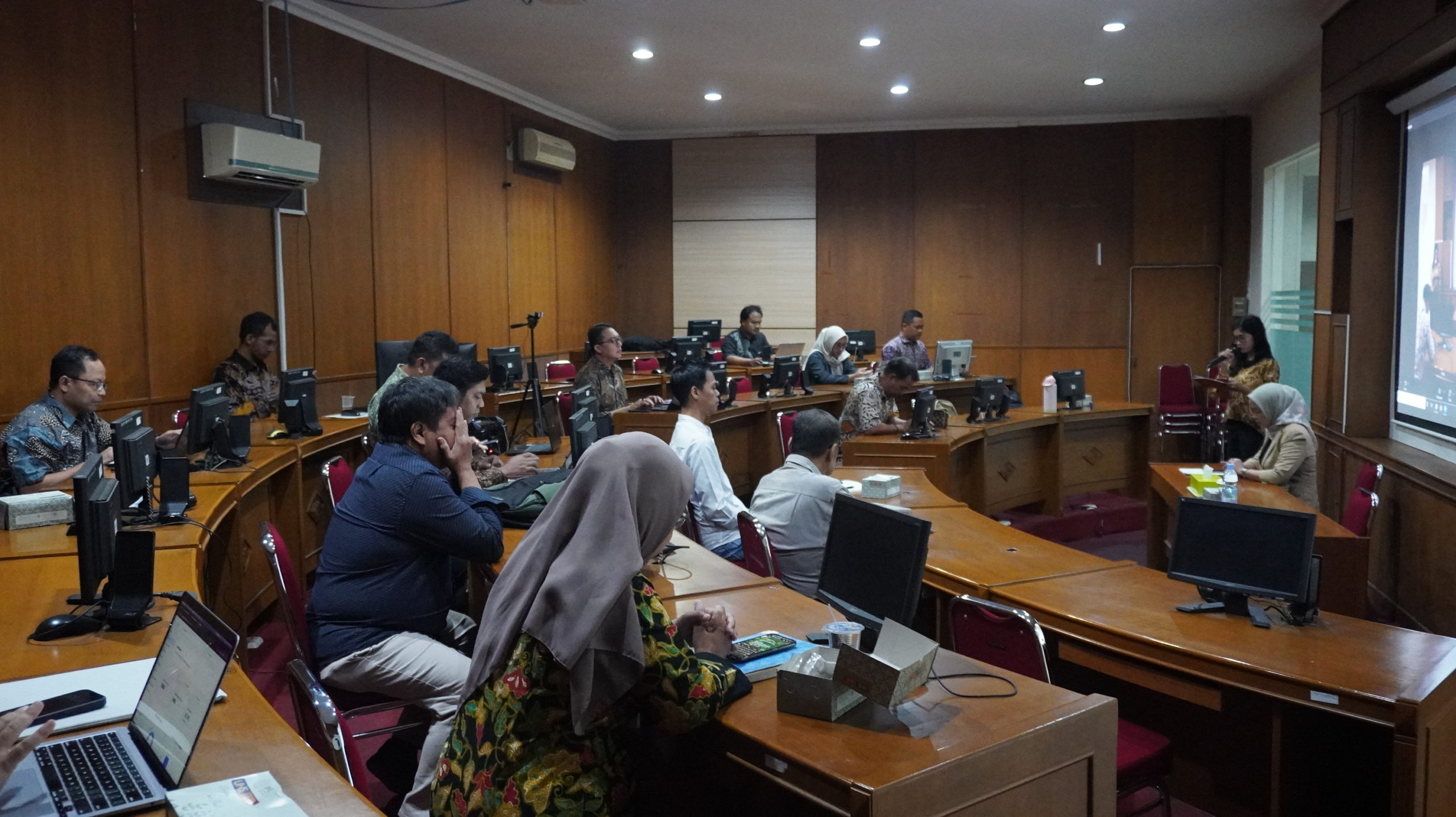
Faculty of Economics and Business (FEB), Universitas Sebelas Maret (UNS), in collaboration with Wageningen University & Research, organized the Using Evidence in Policy Making: Impact Evaluation Workshop on Tuesday, 2 December 2025, at UNS Tower. The activity featured Associate Professor Robert Sparrow from Wageningen University & Research as the main resource person. The workshop was attended by FEB UNS lecturers, postgraduate students from the Doctoral Program in Economics (PDIE), as well as undergraduate students with an interest in policy evaluation and social program impact analysis.
 The event was opened by the Vice Dean for Academic and Research Affairs FEB UNS, Prof. Tri Mulyaningsih, S.E., M.Si., Ph.D., who expressed appreciation for the presence of Assoc. Prof. Robert Sparrow at FEB UNS. In her remarks, Prof. Tri emphasized that the workshop provided a valuable opportunity for the academic community to deepen their understanding of impact evaluation, particularly in supporting the formulation of public policies grounded in scientific evidence.
Previously, Assoc. Prof. Robert Sparrow had also contributed as a resource person in the Intensive Workshop on Applied Macroeconomics for Global Health. In the main session, Assoc. Prof. Robert Sparrow presented the fundamental concepts of impact evaluation, its objectives, and various methods commonly used to assess the impact of social policies. He explained that impact evaluation focuses on analyzing the causal effects of policies designed to address social problems or improve public welfare.
 Several evaluation methods were introduced, including quasi-experiments, propensity score matching, instrumental variables, and difference-in-difference. In this workshop, Robert placed particular emphasis on the application of difference-in-difference and propensity score matching, which are frequently used in public policy research.
The workshop proceeded in an interactive manner through case study discussions, where participants were invited to analyze potential challenges in the evaluation design of social projects and to compare the application of two different impact evaluation methods.
Robert highlighted that the primary challenge in impact evaluation lies in identifying a credible control group. According to him, the presence of an appropriate comparison group is an essential prerequisite before conducting a scientific impact evaluation. “The main challenge in impact evaluation is related to the identification of a control group. The first question you need to answer before conducting an impact evaluation is whether you have a credible control group,” Robert explained.
 Through this activity, FEB UNS expects to enhance the capacity of academics and students in understanding and applying evidence-based policy evaluation, thereby contributing to the formulation of more effective public policies with measurable impact.
This activity supports the achievement of the Sustainable Development Goals (SDGs), particularly SDG 4 (Quality Education) through the advancement of academic and research capacity, as well as SDG 16 (Peace, Justice, and Strong Institutions) by promoting public policies grounded in evidence and scientific evaluation.
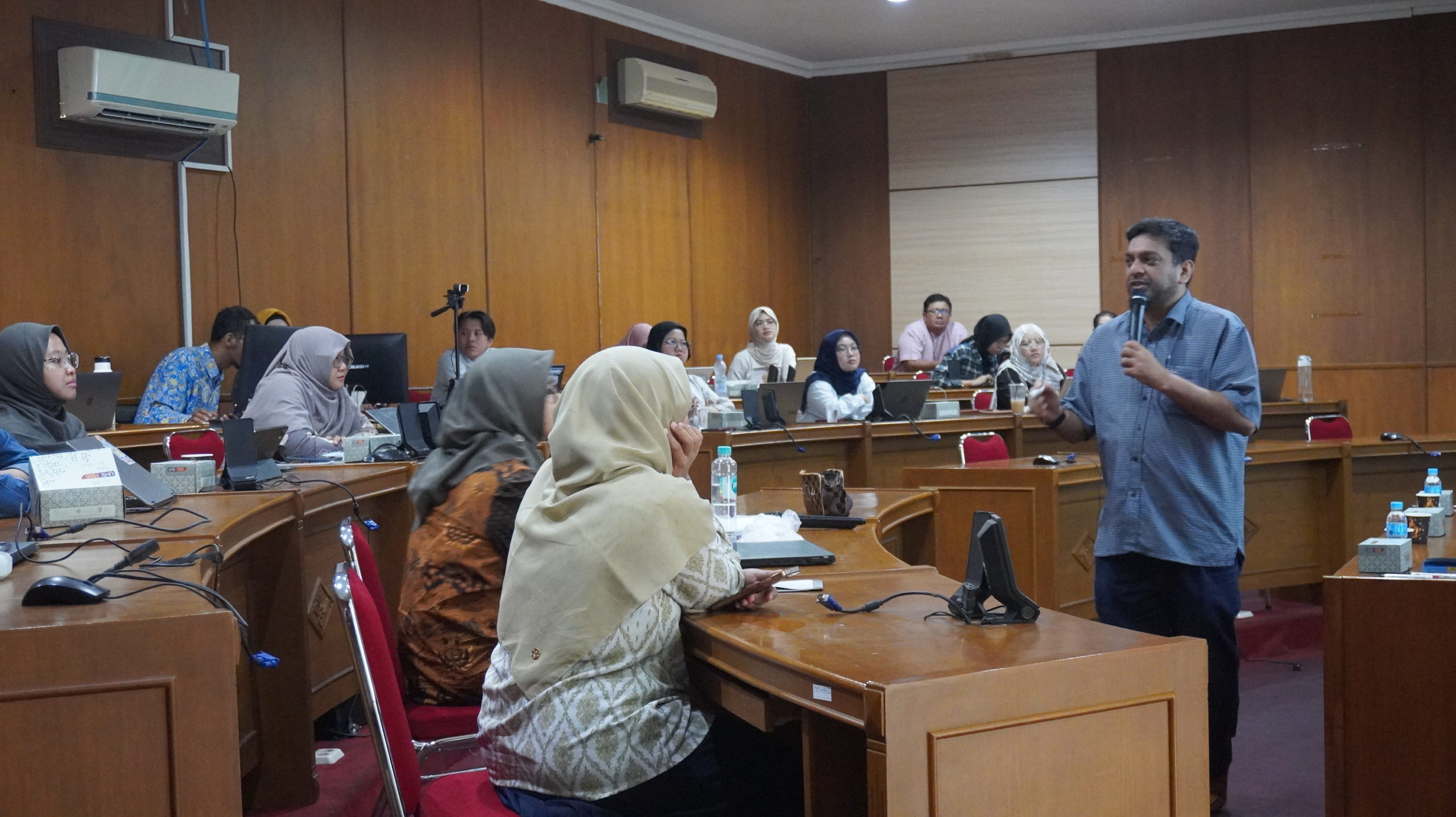
 On this occasion, Dr. Anuar delivered a presentation highlighting the importance of creative thinking in driving business innovation amid rapid changes in the economic environment and technological development. He emphasized that there are two key aspects that determine the success of business innovation, namely technology and culture.
 Concluding the workshop session, Dr. Anuar encouraged business actors and young generations who intend to enter the business sector to remain adaptive to change, particularly by understanding the consumption patterns of younger generations who will become the primary market in the future. “If businesses are unwilling to change and adjust to the preferences of younger generations, they will lose that market,” he stated.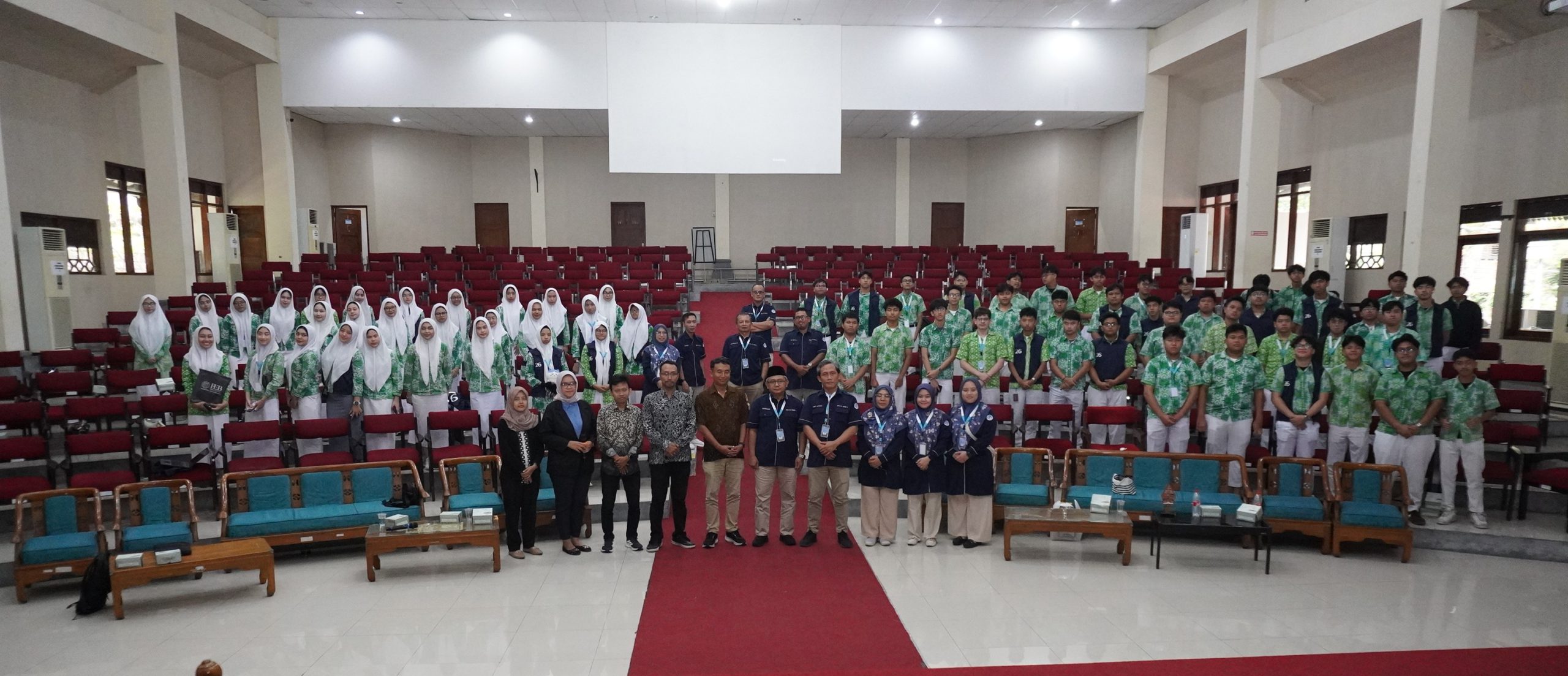
 In his welcoming remarks, Pram Suryanadi, S.E., M.Si., stated that choosing to pursue higher education in Solo offers a valuable opportunity to become more familiar with Javanese culture. Solo and Yogyakarta have long been recognized as centers of Javanese culture and as meeting points for talents from various regions across Indonesia. This diversity, according to him, forms an important foundation for young generations as future leaders who uphold the values of Bhinneka Tunggal Ika.
 Pram further described Solo as an ideal city for students, characterized by an affordable cost of living, a conducive academic environment, a “slow living” atmosphere that remains modern, and easy access to natural destinations such as Tawangmangu and coastal areas in Yogyakarta.
 “We invite you to take this opportunity as a room for learning and sharing inspiration,” he stated. He also quoted the Javanese proverb “Guru iku padang, murid iku laku,” emphasizing the importance of teachers’ guidance as a source of direction in the pursuit of knowledge and aspirations.
 Meanwhile, the Principal of SMA Islam Al Azhar 3 Jakarta, Syamsudin, M.Pd., expressed appreciation for the warm reception from FEB UNS. He highlighted that the visit was important for students to gain a broader perspective on higher education options beyond the Jakarta area and its surroundings. “Indonesia has many excellent universities, and one of them is UNS,” he remarked.
 Syamsudin also noted that the Management Study Program and the Business Study Program at FEB UNS are leading programs with strong reputations. He encouraged students to develop broad perspectives and strong determination in pursuing their aspirations. With extensive experience since 1976, FEB UNS is considered capable of providing strong academic guidance, particularly through its comprehensive range of study programs and international classes conducted in collaboration with various overseas institutions.
 The session continued with presentations on study program profiles delivered by Adnan Effendi, S.E., M.Sc., representing the Management Study Program, and Muhammad Alif Nur Irvan, S.Ak., M.Acc., CPA., representing the Accounting Study Program. The event proceeded interactively, including a prize-based game session designed to assess students’ understanding on the material related to the international class at FEB UNS. Participants’ enthusiasm was reflected in the large number of students actively responding and engaging in discussions.
 This visit is expected to broaden students’ understanding of the academic environment in higher education while strengthening their motivation in determining future study pathways. FEB UNS hopes that this activity will serve as a bridge for collaboration and inspiration for young generations preparing to enter university life.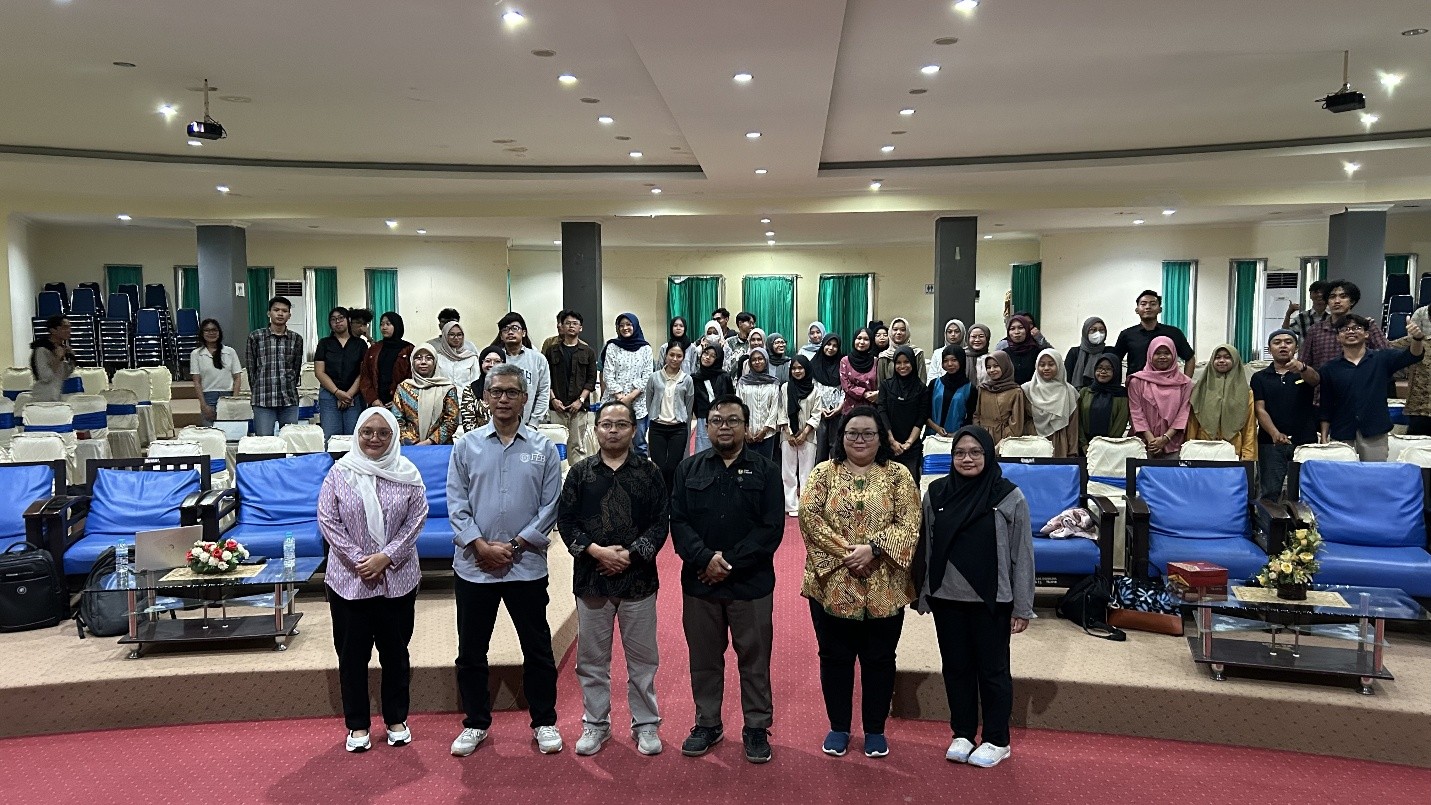
 In his opening remarks, the Secretary of the Department of Development Economics, FEB UNSOED, Dr. Agus Arifin, expresses appreciation to the FEB UNS research team for organizing the public lecture. He highlights that the level of student literacy and academic engagement related to FinTech remains relatively behind the level of digital financial inclusion. This condition indicates that segments of society actively use digital financial services without adequate understanding.
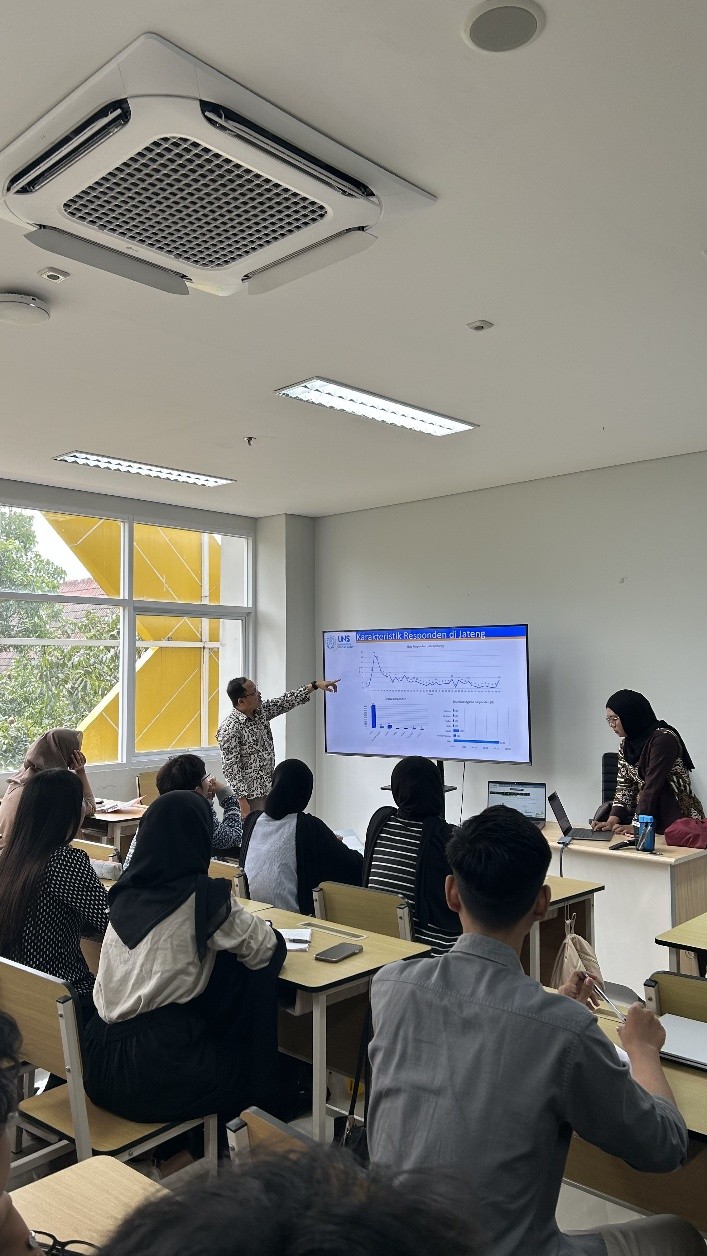
 She further explains that the presence of FinTech offers several benefits to the financial stability ecosystem, including improved efficiency and transparency in digital financial transactions, transaction risk diversification, and expanded financial inclusion.
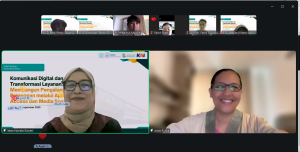 Narasumber menekankan bahwa media sosial kini menjadi kanal penting dalam mendeteksi isu layanan. “Setiap kritik dan apresiasi harus dianalisis. Kami memanfaatkan command center 24 jam yang terhubung dengan contact center dan CCTV analytics di seluruh stasiun,” jelasnya.