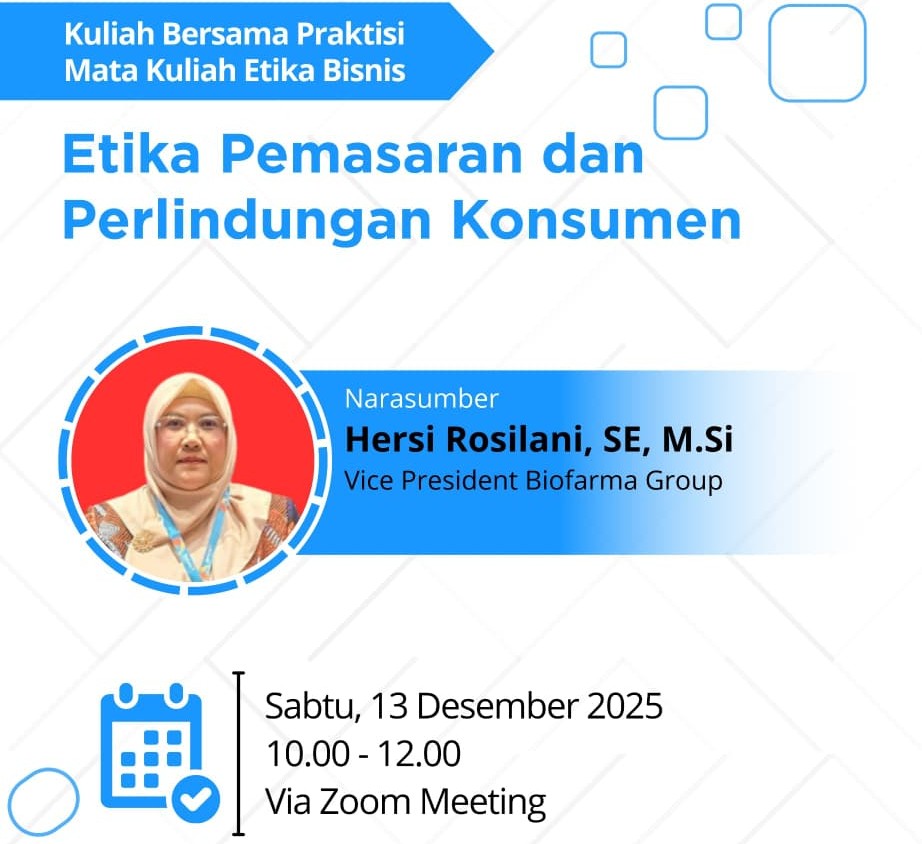
Management Study Program, Faculty of Economics and Business (FEB), Universitas Sebelas Maret (UNS), organized a Guest Practitioner Lecture for the Business Ethics course entitled “Marketing Ethics and Consumer Protection” on Saturday, 13 December 2025. The activity, conducted virtually via Zoom Meeting, was attended by students of the Management Study Program as part of efforts to enhance practice-based learning, and featured Hersi Rosilani, S.E., M.Si., Vice President of Bio Farma Group, as the invited speaker.
In her presentation, the speaker delivered practical insights into the application of marketing ethics in the pharmaceutical industry, highlighting honesty, transparency of information, regulatory compliance, and corporate responsibility in protecting consumers. Hersi Rosilani explained that the pharmaceutical industry carries a strong social function; therefore, marketing strategies should not be oriented solely toward profit but must also prioritize patient safety and public interest.
The promotion of pharmaceutical products is required to be conducted responsibly, based on scientific evidence, non-misleading, and in accordance with regulations established by the National Agency of Drug and Food Control (BPOM) and the Indonesian Pharmaceutical Code of Ethics. In addition, mechanisms for consumer protection in the pharmaceutical sector were discussed, including consumers’ rights to safety, quality, and accurate information as stipulated in Law Number 8 of 1999 on Consumer Protection.
The speaker also illustrated the supervisory role of BPOM in ensuring drug safety through registration processes, distribution monitoring, and product recalls when violations of quality, safety, or labelling standards are identified.
Through this lecture, students are expected to gain a more comprehensive understanding of ethical business practices, particularly in the context of marketing and consumer protection within strategic industries such as pharmaceuticals. This Practitioner Lecture also served as a platform to enhance contextual learning by presenting real-world practices from industry. The implementation of the activity aligns with efforts to achieve the Sustainable Development Goals (SDGs), particularly SDG 4 (Quality Education) through the enhancement of practice-based learning, SDG 3 (Good Health and Well-Being) through attention to safety and consumer protection in the pharmaceutical sector, and SDG 12 (Responsible Consumption and Production) through the application of responsible business and marketing ethics.
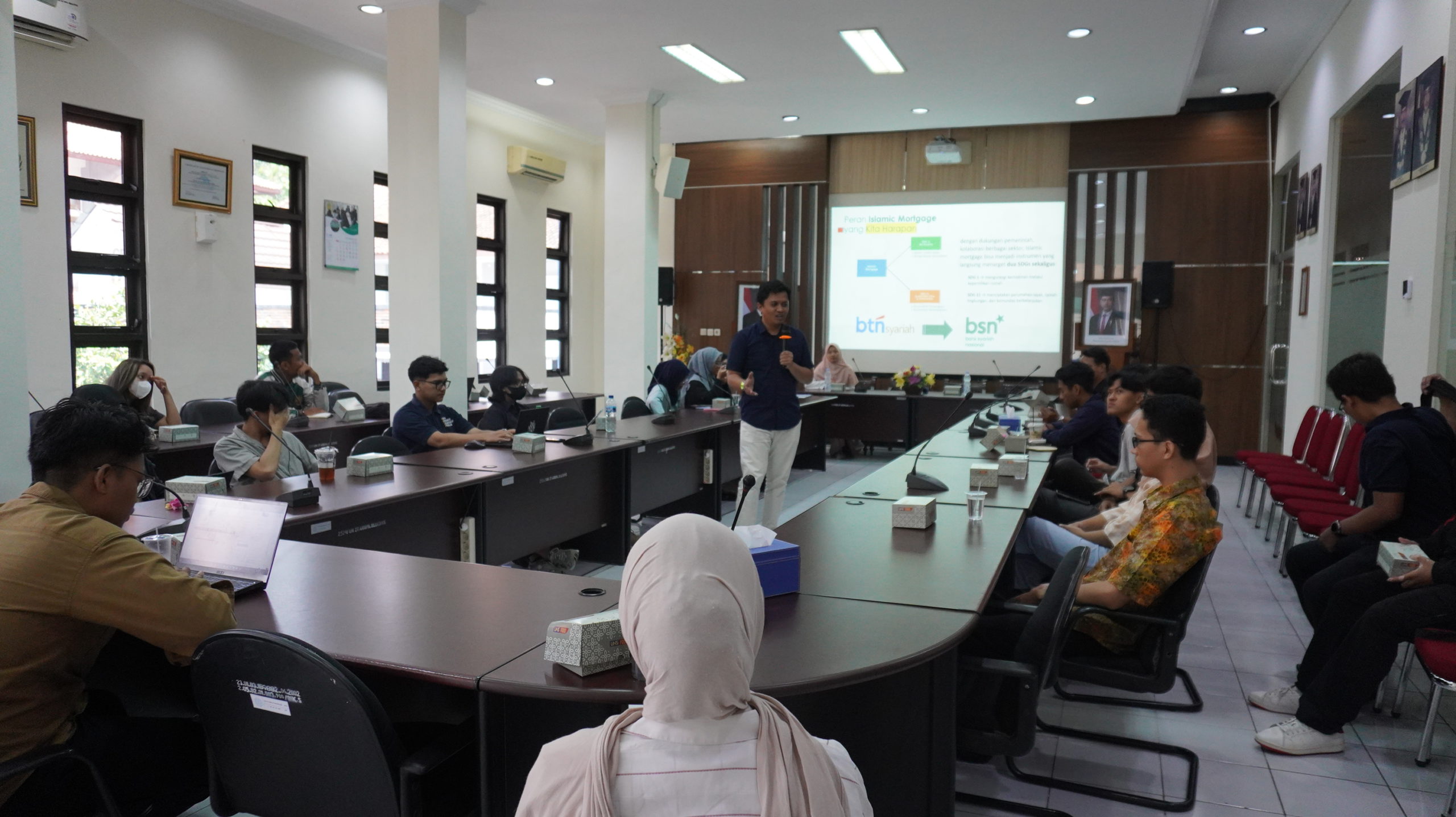


 The speaker for this session was Edi Marwanto, Vice President of Business Development at PT National Energy Solutions, who has more than 20 years of experience in construction projects within the oil, gas, and petrochemical sectors. In his presentation, Edi Marwanto emphasized that projects do not merely produce unique deliverables, but also drive change and create value for organizations.
 The speaker described the comprehensive project life cycle, beginning with initiating, planning, executing, monitoring and controlling, and concluding with closing. Each phase plays a critical role in ensuring that projects proceed in line with established plans.
 In closing, Edi Marwanto presented several key recommendations, including the adoption of global project management standards, stronger risk and change management practices, character-based leadership that includes emotional intelligence, and the application of the talent triangle for project managers, comprising technical, leadership, and strategic-business skills.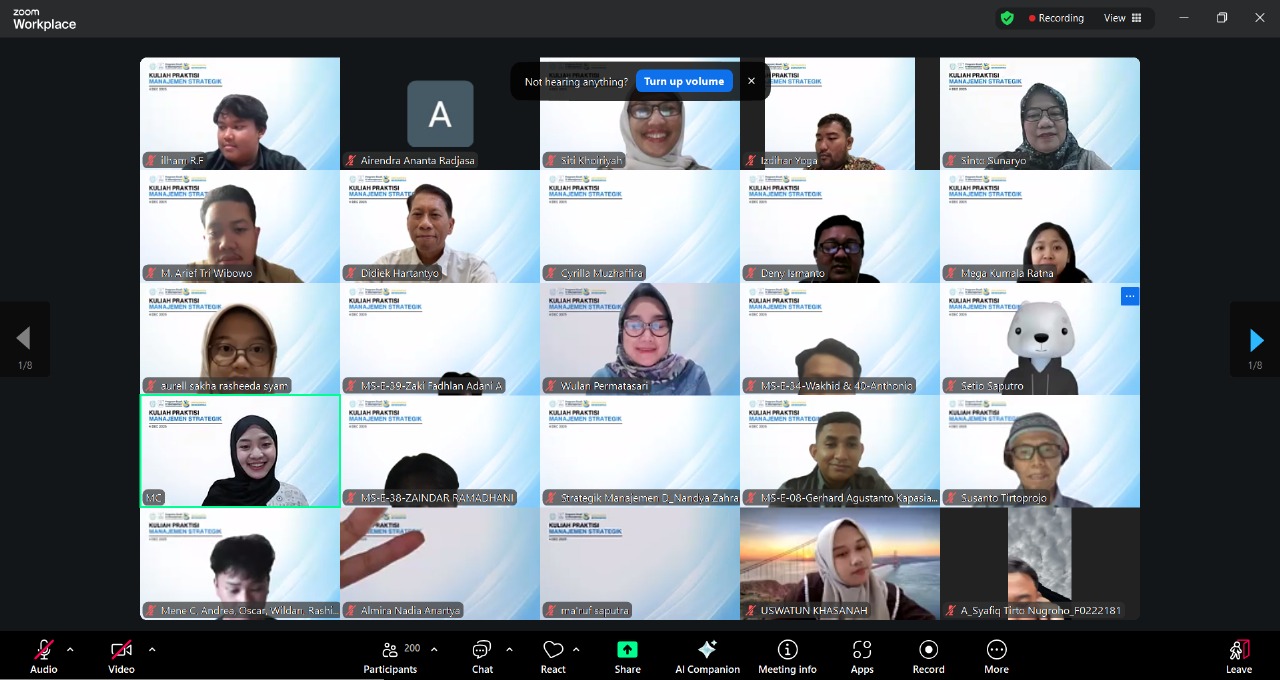

 The session was conducted virtually and attended by students of the Management Study Program. It was moderated by Dr. Intan Novela Qurrotul Aini, S.E., M.Si., a lecturer at FEB UNS. During the session, the speaker outlined her career journey, which began in the fields of technology and social media before she joined KAI in 2013 as Manager of CRM and Digital Media. During this period, KAI began implementing social media listening integrated with operational systems, enabling the company to distinguish authentic customer feedback from public opinion and comments generated by non-customer accounts.
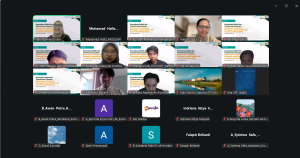 Concluding the session, the speaker expressed her appreciation for the opportunity to participate at UNS as part of public education efforts. Several KAI communication case studies have become references for undergraduate and postgraduate students. “KAI seeks to demonstrate transparency and readiness to contribute to Indonesia’s economic transformation and global engagement,” she stated.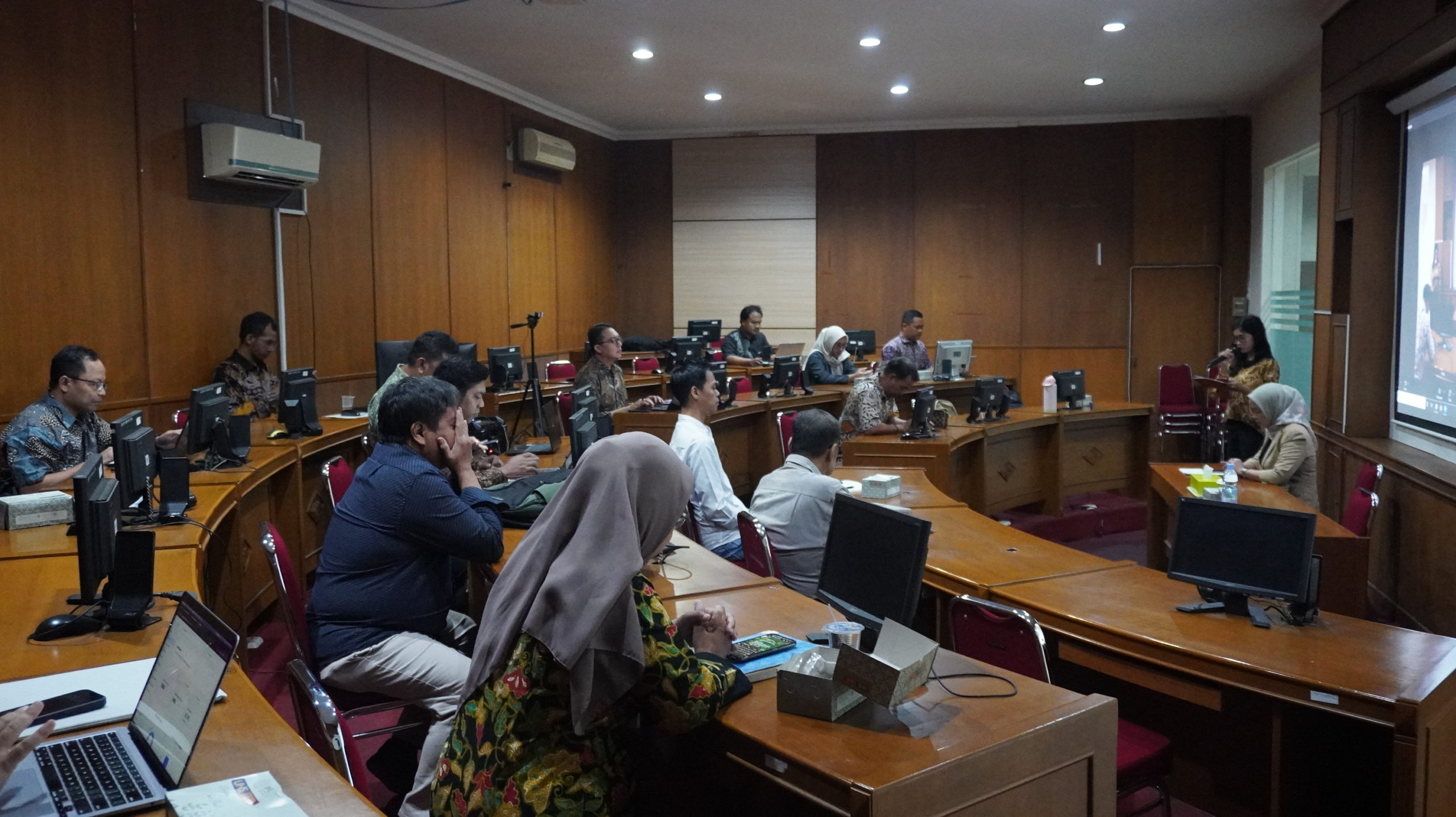

 The discussion proceeded in an interactive manner, addressing the advancement of graduate learning outcomes, the distinctive features of the MESP FEB UNS curriculum, and the refinement of strategic issues such as sustainable development, institutions, human resources, and the use of technology and statistical data. The forum also highlighted the importance of an adaptive curriculum for both fresh graduates and professionals.