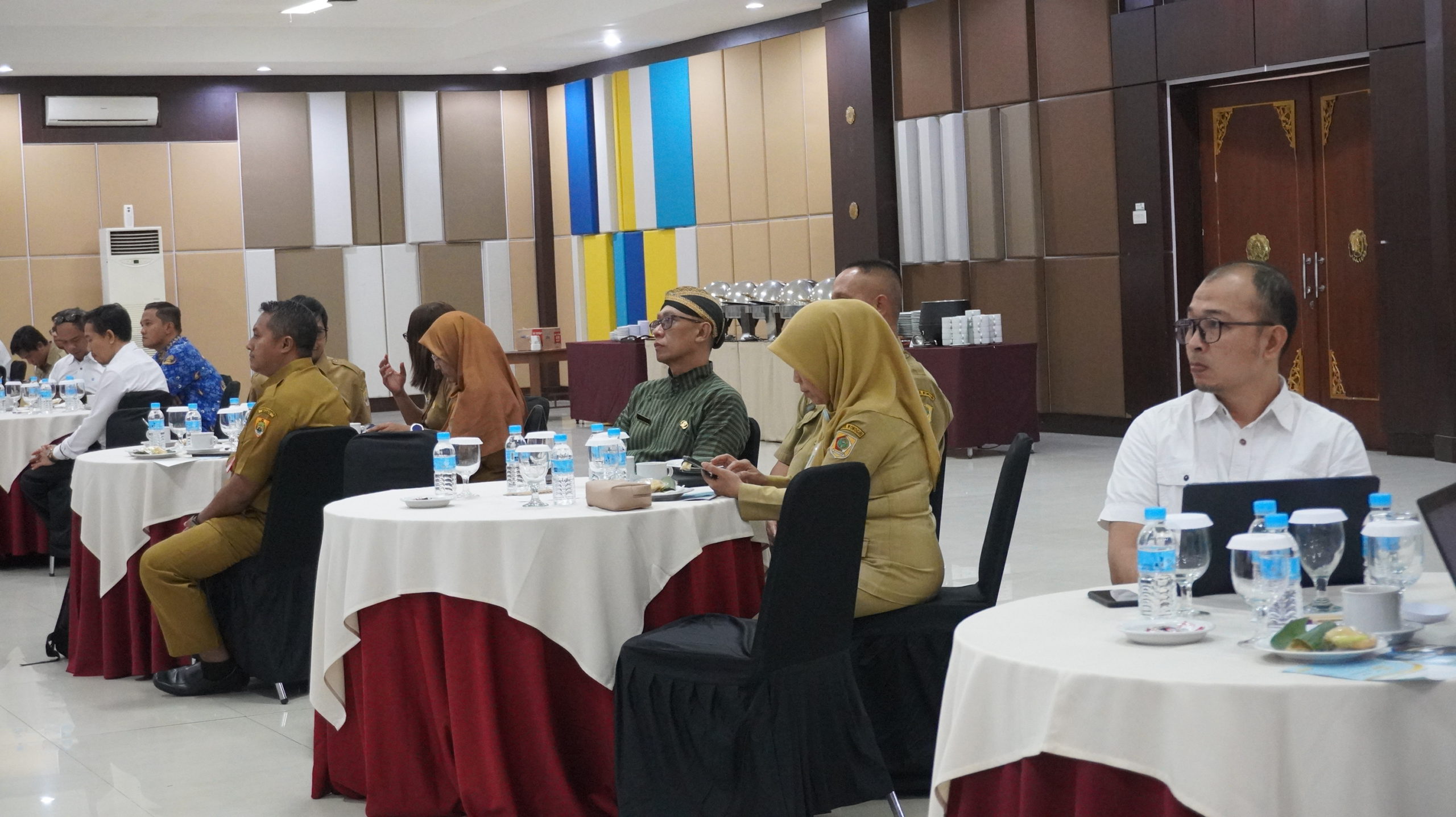
Faculty of Economics and Business (FEB), Universitas Sebelas Maret (UNS), held a Workshop on Public Financial Management: Central and Regional Government Synergy toward Inclusive Economic Growth on Monday, 22 December 2025. The activity was conducted in person at UNS Inn and attended by academics, practitioners, and representatives of central and regional government institutions.
The workshop featured Afina Azizah from the Ministry of National Development Planning (Bappenas) and Slamet, Head of the Regional Financial and Asset Management Agency (BPKAD) of Central Java Province, as keynote speakers. The forum aimed to serve as a strategic discussion platform to strengthen public and regional financial management in support of inclusive and sustainable economic growth.
In his opening remarks, the Dean of FEB UNS, Prof. Bhimo Rizky Samudro, S.E., M.Si., Ph.D., stated that the workshop was designed for knowledge exchange between academics and practitioner partners with extensive experience in public finance management. The discussion focused on inclusive and sustainable economic growth in the context of national development dynamics, including policy implications and disaster-related considerations from multiple perspectives, such as risk mitigation and economic equity.
Beyond technical discussions, the workshop also served as a dissemination forum for the Recognition of Prior Learning (RPL) program for practitioner partners, particularly from regional planning agencies such as Bappeda, who intend to pursue further study in the Master of Development Economics or Master of Accounting programs at FEB UNS. “Through active collaboration, this initiative is expected to generate dual benefits in the form of strengthened practical competence and sustained academic development opportunities for professionals,” he noted.
Afina emphasized that achieving national development targets toward Indonesia Emas 2045 requires strong synergy between central and regional governments. She highlighted that regions function as key drivers of inclusive and sustainable economic growth, making alignment of development paradigms a critical challenge.
She further explained that the government has established eight national priority programs in the 2026 Government Work Plan, including food and energy security, free nutritious meals, and the strengthening of cooperatives and investment. Alignment between central and regional levels is pursued through the synchronization of the National Medium-Term Development Plan (RPJMN) and Regional Medium-Term Development Plans (RPJMD) for the 2025–2029 period, with performance indicators currently reaching 77 percent. Clear planning loci and concrete budget support were identified as essential to ensure tangible policy impacts on society.
Afina also noted a shift in the development paradigm from a focus on physical outputs to outcomes that deliver measurable benefits for public welfare. This shift calls for improved expenditure quality amid limited fiscal space and mandatory spending obligations. Consistency across planning, budgeting, and control processes must be jointly safeguarded through close coordination between Bappenas and Bappeda, as well as the Ministry of Finance and BPKAD.
 Meanwhile, Slamet explained that the primary challenge in regional development lies not in planning, but in the disconnect between planning and implementation within the regional budget framework (APBD). Many strategic programs fail at the execution stage due to concerns among regional officials regarding administrative accountability, technical reporting requirements, and limited legal frameworks at the regional level.
He also highlighted that inflation control practices at the regional level remain short-term in nature and have yet to address supply-side fundamentals. Regions, he argued, should be encouraged to adopt expenditure schemes in the form of subsidies through regionally owned enterprises to enable more effective and sustained market price interventions. However, regulatory gaps between central and regional authorities often constrain innovation due to concerns over potential findings of state financial losses.
According to him, regional financial management must be supervised through to the technical stages of implementation and accountability, supported by a robust legal framework to ensure that development programs deliver concrete benefits to society.
Through this workshop, FEB UNS expects to strengthen shared understanding, collaboration, and consistency between planning and budgeting at both central and regional levels, in support of inclusive and sustainable economic development. The activity aligns with the Sustainable Development Goals (SDGs), particularly SDG 8 (Decent Work and Economic Growth), SDG 10 (Reduced Inequalities), and SDG 17 (Partnerships for the Goals), through the reinforcement of policy synergy and sustainable financial governance.
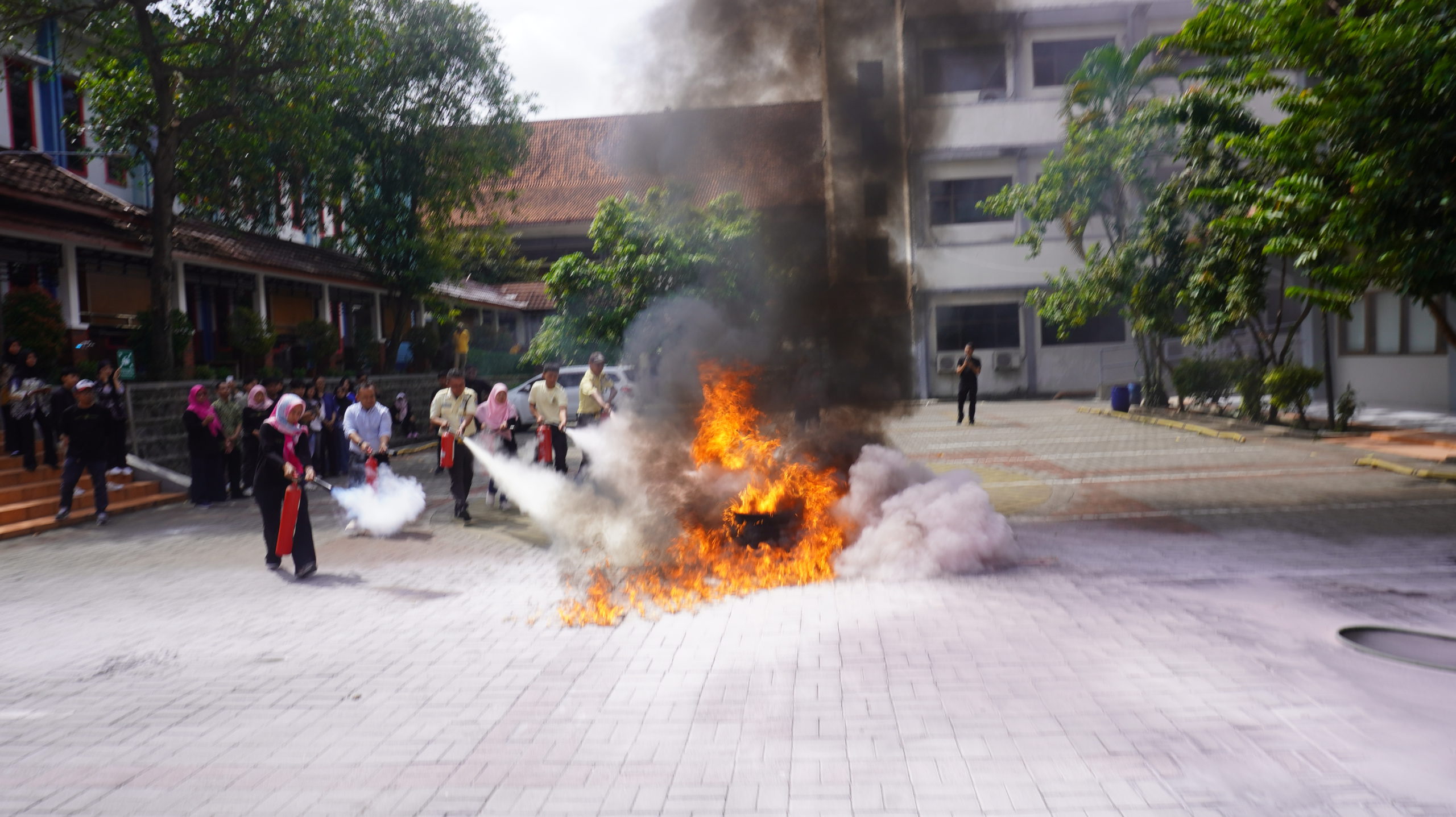

 The Vice Dean for Non-Academic Affairs FEB UNS, Sutaryo, S.E., M.Si., Ph.D., Ak., CA., CRA., CRP., ACPA., stated that the activity formed part of the fulfilment of Occupational Health and Safety (K3) documentation, as well as a concrete application of risk management within the FEB UNS environment.


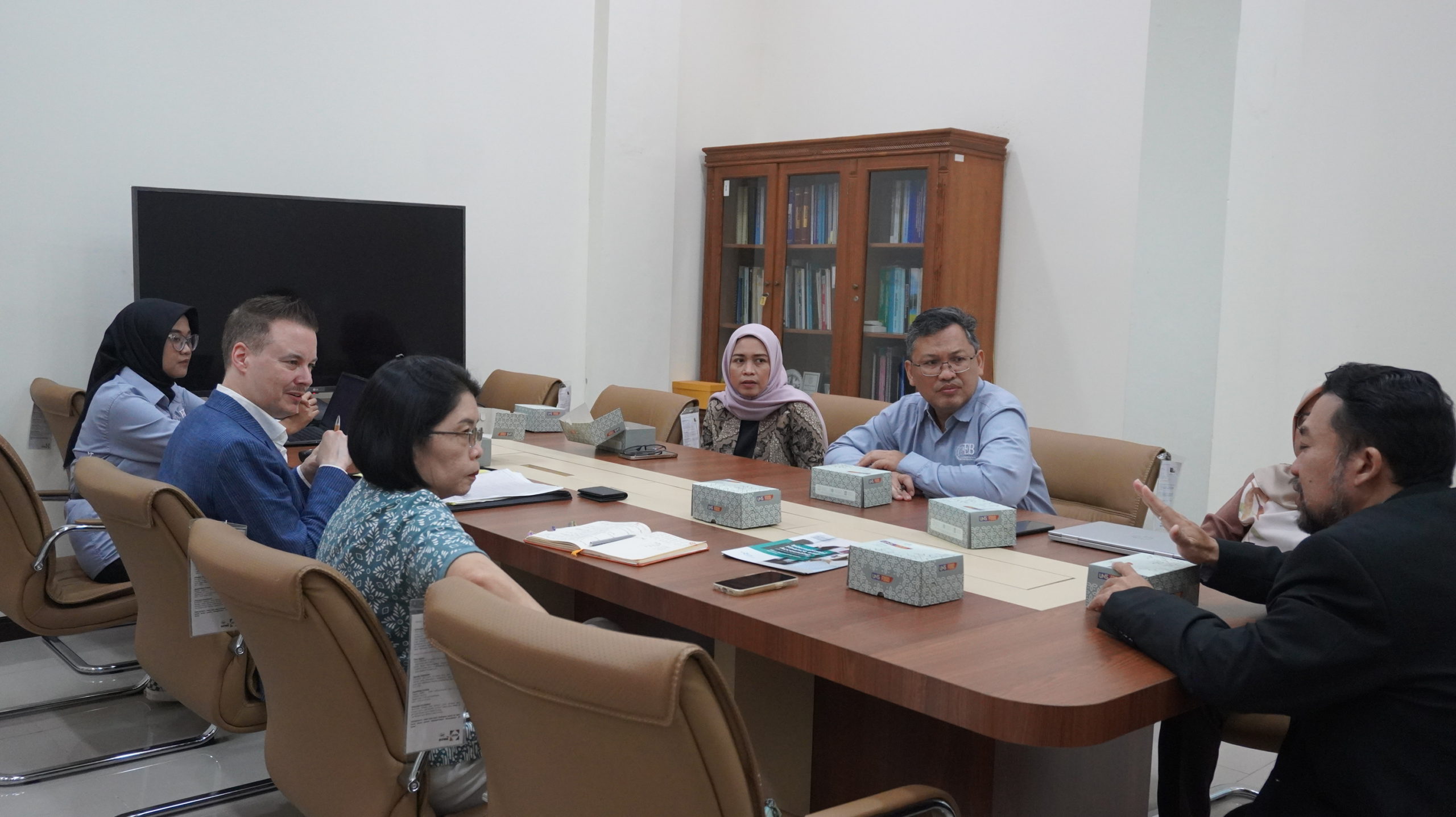
 Faculty of Economics and Business (FEB), Universitas Sebelas Maret (UNS), welcomed a visit from Dr. Dennis Vossen, Program Director of International Finance and Accounting at Saxion University of Applied Sciences, Netherlands, on Wednesday, 24 December 2025. The visit marked an initial step in exploring international collaboration between the two institutions, particularly in aligning curricula for the development of a double degree program in Accounting and Management.
 During the session, both parties explores opportunities for academic collaboration with a focus on curriculum equivalence, learning schemes, and implementation mechanisms for double degree and student exchange programs. The FGD concluded with a shared agreement that FEB UNS expressed its readiness and commitment to establish cooperation with Saxion University through double degree and student exchange initiatives.
 Through this collaboration, FEB UNS reaffirmed its commitment to expanding global academic networks and promoting international student mobility. This partnership is expected to provide international exposure for students while strengthening the global standing of FEB UNS, and to support the achievement of the Sustainable Development Goals (SDGs), particularly SDG 4 (Quality Education) and SDG 17 (Partnerships for the Goals).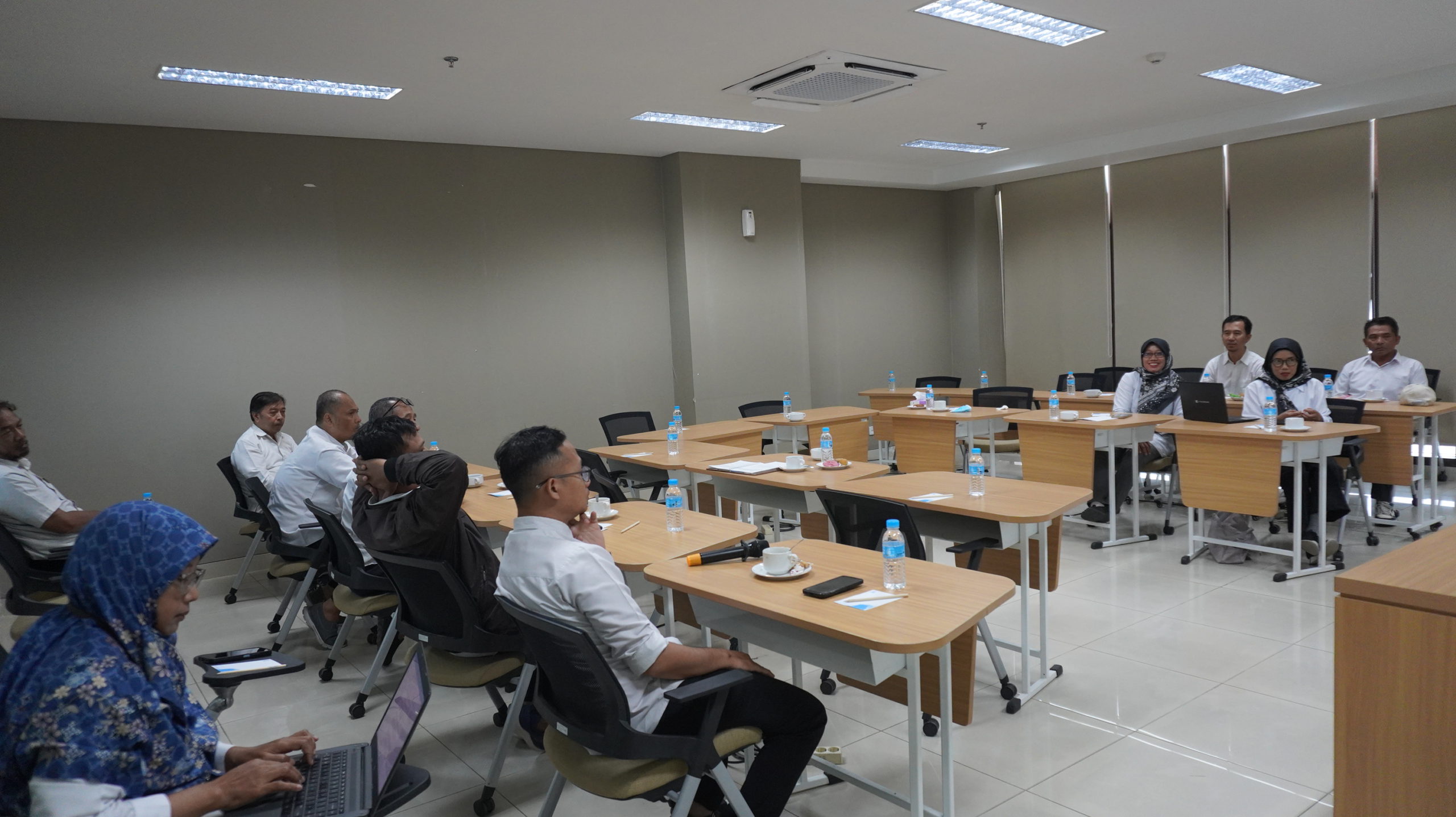


 Wakil Dekan Bidang Akademik dan Penelitian FEB UNS, Prof. Tri Mulyaningsih, S.E., M.Si., Ph.D. dalam sambutannya menekankan pentingnya implementasi Learning Management System (LMS) sebagai salah satu strategi utama dalam mendukung pencapaian Indikator Kinerja Utama (IKU) UNS.


 In her opening remarks, the Chair of the FEB UNS Academic Senate, Prof. Dr. Hunik Sri Runing Sawitri, M.Si., stated that the meeting marked an important moment to align perspectives while completing the strategic plan agenda throughout 2025. Furthermore, Prof. Hunik emphasized that this plenary meeting is a part of the series of discussions on the FEB UNS medium-term strategic program for the 2025–2029 term. It is expected that all inputs and suggestion from the discussions’ session will lead to the finalization stage, thus, allowing the Strategic Plan to be implemented in an effective and sustainable manner.
 On this occasion, the Chair of the Academic Senate also conveyed that although attendance was not fully optimal, the meeting proceeded with a firm commitment to produce the best possible decisions and recommendations for the future development of FEB UNS.
 This activity aligns with the Sustainable Development Goals (SDGs), particularly