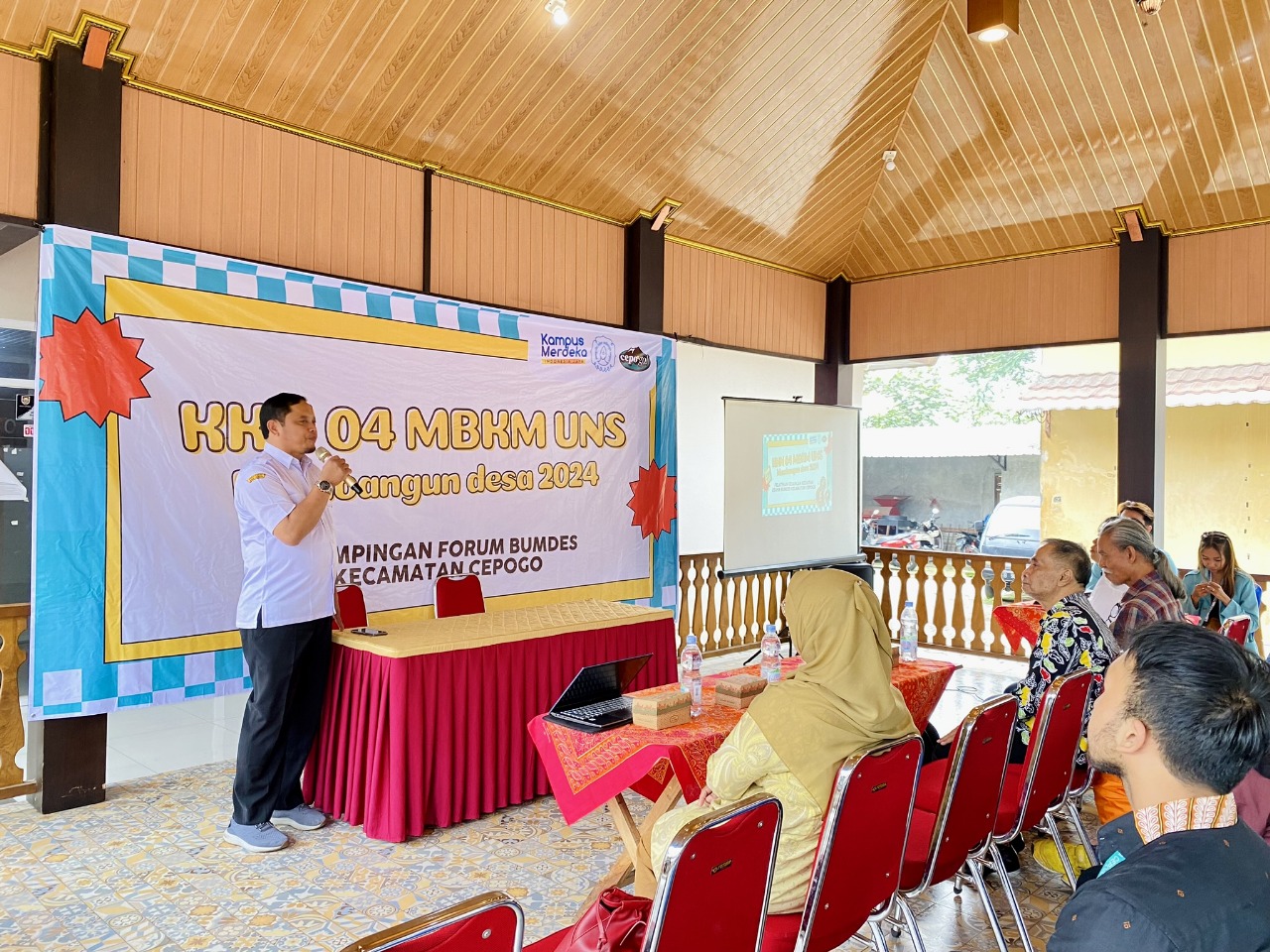
Research Group (RG) Kelembagaan dan Sumber Daya Manusia (SDM) Fakultas Ekonomi dan Bisnis (FEB) bersama Mahasiswa Kuliah Kerja Nyata (KKN) Tematik Universitas Sebelas Maret (UNS) melaksanakan pengabdian kepada masyarakat di Kecamatan Cepogo Kabupaten Boyolali pada Januari 2024.
Tim pengabdian yang diketuai Dr. Dwi Prasetyani, S.E., M.Si. dan beranggotakan Dr. Vinc Hadi Wiyono WS, M.A., Dr. Akhmad Daerobi, M.S., Dr. Guntur Riyanto, M.Si., Vita Kartika Sari, S.E., M.Sc., Aulia Hapsari Juwita, S.E.,M.E. dan Ratna Malisa Indriawati, S.E., M.E. melakukan pendampingan BUMDes yang ada di Kecamatan Cepogo.

Tim pengabdian dan KKN Tematik UNS Membangun Desa membantu mengatasi permasalahan yang muncul di Cepogo untuk meningkatkan kapasitas dan efektivitas BUMDes melalui program-program kerja yang telah dicanangkan.
Salah satu programnya adalah pendampingan Forum BUMDes di Kecamatan Cepogo dengan fokus pada sosialisasi digital marketing untuk BUMDes yang lebih informatif dan dikenal masyarakat luas.
Kegiatan ini dilatarbelakangi hasil survei yang telah dilaksanakan sebelumnya terhadap kondisi BUMdes di Kecamatan Cepogo.
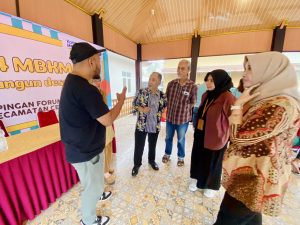 Kecamatan Cepogo Boyolali memiliki 15 Desa dan semua desa memiliki BUMDes masing-masing. Namun, dari seluruh total BUMDes hanya beberapa saja yang masih aktif hingga sekarang, yaitu BUMDes Tumang, BUMDes Paras, BUMDes Gedangan, dan BUMDes Bakulan.
Permasalahan yang muncul dalam BUMDes yang saat ini masih kurang aktif berada pada struktur organisasi yang belum jelas. Keorganisasian pada beberapa BUMDes yang tidak terstruktur menjadi salah satu faktor BUMDes tidak terlalu aktif. Banyak program kerja yang telah dicanangkan namun tidak terlaksana dengan baik.

Pendampingan forum BUMDES di Kecamatan Cepogo berfokus pada sosialisasi digital marketing untuk BUMDes yang lebih informatif dan dikenal masyarakat luas.
Antusias masyarakat di kegiatan ini dapat berdampak baik terhadap pengembangan BUMDes kedepan. Para pengurus juga menyadari jika dalam menjalankan BUMDes perlu adanya sinergi program Pembangunan antara pemerintah dengan desa sehingga hasil yang ditempuh akan optimal.
Kegiatan sosialisasi digital marketing ini dapat memberikan anggota BUMDes pemahaman mendalam tentang konsep digital marketing, termasuk pengaruhnya terhadap citra dan interaksi BUMDes di platform digital.
Setiap BUMDes akan memiliki identitas yang kuat dan nilai-nilai yang dapat diidentifikasi oleh masyarakat melalui peningkatan pemanfaatan elemen digital marketing pada sosial media.
BUMDes dapat membentuk dan memperluas komunitas online yang terlibat aktif, menciptakan ruang untuk diskusi, umpan balik, dan kolaborasi antara BUMDes dan masyarakat.
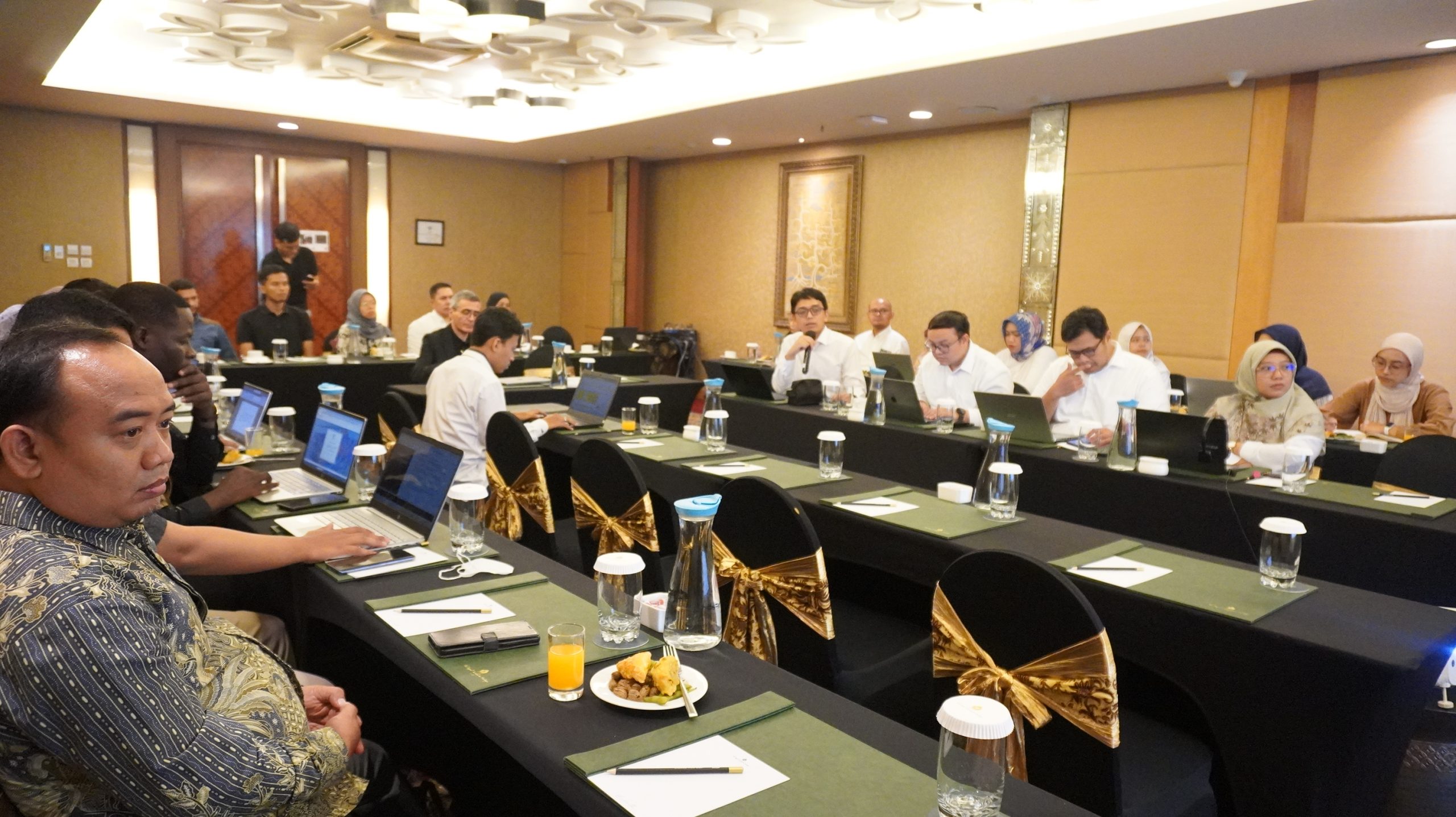
 On this occasion, three FEB UNS lecturers presented the results of their research. Putra Pamungkas, Ph.D., delivered a research entitled ‘Small Business Loans and Repayment Sustainability’; Tastaftiyan Risfandy, Ph.D., with the title ‘The Performance of Micro-Financial Institutions: Islamic VS Conventional Cooperatives’; and Arum Setyowati, Ph.D., with the title ‘The Role of Directors’ experiences on the Relationship between Corporate Responsibility toward Employees Practices and Firm Efficiency.’
 Regarding the Working Paper Series , the Vice-Rector for Planning, Partnership, Internationalization, and Information Affairs UNS, Prof. Irwan Trinugroho, S.E., M.Sc., Ph.D., said that this activity has become a tradition in FEB.
 Lecturers, especially young lecturers as well as graduate and postgraduate students, should be encouraged to actively participate. “This activity is a good initiative, this is a tradition that needs to be built in FEB, both for lecturers, S-2, S-3 students who have research that needs to be stimulated or presented, and to get input from many people. This will make the research results better,” he said.
 Prof. Tarazi considered that the three articles presented are strong and have shown good contributions. He further stated that research is a long-term process, and even senior researchers need to present their articles. This is important because when we present our research results in the form of articles both in workshops and scientific conferences, we will get new input/feedback that will improve the quality of the articles we write.


 In his opening remarks, Tastaftiyan expressed appreciation and welcomed the teachers and students of SMA Kristen 7 Penabur to FEB UNS. “Thank you for visiting. We are very open to sharing knowledge and working in collaboration. FEB UNS is committed to be inclusive university, as universities today are encouraged not to be exclusive but to engage more broadly with external parties. One of the strategies available to achieve this objective is through community service programs, university teaching programs conducted at schools, as well as research or other academic activities that may take place either in schools or on other campuses. God willing, this collaboration and your visit will also be beneficial for us,” he stated.
 He further highlighted that during this visit, representatives from each study program present would share information about their respective academic programs at FEB UNS.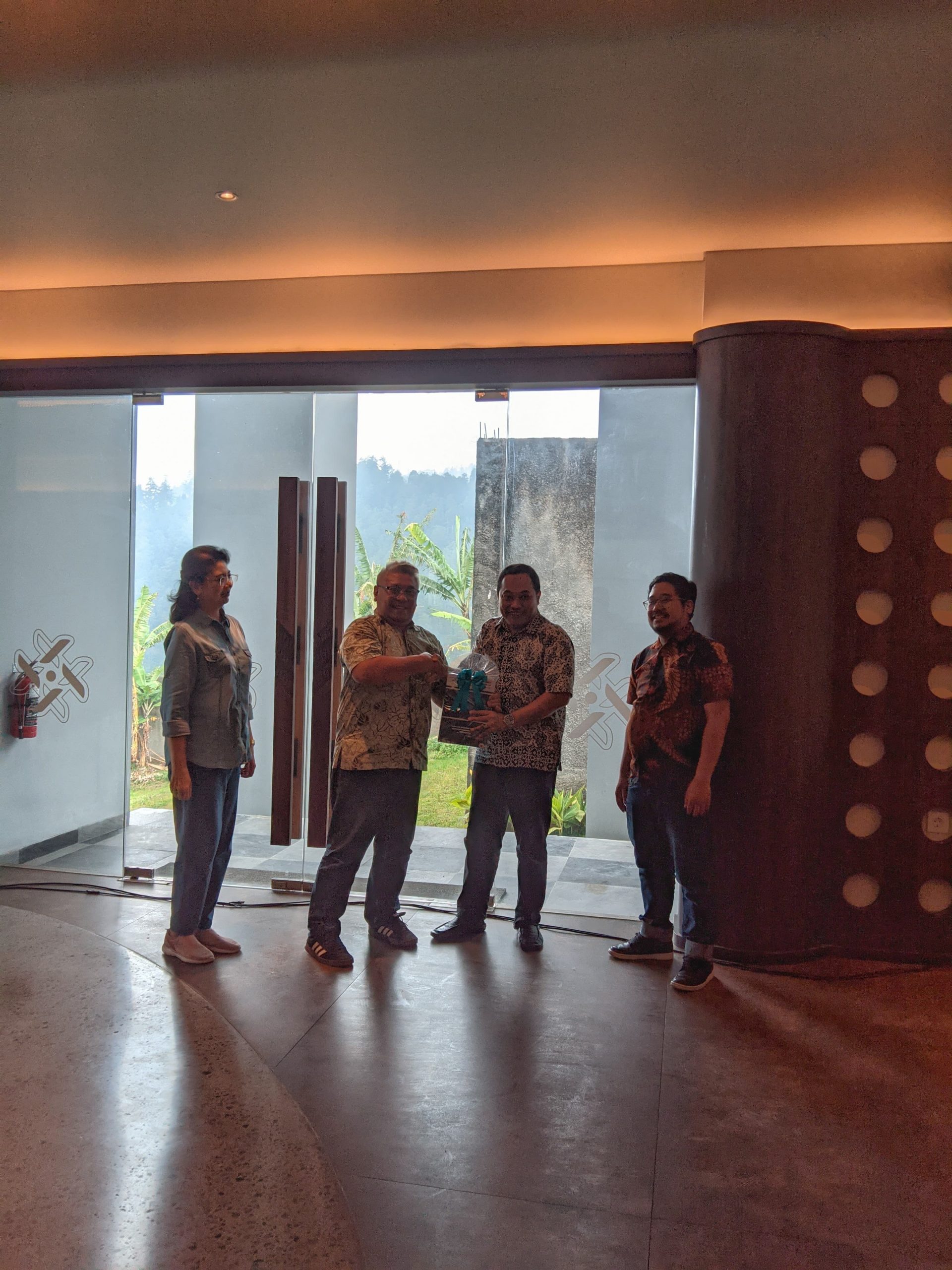
 The submitted report summarised UPM’s key activities, including results from the Internal Quality Audit (AMI) from 2022 to 2024, tracer studies of alumni users, and benchmarking visits to various institutions, including the Quality Assurance Units of FEB Universitas Gadjah Mada (UGM) and Universitas Indonesia (UI). These benchmarking efforts provided valuable insights into how other universities manage quality assurance and support teaching improvement.

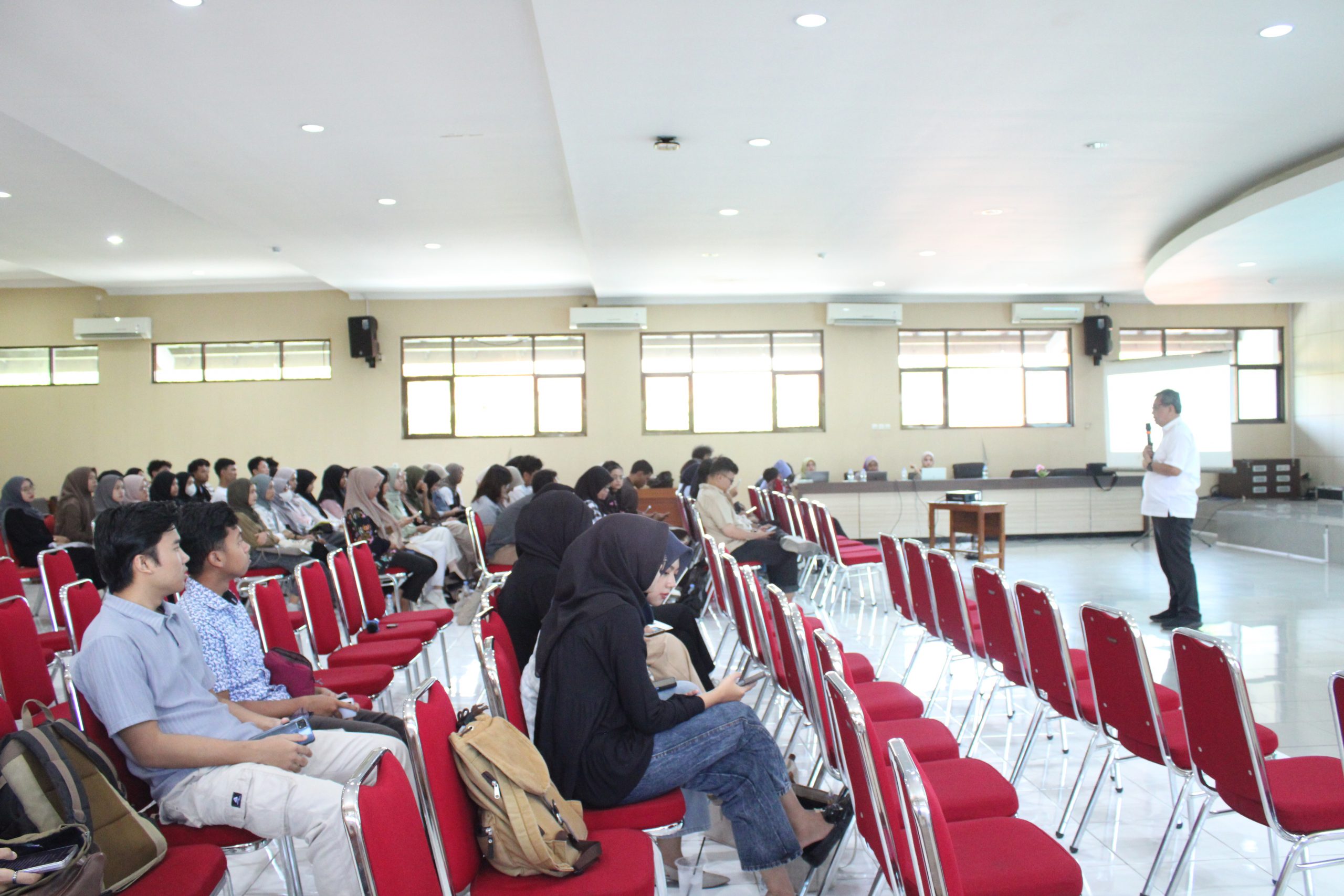
 The guest lecture was attended by over 100 undergraduate students from the Management and Development Economics programs. The session featured Daly Rustamblin, Director of the Bank Liquidation Group, as the keynote speaker, focusing on the theme of Bank Liquidation. The lecture is expected to help students understand the fundamental philosophy (mindset) and acquire the conceptual and practical skills (skill set) related to bank liquidation.
 In a Purchase & Assumption (P&A) approach, good assets are transferred to the acquiring bank, while bad assets are liquidated. Further, a Bridge Bank option involves establishment of a temporary bank to manage good assets, while bad assets are liquidated. In a Temporary Capital Injection, capital is provided to address the bank’s capital shortfall, ensuring compliance with the required capital adequacy ratio. Meanwhile, Liquidation involves converting all assets into cash to fulfill the bank’s obligations.
 Since LPS began operations in 2005, up to September 20, 2024, 137 banks (comprising 1 Commercial Bank, 122 Rural Banks (BPR), and 13 Sharia Rural Banks (BPRS)) have undergone liquidation. Currently, 19 BPR/BPRS are in the liquidation process, while 118 banks have completed liquidation (1 Commercial Bank, 106 BPR, and 11 BPRS).