
Accounting in Versatility (ACTIVE) is a national event organized by the Accounting Student Association of the Faculty of Economics and Business (FEB), Universitas Sebelas Maret (UNS). This year, celebrating its 16th year, ACTIVE 2024 featured five main events at a national scale.
 With the dedication and efforts of more than 170 accounting students serving as organizing committee, ACTIVE 2024 went successfully under a central theme entitled “Synergy of Youth: Achieving Indonesia Emas 2045 with Economic Excellence.” The first event, the National Talkshow, was held on November 19, 2024, at the Ki Hadjar Dewantara Ballroom. Moderated by Titin Dwi Ariyanti, the discussion focused on “Success Highway: Navigating Career, Study, and Business Balance,” offering students with insights on their first steps after earning their undergraduate degree.
The talk show featured inspiring speakers, including Tinno Susilo (Regional CEO of Bank Mandiri), Erwan Djoko Hermawan (Former Director of Asuransi Kredit Indonesia), Olivia Valentina (Consulting Business Analyst at Deloitte and Clash of Champions Participant), and Ibrahim Fatwa Wijaya (Lecturer at FEB UNS). More than 350 participants from various universities attended the event, actively engaging with the speakers through thought-provoking questions.
 Beyond the talk show, ACTIVE 2024 hosted two national-level competitions: ACCESS (Accounting Competition for College Students) and BMC (Business Model Canvas). Both competitions involved multiple virtual rounds. The competitions brought together students from diverse universities, including Universitas Indonesia, Universitas Gadjah Mada, Trisakti School of Management, Universitas Diponegoro, and many more, creating an intense and competitive atmosphere.
Out of 45 participating teams in ACCESS and 120 submissions in BMC, only the top 14 teams in ACCESS and 9 teams in BMC advanced to the final round, representing some of the best talents from across Indonesia. The final rounds of ACCESS and BMC welcomed the finalist team at the FEB UNS on October 27, 2024, where BMC finalists presented their most innovative business ideas to a panel of judges, while the ACCESS finalists tackled case studies and delivered closing presentations on assigned topics.
 Providing participants with a deeper connection to local culture, ACTIVE 2024 also featured a Field Trip as a post-competition activity. Delegates explored Surakarta’s history and traditions through an engaging visit to the Museum of Kraton Kasunanan Hadiningrat. The journey continued with a culinary experience at Pasar Gede, where participants enjoyed local delicacies such as Es Dawet Telasih, dim sum, and Nasi Rames, while also experiencing the vibrant market atmosphere.
In the evening, participants gathered at Pendhapa Balaikota to enjoy the evening lights and take part in a hands-on scented candle-making workshop, led by a small business from Boyolali. The night culminated in the Indonesia Cultural Gathering Night (ICGN), serving as the grand finale and award ceremony for the BMC and ACCESS competitions.
 The is evening wrapped with traditional dance and musical performances, along with cultural elements incorporated into the event’s decorations, reinforcing ACTIVE 2024’s commitment to showcasing Indonesia’s rich artistic heritage. The event officially concluded with the spirited chant of “One Goal One Spirit”, marking the successful completion of ACTIVE 2024.
“I am proud and thankful to the organizing team for their dedication, as well as to the study program, faculty, and local government for their support. I hope ACTIVE 2024 leaves a positive impact and serves as a stepping stone for students in preparing for Indonesia Emas 2045, aligning with this year’s theme,” said Deus Salvator, Vice Chair of ACTIVE 2024.
Hopefully, ACTIVE can maintain its tradition of creating a meaningful event that benefited the community.


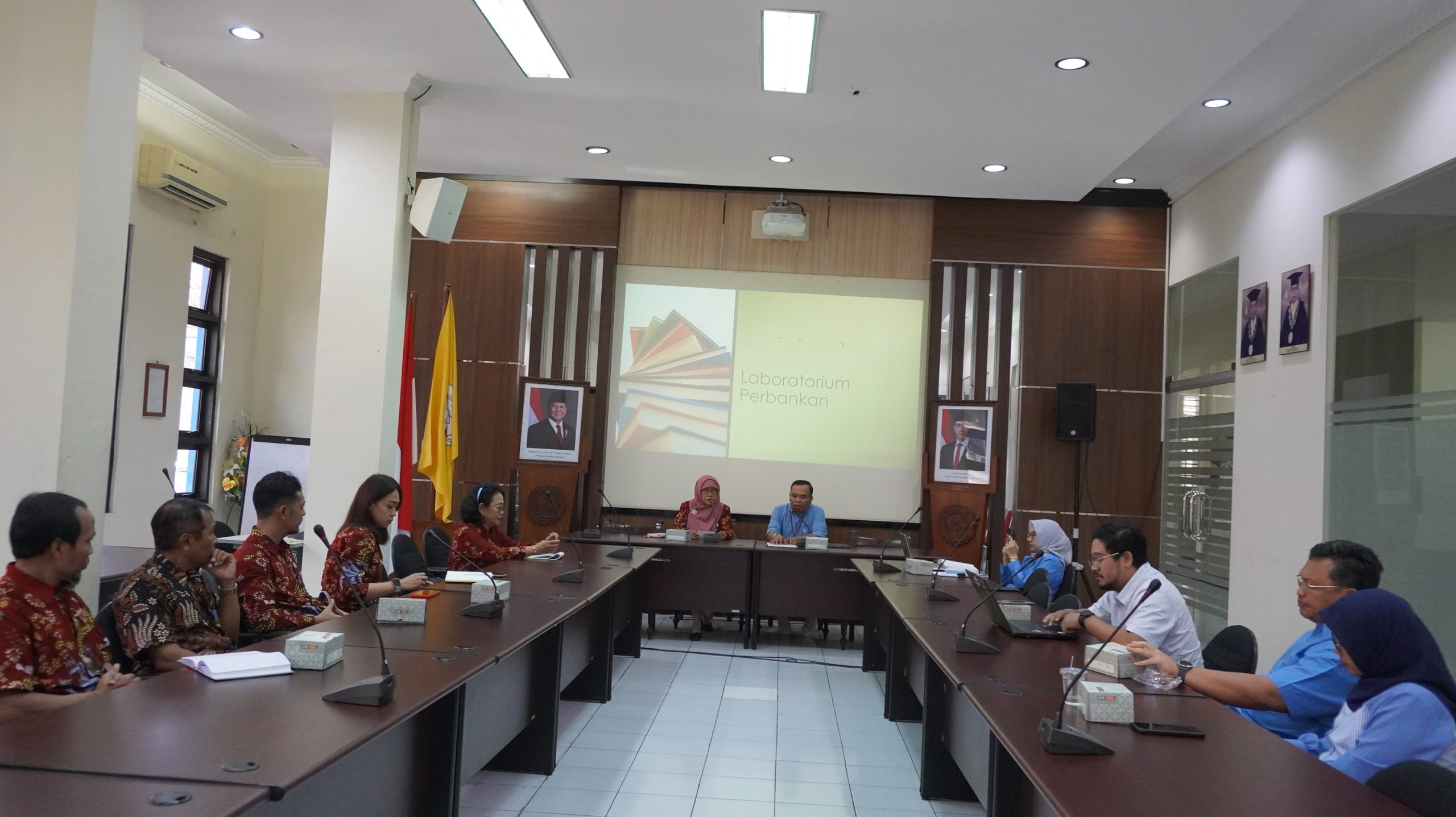
 Dr. Sutaryo, S.E., M.Si., Ph.D., Ak., CA., Vice Dean for Non-Academic Affairs at FEB UNS, extended a warm welcome and expressed gratitude for the visit. He emphasized the importance of discussing potential areas of collaboration and took the opportunity to introduce the FEB UNS leadership team present at the meeting.
 Dr. Sutaryo also highlighted the various laboratories available at FEB UNS to support learning. These include the Banking Laboratory, Project-Based Learning (PBL) Laboratory, Entrepreneurship Laboratory, Financial Technology (Fintech) Laboratory, Logistics and Export-Import Laboratory, Data and Analytics Laboratory, Investment Gallery, and Computer Laboratory.
 During the visit, Dr. Lilis Silistuani, S.E., M.Si., Ak., CA., Dean of FEB UNDHA AUB, expressed her appreciation for the warm reception. After introducing her team, she explained that the primary purpose of the visit was to exchange insights on the management of the Banking Simulation Laboratory.
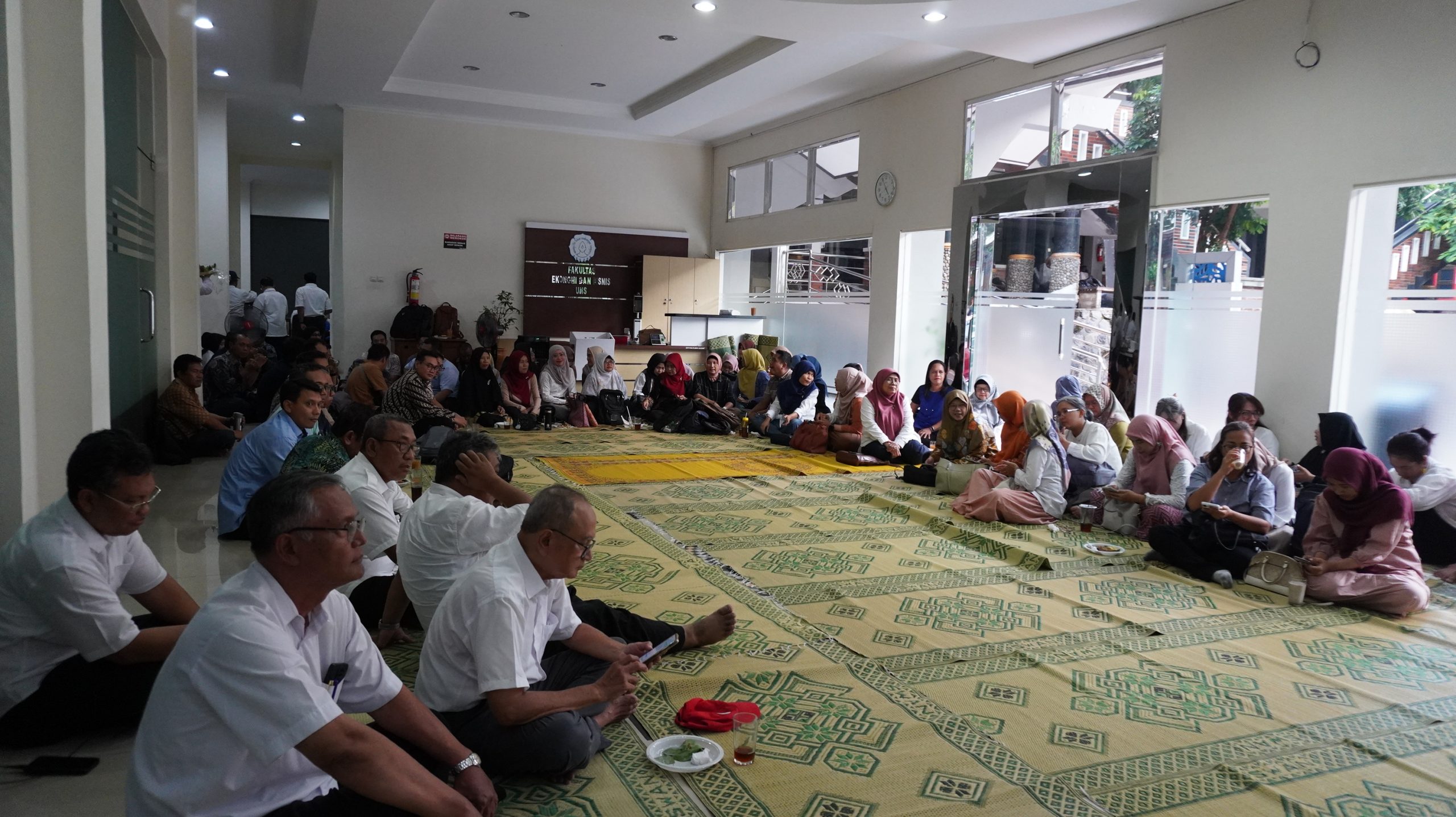

 He also noted that the sarasehan was a moment of gratitude for PDIE’s journey over the past 16 years. “We are gathered here to express our gratitude for PDIE reaching its 16th year, marking its second lustrum as part of FEB UNS,” he stated.
 In this occasion, Dr. Siti Aisyah Tri Rahayu, S.E., M.Si., was introduced as the Head for the Development Economics track, while Dr. Hidajat Hendarsjah, S.Si., M.M., was introduced as the Head for the Management track. Additionally, the forum marked the official establishment of the Himpunan Mahasiswa Program Doktor Ilmu Ekonomi (HMPDIE), a student association for PDIE students, with Adhitya Agri Putra, a student from the 2022 first academic session, appointed as its first chairman.
 Prior to this occasion, PDIE did not have a formal student association. The establishment of HMPDIE is expected to facilitate various academic and extracurricular activities and serve as a bridge between students and the PDIE administration for conveying feedback and addressing concerns.
 The sarasehan was conducted successfully, with valuable input, suggestions, and constructive feedback from faculty, students, and alumni. These contributions will play an important role in helping PDIE achieve academic excellence and strengthen its reputation both nationally and internationally.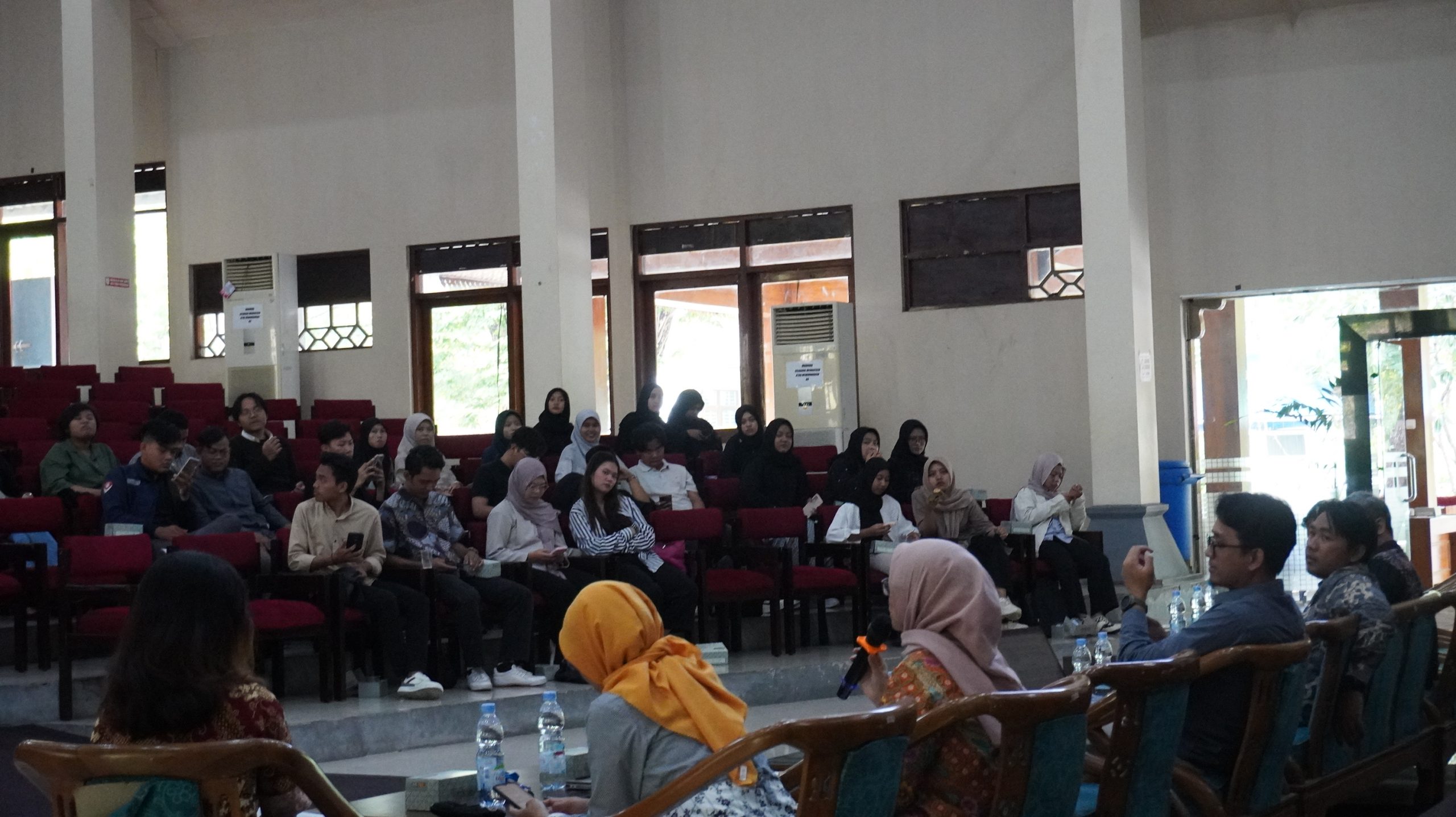
 Prior to the dialogue, BEM conducted a service satisfaction survey covering four key areas: academic services, student affairs, facilities and infrastructure, and financial services. The survey was conducted from September 29 to October 13, 2024, through Google Forms, with 126 FEB UNS students participating. The sampling method used was simple random sampling to ensure broad representation of the student body.
 She further encouraged students to adopt an intellectual approach when raising concerns, such as conducting research or publishing well-written pieces in appropriate media channels. According to her, this method increases the likelihood of their voices being heard.