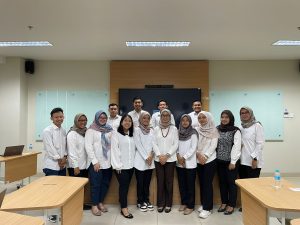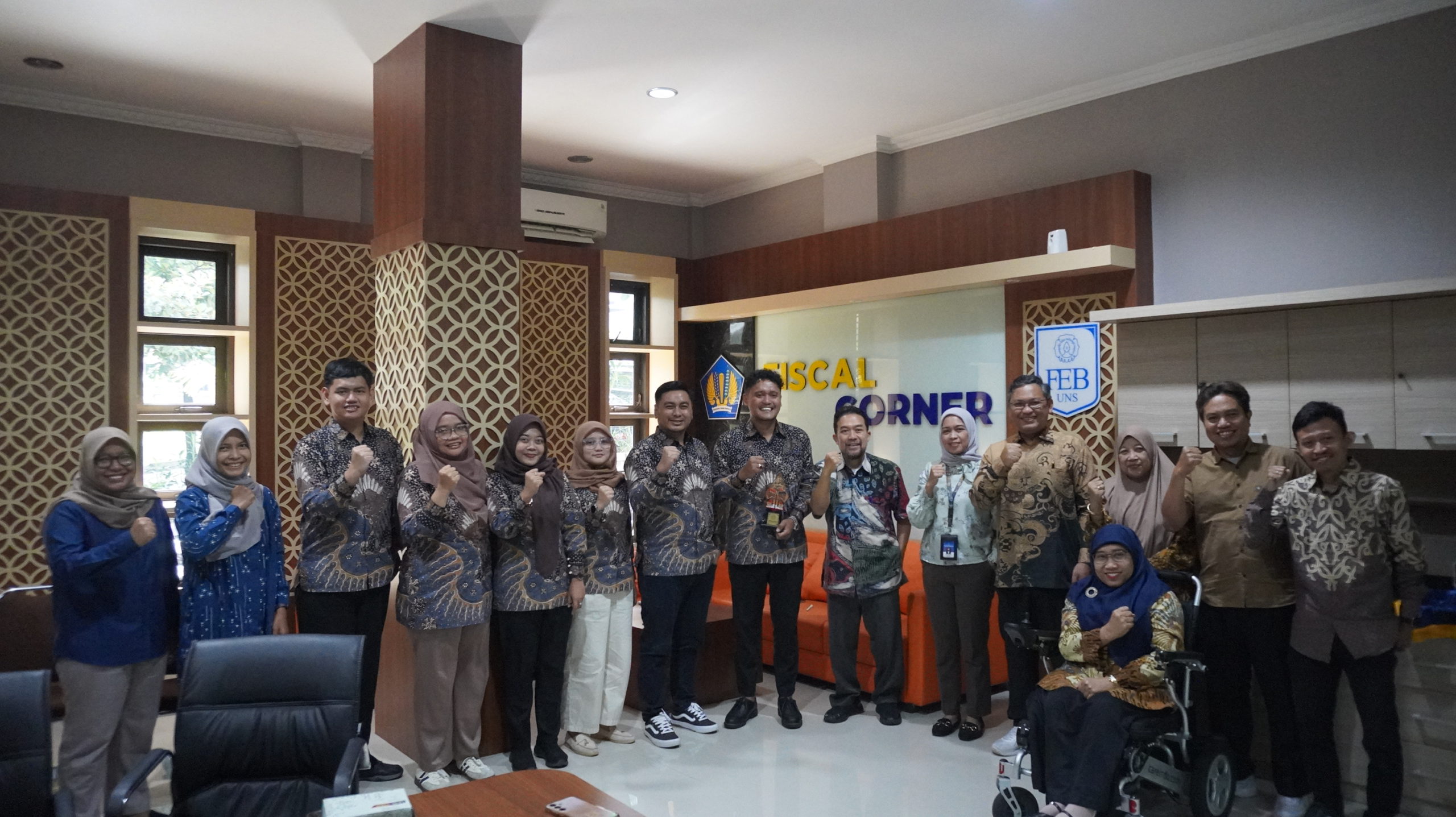
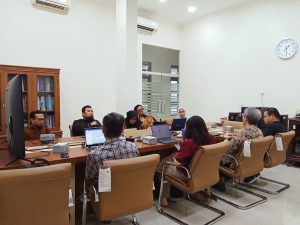
Fakultas Ekonomi dan Bisnis (FEB) Universitas Sebelas Maret (UNS) menerima kunjungan benchmarking dari Program Studi S1 Akuntansi Kampus UNESA 5, Universitas Negeri Surabaya (UNESA), pada Kamis, 22 Januari 2026, di Ruang Fiscal Corner, Gedung Soeharno TS FEB UNS.
Kegiatan ini bertujuan untuk memperkuat tata kelola akademik, meningkatkan mutu program studi, serta memperluas jejaring dan kolaborasi antarinstitusi perguruan tinggi.
Kegiatan benchmarking dihadiri oleh jajaran pimpinan FEB UNS, dosen Program Studi Akuntansi.
 Rombongan dari UNESA disambut langsung oleh Dekan FEB UNS, Prof. Bhimo Rizky Samudro, S.E., M.Si., Ph.D.
Dalam sambutannya, Prof. Bhimo menyampaikan bahwa kunjungan benchmarking ini merupakan momentum yang sangat baik, seiring dengan pengembangan dan pembukaan program studi baru di FEB UNS. Ia menegaskan bahwa perbedaan karakter dan basis antarperguruan tinggi justru menjadi kekuatan untuk saling melengkapi.
“Ketika kami menerima surat dari UNESA, kebetulan kami baru membuka program studi. Ini saya rasa menjadi kesempatan yang baik. Walaupun basisnya berbeda, UNESA lebih kuat pada kependidikan, justru dari situlah kami banyak belajar, khususnya terkait pengajaran,” ungkapnya.

Lebih lanjut, Prof. Bhimo menjelaskan bahwa sistem kependidikan, pengembangan kurikulum, serta metode pembelajaran yang telah mapan di UNESA dapat menjadi referensi penting bagi FEB UNS. Sebaliknya, FEB UNS juga membuka ruang berbagi praktik baik dalam pengelolaan akademik dan pengembangan program studi.
Ia juga menekankan bahwa potensi kerja sama dapat dilakukan secara bertahap, baik secara parsial maupun per program studi. Beberapa bidang yang berpeluang untuk dikolaborasikan antara lain pengelolaan jurnal ilmiah, pengembangan kelas internasional, serta pelaksanaan Rekognisi Pembelajaran Lampau (RPL).

Dalam sesi selanjutnya, Ketua Program Studi S1 Akuntansi FEB UNS, Prof. Doddy Setiawan, S.E., M.Si., Ph.D., Ak. menyampaikan paparan mengenai profil dan pengelolaan Program Studi Akuntansi.
Paparan tersebut mencakup kurikulum, sistem pembelajaran, tata kelola akademik, hingga berbagai inovasi dan program pengembangan yang telah dijalankan. Sesi ini menjadi ruang diskusi interaktif dan pertukaran praktik baik antara FEB UNS dan Program Studi S1 Akuntansi UNESA.
Melalui kegiatan benchmarking ini, diharapkan terjalin sinergi dan kolaborasi berkelanjutan antara FEB UNS dan UNESA dalam rangka peningkatan kualitas pendidikan tinggi, khususnya di bidang akuntansi.

Kegiatan ini mendukung pencapaian Sustainable Development Goals (SDGs), khususnya SDG 4 (Pendidikan Berkualitas) dan SDG 17 (Kemitraan untuk Mencapai Tujuan) melalui penguatan mutu akademik dan kolaborasi antarinstitusi perguruan tinggi.


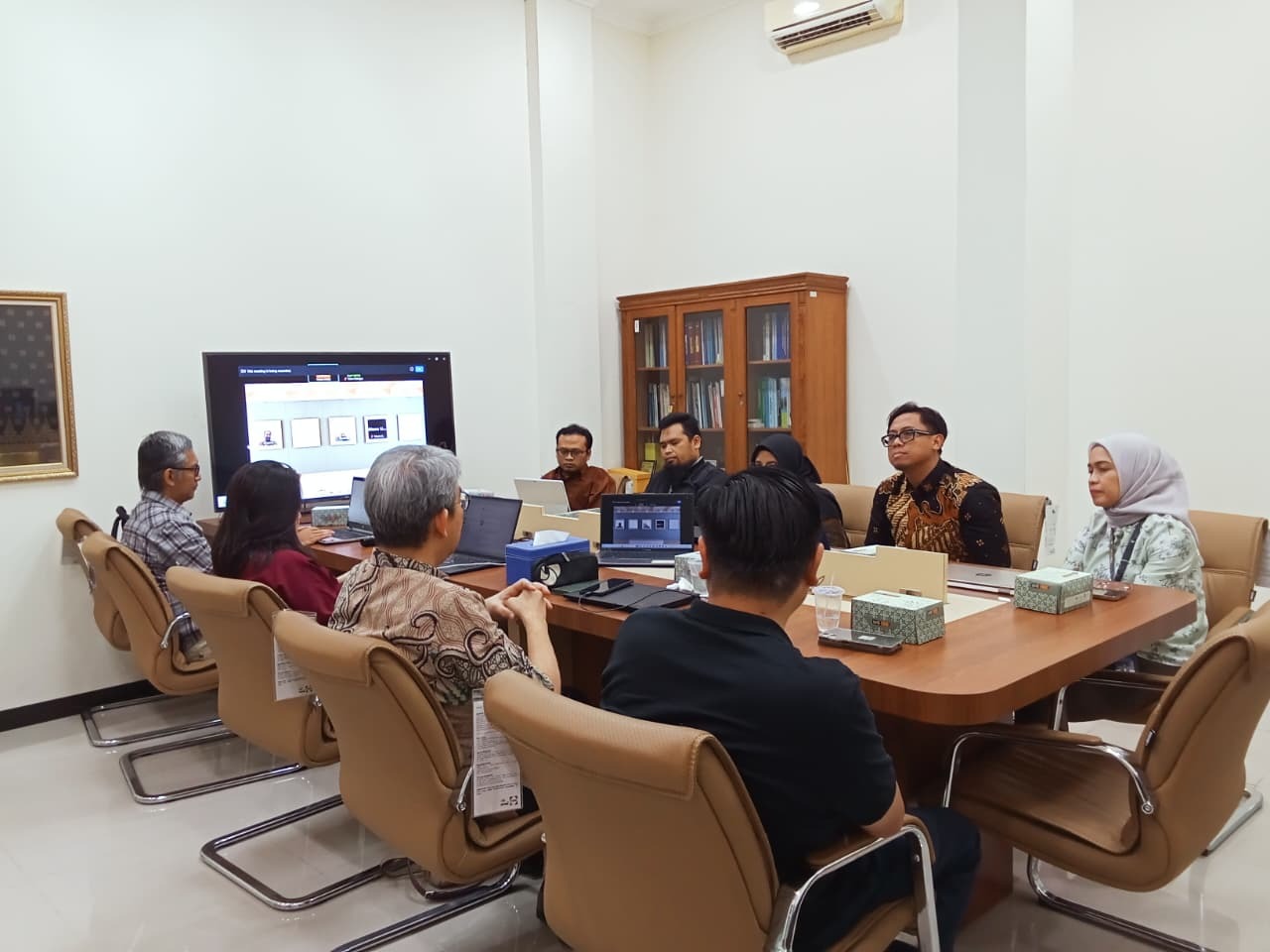
 The Vice Dean for Academic and Research Affairs FEB UNS, Prof. Tri Mulyaningsih, S.E., M.Si., Ph.D., expressed her appreciation for the visit and affirmed FEB’s readiness to engage in strategic collaboration. She emphasized the importance of cross-sector synergy in developing research with tangible impact. According to her, the involvement of partners from associations, industry, and government institutions will enhance the quality of research outputs and Community Engagement, while also strengthening institutional recognition at the university level.
 The Chairman of HIPELKI, dr. Randy H. Teguh, M.M., explained that the whitepaper aims to provide a comprehensive overview of the conditions and challenges facing the national medical device industry. The document is expected to serve as a reference in the formulation of fiscal policies and government support for strengthening the domestic medical device industry.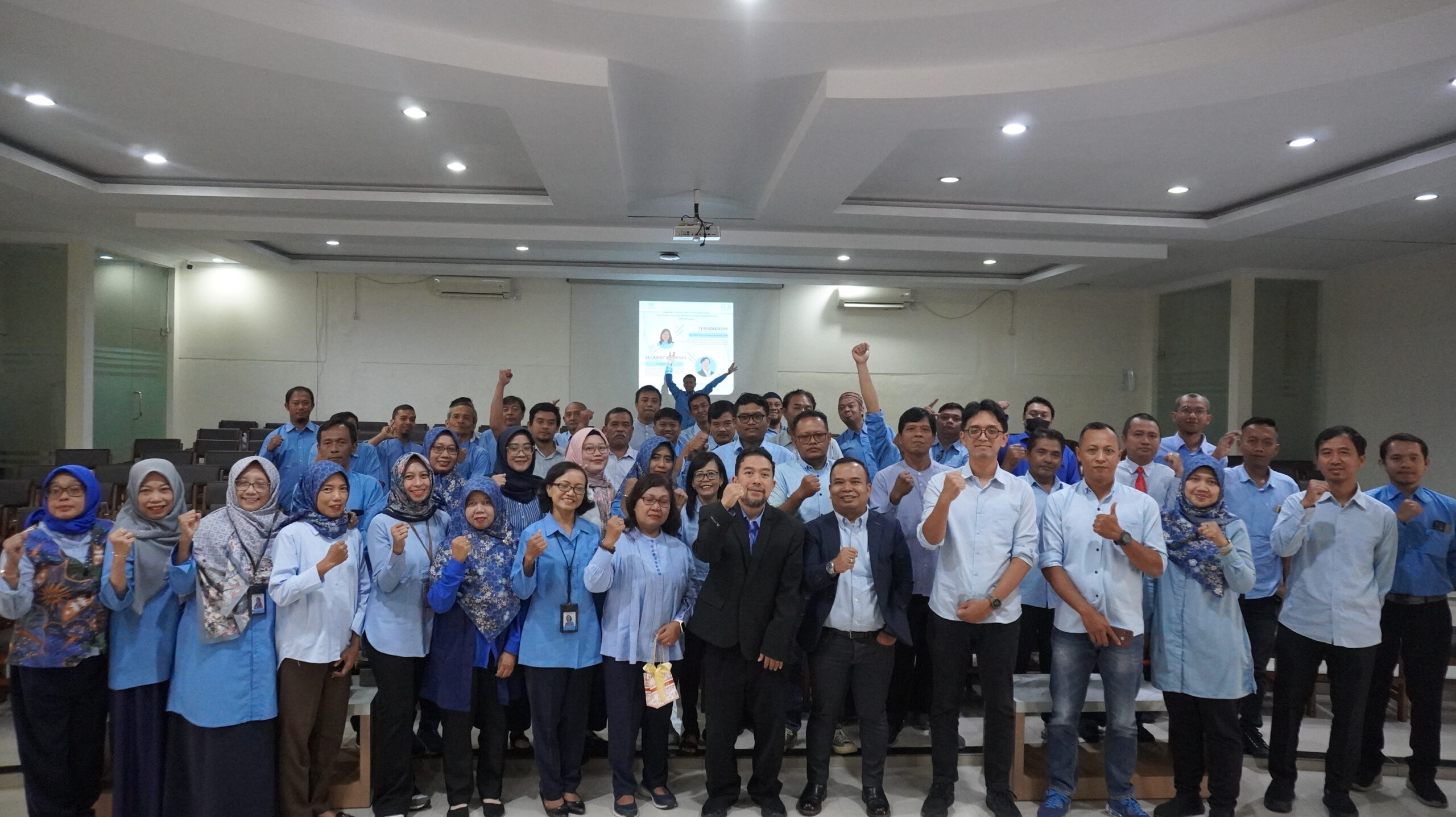
 In her remarks, the Dean of FEB UNS, Prof. Bhimo Rizky Samudro, S.E., M.Si., Ph.D., expressed his appreciation and gratitude for the dedication of all Academic Support Staff. “Hopefully, 2026 will be a better year. Despite differences in working styles and individual characteristics, we must remain united as one team and uphold a shared vision in developing FEB,” the Dean stated.
 Meanwhile, the Vice Dean for Non-Academic Affairs, Sutaryo, S.E., M.Si., Ph.D., Ak., CA., CRA., CRP., ACPA, conveyed that the Dean Office remains open to evaluations and feedback from Academic Support Staff regarding faculty management over the past one year and three months. He noted that staff rotation, reassignment, and human resource development are the elements of a healthy organizational mechanism and are not based on subjective considerations. In his address, the Vice Dean also highlighted the importance of enhancing the competencies of Academic Support Staff at both national and international levels as strategic support for FEB UNS’s target of achieving AACSB international accreditation. Certification programs, including those from the National Professional Certification Agency (BNSP) and international Microsoft certifications, continue to be prioritized as part of human resource development initiatives in 2026.
 “International accreditation is not a simple undertaking and cannot be achieved without the contribution of Academic Support Staff and students. Therefore, improving staff competency is a shared necessity,” he asserted.
 Through this activity, FEB UNS reaffirmed its commitment to building professional, inclusive, and sustainable faculty governance by positioning strong synergy between leadership and Academic Support Staff as the primary foundation toward an excellent and globally competitive faculty.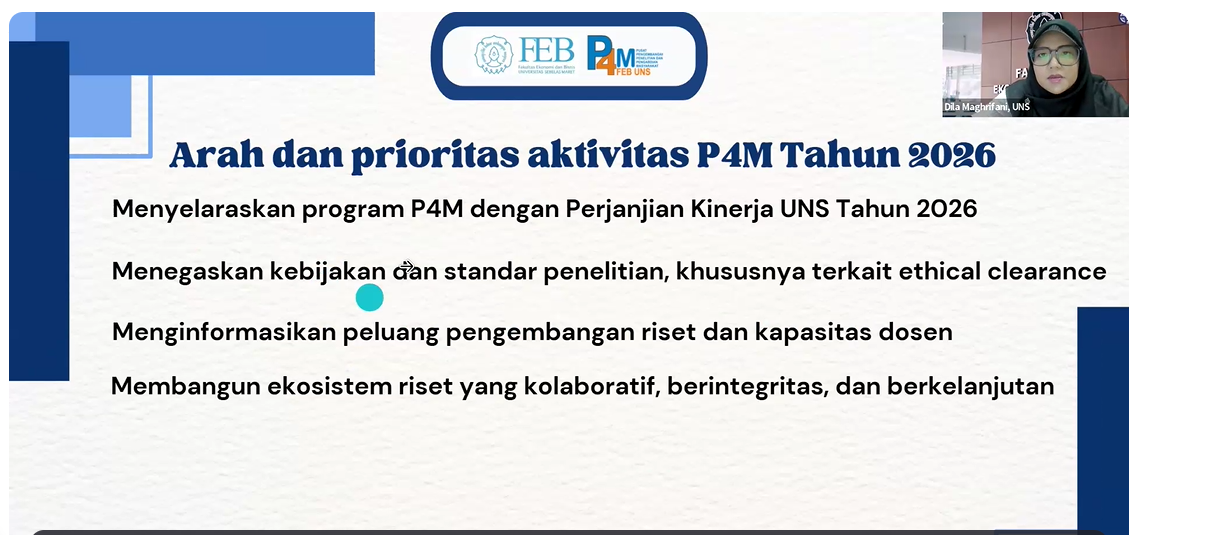
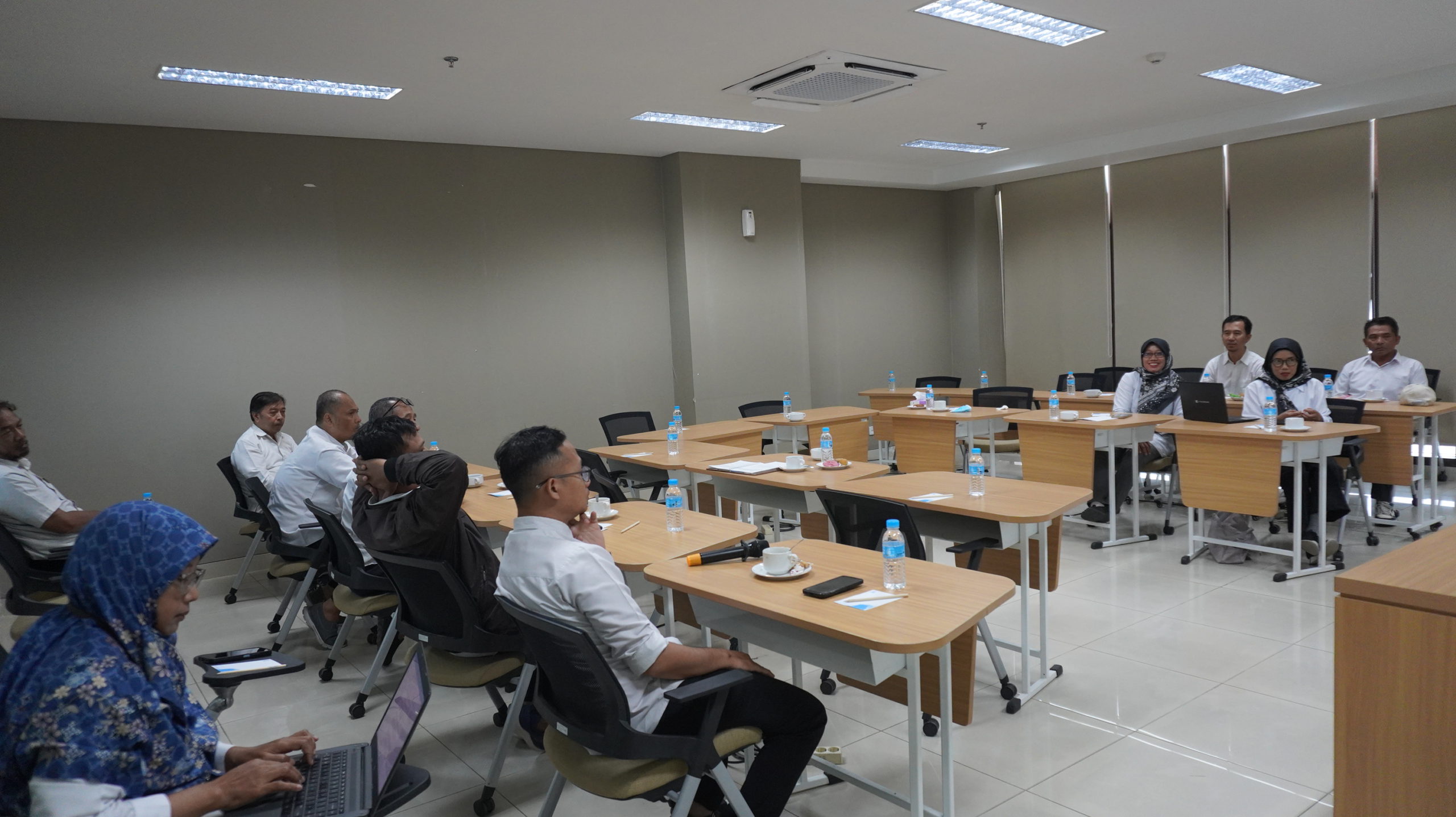
 The Vice Dean for Academic and Research Affairs FEB UNS, Prof. Tri Mulyaningsih, S.E., M.Si., Ph.D., opens the workshop by expressing her appreciation and gratitude to all Academic Support Staff in the Academic Affairs division for their responsibility, dedication, and collaboration throughout 2025.
 The workshop is designed as an open and constructive dialogue. All attending Academic Support Staff are provided with adequate opportunities to share challenges and provide input as material for evaluation and improvement of academic services.
 The system is expected to improve cross-unit coordination, increase the effectiveness of learning evaluation, and support data-informed decision-making based on continuous feedback. This activity aligns with the achievement of the Sustainable Development Goals (SDGs), particularly SDG 4 (Quality Education) through the improvement of academic service quality, as well as SDG 16 (Peace, Justice, and Strong Institutions) by promoting effective, transparent, and participatory governance in higher education institutions.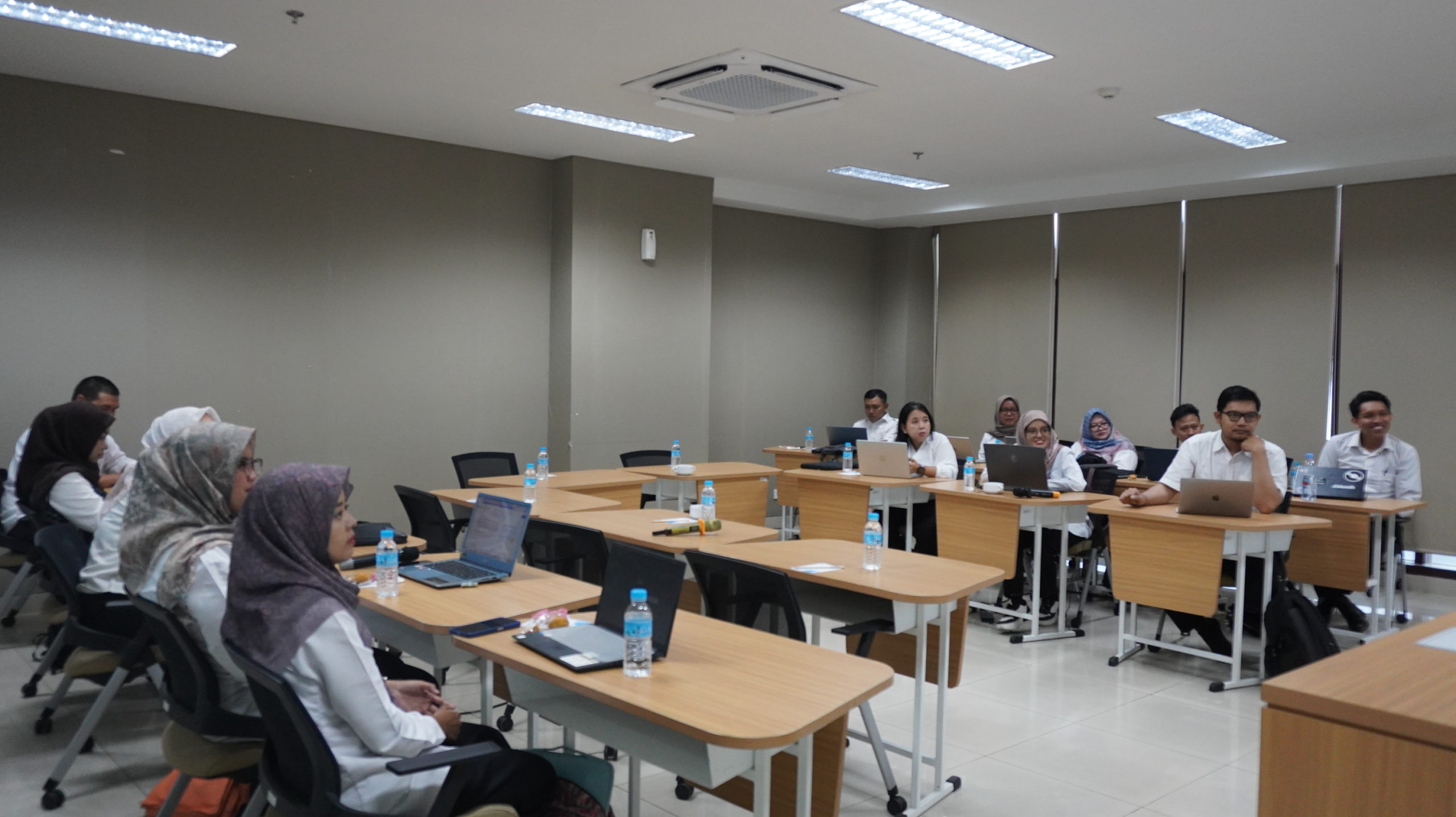
 The Vice Dean for Academic and Research Affairs of FEB UNS, Prof. Tri Mulyaningsih, S.E., M.Si., Ph.D., in her opening remarks emphasizes the importance of implementing the Learning Management System (LMS) as a key strategy to support the achievement of UNS Key Performance Indicators (IKU). Prof. Tri explains that although various terms are commonly used in digital learning practices, such as Massive Open Online Courses (MOOCs), the official use of the term LMS at FEB UNS aligns with provisions stipulated in the Rector’s Regulation.
 The workshop also presents examples of good practices in LMS utilization, management of online courses, and opportunities for the development of digital-based learning, including the expansion of online learning through micro-credential schemes. With optimal LMS support, FEB UNS reaffirms its commitment to continuously improve the quality of the teaching and learning process in ways that respond to technological developments and student needs. Through this activity, FEB UNS expects lecturers to become increasingly prepared and competent in integrating digital technology into instruction, while contributing to the improvement of sustainable higher education quality.