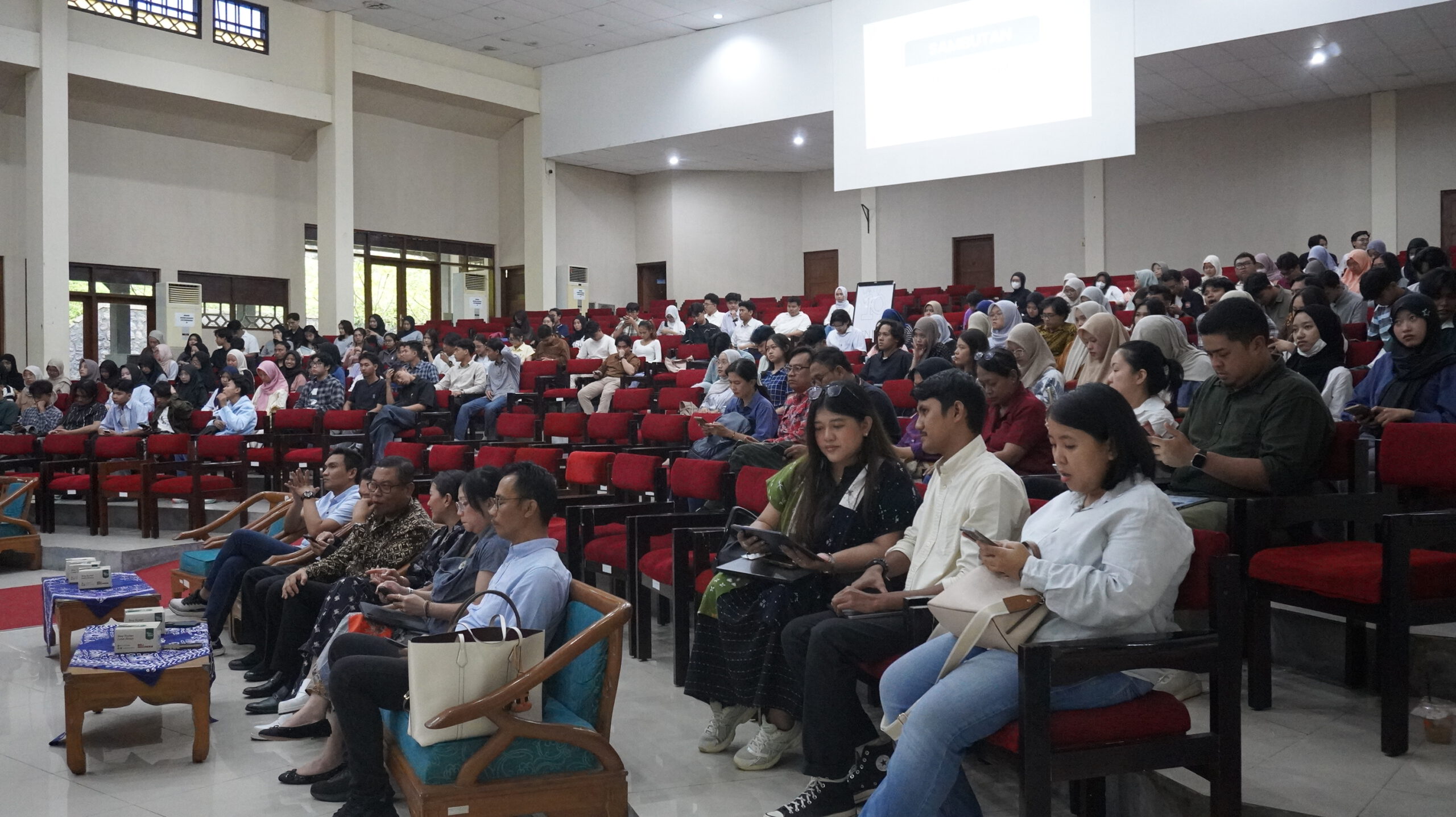
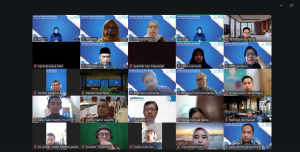
Faculty of Economics and Business (FEB), Universitas Sebelas Maret (UNS), hosted the “FutureFin” as part of the “Tech for Indonesia” initiative at the Suhardi Building Hall of FEB UNS on Tuesday, 3 March 2026. Taking on the theme of “Exploring Digital Lending Through Data, Ethics and Critical Thinking,” the event brought together representatives from academia, industry, and regulators to strengthen digital financial literacy and inclusion among students.

The Dean of FEB UNS, Prof. Bhimo Rizky Samudro, S.E., M.Si., Ph.D., highlights the significance of the FutureFin Talk for students, particularly those enrolled in the Digital Business study program, as it provides an opportunity to learn directly from practitioners and stakeholders in the financial technology sector. “Students should not be confined solely to lessons and theories in the classroom. The campus must also be integrated with developments beyond its walls, including those in the industrial world,” he stated.
 He further noted that UNS is currently placing emphasis on integrating academic activities with the Sustainable Development Goals (SDGs) agenda, particularly SDG 4: Quality Education, and expressed the hope that events such as this would provide students with new insights and perspectives from competent speakers.
The Head of the Surakarta Branch for the Financial Services Authority (OJK), Eko Hariyanto, extended appreciation to FEB UNS for its commitment to supporting the enhancement of financial literacy and inclusion through the organization of educational activities for students. OJK also acknowledged the contribution of fintech company AdaKami in participating in financial literacy and inclusion programs in Indonesia by engaging students as participants in this event.
On the other hand, the Head of Digital Business Study Program, Aldy Fariz Achsanta, S.E., M.Rech., Ph.D., conveyed that the event serves as a space for students to sharpen and update their knowledge of financial technology, both conceptually and in terms of the practical challenges that arise in its implementation. He noted that participants received perspectives from two speakers representing distinct viewpoints, from the industry and academics, enabling students to develop a more comprehensive understanding of fintech developments.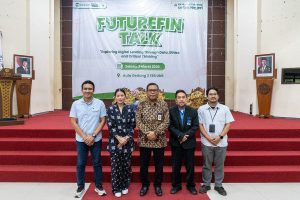
“This event is fundamentally part of a remarkable synergy between the academic world and the industrial world. It is hoped that going forward, this collaboration will involve an even broader range of stakeholders, from the business sector and regulators to the wider community,” he remarked.
He further mentioned that such collaboration is essential to advancing responsible and sustainable financial inclusion, and encouraged students to engage attentively with the material in order to gain direct insight into how the fintech industry operates in practice.
 Through the FutureFin event, students are expected to acquire not only theoretical understanding but also a meaningful discussion experience that offers a tangible perspective on industry practice.


 She further outlined that FEB UNS currently manages four undergraduate programs: Accounting, Management, Development Economics, and Digital Business. At the postgraduate level, FEB UNS offers Master’s programs in Accounting, Management, and Development Economics, as well as a Doctoral Program in Economics with three main concentrations: Accounting, Management, and Development Economics.
 In terms of academic infrastructure, FEB UNS is supported by eight laboratories and one Fiscal Corner, designed to enhance learning processes, professional training, certification programs, and research activities. Undergraduate students are encouraged to obtain professional certifications, while master’s and doctoral students are facilitated in strengthening research competencies. The Research and Community Service Center (P4M) also plays an active role in supporting scholarly research and community engagement initiatives.
 “The benchmarking focus includes curriculum development, study program governance, human resource strengthening, implementation of Outcome-Based Education (OBE), and strategies for national and international accreditation,” she stated.
 Through this benchmarking and academic exchange, FEB UNS aspires to establish sustained inter-university synergy and collaboration in enhancing educational quality, graduate relevance, and institutional competitiveness at both national and global levels.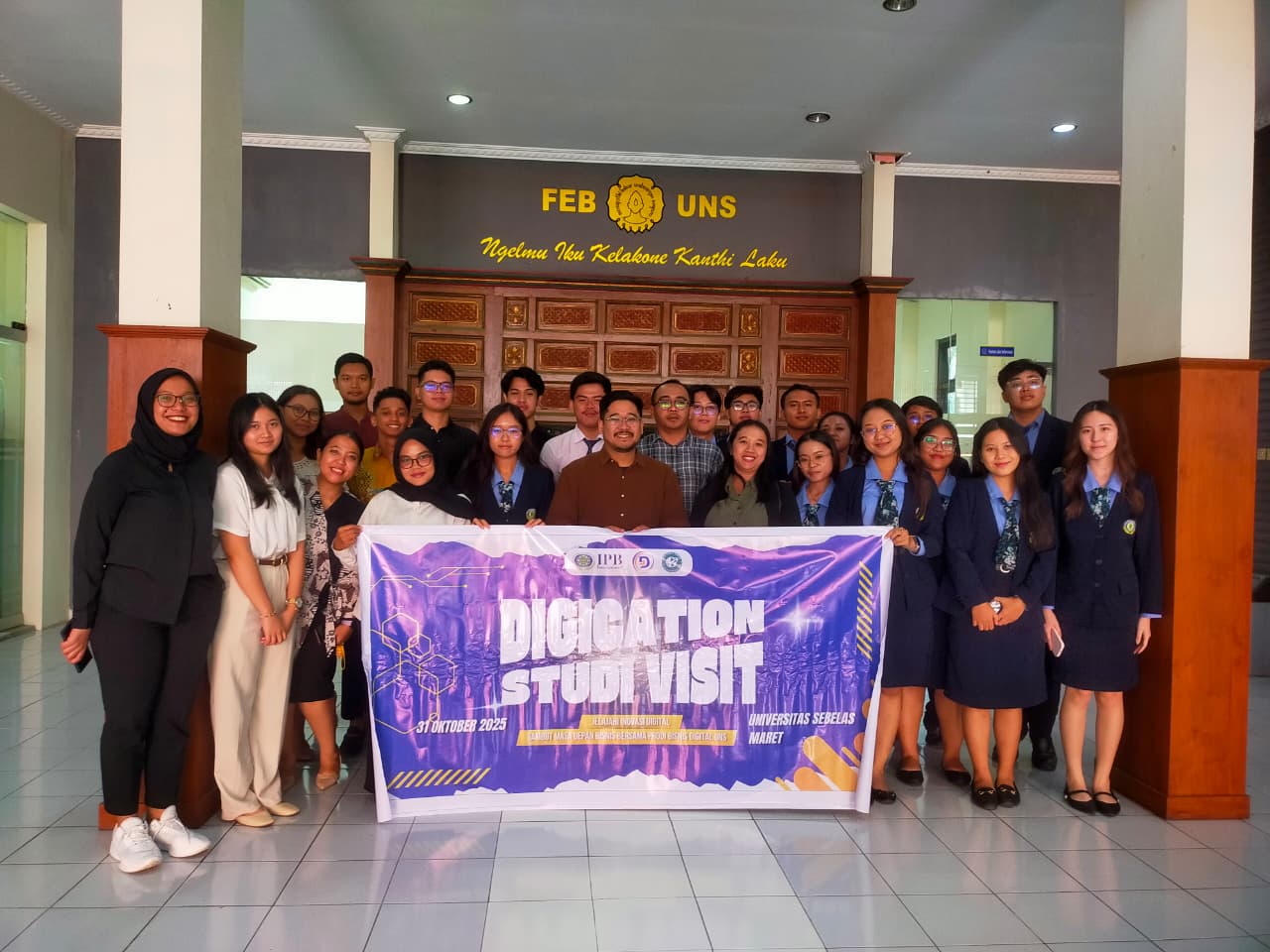


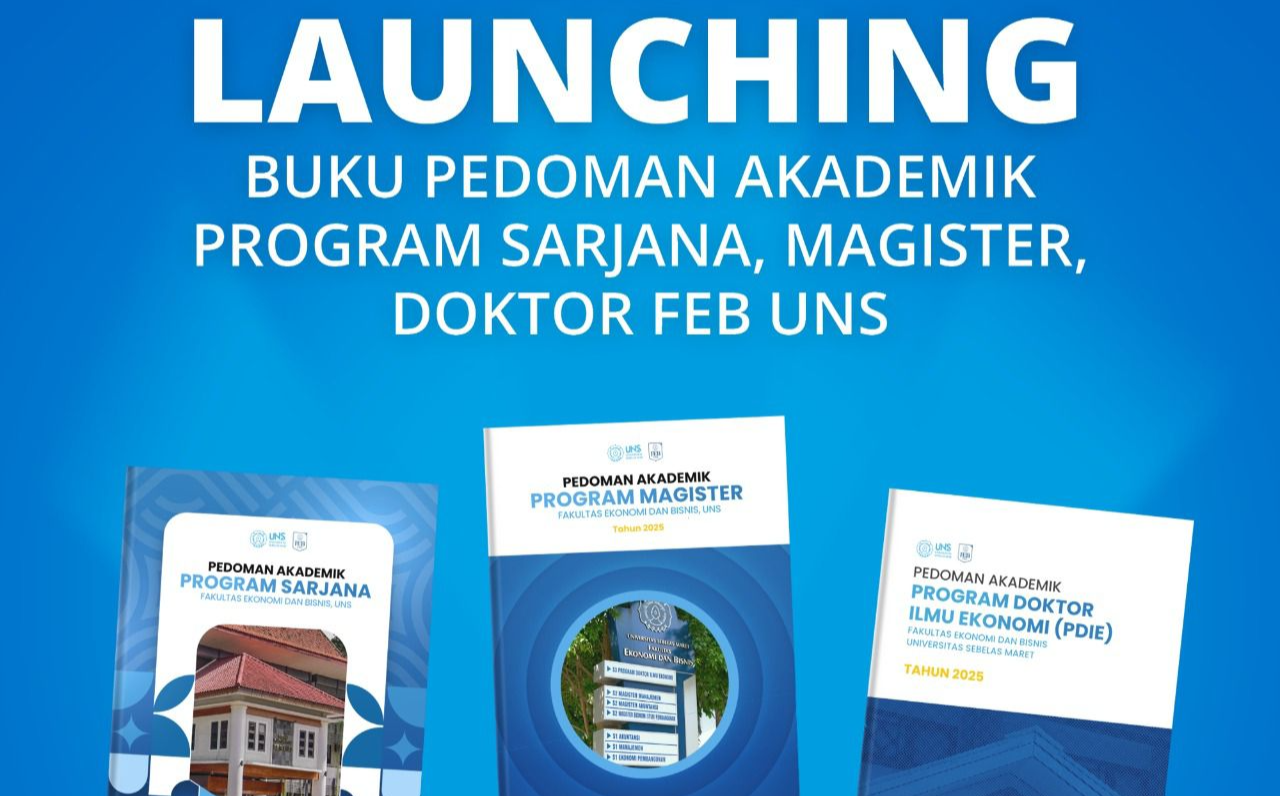
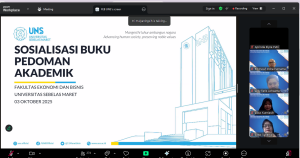 “There are two main objectives of this activity: improving the quality of graduates and enhancing the quality of curriculum and learning experiences. The academic and curricular information presented in this handbook will help students to graduate on time, acquire knowledge and skills relevant to the job market, and ensure a meaningful and enjoyable learning experience at FEB UNS,” she explained.
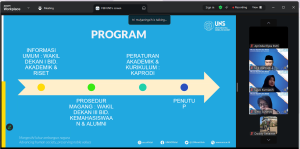
 Through the launch of this Academic Handbook, FEB UNS hopes that all students can follow a clearer academic path, understand their rights and responsibilities, and make full use of the available learning facilities. This initiative also reaffirms FEB UNS’s commitment to supporting the achievement of the Sustainable Development Goals (SDGs), particularly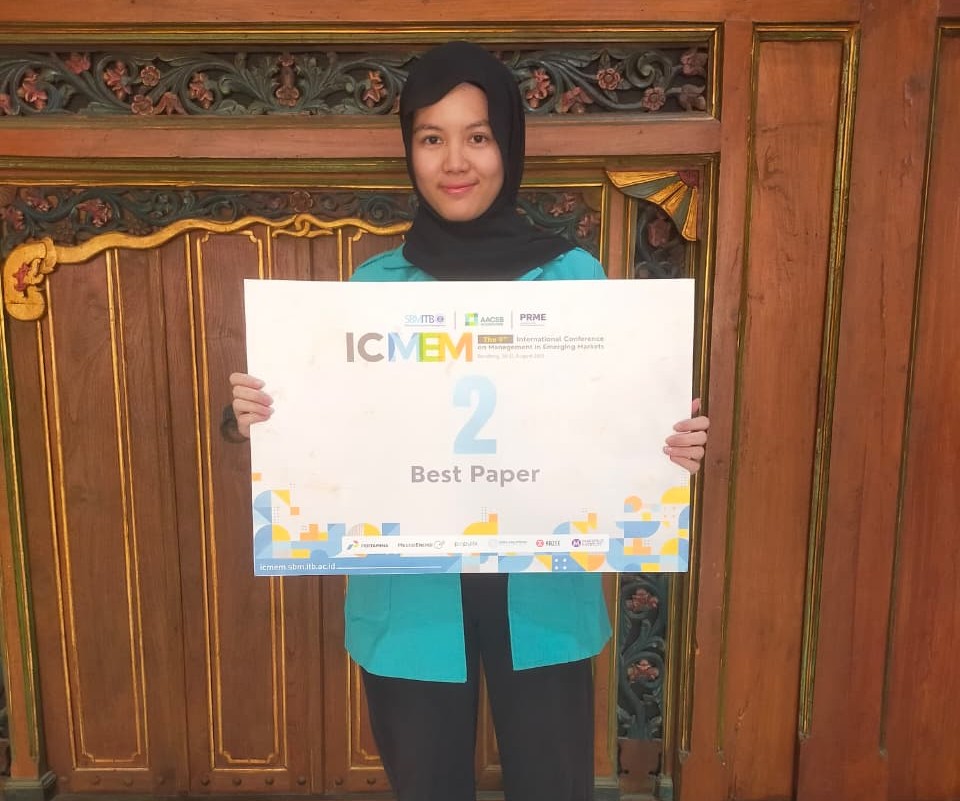
 Presenting an article entitled “Gender Diversity on Corporate Boards and ESG Controversies: A Sector-Sensitive Analysis of Women in Governance,” she highlights the relationship between gender diversity on corporate boards and Environmental, Social, and Governance (ESG) controversies in Indonesia. Drawing upon the Upper Echelons Theory and Resource-Based View (RBV), the research examined four sensitive sectors: energy (PT Pertamina), mining (PT Adaro Energy), agribusiness (PT Astra Agro Lestari), and banking (Bank Rakyat Indonesia).
 ICMEM 2025 served as an international forum bringing together academics, practitioners, and researchers from various countries to discuss business and management challenges in emerging markets. This accomplishment further strengthens UNS’s commitment to producing research that is relevant to global challenges, inclusive, and sustainable.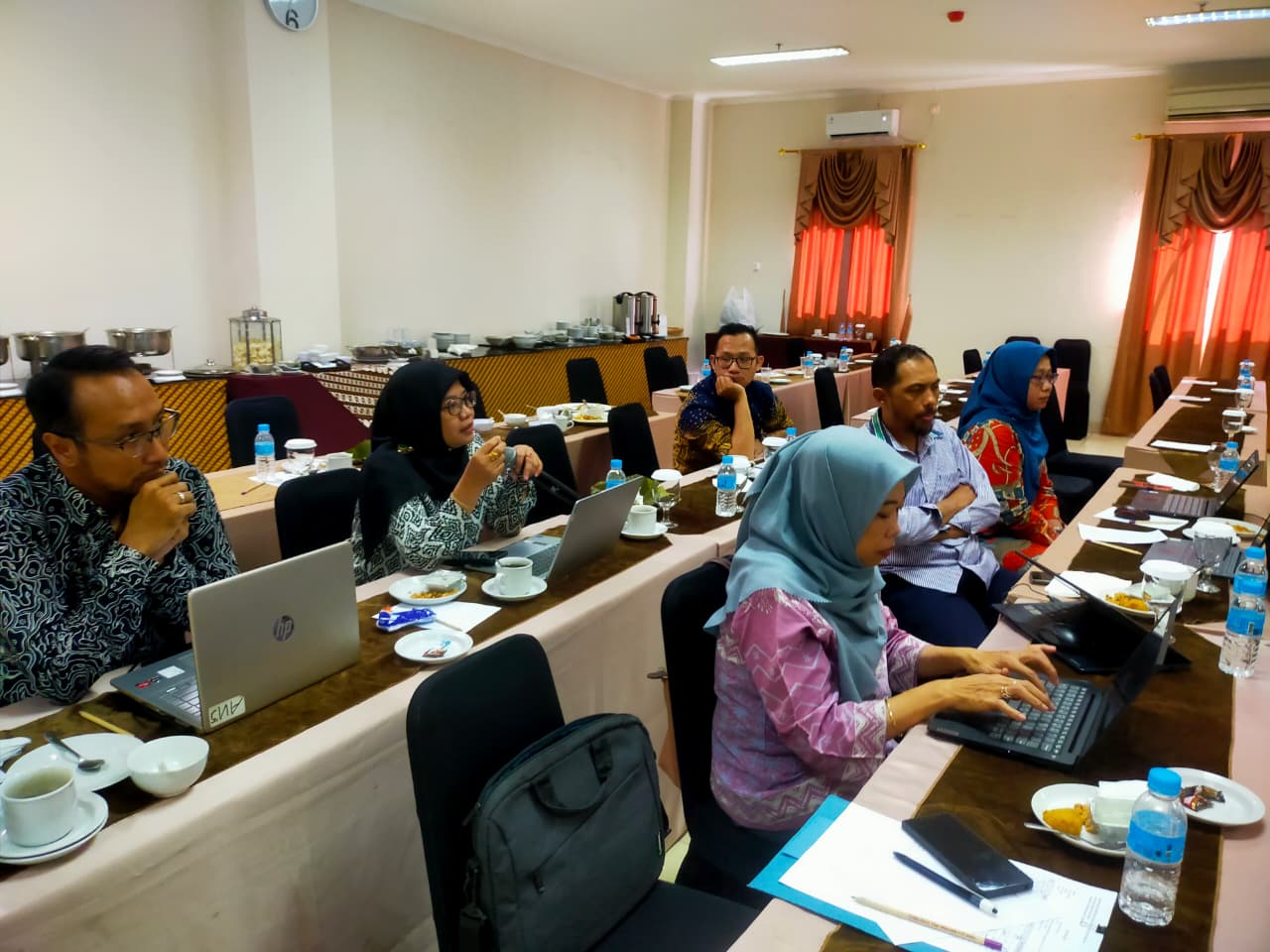

 This initiative is a joint-effort undertaken by the Academic Affairs Division (Division 1) and the Student and Alumni Affairs Division (Third Division). In its presentation, the Division highlighted the importance of structuring mandatory internships, which apply generally to all study programs and must be reported to each program. On the other hand, there are also independently managed internships by students within the MBKM framework, now known as Impactful Internships.
 It is important to understand that the current implementation of internships refers to Ministerial Regulation (Permendikbudristek) No. 63 of 2024 on the Implementation of Student Internships. FEB UNS, through Division 3, is committed to preparing and launching the Internship Handbook in the near future. One of the key discussions was the positioning and relationship between Mandatory Internships, MBKM Internships, and Impactful Internships within the curriculum structure and academic policies.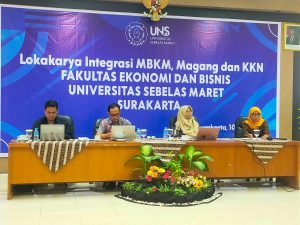
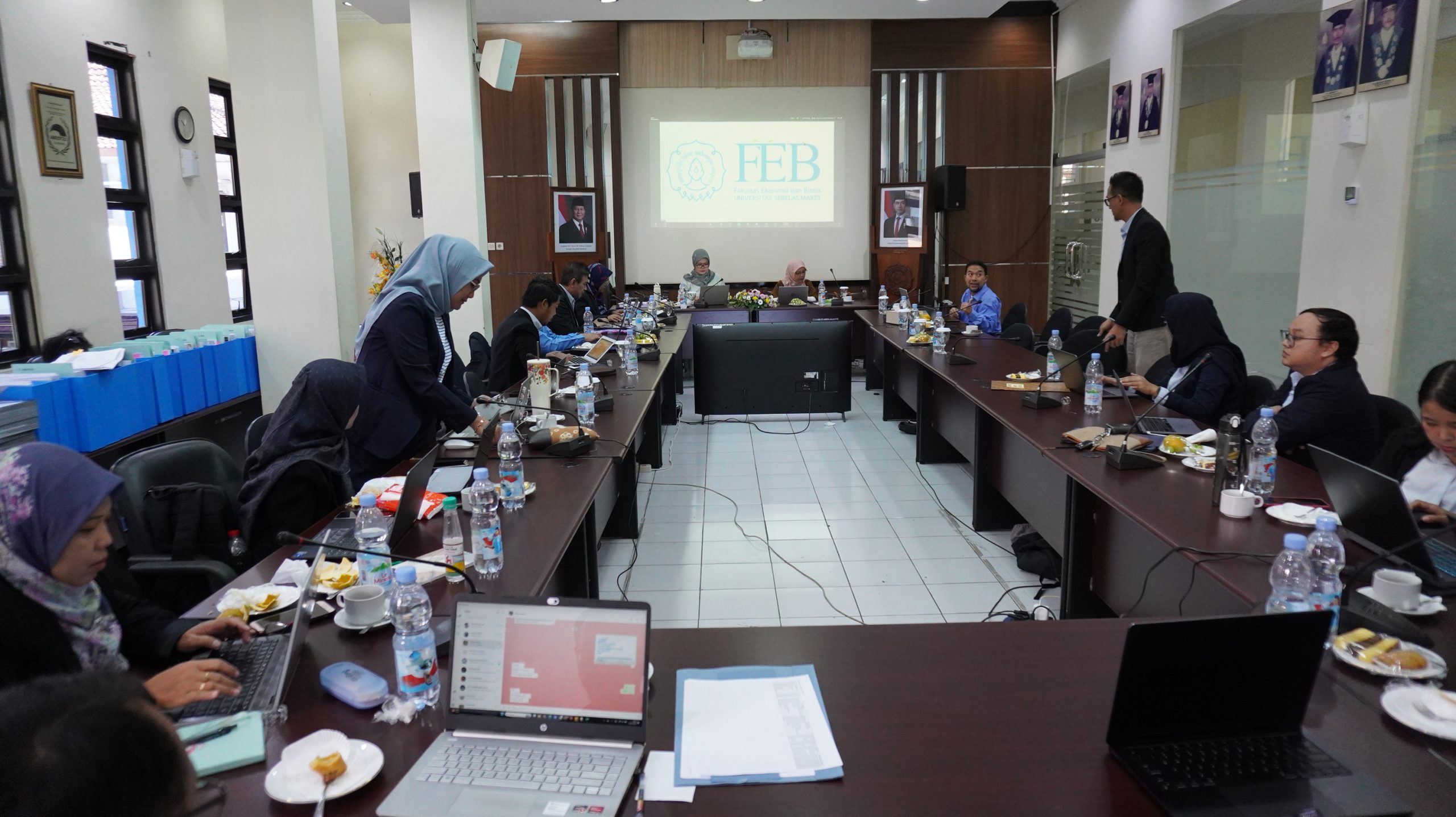
 The assessor team consisted of Prof. Dr. Farida Titik Kristanti, S.E., M.Si., from Telkom University, and Dr. Wuryan Andayani, C.A., M.Si., CSRS., CSRA., CMA., from Universitas Brawijaya. They were formally welcomed at the Rectorate Meeting Room by Prof. Dr. Fitria Rahmawati, S.Si., M.Si., Vice Rector for Academic and Research Affairs, together with the FEB UNS Dean Office, heads of the respective study programs, and representatives from the UNS Institute for Educational Development and Quality Assurance.


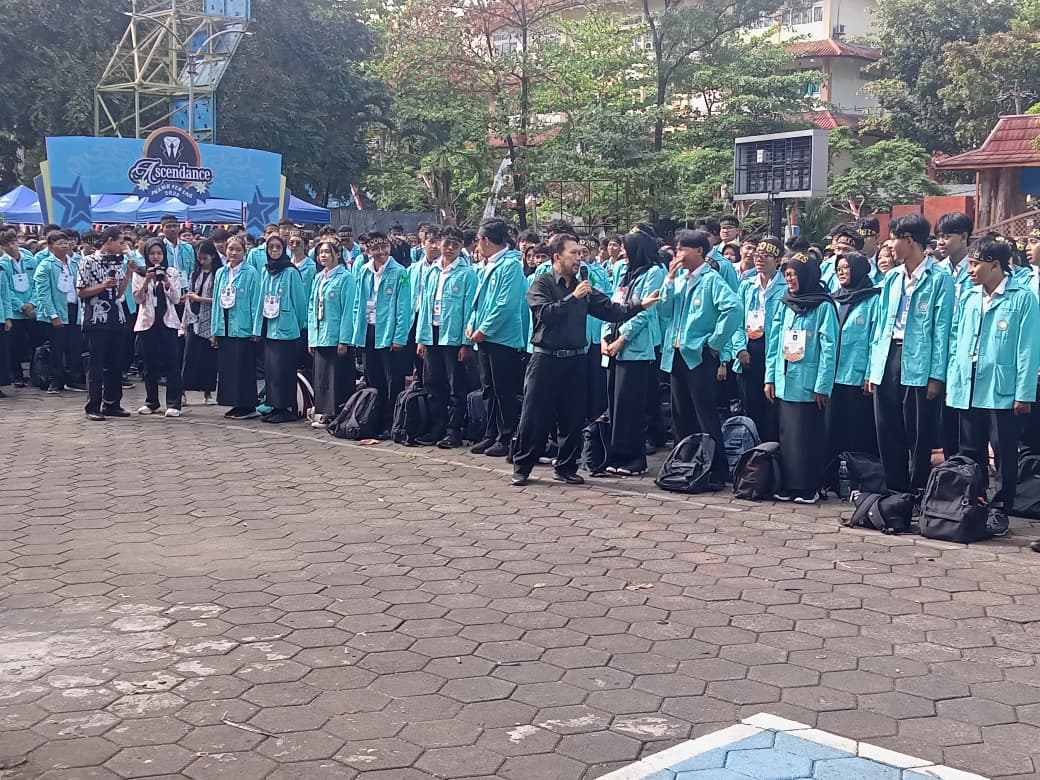
 Dean of FEB UNS, Prof. Bhimo Rizky Samudro, S.E., M.Si., Ph.D., conveyed three key messages in his address: the importance of ethics, building networks, and developing tolerance during the study period on campus. “I would like to remind you, your presence here is not solely due to your own efforts, but also because of the role of God Almighty and the prayers of your parents, especially your mother. A mother’s prayer is vital in your life journey,” said Prof. Bhimo.
 Following his speech, Prof. Bhimo introduced the Vice Deans, Heads of Study Programs, the Head of Administrative Office, and Heads of Subdivision of FEB UNS.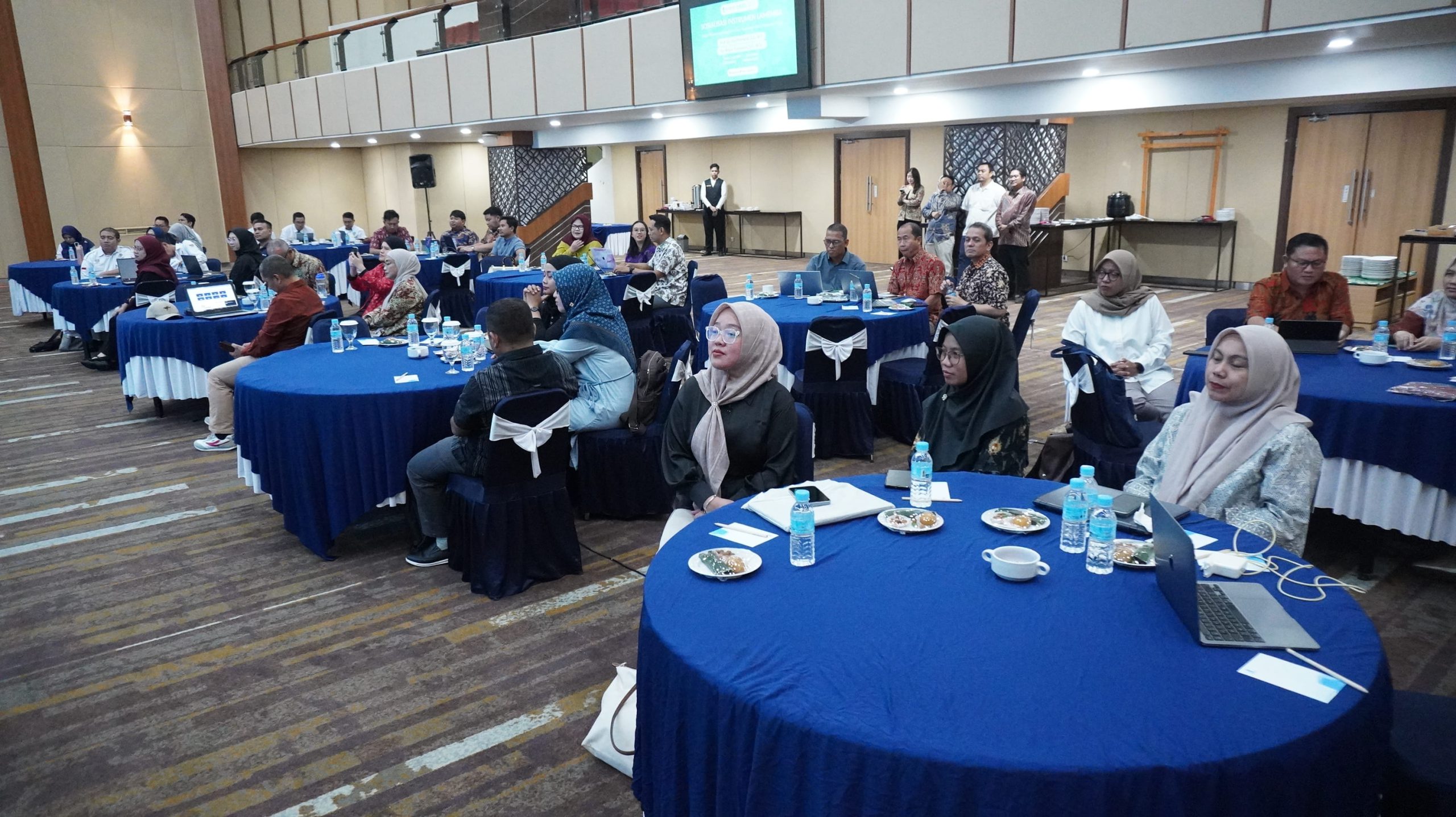
 Attended by Digital Business Study Program administrator from various universities across Indonesia, the event featured speakers from the Executive Board of LAMEMBA (Institute of Accreditation for Economics, Management, Business, and Accounting Programs), Prof. Dr. Ina Primiana, S.E., M.T., and Dr. Ahyar Yuniawan, S.E., M.Si.
 Dr. Mery Citra Sondari, S.E., M.Si., Chair of APBISDI, expressed optimism regarding the promising employment opportunities offered by Digital Business programs. She noted that several Digital Business programs have achieved commendable graduate absorption rates. “We must take advantage of and maintain these opportunities. It is important to ensure that the public does not perceive Digital Business programs as low quality. As a relatively new program, it requires our collective support, both in terms of academic development and industry linkage,” she said.
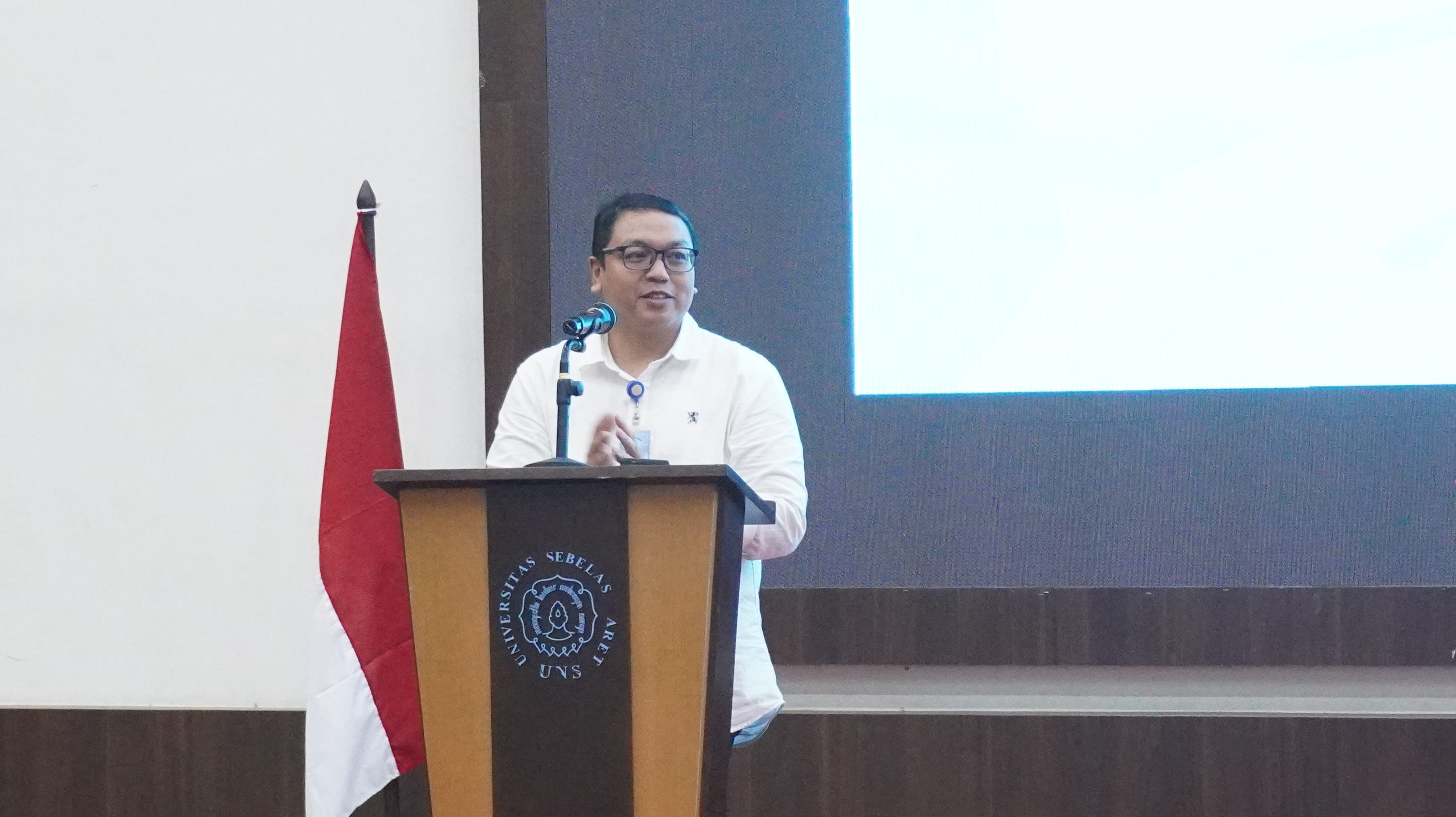 In line with this concern, she also emphasized that APBISDI’s national board places a strong focus on quality. APBISDI has conducted multiple socialization sessions, which will be followed by further workshops tailored to the distinctive nature of Digital Business programs. Additionally, APBISDI is committed to designing and launching various initiatives to advance its programs and agenda. This occasion is expected to deliver substantial benefits that can be implemented by each participating study program, particularly in preparing effective teaching and learning strategies in pursuit of excellent accreditation.
 Concluding his remarks, Prof. Irwan urged all parties to continue strengthening the quality assurance system of the Digital Business program, noting that the market already has trust in its potential. The event, held from morning to late afternoon, featured dynamic discussions in which the speakers responded to various questions, concerns, and suggestions from participants.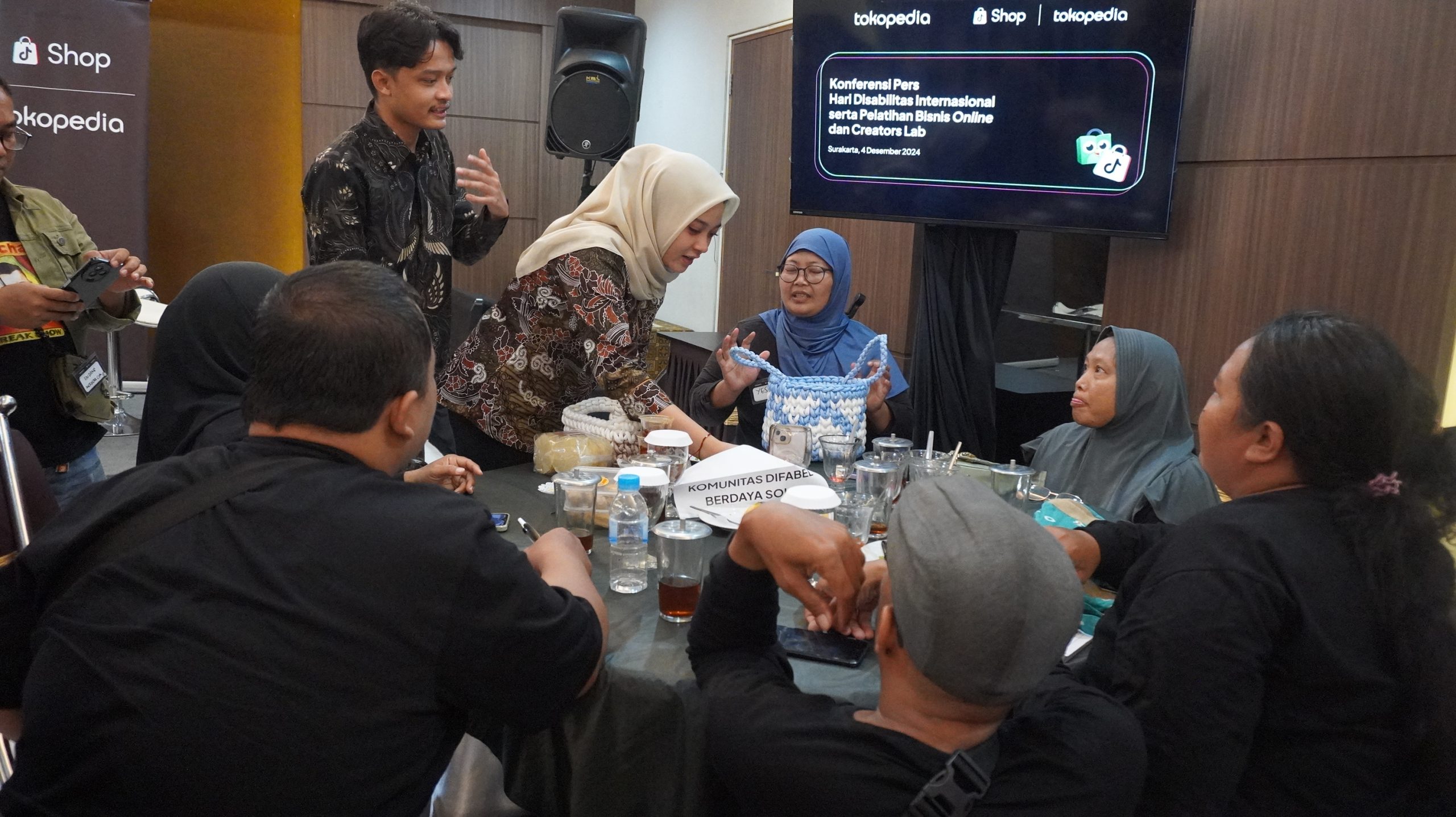
 The seven students were divided among five MSME groups and delivered training sessions focused on creating short, engaging videos designed to attract consumer interest. Several recommendations and tips were provided during the session for producing short-form video content to boost purchase intent.
 First, participants were advised that the most critical time to grab a viewer’s attention is within the first 0-2 seconds by showcasing the product and adding a compelling phrase such as, “This stylish shirt for only 50K?” During the next 3-10 second, the video should highlight product details and demonstrate real-life usage. Each shot should emphasize a different unique selling point. In the final 10–15 seconds, it is advised to include a clear call-to-action (CTA), followed by a closing reminder of the product’s strengths. On-screen text are also encouraged to make the content more informative.
 The MSME participants responded enthusiastically to the student-led training, showcasing a variety of products, including shirts, bags made from colorful stove wicks, snacks, and more.
 Established in 2020, the Difabel Berdaya Solo Community serves as a platform for individuals with disabilities to engage in creative and entrepreneurial activities. It currently has hundreds of members across the Greater Solo area, many of whom run their own MSMEs.