FEB

Kategori: s1_bisnis_digital

  • FEB UNS Digital Business Student Team Wins Second Place in the 2024 National Business Plan Competition

    FEB UNS Digital Business Student Team Wins Second Place in the 2024 National Business Plan Competition

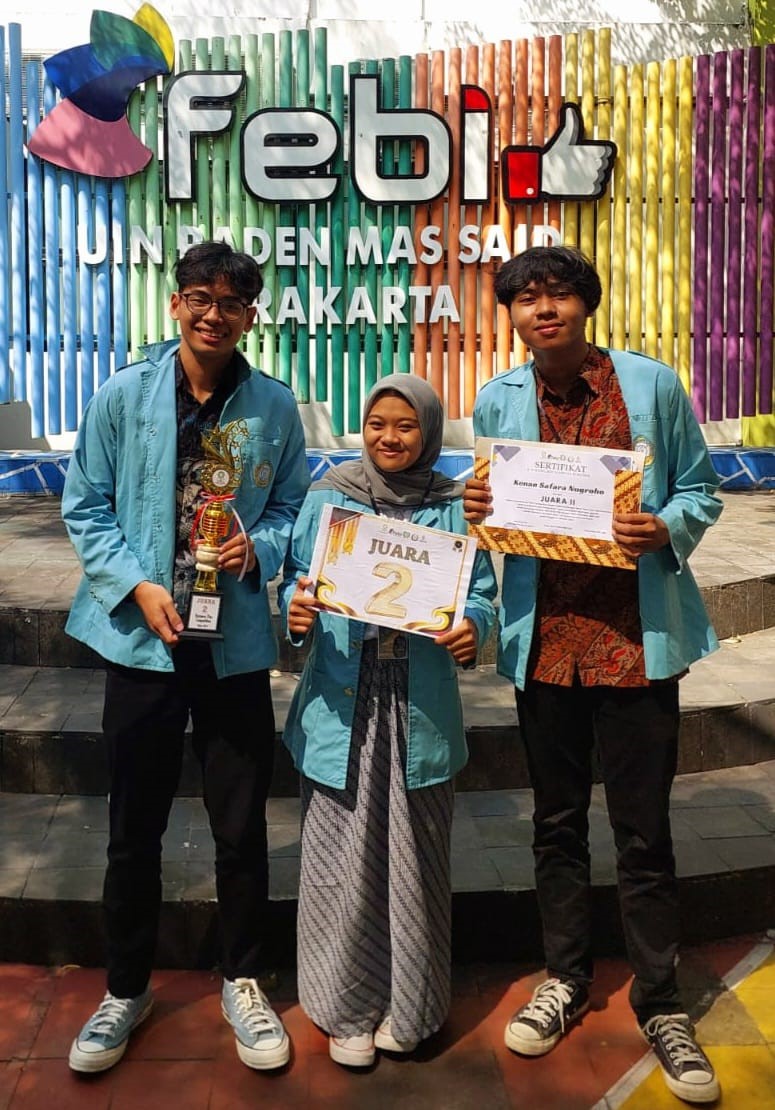
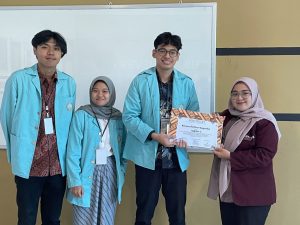
    A student team from the Faculty of Economics and Business (FEB), Universitas Sebelas Maret (UNS), secured Second Place in the 2024 National Business Plan Competition organized by the Sharia Business Management Study Program Student Association, UIN Raden Mas Said Surakarta, on 7 October 2024. In the final round, Laurensius Erlangga Putra Aksami, Aisyah Huril ‘Ain Saajida, and Kenan Safara Nugroho competed against six other teams to present their business ideas.
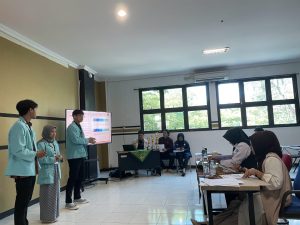
    The competition process involved several stages, beginning with the submission and selection of business plan proposals that were required to present innovative and relevant ideas. Teams that passed the proposal stage advanced to the final round, which consisted of pitching sessions before a panel of judges. Throughout these stages, the FEB UNS team, led by Erlangga, gained substantial experience in developing and presenting a well-structured business plan.

    Speaking to feb.uns.ac.id, Erlangga stated that the team’s motivation for participating is to explore new opportunities, develop personal potential, and assess their capabilities through competition. The team also aims to step beyond their comfort zone and gain meaningful experience that would broaden their academic and practical perspectives.
    “As a team competing in a business plan competition, we began our preparation by identifying existing issues, particularly in Surakarta. One key issue we identified was the limited access of many traditional artisans to broader markets. Based on this analysis, we designed a business idea that addresses this challenge while meeting the competition requirements,” he explained.

    According to Erlangga, the final round was the most memorable experience. Engaging with strong competitors and exchanging knowledge provided valuable insights, while feedback from the judges offered new perspectives to support the team’s continued development.
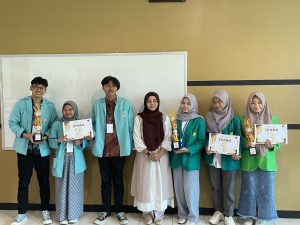
    He also emphasized the intensity of the preparation process, which involved research, proposal development, and pitching before the judges. Despite the demanding process, the experience was considered highly rewarding due to the learning outcomes, networking opportunities, and constructive feedback received.

    Erlangga encouraged fellow FEB students to actively participate in various competitions. Through such experiences, students can strengthen critical thinking skills, gain new insights, and expand knowledge beyond the classroom.
  • Digital Business Study Program Public Lecture: Selling Products While Building Personal Branding

    Digital Business Study Program Public Lecture: Selling Products While Building Personal Branding

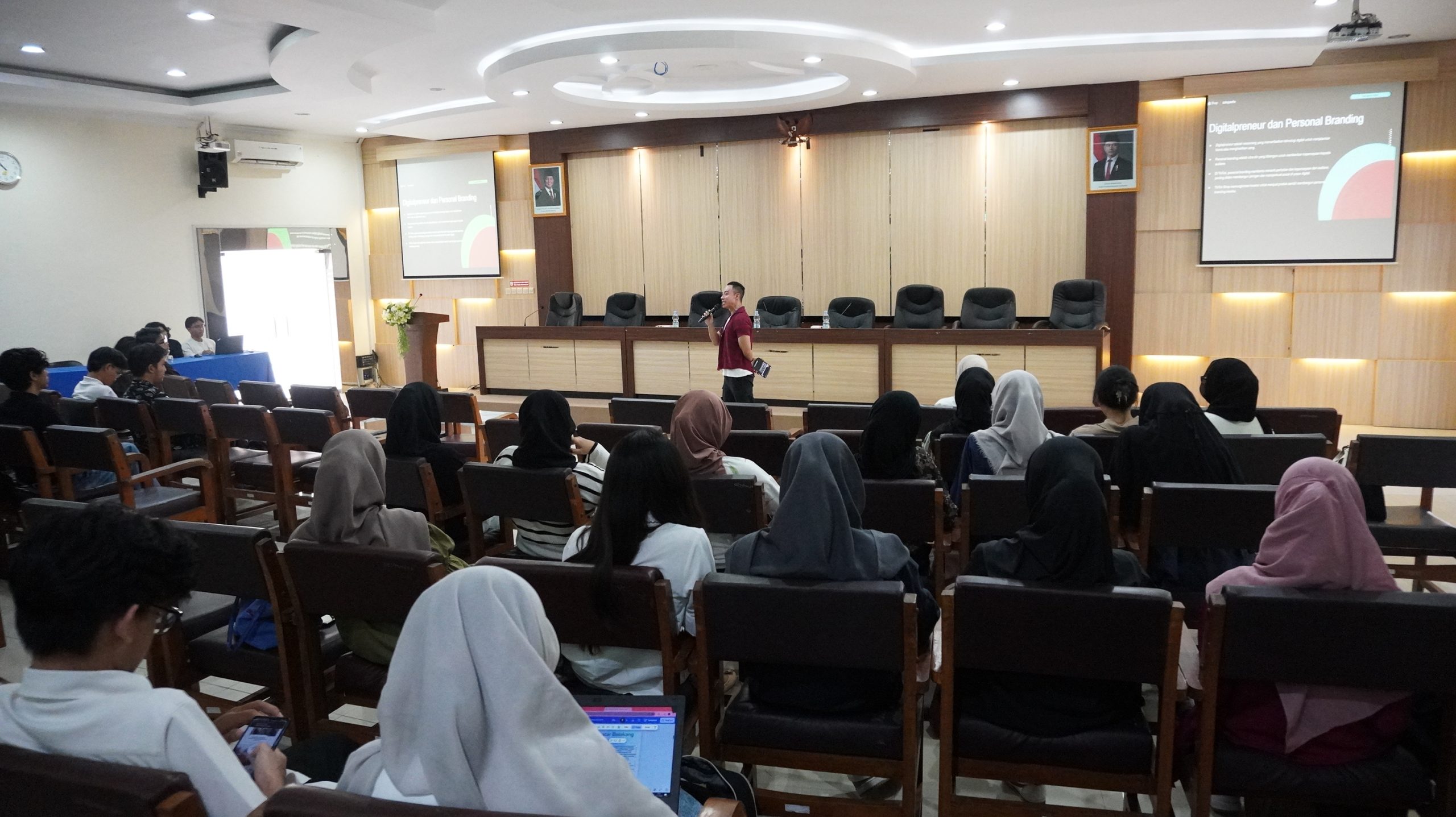
    The Digital Business Study Program, Faculty of Economics and Business (FEB), Universitas Sebelas Maret (UNS), conducted a General Lecture featuring representatives from TikTok, on Monday, November 11, 2024, at the Konimex Hall, Bachtiar Effendi Building, FEB UNS. The event invited guest speakers Septian Anggita Sari and Adhytia Aprisada from TikTok Shop.

    Ayya Agmulia Asmarani Islam, S.E., M.E., lecturer of the Digital Business Study Program, expressed appreciation to the speakers for sharing insights on how to create effective content, especially through the TikTok platform. She highlighted that TikTok allows users and creators to advertise and sell products directly. Students were encouraged to actively engage in the session, ask questions, and participate in discussions, particularly as several Digital Business students already utilize the platform.

    Opening the session, Adhytia provided a brief overview of ByteDance, a global technology company founded in 2012 by Zhang Yiming in China. The company’s mission is to develop AI-based technology that connects and inspires people worldwide. ByteDance is widely known as the parent company of TikTok, a globally popular short-video platform. TikTok Shop is a feature within the app that enables users to buy and sell products directly, without leaving the platform.

    Septian emphasized that TikTok opens opportunities for users and creators to become digital entrepreneurs through direct engagement with their audience. “TikTok allows creators to sell products while building their personal brand. So, how do we build a personal brand? First, by understanding who you are, setting clear goals, maintaining consistency, and creating content that aligns with your identity,” she explained.

    When building a personal brand, it is important to clearly define your identity—what kind of persona you want to project. For instance, someone who enjoys reviewing gadgets should consistently produce content in that area and avoid switching to unrelated topics like sports, as it would disrupt the clarity of their personal branding. The key is to create content that reflects who you are.

    Further, the two speakers explained that TikTok is a powerful platform because of its three essential elements: community, entertainment, and commerce. Community serves as the strong foundation of TikTok. The platform encourages interaction through comments, likes, and sharing videos, creating an active social ecosystem where users can collaborate, exchange ideas, and connect globally.

    While Entertainment remains the most visible element on TikTok, with the platform centered around providing engaging and easily consumable short-form video content, commerce is becoming an increasingly significant component. TikTok now functions not only as an entertainment and social platform but also as a marketing and sales channel for brands and content creators. During the session, the speakers invited participants to share their experiences in content creation on TikTok. They also shared practical strategies on how to use the platform for business development.
  • FEB UNS Students Secure First Place in Essay Competition with a Focus on the Surakarta Empowerment Movement: A Gen Z Initiative with Darikita.Surakarta

    FEB UNS Students Secure First Place in Essay Competition with a Focus on the Surakarta Empowerment Movement: A Gen Z Initiative with Darikita.Surakarta

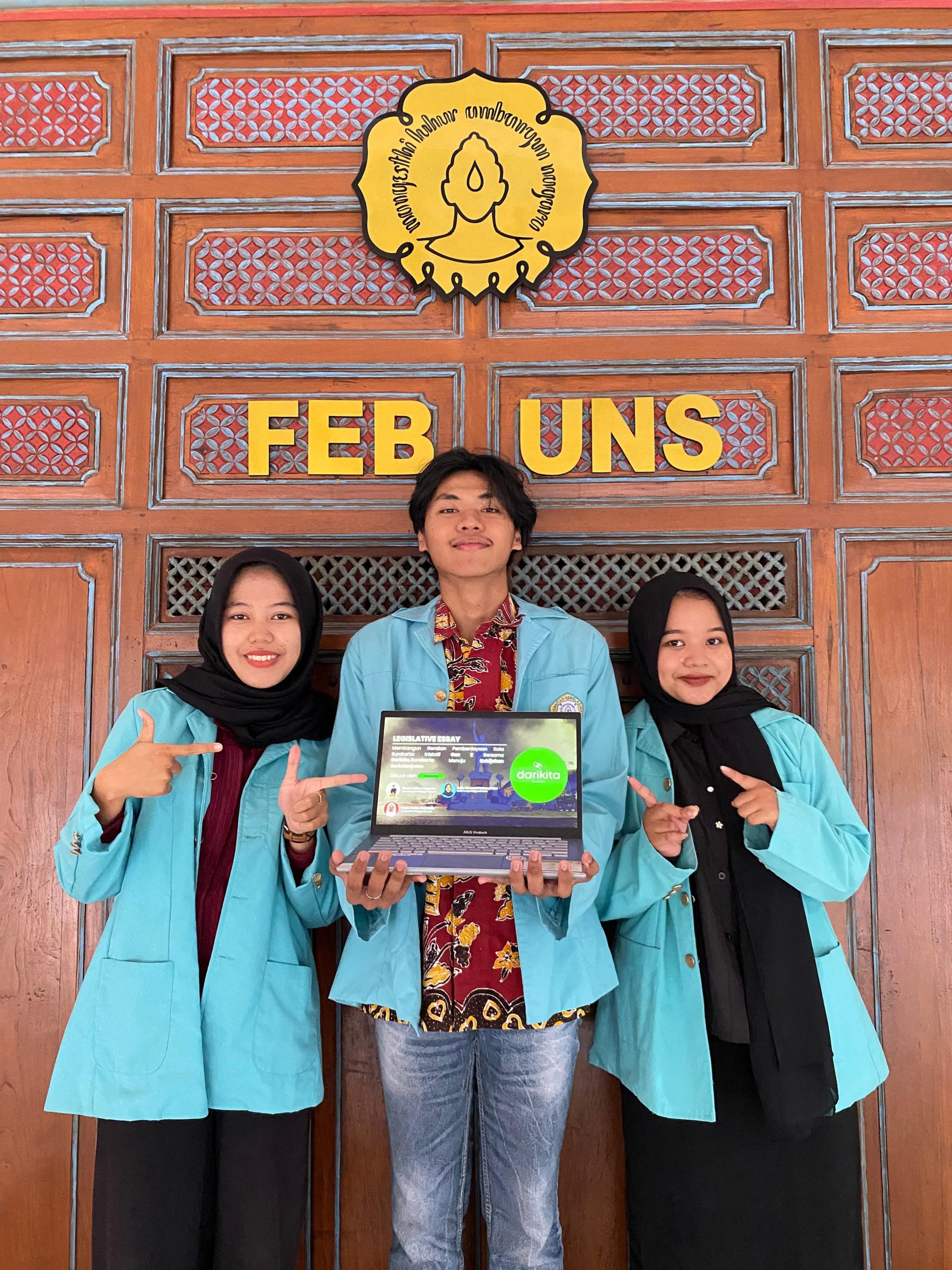
    A team of students from the Faculty of Economics and Business (FEB), Universitas Sebelas Maret (UNS), achieved first place in the Essay Competition organized by UPN “Veteran” Jakarta. The team’s essay, titled “The Surakarta Empowerment Movement: A Gen Z Initiative with Darikita.Surakarta Toward Sustainable Policy,” stood out among the finalists and led them to victory in the virtual competition.

    The FEB UNS team, led by Kenan Safara Nugroho from the Undergraduate Digital Business Program, included Oryza Sativa Heavenia from the same program and Aulia Herawati Rahma Putri from the Undergraduate Accounting Program as team members. Competing in the final round, they successfully outperformed nine other teams representing various leading institutions, including two teams from UPN “Veteran” Jakarta, two teams from Universitas Indonesia, and one team each from Universitas Airlangga, Universitas Jenderal Soedirman, Institut Pertanian Bogor, Universitas Brawijaya, and the STAN Polytechnic of State Finance.

    The competition, which took place on October 27, 2024, with winners announced on November 2, 2024, aimed to encourage young generations—particularly Gen Z—to be more aware and proactive regarding public issues. Under the theme “Proactive Participation of Gen Z in Public Policy Formation,” participants were challenged to express their ideas, critiques, and constructive arguments in essay form. This theme is highly relevant as it encourages students, as part of Gen Z, to take an active role in public policy discussions that are often perceived as distant from daily life.

    Aulia Herawati Rahma Putri explained that their team focused on how Gen Z can contribute to policy development through concrete actions. “Our team chose the theme because we believe that before formulating a policy, there must be a concrete action as precedence. That is why we highlighted Darikita.Surakarta, a movement that we integrated with empowerment policies already in place in Surakarta,” she stated in an interview with feb.uns.ac.id.

    The FEB UNS team was confident in their approach, as their idea was not merely theoretical but had already been implemented in real-world initiatives. Their hands-on experience in the field allowed them to gain deeper insights into the issues presented in the competition case study. In preparation for the competition, the team conducted in-depth research on public policy, focusing on topics relevant to Gen Z’s role in governance and community empowerment. They also engaged in small group discussions to refine their ideas before incorporating them into the essay. Additionally, they reviewed various literature sources and followed policy-related news in the media to strengthen their arguments and broaden their perspectives.

    “One of the most memorable moments was presenting in front of the judging panel. We were nervous at first, but once we managed to convey our ideas smoothly and received positive feedback from the judges, it felt truly rewarding. Alhamdulillah, we were able to bring pride to FEB UNS by winning first place,” Aulia expressed enthusiastically.

    Do not to hesitate to participate in any challenge, competitions like this provide opportunities to expand knowledge, develop new perspectives, and build connections with students from various universities. Take the opportunity and never be afraid to try!

  • FEB UNS Welcomes a Visit from SMA Kristen 7 Penabur

    FEB UNS Welcomes a Visit from SMA Kristen 7 Penabur

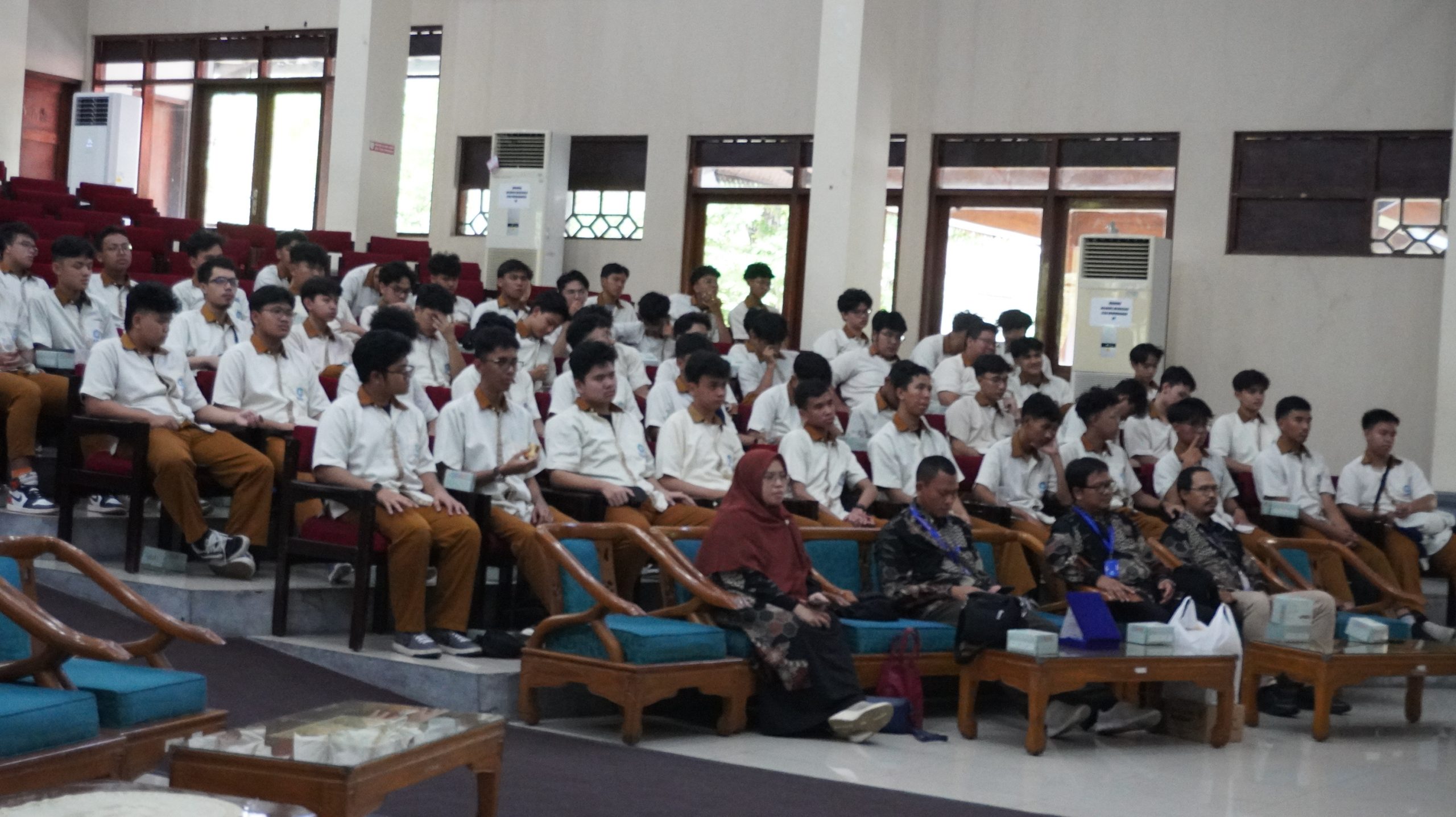
    Faculty of Economics and Business (FEB), Universitas Sebelas Maret (UNS), welcomed a visit from SMA Kristen 7 Penabur Jakarta, at the Suhardi Auditorium Building on Thursday, October 24, 2024. The entourage consisting of teachers and students of SMA Kristen 7 Penabur Jakarta, led by coordinator Very Silalahi, S.Sos., was welcomed by the Vice Dean of Student and Alumni Affairs, Tastaftiyan Risfandy, Ph.D., the Head of the Development Economics Program, Muhammad Yusuf Indra Purnama, S.E., M.Rech., Ph.D., and the Head of the Digital Business Program, Aldy Fariz Achsanta, S.E., M.Rech., Ph.D.
    In his opening remarks, Tastaftiyan expressed appreciation and welcomed the teachers and students of SMA Kristen 7 Penabur to FEB UNS. “Thank you for visiting. We are very open to sharing knowledge and working in collaboration. FEB UNS is committed to be inclusive university, as universities today are encouraged not to be exclusive but to engage more broadly with external parties. One of the strategies available to achieve this objective is through community service programs, university teaching programs conducted at schools, as well as research or other academic activities that may take place either in schools or on other campuses. God willing, this collaboration and your visit will also be beneficial for us,” he stated.
    He further highlighted that during this visit, representatives from each study program present would share information about their respective academic programs at FEB UNS.
    Regarding the purpose of the visit, Very Silalahi, S.Pd., stated that the group consisted of 72 students accompanied by 12 teachers and the Principal of SMA Kristen 7 Penabur Jakarta. The visit was expected to provide valuable insights into the study programs and learning processes at FEB, as well as the career prospects for its graduates.
    Tastaftiyan also encouraged students not to feel overwhelmed when choosing a study program at FEB UNS, as all programs are connected to the broader field of economics. Therefore, graduates will have access to a wide range of career opportunities. During the academic program presentation session, the Heads of the Development Economics and Digital Business undergraduate programs provided an overview of their respective departments, followed by a discussion session.

  • FEB UNS and FEBM UMRAH Formalize Collaboration Agreement

    FEB UNS and FEBM UMRAH Formalize Collaboration Agreement

    The Faculty of Economics and Business (FEB), Universitas Sebelas Maret (UNS) and the Faculty of Maritime Economics and Business (FEBM) at Universitas Maritim Raja Ali Haji (UMRAH) have established a collaborative partnership.

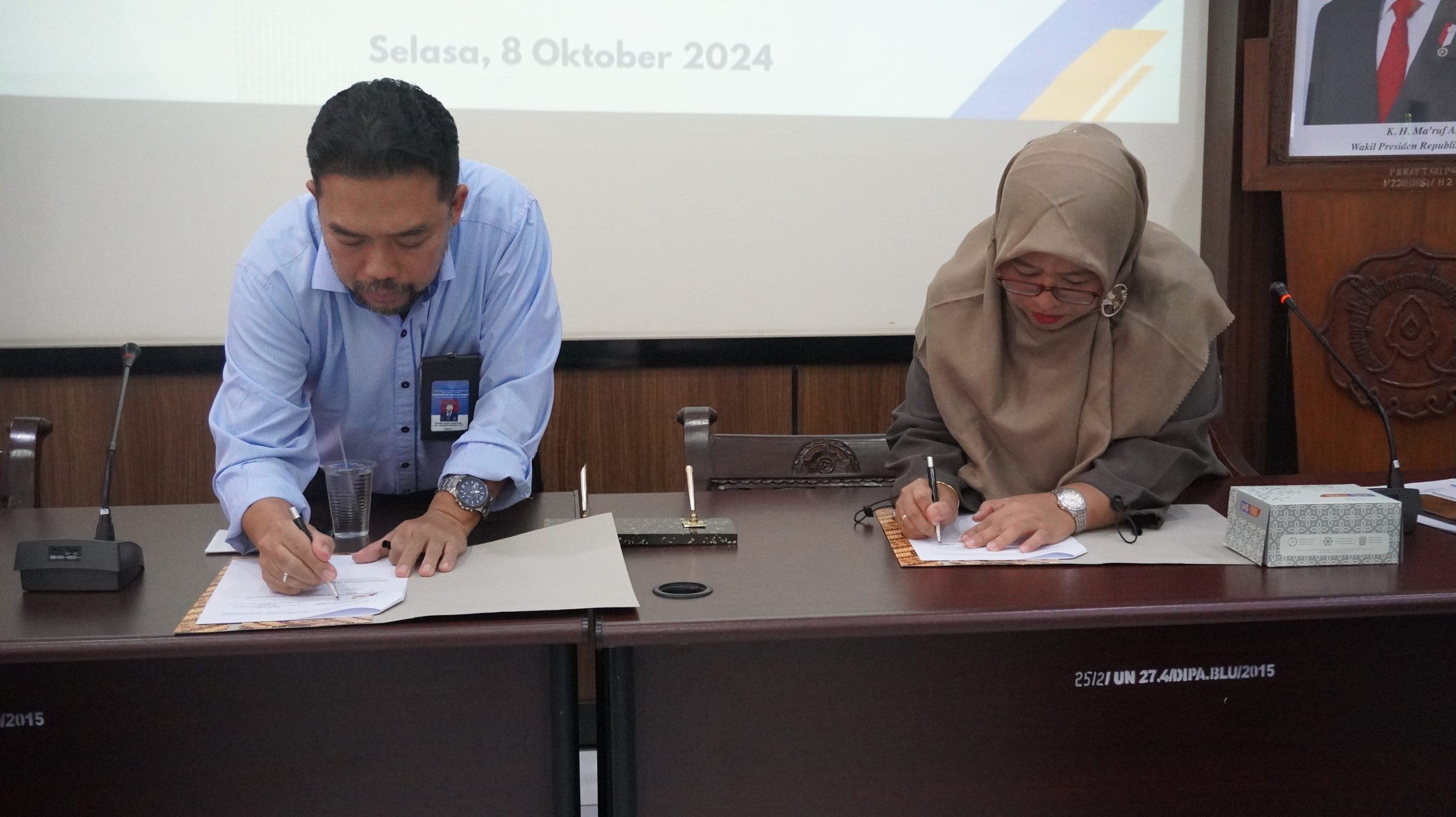
    This partnership was formalized through the signing of a Collaboration Agreement (PKS) by Bhimo Rizky Samudro, S.E., M.Si., Ph.D., Dean of FEB UNS, and Dr. Myrna Sofia, S.E., M.Si., Dean of FEBM UMRAH. The signing ceremony took place on Tuesday, August 8, 2024, in Meeting Room 1 of the Soeharno TS Building, FEB UNS.

    The objectives of the agreement are to enhance cooperation, coordination and effectiveness in implementing education, research, community service programs, advancing the Merdeka Belajar Kampus Merdeka (MBKM) initiative, and resource development efforts.

    The agreement, thus, outlines collaborative efforts in the fields of education, research, and community service, as well as the implementation of MBKM. In education sector the agreement will cover several activities such as Joint curriculum development, faculty and student exchanges, seminars, training sessions, and faculty capacity building. Other than the education, research activities covered such as collaborative studies, joint academic publications, and hosting scientific conferences that involve researchers from both institutions. Meanwhile in community service sector the collaboration will facilitate initiatives such as community empowerment programs and technology-based social projects.
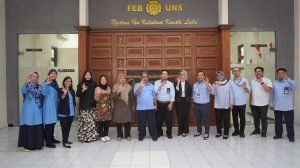
    The event also included the signing of a PKS related to the Visiting Lecturer Program. This agreement was signed by Aldy Fariz Achsanta, S.E., M.Rech., Ph.D., Head of the Digital Business Program at FEB UNS, and Risdy Absari Indah Pratiwi, S.E., M.Si., Head of the Digital Business Program at FEBM UMRAH.

    In his remarks, the Dean of FEB UNS expressed gratitude for the FEBM UMRAH delegation’s visit and their commitment to establishing this collaboration. He noted that the relationship between FEB UNS and FEBM UMRAH has been strong since 2014, during Dr. Mugi Harsono’s tenure as Dean at FEBM UMRAH.

    “This marks the second visit from FEBM UMRAH, with the first taking place in 2020. Since 2014, when Dr. Mugi served as Dean at UMRAH, a solid relationship has been built, fostering collaboration and mutual support,” he explained.

    Dr. Mugi also facilitated the enrolment of FEBM graduates into FEB UNS postgraduate programs. Four FEBM alumni pursued master’s degrees at FEB UNS, and one master’s graduate continued to the PDIE program.

    Both FEB UNS and FEBM UMRAH have Digital Business program, creating further opportunities for meaningful collaboration that benefits both institutions.

  • FEB UNS Welcomed a Visit from SMA IT Nurul Fikri Depok

    FEB UNS Welcomed a Visit from SMA IT Nurul Fikri Depok

    The Faculty of Economics and Business (FEB), Universitas Sebelas Maret (UNS) welcomed a visit from SMA Islam Terpadu (IT) Nurul Fikri Depok on Wednesday, October 9, 2024. The visit involved hundreds of students accompanied by several teachers, who were welcomed by FEB UNS leadership ranks in the Suhardi Building Auditorium Hall.

    Aldy Fariz Achsanta, S.E., M.Rech., Ph.D., Head of the Digital Business Undergraduate Program at FEB UNS, provided an overview of the faculty. He highlighted the four undergraduate programs offered in FEB UNS, namely, Management Study Program, Development Economics, Accounting, and Digital Business. Detailed explanations of each program were delivered by the respective program heads in attendance.

    The visit aimed to provide students with valuable insights, helping them to better understand FEB UNS. This opportunity allowed the students to familiarize themselves with the faculty’s academic environment and the various study programs offered.

    In addition to an introduction to the Digital Business program by Aldy Fariz Achsanta, PhD., students also gained comprehensive information about the Management program from Dr. Sinto Sunaryo, S.E., M.Si., SHRM.CP., and the Economics and Development Studies program, presented by Muhammad Yusuf Indra Purnama, S.E., M.Rech., Ph.D.
    Dra. Euis Ernawati, Principal of SMA IT Nurul Fikri, expressed her gratitude to the FEB UNS leadership for their warm reception. “We are deeply grateful and delighted to visit FEB UNS as part of this year’s campus visit program. This visit is intended to provide our 12th-grade students—two classes from the social sciences study and one from the natural sciences study—with additional knowledge about FEB UNS,” she stated.

    The principal also requested FEB UNS to allow students to ask questions freely, ensuring they gain deeper insights. This knowledge will help prepare the students as they complete their educational data submissions (PDSS) at the end of 2024 and guide them in selecting study programs and universities for SNBT and independent admissions.

  • Digital Business Study Program Introduces Libyan Culinary Innovation in an International Community Service

    Digital Business Study Program Introduces Libyan Culinary Innovation in an International Community Service

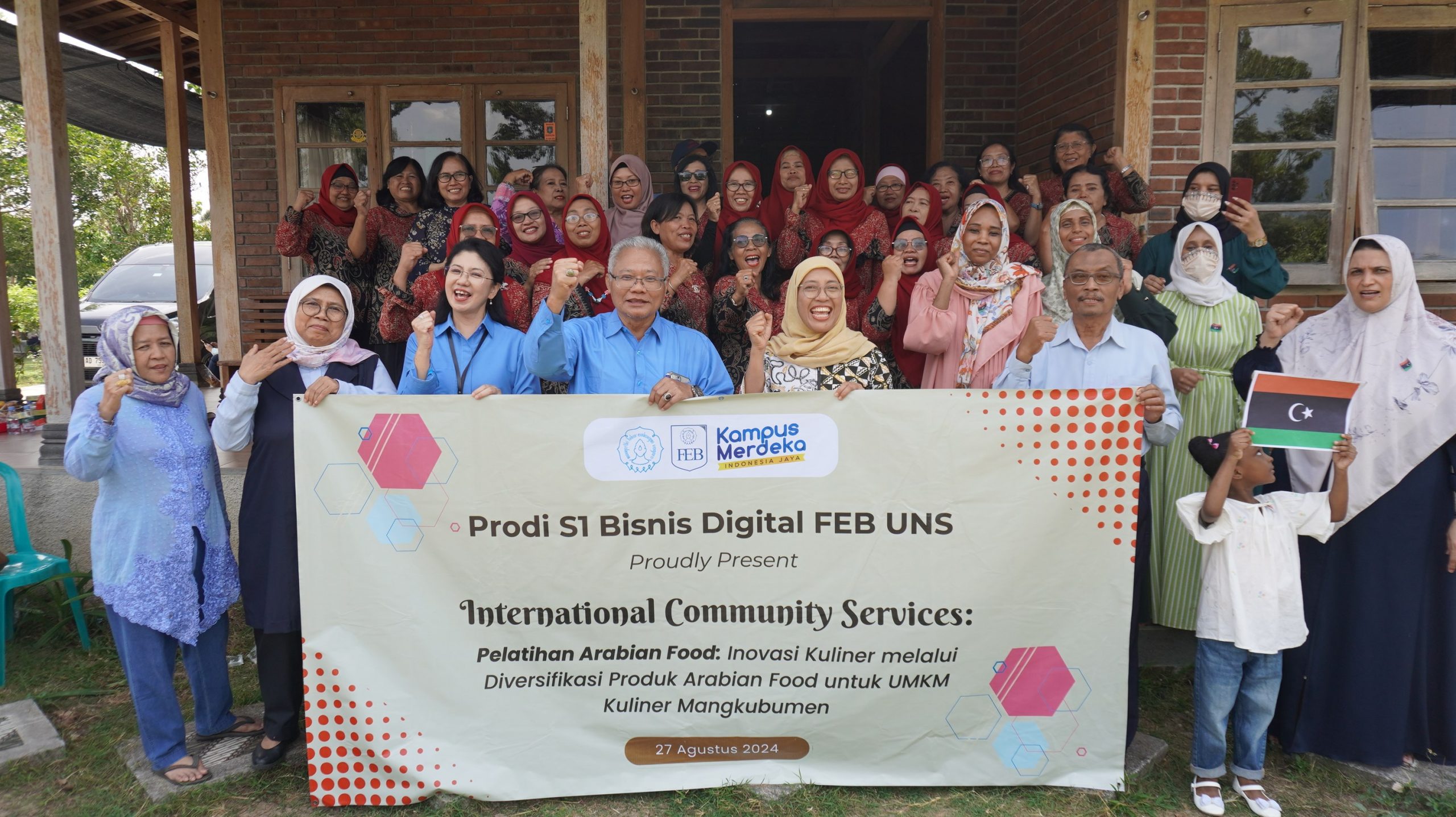
    Digital Business Study Program, Faculty of Economics and Business, Universitas Sebelas Maret (FEB UNS)  hosted an International Community Service entitled “Arabian Food Training: Culinary Innovation through Arabian Food Product Diversification for Mangkubumen Culinary MSMEs,” Tuesday, August 27, 2024, in Karanganyar. Three students of FEB UNS from Libya—Nadia Mustafa Sulayman Shenghir, Marwa Abdulgader Abdulsalam Ashaiban, and Ahlaam Jarullah Ibrahim Alshoushan, providing training material to over twenty members of the Mangkubumen PKK (Family Welfare Program).

    The three explained in detail on how to cook three Libyan cuisines namely the Mahlabia, Brack, Almubatana, and Rashtah Musqia.

    Mientansih, the Leader of Mangkubumen PKK, in her remark extended her gratitude to FEB UNS, for introducing the attendees to Libyan cuisine. “Through this Libyan cooking demonstration, I hope the participants will gain as much knowledge as possible. They will see the process and results, and hopefully replicate it or even start selling it. We also have a cooking kitchen in the PKK unit, so we hope to exchange knowledge with the speakers. Thank you to the UNS students for their assistance,” said the 81-year-old Mientansih.

    Dr. Dwi Prasetyani, S.E., M.Si., Interim Vice Dean for Academic Affairs, Research, and Student Affairs, thanked all participants for attending the agenda. Such community service activities are a routine endeavor for the Digital Business Study Program FEB, representing a collaboration between faculty members and students to benefit the community.

    She further noted that the event qualifies as international community service because it involved not only UNS team members but also international participants. “This activity focuses on the development of culinary MSMEs, with Libyan student speakers and participants from the PKK group. It empowers women who were previously unaware of foreign cuisines and now have the opportunity to learn and potentially start side businesses,” she explained.

    The community service involved students from undergraduate, master’s, and doctoral programs. The outcomes of the event will be disseminated through YouTube videos, printed media, the FEB UNS website, and publications in community service journals.

    Concluding the event, Dean of FEB UNS, Prof. Drs. Djoko Suhardjanto, M.Com.(Hons)., Ph.D., Ak., expressed gratitude to all attendees, including PKK members, leadership, FEB UNS lecturers, and students.

    “I hope this activity introduces Libyan cuisine and cooking methods to a wider audience, and that participants enjoy the dishes. If they align with our culture, they might be incorporated into our cuisine. Thank you, Middle Eastern food is truly delicious,” he concluded.

  • Students of FEB UNS Digital Business Participate in Adhi Karya Lecture

    Students of FEB UNS Digital Business Participate in Adhi Karya Lecture

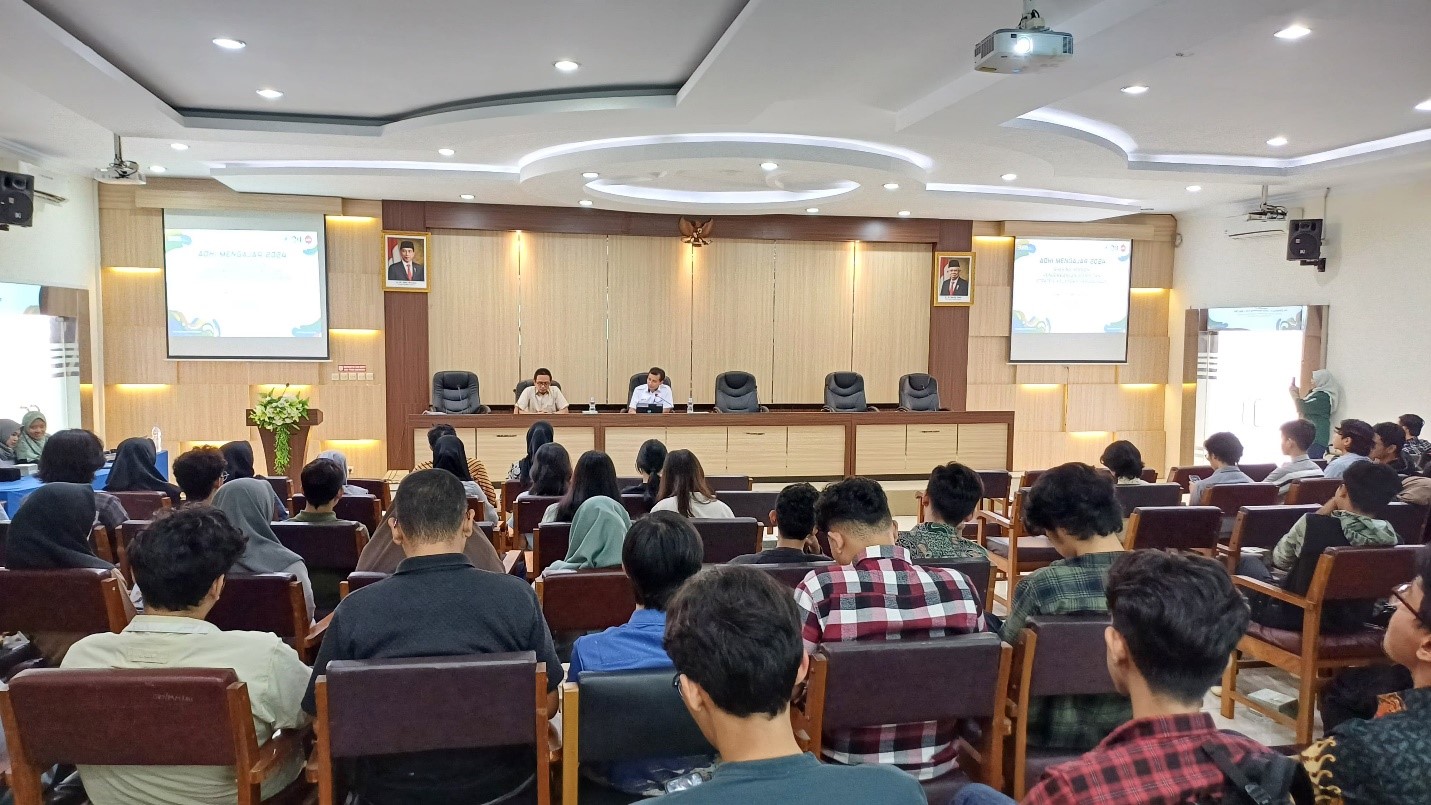
    Business development and corporate financial strategy become the pivotal topic discussed at the Adhi Karya Lecture at the Konimex Hall of Bachtiar Effendi Building, Faculty of Economics and Business (FEB), Universitas Sebelas Maret (UNS), end of February.Public Lectures attended by students of the Digital Business Study Program FEB UNS presented Ir. Lasarus Bambang S., ST., MM., IPM., General Manager, Business Development Department, PT. Adhi Karya (Persero) Tbk.

    The activity was also attended by Tastaftiyan Risfandy, Ph.D., Vice Dean for Planning, Cooperation, Business, and Information Affairs FEB UNS, and Johadi S.E., M.Sc Lecturer of FEB UNS.

    Adhi Karya Persero is a construction public company, where most of its share ownership is owned by the state with 64% of the stake and the remaining 36% is owned by the public.

    Adhi Karya’s business lines include Engineering and Construction, Property, Manufacture, Investment, and Concession.

    Some of the famous projects from Adhi Karya include the Sigli-Banda Aceh Toll Road, Riau National Road Preservation, Integrated Waste Management Facility (FPLT), South Sumatra National Road Preservation, LRT, Jabodetabek, and recently the Solo-Yogyakarta-Kulonprogo Toll Road.

    In front of students, Lasarus explained several theories used by Adhi Karya in running the company’s business in order to grow and develop.
    The five theories outlined are (1) Collaborative Governance Theory, which is a collaborative governance that brings together stakeholders from various sectors to jointly develop and implement a joint policy; (2) Business Development Theory, in order to develop business successfully, it is necessary to seek new business opportunities, build and maintain existing client relationships or strategic partnerships, and other plans to increase profit and market share; (3) Corporate Financial Strategy Theory, this strategy seeks to maximize the company’s financial value by taking into account the best financial actions; (4) Public Private Partnership Theory, this theory means that it is important to have a relationship between the government and business entities in the context of infrastructure development and provision; (5) IMBT Theory (Ijara Muntahiyaa Bit-Tamleek), which is a lease agreement related to the transfer of ownership of the contract object from the tenant to the tenant.

    Lasarus conveyed a message that we must view diversity in this case as a positive aspect and must be used to always innovate.

  • Three Speakers Invited to the Seminar on Securities CrowdFunding as an Alternative Funding for MSME

    Three Speakers Invited to the Seminar on Securities CrowdFunding as an Alternative Funding for MSME

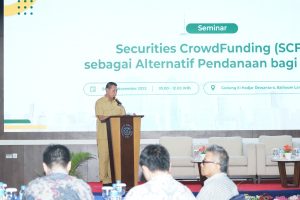
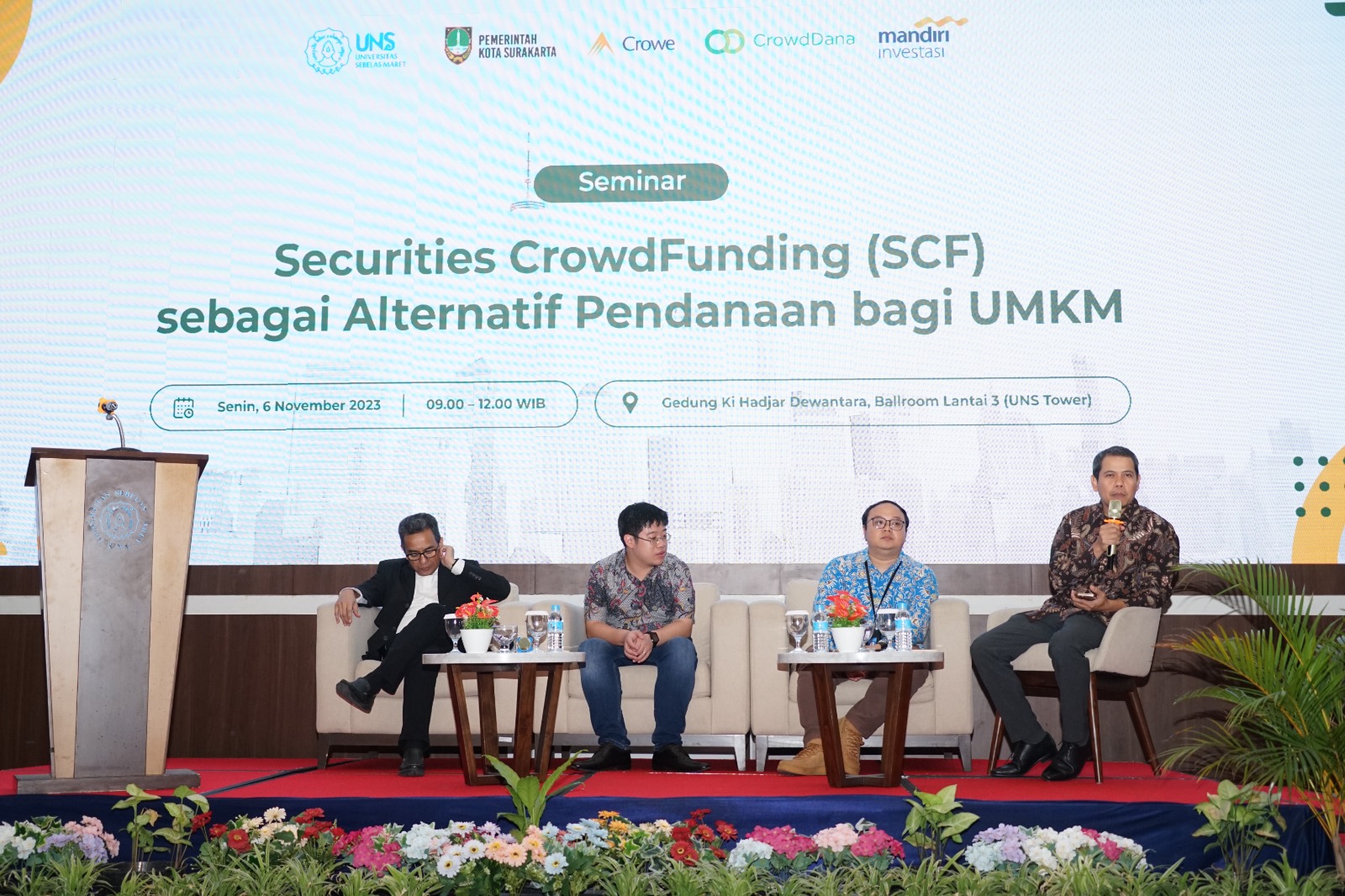
    The Financial Services Authority (OJK) in collaboration with the Digital Business Study Program, Faculty of Economics and Business (FEB), Universitas Sebelas Maret (UNS), UNS Fintech Center, and the Surakarta City Government hosted a Seminar entitled Securities CrowdFunding (SCF) as an Alternative Funding for MSMEs, Monday, November 6, 2023, at the 3rd Floor Ballroom of Ki Hadjar Dewantara Building, UNS Tower.

    SCF is a form of alternative financing scheme for raising funds through the capital market. This scheme is considered an alternative means for businesses or someone to obtain funding from the capital market.

    Three experts were invited as seminar speakers, James Riyadi, CrowdDana Co-Founder, Ernawan Salimsyah, CFA, CIO, from Mandiri Investment Management, and Putra Pamungkas, Ph.D., Head of UNS Fintech Center and Head of Digital Business Study Program. More than 60 participants consisting of MSME entrepreneurs and also academics, filled the seminar room.

    Prof. Wimboh Santosa, Professor of FEB UNS who previously served as Chairman of the OJK Board of Commissioners for the period 2017-2022 in his remarks said this occasion was an effort to provide encouragement for MSMEs to enter the capital market.
    According to him MSMEs usually get loans from banks, but not all MSMEs can get bank loans. OJK tries to provide capital market financing solutions that have been specifically provided through SCF and require no collateral. “Today we are bringing in experts to disseminate on what SCF is, and how to do it, even after this we will open a clinic, and those who are interested will get assistance on how to enter the capital market and how to develop their business,” he said.

    This initial agenda held in Solo will be an example and can be developed in other regions. In his written remarks, the Mayor of Surakarta, Gibran Rakabuming Raka, read by the Deputy Mayor of Surakarta, Teguh Prakosa, fully supports SCF and will issue a letter of support as a guarantee that the contract is valid and will be paid if the work is carried out in accordance with applicable regulations.

    Furthermore, he emphasized that the most important aspect that needs to be underlined is considering the issuance of a guarantee letter. After issuing guarantee letter MSMEs must be able to take full responsibility for the projects they work on, lest there be delays or results that are not in accordance with the agreement or contract.

    Meanwhile, the Rector of UNS, Prof. Dr. Jamal Wiwoho, S.H., M.Hum., in his speech said that the problem of funding for MSMEs will be a problem that continues to get the attention of all of us. Usually, MSMEs receive their funding from banks, SCF is an alternative funding for MSMEs.

    Furthermore, in the economic system in Indonesia, MSMEs play an important role in life, especially as a source of income in the community. We continue to increase thousands and even millions of MSMEs, to make MSMEs more empowered, one of which we do is provide funding for MSMEs. “The financing provided seems to be the only rational choice for MSMEs so that their business can maintain its operations, besides providing an understanding of information technology and innovations from MSMEs themselves,” he explained later.
    The Rector of UNS also appreciated the seminar initiated by OJK, especially Prof. Wimboh Santosa who had discussed the plan for the current agenda some time ago. The Rector hopes that later there will be a brilliant idea resulting from these events, thus, promoting MSMEs empowerment. The Rector hopes that later there will be a brilliant idea resulted from this type of events, thus, promoting MSMEs empowerment.

  • FEB UNS Seminar on Financial Technology and Small Business

    FEB UNS Seminar on Financial Technology and Small Business

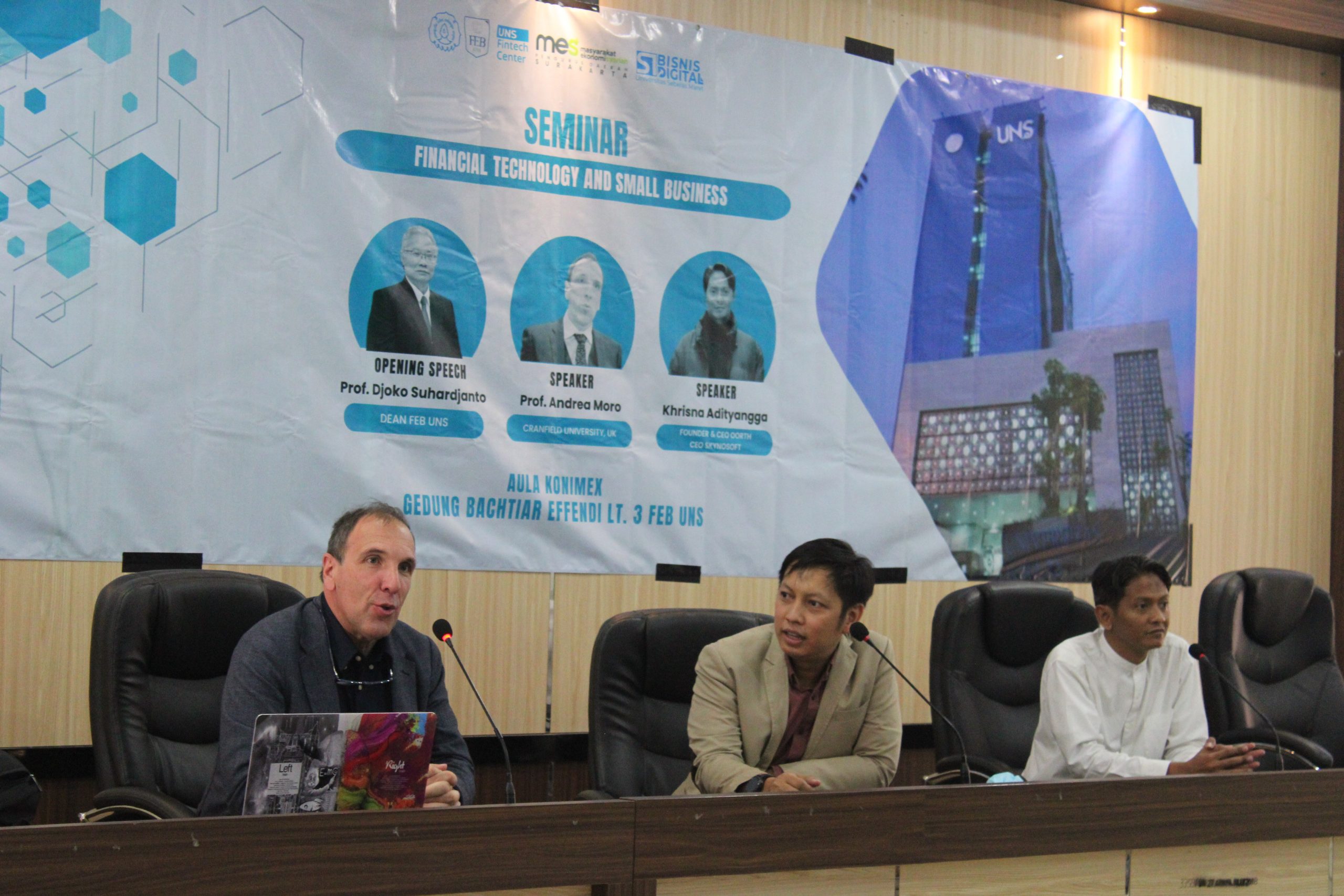
    A wonderful collaboration between the Faculty of Economics and Business (FEB), Universitas Sebelas Maret (UNS), Digital Business Study Program, PUI Fintech and Banking, and MES (Sharia Economic Community) Surakarta, presented a seminar entitled Financial Technology and Small Business, Wednesday, October 18, 2023.

    The seminar was held on the 3rd floor, KONIMEX Hall, Bachtiar Effendi Building FEB UNS, where two speakers were invited to deliver materials related to funding for small businesses (MSMEs) and the halal ecosystem. The two speakers invited in this occasion were Prof. Andrea Moro from Cranfield University, UK, and Krishna Adityangga, CEO of PT Xyz Digital Innovation.

    Dr. Tastaftiyan Risfandi, Vice Dean of Planning, Partnership, Business, and Information FEB UNS, in his remarks, revealed the importance of understanding funding sources for MSMEs in Indonesia, especially those provided by Fintech. Moreover, students also need to know which financial technology service providers are registered and supervised by the Financial Services Authority (OJK).

    “Welcome to UNS, Prof. Moro and Mr. Krishna. We at UNS always strive to establish networks with the industrial world, for this reason, today we will learn from the invited speakers about MSME funding. I hope we will be able to receive a lot of knowledge from today’s seminar,” explained Dr. Tastaftiyan.

    Delivering a material entitled ‘The Black Box of Funding Small Firms,’ Prof. Moro argues that contrary to the general opinion that an entrepreneur only focuses on financial benefits, they often prefer the organic growth of their business. “Entrepreneurs often have less money than regular employees but are more optimistic about their long-term vision. Therefore, they are willing to accept a lower income at the present time,” said Prof. Moro.

    Regarding funding, business owners or entrepreneurs prefer funding sources that provide freedom for them to manage the businesses they established. This allows businesses to grow, have greater resources, and with lower interest rates. Furthermore, Prof. Moro explained the types of funding sources including the advantages and disadvantages of each funding source.

    Continuing the discussion related to funders, Khrisna Adityangga stated that the biggest problem faced by small businesses is the difference in expectations between entrepreneurs and investors. Krishna also discussed material entitled ‘Halal Ecosystem in the Digital Transformation of the Decentralized Era: Discourse for Small Business.’

    According to him, the main purpose of digital transformation is to reduce moral hazard. Meanwhile, data decentralization, which is a form of digital transformation, can cut supply chains and help to realize data sovereignty. “Decentralized finance essentially is in line with sharia values. MSMEs can receive many benefits from decentralized finance, one of them is the availability of many funding sources. On the other hand, decentralized finance can encourage small businesses to be more transparent, considering that with the use of decentralized finance, business transaction reports can no longer be manipulated,” he explained.

    Regarding education in the digital sector, Krishna added that one of the problems faced by MSMEs is related to education, especially related to digital literacy. “Digital literacy in Indonesia is still very low. Therefore, the curriculum carried out by the Digital Business Study Program is very good and useful to be applied in the community, this knowledge can be used to prepare a better business incubation program and encourage the establishment of a good digital business,” he said concluding his material presentation.

    The seminar, which lasted for approximately two hours, went interactively with more than 100 participants having the opportunity to interact directly with the speakers through the question-and-answer sessions.