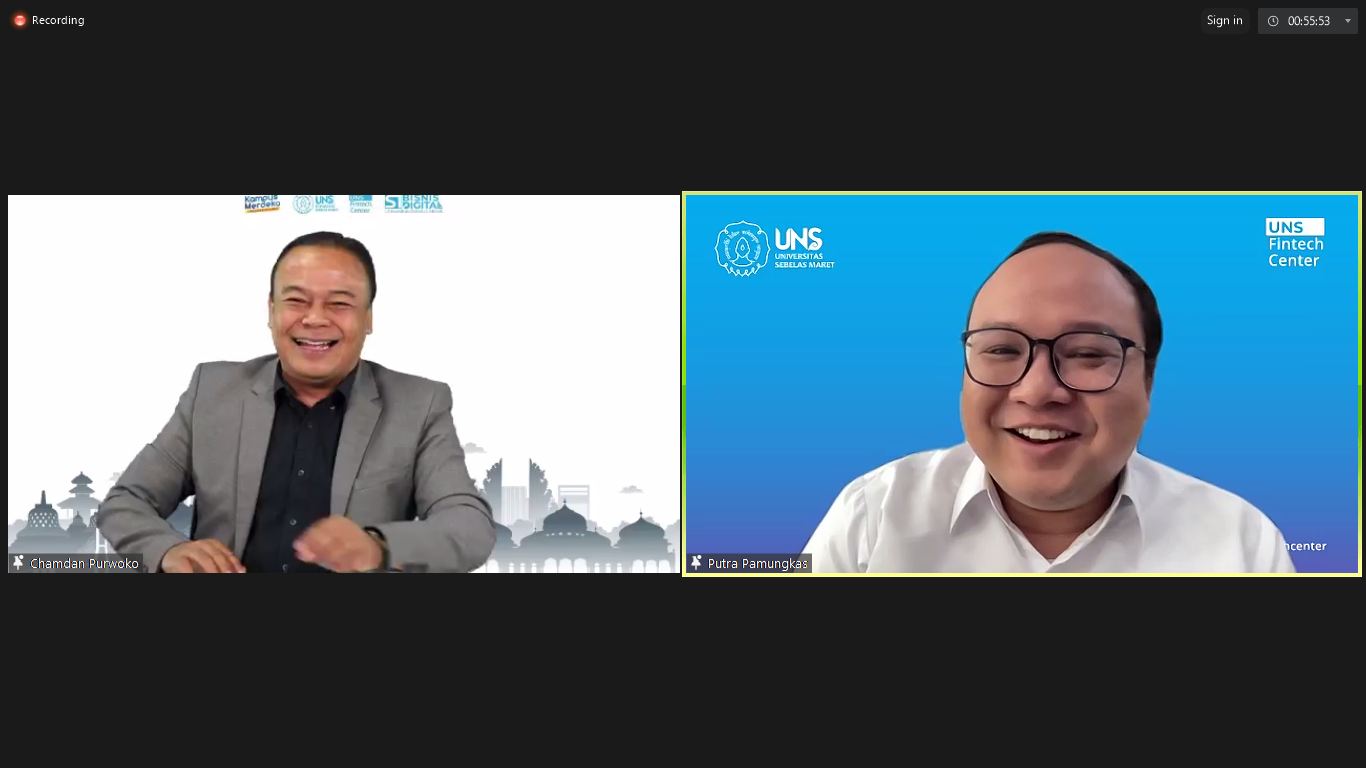
Digital development is closely related to disruption. In this regard, the trade sector is one of the sectors that is highly disrupted by the development of digital technology. The Digital Business Study Program, Faculty of Economics and Business (FEB), and the Center of Excellence for Fintech and Banking Science and Technology, Universitas Sebelas Maret (UNS) hosted a webinar discussing the latest topics related to Social Commerce.
Through a webinar entitled “Social Commerce Webinar: A New Disruption in Digital Era?” which took place on Monday, October 9, 2023, the Digital Business Study Program presented four speakers to discuss the topic. In front of 200 students, the Vice-Rector of Student Affairs and Alumni UNS, Prof. Kuncoro Diharjo, delivered a welcome speech.
 In his speech, Prof. Kuncoro expressed his hope that the discussion results conducted through the webinar could provide input for the stakeholders. Furthermore, it was said that the topic in this webinar was quite interesting, especially with the latest topic regarding the latest regulations by the Ministry of Trade, which led to the temporary closure of TikTok Shop as one of the social commerce.
“Welcome to the audience, the speakers of the webinar, and the participants. Judging from the number of participants, it shows that this topic is very interesting to discuss. The government, through the relevant ministries, is currently preparing regulations related to social commerce because it will have an impact on microeconomics,” he said.
He further explained that social commerce is a form of business model that combines social media and marketplaces in one platform. Although the business model offers many advantages, a special regulation is needed to regulate the existence of social commerce.
“The regulation will regulate social media and e-commerce. This is important because increasing trade must be followed by strengthening domestic production. This opportunity provided an interesting forum, where the results of the discussion can be suggestions for stakeholders, and hopefully the results of a good discussion wisely and intelligently can be useful to advance the domestic economy, especially MSMEs. Welcome to the webinar, hopefully, we can get new knowledge to advance the Indonesian economy,” explained Prof. Kuncoro.
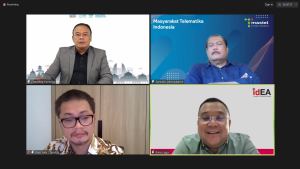 Leading the event, Chamdan Purwoko, Senior Journalist and Business Director of Indonesia, was also present as moderator. Four speakers who were present at the webinar included Ronny Solomon Maresa, Associate Trade Analyst of the PMSE Directorate, Directorate General of Domestic Trade of the Ministry of Trade the Republic of Indonesia, Sarwoto Atmosutarno, SE., MBE., Chairman of the Telematics Society (MASTEL) of Indonesia, Bima Laga, Chairman of the Indonesia E-commerce Association (idEA), and Dr. Putra Pamungkas SE., M.Rech., PhD., who currently serve as the Head of the FEB UNS Digital Business Study Program as well as the Head of PUI Fintech and Banking UNS.
The discussion, which lasted for about two hours, discussed in depth the Ministry of Trade’s regulations related to social commerce from various points of view. From the policy makers (Ministry of Trade) point of view, Ronny stated that the Regulation of the Minister of Trade aims to create a level playing field and anticipate predatory pricing. Even so, he stated that regulations will always follow innovations that continue to develop very quickly.
In line with this opinion, Bima Laga from idEA said that the role and duty of the government following the innovation is to regulate existing innovations. However, it should be noted that regulations should not discredit any of the business processes, where it is necessary to consider how a business model can compete competitively with the same quality but at a cheaper price. This includes, how this regulatory scope can create a healthier trading environment.
 In this case, Sarwoto Atmosutarno, SE., MBE, Chairman of MASTEL Indonesia, highlighted the other side of regulation, namely the need for an accurate database, which is needed in the analysis to determine the impact of the digital economy on MSMEs. This database and measurement will certainly be able to be used for impact analysis (before and after) of a new regulation.
From an academic point of view, Dr. Putra added that based on research conducted by PUI Fintech and Banking, e-commerce has significantly reduced offline transactions. However, based on the results of the study, there are some MSMEs that are reluctant to change and adopt digital business models. “UNS actively fostering MSMEs in terms of financial literacy and digitalization, as well as helping MSMEs to go onboard on digital platforms,” explained Dr. Putra responding to questions related to the importance of education for MSMEs.
Concluding the discussion, it was conveyed that the existing regulations needed to focus on how MSMEs continue to grow, not only stopping at digital adoption but also being able to survive in digital and real trade environments. This webinar provides an understanding of the purpose of creating the new Permendag. Indonesia shall not only be a spectator but also an actor at the international level. To achieve this goal, it is necessary to increase the competitiveness of MSMEs and production capacity to compete in the global market.
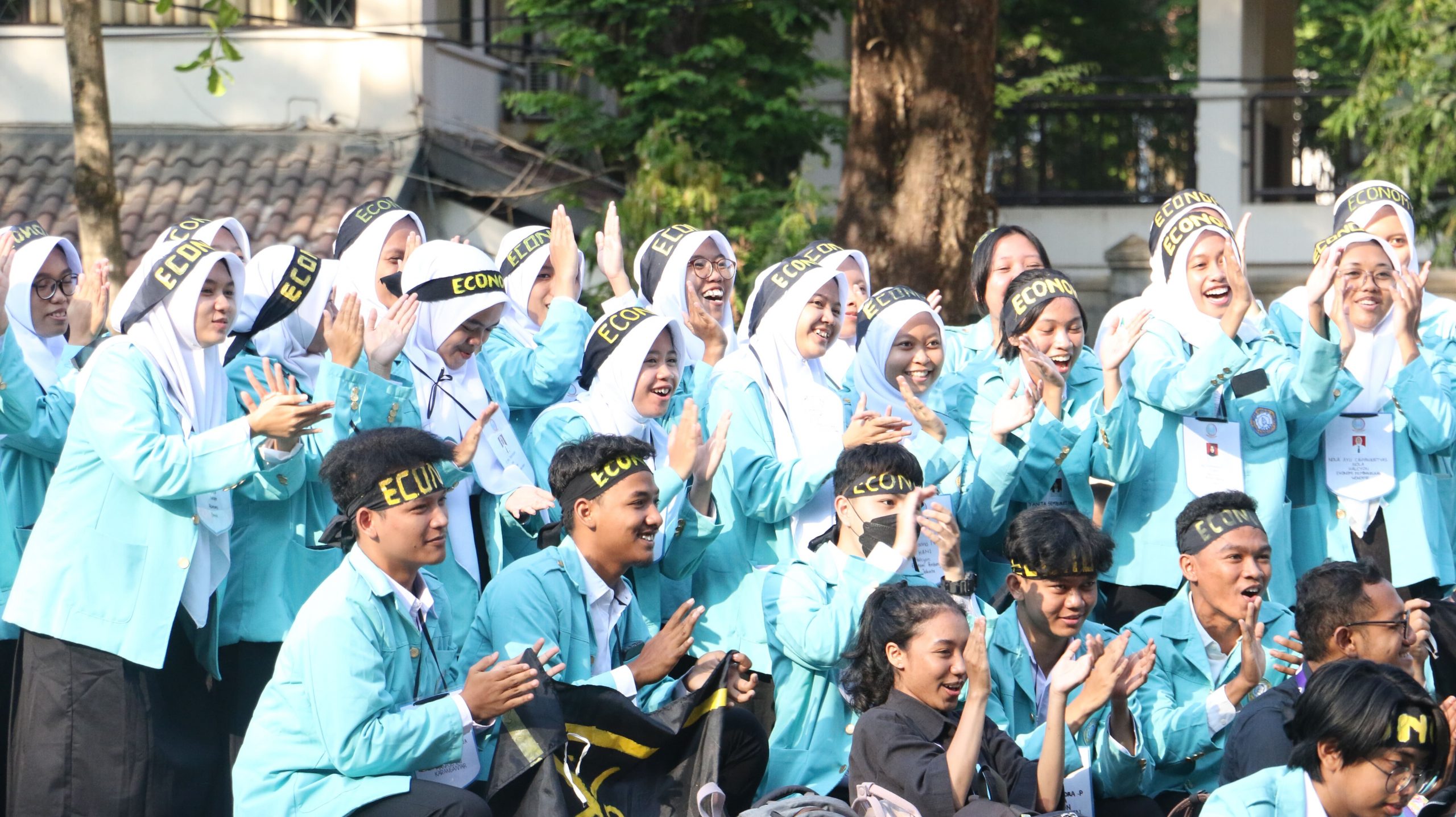
 The Dean of FEB UNS, Prof. Drs. Djoko Suhardjanto, M.Com (Hons) Ph.D., Ak., in his remarks, welcomed all new students and also introduced the Deans, Head of the Undergraduate Study Programs, Coordinator Head, and Sub-Coordinator Staff.
 The Dean also motivates new students to be diligent during teaching and learning activities. During academic sessions, students are required to be more independent, study alone, find their own journal articles, and find their own books with the guidance of lecturers or teaching assistants. Students must be able to manage time well so that they can graduate on time.

 The entourage from the Undergraduate (S1) Program in Digital Business UNJ was welcomed by Vice Dean of Business and Information Cooperation Planning, Tastaftiyan Risfandy, Ph.D., Head of Study Program, Putra Pamungkas Ph.D., and also Lecturer of the Bachelor (S1) of Digital Business FEB UNS.
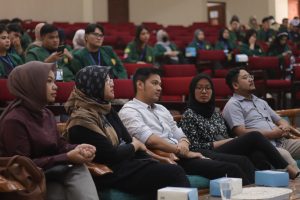 “Through various off-campus visits, we encourage our students to learn more and not to become ‘home-court aces,’ to be academicians who can dedicate their learned knowledge to the community. Students are free to explore anything, the great opportunity is available here at UNS. Students are free to inquire about UNS’ strengths, the previous and ongoing projects, and available courses in the fifth semester for student exchange. By engaging in this exploration, later they can confidently select UNS as the preferred destination for their exchange program,” he explained.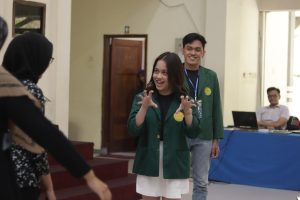
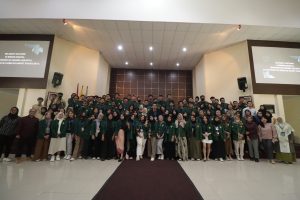
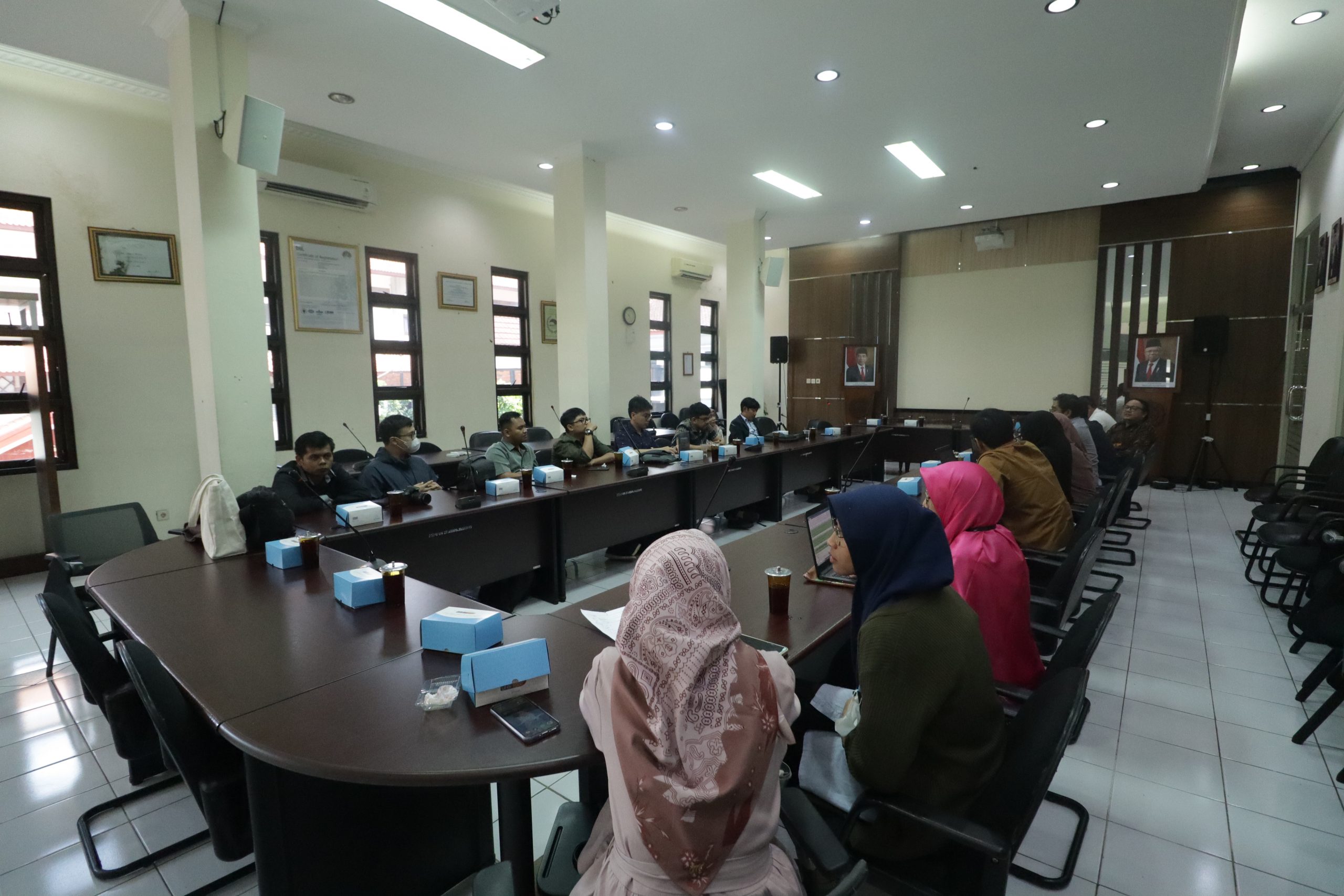
 The visit was led by the Head of the Digital Business Study Program, Adam Hermawan, S.Kom., M.B.A., and was welcomed by Tastaftiyan Risfandy, S.E., M.Sc., Ph.D., the Vice Dean for Planning, Business Partnership, and Information Affairs, FEB UNS Digital Business Head of Study Program and a number of FEB UNS Digital Business lecturers. In his welcoming remark, Dr. Tastaftiyan welcomes the entourage to UNS Solo and expresses his gratitude and honor to be visited by UPI’s Head of Study Programs and BisDig Lecturers. He states that there are many cooperation opportunities that can be done, such as student exchanges. There are numerous potentials in BisDig UPI Study Program and BG FEB UNS that need to get explored, which later implemented into a cooperation that will be mutually beneficial for both parties.
 Also, this year, the BG Study Program FEB UNS is ranked first in UNS and fifth at the national level for all clusters. In the first batch, BG FEB UNS admitted 60 students for 2 classes, and this year there will be 3 classes available. The BG Study Program has 3 major concentrations, digital finance or financial technology, digital marketing, and digital governance.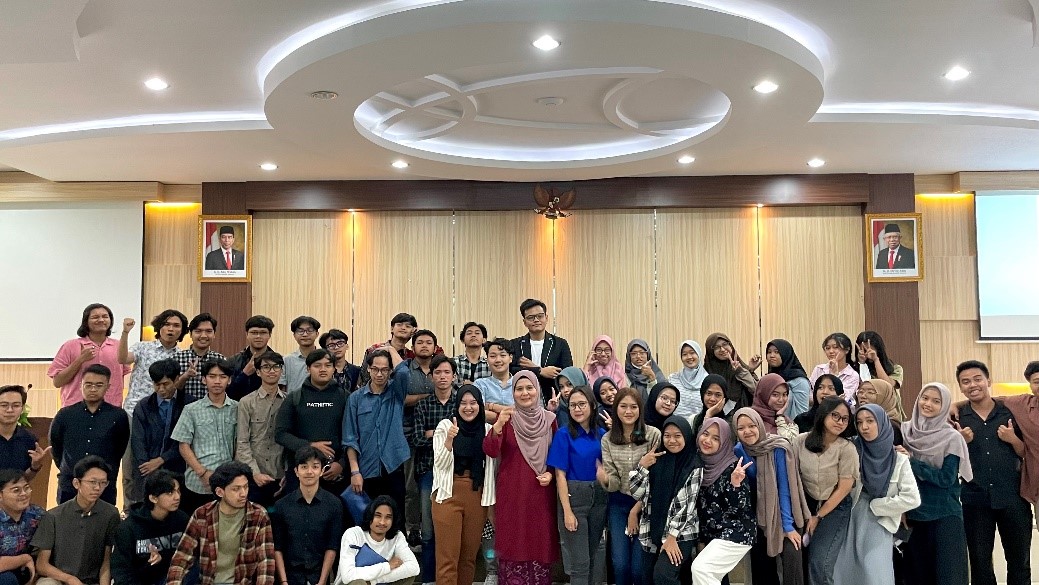
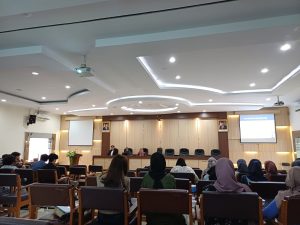 The first activity was a General Lecture on Finance entitled “Capital Structure and Dividend” delivered by Prof. Shafinar Ismail, which was attended by all of the Digital Business Study Program students. This event was conducted at Konimex Hall of Bachtiar Effendy Building FEB UNS. The General Lecture allows participants to gain insight and a lecture experience with lecturers from Malaysia.
 The event was attended by the Master of Management Study Program students at FEB UNS. On this occasion, Prof. Shafinar Ismail from Universiti Teknologi MARA reviewed the student’s proposal and discussed a topic in the proposal seminar. After that, the participants will get input on their research proposal that will be submitted. Hence they can carry on with the research smoothly in the future.
 Plt. (Acting Officer) for the Head of the Digital Business Study Program FEB, Putra Pamungkas, M. Rech., Ph.D., revealed that the purpose of this activity is to improve UNS’s international reputation and to establish better global competitiveness. In addition, it will also improve UNS internationalization programs quality and increase UNS’ global academic reputation, as well as strengthen collaboration and MoU implementation with Universiti Teknologi MARA. “Overall, the inbound scholars from Universiti Teknologi MARA can improve UNS learning and research quality extensively along with the QS 100 university Top Scholar by subject,” he said.
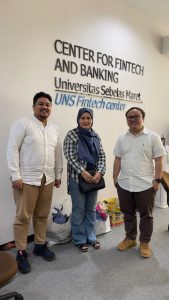 He added that this activity will continue with other collaboration activities in the future and joint research collaboration between FEB UNS and Universiti Teknologi MARA. Following the efforts made within the implementation plan, the current Universiti Teknologi MARA Inbound Scholar provides new insights and further develops UNS exposure. This exposure will include guest lecture activities and discussions on collaborative projects such as webinars, seminars, research, and other activities in the future.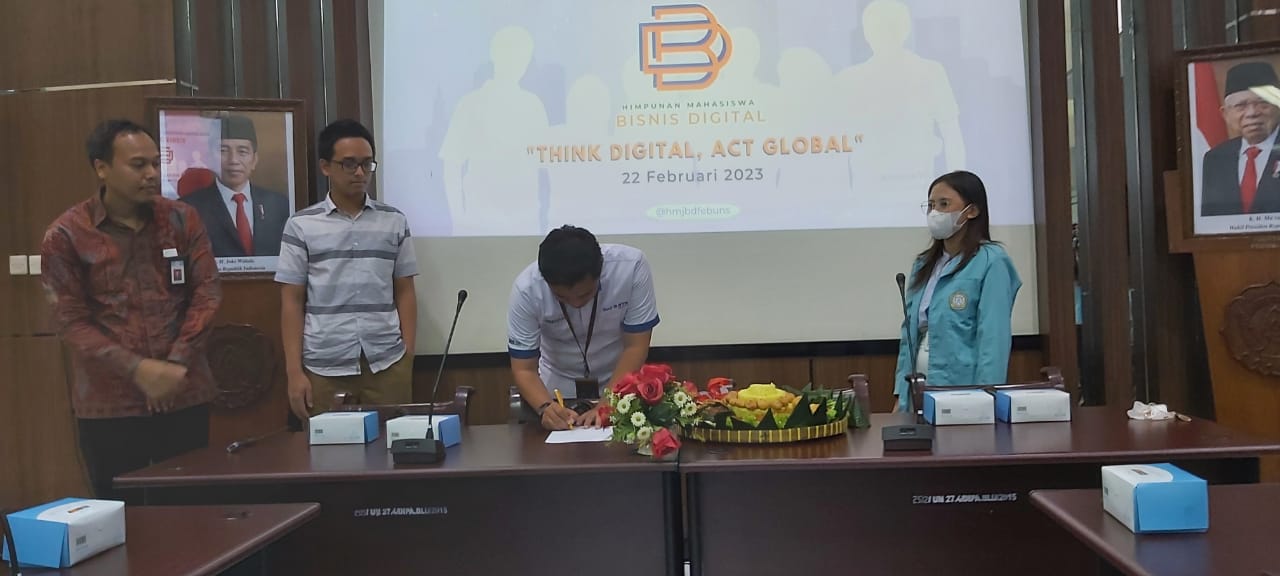

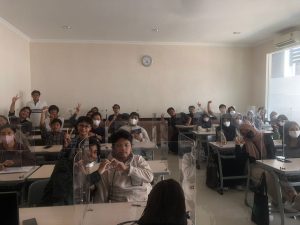 Meanwhile, Athaya, a student of the Digital Business Study Program, expressed his impressions during his time as the first batch student of the Digital Business Study Program.