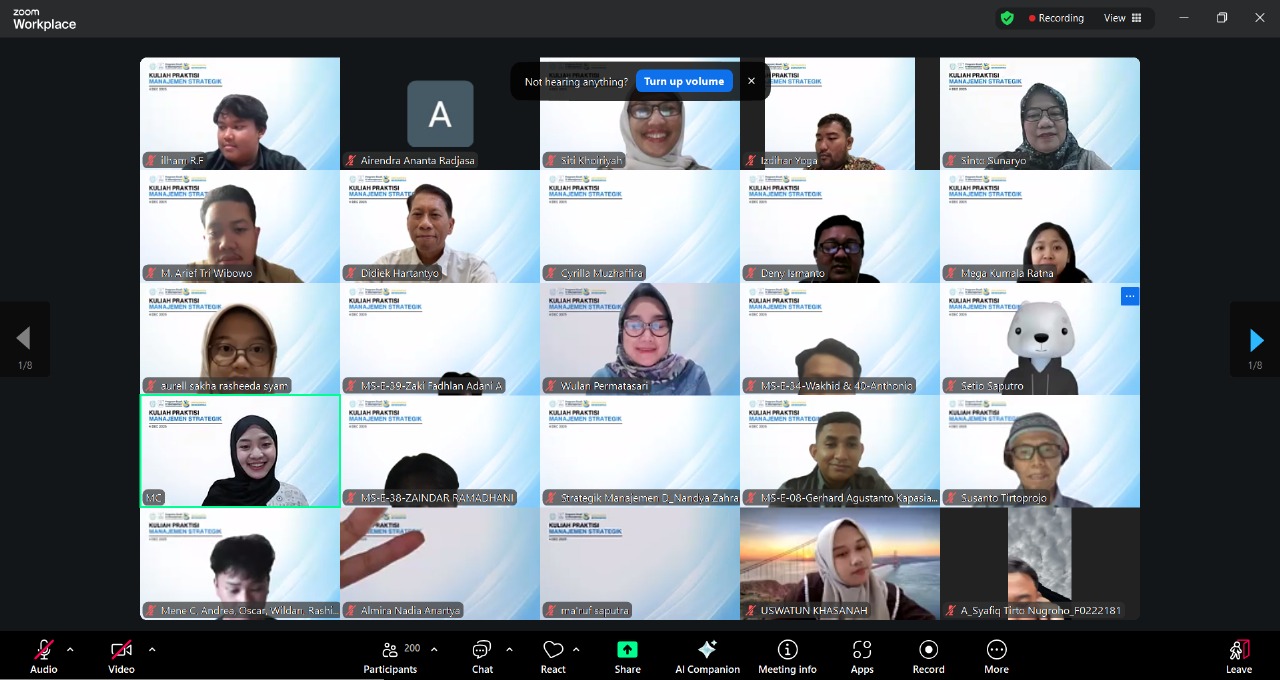
Management Study Program, Faculty of Economics and Business (FEB), Universitas Sebelas Maret (UNS), organized a Guest Practitioner Lecture for the Strategic Management course entitled “Strategy Evaluation: Measuring Performance and Conducting Strategic Revision” on Thursday, 4 December 2025. This occasion featured Dr. Didiek Hartantyo, M.B.A., a strategic management practitioner who shared empirical experience related to Dynamic Strategic Evaluation and its implementation at PT Kereta Api Indonesia (Persero).
In his presentation, Dr. Didiek emphasized that recently, organizations operate within a hyper-dynamic environment, characterized by rapid change and uncertainty arising from political and geopolitical conditions, global and domestic economic factors, disasters, and shifts in customer behavior. These conditions require companies to conduct strategy evaluation that is no longer static and periodic, but dynamic, continuous, and adaptive. To address these challenges, six approaches were presented.
First, Dynamic Strategic Evaluation, which refers to strategy evaluation conducted continuously and in real time, rather than relying solely on annual cycles. Second, Data-Driven Strategic Review emphasizes the use of big data, data analytics, and artificial intelligence as the basis for decision-making, enabling strategy evaluation to be more accurate and predictive. The third approach is Adaptive Permanent Evaluation, which assesses organizational capabilities through sensing, seizing, and transforming capabilities to ensure the organization can detect change, capture opportunities, and adapt structurally. Fourth, Strategic Ambidexterity Evaluation refers to an organization’s ability to maintain operational efficiency and stability while simultaneously pursuing innovation and transformation amid policy dynamics and global economic conditions.
Furthermore, ESG-Integrated Strategic Evaluation positions environmental, social, and governance aspects as core components of strategy evaluation to ensure sustainability and stakeholder trust. Finally, Scenario-Based Strategy Evaluation (SBSE) is applied to assess organizational readiness in facing various future possibilities, particularly under conditions of extreme uncertainty such as during a pandemic.
In the implementation session, PT Kereta Api Indonesia (Persero) was presented as a concrete example of the application of these six approaches from 2016 to 2025. The transformation began with strengthening organizational foundations and revising the Corporate Work Plan and Budget (RKAP) during 2016–2017, followed by the achievement of an AAA rating from Pefindo in 2017. KAI also issued bonds in 2017 and 2019 as a form of transparency and cost-efficient financing, while gaining public trust through its involvement in financing the Jabodebek LRT project.
During the COVID-19 pandemic period (2020–2021), KAI implemented crisis management through service adaptation, reinforcement of health protocols, and operational efficiency. Although the company experienced losses for two consecutive years, it successfully recovered and recorded a profit of IDR 444 billion in 2022. Entering the 2020–2025 period, KAI continued to develop dynamic strategic evolution through continuous strategy evaluation to maintain performance, safety, efficiency, and service quality.
This practitioner lecture reaffirmed that dynamic, adaptive, and data-based strategy evaluation is a key requirement for the sustainability of modern organizations. The six strategic evaluation frameworks presented were not only academically relevant but also demonstrably applicable in national corporate practice.
This lecture support SDG 8 (Decent Work and Economic Growth) through the strengthening of corporate performance and sustainability, SDG 9 (Industry, Innovation, and Infrastructure) through strategic transformation and innovation in the transportation sector, as well as SDG 12 (Responsible Consumption and Production) and SDG 16 (Strong and Accountable Institutions) through the integration of ESG principles and transparent governance.

 The speaker for this session was Edi Marwanto, Vice President of Business Development at PT National Energy Solutions, who has more than 20 years of experience in construction projects within the oil, gas, and petrochemical sectors. In his presentation, Edi Marwanto emphasized that projects do not merely produce unique deliverables, but also drive change and create value for organizations.
 The speaker described the comprehensive project life cycle, beginning with initiating, planning, executing, monitoring and controlling, and concluding with closing. Each phase plays a critical role in ensuring that projects proceed in line with established plans.
 In closing, Edi Marwanto presented several key recommendations, including the adoption of global project management standards, stronger risk and change management practices, character-based leadership that includes emotional intelligence, and the application of the talent triangle for project managers, comprising technical, leadership, and strategic-business skills.
 The session was conducted virtually and attended by students of the Management Study Program. It was moderated by Dr. Intan Novela Qurrotul Aini, S.E., M.Si., a lecturer at FEB UNS. During the session, the speaker outlined her career journey, which began in the fields of technology and social media before she joined KAI in 2013 as Manager of CRM and Digital Media. During this period, KAI began implementing social media listening integrated with operational systems, enabling the company to distinguish authentic customer feedback from public opinion and comments generated by non-customer accounts.
 Concluding the session, the speaker expressed her appreciation for the opportunity to participate at UNS as part of public education efforts. Several KAI communication case studies have become references for undergraduate and postgraduate students. “KAI seeks to demonstrate transparency and readiness to contribute to Indonesia’s economic transformation and global engagement,” she stated.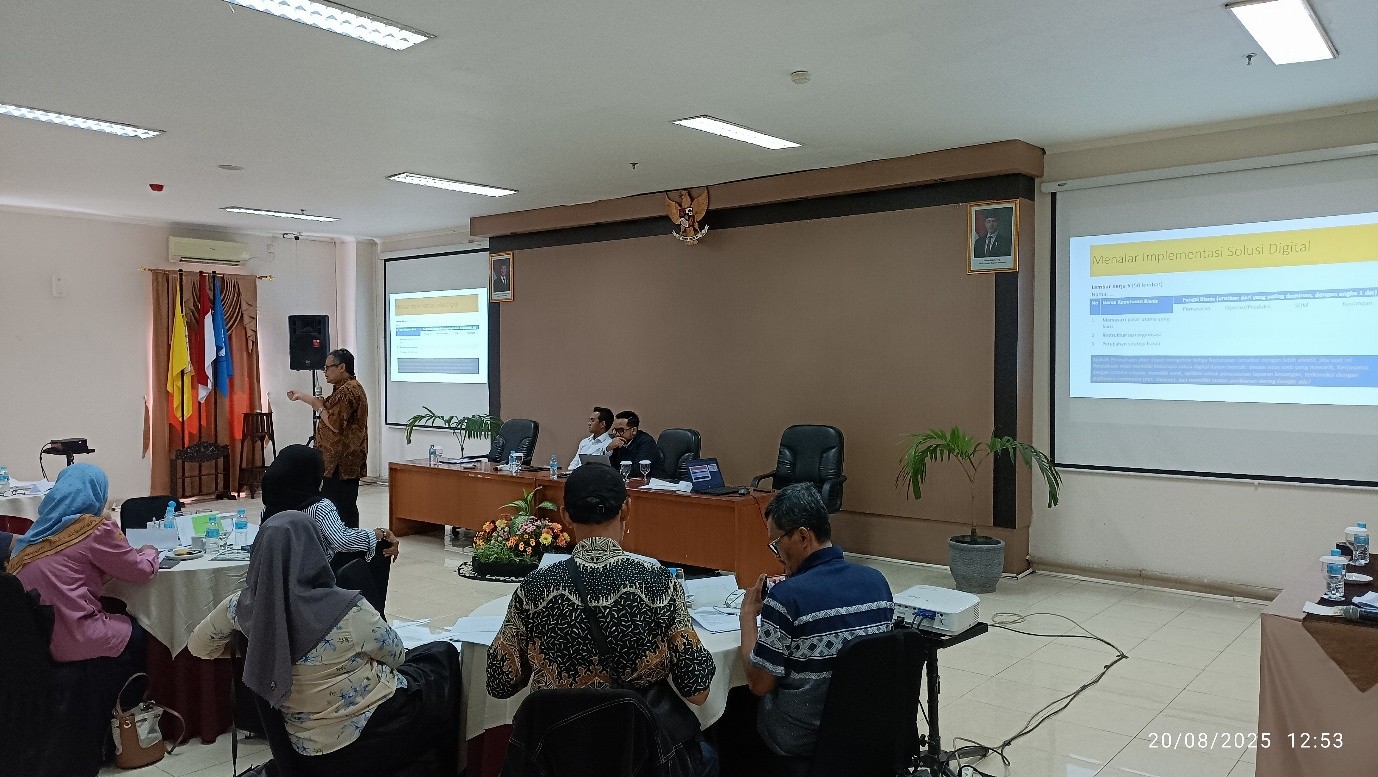
 for entrepreneurs to determine priorities and select digital technologies that genuinely support their needs.”
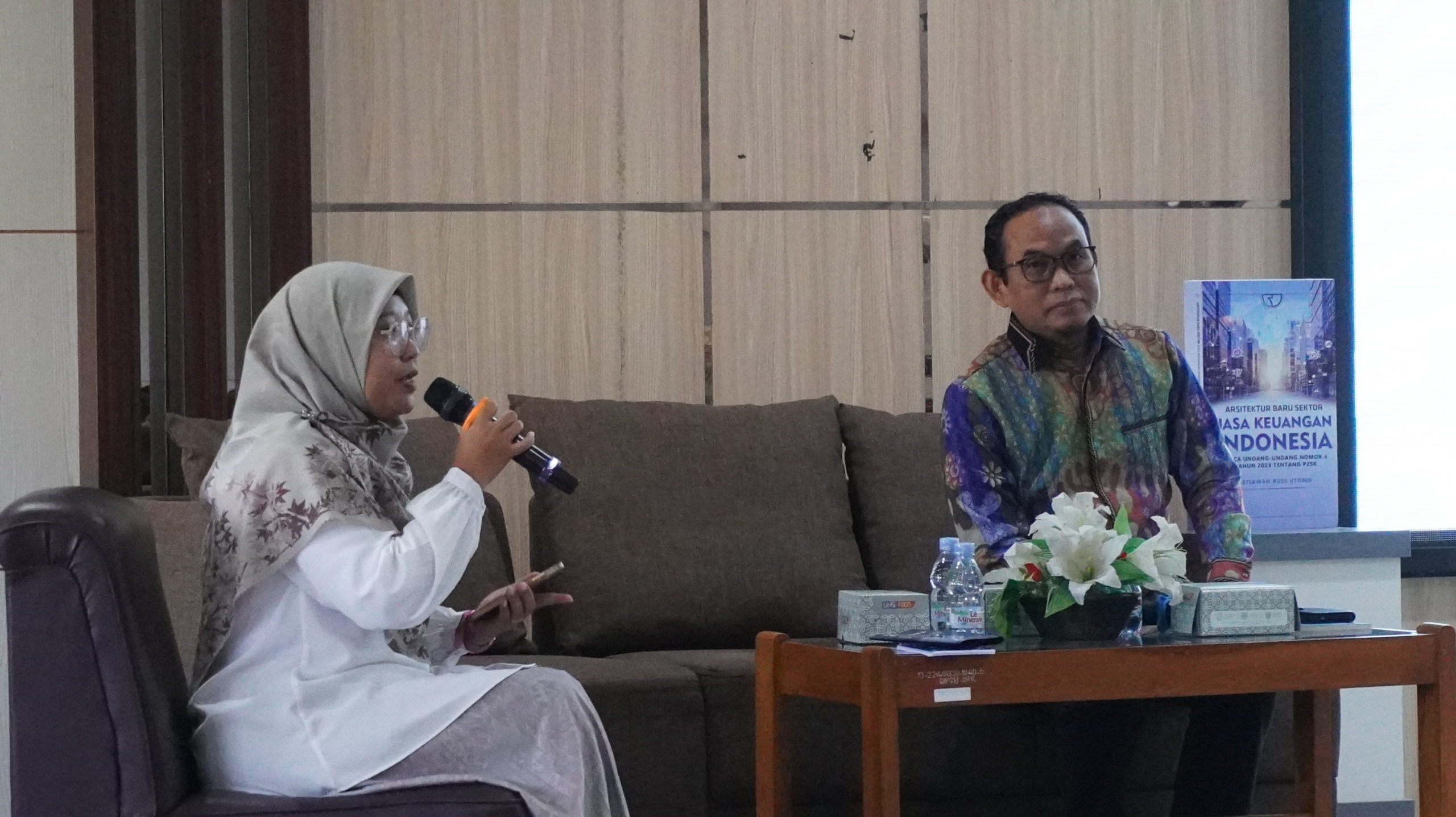
 This academic forum served as a platform to examine the major transformation of Indonesia’s financial services sector following the enactment of the P2SK Law, an omnibus regulation that restructures institutional architecture, supervisory scope, and the direction of national financial development.
 Institutional Transformation and Coordination Strengthening
 In the banking sector, the speaker emphasized that the P2SK Law adopts a more systematic risk-based supervision through three categories: normal, intensive, and special supervision. The Law also supports the consolidation of BPR/BPRS, the strengthening of sharia banking structures, and the acceleration of digital service transformation. The emergence of digital banks has become a strategic development. The P2SK Law provides clearer governance guidelines related to minimum capital, cybersecurity, digital know your customer (KYC) mechanisms, and technology risk management. The Law also encourages the integration of environmental, social, and governance (ESG) principles into financing portfolios as part of the transition toward sustainable finance.
 Regulation transformation extends to the non-bank sector, including insurance, pension funds, financing companies, and venture capital firms. These industries are required to improve governance, enhance digital transformation, and strengthen service transparency.
 The discussion session was highly interactive, with questions from participants regarding implementation challenges, digital transformation readiness, and the role of students in contributing to the financial sector’s governance in the future. “The success of the P2SK Law depends heavily on human resource capacity, the harmonization of derivative regulations, and the ability of financial institutions to adapt to technology,” Setiawan said.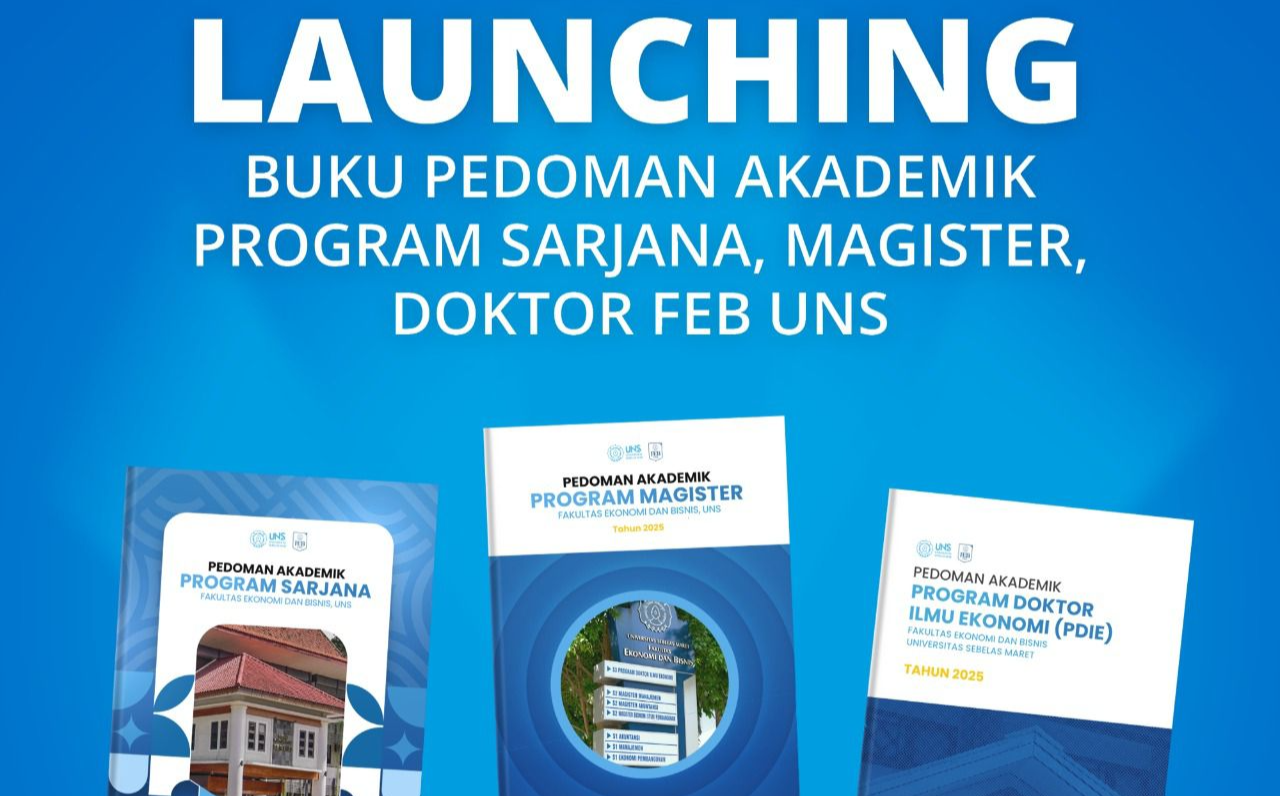
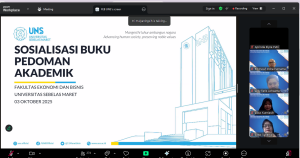 “There are two main objectives of this activity: improving the quality of graduates and enhancing the quality of curriculum and learning experiences. The academic and curricular information presented in this handbook will help students to graduate on time, acquire knowledge and skills relevant to the job market, and ensure a meaningful and enjoyable learning experience at FEB UNS,” she explained.
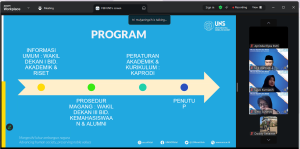
 Through the launch of this Academic Handbook, FEB UNS hopes that all students can follow a clearer academic path, understand their rights and responsibilities, and make full use of the available learning facilities. This initiative also reaffirms FEB UNS’s commitment to supporting the achievement of the Sustainable Development Goals (SDGs), particularly

 In her opening remarks, Dr. Sinto Sunaryo, S.E., M.Si., SHRM.CP., Head of the Management Study Program, explains that the practitioner lecture serves as a regular academic agenda designed to bridge theoretical knowledge with professional practice. “Students are expected to gain direct insights from practitioners to understand how theories are applied in real-world contexts, particularly in the field of leadership,” she states.
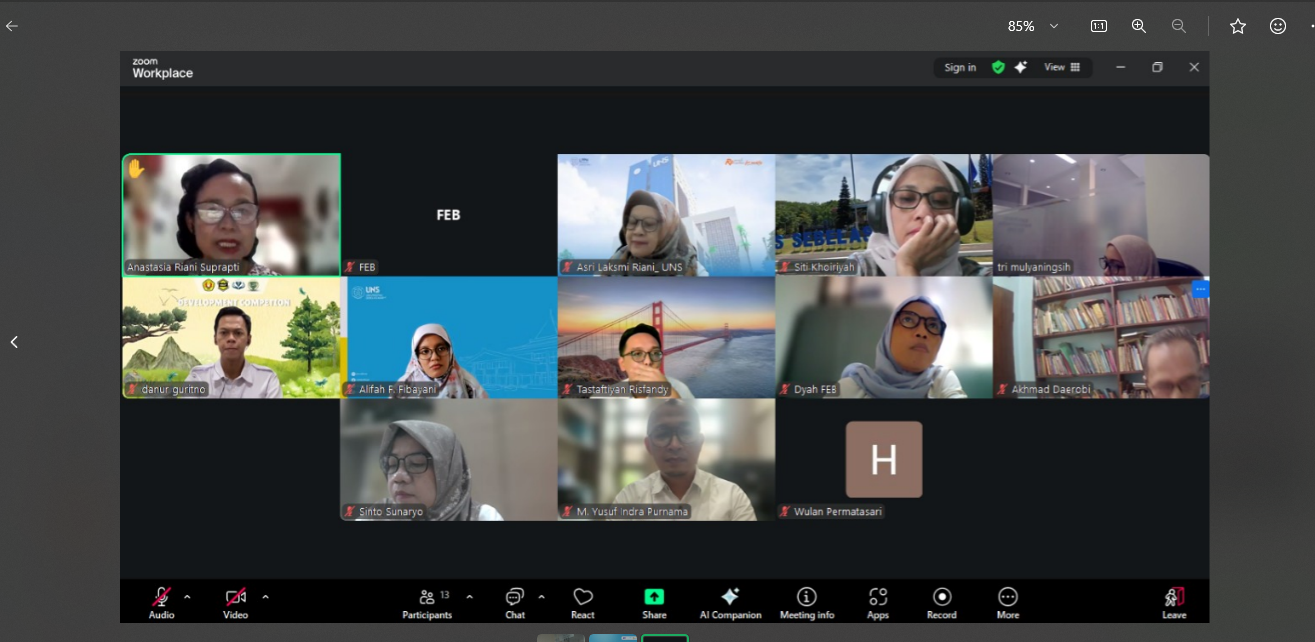
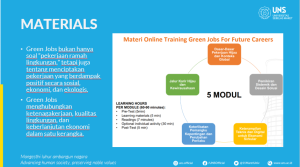 At FEB UNS, the LMS will be implemented in various courses such as Human Resource Management, Human Resource Economics, and Employment Economics. The customized materials cover topics including current labor issues, company case studies, labor migration, and trade unions. The LMS is expected to address global challenges in employment, the green economy, and environmental sustainability. Through this platform, students can access online, interactive, and flexible learning resources.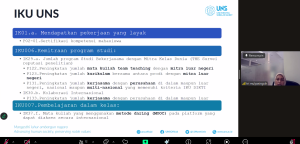
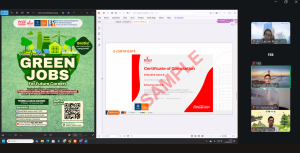 Participants will receive an international certificate from CCEP, free access to the five training modules, flexible online learning opportunities, and the chance to win cash prizes of up to IDR 5,000,000. During the discussion session, Muhammad Yusuf Indra Purnama, Ph.D., Head of the Development Economics Study Program, suggested that the independent learning process should remain under lecturer supervision to ensure student discipline and completion.