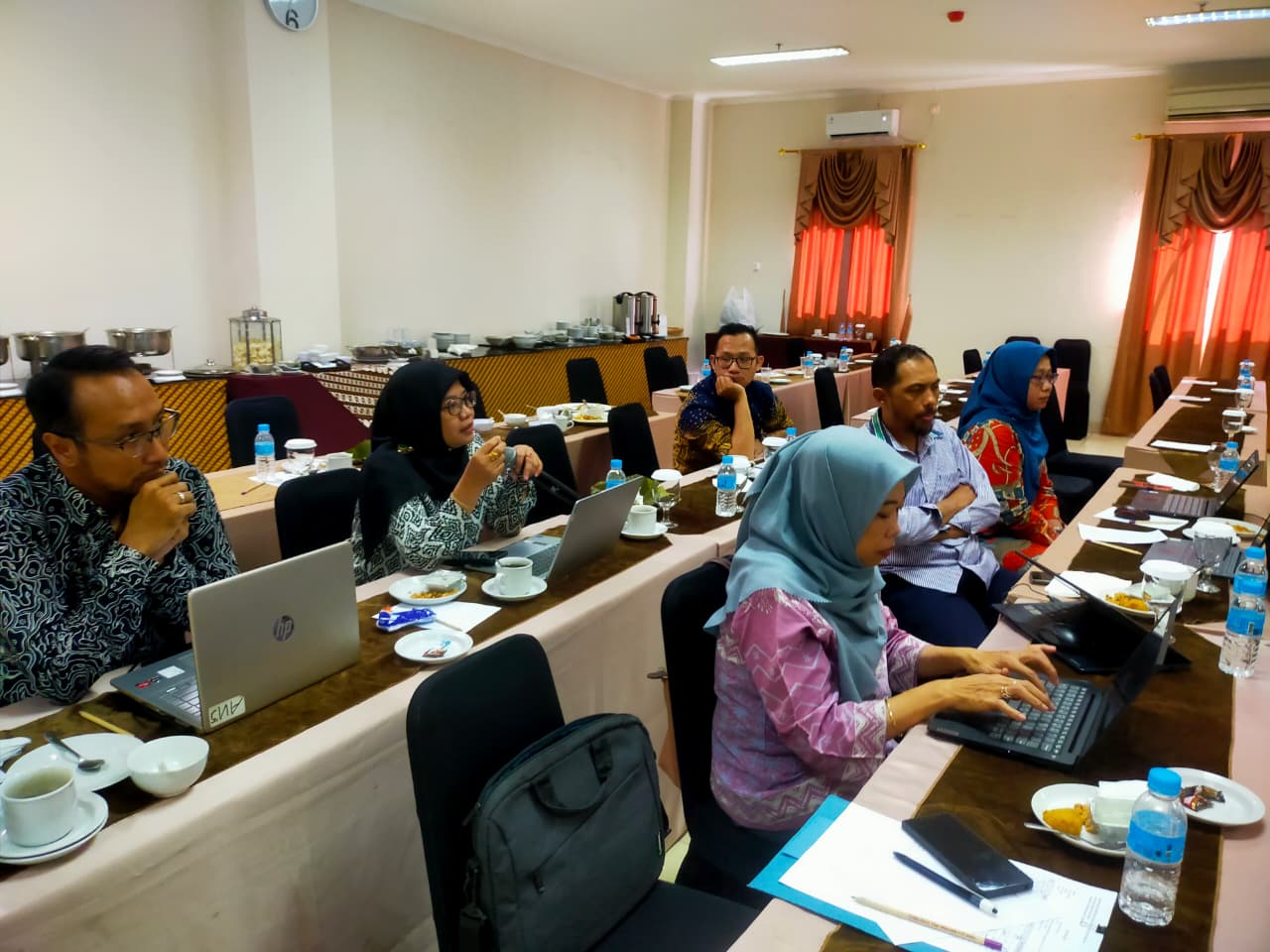
The Faculty of Economics and Business (FEB), Universitas Sebelas Maret (UNS), held a Workshop on the Integration of Merdeka Belajar Kampus Merdeka (MBKM), Internship, and Community Service (KKN) on Thursday, July 10, 2025, at UNS Inn. The event was attended by Undergraduate Study Program Heads, Heads of Academic Subdivisions, Academic Staff and Operators, as well as the Personnel in Charge for the Internship at Study Program level. The workshop aims to build a common understanding and formulate guidelines for the implementation of internships and KKN within FEB UNS, in line with the latest policy of the Ministry of Education, Culture, Research, and Technology.
In her opening remarks, Prof. Tri Mulyaningsih, S.E., M.Si., Ph.D., Vice Dean of Academic and Research Affairs, emphasized that internships are one of the key components of MBKM Program, yet varying interpretations and inconsistent information still remain. The shift in terminology and scheme, such as from “MBKM Internship” to “Impactful Internship,” requires adjustments in governance and policies both at the faculty and study program levels.
 This initiative is a joint-effort undertaken by the Academic Affairs Division (Division 1) and the Student and Alumni Affairs Division (Third Division). In its presentation, the Division highlighted the importance of structuring mandatory internships, which apply generally to all study programs and must be reported to each program. On the other hand, there are also independently managed internships by students within the MBKM framework, now known as Impactful Internships.
“With this workshop, we hope to establish a common understanding among the faculties and study program administrators regarding the forms, procedures, and governance of internships and KKN. In addition, this activity also serves as a starting point for drafting internship implementation guidelines that align with the latest regulations,” said Prof. Tri.
 It is important to understand that the current implementation of internships refers to Ministerial Regulation (Permendikbudristek) No. 63 of 2024 on the Implementation of Student Internships. FEB UNS, through Division 3, is committed to preparing and launching the Internship Handbook in the near future. One of the key discussions was the positioning and relationship between Mandatory Internships, MBKM Internships, and Impactful Internships within the curriculum structure and academic policies.
The discussion managed to establish that although terminology and implementation platforms have changed, both the MBKM Internships and Impactful Internships share similarities, particularly in providing opportunities for students to engage in off-campus activities for up to two semesters. Through this workshop, FEB UNS seeks to ensure that the future implementation of internships and KKN can be carried out in an integrated and effective manner, in accordance with student learning needs and the dynamics of national policies.
This workshop is also aligned with FEB UNS’s commitment to supporting the achievement of the Sustainable Development Goals (SDGs), particularly SDG 4 (Quality Education), by strengthening curricula based on real-world and community experiences; SDG 8 (Decent Work and Economic Growth), by preparing students with work readiness and skills relevant to industry needs; and SDG 17 (Partnerships for the Goals), by fostering collaboration between universities, businesses, government, and communities in the implementation of internships, KKN, and other MBKM programs.
With a more structured and impactful integration of MBKM, internships, and KKN, FEB UNS hopes to produce graduates who are not only academically excellent but also adaptive, collaborative, and capable of making tangible contributions to sustainable development at the local, national, and global levels.
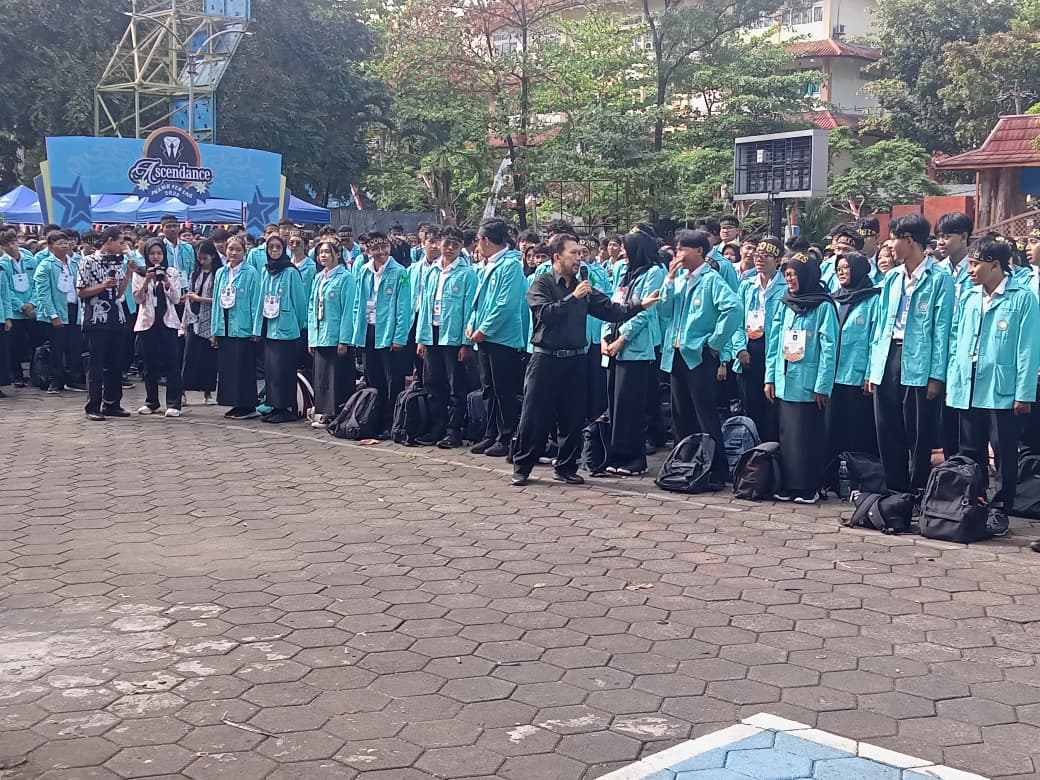
 Dean of FEB UNS, Prof. Bhimo Rizky Samudro, S.E., M.Si., Ph.D., conveyed three key messages in his address: the importance of ethics, building networks, and developing tolerance during the study period on campus. “I would like to remind you, your presence here is not solely due to your own efforts, but also because of the role of God Almighty and the prayers of your parents, especially your mother. A mother’s prayer is vital in your life journey,” said Prof. Bhimo.
 Following his speech, Prof. Bhimo introduced the Vice Deans, Heads of Study Programs, the Head of Administrative Office, and Heads of Subdivision of FEB UNS.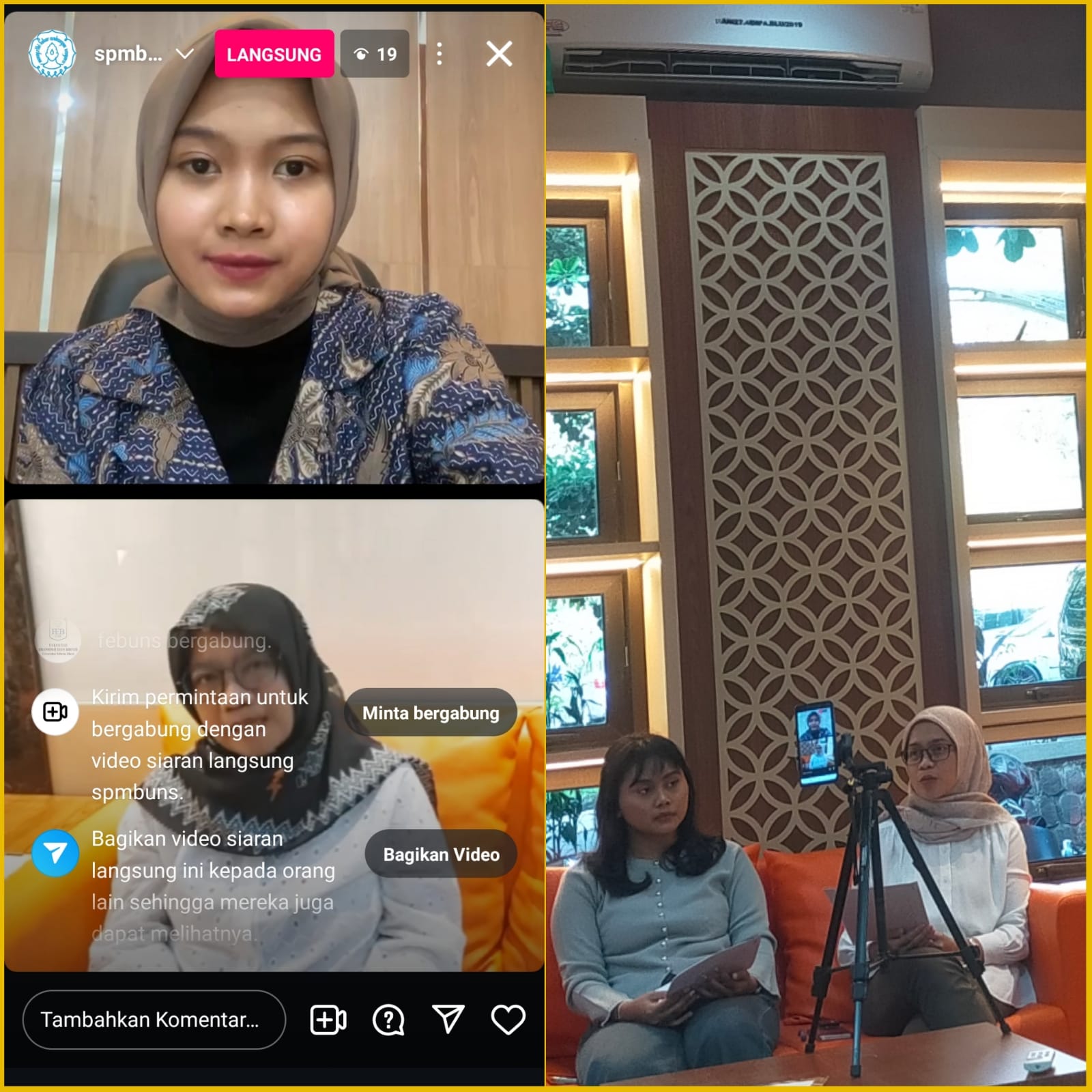
 The session featured several speakers including the Vice Dean for Academic and Research Affairs, Prof. Tri Mulyaningsih, Ph.D.; Head of the Management Study Program, Dr. Sinto Sunaryo; Head of the Development Economics Study Program, Muhammad Yusuf Indra Purnama, Ph.D.; and a faculty representative from the Accounting Study Program, Nur Chayati, S.E., M.Sc. In addition, three international class students—Muhammad Haidar Ashif, Muhammad Hisyam Asadul Haq, and Nurul Yantika—shared their perspectives and experiences.
 The discussion also highlighted the distinctions between regular and international class programs, particularly in terms of student mindset and skills. International class students tend to develop stronger soft skills such as adaptability, confidence, independence, and cross-cultural communication, shaped through their learning experiences abroad.
 “We are grateful to Prof. B.M. for taking the time to join us at FEB UNS. Today, we will engage in a discussion on applied research—an approach we are eager to explore and expand within the Management Program,” she stated.
 She further noted that the integration of applied research has significant implications not only for faculty-led research but also for student-driven projects.
 “The research approaches adopted by a faculty unit are among the key indicators assessed in the AACSB accreditation process. Prof. B.M.’s presence today will serve as a valuable resource for strengthening our institutional readiness and enhancing our research capabilities in preparation for AACSB,” she added.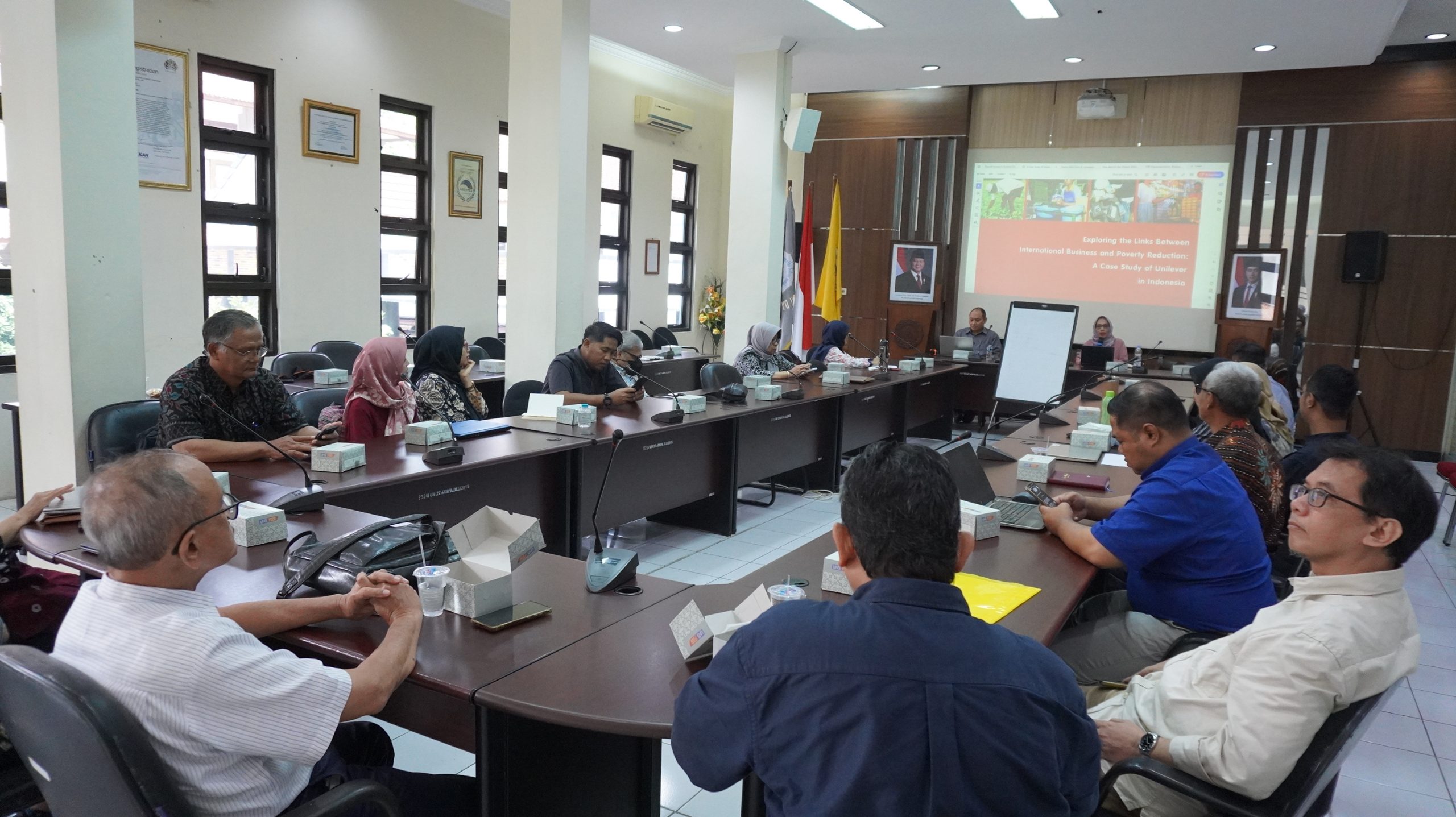

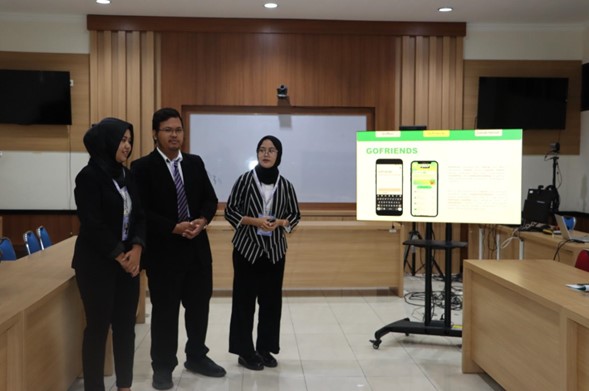
 Speaking to feb.uns.ac.id, Heavani, the team leader, reveals that their motivation for joining the Business Case competition was to gain experience in solving real-world business problems and applying theoretical knowledge from their coursework to practical scenarios. Regarding preparation, the team received intensive guidance from faculty members, mentors, and their senior peers who had extensive experience in business case and business plan competitions. They dedicated extra time beyond their class schedules to refine their materials and presentations. During practice sessions, the team focused not only on the content but also on strengthening their mental resilience to ensure they were ready for any situation. Although they sacrificed a lot of time, they believed every moment of preparation would be worthwhile.
 “We divided tasks within the team according to our respective expertise, such as finance, analysis, marketing, and design. During brainstorming sessions, we sometimes had differing opinions, but this actually improved our solutions by providing constructive feedback and alternative ideas. We usually discussed via Zoom or Google Meet due to our tight schedules of classes and extracurricular activities. However, we also made time for in-person brainstorming and group presentations,” she shared.
 The Sebelas Maret Business Case Competition (SMBCC) 2024 is a national-level business competition that challenges teams of undergraduate and diploma students from across Indonesia to solve business cases from corporate partners, PT Nippon Indosari Corpindo and PT Goto Gojek Tokopedia Tbk, focusing on the integration of technology in the digital economy.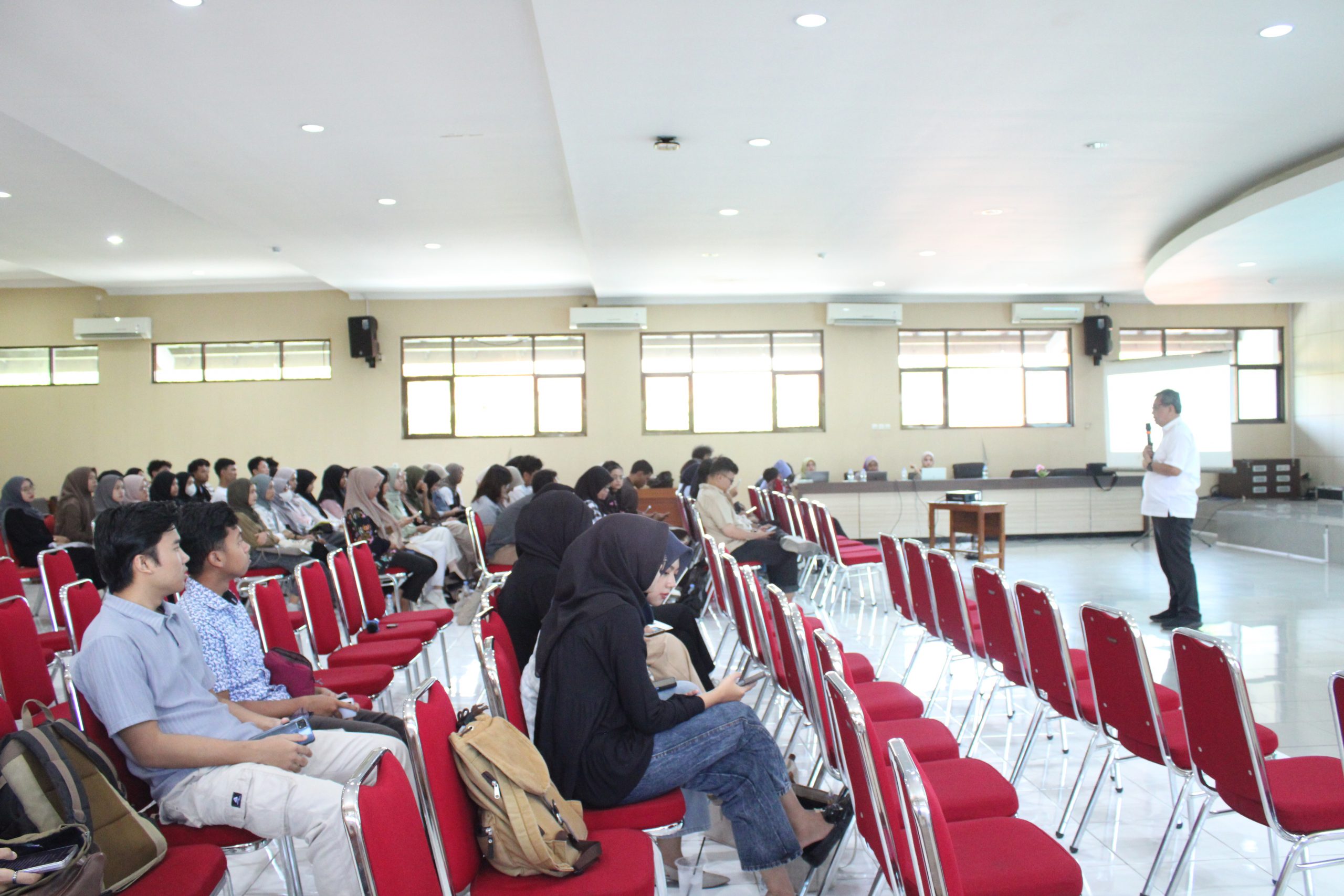
 The guest lecture was attended by over 100 undergraduate students from the Management and Development Economics programs. The session featured Daly Rustamblin, Director of the Bank Liquidation Group, as the keynote speaker, focusing on the theme of Bank Liquidation. The lecture is expected to help students understand the fundamental philosophy (mindset) and acquire the conceptual and practical skills (skill set) related to bank liquidation.
 In a Purchase & Assumption (P&A) approach, good assets are transferred to the acquiring bank, while bad assets are liquidated. Further, a Bridge Bank option involves establishment of a temporary bank to manage good assets, while bad assets are liquidated. In a Temporary Capital Injection, capital is provided to address the bank’s capital shortfall, ensuring compliance with the required capital adequacy ratio. Meanwhile, Liquidation involves converting all assets into cash to fulfill the bank’s obligations.
 Since LPS began operations in 2005, up to September 20, 2024, 137 banks (comprising 1 Commercial Bank, 122 Rural Banks (BPR), and 13 Sharia Rural Banks (BPRS)) have undergone liquidation. Currently, 19 BPR/BPRS are in the liquidation process, while 118 banks have completed liquidation (1 Commercial Bank, 106 BPR, and 11 BPRS).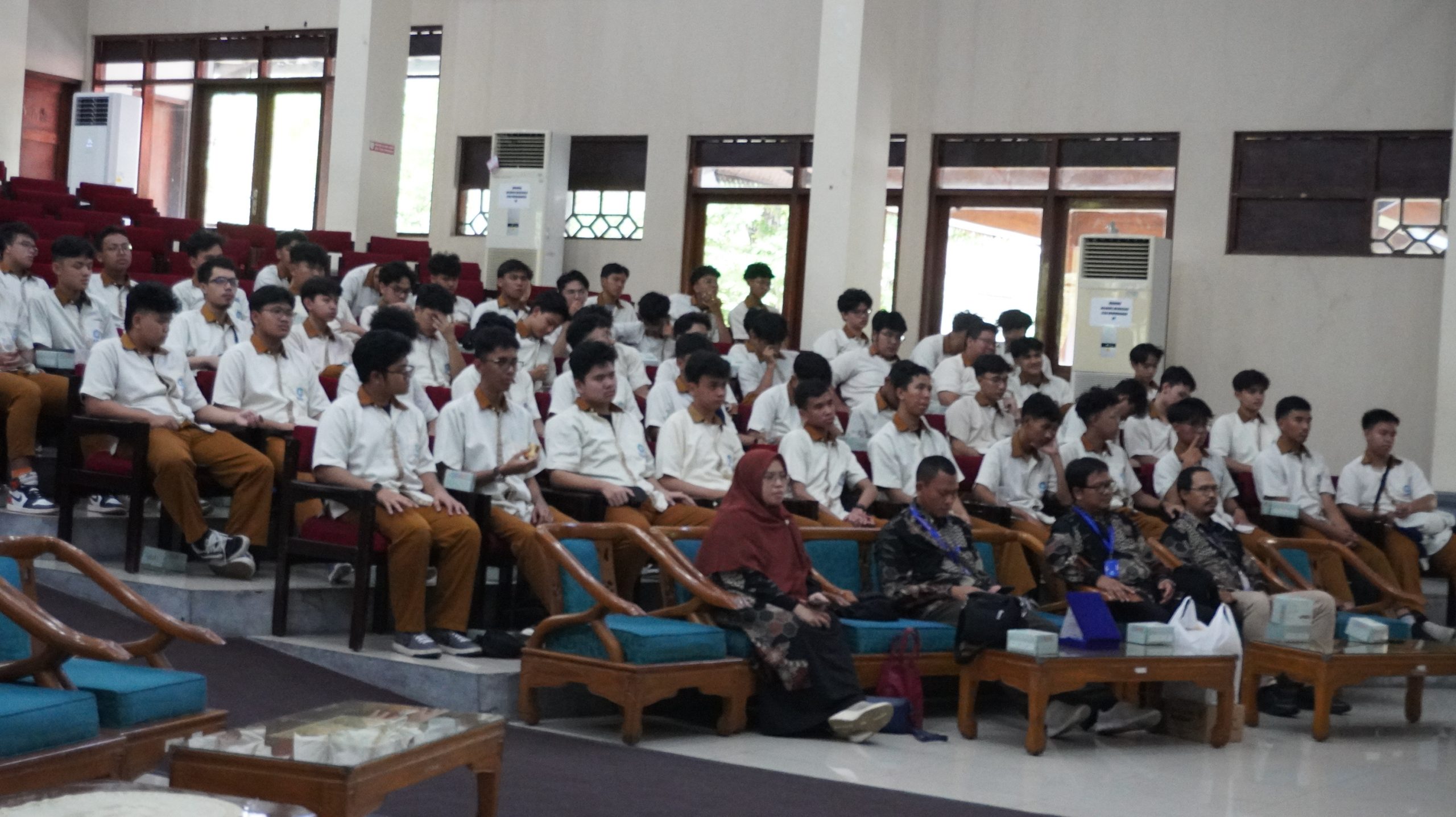
 Aldy Fariz Achsanta, S.E., M.Rech., Ph.D., Head of the Digital Business Undergraduate Program at FEB UNS, provided an overview of the faculty. He highlighted the four undergraduate programs offered in FEB UNS, namely, Management Study Program, Development Economics, Accounting, and Digital Business. Detailed explanations of each program were delivered by the respective program heads in attendance.
 In addition to an introduction to the Digital Business program by Aldy Fariz Achsanta, PhD., students also gained comprehensive information about the Management program from Dr. Sinto Sunaryo, S.E., M.Si., SHRM.CP., and the Economics and Development Studies program, presented by Muhammad Yusuf Indra Purnama, S.E., M.Rech., Ph.D.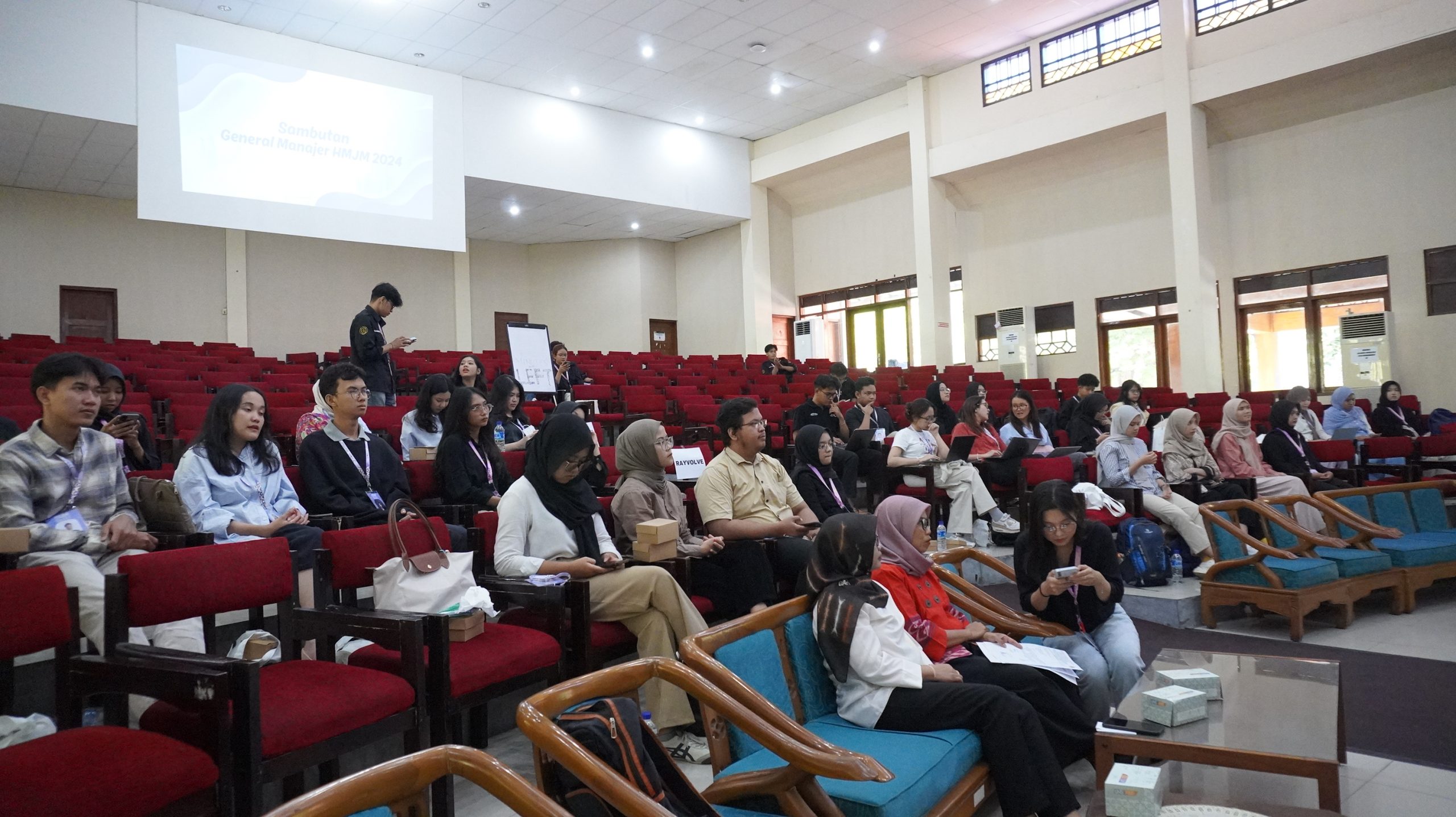
 As an annual event, SMBCC provides a platform for students to sharpen their analytical and critical thinking skills while crafting innovative business strategies. Held from October 10 to 12, 2024, at FEB UNS, SMBCC consists of four stages: registration, preliminary rounds, semifinals, and the final round. The initial three stages were conducted online, while the final round was conducted through an on-site session.

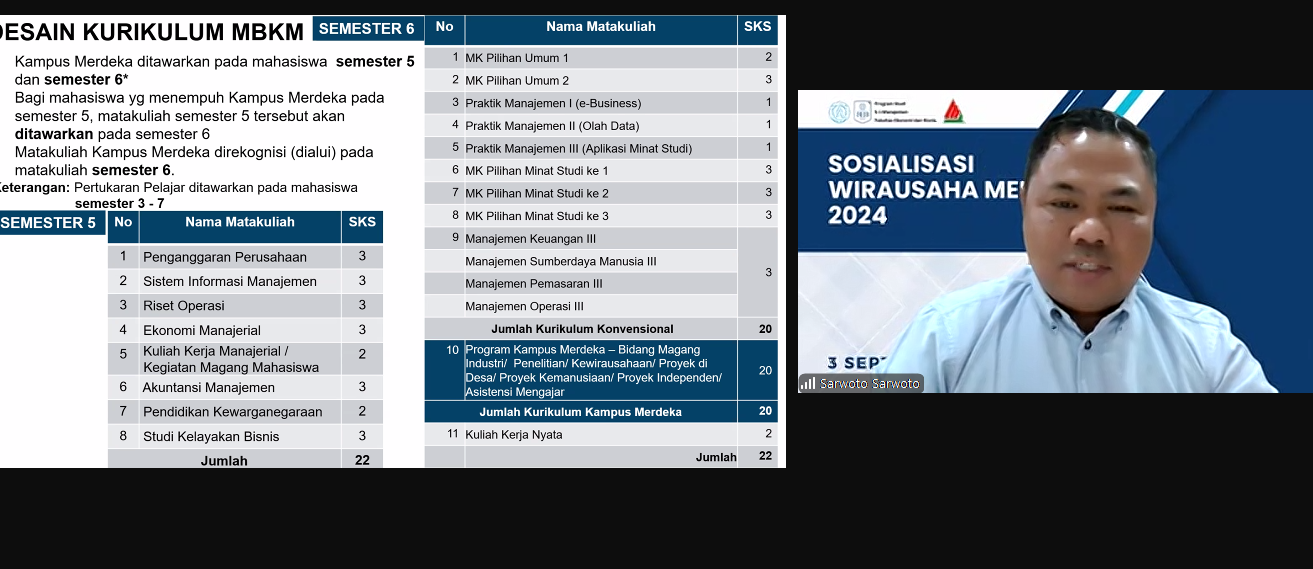
 Launched by the Indonesian Ministry of Education, Culture, Research, and Technology (Kemendikbudristek), MBKM Wirausaha enables students to gain practical experience outside their academic courses through hands-on entrepreneurship activities.
 Moreover, students have a unique chance to present their startup products or services to potential investors, business partners, and prospective customers.