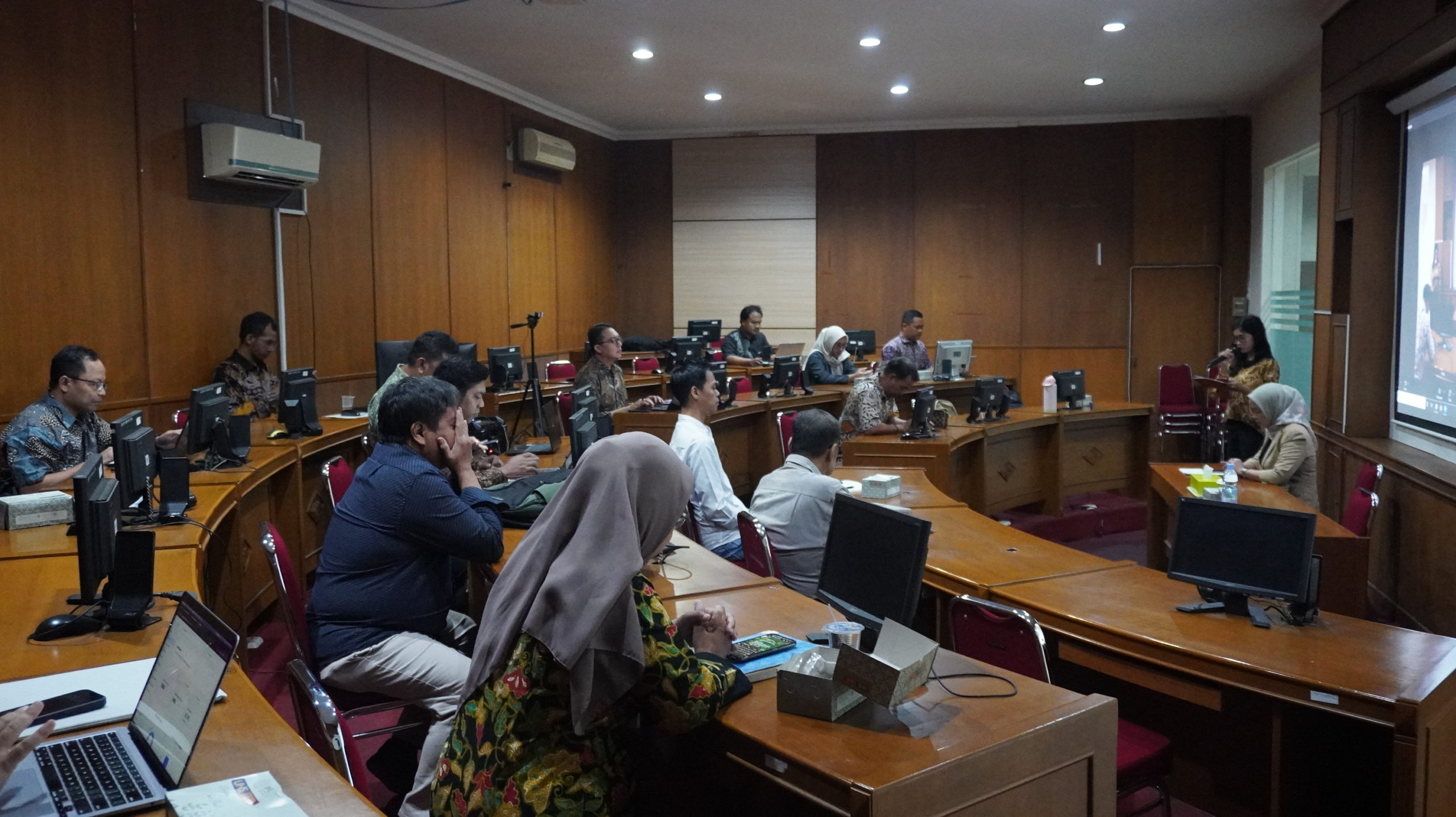
Master of Economics and Development Studies (MESP) Study Program, Faculty of Economics and Business (FEB), Universitas Sebelas Maret (UNS), organized a Curriculum Review activity on Thursday, 4 December 2025, at the Teleconference Room of the Bachtiar Effendi Building, FEB UNS. This occasion shows MESP Study Program’s continuous effort to ensure that the curriculum remains aligned with academic developments, labor market needs, and national as well as regional development challenges.
The Head of the MESP Study Program FEB UNS, Prof. Dr. Suryanto, S.E., M.Si., emphasized that curriculum review constitutes a strategic step to improve the quality of learning at the master’s level. The MESP curriculum is directed to be not only theoretically sound but also applied and data-oriented, enabling graduates to contribute effectively to the formulation and evaluation of development policies.
The activity featured Mulyo Widodo from Statistics Indonesia (Badan Pusat Statistik/BPS) as a resource person, who presented the linkage between MESP courses and strategic statistical indicators. In his presentation, he explained that courses such as Intermediate Microeconomics and Macroeconomics, Econometrics, Development Economics, Regional Economics, as well as Natural Resource and Environmental Economics play an essential role in equipping students with analytical skills to address issues of inflation, Gross Regional Domestic Product (GRDP), poverty, inequality, unemployment, the Human Development Index (HDI), and sustainable development indicators.
Another resource person, Amirullah Setya Hardi, delivered a presentation on the Recognition of Prior Learning (RPL) for the MESP Study Program FEB UNS. He explained that RPL provides recognition for learning outcomes obtained through formal, non-formal, and informal education, as well as professional experience. In accordance with the Regulation of the Ministry of Higher Education, Science, and Technology (Permendiktisaintek) Number 39 of 2025, MESP students may apply for recognition of up to 21 credits from a total study load of 56 credits.
 The discussion proceeded in an interactive manner, addressing the advancement of graduate learning outcomes, the distinctive features of the MESP FEB UNS curriculum, and the refinement of strategic issues such as sustainable development, institutions, human resources, and the use of technology and statistical data. The forum also highlighted the importance of an adaptive curriculum for both fresh graduates and professionals.
Through this activity, the MESP Study Program FEB UNS expects to continue producing competent, critical, and highly competitive master’s graduates who can support national and regional development. This curriculum review activity also supports the achievement of the Sustainable Development Goals (SDGs), particularly SDG 4 (Quality Education), SDG 8 (Decent Work and Economic Growth), and SDG 10 (Reduced Inequalities) through the advancement of economics education and data-based policy development.
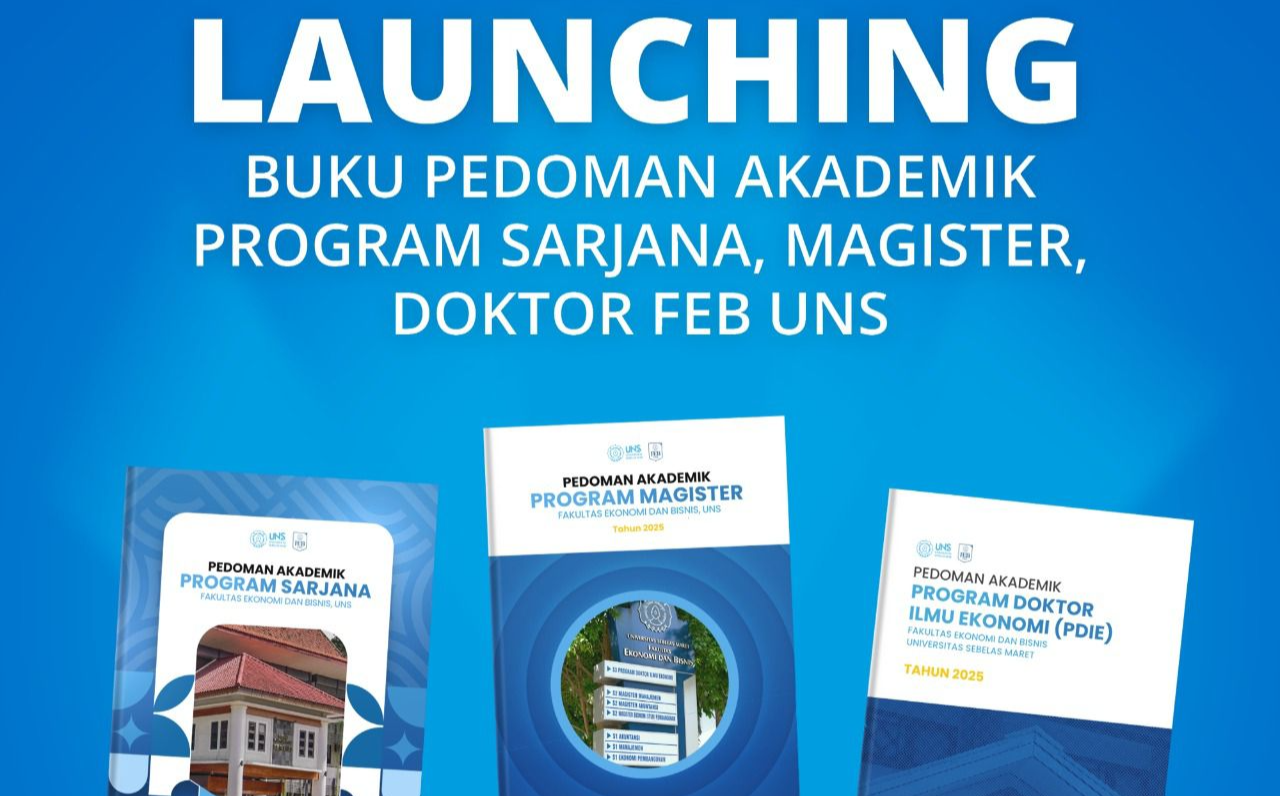
 “There are two main objectives of this activity: improving the quality of graduates and enhancing the quality of curriculum and learning experiences. The academic and curricular information presented in this handbook will help students to graduate on time, acquire knowledge and skills relevant to the job market, and ensure a meaningful and enjoyable learning experience at FEB UNS,” she explained.
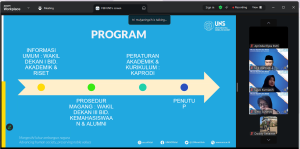
 Through the launch of this Academic Handbook, FEB UNS hopes that all students can follow a clearer academic path, understand their rights and responsibilities, and make full use of the available learning facilities. This initiative also reaffirms FEB UNS’s commitment to supporting the achievement of the Sustainable Development Goals (SDGs), particularly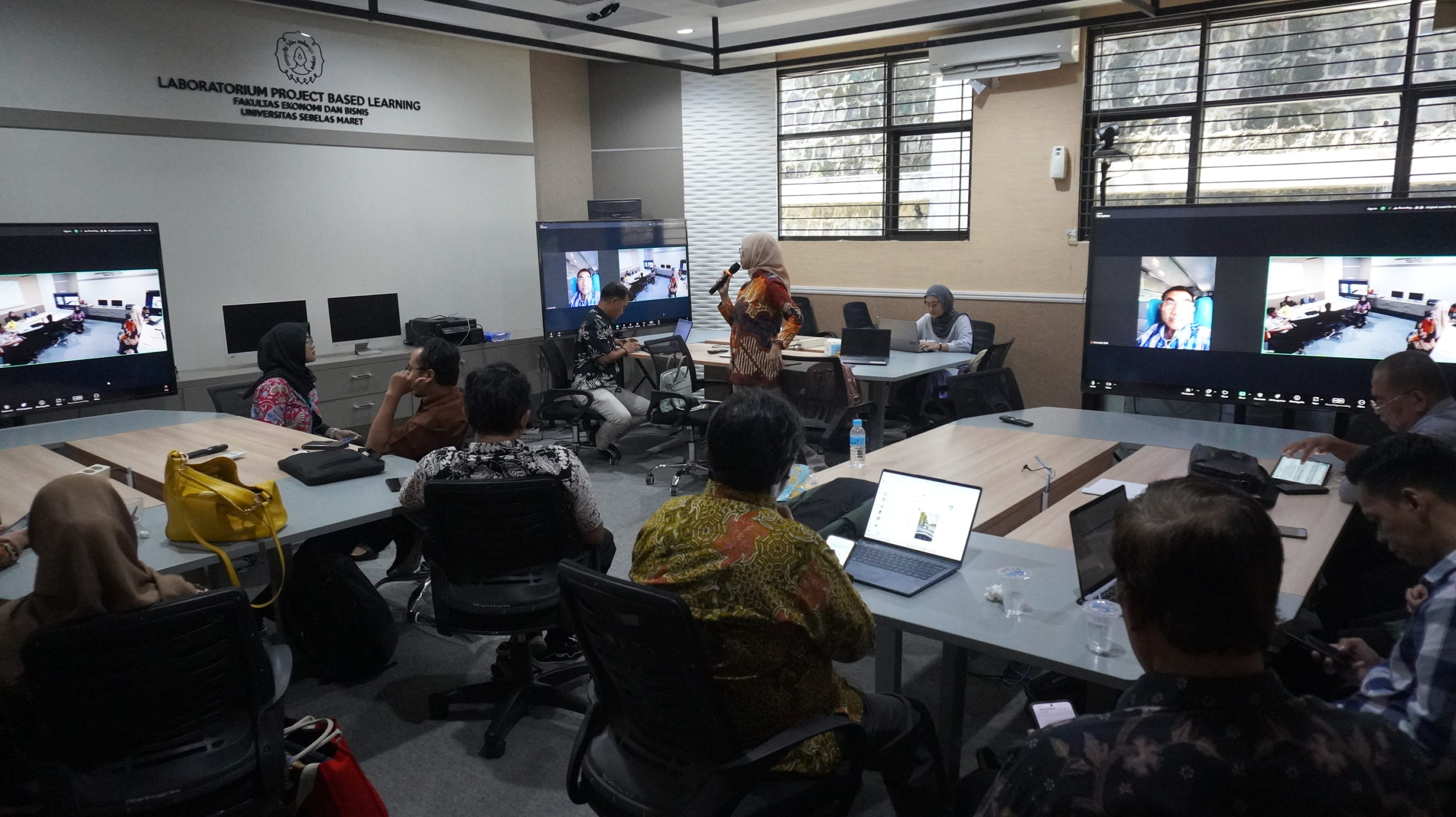
 In her remarks, Prof. Tri Mulyaningsih explained that the discussion marked an important step in facilitating the MESP Program’s preparation to launch its RPL track. She stated, “RPL is the acknowledgment of learning outcomes acquired through prior professional experience. FEB has gained experience in managing RPL at the undergraduate level, such as in the Accounting Study Program that admitted students from the Financial and Development Supervisory Board (BPKP). For the master’s level, we are designing an RPL model based on credit recognition through professional portfolios rather than mere credit transfers.”
 He added that the RPL model in MESP will open opportunities for graduates from both Economics and non-Economics undergraduate programs with at least three years of work experience, particularly in planning, public policy, or regional economics. Through an assessment and portfolio-based mechanism, participants’ professional experiences will be recognized as part of their learning outcomes in accordance with academic standards.
 Through this curriculum draft discussion, the MESP Program is expected to open the RPL track in the even semester of the 2025/2026 academic year. The program aims to expand access to higher education for professionals while contributing to the enhancement of human resource capacity in economic planning and policy development.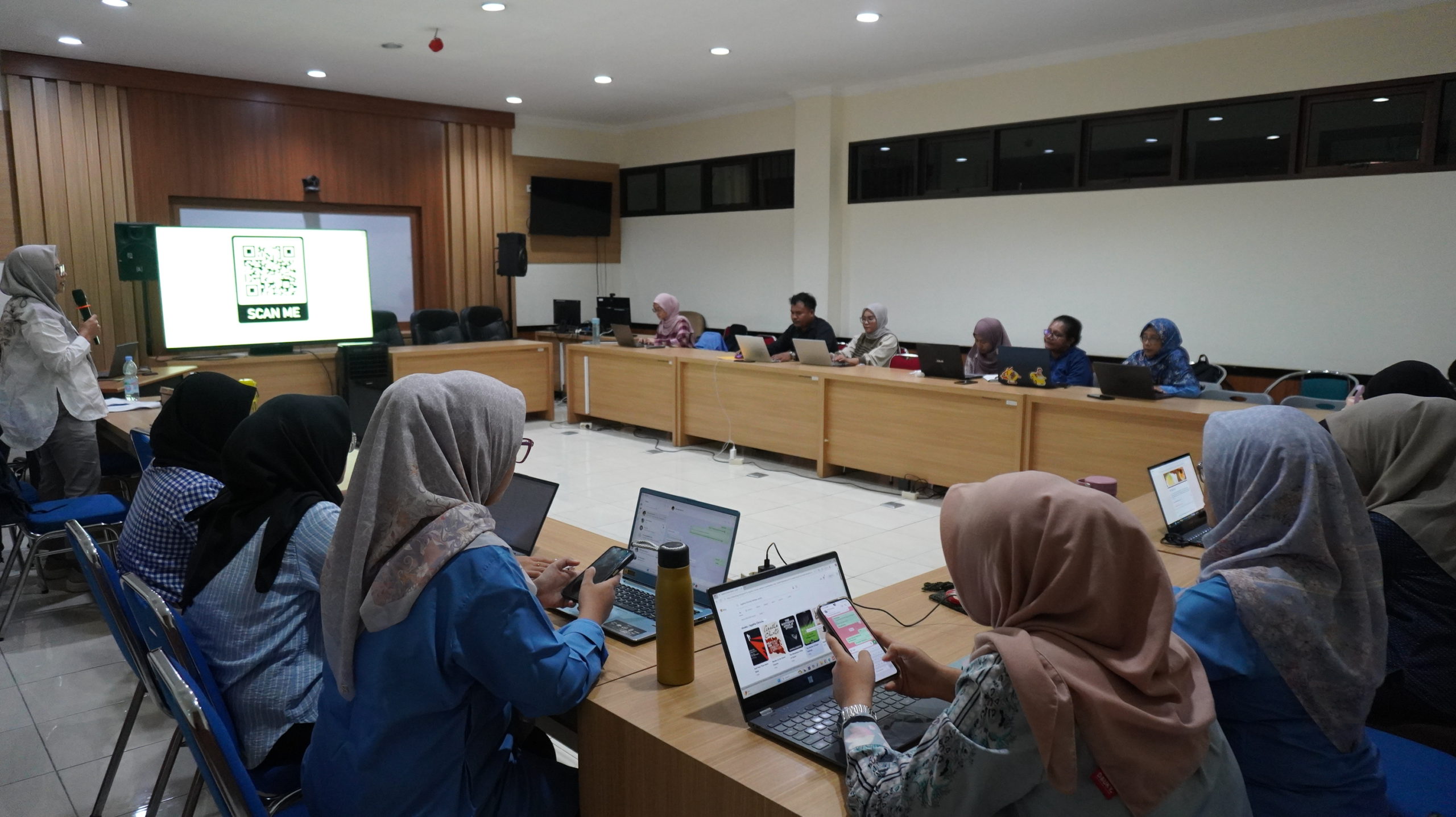

 Head of the MESP Program, Prof. Dr. Suryanto, S.E., M.S., in his opening remarks, emphasized that the workshop provided an important opportunity for students to gain deeper insight into the application of LCA in the field of economics. “This is the second time we are discussing LCA in a more practical way. Hopefully, students can understand how LCA can be applied in economics and make use of various open-source LCA tools,” said Prof. Suryanto.
 He also stressed the importance of active student participation to acquire new perspectives on environmental economics. Prof. Suryanto expressed his appreciation to the guest speaker and hoped that her guidance would help students better understand the techniques and strategies for effective use of LCA.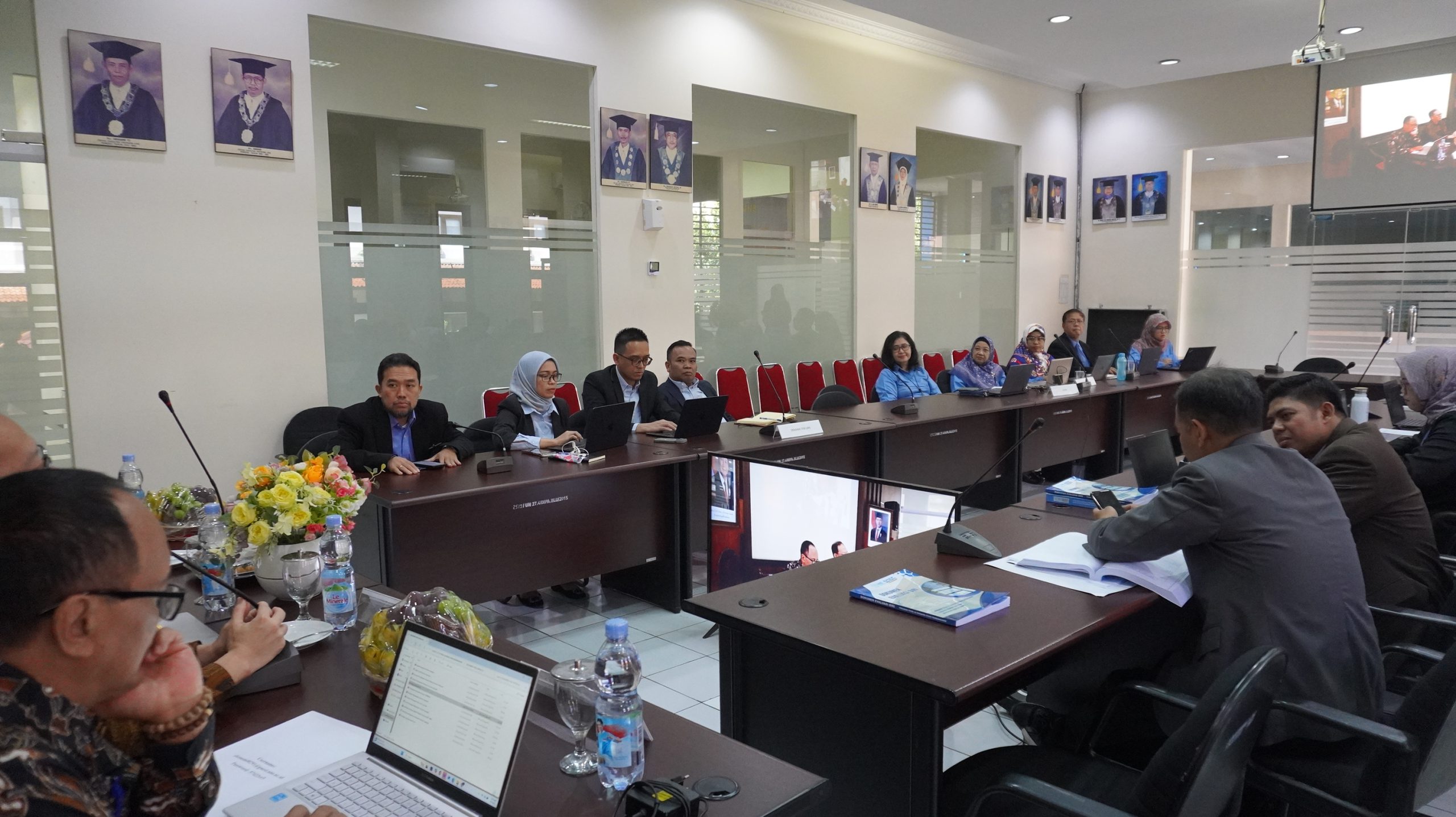
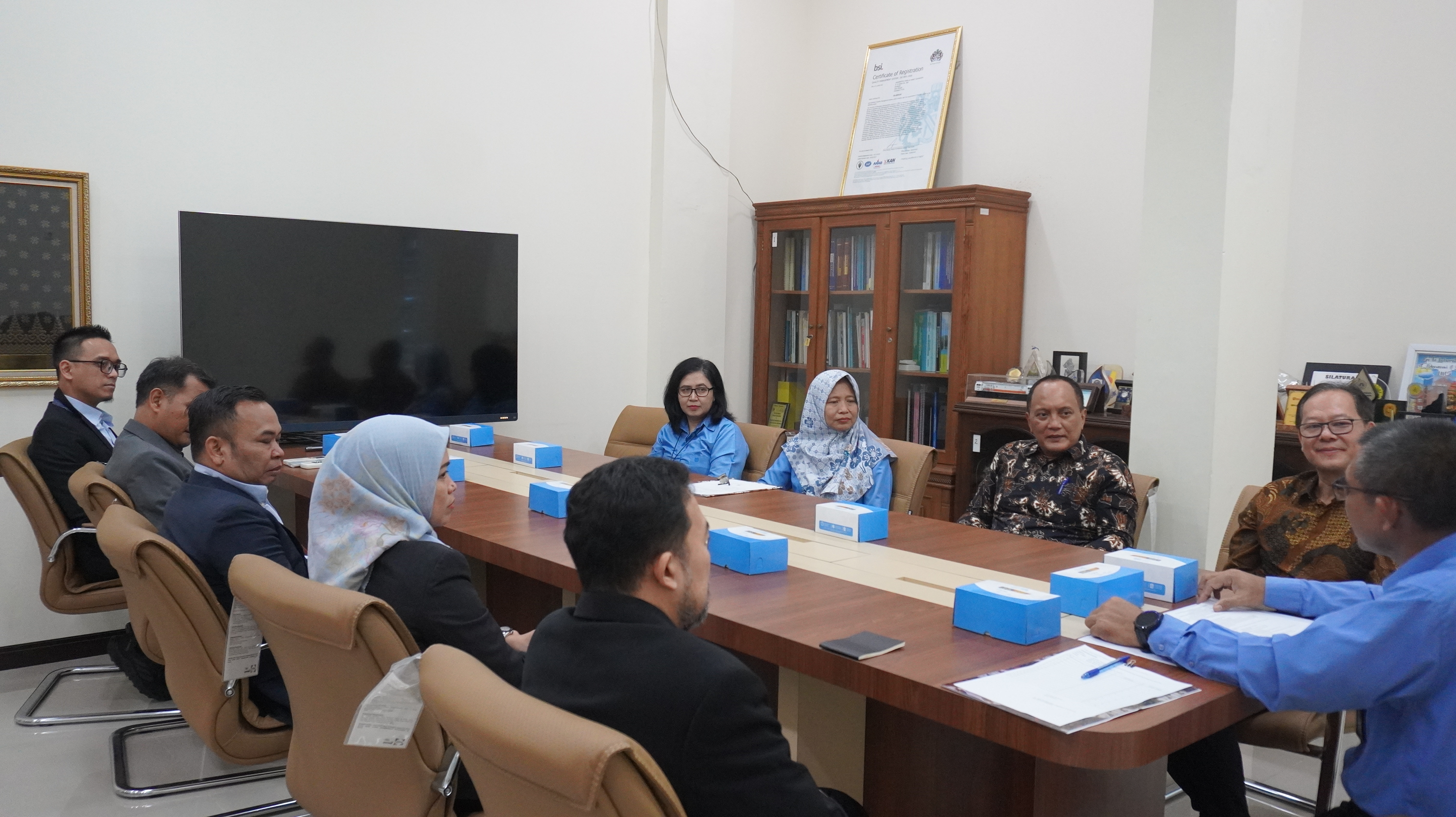
 The assessment, led by assessors Prof. Suyanto, S.E., M.Ec.Dev., Ph.D., from the Universitas Surabaya and Prof. Ida Bagus Putu Purbadharmaja, S.E., M.E., from Universitas Udayana, was part of the on-site assessment for the Master’s Program in Economics and Development Studies at FEB UNS.
 In his opening remarks, delivered before the Dean Office, the Head of the Master’s Program in Economics and Development Studies, the Quality Assurance Unit (UPM), and the Accreditation Taskforce Team, Prof. Suyanto emphasized that the assessors’ visit aimed to validate the content of the accreditation documents submitted by the program.
 “All statements provided in the documents must not only be descriptive narratives, but also supported by concrete evidence. These include regulations and records of implementation. We will work thoroughly, so we expect consistent responses from everyone involved. We will provide a report based on everything we observe on site. Often, we find that the real action conducted on-site is even more impressive. Therefore, we hope the team will work more swiftly and more effectively,” he explained.
 On the second day, the assessors conducted a facilities review, visiting several FEB units including the Center for Research and Community Engagement Development (P4M), Fiscal Corner, professors’ offices, archives room, classrooms, Konimex Hall, student workspace, and the Computer Laboratory.
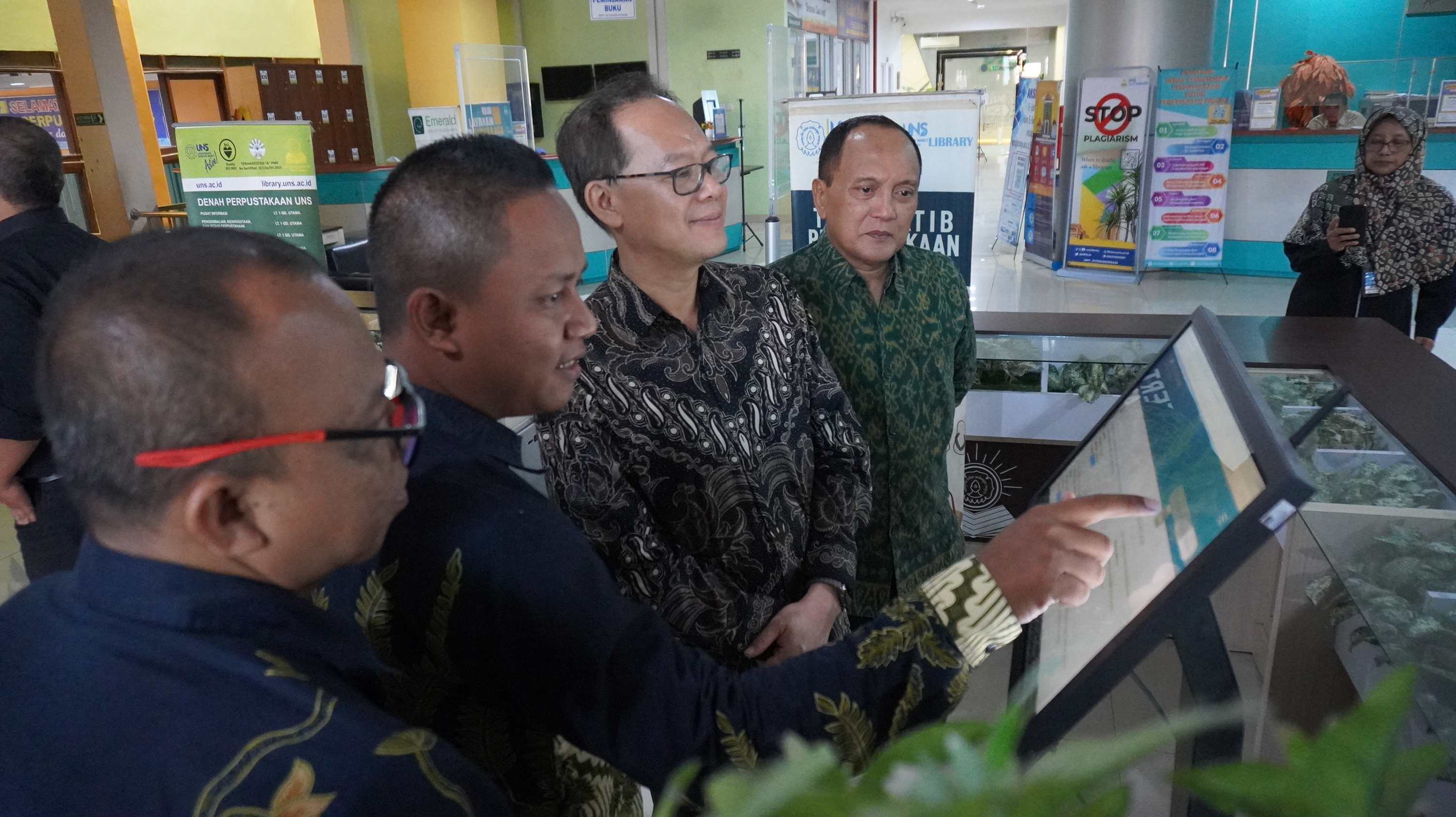 The visit concluded with a feedback session, signing of the on-site assessment report, and the official closing ceremony.
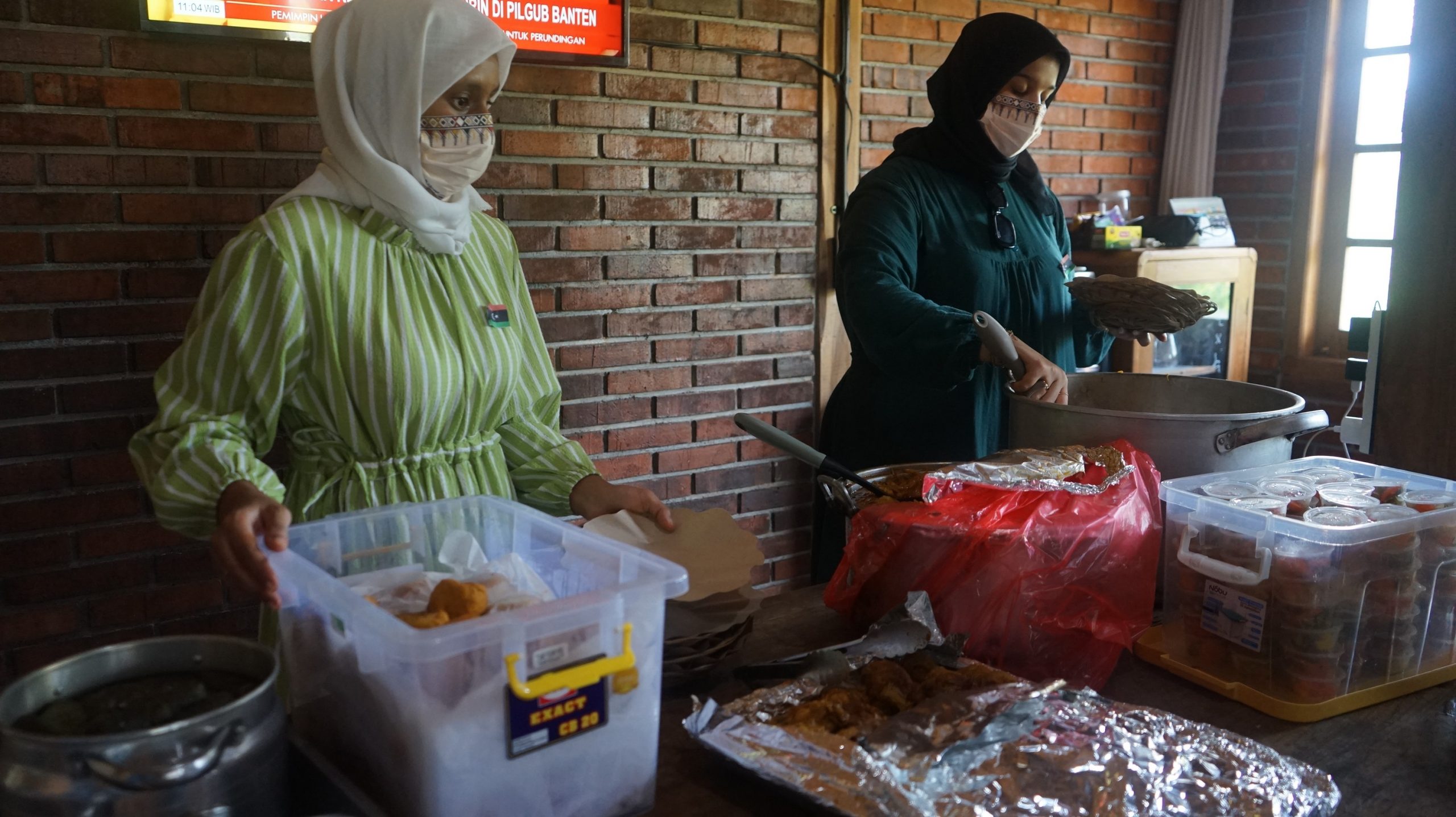
 The agenda is conducted by the Master of Economics Development (MESP), Faculty of Economics and Business, Universitas Sebelas Maret (FEB UNS) entitled “Arabian Food Training: Culinary Innovation through Arabian Food Product Diversification for Mangkubumen Culinary MSMEs.”
 She further noted that the event qualifies as international community service because it involved not only UNS team members but also international participants. “This activity focuses on the development of culinary MSMEs, with Libyan student speakers and participants from the PKK group. It empowers women who were previously unaware of foreign cuisines and now have the opportunity to learn and potentially start side businesses,” she explained.
 Concluding the event, Dean of FEB UNS, Prof. Drs. Djoko Suhardjanto, M.Com.(Hons)., Ph.D., Ak., expressed gratitude to all attendees, including PKK members, leadership, FEB UNS lecturers, and students.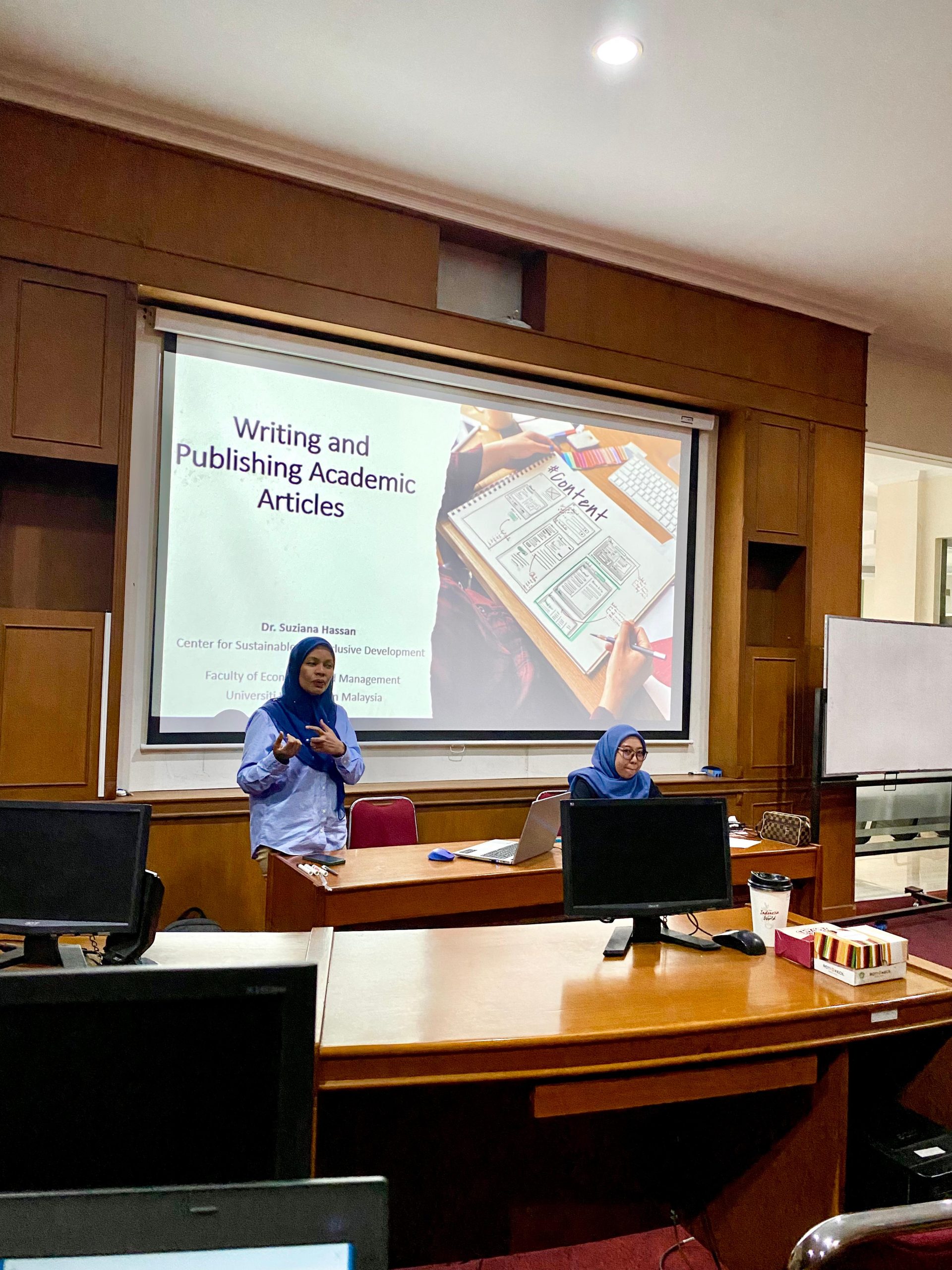

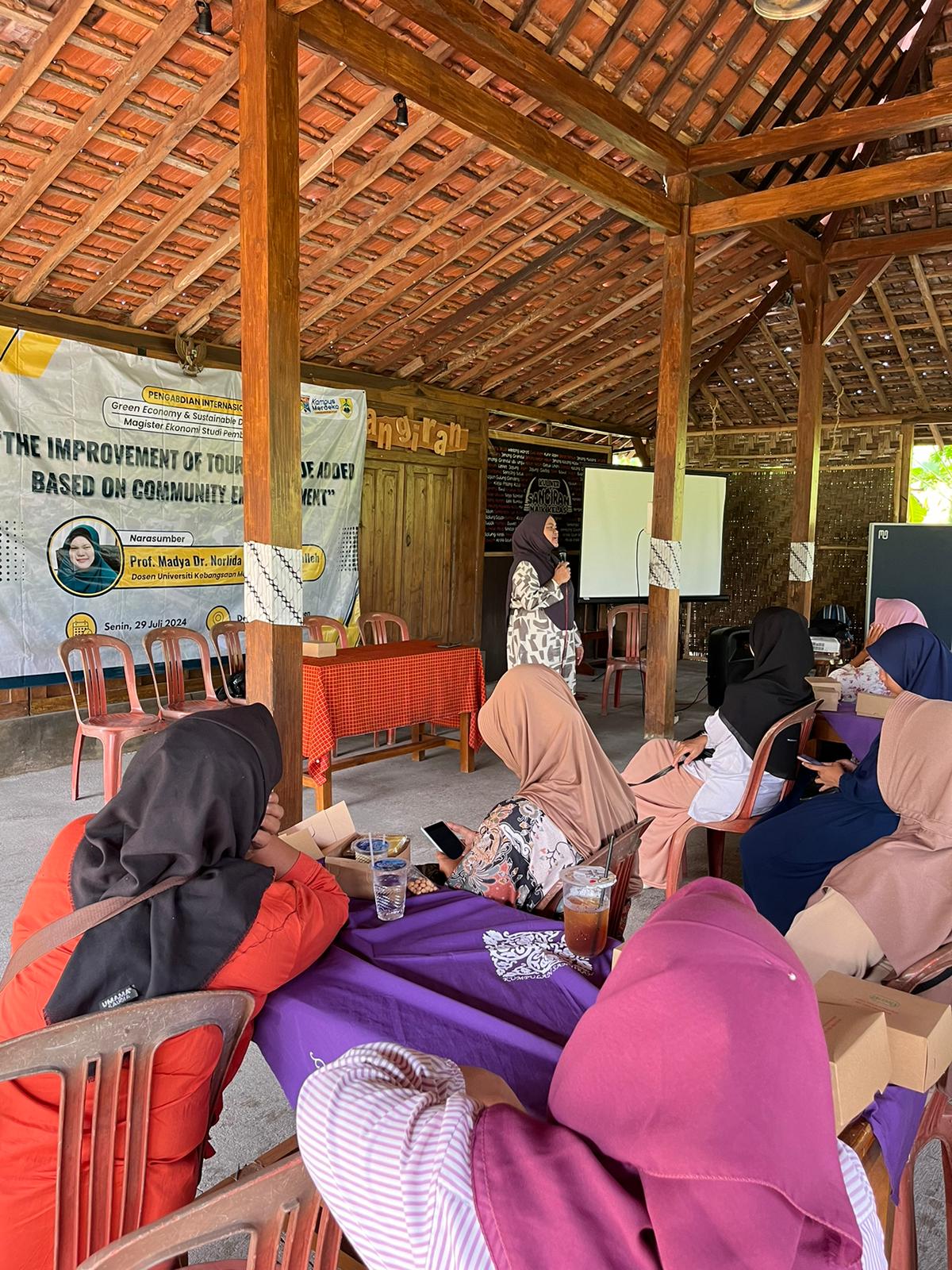
 The initiative aims to foster community collaboration to enhance the international tourism value of the Krikilan Village. This activity is expected to create mutual benefits through the exchange of tourism knowledge between the community of Krikilan Village and a delegation of faculty members from Universiti Kebangsaan Malaysia.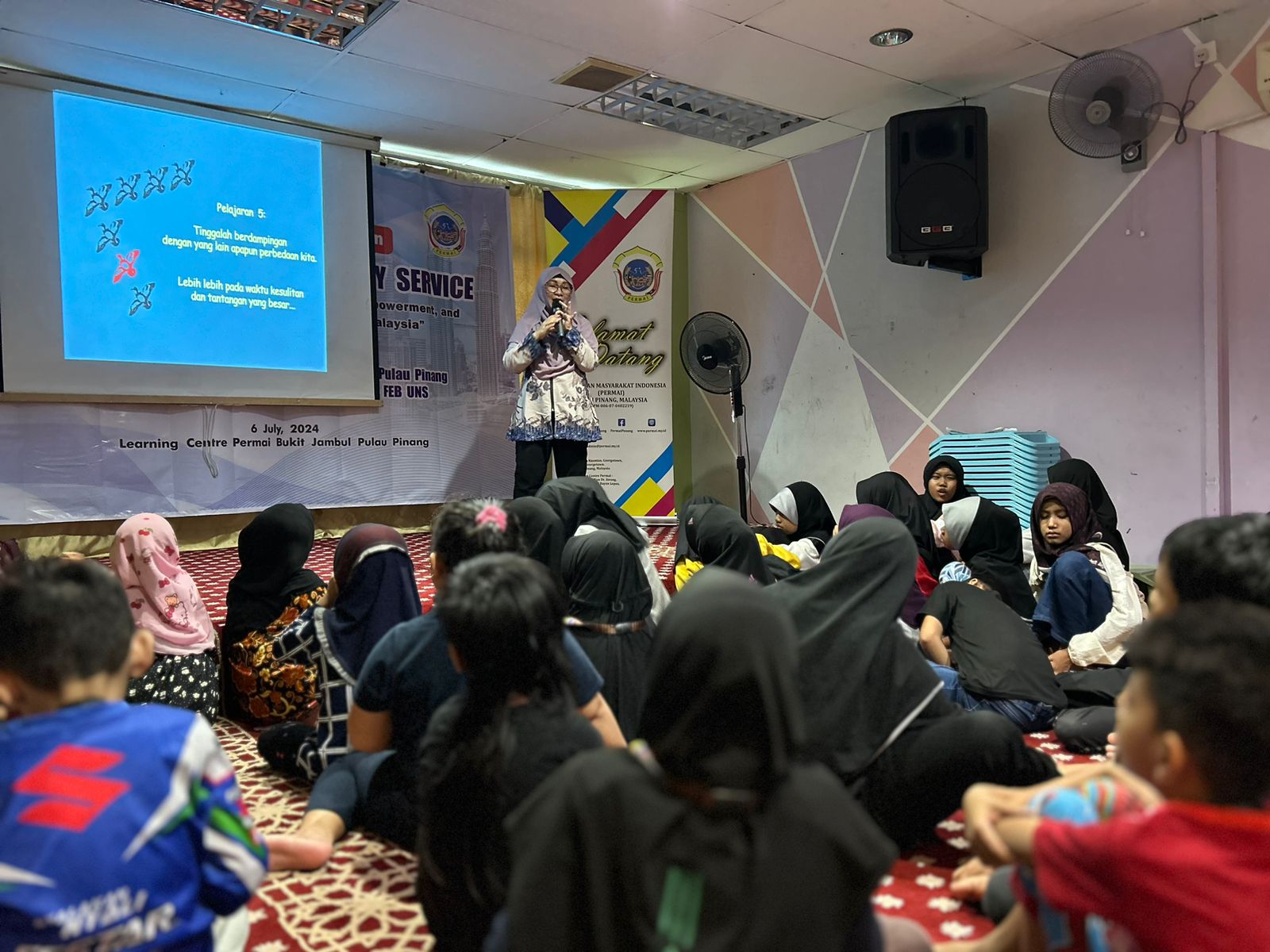
 The MESP UNS delegation was led by the Head of the MESP Study Program, Dr. Evi Gravitiani, S.E., M.Si., accompanied by several MESP lecturers, Prof. Dr. Izza Mafruhah, S.E., M.Si., Dr. Suryanto, S.E., M.Si., Dr. Sarjiyanto, S.E., M.M., and Dewi Ismoyowati, S.E., M.Ec.Dev. The delegation was welcomed by the PERMAI management board, including Khozaeni Ambon as Vice President of PERMAI, Agung Kartajaya as Secretary I of PERMAI, other board members, as well as teachers from Sanggar Bimbingan PERMAI.