FEB

Kategori: s2_mesp

  • International Collaboration between the MESP Study Program and the School of Social Sciences, Universiti Sains Malaysia, to Enhance the Quality of Teaching and Faculty Research

    International Collaboration between the MESP Study Program and the School of Social Sciences, Universiti Sains Malaysia, to Enhance the Quality of Teaching and Faculty Research

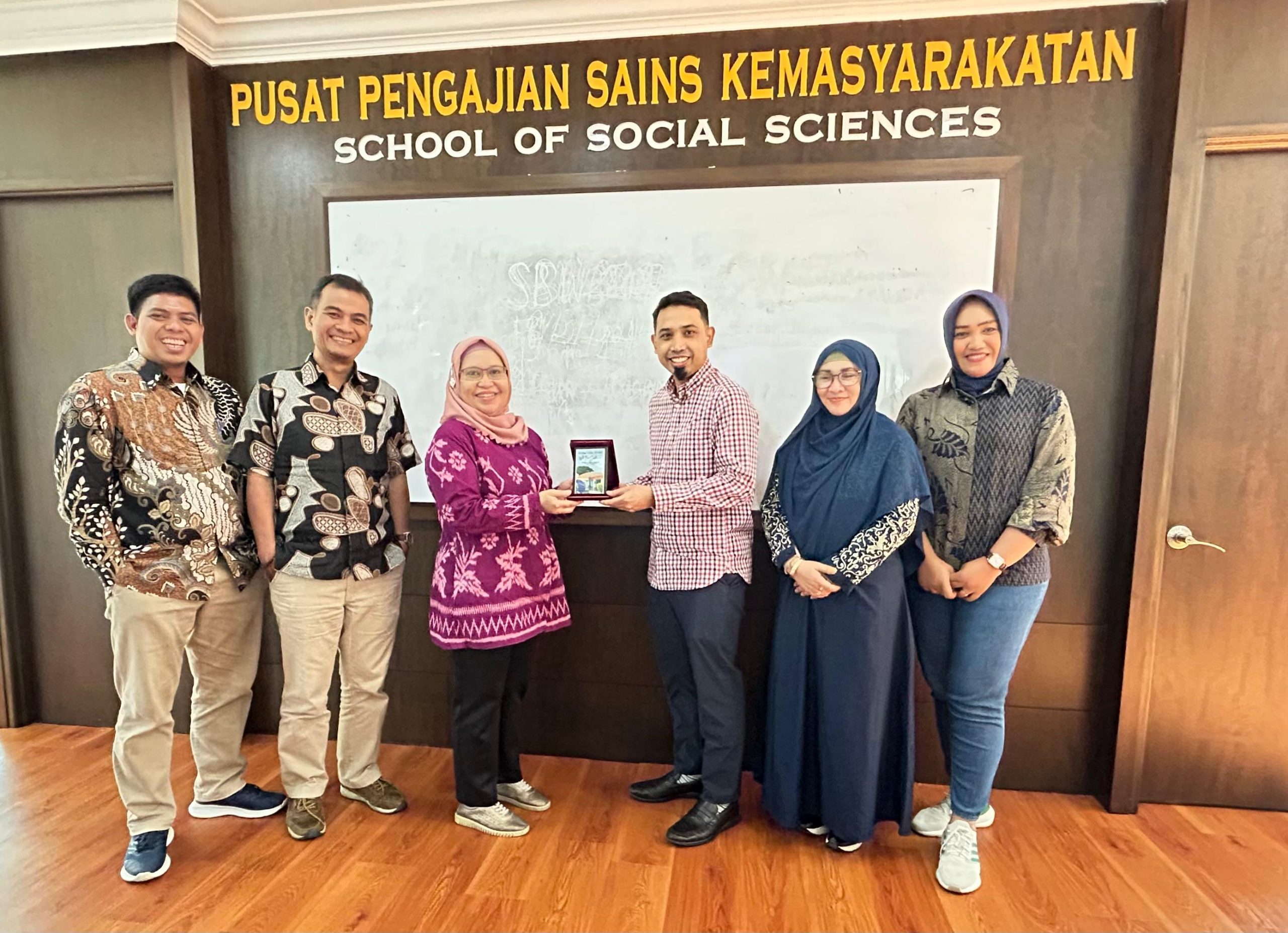
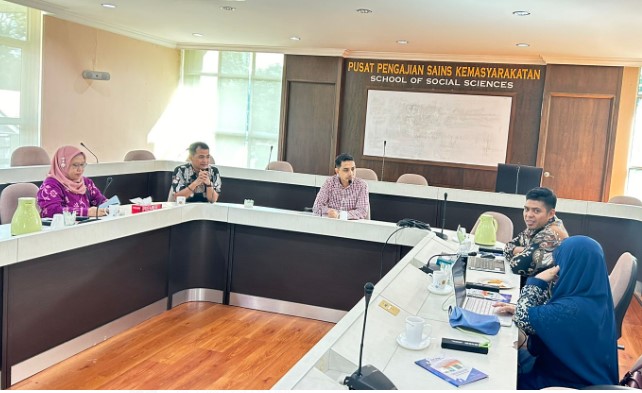
    As part of efforts to enhance the quality of teaching and faculty research, the Magister of Economics and Development Studies (MESP) Study Program, Faculty of Economics and Business (FEB), Universitas Sebelas Maret (UNS), Surakarta, established an international collaboration with the Development Planning and Management Study Program, School of Social Sciences, Universiti Sains Malaysia (USM), Penang, Malaysia. The activity was conducted on 5 July 2024 at the School of Social Sciences, Universiti Sains Malaysia, Penang.

    The objective of this international collaboration is to improve the quality of teaching and research for both faculty members and students of the MESP Study Program and the Development Planning and Management Study Program at USM. The planned activities include academic and research collaboration, such as mutual participation in thesis proposal seminars for graduate students and joint research initiatives between MESP faculty members and those of the School of Social Sciences, USM. These collaborative activities have been formally outlined in a Memorandum of Agreement (MoA) signed by both parties.

    The international collaboration activities were led directly by the Head of the MESP Study Program, Dr. Evi Gravitiani, S.E., M.Si., and supported by MESP faculty representatives, including Prof. Dr. Izza Mafruhah, S.E., M.Si., Dr. Suryanto, S.E., M.Si., Sarjiyanto, S.E., M.B.A., Ph.D., and Dewi Ismoyowati, S.E., M.Ec.Dev.

  • Enhancing Educational Synergy and Research Collaboration, the MESP Study Program Visits Three Universities in Malaysia

    Enhancing Educational Synergy and Research Collaboration, the MESP Study Program Visits Three Universities in Malaysia

    To enhance educational synergy and research collaboration, the Magister of Economics and Development Studies (MESP) Study Program of the Faculty of Economics and Business (FEB), Universitas Sebelas Maret (UNS), conducted an academic visit to three universities in Malaysia. The visit was scheduled to include the Faculty of Economics and Business, Universiti Teknologi MARA (UiTM), on 4 July 2024, followed by Universiti Kebangsaan Malaysia (UKM) and Universiti Sains Malaysia (USM) in Penang on 5 July 2024.

    Aimed at enhancing cooperation and identifying mutually beneficial collaboration opportunities, the MESP UNS delegation was led by the Head of the MESP Study Program, Dr. Evi Gravitiani, S.E., M.Si., accompanied by Prof. Dr. Izza Mafruhah, S.E., M.Si., Dr. Suryanto, S.E., M.Si., Dr. Sarjiyanto, S.E., M.M., and Dewi Ismoyowati, S.E., M.Ec.Dev.

    During the visit, the delegations from both institutions engaged in constructive meetings to discuss various areas of collaboration. The primary focus of these discussions was the implementation and advancement of the Tri Dharma of Higher Education, with the aim of delivering meaningful contributions to the institutions involved and to society at large.

    The meetings explored a range of potential collaborative initiatives, including faculty and student exchanges, joint research activities, curriculum development aligned with contemporary academic needs, and the implementation of Community Engagement programs. In addition, the discussions addressed opportunities for application development, as well as the organization of joint seminars and scientific activities to expand academic networks.

    This visit marked an initial step toward closer cooperation between MESP UNS and the three Malaysian universities. All parties agreed to continue discussions and to develop collaborative initiatives that support improvements in educational quality, broaden the scope of research activities, and contribute positively to the advancement of knowledge and society.

    Through enhanced educational synergy and research collaboration between MESP UNS and the partner universities in Malaysia, the initiative is expected to promote a dynamic and innovative academic environment while contributing to the development of knowledge and societal progress. The collaboration also reflects a shared commitment to international academic cooperation in support of high-quality higher education aligned with contemporary needs.

  • MESP Study Program Conducts International Community Engagement on Addressing Indonesian Migrant Worker Issues in Malaysia

    MESP Study Program Conducts International Community Engagement on Addressing Indonesian Migrant Worker Issues in Malaysia

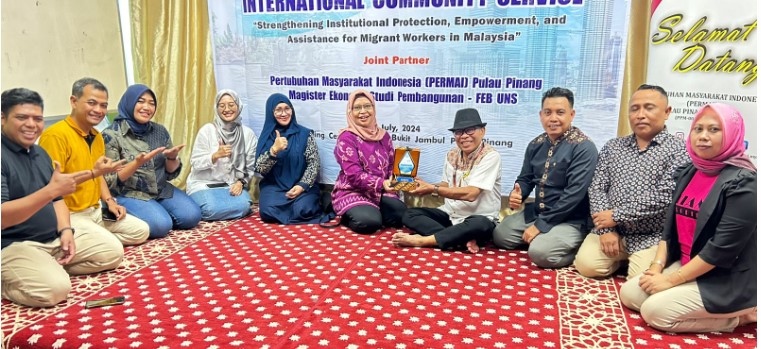
    As a form of institutional commitment to addressing social issues, the Magister of Economics and Development Studies (MESP) Study Program, Faculty of Economics and Business (FEB), Universitas Sebelas Maret (UNS), in collaboration with Universiti Sains Malaysia and the non-governmental organization PERMAI (Pertubuhan Masyarakat Indonesia), organized an international Community Engagement activity in Penang, Malaysia. The activity took the form of a Focus Group Discussion (FGD) with Indonesian Migrant Workers (PMI) under the theme “Institutional Capacity Building, Empowerment, and Assistance for Migrant Workers in Malaysia.”

    The international Community Engagement initiative aimed to identify challenges faced by PERMAI as a civil society organization providing assistance to migrant workers in Malaysia, as well as to examine the various issues experienced by Indonesian Migrant Workers themselves.

    Through the FGD involving key stakeholders engaged in migrant worker assistance, the activity was expected to inform the formulation of a follow-up international Community Engagement program in the coming year. The planned program will focus on specific themes and roles related to the economic empowerment of migrant workers, both during their employment period in Malaysia and after their return to Indonesia.

    The designed activities focused on financial planning assistance and basic business management. The program was conducted over two days, 6–7 July 2024, at the PERMAI Learning Centre in Bukit Jambul, Malaysia. The Community Engagement team was led by the Head of the MESP Study Program, Dr. Evi Gravitiani, S.E., M.Si., and included Prof. Dr. Izza Mafruhan, S.E., M.Si., Dr. Suryanto, S.E., M.Si., Sarjiyanto, S.E., M.B.A., Ph.D., and Dewi Ismoyowati, S.E., M.Ec.Dev.

    On the first day, the team conducted an FGD with PERMAI administrators and representatives of Indonesian Migrant Workers in Malaysia. The outcomes of the discussion will serve as the basis for analysis and the preparation of an action plan for future Community Engagement programs, with topics and themes aligned with the academic expertise of MESP lecturers and students.

    On the second day, the team carried out Community Engagement activities with children of Indonesian Migrant Workers who are under the care of PERMAI. One of the key sessions focused on learning motivation and the introduction of Indonesian cultural values, delivered by Prof. Izza Mafruhan and Dr. Suryanto.

    Through this session, the Community Engagement team sought to encourage the children of Indonesian Migrant Workers in Malaysia to remain motivated in pursuing education and personal aspirations despite the limitations they face while living abroad. Dr. Suryanto also conveyed messages emphasizing the importance of maintaining Indonesian identity and values among the children.

  • MESP Public Lecture: Peatland Ecosystem Management Study by UPR Lecturer

    MESP Public Lecture: Peatland Ecosystem Management Study by UPR Lecturer

    The Master’s Program in Development Economics (MESP), Faculty of Economics and Business (FEB), Universitas Sebelas Maret (UNS), welcomed a guest lecturer from Universitas Palangka Raya on Friday, June 21, 2024. This visit was part of a public lecture entitled “Study of Peatland Ecosystem Protection and Management Plans as an Alternative for SDG’s Implementation: A Case Review in Central Kalimantan, Indonesia.”

    The Head of the MESP program, Dr. Evi Gravitiani, S.E., M.Si., expressed her gratitude to Hendrik Segah, S.Hut., M.Si., Ph.D., lecturer and the Director of the Peatland Science and Innovation Development Center (PPIG) at Universitas Palangka Raya, for attending the session as the main speaker.

    In front of MESP students, Dr. Hendrik discussed in detail the economic value of peatlands in Central Kalimantan Province. According to him, peatlands are wetlands that can provide various vegetable, non-vegetable, and fishery products. In addition to economic value, ecologically, peatlands have a carbon storage capacity 10 to 13 times greater than other ecosystems.

    Besides the presentation, there was a Q&A session between the students and the speaker regarding the utilization of peatlands. This public lecture was expected to broaden the knowledge of the students and provide insight into the advantages of peatlands.

  • MESP Holds Public Lecture on Natural Resource Management in North Kalimantan

    MESP Holds Public Lecture on Natural Resource Management in North Kalimantan

    Indonesia is a country rich in natural resources, with different regions across the archipelago having their own abundant unique resources. North Kalimantan, for instance, is rich in coal, petroleum, and renewable energy, providing opportunities for the local community to harness these resources. Proper management of these natural resources can have a significant benefit for the residents in the said region, provided they are well informed about how to manage these resources.

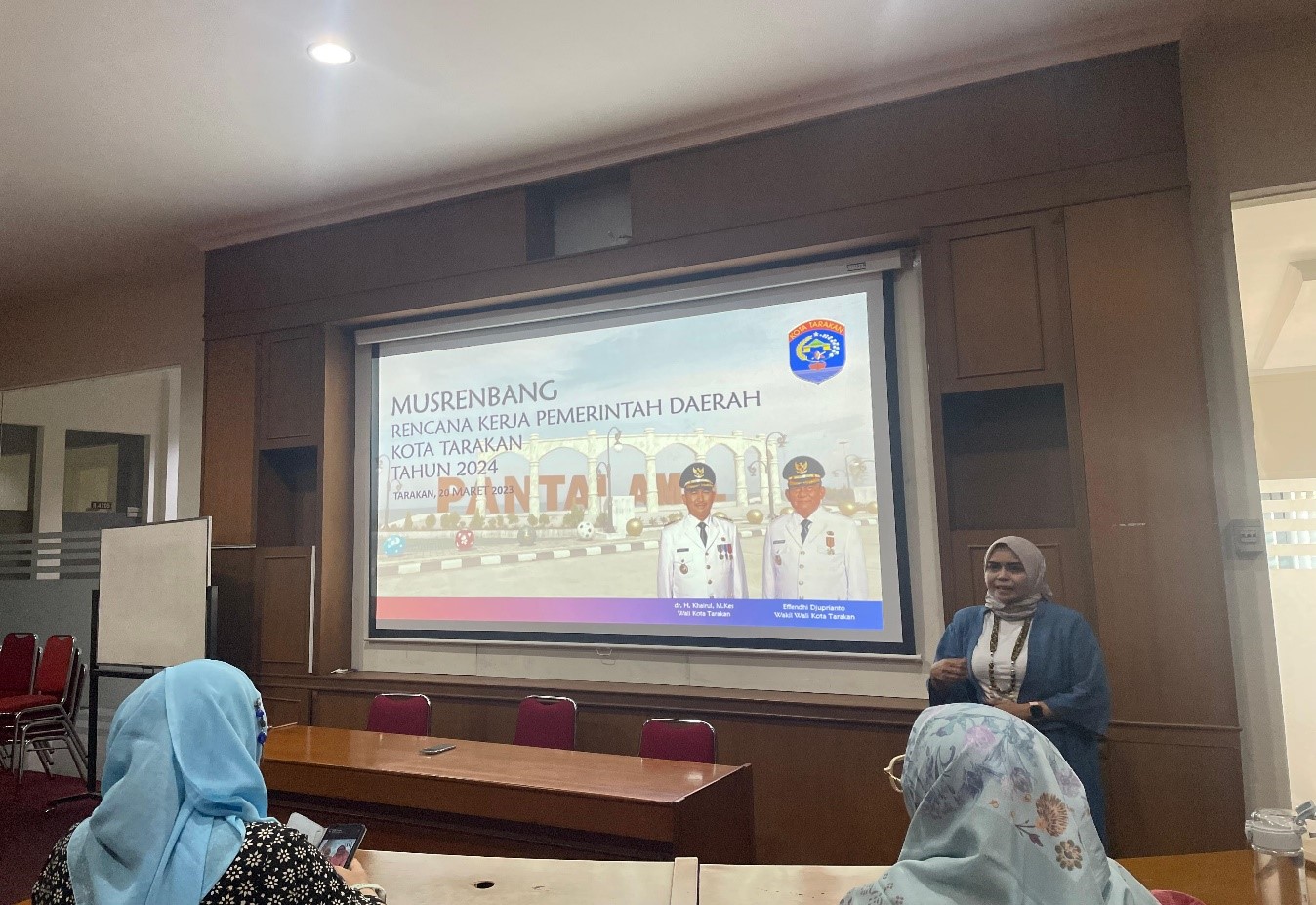
    On Friday, May 17, 2024, the Master’s Program in Development Economics (MESP), Faculty of Economics and Business (FEB), Universitas Sebelas Maret (UNS), invited Retno Dwi Arini, S.E., M.E., founder of Binari Group and Head of the MSME Division at the Department of Cooperatives, MSMEs, and Trade in Tarakan City, as a guest speaker. In the public lecture, the speaker, fondly known as Ibu Arin, discussed natural resource management in the border region of Tarakan City, North Kalimantan.

    Binari Group initially started as Griya Belajar Binari, founded by Ibu Arin to assist parents struggling to support their children’s education. Over time, Griya Binari expanded into the formal education sector. The school aims to provide a unique and character-building learning experience for children. The students attending the public lecture showed high enthusiasm for discussing the natural resources in North Kalimantan.

    This interactive discussion was expected to provide MESP FEB UNS students with additional insights into natural resource management on the island of Borneo.

  • MESP Study Program Holds Workshop on the Formulation of Vision, Mission, Objectives, and Strategies

    MESP Study Program Holds Workshop on the Formulation of Vision, Mission, Objectives, and Strategies

    Master of Economics and Development Studies (MESP) Study Program, Faculty of Economics and Business (FEB), Universitas Sebelas Maret (UNS), held a Workshop on the Formulation of the Vision, Mission, Objectives, and Strategies of the MESP Study Program on Wednesday, 15 May 2024, at the Teleconference Room of the Bachtiar Effendi Building, FEB UNS. The workshop invited Prof. Setyo Tri Wahyudi, S.E., M.Ec., Ph.D., from Universitas Brawijaya as the main resource person.

    In her opening remarks, the Head of the MESP Study Program, Dr. Evi Gravitiani, S.E., M.Si., expressed her appreciation to the invited speaker for his participation. She explained that this activity is routinely conducted every two years, with the previous workshop held in 2022. She noted that the session was expected to provide opportunities for sharing and discussion on the formulation of the vision, mission, objectives, and strategies of the MESP Study Program, and hopefully support the maintenance of its “A” or “Excellent” accreditation status.

    Conducted in a hybrid format, the workshop was attended by lecturers and students of the MESP Study Program. Dr. Evi encouraged all participants to remain engaged and actively participate in discussions until the conclusion of the program in the afternoon, emphasizing that input from both the speaker and participants was essential for the continued development of the Study Program.

    At the beginning of his presentation, Prof. Setyo explained that, in accordance with the Indonesian National Qualifications Framework (Kerangka Kualifikasi Nasional Indonesia/KKNI), the learning outcome standards for master’s programs should refer to KKNI Level 8. At this level, master’s education emphasizes the capacity of students to develop knowledge, technology, and/or professional practice through research, resulting in innovative and validated outputs.

    He further noted that students are expected to address scientific, technological, and/or professional challenges through inter- or multidisciplinary approaches, manage research and development activities that benefit society and academic advancement, and achieve national and international recognition.

    Prof. Setyo then outlined systematic approaches to formulating the vision, mission, objectives, and strategies of a study program, highlighting key elements that should be considered in each component. He explained that the vision should clearly describe the aspirations, future direction, and profile of the study program in a realistic and credible manner, supported by periodic review and evaluation to ensure effective implementation in line with developments in the economic and business environment.

    The mission, he added, should clearly reflect the distinctive role of the study program in achieving its vision, specify measurable actions, involve stakeholders, and be subject to regular review and evaluation to bridge current and future economic and business conditions.

    Objectives are derived from the vision and mission and should undergo regular evaluation and review to remain aligned with ongoing and future developments. Strategies, meanwhile, describe the processes for carrying out the mission and realizing the vision through the achievement of strategic objectives, with clear outputs and impacts that enhance competitiveness through effective and efficient use of available resources at both national and global levels.

    Moderated by Muhammad Bagus Sisriatmaja, a lecturer at FEB UNS, the workshop took place from morning until afternoon and featured active discussions between participants and the resource person.

  • MESP Study Program Hosted Workshop, Discusses CSR and Sustainability: Measuring Social Responsibility Program With Social Return on Investment

    MESP Study Program Hosted Workshop, Discusses CSR and Sustainability: Measuring Social Responsibility Program With Social Return on Investment

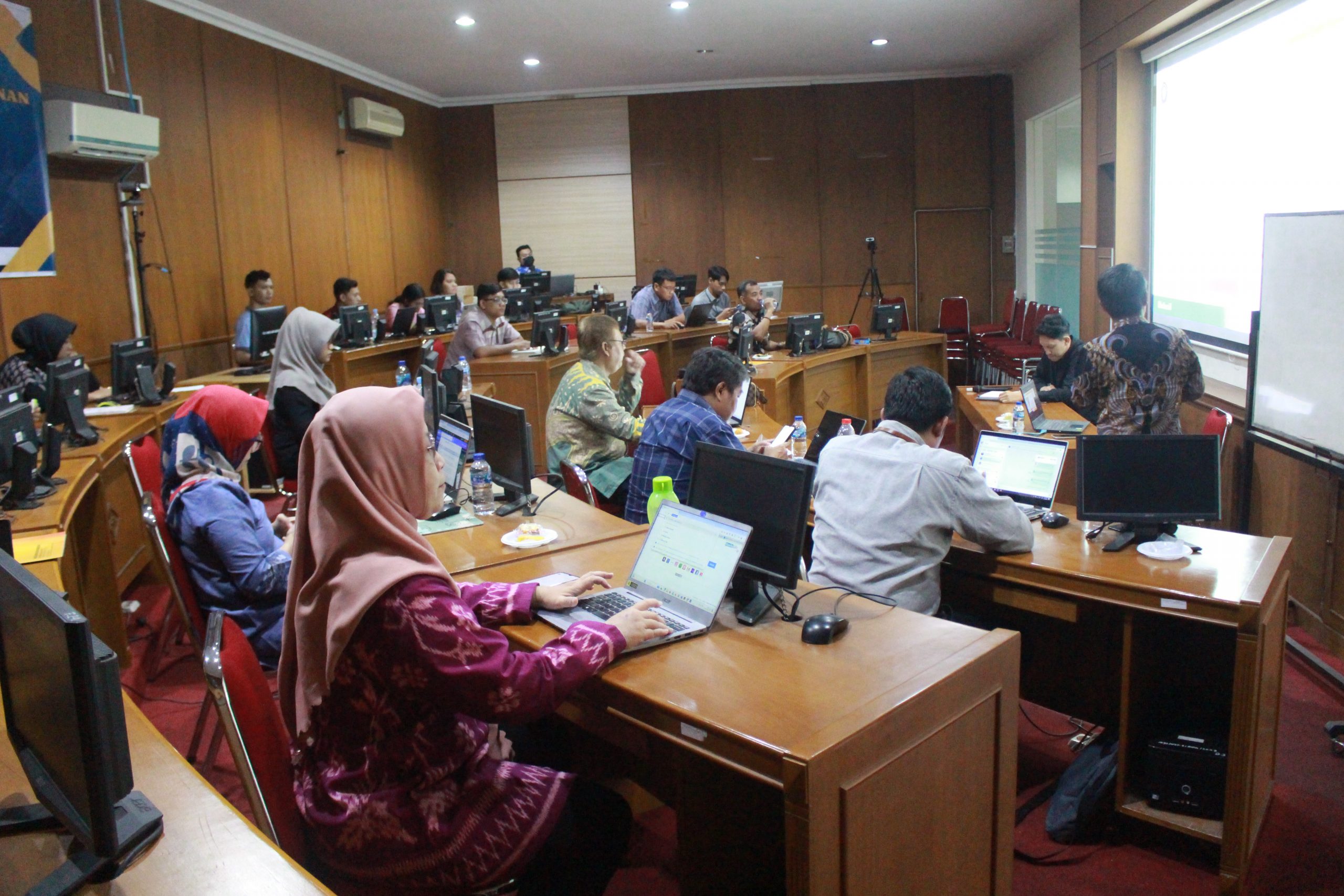
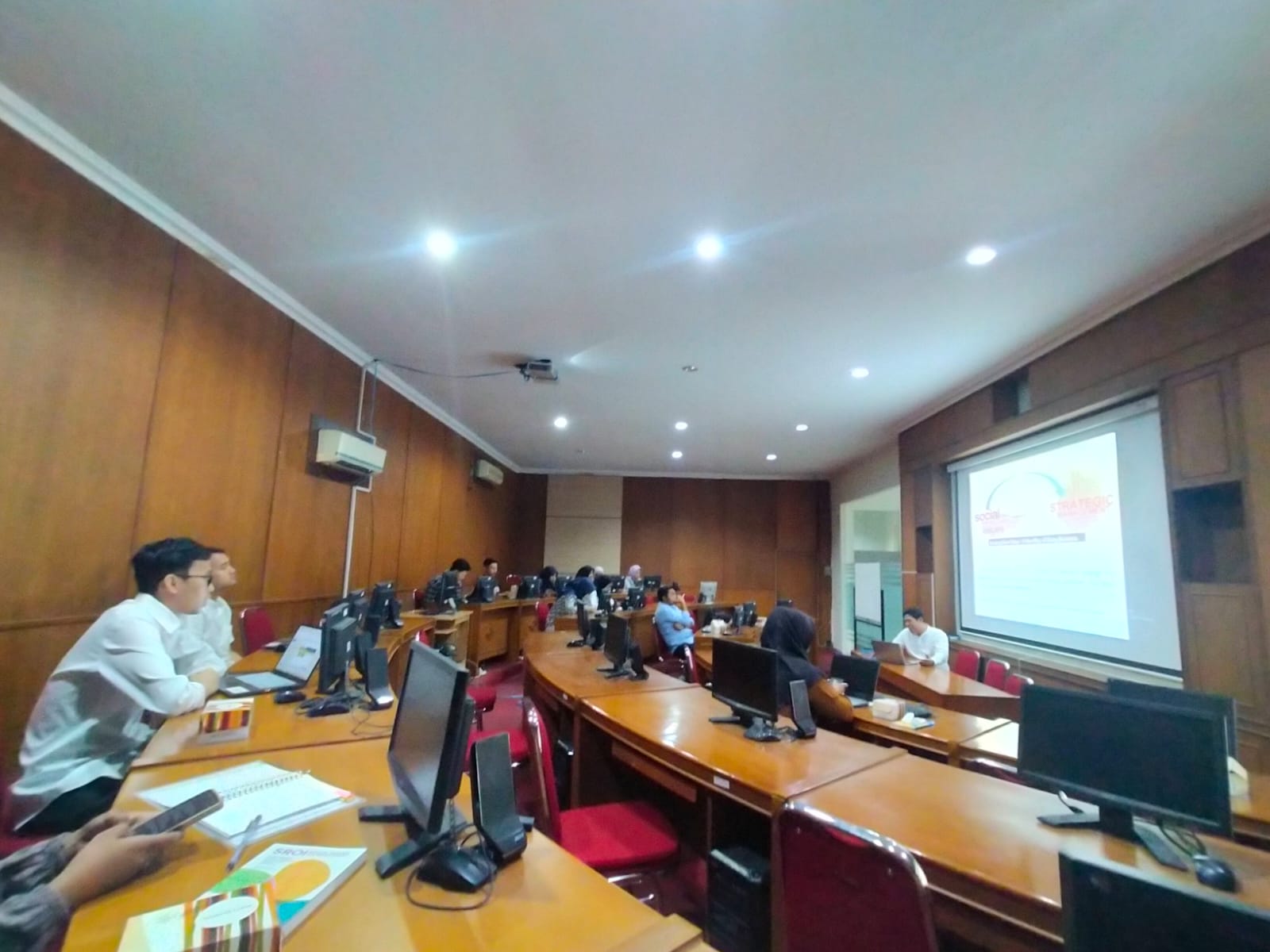
    The Master of Economics and Development Studies (MESP) Study Program, Faculty of Economics and Business (FEB), Universitas Sebelas Maret (UNS) hosted a CSR and Sustainability Workshop: Measuring Social Responsibility Program With Social Return on Investment, Friday-Saturday, 6-7 October 2023 in the Teleconference Room, Bachtiar Effendi Building FEB UNS.

    In this activity, the study program invited speakers Sarjiyanto, S.E., MBA., Ph.D., CPDS., FEB UNS Academician, Unggul Ananra, S.Tr.Sos Co-Founder and CEO of PT. Olahkarsa Inovasi Indonesia and Mr. Ridho Rinaldi, M.Tr., Sos., CSR Analyst of PT. Olahkarsa Inovasi Indonesia

    Dr. Evi Gravitiani, S.E., M.Si., Head of the MESP Study Program in her remarks expressed her gratitude to the instructors and the assistant instructors from PT. Olah Karsa Inovasi Indonesia and Sarjiyanto, MBA., for initiating the event, including several committees who helped organize the workshop.
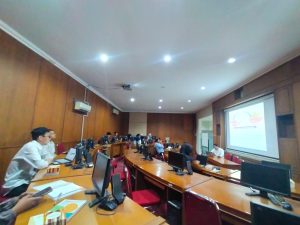
    This workshop is motivated by Community Development and CSR as one of the Local Economic Development Programs whose Sustainability and Impact must be measured quantitatively. Dr. Evi hopes that participants can take part in the two-day agenda earnestly, to gain the utmost benefits.

    Sarjiyanto, S.E., MBA., Ph.D., in his presentation, said that in this activity participants will learn about CSR implementation practices, introduction to new concepts in business, environment-related businesses, development, and the economy.

    “Actually, there is an expansion on the concept of CSR, not only corporate social responsibility but also corporate social value. There are values that we can convey to the community,” he said.

    Sarjiyanto, Ph.D., hopes that this workshop can inspire new research topics, there are values that will underlie a concept and bring up a new science model. Hence, the two-day session brainstorming will be a provision to help students in their article writing and research related to CSR.

    The extension of the sustainability concept has been around since industries or companies are encouraged to make goods and services that will certainly create impacts, especially on the environment. The concepts underlying the implementation of CSR answer the question of how to keep the earth and the people on it stable.

    Furthermore, Sarjiyanto, Ph.D., explained in detail about community empowerment and development. He stated that sometimes there are those who are fooled by the term Community Development vs Community Empowerment.

    Community Development is more of a process of how to improve the quality of life in the community. Meanwhile, in community empowerment, the target of quality of life improvement within a community must be known.

    “Is community empowerment knowledge important? It is important because, actually, if we look from the perspective of empowerment there is such a thing as a gap because there are changes. For example, with regard to fundamental needs, every year if there is an economic shift affecting the level of needs, technological advancement also causes residuals, there are people whose technological power is advanced and some are left behind,” he explained further.
  • MESP FEB UNS Visits Master’s Program in Economics at UI and IPB

    MESP FEB UNS Visits Master’s Program in Economics at UI and IPB

    The Master of Economics and Development Studies (MESP) Study Program, Faculty of Economics and Business (FEB), Universitas Sebelas Maret (UNS) visited the Master of Economics Study Program, FEB, Universitas Indonesia, September 19, 2023, and Master of Economics, Faculty of Economics and Management, IPB University Bogor, September 20, 2023. During the visit, the Head of the FEB UNS MESP Study Program, Dr. Evi Gravitiani, S.E., M.Si., visited the two universities together with two MESP Lecturers, Dr. Siti Aisyah Tri Rahayu, S.E., M.Si., and Sarjiyanto, S.E., MBA., Ph.D., CPDS.

    Met by feb.uns.ac.id after the visit, Dr. Evi Gravitiani states that the visit to UI and ITB was conducted as a benchmarking effort to senior universities, to learn on how the Masters in Economics program was carried out. The FEB MESP entourage was well received at the two universities, where the meeting session was primarily for discussing and sharing about management at the Master of Economics study program.
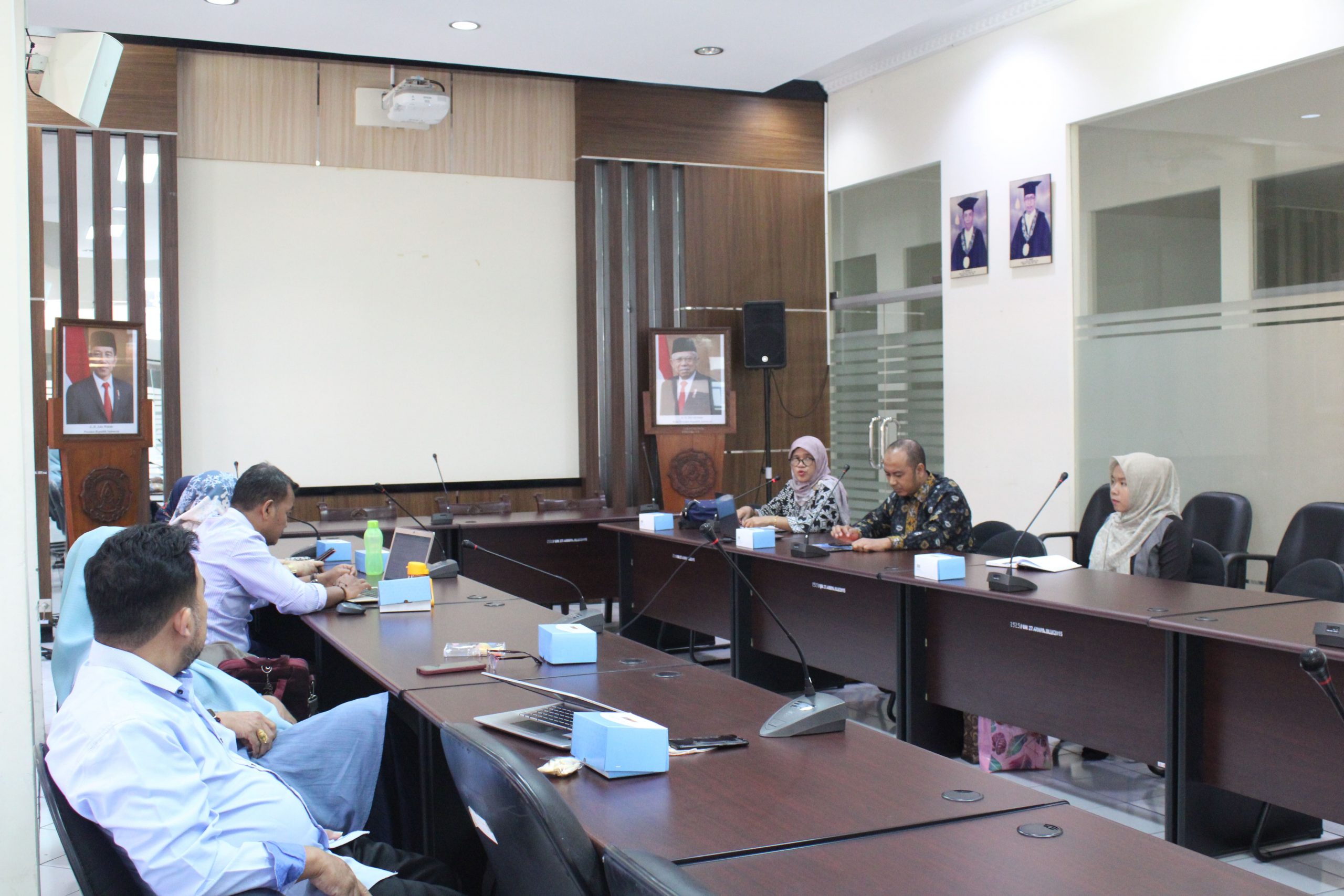
    During the visit, Dr. Evi delivered a brief introduction of the MESP FEB UNS at a glance. Dr. Evi also revealed that the visit aims to prepare for the study program’s accreditation process. Some aspects that need to be improved include curriculum, students, lecturers, staff, teaching, research, and community service. “There are indeed differences in terms of study program management at MESP FEB UNS and the master’s programs at the two universities we visited, both in the admission of new students, research and community service mechanisms, and many other things,” she said.

    According to her, some of new insights that can be learned from the visit include insights related to the curriculum, cooperation, research, and community service carried out at the Master of Economics FEB UI and Master of Economics FEB IPB University.

    “From the visit, we really need to follow up in terms of domestic and foreign partnership for guest lecture,” she concluded.

  • MESP FEB UNS Study Program Welcomes a Collaboration Visit of MIE Study Program FEB UNJA

    MESP FEB UNS Study Program Welcomes a Collaboration Visit of MIE Study Program FEB UNJA

    The Master of Economics and Development Studies (MESP) Study Program, Faculty of Economics and Business (FEB), Universitas Sebelas Maret (UNS) welcomes a visit from the Master of Economics (MIE) Study Program, FEB, Universitas Jambi, Tuesday, August 29, 2023.

    The Head of MIE Study Program FEB UNJA, Dr. Erni Achmad, SE, M.Sc., along with the Secretary of the Study Program, Dr. Candra Mustika, SE, M.Si., and staff were welcomed by the Vice Dean of Academic, Research and Student Affairs FEB UNS, Dr. Dwi Prasetyani, SE, M.Si., Head of MESP Study Program, Dr. Evi Gravitiani, SE M.Sc., Head of Development Economics Study Program, Bhimo Rizky Samudro, SE, M.Sc. Ph.D., along with FEB UNS Lecturers.

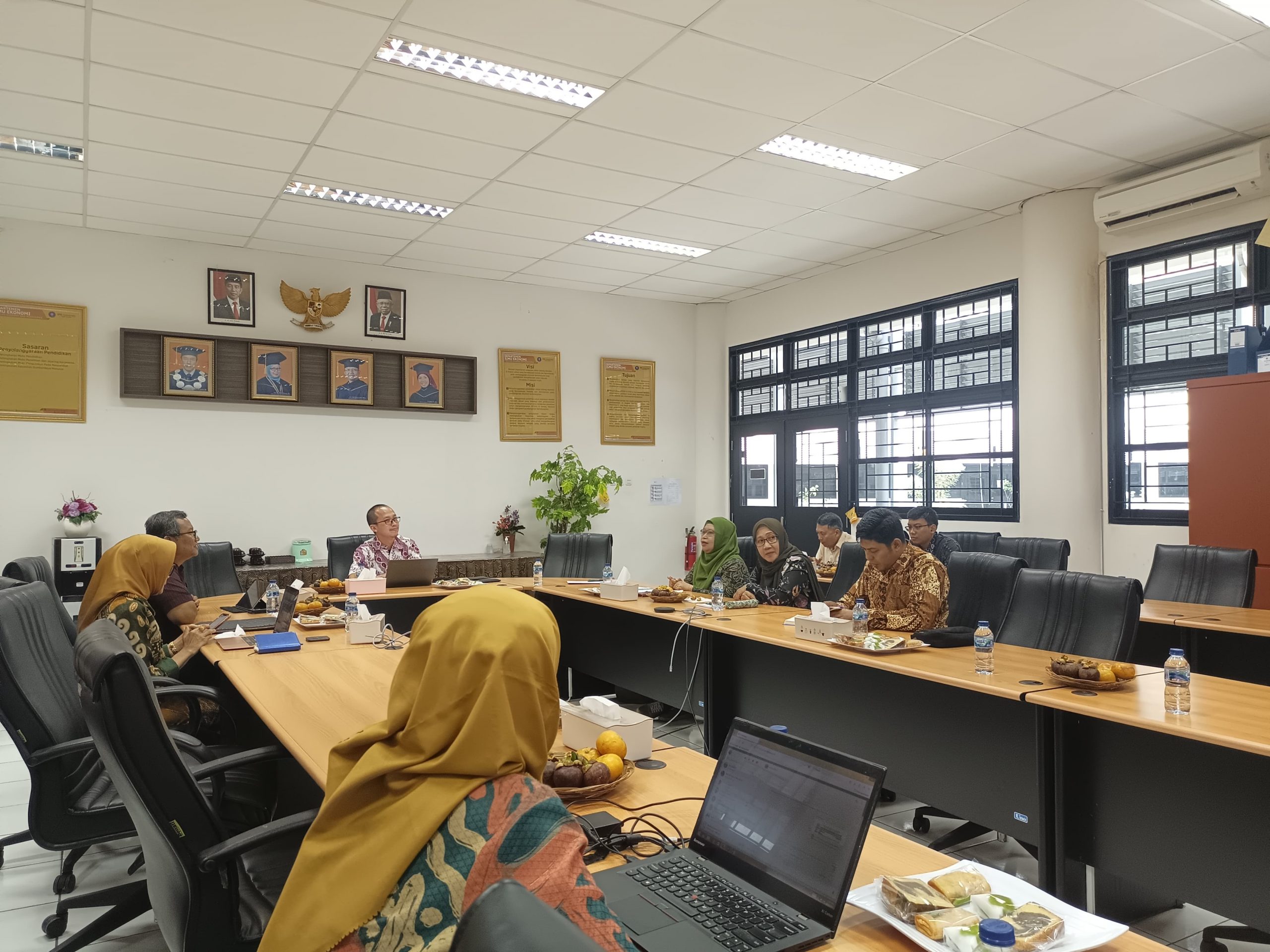
    This visit is under the agenda for external benchmarking to the MESP Study Program FEB UNS. On this occasion, a partnership memorandum signatory ceremony was also carried out. This collaboration aims to improve and foster institutional networking between the two institutions in carrying out Education, Research, and Community Service activities, as well as various other activities under the Tri Dharma of Higher Education implementation

  • MESP Study Program Hosted a Spatial Econometrics Workshop

    MESP Study Program Hosted a Spatial Econometrics Workshop

    The Master in Economics and Development Studies Study Program, Faculty of Economics and Business (FEB) Universitas Sebelas Maret (UNS), hosted another workshop this week.

    A Workshop on Stata for Spatial Econometrics was hosted to support student learning, by inviting Dr. Dyah Maya Nihayah, SE, M.Si., the Chairman of the Quality Assurance Division of Universitas Negeri Semarang. The workshop was conducted on Saturday, June 24, 2023, in Teleconference Room Bachtiar Effendi Building FEB UNS and Zoom Meeting.
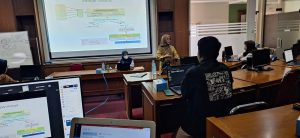
    In front of a number of MESP students, Dr. Dyah explained Spatial Econometrics in detail. Spatial econometrics is a combination of econometrics and spatial (space), which means the econometric models (regression) that include an abundance of spatial elements in the form of spatial autocorrelation and spatial heterogeneity.

    Spatial econometrics can only be used for cross-section data and panel data. Examples of these data are in the form of geography data between countries, districts/cities, villages, and housing data. These data usually can be found in the form of the PODES and SUSENAS data, while non-geography data are available such as supply chains, technology, universities, and friendships.

    According to Anselin (2001), spatial econometrics is a theoretical framework that models strategic interactions, social norms, the environment, and other equivalent group effects. The first stage of spatial econometrics analysis determines the weighting matrix used as a carrier of the spill-over effect, which is divided into a contiguity matrix and an inverse-distance matrix.

    Then a spatial dependency test is carried out (to determine whether data analysis will be carried out with spatial or non-spatial regression) and the model assumption test is selected, whether to use SLM, SLXM, and SEM. The SLM (Spatial Lag Model) is a model in which variables are dependent on dependent variables observed in neighboring units and on a set of observed local characteristics. SLXM (Spatial Lag X Model) is a model in which dependent variables in a location are related to independent variables in other neighboring or local units. SEM (Spatial Error Model) is a spatial model in which dependent variables depend on a set of observed local characteristics and error terms correlated across space.