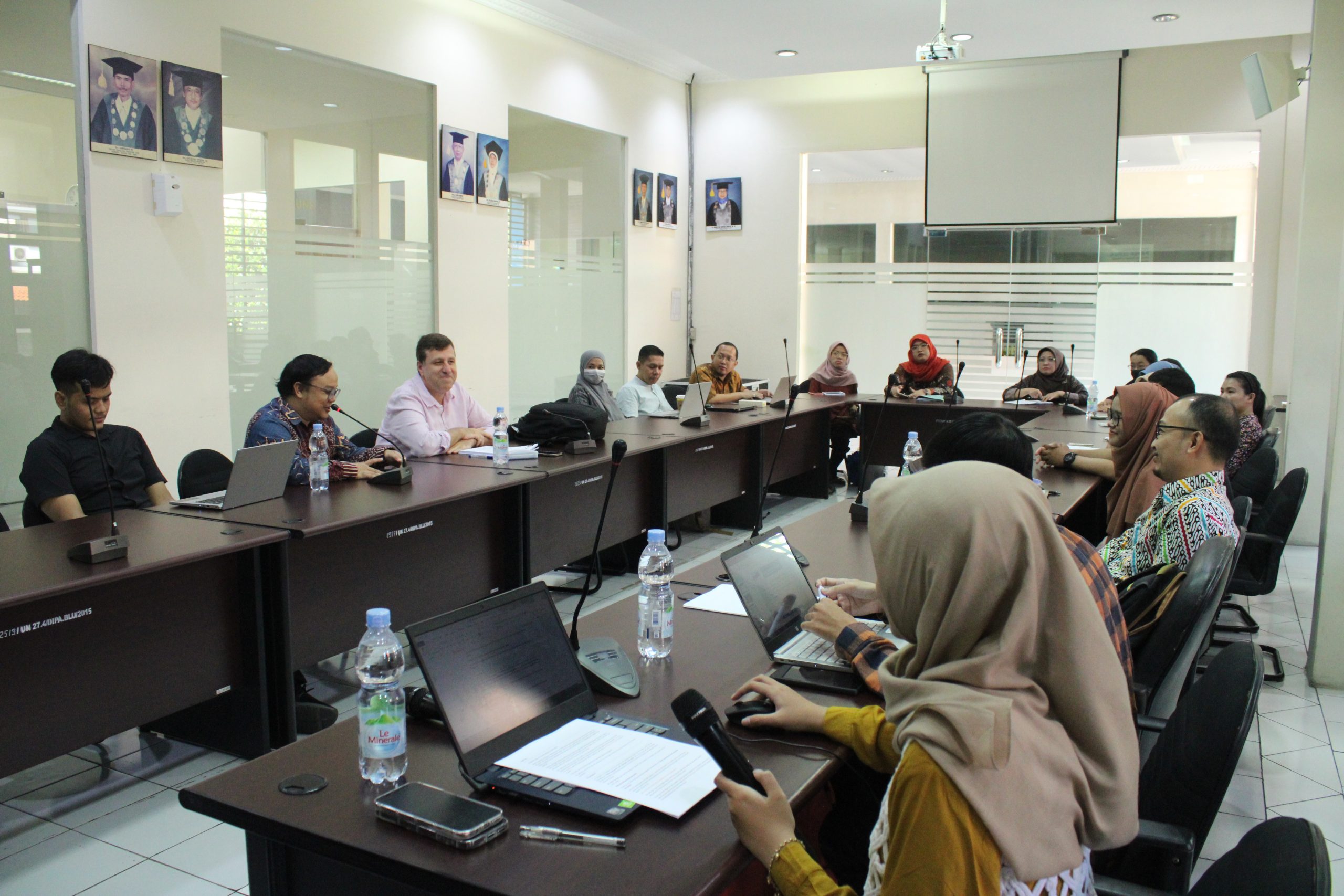
Fakultas Ekonomi dan Bisnis (FEB Universitas Sebelas Maret (UNS) dan Fintech Center UNS Adakan Working Paper Rising Star Student in Finance, Jumat 26 Juli 2024 di Ruang Sidang 1 Gedung Soeharno TS FEB.
Tiga pembicara dihadirkan dalam kegiatan itu M. Yusuf Indra Purnama, lulusan Program Doktor dari National Central Univerity Taiwan yang juga Dosen FEB UNS; Bambang Sutrisno, mahasiswa PDIE UNS dan Inas Nurfaida Futri, mahasiswa Magister Manajemen FEB UNS. Dan sebagai pembahas Prof. Ahmet Faruk Aysan, Hamad Bin Khalifa University, Qatar.
Putra Pamungkas, S.E., M.Rech., Ph.D., Kepala Program Studi S-1 Bisnis Digital mewakili Pimpinan FEB UNS menyampaikan ucapan terimakasih kepada Prof. Aysan dan juga kepada ketiga presenter.

“Terima kasih kepada Prof. Ahmed Faruk Aysan, karena telah bersedia hadir ke FEB UNS untuk berbagi pengetahuan bersama tiga presenter kita hari ini. Terima kasih juga kami ucapkan kepada ketiga presenter yang telah bersedia untuk mempresentasikan working paper-nya di bidang keuangan,” ungkap Putra.
“Kami harap agenda hari ini menjadi kesempatan yang sangat baik dimana kita dapat berbagi, sehingga dapat belajar dan mendiskusikan bagaimana mengembangkan topik yang ada” ungkapnya.
Putra juga berterima kasih kepada peserta yang hadir, agenda hari ini adalah merupakan kesempatan yang baik bagi peserta, di sesi pertama ini akan ada tiga presenter dan di sesi kedua peserta bisa berkonsultasi, berdiskusi tentang topik, serta menanyakan tentang kesulitan yang sedang dihadapi kepada Prof. Aysan.
Ketiga presenter yang hadir untuk mempresentasikan artikelnya adalah M. Yusuf Indra Purnama dengan arikel berjudul ‘Robot Deployment and Corporate Risk-Taking,’ yang membahas mengenai dampak ekonomi dari penggunaan robot di sektor industri.

Dalam riset tersebut, ia menemukan bahwa penerapan robot di sektor industri berkaitan dengan turunnya tingkat ‘risk-taking’ oleh perusahaan sampel.
Sementara itu, presenter kedua, Bambang Sutrisno dengan artikel berjudul ‘Dividend Policy, Stock Price Crash Risk, and Islamic Label’, mengemukakan efek dari keberadaan anggota Dewan Komisioner dengan relasi politis di perusahaan.
Lebih lanjut riset tersebut menemukan perbedaan efek dari anggota Dewan Komisioner dengan hubungan politis transaksional dan hubungan politis relasional, dimana anggota dengan hubungan transaksional meningkatkan risiko jatuhnya perusahaan.

Presenter terakhir, Inas Nurfadia Futri, menemukan bahwa kegiatan penggalangan dana untuk kegiatan sosial memiliki tingkat keberhasilan yang lebih tinggi dibandingkan dengan penggalangan dana untuk tujuan lainnya, dalam artikelnya berjudul ‘The Success of Social Project in Online Crowdfunding in Indonesia.’


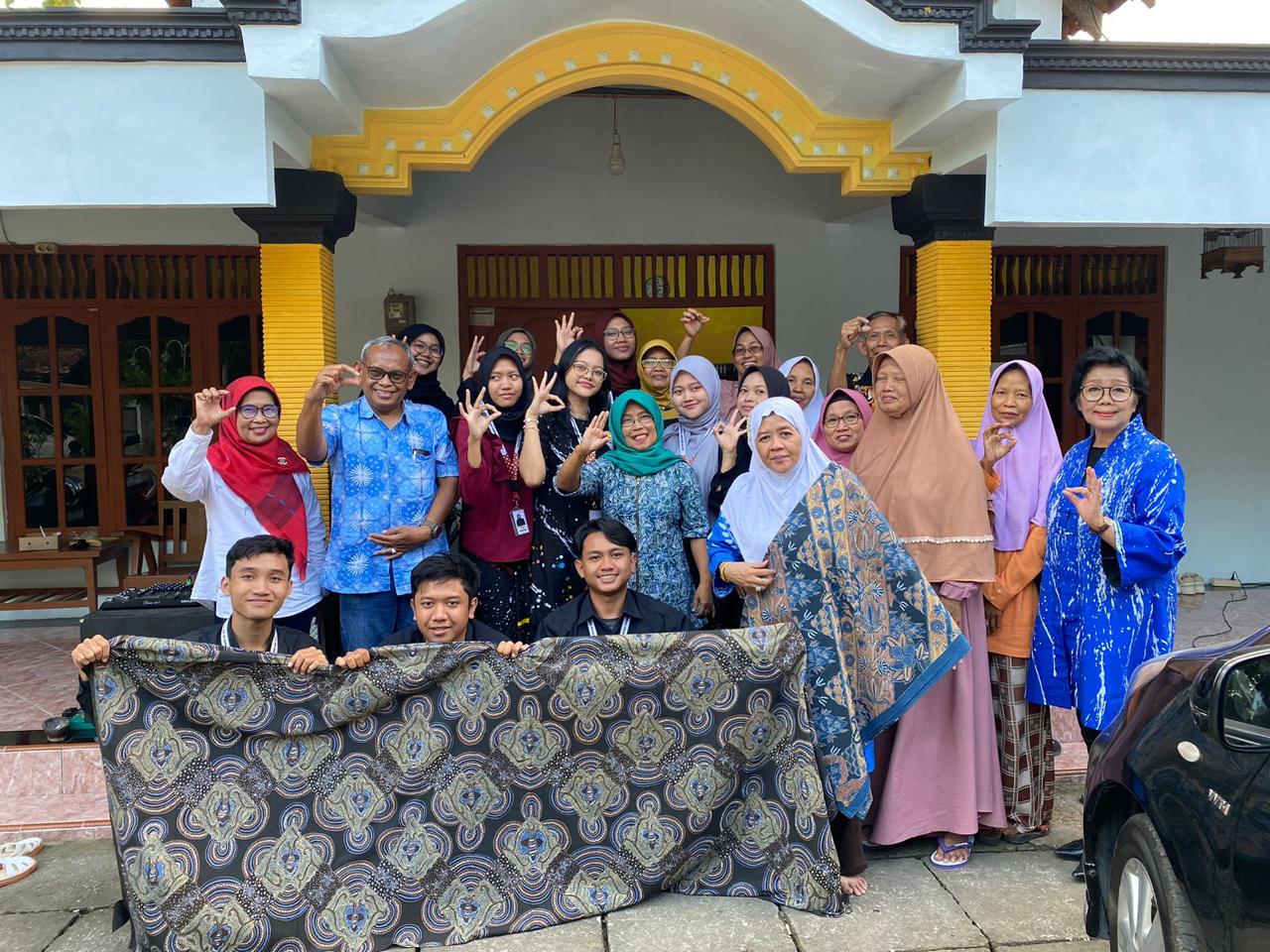
 The community service project, entitled “Development of Digital Marketing and Natural Coloring and Utilization of Heating Machines,” was led by Prof. Dr. Rahmawati, M.Si., Ak., and involved students in various program activities.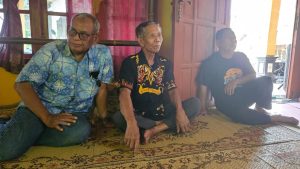
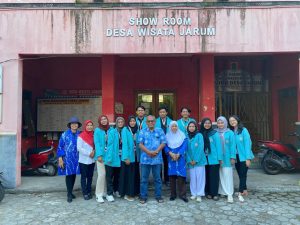 Support also came from local government agencies through the village administration, Bappeda, and the Department of Industry and Trade of Klaten Regency. In order to strengthen the independence of the batik industry in Jarum Village, particularly involving the SMEs of KUBE Putri Kawung, the Ministry of Research, Technology, and Higher Education is consulted about providing support in the form of facilities for the association’s marketing outlets, managerial skill development for partner SMEs, and infrastructure development for information technology-based supply and marketing networks.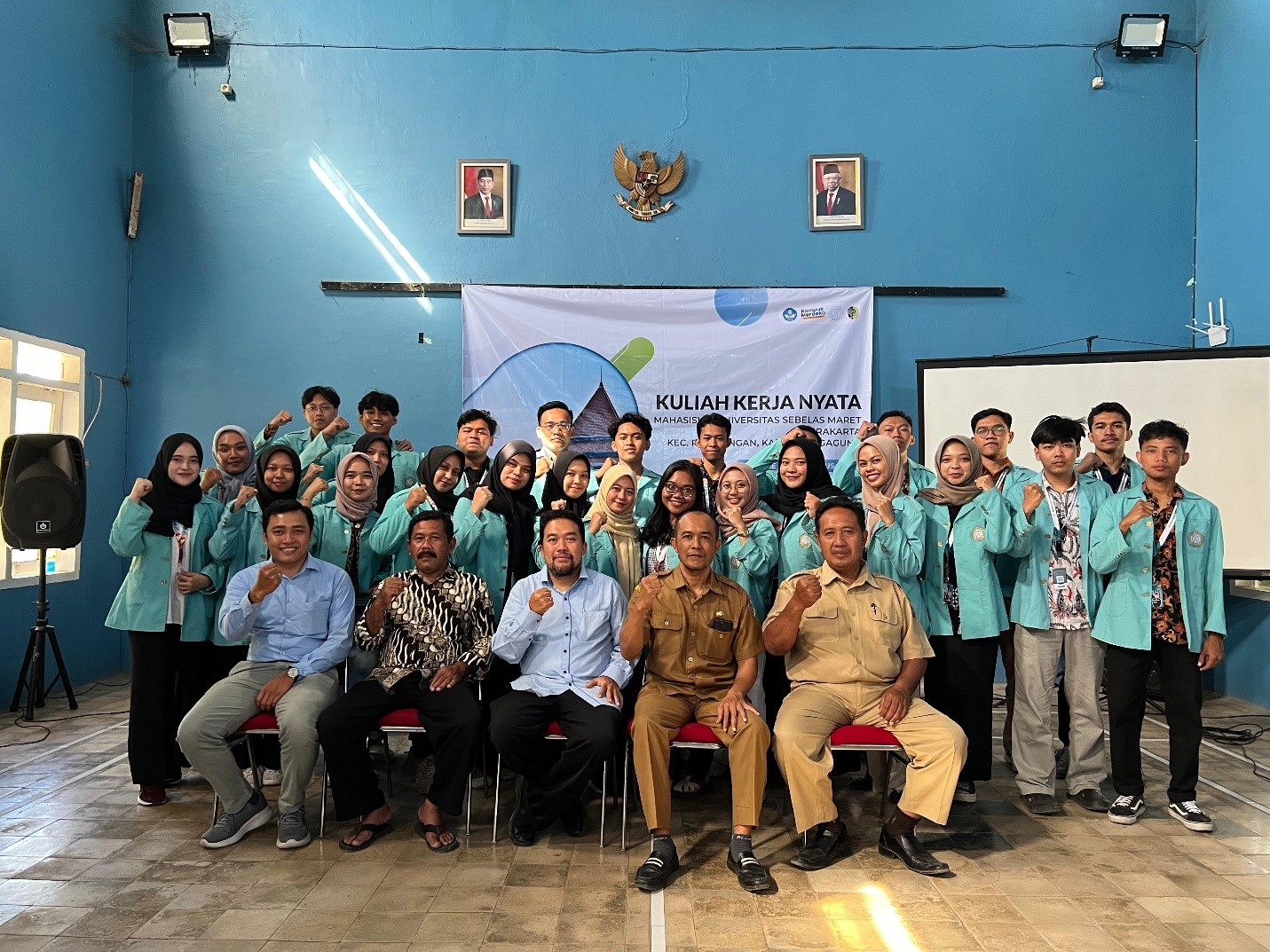
 This activity not only aims to enhance the welfare of local fish farmers but also served as part of UNS’s Students’ Community Service Program (KKN), where students were directly involved in community empowerment.
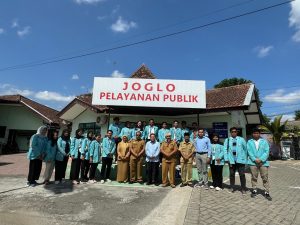 Additionally, students give positive feedback to the KKN program as an integral part of this program. They believed that they acquired valuable experience and practical knowledge that is beneficial for their daily lives and academic endeavors. “Through this KKN, we were able to observe firsthand and see how the knowledge we learn in the classroom is applied in real life by going straight to the field,” said one of the participating KKN students.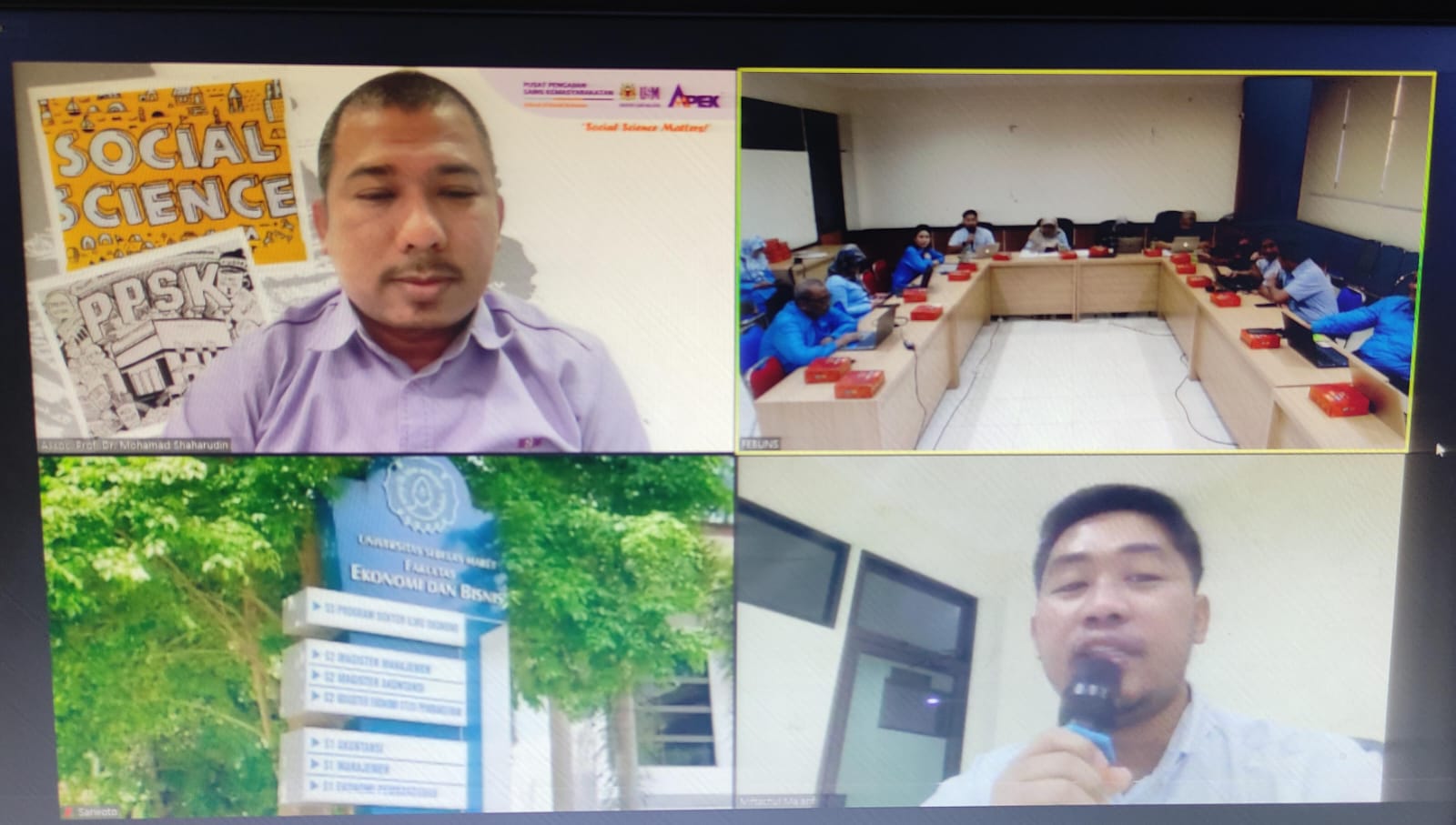
 In her opening remarks, Dr. Dwi Prasetyani, S.E., M.Si., Vice Dean for Academic Affairs, Research, and Student Affairs of FEB UNS, expressed her sincere appreciation to Assoc. Prof. Dr. Mohamad Shaharudin Samsurijan for his willingness to participate virtually and share insights on quality assurance practices implemented at the School of Social Sciences, USM. She conveyed the expectation that the meeting would generate mutual benefits for both FEB UNS and the School of Social Sciences, USM.

 In this context, he highlighted benchmarking as a strategic activity to learn from the experiences of other universities in managing teaching and learning processes, thereby supporting FEB UNS in achieving broader national and international recognition. Prof. Budhi also conveyed his appreciation to Assoc. Prof. Shaharudin and the team from the School of Social Sciences, USM, for their willingness to share experiences and best practices. In the subsequent session, Assoc. Prof. Shaharudin presented a detailed explanation of the quality assurance system implemented at the School of Social Sciences, USM, followed by an interactive discussion with the participants.
 These issues include low motivation for business strategies among entrepreneurs; limited understanding of digital marketing, including e-commerce and social media, as well as digital financial recording; and a lack of awareness about established institutions, their responsibilities, and the benefits for business owners.
 The team also offered training on technology development, including explanations and practical sessions on installing necessary applications for culinary MSMEs. Briefings on the roles, perks, obligations, and responsibilities of institutional administrators and members were provided to the traders to address their knowledge of and use of supporting institutions.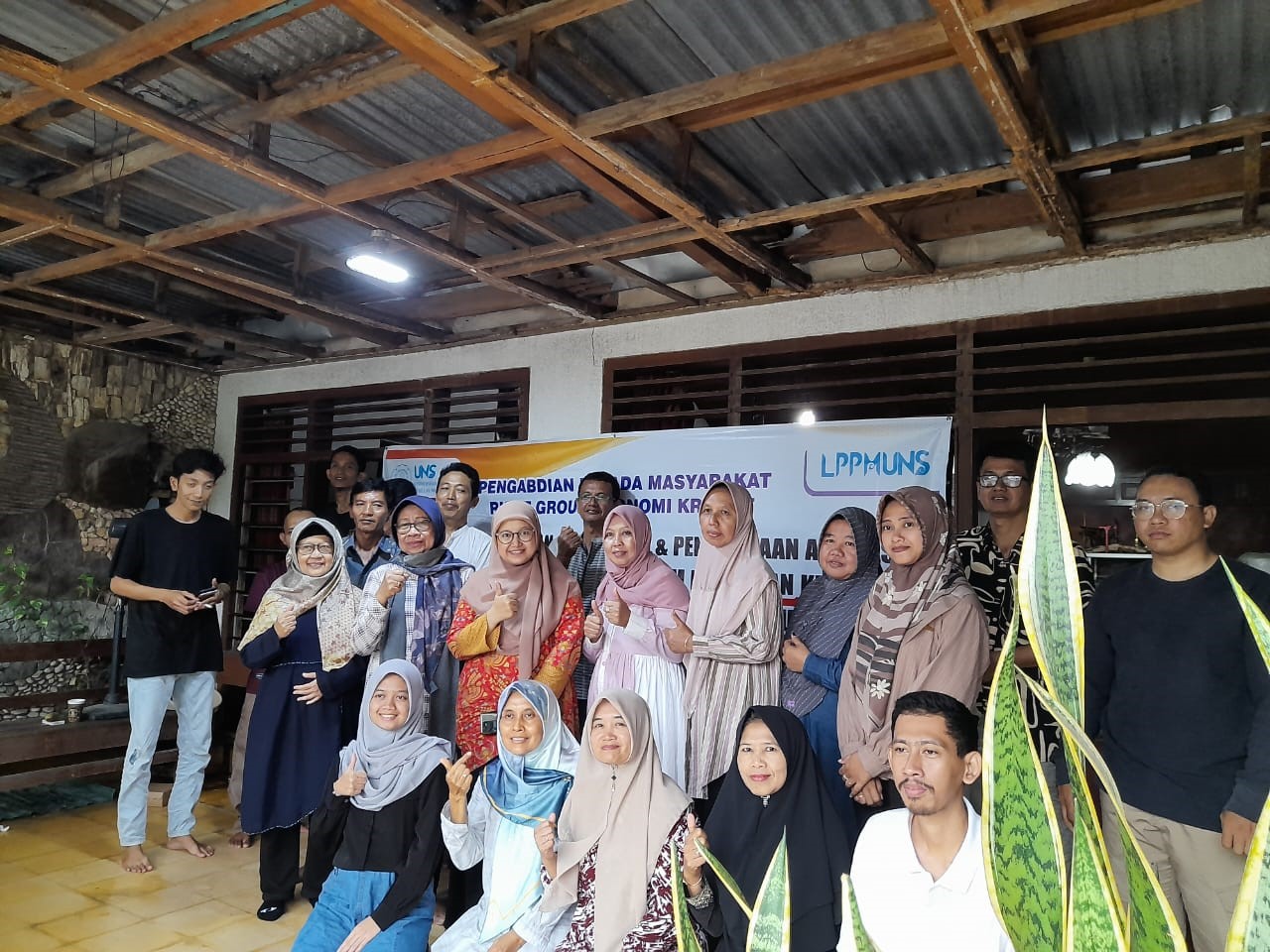
 Each business owner employs between 5 (five) to 7 (seven) residents. The MSME owners are members of an extended family, coordinated by UD. Latansa. Established in the 1990s, these MSMEs faced a downturn in 2012 due to the owner’s lack of managerial skills in running the business, leading to errors in profit calculation and poor bookkeeping discipline, resulting in bankruptcy.