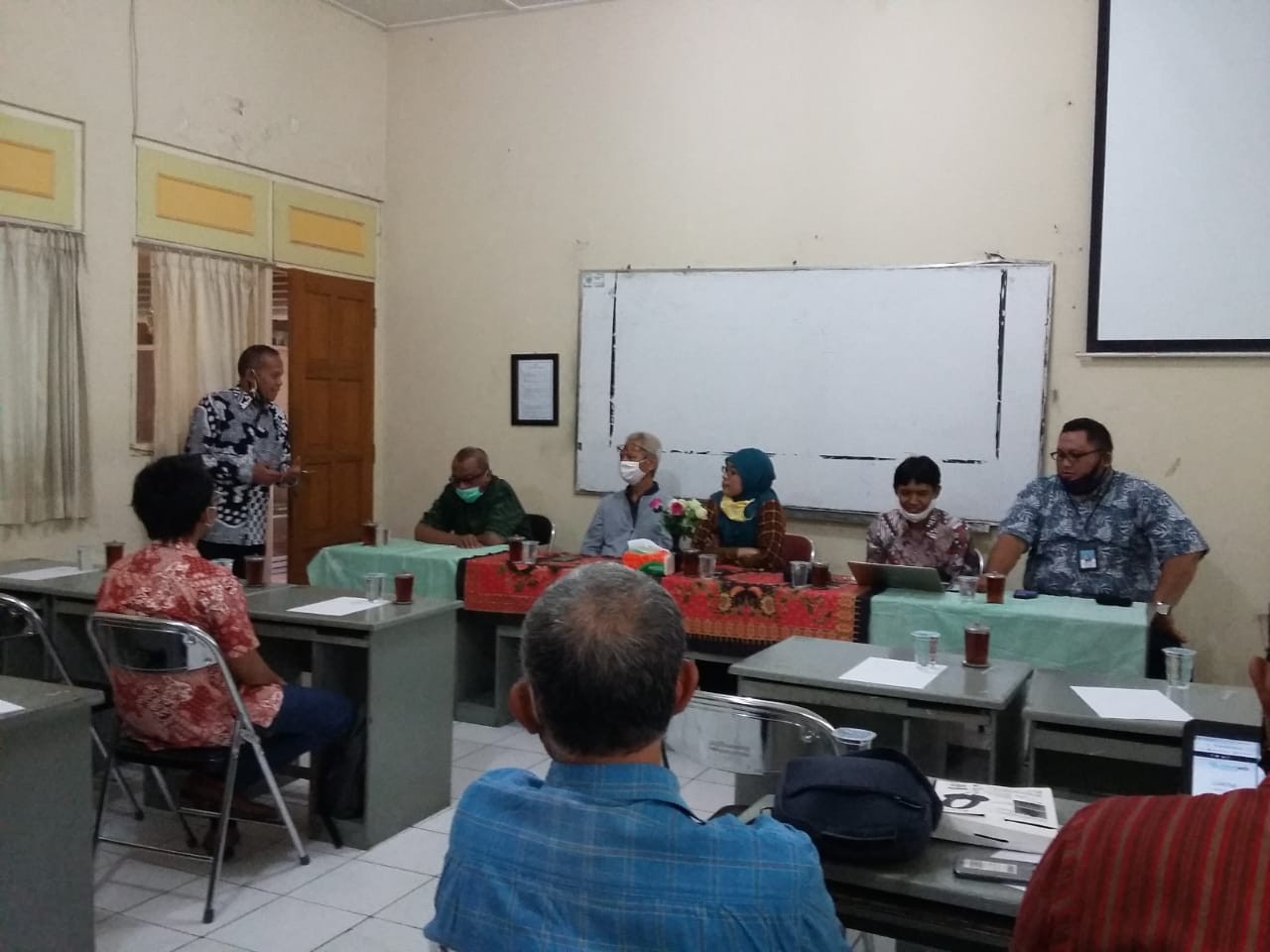
Community engagement team from the Faculty of Economics and Business (FEB), Universitas Sebelas Maret (UNS), conducted a training and mentoring program on the use of Open Journal Systems (OJS) to improve the quality and accreditation ranking of scientific journals managed by Sekolah Tinggi Ilmu Ekonomi (STIE) Atma Bhakti Surakarta. The program was conducted under the Research Group Grant for Community Engagement (PKM HGR-UNS) scheme, led by Dr. Eko Arief Sudaryono.
The initiative was motivated by several challenges identified in the partner institution’s journal management practices. Preliminary analysis revealed issues in article editing processes, inconsistencies in publication schedules, and a predominance of authors and editors from within the institution. These conditions have contributed to the journal’s relatively low national accreditation ranking.
Additionally, online journal management system is yet to be fully optimized. In fact, electronic systems such as Open Journal Systems enable integrated, transparent, and more efficient workflows covering manuscript submission, editorial processing, peer review, and publication. Proper implementation also supports greater visibility and academic impact of published articles.
To address these challenges, the community engagement team provided technical training on OJS operation, developed article writing guidelines, and supplied standardized templates to ensure consistency in manuscript formatting. The program also included mentoring in building networks with external editors and peer reviewers to strengthen the quality of the review process.
The implementation was carried out in three main stages. The first stage involved an initial assessment of the journal’s condition to identify development needs related to features and governance improvements. The second stage consisted of hands-on training on article editing workflows and journal website management. The third stage focused on monitoring and mentoring to ensure that all materials and improvements were effectively adopted by the journal management team.
The training, conducted onsite at STIE Atma Bhakti, was attended by journal editors and administrative staff. The sessions emphasized compliance with national journal accreditation standards, including the completeness of information on the journal website, the substantive quality of articles, consistency in reference formatting, and the involvement of qualified external reviewers. The evaluation identified several areas requiring improvement, such as the absence of a journal synopsis on the homepage, the lack of links to editors’ academic profiles, and research methodology sections that were not yet systematically structured.
Moving forward, the team recommended sustained support from the institution’s leadership, the addition of competent human resources in information technology, and the expansion of external collaboration networks to enhance the journal’s quality and competitiveness. Through strengthened governance and improved scholarly substance, the partner journal is expected to broaden its publication reach and achieve a higher national accreditation ranking.
This community engagement initiative aligns with higher education institutions’ commitment to supporting the achievement of the Sustainable Development Goals (SDGs), particularly SDG 4 (Quality Education) through the enhancement of scientific publication quality and academic governance, as well as SDG 17 (Partnerships for the Goals) through inter-institutional collaboration to strengthen higher education capacity.
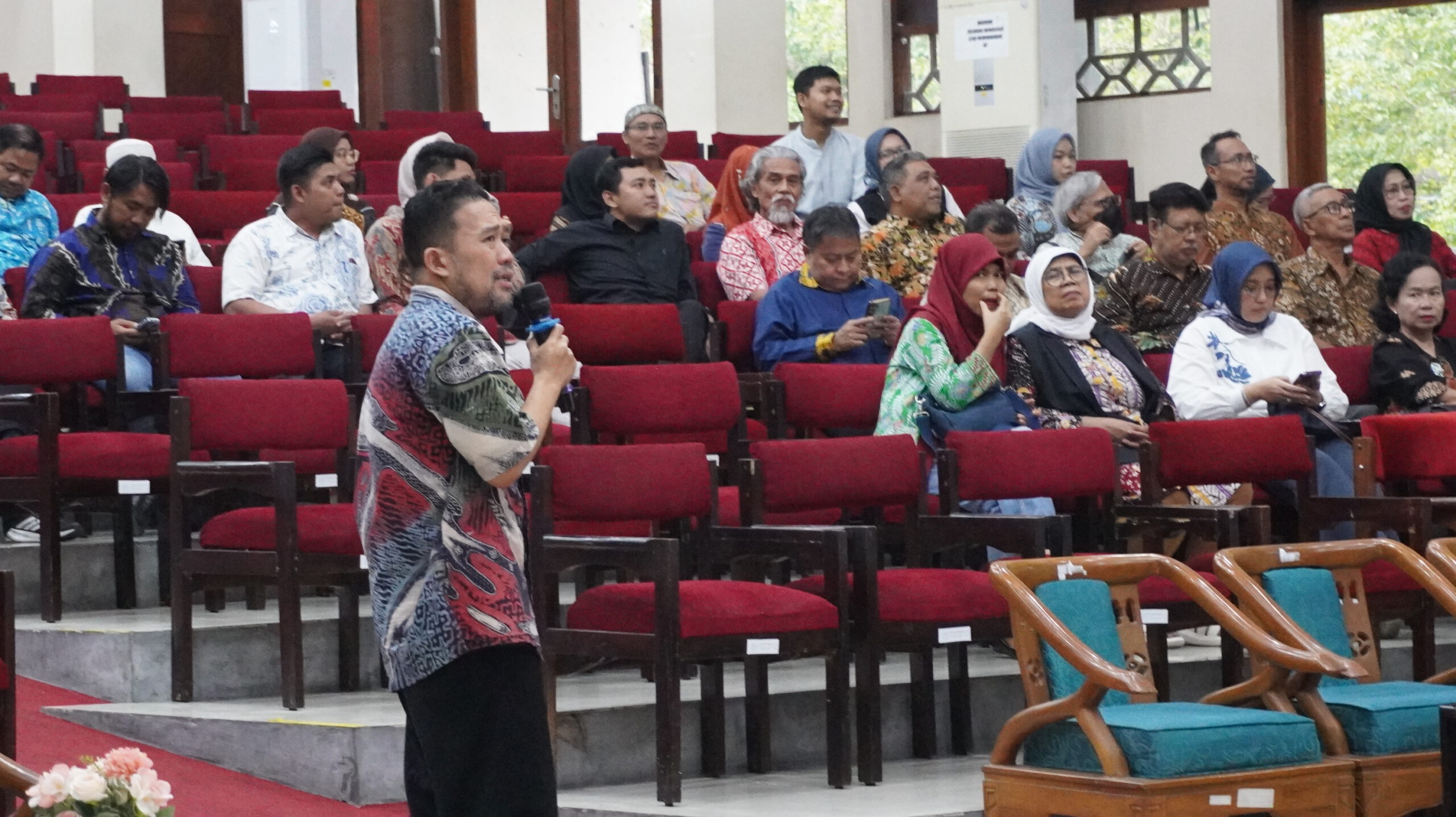

 On human resources, updates were delivered regarding revisions to lecturer mapping within each Study Program, mandatory reporting of BKD, SKP, LHKPN, and SPT, as well as the structuring of lecturers’ home base arrangement. From the infrastructure perspective, classrooms and supporting facilities were declared ready, including hybrid learning facilities and the development of a master plan for FEB’s infrastructure expansion.
 The Faculty Council Meeting concluded with a Ramadan Reflection Session (Kajian Ramadan 1447 H) delivered by Dr. Hanifullah Syukri, M.Hum., followed by a communal iftar attended by the extended FEB community. The occasion also saw the announcement of winners of the sports and fun games competitions held in celebration of the 50th Anniversary of Universitas Sebelas Maret.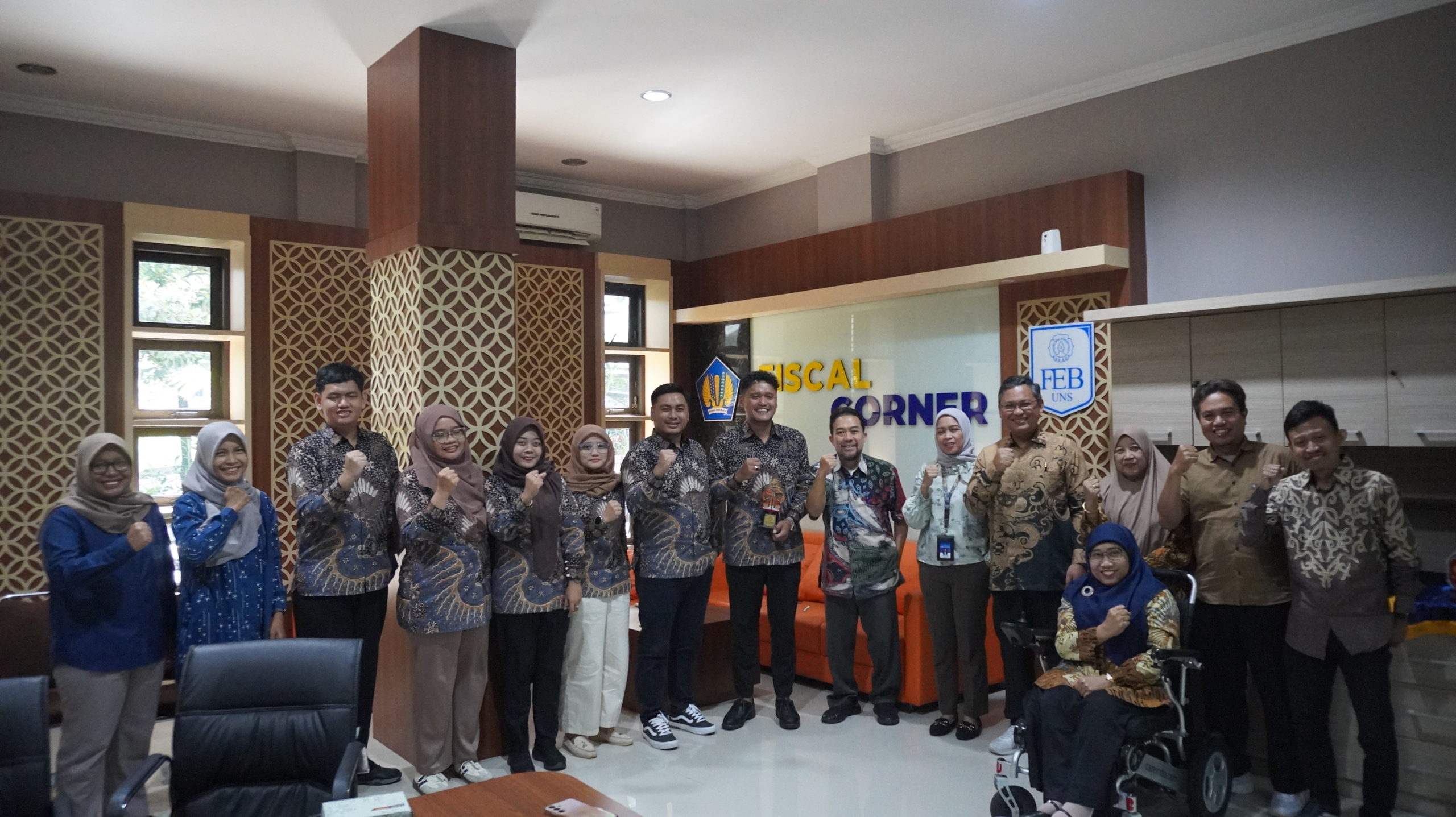
 The UNESA delegation was received directly by the Dean of FEB UNS, Prof. Bhimo Rizky Samudro, S.E., M.Si., Ph.D. The benchmarking session was attended by the leadership team of FEB UNS and faculty members from the Accounting Study Program FEB UNS.


 She further outlined that FEB UNS currently manages four undergraduate programs: Accounting, Management, Development Economics, and Digital Business. At the postgraduate level, FEB UNS offers Master’s programs in Accounting, Management, and Development Economics, as well as a Doctoral Program in Economics with three main concentrations: Accounting, Management, and Development Economics.
 In terms of academic infrastructure, FEB UNS is supported by eight laboratories and one Fiscal Corner, designed to enhance learning processes, professional training, certification programs, and research activities. Undergraduate students are encouraged to obtain professional certifications, while master’s and doctoral students are facilitated in strengthening research competencies. The Research and Community Service Center (P4M) also plays an active role in supporting scholarly research and community engagement initiatives.
 “The benchmarking focus includes curriculum development, study program governance, human resource strengthening, implementation of Outcome-Based Education (OBE), and strategies for national and international accreditation,” she stated.
 Through this benchmarking and academic exchange, FEB UNS aspires to establish sustained inter-university synergy and collaboration in enhancing educational quality, graduate relevance, and institutional competitiveness at both national and global levels.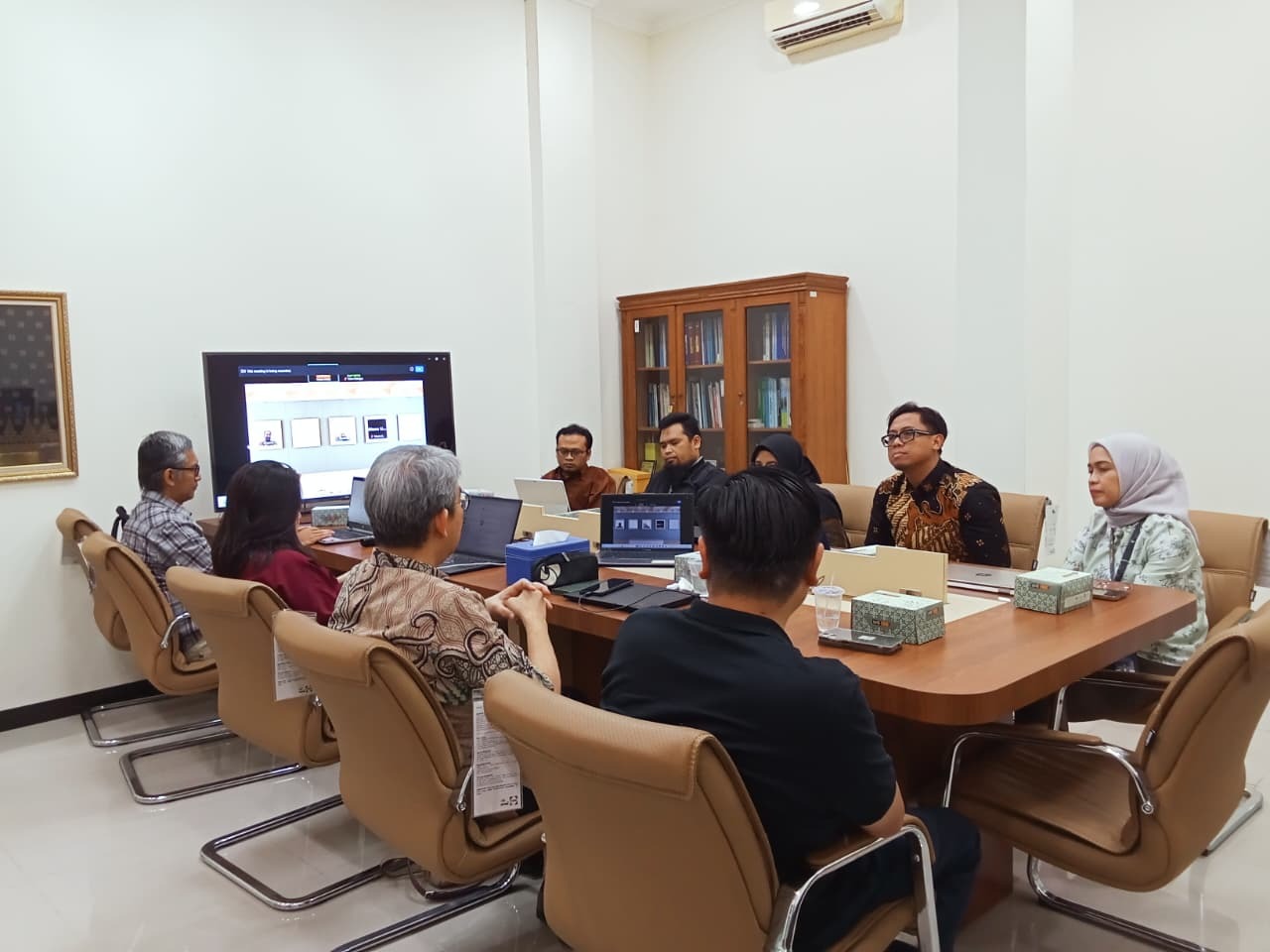
 The Vice Dean for Academic and Research Affairs FEB UNS, Prof. Tri Mulyaningsih, S.E., M.Si., Ph.D., expressed her appreciation for the visit and affirmed FEB’s readiness to engage in strategic collaboration. She emphasized the importance of cross-sector synergy in developing research with tangible impact. According to her, the involvement of partners from associations, industry, and government institutions will enhance the quality of research outputs and Community Engagement, while also strengthening institutional recognition at the university level.
 The Chairman of HIPELKI, dr. Randy H. Teguh, M.M., explained that the whitepaper aims to provide a comprehensive overview of the conditions and challenges facing the national medical device industry. The document is expected to serve as a reference in the formulation of fiscal policies and government support for strengthening the domestic medical device industry.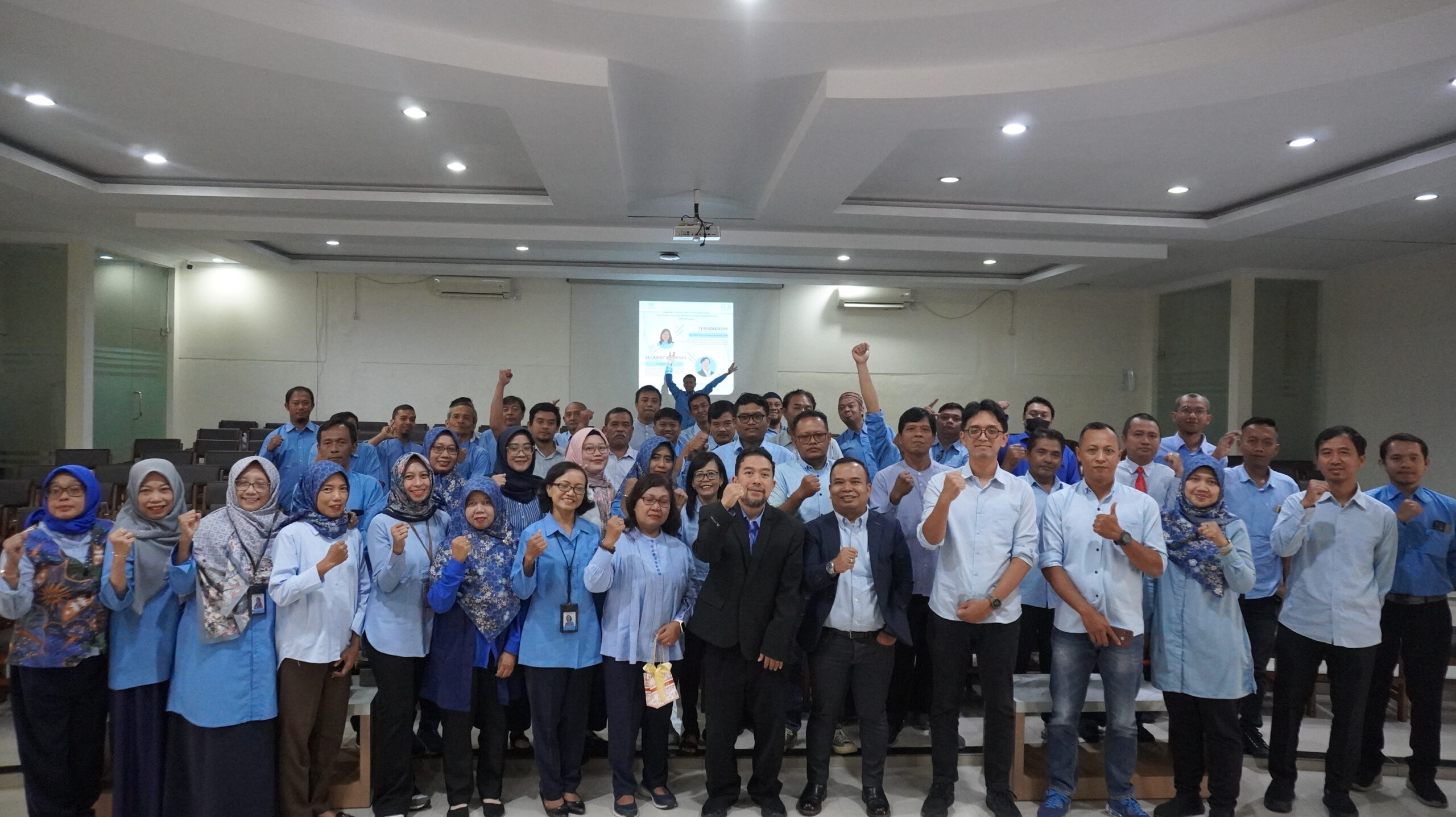
 In her remarks, the Dean of FEB UNS, Prof. Bhimo Rizky Samudro, S.E., M.Si., Ph.D., expressed his appreciation and gratitude for the dedication of all Academic Support Staff. “Hopefully, 2026 will be a better year. Despite differences in working styles and individual characteristics, we must remain united as one team and uphold a shared vision in developing FEB,” the Dean stated.
 Meanwhile, the Vice Dean for Non-Academic Affairs, Sutaryo, S.E., M.Si., Ph.D., Ak., CA., CRA., CRP., ACPA, conveyed that the Dean Office remains open to evaluations and feedback from Academic Support Staff regarding faculty management over the past one year and three months. He noted that staff rotation, reassignment, and human resource development are the elements of a healthy organizational mechanism and are not based on subjective considerations. In his address, the Vice Dean also highlighted the importance of enhancing the competencies of Academic Support Staff at both national and international levels as strategic support for FEB UNS’s target of achieving AACSB international accreditation. Certification programs, including those from the National Professional Certification Agency (BNSP) and international Microsoft certifications, continue to be prioritized as part of human resource development initiatives in 2026.
 “International accreditation is not a simple undertaking and cannot be achieved without the contribution of Academic Support Staff and students. Therefore, improving staff competency is a shared necessity,” he asserted.
 Through this activity, FEB UNS reaffirmed its commitment to building professional, inclusive, and sustainable faculty governance by positioning strong synergy between leadership and Academic Support Staff as the primary foundation toward an excellent and globally competitive faculty.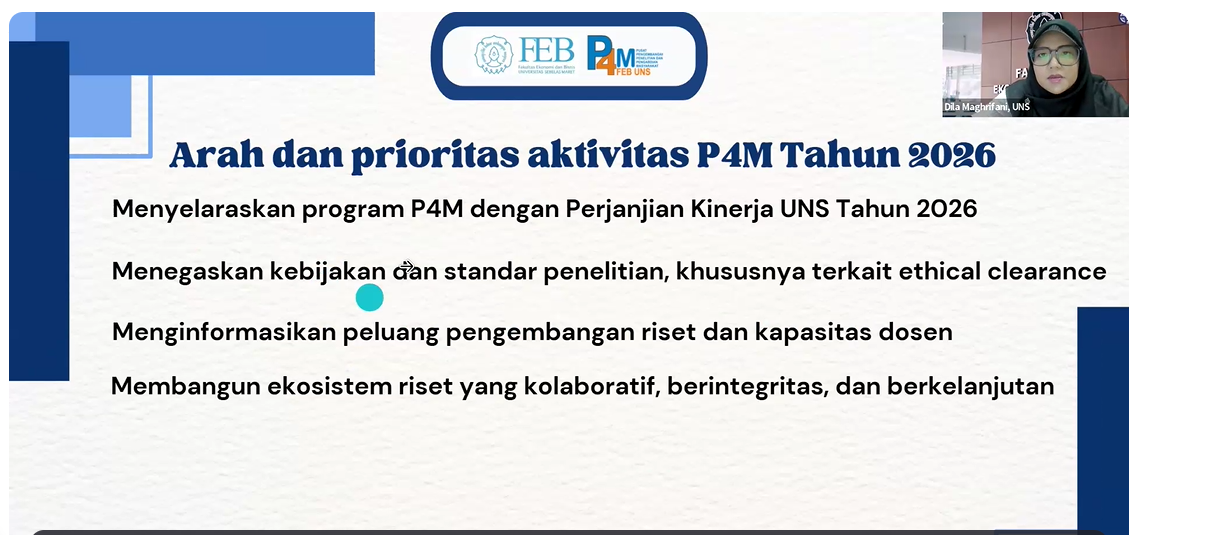
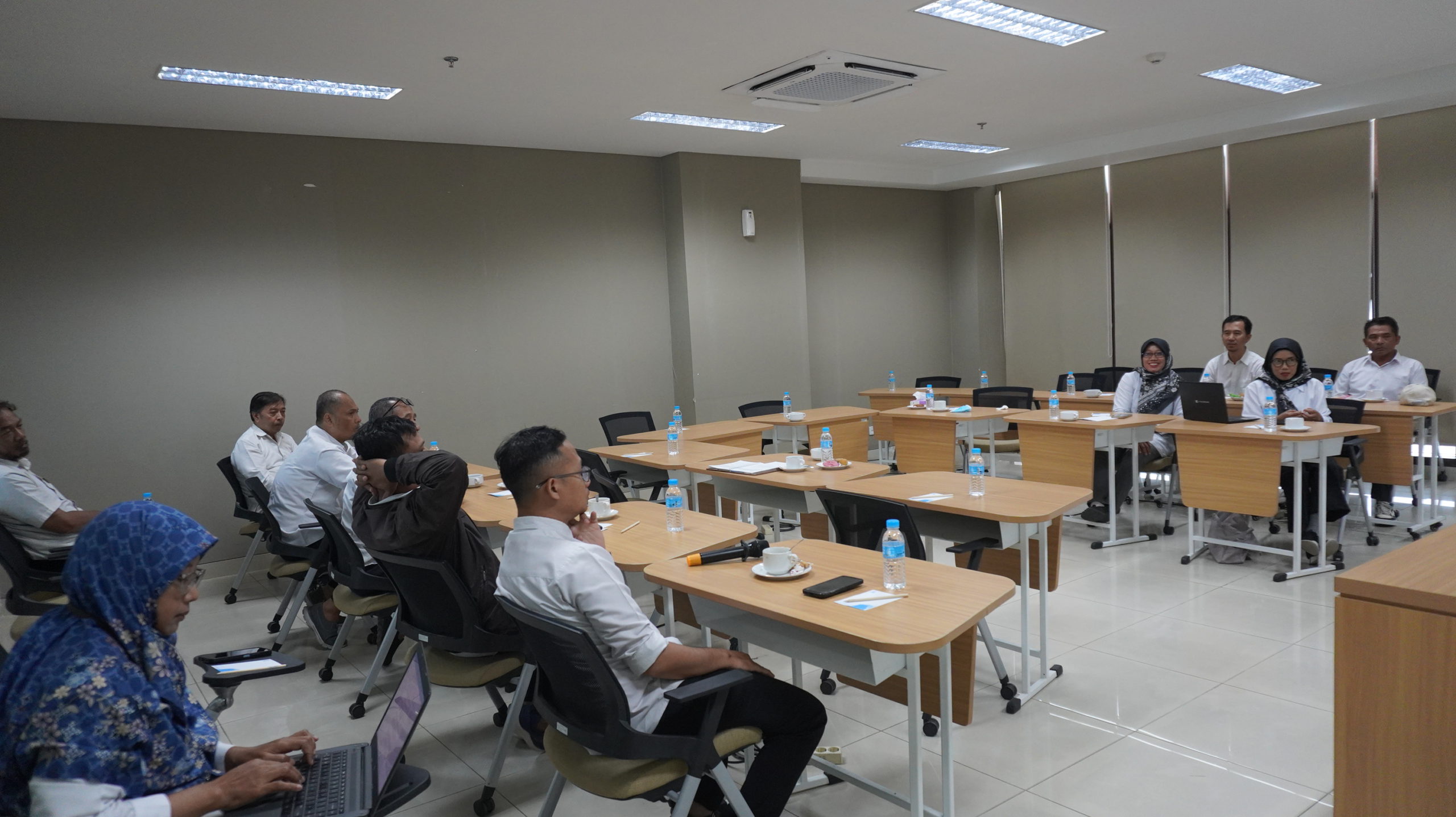
 The Vice Dean for Academic and Research Affairs FEB UNS, Prof. Tri Mulyaningsih, S.E., M.Si., Ph.D., opens the workshop by expressing her appreciation and gratitude to all Academic Support Staff in the Academic Affairs division for their responsibility, dedication, and collaboration throughout 2025.
 The workshop is designed as an open and constructive dialogue. All attending Academic Support Staff are provided with adequate opportunities to share challenges and provide input as material for evaluation and improvement of academic services.
 The system is expected to improve cross-unit coordination, increase the effectiveness of learning evaluation, and support data-informed decision-making based on continuous feedback. This activity aligns with the achievement of the Sustainable Development Goals (SDGs), particularly SDG 4 (Quality Education) through the improvement of academic service quality, as well as SDG 16 (Peace, Justice, and Strong Institutions) by promoting effective, transparent, and participatory governance in higher education institutions.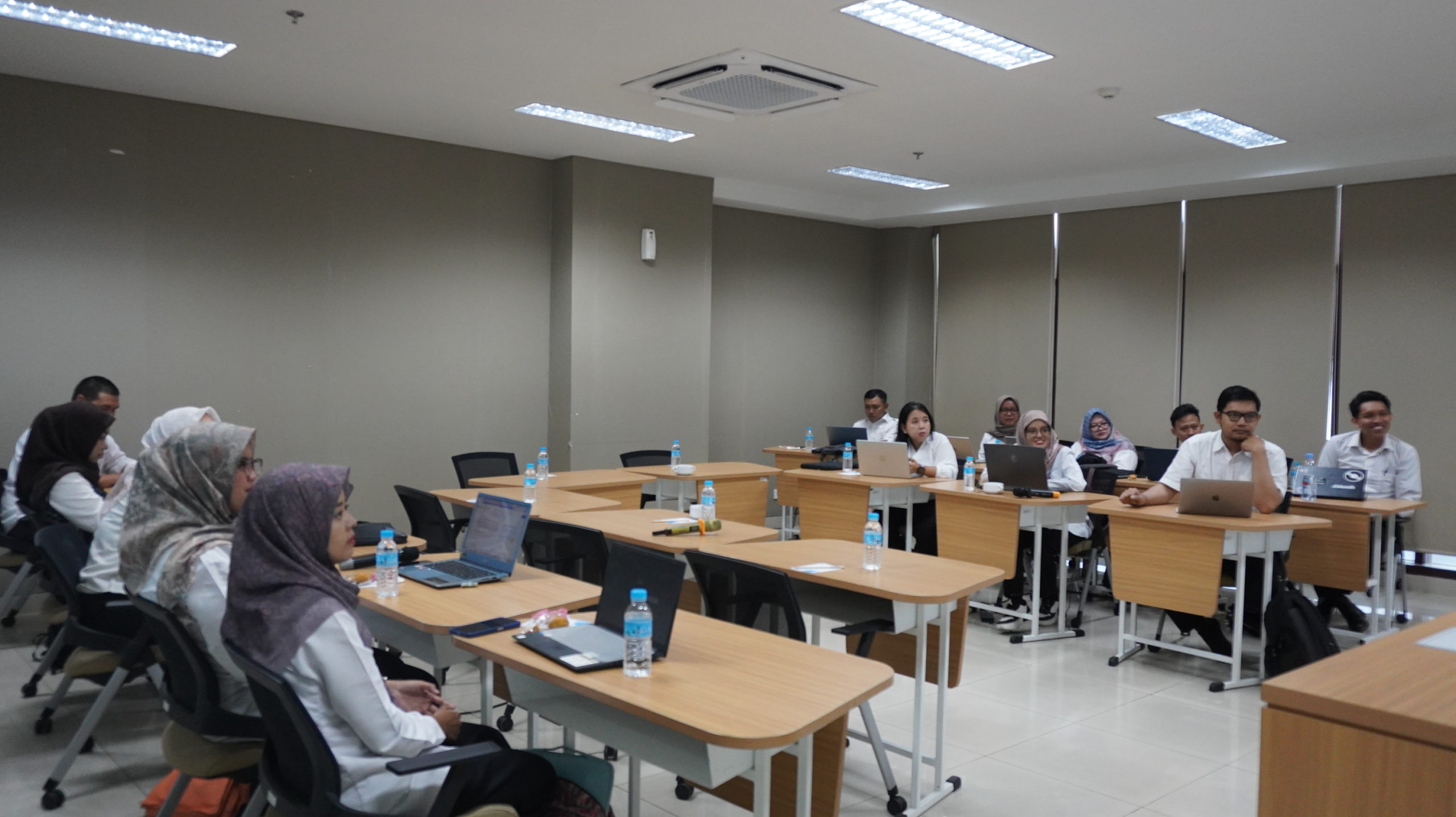
 The Vice Dean for Academic and Research Affairs of FEB UNS, Prof. Tri Mulyaningsih, S.E., M.Si., Ph.D., in her opening remarks emphasizes the importance of implementing the Learning Management System (LMS) as a key strategy to support the achievement of UNS Key Performance Indicators (IKU). Prof. Tri explains that although various terms are commonly used in digital learning practices, such as Massive Open Online Courses (MOOCs), the official use of the term LMS at FEB UNS aligns with provisions stipulated in the Rector’s Regulation.
 The workshop also presents examples of good practices in LMS utilization, management of online courses, and opportunities for the development of digital-based learning, including the expansion of online learning through micro-credential schemes. With optimal LMS support, FEB UNS reaffirms its commitment to continuously improve the quality of the teaching and learning process in ways that respond to technological developments and student needs. Through this activity, FEB UNS expects lecturers to become increasingly prepared and competent in integrating digital technology into instruction, while contributing to the improvement of sustainable higher education quality.
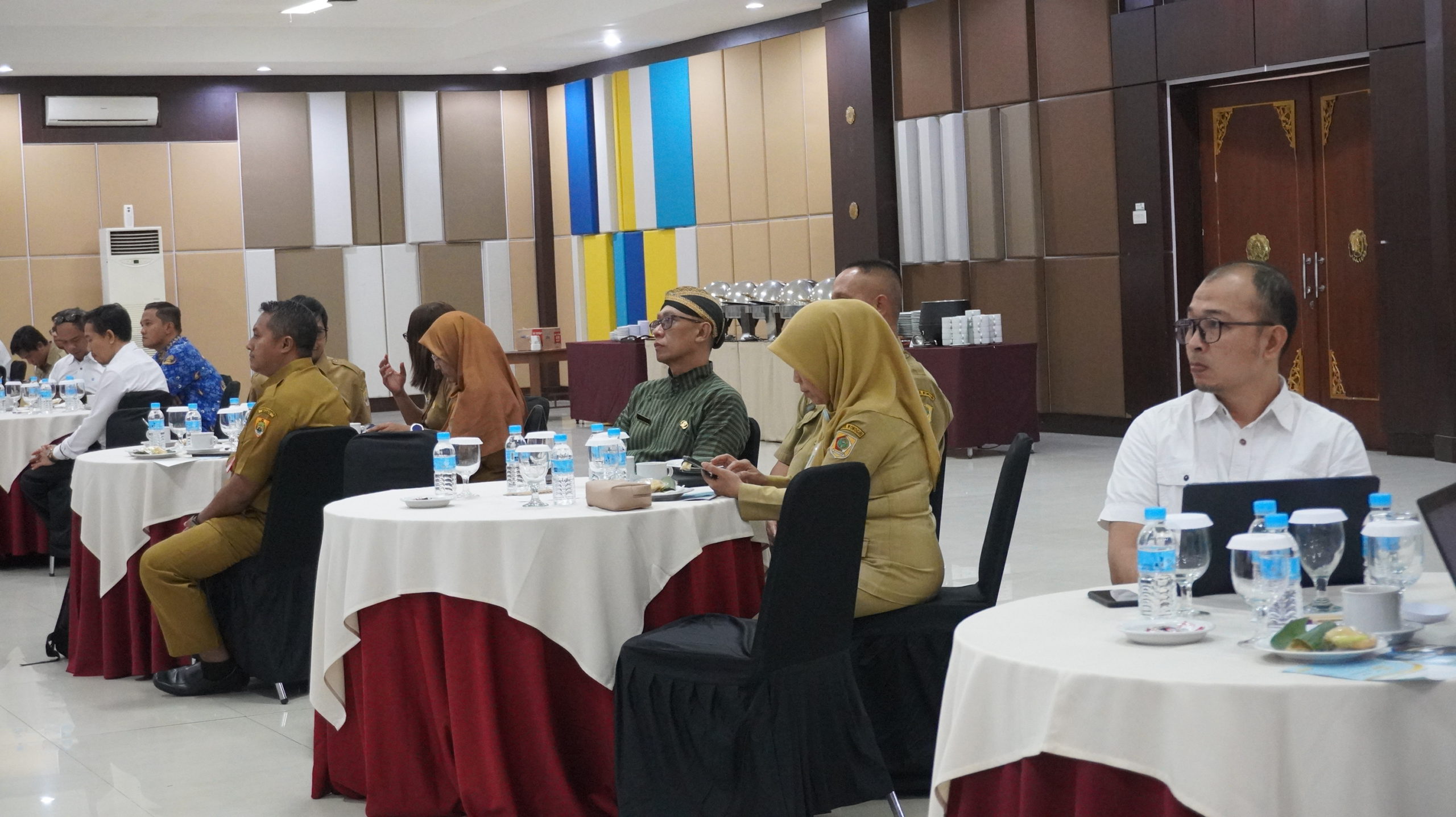


 Meanwhile, Slamet explained that the primary challenge in regional development lies not in planning, but in the disconnect between planning and implementation within the regional budget framework (APBD). Many strategic programs fail at the execution stage due to concerns among regional officials regarding administrative accountability, technical reporting requirements, and limited legal frameworks at the regional level.