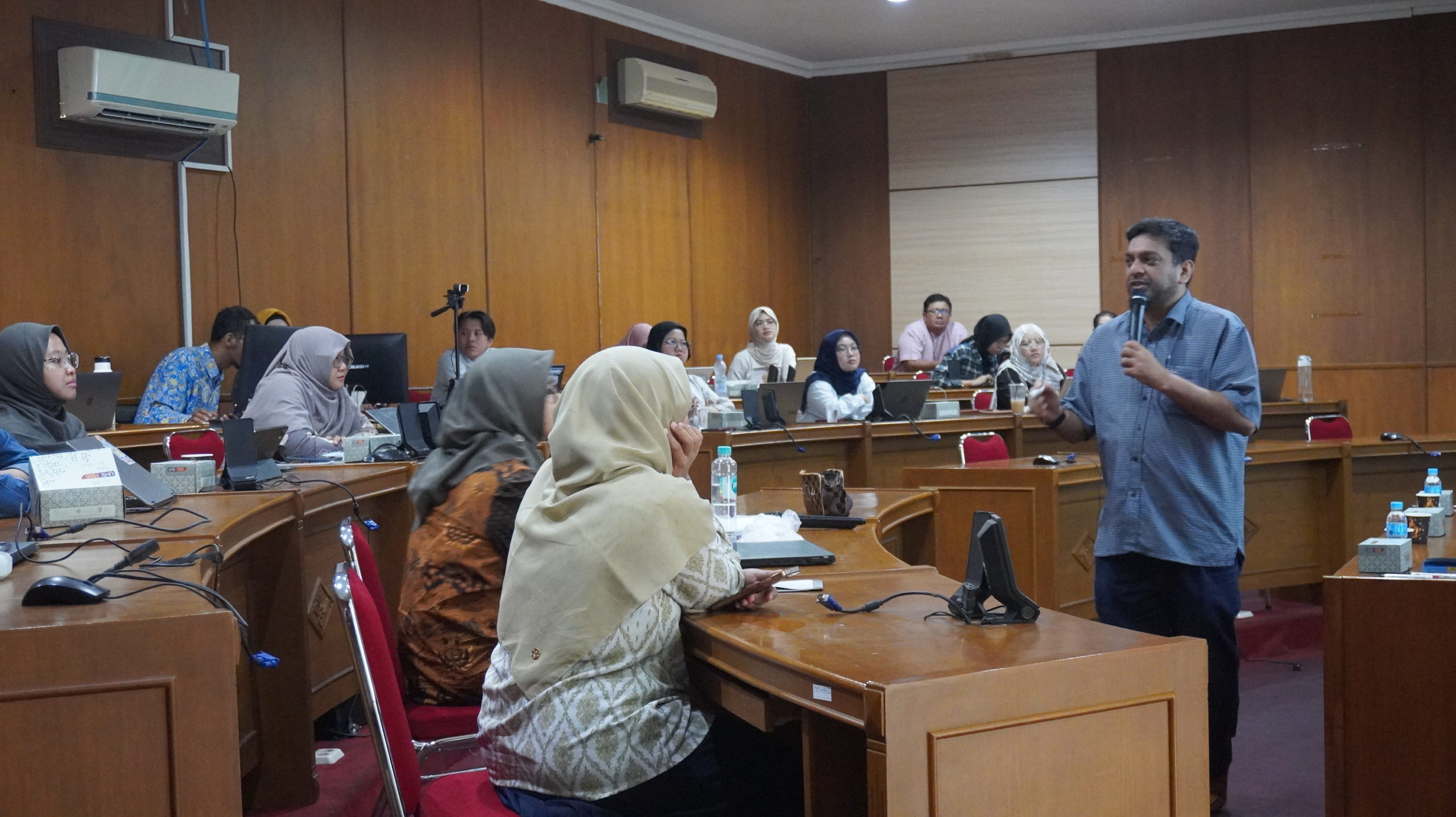
The Center for Research and Community Engagement Development (P4M) of the Faculty of Economics and Business (FEB), Universitas Sebelas Maret (UNS), organized a workshop entitled Creativity and Innovation in Business on Thursday, 5 December 2025. The activity, held at the FEB UNS Teleconference Room, was attended by FEB UNS lecturers and students as part of efforts to strengthen academic and practical perspectives in the field of business innovation. The workshop featured Associate Professor Dr. Anuar Shah bin Bali Mahomed from the Faculty of Economics and Management, Universiti Putra Malaysia, as the main resource person.
 On this occasion, Dr. Anuar delivered a presentation highlighting the importance of creative thinking in driving business innovation amid rapid changes in the economic environment and technological development. He emphasized that there are two key aspects that determine the success of business innovation, namely technology and culture.
According to him, current technological advancement has provided easier access and substantial benefits for both business actors and consumers. This condition has become one of the main factors causing traditional businesses to face increasing difficulty in competing with digital-based enterprises.
In his presentation, Dr. Anuar discuss the development of e-hailing services such as Grab, Uber, and Gojek in Malaysia as an example. Based on empirical studies conducted, the emergence of e-hailing services has been shown to reduce the income of traditional taxi drivers. However, at the same time, these digital business applications proved its impact in reducing service costs borne by customers.
“Let us observe the emergence of e-hailing applications. This technology aims to provide convenience for users while also reducing the cost of delivering services. A similar situation can be seen in the banking industry today, as more and more banks moved away from physical office, they no longer open branch offices, because all processes can be conducted through applications,” Dr. Anuar explained.
Aside from discussing technological aspects, Dr. Anuar also examined the importance of cultural factors in business innovation. Referring to the cultural dimensions proposed by Hofstede, he emphasized that understanding the cultural context of a particular region is essential for business actors. Cultural differences influence consumer behavior and preferences, requiring business strategies to be aligned with local cultural characteristics.
 Concluding the workshop session, Dr. Anuar encouraged business actors and young generations who intend to enter the business sector to remain adaptive to change, particularly by understanding the consumption patterns of younger generations who will become the primary market in the future. “If businesses are unwilling to change and adjust to the preferences of younger generations, they will lose that market,” he stated.
Through this activity, FEB UNS contributes to the achievement of the Sustainable Development Goals (SDGs), particularly SDG 8 (Decent Work and Economic Growth) through strengthening business innovation capacity, as well as SDG 9 (Industry, Innovation, and Infrastructure) through the development of creative thinking and technological adaptation in the business sector.
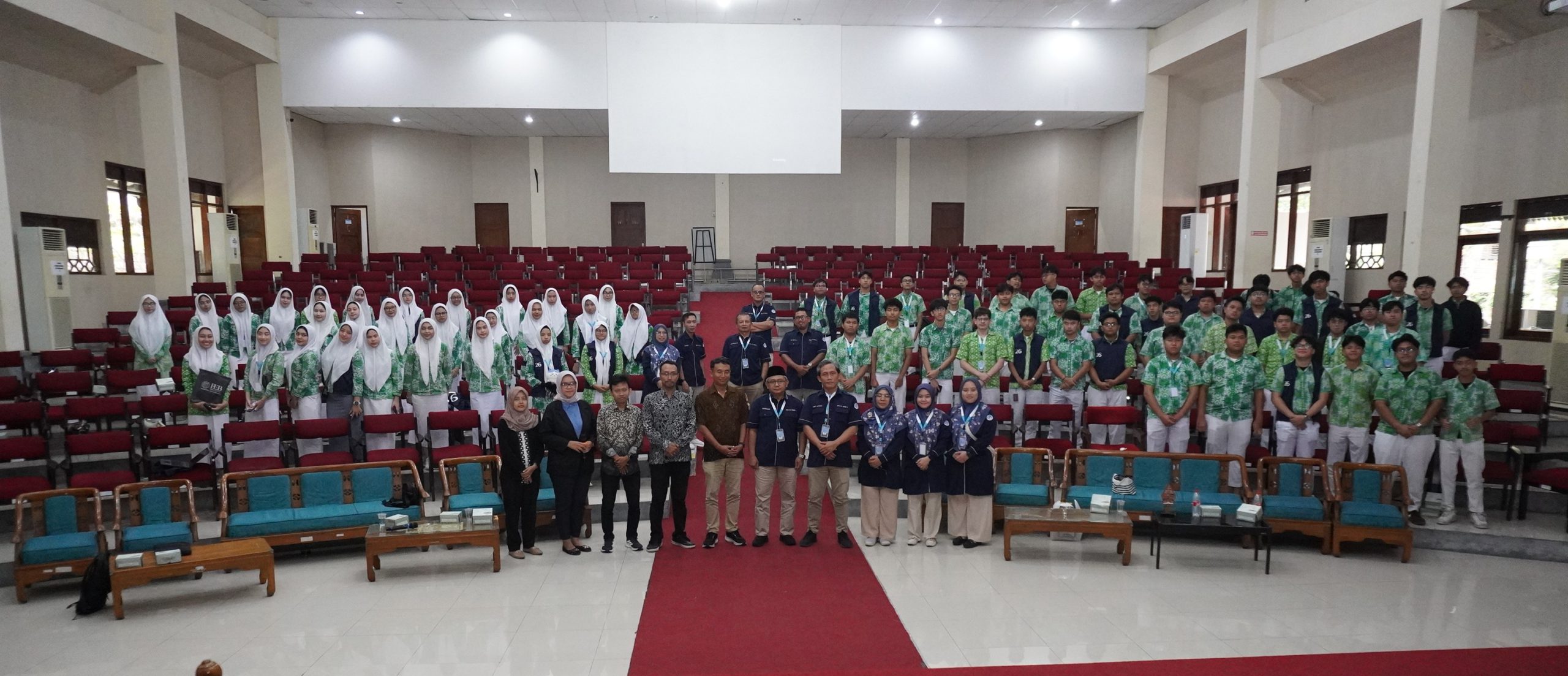
 In his welcoming remarks, Pram Suryanadi, S.E., M.Si., stated that choosing to pursue higher education in Solo offers a valuable opportunity to become more familiar with Javanese culture. Solo and Yogyakarta have long been recognized as centers of Javanese culture and as meeting points for talents from various regions across Indonesia. This diversity, according to him, forms an important foundation for young generations as future leaders who uphold the values of Bhinneka Tunggal Ika.
 Pram further described Solo as an ideal city for students, characterized by an affordable cost of living, a conducive academic environment, a “slow living” atmosphere that remains modern, and easy access to natural destinations such as Tawangmangu and coastal areas in Yogyakarta.
 “We invite you to take this opportunity as a room for learning and sharing inspiration,” he stated. He also quoted the Javanese proverb “Guru iku padang, murid iku laku,” emphasizing the importance of teachers’ guidance as a source of direction in the pursuit of knowledge and aspirations.
 Meanwhile, the Principal of SMA Islam Al Azhar 3 Jakarta, Syamsudin, M.Pd., expressed appreciation for the warm reception from FEB UNS. He highlighted that the visit was important for students to gain a broader perspective on higher education options beyond the Jakarta area and its surroundings. “Indonesia has many excellent universities, and one of them is UNS,” he remarked.
 Syamsudin also noted that the Management Study Program and the Business Study Program at FEB UNS are leading programs with strong reputations. He encouraged students to develop broad perspectives and strong determination in pursuing their aspirations. With extensive experience since 1976, FEB UNS is considered capable of providing strong academic guidance, particularly through its comprehensive range of study programs and international classes conducted in collaboration with various overseas institutions.
 The session continued with presentations on study program profiles delivered by Adnan Effendi, S.E., M.Sc., representing the Management Study Program, and Muhammad Alif Nur Irvan, S.Ak., M.Acc., CPA., representing the Accounting Study Program. The event proceeded interactively, including a prize-based game session designed to assess students’ understanding on the material related to the international class at FEB UNS. Participants’ enthusiasm was reflected in the large number of students actively responding and engaging in discussions.
 This visit is expected to broaden students’ understanding of the academic environment in higher education while strengthening their motivation in determining future study pathways. FEB UNS hopes that this activity will serve as a bridge for collaboration and inspiration for young generations preparing to enter university life.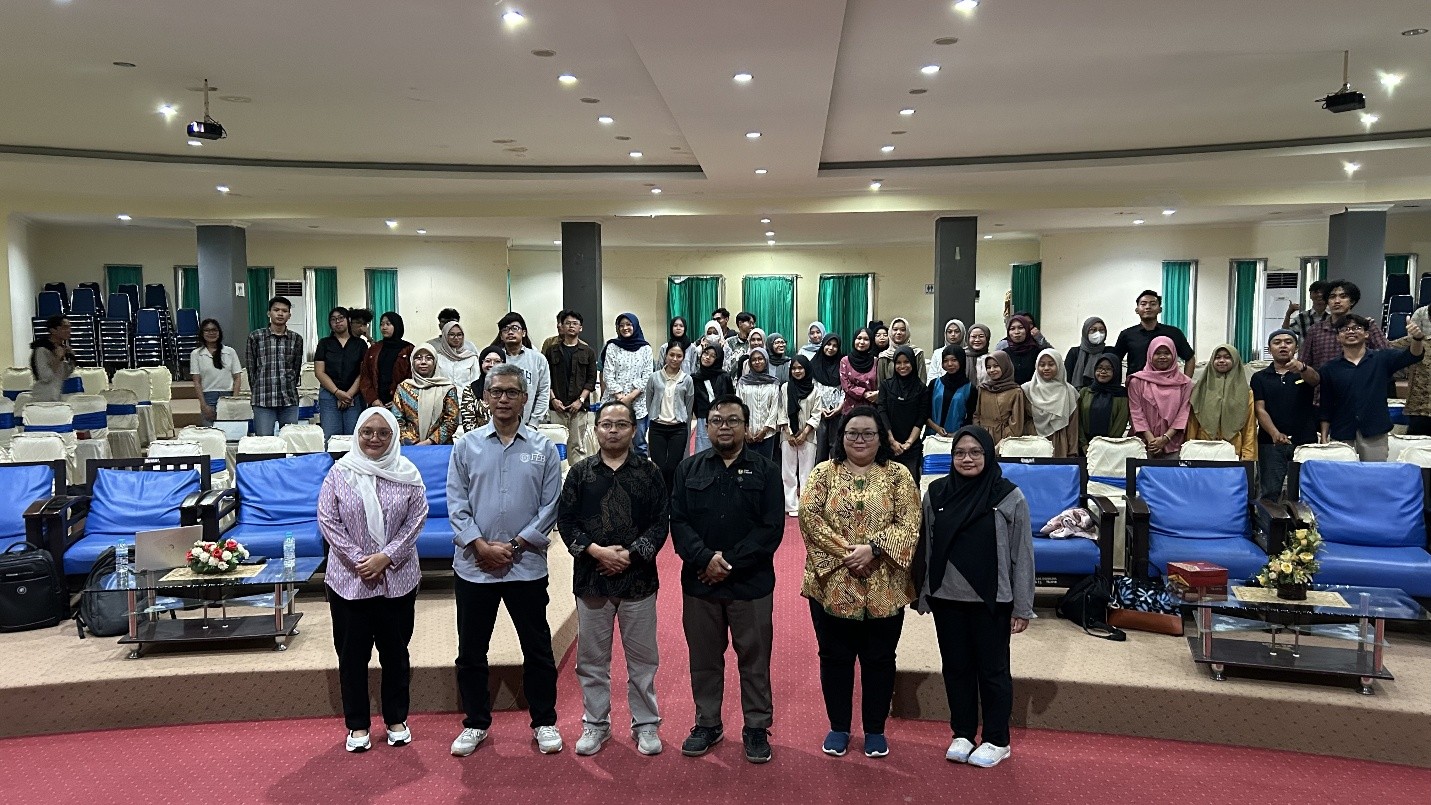
 In his opening remarks, the Secretary of the Department of Development Economics, FEB UNSOED, Dr. Agus Arifin, expresses appreciation to the FEB UNS research team for organizing the public lecture. He highlights that the level of student literacy and academic engagement related to FinTech remains relatively behind the level of digital financial inclusion. This condition indicates that segments of society actively use digital financial services without adequate understanding.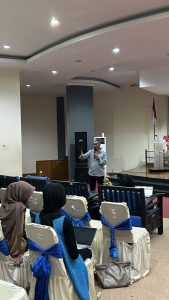
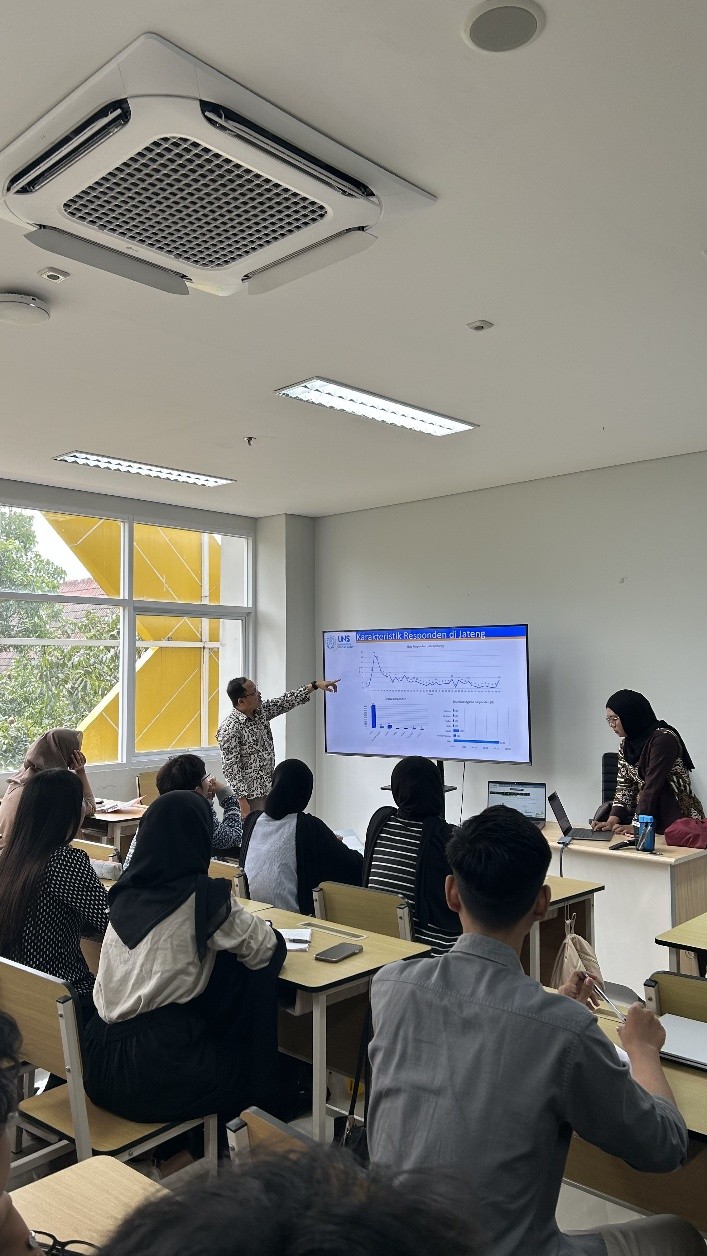
 She further explains that the presence of FinTech offers several benefits to the financial stability ecosystem, including improved efficiency and transparency in digital financial transactions, transaction risk diversification, and expanded financial inclusion.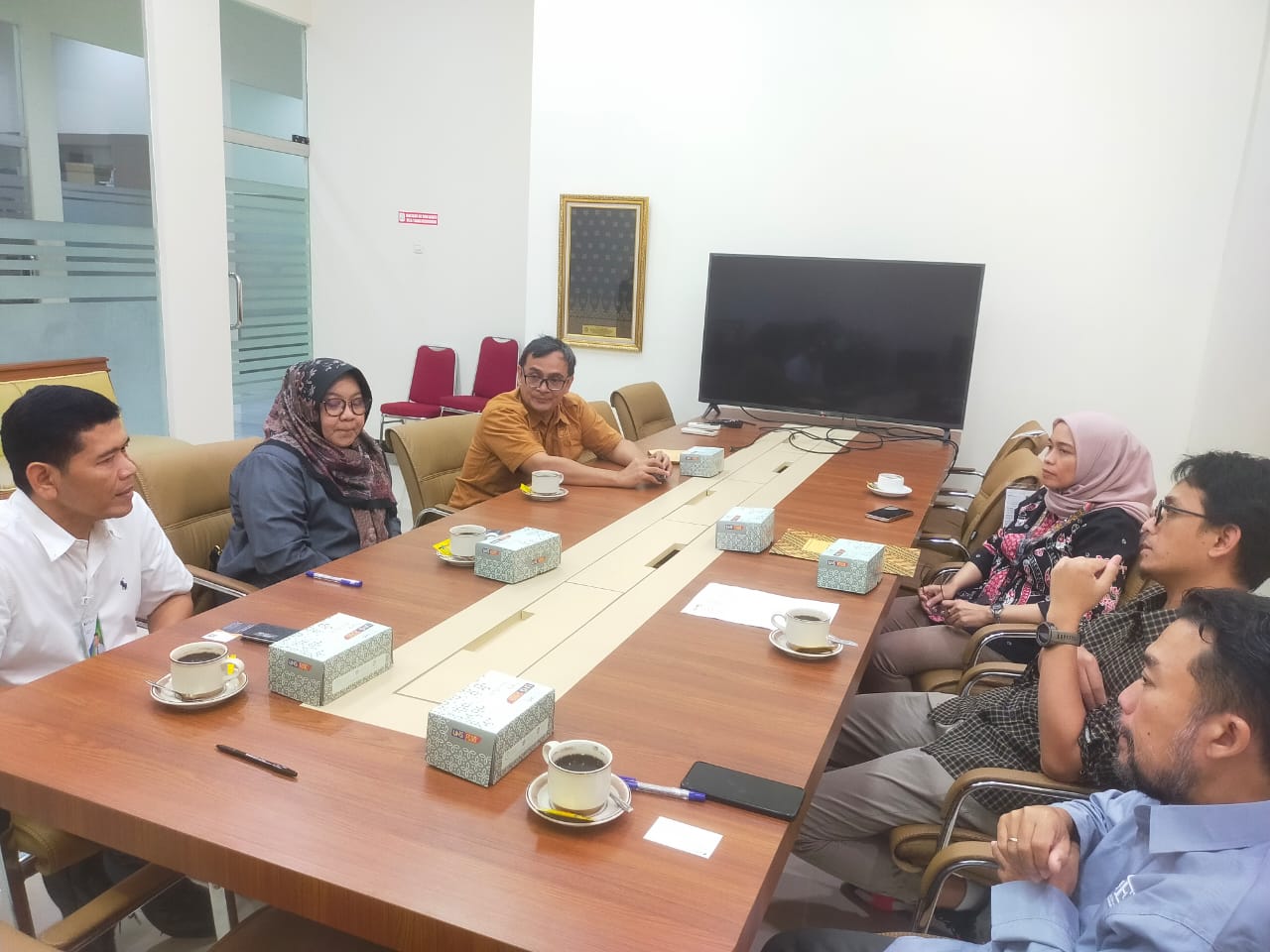
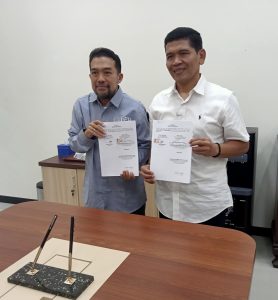 This MoU serves as the foundation for cooperation between FEB UNS as a higher education institution and BPJS Ketenagakerjaan as a public legal entity administering employment social security programs. The agreement stipulates that FEB students who participate in practical work, internships, professional activities, as well as student activities in the fields of sports, arts, and culture, are classified as Non-Wage Recipient Workers (Bukan Penerima Upah/BPU). Accordingly, students are entitled to employment social security protection in accordance with applicable regulations.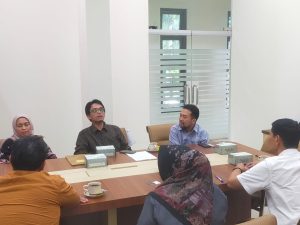
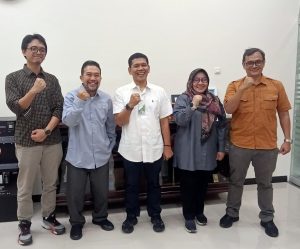
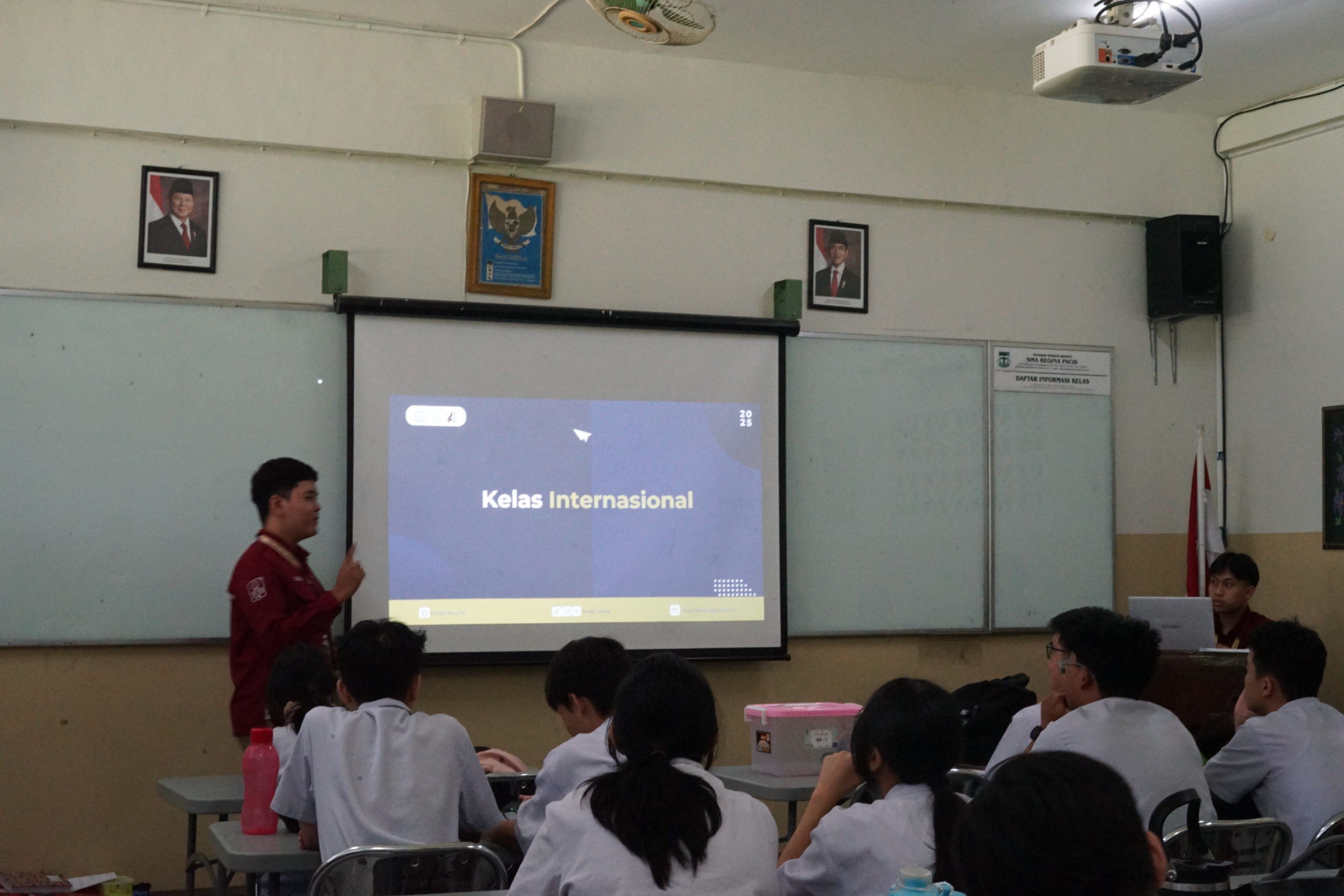
 The 2025 HGTS program marked HMJA’s first visit to SMA Regina Pacis Surakarta (Ursulin) as an initial step in expanding outreach and academic socialization of the Accounting Study Program to senior high schools. HGTS was designed to provide a comprehensive overview of academic life in the Accounting Study Program at FEB UNS, covering both the regular and international classes, including curriculum structure, learning experiences, student achievements, and graduate career prospects.



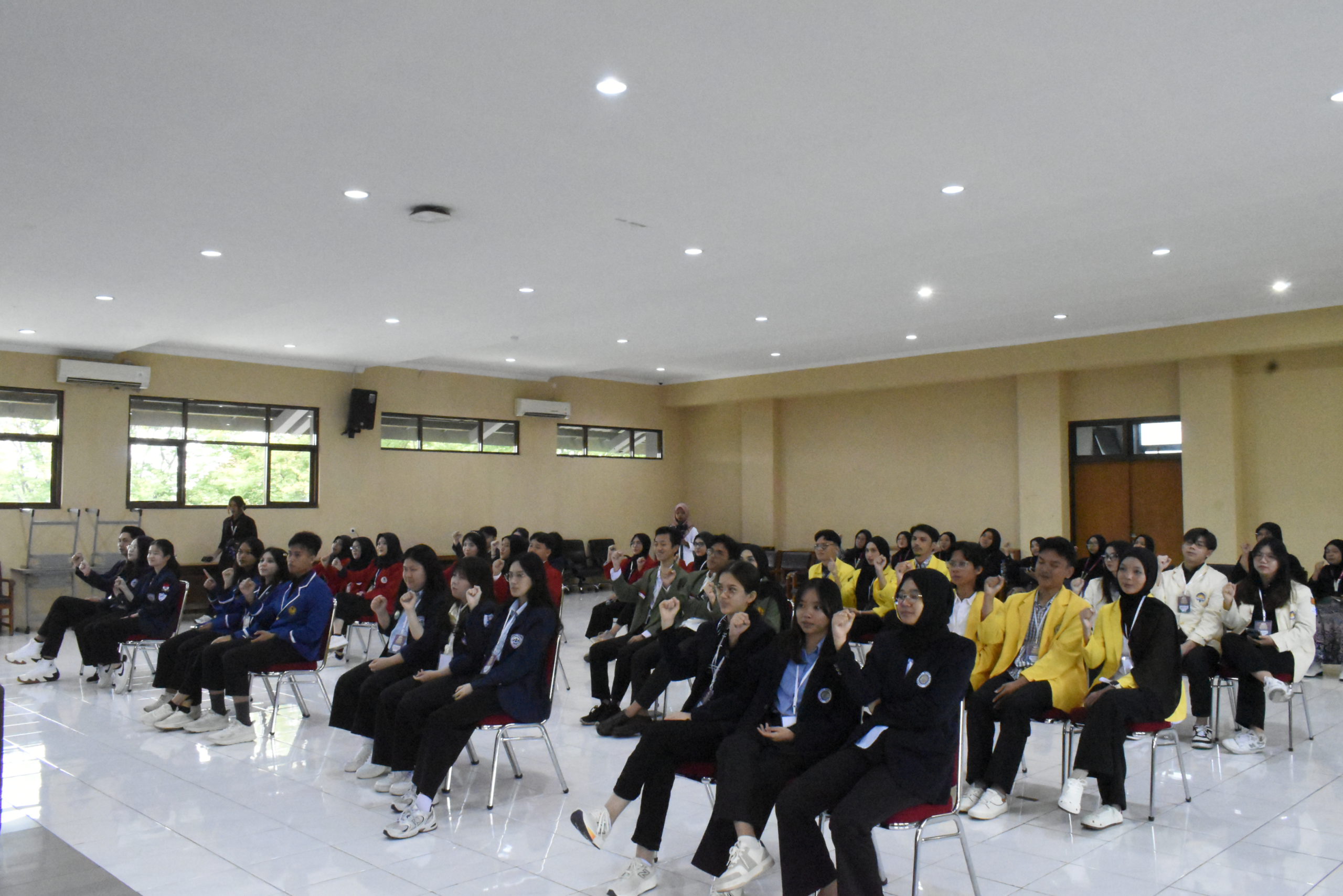
 The National Talkshow carried the theme “Lead the Leap: Bridging Ambition and Action for an Impactful Future,” featuring three speakers: Shafa Salsabila, Malaikha Dayanara, and Budi Santoso, S.E., Ak.
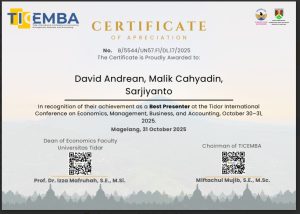 His greatest challenge involved simplifying complex findings into a concise yet meaningful presentation. Supported by PODES data from BPS and clear visualizations, his presentation was considered relevant, sharp, and accessible by the reviewers. David also expressed appreciation for the guidance of his supervisors, Sarjiyanto, Ph.D., and Malik Cahyadin, Ph.D., along with the support of peers and family. He hopes more MESP students will take the opportunity to join international conferences, adding, “We do not need to be perfect to begin. What matters most is the willingness to try. Shoot your shot, you never know which doors will open.”
 During preparation, his greatest challenge involved balancing thesis proposal work with conference readiness. During the presentation, he needed to condense complex research into a concise and compelling delivery within a seven-minute timeframe. Sane expressed his gratitude to his supervisors, Dr. Evi Gravitiani and Sarjiyanto, Ph.D., for consistently supporting the refinement of his research. “TICEMBA serves as an essential platform to develop scientific communication skills, broaden insights on development issues, and introduce Papua’s concerns into academic discussions,” he added.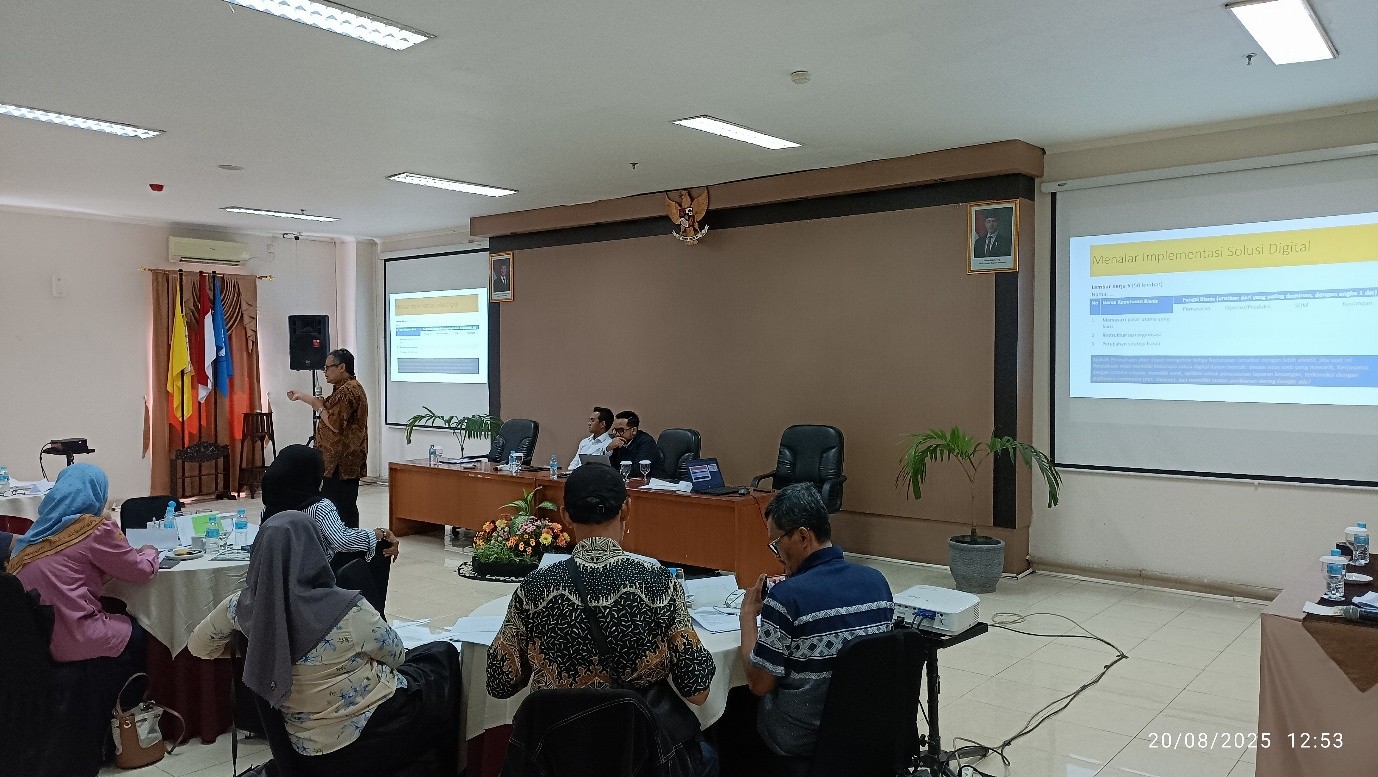
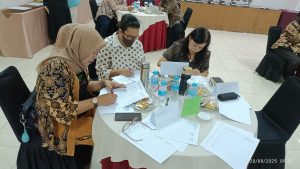 for entrepreneurs to determine priorities and select digital technologies that genuinely support their needs.”