FEB

Kategori: faculty

  • The Community Service Group Research Institutions and Financial Markets FEB Discusses the Topic of Family Financial Management Strategies

    The Community Service Group Research Institutions and Financial Markets FEB Discusses the Topic of Family Financial Management Strategies

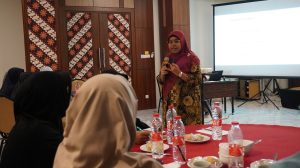
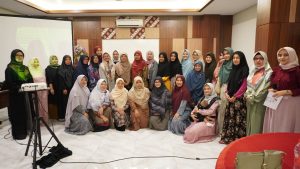
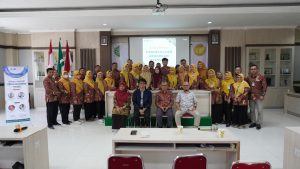
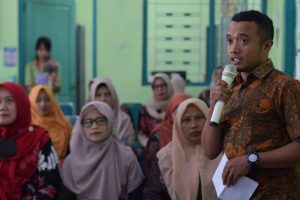
    Institutions and Financial Markets Research Group (GRISKA), Faculty of Economics and Business (FEB) at Universitas Sebelas Maret (UNS) held a community service for the Muslimah Pecinta Al-Qur’an Community in Boyolali, on Tuesday, September 3, 2023, in the MPQ Meeting Room, Driyan, Siswodipuran, Boyolali.

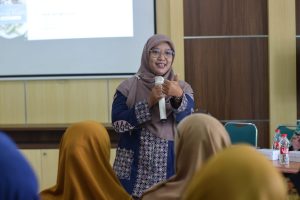
    Family Financial Management Strategy was the main topic in this activity inviting speakers from FEB UNS, Wahyu Trinarningsih, S.E., M.M., M.A, and Arum Setyowati, S.E., M.M., with the aim to provide insight to the MPQ members about the importance of managing family finances.

    The topic of family financial planning was delivered by Arum Setyowati. She explained why it is necessary to plan, what is financial planning, how to plan finances, what are the family financial problems, five aspects of household finance, budget plans, to how to minimize family debt.

    The next topic was presented by Wahyu Trinarningsih regarding family budget simulations and examples of reasonable family budgets. According to her, the components of the family budget consist of three main components, namely recurring expenditure, unexpected expenditure, and savings or investment. This activity is expected to be beneficial for the MPQ community members, which consists of housewives, by providing basic knowledge on how to manage their family finances.

  • The Group Research Institutions and Financial Markets FEB UNS Trains Employees of RS PKU Aisyiyah Boyolali

    The Group Research Institutions and Financial Markets FEB UNS Trains Employees of RS PKU Aisyiyah Boyolali

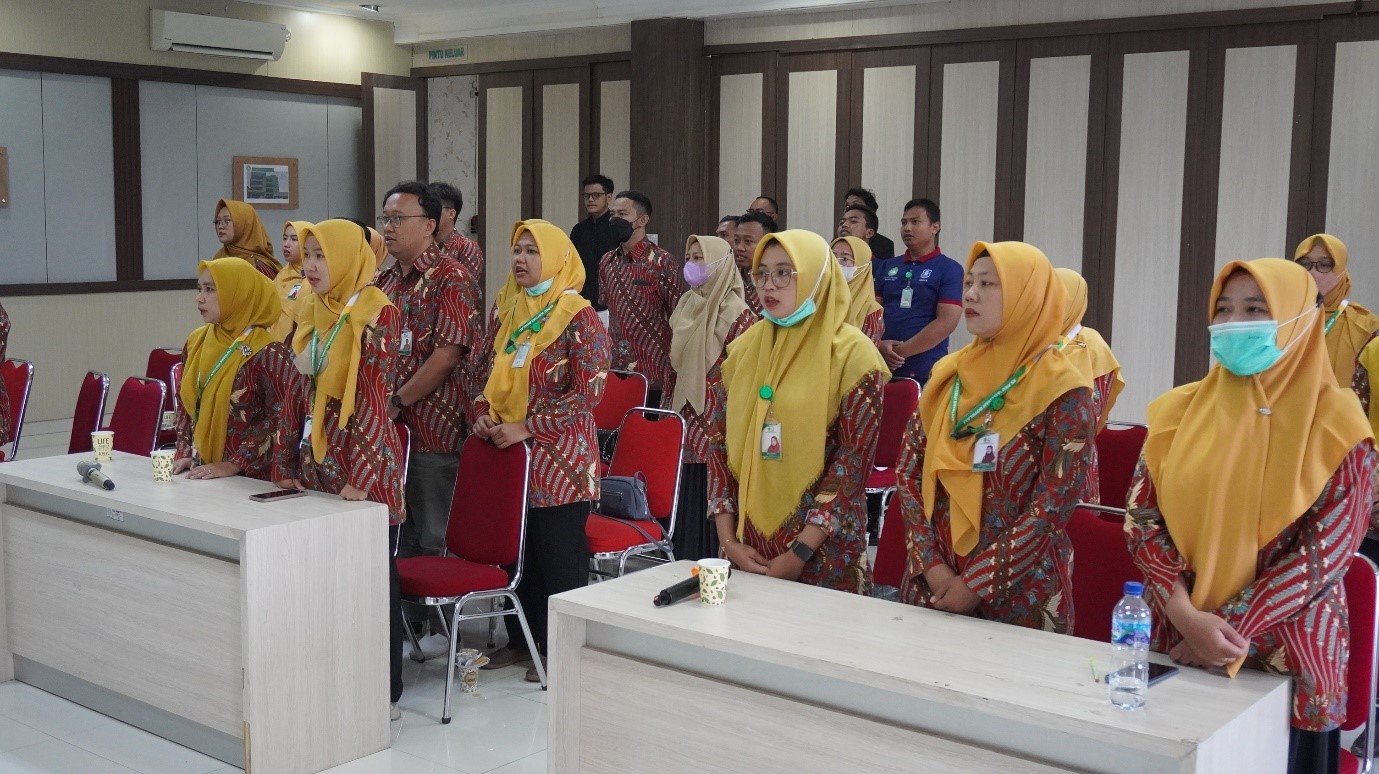
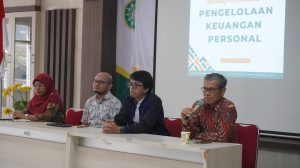
    Institutions and Financial Markets Research Group (GRISKA), Faculty of Economics and Business (FEB), Universitas Sebelas Maret (UNS) in collaboration with RS PKU Aisyiyah Boyolali to conduct training on personal financial management strategies.

    The community service activity was held on Saturday, September 2, 2023, in the hospital auditorium and was attended by employees of RS PKU Aisyiyah Boyolali. The aim of the activity is to provide insight to employees about the importance of managing finances.

    The first topic was presented by the Director of the MATARIDA Business Research and Consultation Institute, Endrika Laksono, who explained that employees should set their financial goals.

    The next topic about personal financial planning was delivered by Wahyu Trinarningsih, S.E., M.M., M.A., a lecturer in Management at FEB UNS.

    In her material, Wahyu explained financial planning to how to save and invest correctly. “The purpose of finance is to determine what you want to achieve in a certain period of time, such as buying a house or paying for college, which is the basis for effective personal financial management,” said Wahyu.

    In the third session, Deny Dwi Hartomo, S.E. M.Sc., a lecturer from FEB UNS, presented material on financial planning simulations. He taught employees how to record assets and debts, including a record of income and expenses per month, calculate the comparison of financial position, evaluate financial health, and explain what an ideal budget looks like.

    The following material is presented by Ayya Agmulia Asmarani Islam S.E., M.E., a researcher at the PUI Center of Fintech and Banking UNS. According to her, personal finances need to be checked regularly, at least once a year to plan future expenses.

    In the final session, Inas Nurfadia Futri S.M., a research assistant at PT DEFINIT explained about designing a monthly personal budget.

  • FEB Hosted Archiving Workshop, Discussing How to Manage Inactive Archives

    FEB Hosted Archiving Workshop, Discussing How to Manage Inactive Archives

    Faculty of Economics and Business (FEB), Universitas Sebelas Maret (UNS), hosted the 2023 Internal Archives Monitoring and Evaluation Workshop, Thursday 7 September 2023 in Assembly Room 1 of Soeharno TS Building FEB. The Vice-Dean of Human Resources, Finance, and Logistics in her remarks in front of more than 20 UNS archivists, conveyed his welcome and admiration to the archivists. The Vice-Dean of Human Resources, Finance, and Logistics in his remarks in front of more than 20 UNS archivists, conveyed her welcome and admiration to the archivists.

    “Welcome, I am very happy to meet the archivists because it reminds us to always be neat and orderly, while at the same time continuously arranging the documents we have well. This is something that is crucial, to provide convenient working conditions,” she explained. Dr. Djuminah also invited the archivists to freely discuss emerging problems related to archives. In this session, Friddy Wahyu Kurniawan, S.Pd., Archiving Staff of the UPT Archives UNS served as a resource person who explained in detail the management of inactive archives.

    It is said that the inactive archive is a type of archive whose usage frequency has decreased. Inactive Archive management aims to reduce the volume of organizational archives and its effect, freeing up workspaces from the archive stack, and creating effective and efficient storage systems.

    “Inactive archive processing is carried out through surveys, the first step is to conduct a survey in the related institutions/organizations including surveys on the development within the organizations or work units/processing units/archive creator units, organizational transformation, tasks, functions, and archival units. The second is a physical survey of archives including a comprehensive survey to find out the number (volume of archives), age of archives, archival storage, and types of archive media,” he explained.

    Furthermore, the procedure of processing inactive archives is regularly carried out by selecting inactive archives, arranging folders/files, storing inactive archives into archive boxes, placing boxes on archive shelves, and finally, making inactive archive lists. Meanwhile, irregular inactive archive processing procedures are carried out by sorting, filing/grouping/identification of archives, archive description, preparation of fisches maneuvers/description card, definitive numbering, archive wrapping, file maneuvers, file numbering, the physical arrangement of archives, labeling, placement of boxes in archive shelves and creation of inactive archive lists.

    Maintenance of inactive archives can be done by using iron shelves to store archive boxes, using an air conditioning system to keep the room temperature stable, layout the archive shelves to the area of the storage room, giving camphor for each archive box every two months, maintaining the cleanliness of the archive storage room and limiting access. Furthermore, there should be a pre-determined procedure for the borrowing and use of inactive archives, which includes user authority. The procedure includes formal request (oral, telephone, written), search (directly to the archive/through the register), use of exit sign (out indicator), recording, pick-up/delivery, control (borrowing period, location, and user), and retention (out indicator is taken and the archive is returned to where it is initially placed).

  • Helping Toddler’s Growth, GRISKA FEB UNS Hosted Workshop on Maximum Nutrition with Minimal Budget for Musuk Boyolali Health Center Members

    Helping Toddler’s Growth, GRISKA FEB UNS Hosted Workshop on Maximum Nutrition with Minimal Budget for Musuk Boyolali Health Center Members

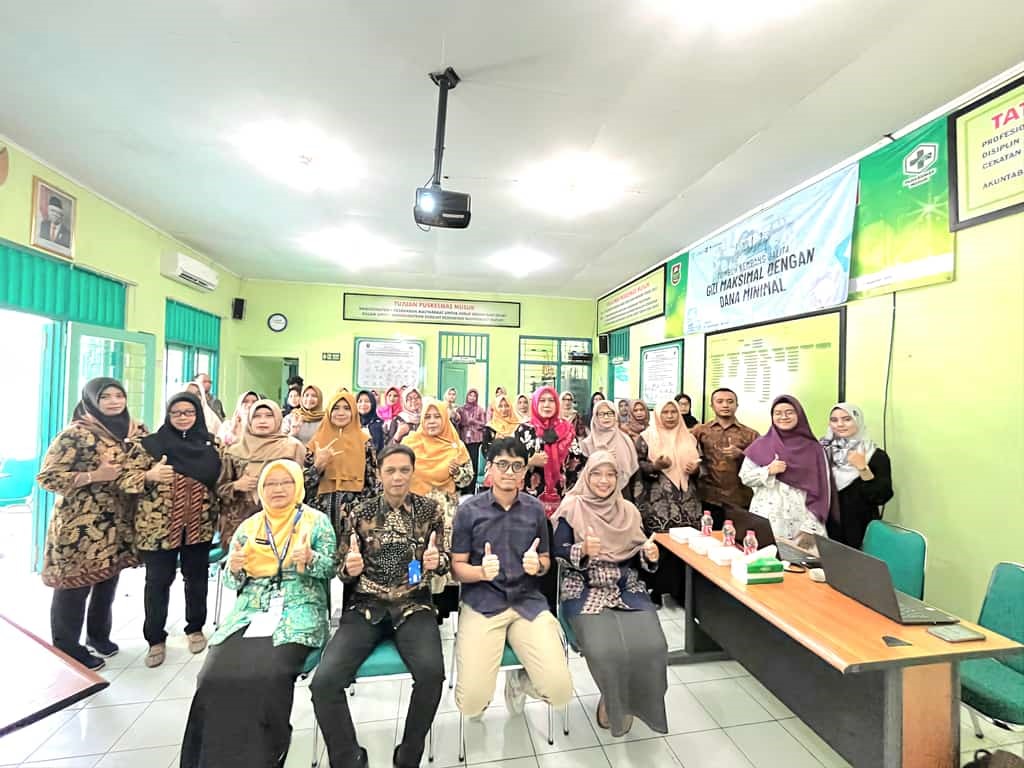
    Institutions and Financial Markets Research Group (GRISKA), Faculty of Economics and Business (FEB), Universitas Sebelas Maret (UNS) in collaboration with the Musuk Boyolali Health Center conducted an information extension program for the health center members under a community service program entitled ‘Workshop on Toddler Growth and Development, Maximum Nutrition with Minimal Budget.’

    The activity was held on Saturday, September 30, 2023, to provide insight to health center members and the residents related to issues of toddler growth and development.

    The first topic was delivered by the Director of the MATARIDA Research and Consultation Institute, Endrika Laksono, regarding the important role of family nutrition in child development.

    The next topic is about the level of stunting in toddlers in Boyolali and its treatment, which was presented directly by Ahmad Faizin, S.Kep., Ns, Head of 1st Musuk Boyolali Health Center. Ahmad explained the trend of stunting cases in the Boyolali region. Currently, stunting cases occur more in urban areas. This happens due to the lack of exclusive breastfeeding for toddlers.

    The third session was filled by Nur Hayati, AMG as a Nutritionist at the Musuk Boyolali Health Center, which was filled with discussions about important nutrition in baby and toddler growth and development. “Growth and development are a continuous process and are influenced by genetic factors and the environment including good nutrition,” said Nur Hayati.

    The fourth material is delivered by Rachmad Agus Yulianto, a researcher at the MATARIDA Research and Consultation Institute on safe nutritious frugal shopping. The final session was a presentation of material from Arum Setyowati, S.E., M.M., Lecturer of FEB UNS regarding balanced nutrition menu budgeting.

    During the discussion session, the health center members were given an explanation and guidelines for planning nutritious weekly food shopping. This workshop activity is expected to provide new insights to the participants about the importance of maximum nutrition for babies and toddlers to avoid stunting.

  • Digital Business Study Program FEB UNS Discusses Disruption in the Digital Age in a Social Commerce Webinar, a New Disruption in the Digital Era?

    Digital Business Study Program FEB UNS Discusses Disruption in the Digital Age in a Social Commerce Webinar, a New Disruption in the Digital Era?

    Digital development is closely related to disruption. In this regard, the trade sector is one of the sectors that is highly disrupted by the development of digital technology. The Digital Business Study Program, Faculty of Economics and Business (FEB), and the Center of Excellence for Fintech and Banking Science and Technology, Universitas Sebelas Maret (UNS) hosted a webinar discussing the latest topics related to Social Commerce.

    Through a webinar entitled “Social Commerce Webinar: A New Disruption in Digital Era?” which took place on Monday, October 9, 2023, the Digital Business Study Program presented four speakers to discuss the topic. In front of 200 students, the Vice-Rector of Student Affairs and Alumni UNS, Prof. Kuncoro Diharjo, delivered a welcome speech.

    In his speech, Prof. Kuncoro expressed his hope that the discussion results conducted through the webinar could provide input for the stakeholders. Furthermore, it was said that the topic in this webinar was quite interesting, especially with the latest topic regarding the latest regulations by the Ministry of Trade, which led to the temporary closure of TikTok Shop as one of the social commerce.

    “Welcome to the audience, the speakers of the webinar, and the participants. Judging from the number of participants, it shows that this topic is very interesting to discuss. The government, through the relevant ministries, is currently preparing regulations related to social commerce because it will have an impact on microeconomics,” he said.

    He further explained that social commerce is a form of business model that combines social media and marketplaces in one platform. Although the business model offers many advantages, a special regulation is needed to regulate the existence of social commerce.

    “The regulation will regulate social media and e-commerce. This is important because increasing trade must be followed by strengthening domestic production. This opportunity provided an interesting forum, where the results of the discussion can be suggestions for stakeholders, and hopefully the results of a good discussion wisely and intelligently can be useful to advance the domestic economy, especially MSMEs. Welcome to the webinar, hopefully, we can get new knowledge to advance the Indonesian economy,” explained Prof. Kuncoro.

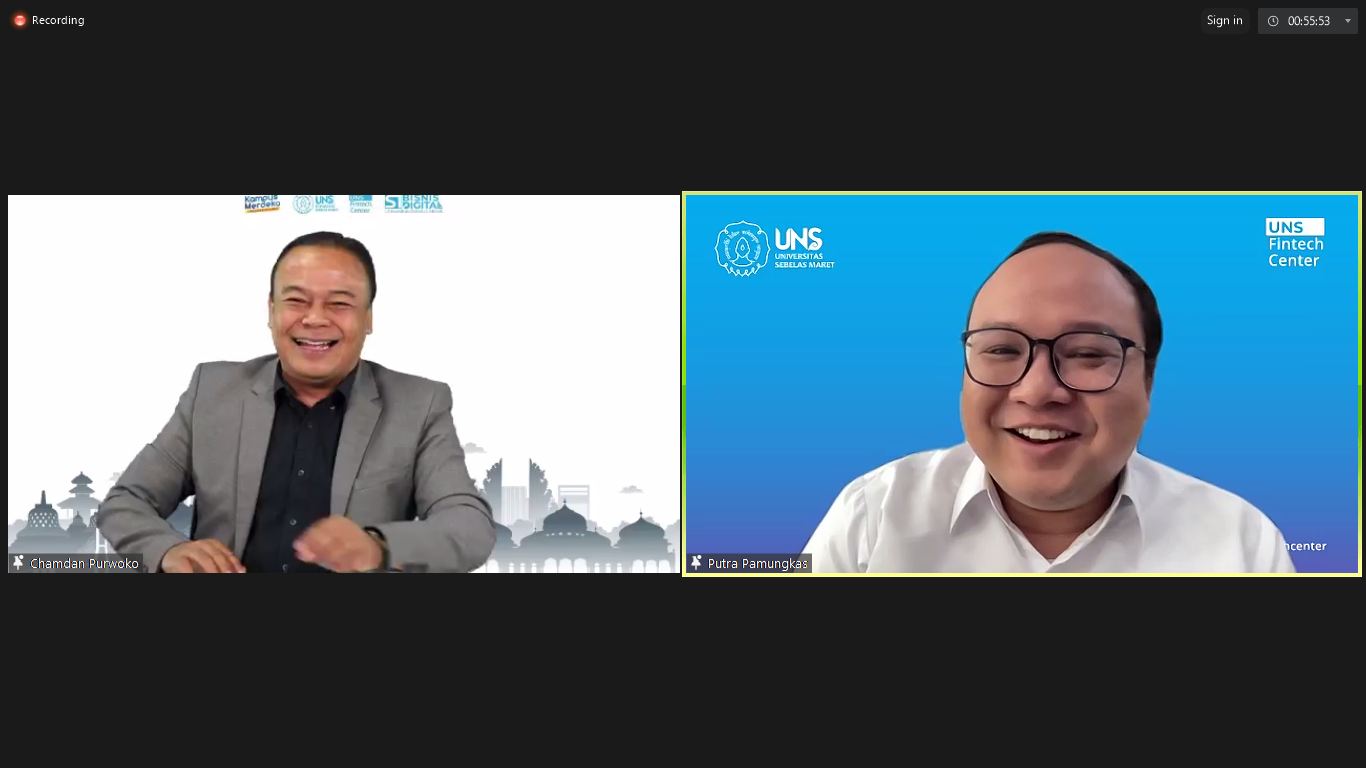
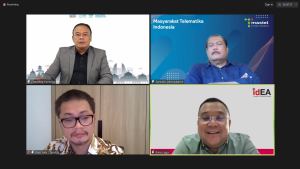
    Leading the event, Chamdan Purwoko, Senior Journalist and Business Director of Indonesia, was also present as moderator. Four speakers who were present at the webinar included Ronny Solomon Maresa, Associate Trade Analyst of the PMSE Directorate, Directorate General of Domestic Trade of the Ministry of Trade the Republic of Indonesia, Sarwoto Atmosutarno, SE., MBE., Chairman of the Telematics Society (MASTEL) of Indonesia, Bima Laga, Chairman of the Indonesia E-commerce Association (idEA), and Dr. Putra Pamungkas SE., M.Rech., PhD., who currently serve as the Head of the FEB UNS Digital Business Study Program as well as the Head of PUI Fintech and Banking UNS.

    The discussion, which lasted for about two hours, discussed in depth the Ministry of Trade’s regulations related to social commerce from various points of view. From the policy makers (Ministry of Trade) point of view, Ronny stated that the Regulation of the Minister of Trade aims to create a level playing field and anticipate predatory pricing. Even so, he stated that regulations will always follow innovations that continue to develop very quickly.

    In line with this opinion, Bima Laga from idEA said that the role and duty of the government following the innovation is to regulate existing innovations. However, it should be noted that regulations should not discredit any of the business processes, where it is necessary to consider how a business model can compete competitively with the same quality but at a cheaper price. This includes, how this regulatory scope can create a healthier trading environment.

    In this case, Sarwoto Atmosutarno, SE., MBE, Chairman of MASTEL Indonesia, highlighted the other side of regulation, namely the need for an accurate database, which is needed in the analysis to determine the impact of the digital economy on MSMEs. This database and measurement will certainly be able to be used for impact analysis (before and after) of a new regulation.

    From an academic point of view, Dr. Putra added that based on research conducted by PUI Fintech and Banking, e-commerce has significantly reduced offline transactions. However, based on the results of the study, there are some MSMEs that are reluctant to change and adopt digital business models. “UNS actively fostering MSMEs in terms of financial literacy and digitalization, as well as helping MSMEs to go onboard on digital platforms,” explained Dr. Putra responding to questions related to the importance of education for MSMEs.

    Concluding the discussion, it was conveyed that the existing regulations needed to focus on how MSMEs continue to grow, not only stopping at digital adoption but also being able to survive in digital and real trade environments. This webinar provides an understanding of the purpose of creating the new Permendag. Indonesia shall not only be a spectator but also an actor at the international level. To achieve this goal, it is necessary to increase the competitiveness of MSMEs and production capacity to compete in the global market.

  • FEB Hosted FGD for Faculty Business Management Agency Development

    FEB Hosted FGD for Faculty Business Management Agency Development

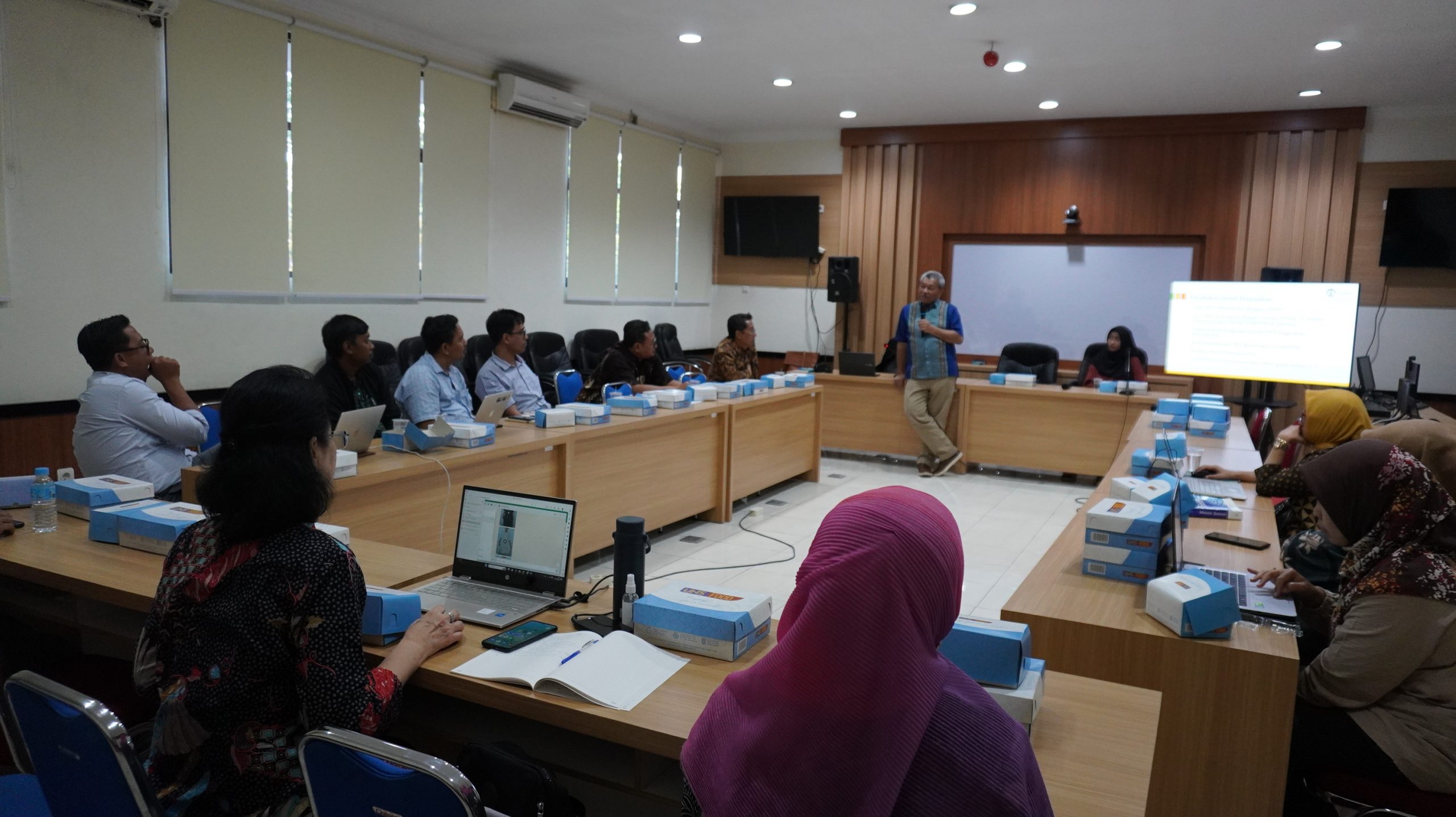
    Faculty of Economics and Business (FEB), Universitas Sebelas Maret (UNS) hosted a Forum Group Discussion on the Development of the Faculty Business Management Agency (BPUF) FEB, Wednesday 27 September 2023 in the Teleconference Room, Soedarah Soepono Building FEB UNS.

    The event, which was attended by BPUF managers and laboratory coordinators, presented speakers Ringoringo Halomoan Achmadi, S.E., M.Sc, Head of Sub-Directorate (Kasubdit) of the Special Unit for Service and Community Service (UKK PPM), University of Indonesia.

    Tastaftiyan Risfandy, S.E., M.Sc., Ph.D., Vice Dean of Planning, Business Cooperation and Information FEB in his speech revealed that the current agenda aims to find the most suitable form in developing business activities in FEB.

    It is said that there are many things that need to be considered in the faculty business development, because UNS is a state higher education institution regulated by law, and on the other hand UNS has the status of PTNBH.

    Furthermore, UKK UI become one of the benchmarks for faculty’s business, particularly on how the regulations in UI can accommodate all business activities within UI.

    In line with Dr. Andi, Prof. Dr. Ir. Zainal Arifin, ST., MT., Chairman of the UNS Business Management Agency (BPU) also said this activity is an effort to find the right configuration, how UNS develops to earn revenue outside the UKT, specifically from business units or services.

    Prof. Arifin gave a glimpse of UNS Holding Company. “In 2021 UNS established a Holding Company PT Semar Sarana Sejahtera, which planned to oversee all business activities throughout UNS. However, within its development, there are many aspects that must be discussed or considered whether this entity becomes the only place to increase revenue. Indeed, that isn’t the case, instead, we can also earn revenue from the units in the faculty, which can be developed,” he said.

    “Hopefully, there will be new embryos from FEB soon emerge. Later we will discuss this topic, hopefully, after getting enlightenment from Mr. Achmadi we can take immediate action. This immediate action is crucial, if there is a little mistake it’s okay, we should all push the initiative, from the bottom and top, the Rector’s Office should also disseminate the model applied in UI. The faculties, which initiated discussion with us, are also moving. Hopefully, just like a tit for tat, the top and bottom unit can synchronize well, thus the program can be applied seamlessly,” he concluded.

    To the FGD participants, Achmadi explained in detail how the business unit was built to develop rapidly. In the FGD, participants were given the opportunity to discuss with the speakers.

  • Through the Academic Forum Towards the Elimination of Extreme Poverty in 2024, Coordinating Ministry of Foreign Affairs Invites Campus to Tackle Poverty

    Through the Academic Forum Towards the Elimination of Extreme Poverty in 2024, Coordinating Ministry of Foreign Affairs Invites Campus to Tackle Poverty

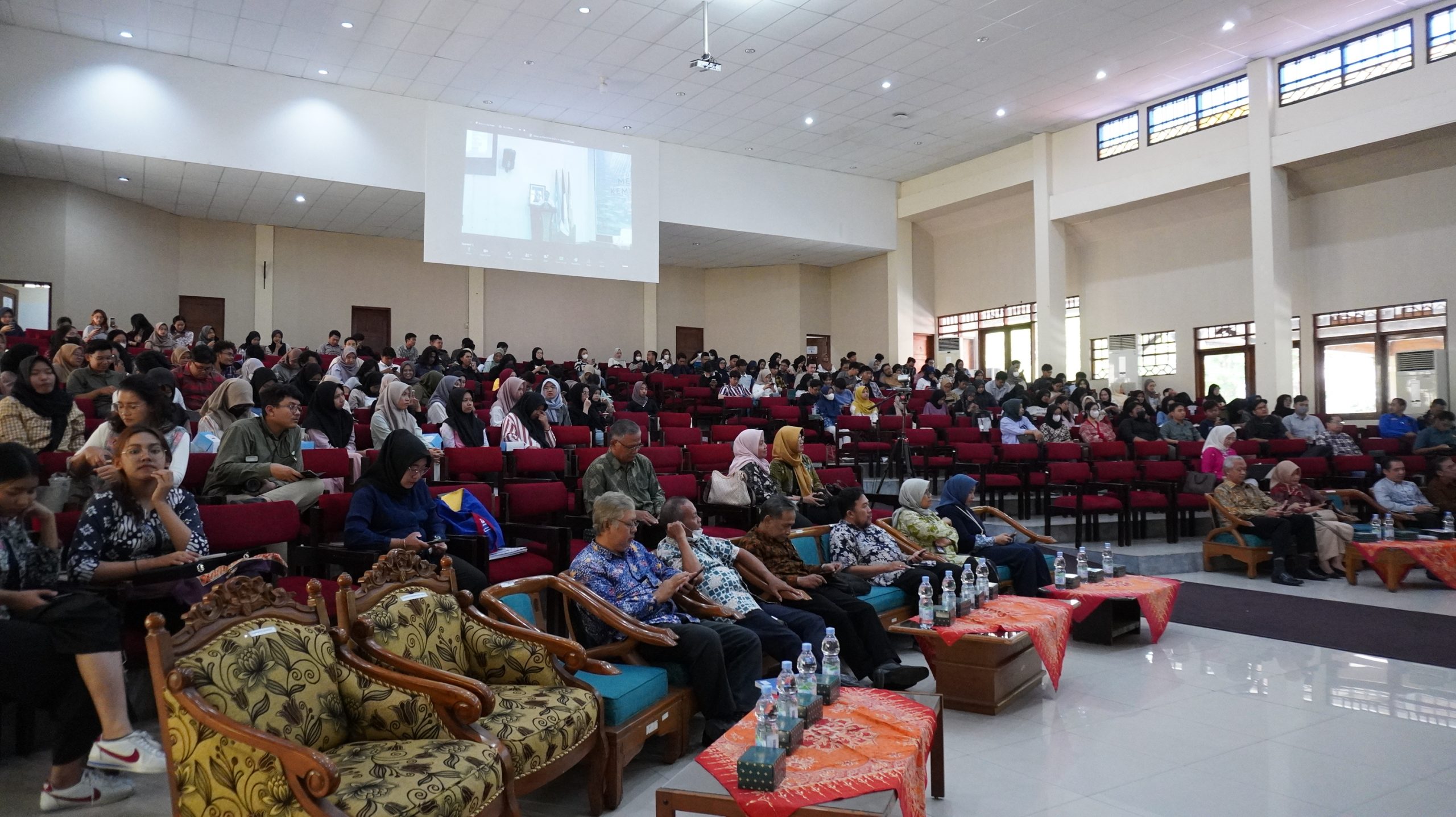
    Secretary of the Coordinating Ministry for Human Development and Cultural Affairs (Sesmenko PMK), Andie Megantara, encouraged the academic community to explore poverty issues. This statement was delivered through a keynote speech at the Academic Forum “Towards the Elimination of Extreme Poverty in 2024,” at the Suhardi Building Hall of the Faculty of Business Economics (FEB), Universitas Sebelas Maret (UNS), Wednesday, (27/9/2023).

    “We would like to invite friends, especially students, to enjoy and understand the topics on poverty. Because the thought on poverty is rather rare, and rarely pursued,” he said.

    Sesmenko Andie said that so far the government has made various efforts to address poverty. Starting from efforts to reduce the burden of living expenses, improve income and enhance community empowerment, as well as reducing poverty-ridden regions.

    After these efforts were carried out, it was found that the problem of poverty was not only related to economic dimensions. Poverty is a multidimensional problem that involves a perspective review in the fields of anthropology, sociology, psychology, and culture.

    Sesmenko Andie revealed that it is still difficult to alleviate poverty in Indonesia, which is also related to people’s mindset, culture, poor mentality, and poor lifestyle. Therefore, considering the quality of the human resources at the campus, which are very qualified, becomes the best option to assist the government in finding solutions to alleviate poverty and overcome poor mental problems. The potential can come from students who explore science from various study programs, lecturers, and professors with their excellent views and thoughts, research, and scientific works that can help in the formulation of policies.

    “We need campuses to support the government in tackling poverty. We hope that through this Academic Forum, students will become interested in pursuing the problem of poverty,” he said.

    The Academic Forum “Towards the Elimination of Extreme Poverty in 2024” was attended by Deputy for Coordination of Social Welfare Improvement, Nunung Nuryartono; Head of TNP2K Policy, Elan Satriawan; Director of Innovation and Downstream UNS, Venty Suryanti representing the Rector of Sebelas Maret University; Dean of FEB UNS, Prof. Djoko Suhardjanto.

    As an effort to synergize the government with universities in poverty management, the Kemenko PMK and Universitas Sebelas Maret signed a Memorandum of Understanding on Education, Research, and Community Service witnessed by Sesmenko PMK Andie Megantara, and Head of TNP2K Policy, Elan Satriawan.

    In this activity, the signing of a Memorandum of Understanding between the Kemenko PMK and UNS on Education, Research, and Community Service was also carried out.

    The event continued with a public lecture with the speaker Deputy for the Coordination of Social Welfare Improvement, Nunung Nuryartono; Head of Surakarta City Bappeda, Sri Wardhani Poerbowidjojo; Central and Regional Financial Analyst of the Ministry of Finance’s Junior Expert, Yadi Hadian; Vice Dean of Research, Academic, and Student Affairs FEB UNS, Dwi Prasetyani M.Si. This public lecture activity was attended by the FEB UNS academic community both virtually and on-site.

    In the afternoon session, a Workshop on Collaboration Strengthening and Stipulation for Collaboration Program Activities was held in the Soedarah Soepono Building Hall FEB UNS. The activity was attended by Deputy 1 of the Kemenko PMK, FEB Leaders, Lecturers, Kemenko PMK Team, TNP2K Policy Team, and Representatives of other faculties.

    The series of activities were carried out in collaboration between the FEB UNS Development Economics Study Program and the Kemenko PMK and TNP2K.

    Editor: Humas FEB

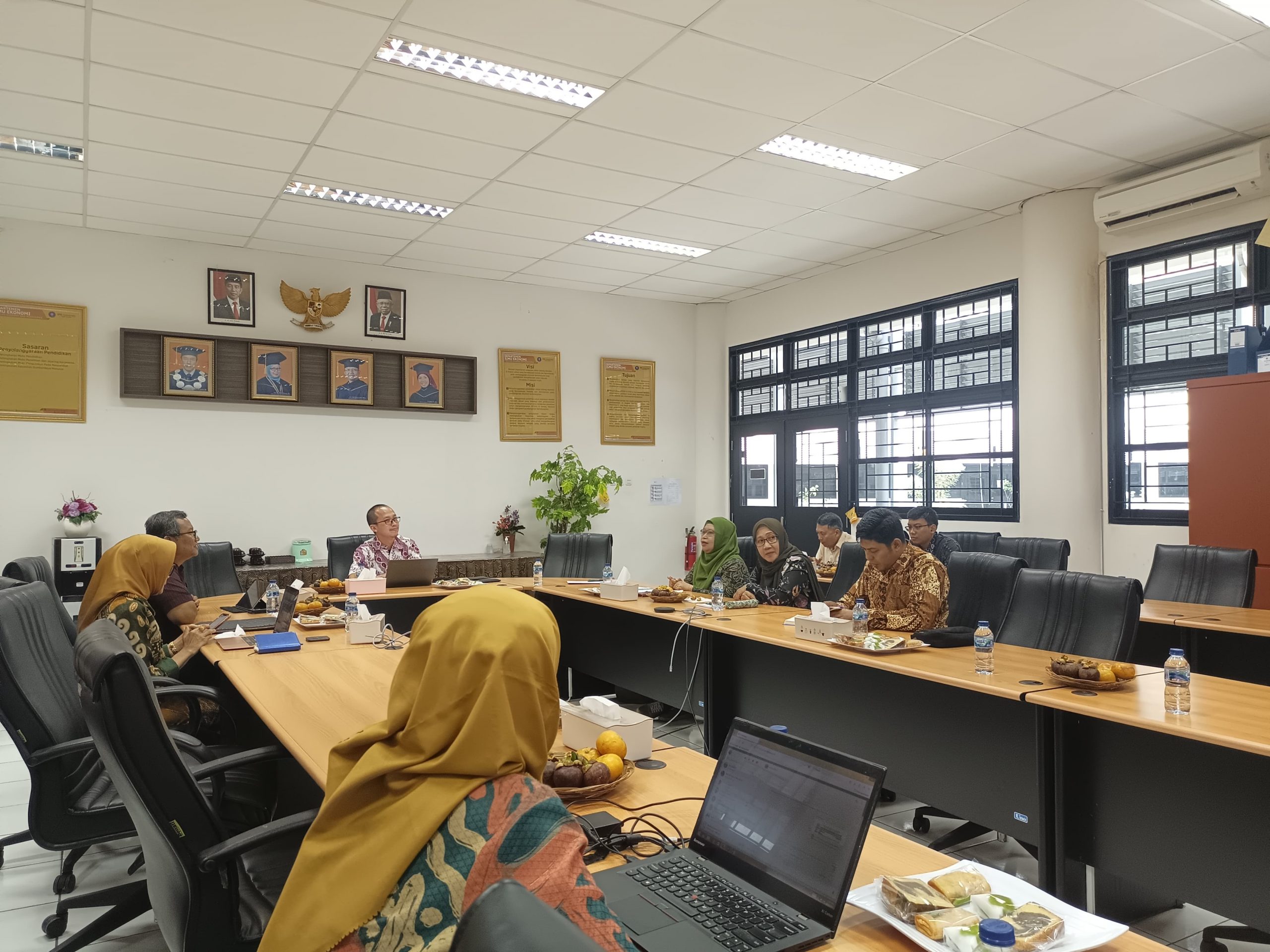
  • MESP FEB UNS Visits Master’s Program in Economics at UI and IPB

    MESP FEB UNS Visits Master’s Program in Economics at UI and IPB

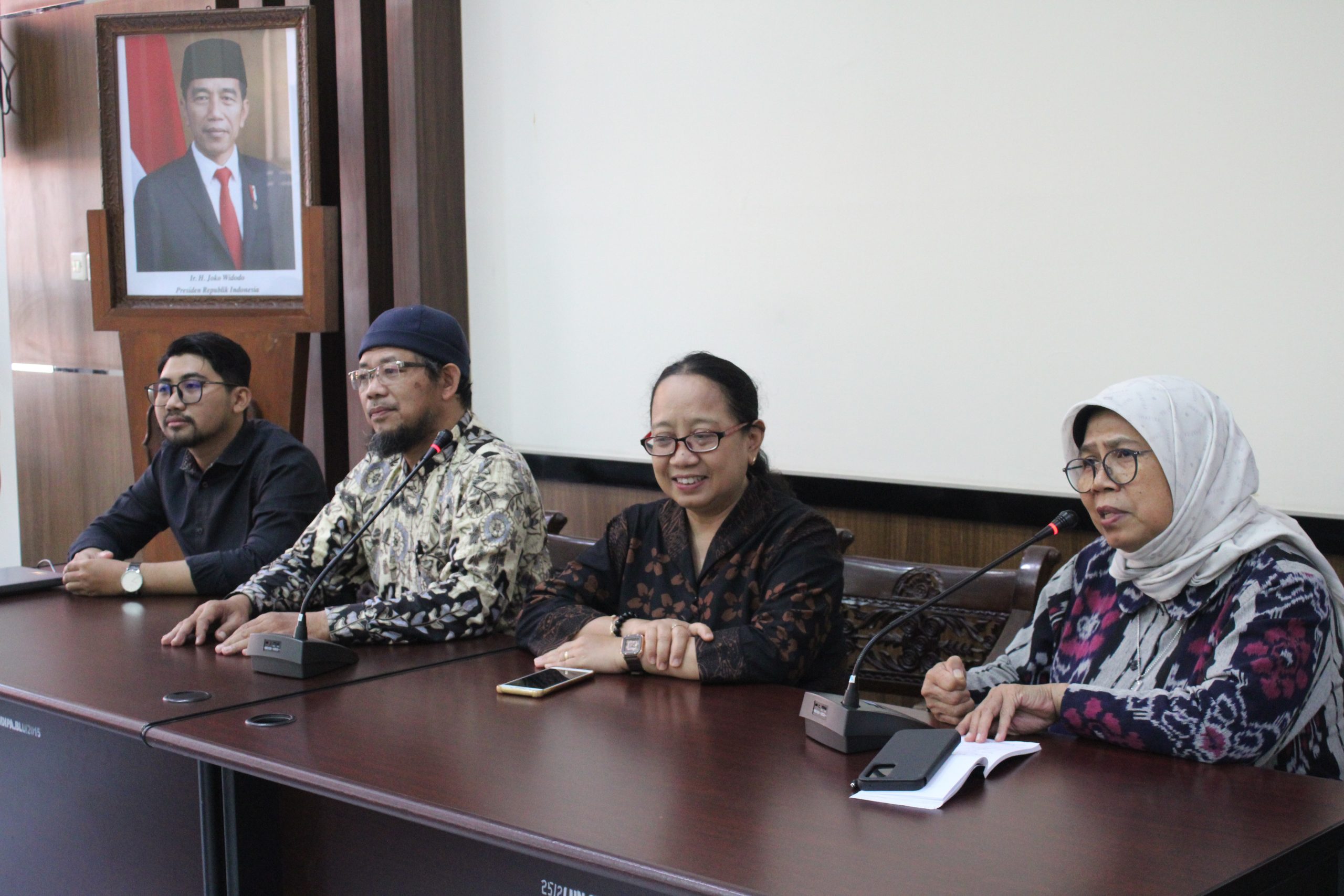
    The Master of Economics and Development Studies (MESP) Study Program, Faculty of Economics and Business (FEB), Universitas Sebelas Maret (UNS) visited the Master of Economics Study Program, FEB, Universitas Indonesia, September 19, 2023, and Master of Economics, Faculty of Economics and Management, IPB University Bogor, September 20, 2023. During the visit, the Head of the FEB UNS MESP Study Program, Dr. Evi Gravitiani, S.E., M.Si., visited the two universities together with two MESP Lecturers, Dr. Siti Aisyah Tri Rahayu, S.E., M.Si., and Sarjiyanto, S.E., MBA., Ph.D., CPDS.

    Met by feb.uns.ac.id after the visit, Dr. Evi Gravitiani states that the visit to UI and ITB was conducted as a benchmarking effort to senior universities, to learn on how the Masters in Economics program was carried out. The FEB MESP entourage was well received at the two universities, where the meeting session was primarily for discussing and sharing about management at the Master of Economics study program.

    During the visit, Dr. Evi delivered a brief introduction of the MESP FEB UNS at a glance. Dr. Evi also revealed that the visit aims to prepare for the study program’s accreditation process. Some aspects that need to be improved include curriculum, students, lecturers, staff, teaching, research, and community service. “There are indeed differences in terms of study program management at MESP FEB UNS and the master’s programs at the two universities we visited, both in the admission of new students, research and community service mechanisms, and many other things,” she said.

    According to her, some of new insights that can be learned from the visit include insights related to the curriculum, cooperation, research, and community service carried out at the Master of Economics FEB UI and Master of Economics FEB IPB University.

    “From the visit, we really need to follow up in terms of domestic and foreign partnership for guest lecture,” she concluded.

  • The Fifth ICBE Discusses Business and Economic Research Agenda Post-Covid-19 Pandemic

    The Fifth ICBE Discusses Business and Economic Research Agenda Post-Covid-19 Pandemic

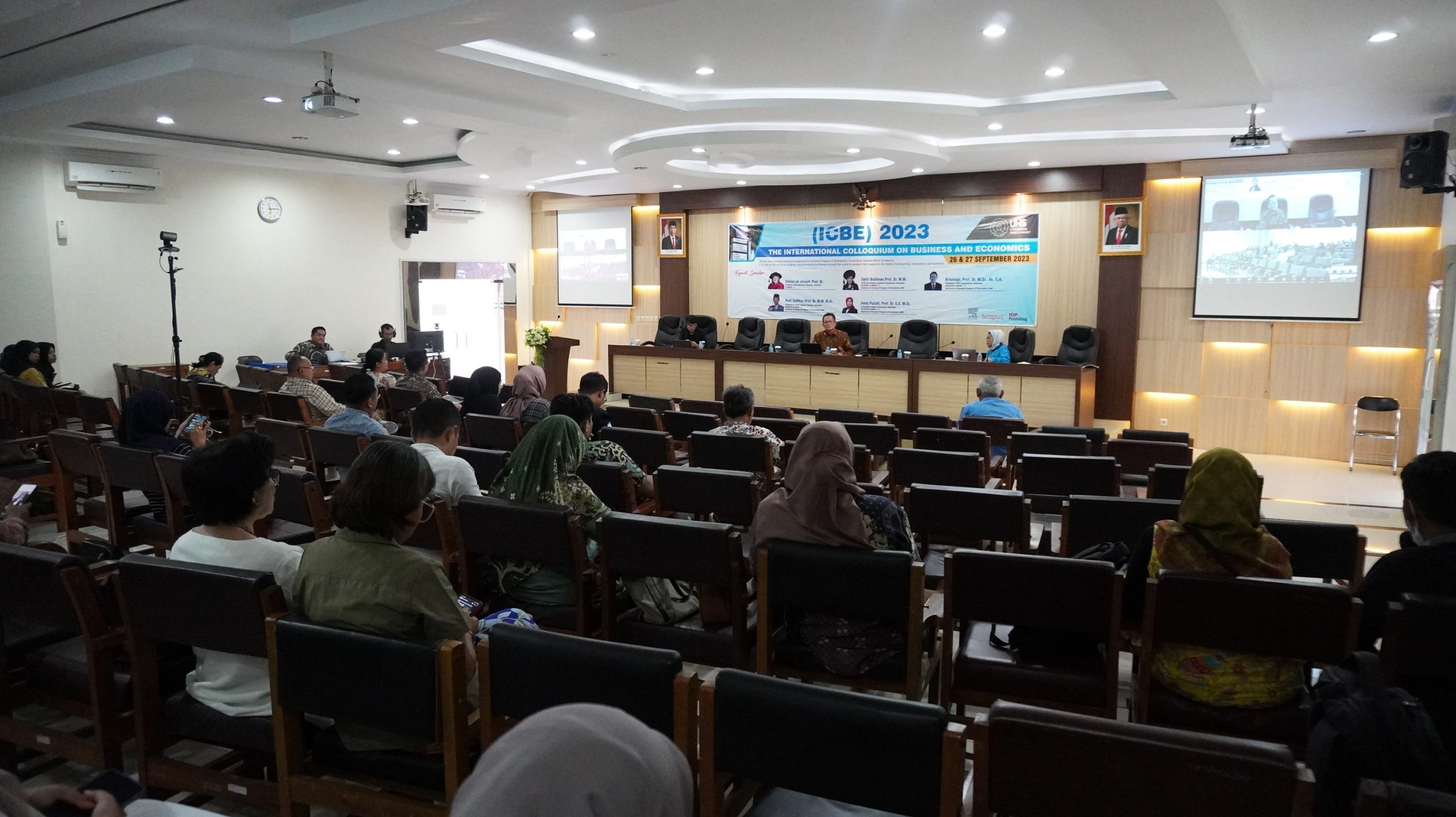
    The Doctoral Program in Economics (PDIE), Faculty of Economics and Business (FEB), Universitas Sebelas Maret (UNS) again held the International Colloquium on Business and Economics (ICBE), 26-27 September 2023 at Konimex Hall, Suhardi Building FEB UNS.

    This year’s ICBE marks the 5th colloquium with the theme Economic and Business Research Post the Covid-19 Pandemic.

    In the agenda, four speakers were present to deliver presentations at the ICBE, among others, Prof. Dr. Corina Joseph, Prof. Dr. Santi Budiman MM., Prof. Dr. Krismiaji MSc., Ak., C.A., and Prof. Dr. Amin Pujiati SE., MSi.

    Opening the ICBE international conference, the Head of the PDIE Study Program, Prof. Rahmawati expressed her gratitude for the participation in the 5th ICBE. “This agenda is dedicated to doctoral program students to disseminate their research results. We hope this event can bring good benefits and contribute to the PDIE FEB UNS development in the future,” she said.

    The Dean of FEB UNS, Prof. Djoko Suhardjanto in his speech expressed his gratitude to all attendees and presenters, including keynote speakers. “The purpose of today’s agenda is to provide a forum for the dissemination of research results in economics and business, as well as to improve the quality and quantity of reputable publications at the national and international levels. ICBE also provides opportunities for researchers from partner universities and institutions to expand their collaboration networks, disseminate and discuss research results both empirical and theoretical, and provide opportunities for PDIE FEB UNS students to be able to publish their research results,” said Prof. Djoko.
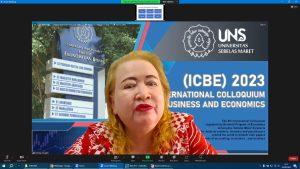
    As the first keynote speaker at the ICBE, Prof. Corina Joseph from Universiti Teknologi Mara Sarawak, Malaysia, delivered material related to Post Covid-19 Business and Economic Research.

    In this presentation, Dr. Corina discussed in detail the impact of the Covid-19 pandemic on the research landscape and the development of research topics in the business and economics of the post-Covid pandemic.

    “To find topics related to post-pandemic issues, students can search through conferences, journals (special topics), generative AI, bibliometric analysis/systematic literature review. Thank you and congratulations to PDIE UNS for the implementation of ICBE,” she explained.

    The first invited speaker, Prof. Krismiaji from the Yogyakarta YKPN Polytechnic, discusses the development of research in accounting.

    In a presentation entitled ‘Post-Pandemic Research Issues in Accounting: Are There Any Significant Changes,’ Prof. Krismiaji explains four points related to research in accounting. The first point covers the evolution of accounting research literature in the pre-pandemic period, topics during the pandemic, post-pandemic topics, and current research topics.

    The second session of the invited speaker was held after a short break, with Prof. Santi Budiman from STIE Isti Ekatana Upaweda Yogyakarta, and Prof. Amin Pujiati, from Universitas Negeri Semarang.

    Prof. Santi delivered the material with the title ‘Research on Marketing Before and After the Covid Pandemic.’ In the presentation, she discusses the challenges faced in the business and marketing sectors. According to her, after the Covid-19 pandemic, consumer behavior was influenced by the role of information technology, which then formed a modern purchasing behavior pattern.

    Further, Prof. Santi also conveyed some of the latest research topics in the field of marketing, including brand issues, the development and integration of information technology, culinary aspects and tourism, consumer behavior and business communication, as well as business and marketing strategies.
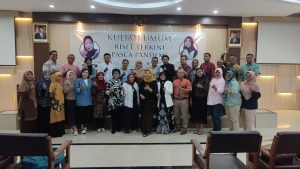
    The next speaker, who is the third guest speaker on the ICBE 2023 agenda, Prof. Amin Pujiati, delivered a presentation entitled ‘Post-Pandemic Research Issue in Environmental Economics: Are There Any Significant Changes?’ At the beginning of her material presentation, Prof. Amin said that there are four factors that cause changes in recent research, including global transformation, re-evaluation of norms and practices, novelty, and dynamics of change.

    On the second day of ICBE, participants were divided into 4 categories to present their articles.

    In the international level event, researchers in the fields of accounting, management, and economics had the opportunity to submit their research articles to be disseminated through the 5th ICBE-affiliated journals. Some of the publication outlets affiliated with the 5th ICBE include the International Journal of Economics and Management, the International Journal of Monetary Economics and Finance, the International Journal of Business and Society, Jurnal Keuangan dan Perbankan, Jurnal Akuntansi dan Bisnis, and the Sebelas Maret Business Review.
  • PDIE Hosted Public Lecture on Recent Research Topics in the Post-Pandemic Era

    PDIE Hosted Public Lecture on Recent Research Topics in the Post-Pandemic Era

    Research is a basic need in the academic sector, both for a lecturer and a student. Lecturers are required to do research activities under the Higher Education Tri Dharma, as well as to develop their professionalism. Students are required to present their course assignments in the form of research, especially in fulfilling their final academic assignments. This requirement applies for students from bachelor’s degree to doctoral degree.

    Good and interesting writing will improve the research publication quality and quantity, both in reputable national and international journals. Following a greater quantity and higher quality of research publications will further encourage the establishment of excellent academic quality in the Doctoral Program in Economics (PDIE), Faculty of Economics and Business (FEB), Universitas Sebelas Maret (UNS).
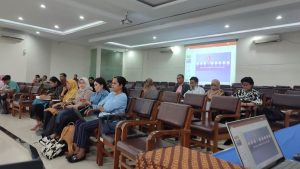
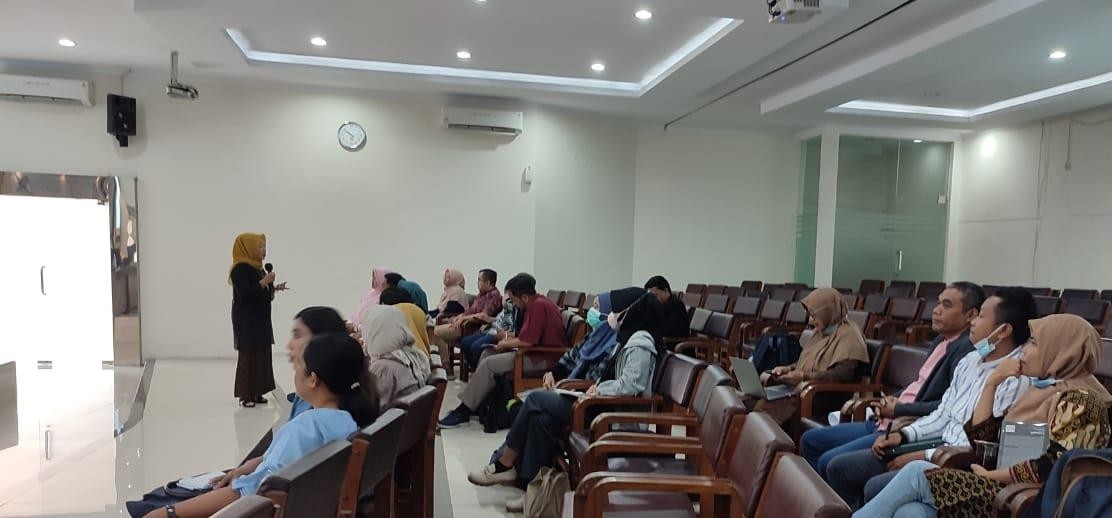
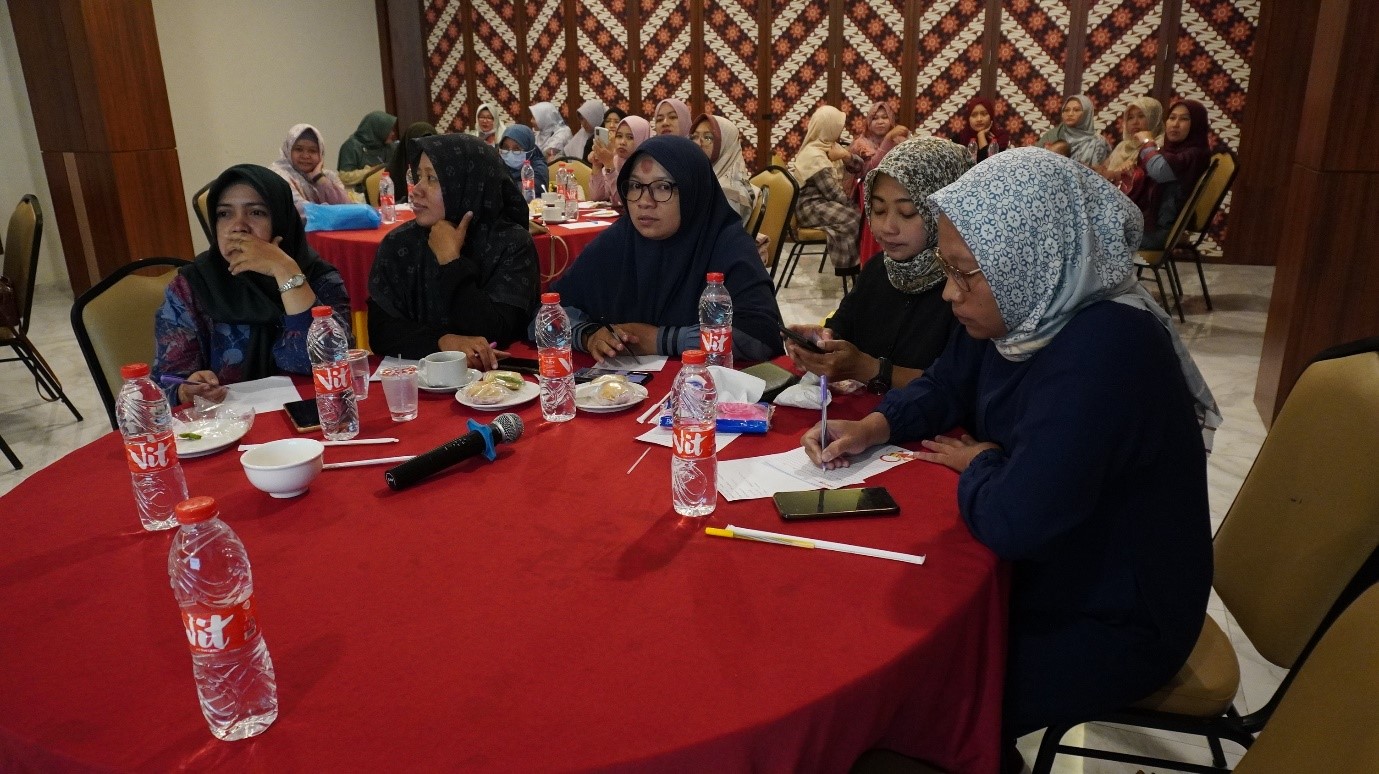
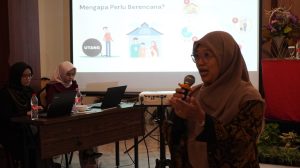
    This was aligned with the targets provided in the strategic plan and the vision and mission of the PDIE FEB UNS, at the same time to maintain the academic quality at PDIE FEB UNS accreditation predicate. Responding to this, PDIE held a Public Lecture entitled ‘Recent Post-Pandemic Research,’ Friday 8 September 2023 at Konimex Hall, Bachtiar Effendi Building 3rd Floor FEB UNS.

    The activity was attended by PDIE FEB UNS lecturers and students as well as general participants. Two competent experts in the field of research with extensive publication experiences were invited as speakers, namely Prof. Indah Susilowati, Ph.D., from Universitas Diponegoro and Dr. Ratna Wijayanti Daniar Paramita, SE, MM., from Institut Teknologi dan Bisnis Widya Gama.

    This activity aims to motivate the lecturers and students to conduct research activities as a duty for both lecturers and students. Research activity is one of the Higher Education Tri-dharma for lecturers, at the same time, research activity also become a graduation requirement for students, especially at PDIE FEB UNS.

    The agenda was opened with an opening remark from the Head of PDIE FEB UNS, followed by the material presentation by the speakers, followed by a discussion related to obstacles, challenges, and the latest research opportunities post-COVID-19 pandemic.

    Discussion and experience-sharing sessions between the invited speakers and workshop participants, consisting mainly of lecturers and PDIE FEB UNS students, can further motivate participants to conduct high-quality research.