FEB

Kategori: faculty

  • On its 15th Anniversary, PDIE FEB Hosted Workshop on Success Story Business Workshop

    On its 15th Anniversary, PDIE FEB Hosted Workshop on Success Story Business Workshop

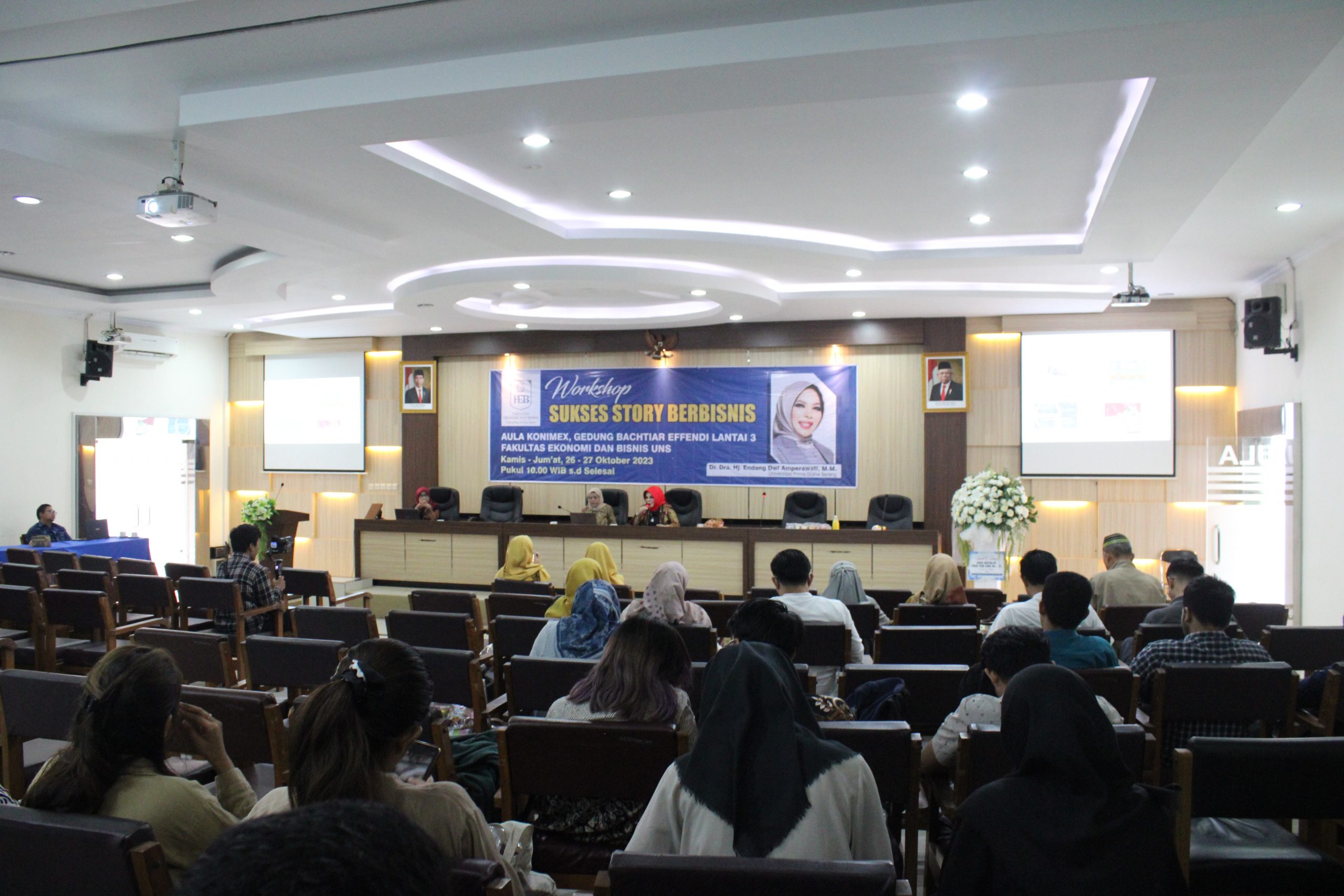
    Doctoral Program in Economics (PDIE), Faculty of Economics and Business (FEB), Universitas Sebelas Maret (UNS) held a Success Story Business Workshop on Friday 27 October 2023 at Konimex Hall Bachtiar Effendi Building FEB UNS.

    The workshop, which was held on the 15th anniversary of PDIE FEB UNS, invited Dr. Dra. Hj. Endang Dwi Amperawati, MM., Vice Rector III for Student Affairs, Public Relations, Cooperation and Marketing, Universitas Prima Graha Serang.

    Prof. Dr. Rahmawati, M.Si., Ak., in her speech, said that this event was part of the previous events that invited experts to equip students, not only for PDIE students but also for undergraduate and graduate students.

    Different from the previous workshops that are more focused on research, this workshop conducted for the celebration of PDIE anniversary, presents Dr. Eda to share about entrepreneurship success. “This agenda coincides with the 15th anniversary of PDIE. Hopefully, this occasion is aligned with the vision of PDIE to becoming a highly reputable Doctoral Program in Economics at the national and international levels, and hopefully, this vision can be achieved,” she said later.

    Meanwhile, the speaker Dr. Eda in her presentation shared success tips from her experience as an academician as well as a businessman.

    To the workshop participants, Dr. Eda encourages students to always learn to work hard, develop self-confidence, and never give up on achieving their goals. Hopefully, there will be many students who attempt to be entrepreneurs after graduating and become successful entrepreneurs. “Being an entrepreneur is no longer a difficult dream to achieve. In modern times like this, so many business ideas can be realized,” she said.

    Furthermore, she states that to become a successful entrepreneur, one must encourage oneself to work hard and diligently, dare to challenge oneself, start a business because of passion, and also have high self-confidence.

    In her presentation, Dr. Eda also conveyed successful leadership in managing an organization. According to her, successful leaders are leaders who are able to manage an organization and are able to carry out leadership effectively so that organizational goals can be achieved. A leader must have self-management, have a clear vision and mission, dare to take risks and be spontaneous, creative, and innovative.

    “If we are willing to understand and learn the characteristics of a successful leader, we will get used to and always be ready to be a leader anywhere. A leader doesn’t have to be intellectually intelligent. But be smart in managing yourself and also managing others,” she said later.

    Further, Dr. Eda also conveyed the women’s important role in improving the economy. “Women who work, especially in the economic field, play an important role not only for the country but also for family resilience. A woman must also have a dynamic, optimistic, and full of work spirit,” she explained.

    On this occasion, Dr. Eda opened the opportunity for participants to discuss the topic thoroughly
  • Management Study Programs Guest Lecture Session for Introduces Business in Europe

    Management Study Programs Guest Lecture Session for Introduces Business in Europe

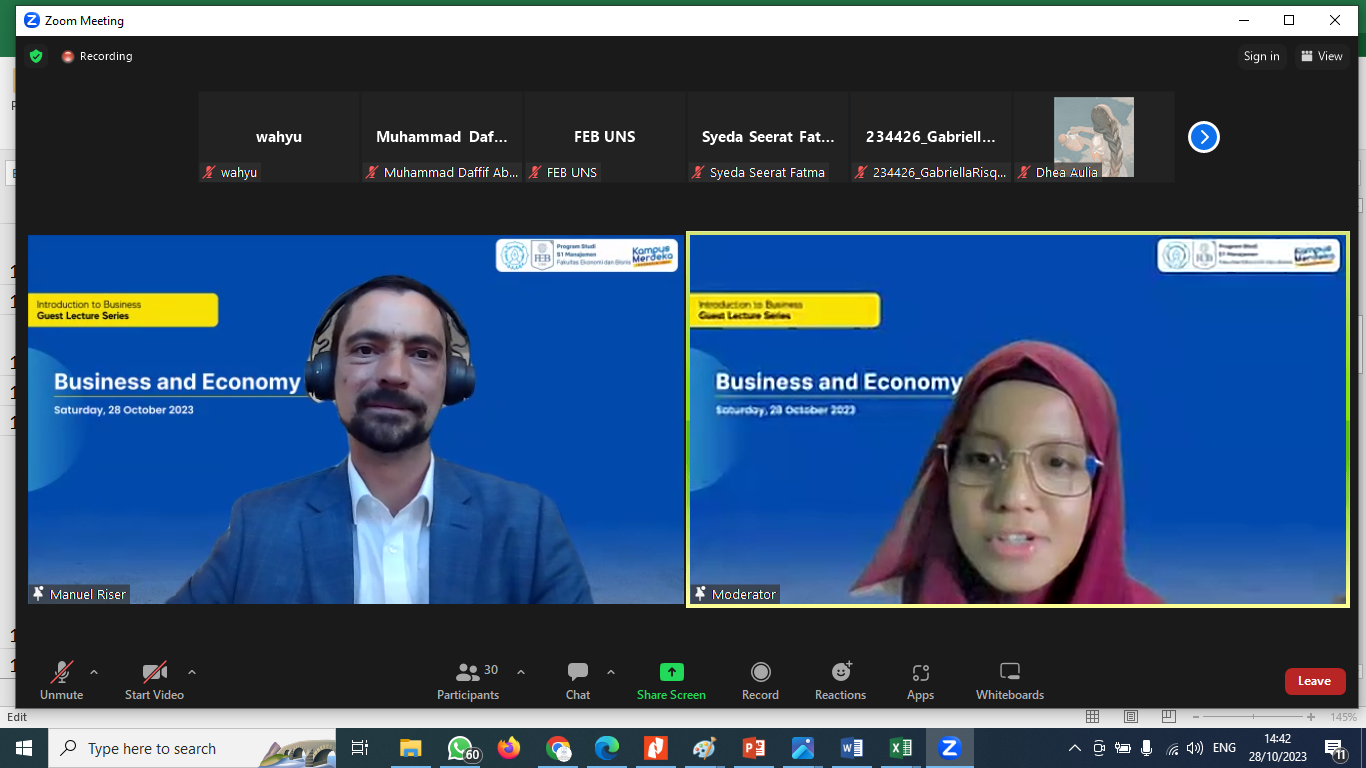
    The Undergraduate of Management Study Program, Faculty of Economics and Business (FEB), Universitas Sebelas Maret (UNS), presented another series of Guest Lectures in Introduction to Business, presenting practitioners from Arnold & Riser Consulting Switzerland. The guest lecture entitled Guest Lecture Series ‘Business and Economy in Europe’ was held virtually on Saturday 28 October 2023 through Zoom Cloud Meeting.

    Manuel Riser, co-founder of Arnold & Riser Consulting, delivered material related to business and economic conditions in Europe, especially in Switzerland, as well as steps and procedures for establishing businesses in Europe.

    “The first thing to consider when setting up a business in Europe is the selection of a company form (legal form). There are three forms of business, namely individual business, limited liability company, and public limited company,” explained Manuel.

    Furthermore, Manuel also explained the regulations that must be met by entrepreneurs who will establish a business, including sustainability aspects. According to him, sustainability-related topics are currently often discussed in Europe. However, a sustainable business does not only focus on environmental conditions but also needs to focus on social, environmental, and economic conditions.

    “In order for your business to survive, the business needs to generate profits and pay attention to the rate of return on investment. This aspect focuses on the balance between resource use and turnover, ideally, your business needs to generate profits without sacrificing the environment or social conditions,” he said.

    Attention from participants can be seen from the question and answer session between the speaker and the participants. Students seem interested in regulations applicable to digital business in Europe, small business funding, job prospects, and internships for students, including regulations for non-profit organizations.

  • Encouraging Publication of Scientific Works, PDIE Hosted a Workshop on the Latest Accounting Research

    Encouraging Publication of Scientific Works, PDIE Hosted a Workshop on the Latest Accounting Research

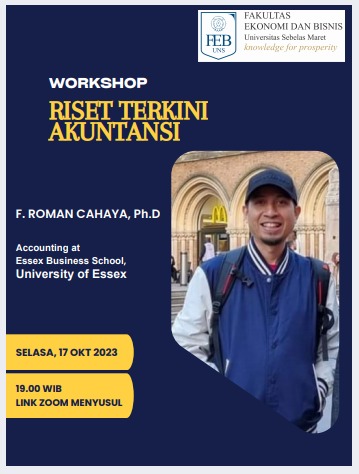
    The Doctoral Program in Economics (PDIE), Faculty of Economics and Business (FEB), Universitas Sebelas Maret (UNS), hosted an online workshop entitled The Latest Accounting Research, Tuesday, October 17, 2023.

    The activity, which was attended by PDIE students and FEB UNS Lecturers, presented Fitra Roman Cahaya, B.Com., Ph.D., CSRS, CSRA., from the Department of Accounting at Essex Business School, University of Essex, England. Fitra is an expert in the field of publications both nationally and internationally as well as various experiences of publication and preparation of scientific papers.

    Prof. Dr. Rahmawati, M.Si., Ak., Head of the PDIE Study Program in her speech states that this activity was carried out with the aim of increasing the quantity and quality of scientific papers in accordance with the latest developments, which could further encourage the publication of PDIE FEB UNS scientific papers.

    Good and interesting writing will improve the research publication quality and quantity, both in reputable national and international journals. Thus, it will further encourage the achievement of academic quality in PDIE FEB UNS as the targets set in the Strategic Plan and the vision and mission of PDIE FEB UNS and maintain the institution’s excellent ‘A-rating’ accreditation.

    Meanwhile, Fitra Roman in his presentation emphasized the importance of contemporary topics in research. “The fundamental question is why students need contemporary topics in conducting research. Some of the current and upcoming contemporary research topics include the use of accounting in technology, the use of accounting in health, and the use of accounting in the circular economy. Some of these topics can be explored into a novel research topic that needs to get a quick response from students,” he said.

    Furthermore, he explains that the theoretical foundation becomes very important for the development of this research topic. Fitra also provides several examples of contemporary accounting topics including Issues in accounting education (e.g. impacts of AI and online platforms), Narrative disclosure – e.g. readability and decoupling, Issues in corporate governance (e.g. political background of directors/commissioners), and Management accounting in family businesses.

    In this forum, the speakers provided many opportunities for the workshop participants to discuss, hopefully, participants understood the topics of scientific works included in the latest accounting research and could implement them.

  • FEB UNS Master of Accounting Study Program Holds Scientific Paper Writing Workshop, Inviting Prof. Andrea Moro

    FEB UNS Master of Accounting Study Program Holds Scientific Paper Writing Workshop, Inviting Prof. Andrea Moro

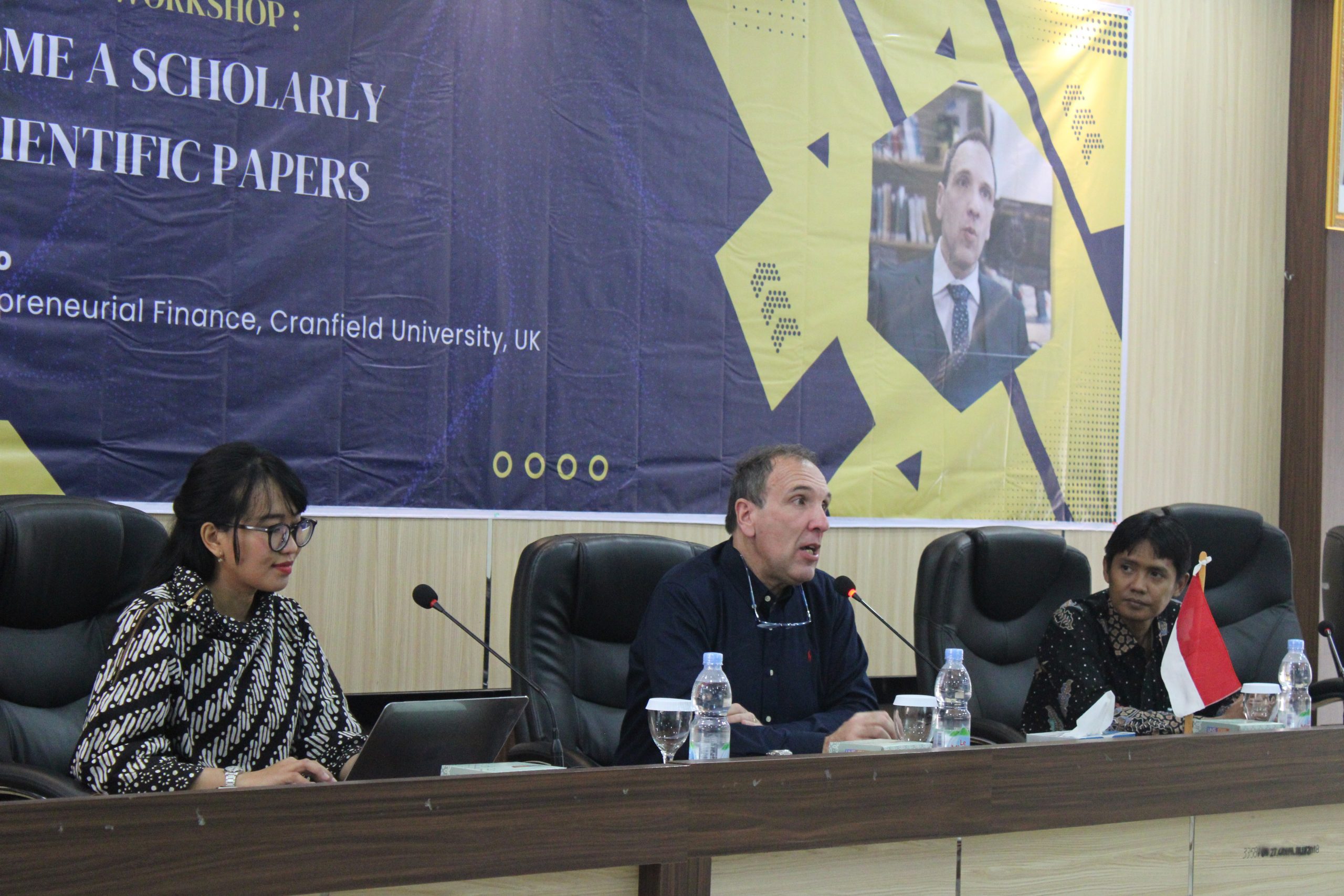
    The Master of Accounting Study Program FEB UNS, hosted a Scientific Paper Writing Workshop ‘How to become a Scholarly Writer of Scientific Papers,’ Thursday, October 19, 2023, at Konimex Hall, Bachtiar Effendi Building, FEB UNS.

    The occasion was attended by Master of Accounting students, inviting Prof. Andrea Moro, Professor of Entrepreneurial Finance, Cranfield University, UK.

    In his remarks, the Head of the Master of Accounting Study Program (Head of Study Program), Dr. Wahyu Widarjo, SE, M.Si., CRP., CFrA., expressed his gratitude to Prof. Andrea Moro for his willingness to be a guest lecturer for the Master of Accounting Study Program at FEB UNS.

    Dr. Wahyu said the Master of Accounting Study Program has the vision of “Becoming a superior and sustainable master’s in accounting study program at the national and international levels based on the noble values of national culture.” Therefore, the Master of Accounting Study Program is committed to conducting Tri Dharma of Higher Education activities to compete internationally. This year, the Master of Accounting Study Program initiated activities related to this goal, to increase international competitiveness. One of them is improving the quality of student publications.

    “Therefore, we are very grateful to Prof. Moro, who will provide material on how to write articles for publication in leading international journals. I hope this activity can improve Master of Accounting Study Program students’ capability to write scientific papers and publish them in leading international journals,” he said.

    In the material presentation session, Prof. Moro provided several important points related to how to write articles to be published in reputable international journals. He explained the important components of a paper, including the literature review, methodology, and data section, which can be called the research tools. Prof. Moro also gave some tips related to data search using AI and also material related to pure marketing.
    Hopefully, this seminar can improve Master of Accounting Study Program students’ capability to write scientific papers and publish them in leading international journals.

  • Green Economy and Sustainable Development Research Group FEB UNS Carries out Community Service in Sragen, Promoting Butterfly Pea Utilization and Management

    Green Economy and Sustainable Development Research Group FEB UNS Carries out Community Service in Sragen, Promoting Butterfly Pea Utilization and Management

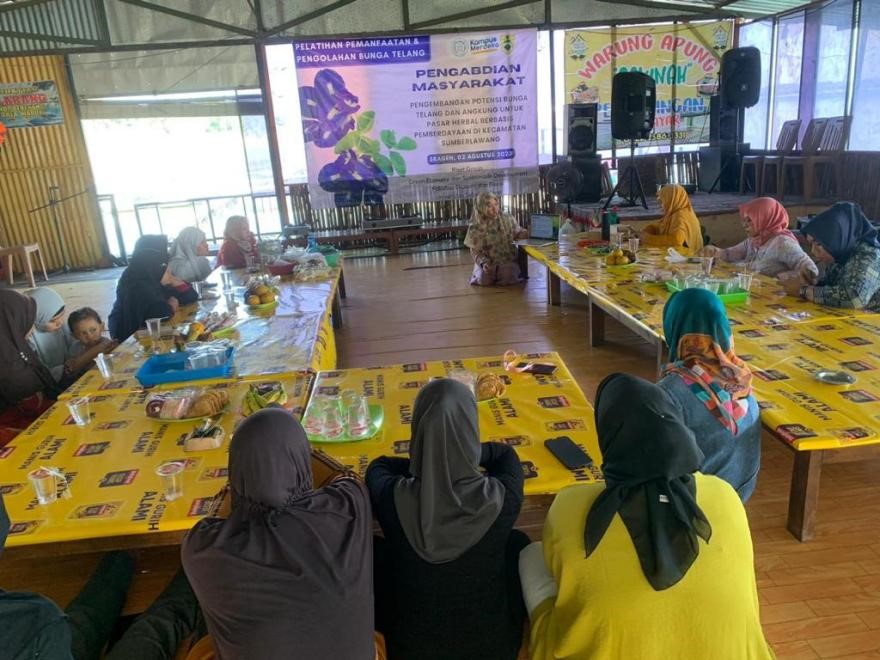
    The Green Economy and Sustainable Development Research Group (RG), Faculty of Economics and Business (FEB), Universitas Sebelas Maret (UNS) carried out community service in Boyolayar, Sumberlawang District, Sragen Regency in August 2023.

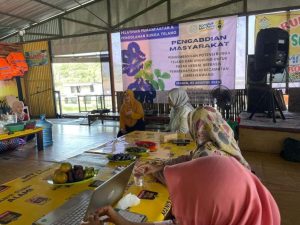
    In this community service program, the RG chaired by Prof. Dr. Izza Mafruhah S.E., M.Sc., takes on the Potential Development of Telang (Butterfly pea) flower and Angkung flower (Gandola) for Herbal Markets in Sumberlawang District. The local community was given training on how to use and process Butterfly Pea flowers.

    Prof. Izza in her speech explained that there is one drawback faced by the region with the designation of Boyolayar as one of the tourist attractions. Situated in a hot region, shade plants such as Butterfly Pea are needed. In addition to being used as a shade plant, Butterfly Pea flowers can also be made as the main ingredients for Butterfly Pea tea, syrup, and jam, which can be used to leverage the local community’s economy.

    A special instructor was presented in the Butterfly Pea processing training, they are Fatimah, A.Ma.Pd.SD. On this occasion, she explained the benefits of Butterfly Pea for health, she also taught the trainees to make jams and syrups using Butterfly Pea, which could later be implemented to become a new source of income for the local community.

    Additionally, the Green Economy and Sustainable Development Research Group provides a marketplace for products made from Butterfly Pea produced by the Boyolayar community. This aims to elevate the processed Butterfly Pea products made by the Boyolayar community, thus it can reach wider consumers, hence, improving this community’s livelihood.

    “The Green Economy and Sustainable Development RG FEB UNS team will continue to support these activities, thus, it can be implemented sustainably and continuously. The distribution of Butterfly Pea seeds aims to help the community to carry out all the Butterfly Pea food production processes independently, starting from maintenance, flower harvesting process, drying, processing to marketing,” said Prof. Dr. Izza Mafruhah S.E., M.Si.

    The trainees were armed with practical knowledge of how to process Butterfly Pea into jam and syrup. They were also involved directly in the practice of making syrup and jam, starting from the preparation until finally the syrup and jam could be consumed. In addition, they are also equipped with packaging techniques and labeling of Butterfly Pea processed products until they are finally ready to be marketed.

    At the end of the session, the community was also trained to set up an online store, which they could later use as a forum for Butterfly Pea processed product trading activities.

  • The Management Study Program Discusses Financial Risk in Basic Financial Management Guest Lecture

    The Management Study Program Discusses Financial Risk in Basic Financial Management Guest Lecture

    Decisions on financial investment cannot be separated from the calculation of interest rates, risks, and inflation. However, in conducting financial management, there are many other aspects that need to be considered by students majoring in business and economics as potential investors and entrepreneurs.

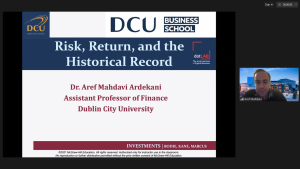
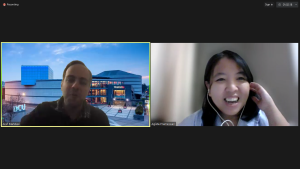
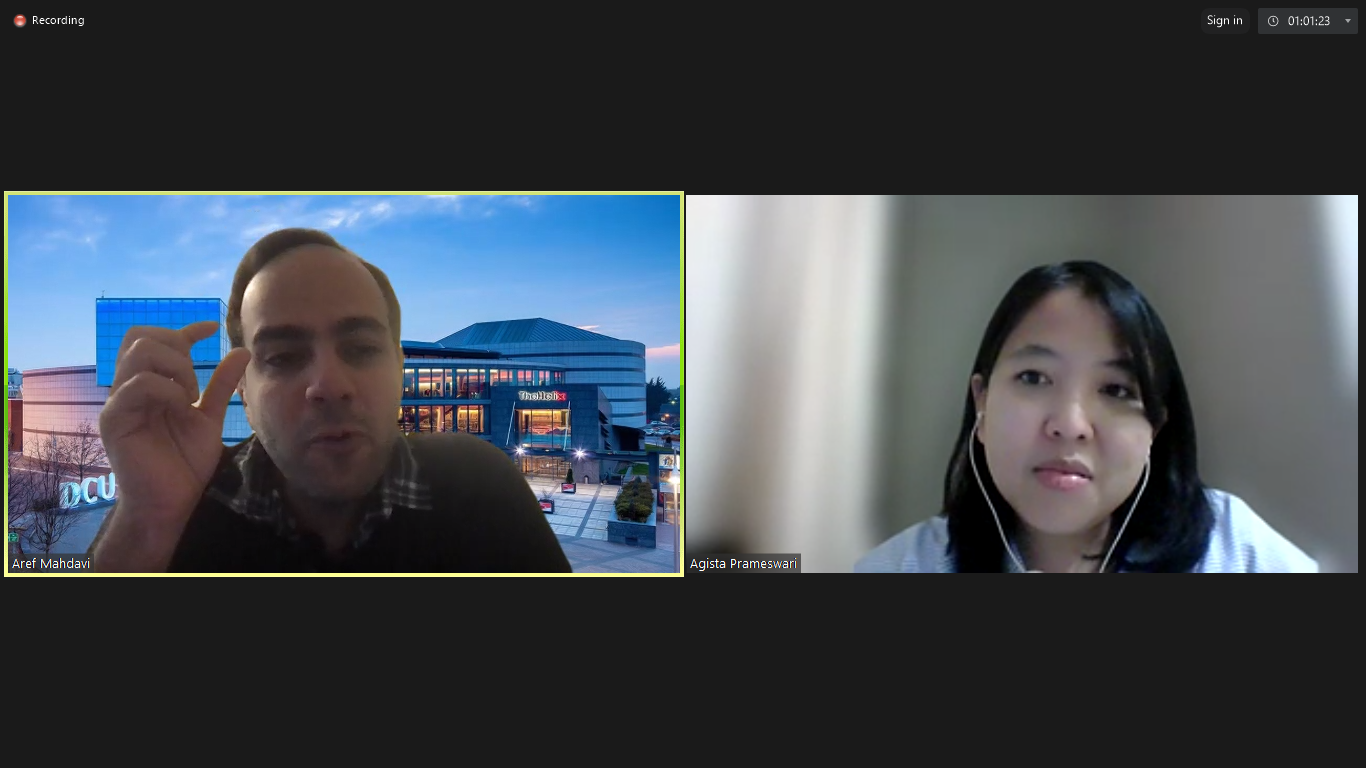
    Responding to this challenge, the Management Study Program, Faculty of Economics and Business (FEB), Universitas Sebelas Maret (UNS) presented a guest lecture entitled ‘Basic Financial Management,’ by inviting Dr. Aref Mahdavi Ardekani, from Dublin City University, Ireland as a guest lecturer.

    In the guest lecture, Dr. Arev presented a material entitled ‘Risk, Return and the Historical Record,’ which began with topics related to currency values and inflation rates.

    “In financial management, we learn that the value of the currency we have today will not be the same as the value of money in the future. For example, if we keep our money in the bank or lend our money for business activities, then in the future we can get a higher return than the current value of our money,” he explained.

    Furthermore, Dr. Arev presents an analogy that the interest rate applicable in a country is similar to the price of renting goods. When there are many items for rent, the price or cost of renting them will be lower, and vice versa. The same law applies to interest rates, “when the value of money available for borrowing is limited, the interest rate will be higher, and vice versa.”

    In this regard, there are generally four factors that affect interest rates, namely the supply of funds from customers’ savings/deposits, requests for funding from businesses, the level of demand for funds (financing) from the government, and inflation rate predictions.

    In addition to discussing inflation and interest rates, Dr. Arev also takes on the topic of risk levels and returns, which include sources of investment risk, risk calculation ratios, and returns, as well as the use of Sharpe ratios in assessing the performance of investment portfolios.

  • FEB UNS Focus Group Discussion was Successfully Held, Discussing Faculty Strategies to Achieve International Reputation

    FEB UNS Focus Group Discussion was Successfully Held, Discussing Faculty Strategies to Achieve International Reputation

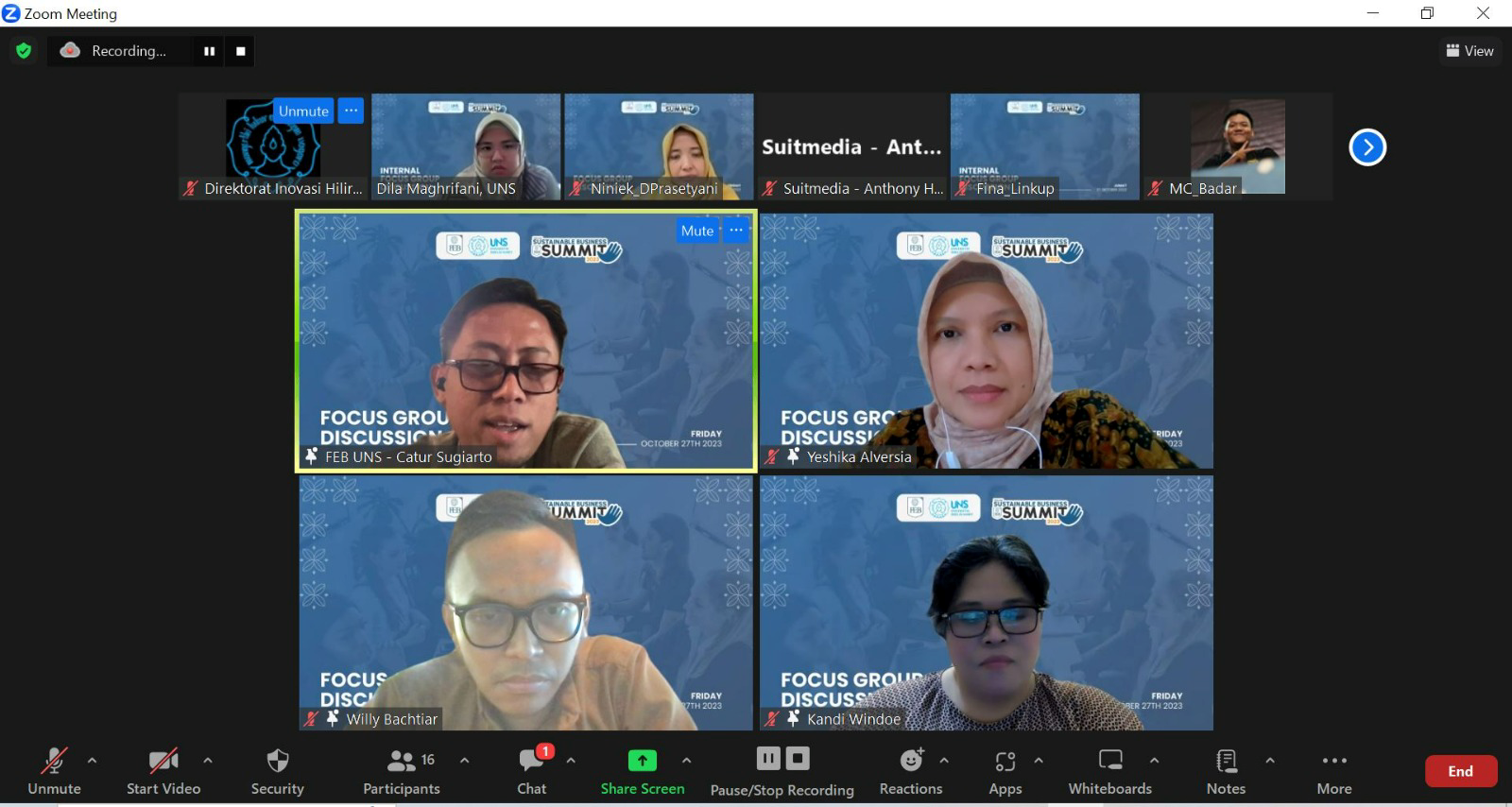
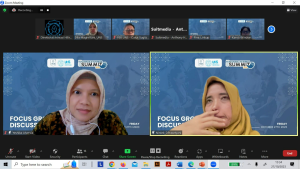
    Faculty of Economics and Business (FEB), Universitas Sebelas Maret (UNS), hosted an FGD (Focus Group Discussion) as the concluding part from the FEB UNS Sustainable Business Summit 2023 series. The FGD, hosted virtually through the Zoom Cloud Meeting, was conducted on Friday, October 27, 2023. Under the theme of “Fostering Excellence in Economics and Business Faculty: Achieving Global Reputation through Cultural Synergy and Engagement,” the FGD was carried out seamlessly.

    FEB UNS Sustainable Business Summit 2023 invited four speakers with various focus areas, namely Yeshika Alversia, SE., M.Sc., Veronica Ken Adiani Windoe, Willy Bachtiar, S.I.Kom., M.I.Kom., and Anthony Hartanto. The FGD was attended by more than 10 faculty members, including the Vice Dean of FEB UNS, the Head of the Business Incubator Division of UNS Innovation Hub, and the organizing committees who had prepared the event.

    The occasion began with a welcoming remark by Dr. Dwi Prasetyani, SE., M.Si., Vice Dean of Academic, Research, and Student Affairs. “We hope today’s meeting can goes amiably, communicative, and of course insightful. I believe this FGD is the beginning of a series of future activities in preparing for international accreditation through collaboration with other universities,” said Dr. Dwi in her brief speech.
    The FGD began with the presentation from Yeshika Alversia, SE., M.Sc., as the Head of International Accreditation at FEB UI. Material entitled “The Role of International Accreditation in Improving the Quality and Reputation of Universities” was delivered on this occasion. Yeshika advised FEB UNS to take immediate steps for international accreditation. “International accreditation is carried out when the faculty has a consistent vision and mission, a passion for continuous improvement, international benchmarks, and creating International Quality Standards (World Class University),” she explained.
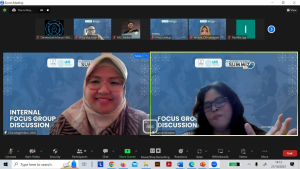
    The session was followed by the second speaker, Willy Bachtiar, S.I.Kom., M.I.Kom., a Lecturer in Digital Communication and Media, IPB University. He delivered the material with the title “FEB UNS: World Class Branding in a Sustainable World,” the topic focused on the importance of branding in FEB UNS. “Branding in the faculty is very important because the faculty is also a brand that will have an impact on its international reputation,” said Willy.
    After the second speaker session was over, the presentation session was immediately continued with the third speaker, Veronica Ken Adiani Windoe. Veronica who is often called ‘Kendi’ is a Brand Expert and Advisory Board for Indonesian Perhumas. Similar to Willy Bachtiar, Kendi also focuses on branding. In Kendi’s presentation, she identified and suggested suitable ways to apply FEB UNS rebranding. In addition, she also provides communication strategies to improve the reputation of FEB UNS in a more advanced direction on par with international standards.

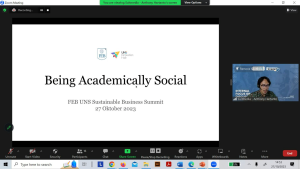
    The last material presentation session was delivered by Anthony Hartanto, Business Development Strategist at Suitmedia Digital Agency. Anthony presented the last material entitled “Being Academically Social.” According to him, in carrying out rebranding activities, FEB UNS can focus more on research journal activities. This is because the level of literacy in Indonesia is still relatively low.

    After the first FGD session, namely the presentation of material by the four speakers, the next activity is the second FGD session. In this session, a discussion was held on the implementation of the FEB UNS rebranding plan. Carried on to the third FGD session, the formulation of the FEB UNS rebranding plan strategy was stipulated in building the established brand and positioning, as well as the branding policies necessary for the faculty’s needs. At the end of the event, Dila Maghrifani, S.E., B.Sc., M.Sc., Ph.D., the FGD moderator, delivered the conclusion of the discussion.
  • FEB UNS Hosted Focus Group Discussion on Fiscal Corner Program

    FEB UNS Hosted Focus Group Discussion on Fiscal Corner Program

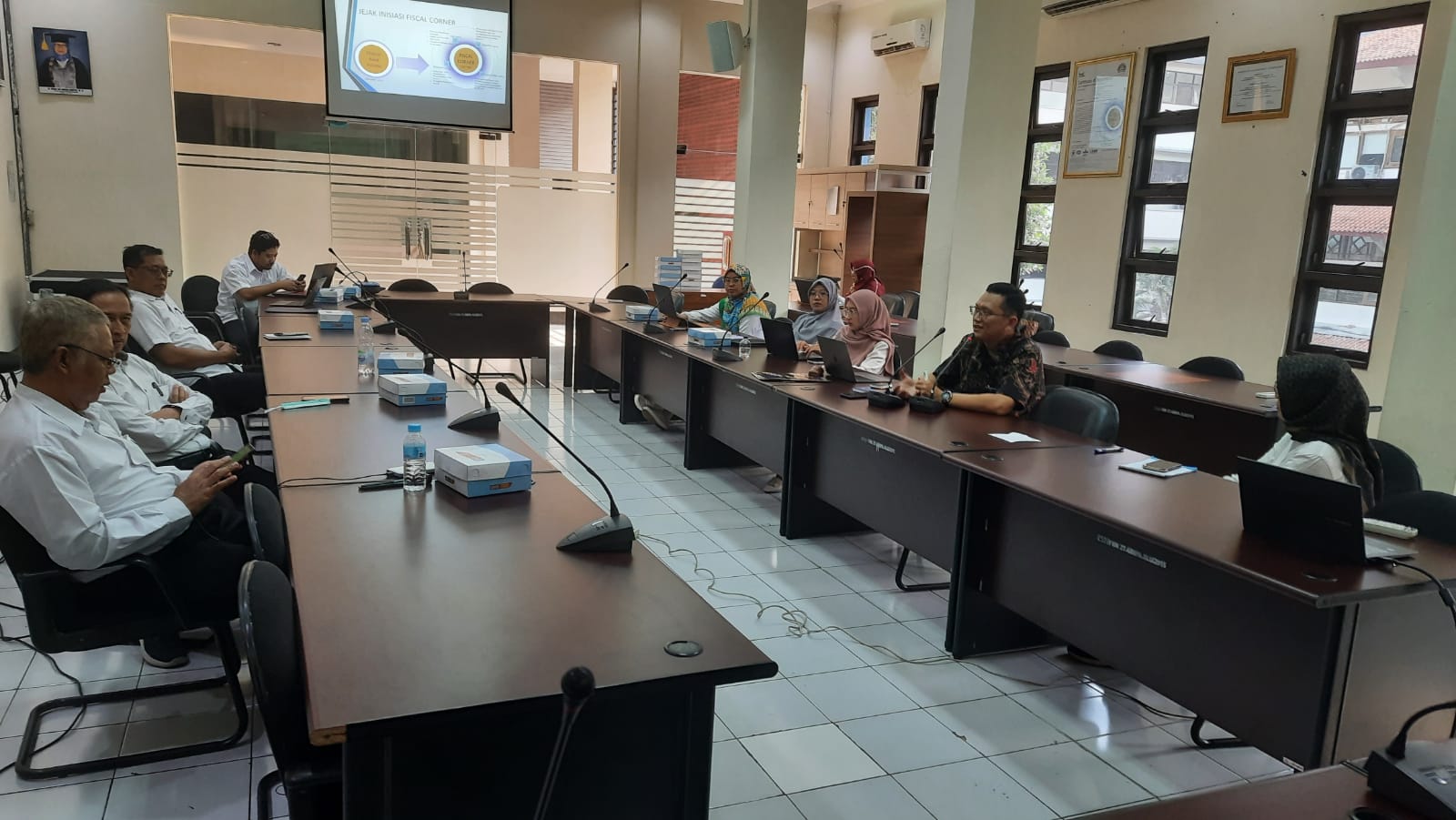
    The Faculty of Economics and Business (FEB), Universitas Sebelas Maret (UNS) in collaboration with the Ministry of Finance of the Republic of Indonesia initiated the Fiscal Corner Program, which is expected to initiate at least one activity, later this year.

    This statement was conveyed by Dr. Dwi Prasetyani S.E., M.Sc., Vice Dean for Academic, Research, and Student Affairs FEB UNS, who commenced her remarks at the Focus Group Discussion (FGD) for the Fiscal Corner Program, Monday, October 23, 2023, in the 1st Assembly Room FEB UNS.

    Furthermore, the FGD, which presents Risky Sulistyanto from the Ministry of Finance, also invited the Head of the Study Programs and FEB UNS Lecturers to further finalize the Fiscal Corner concept, which has been initiated since October 2022.

    “The FGD will be held for two days, other than to finalize our previous discussions with the Ministry of Finance, at the same time we will try to gain insight from the Head of the Study Programs and also the FEB Lecturers. The room for the program has been provided, located on the 1st floor of the Soeharno FEB Building,” said Dr. Dwi.

    Meanwhile, Risky Sulistyanto from the Ministry of Finance said the initiation of the Fiscal Corner was a transformation effort stemming from the Ministry of Finance Goes to Campus agenda, into an integrated collaboration program package through learning, research/study, internships, and all activities related to fiscal management. Furthermore, the beneficiaries of the fiscal corner were UNS lecturers or students, Ministry of Finance Representative Office/other KL, Community/ Local Government, FEB alumni, and even other universities.

    In this collaboration, the FEB UNS team provides infrastructure, supporting IT, layout/ interior design, and human resources or community support. Meanwhile, the Ministry of Finance Team contributed related to the policy/ content/coordination within the Ministry of Finance scope unit.

    Some of the activities and programs for the Fiscal Corner include information/lectures/laboratories/workshops/webinars, access to fiscal policy data/state budget/publications, and also collaboration and partnership/studies/research development. “In addition, there is also a Simple Guideline for Fiscal Corner as a tool and guideline in managing Work Plans and Fiscal Corner Programs/Activities. In the future, it can also function as a Fiscal Corner catalog,” he said.

    In the discussion that lasted for about 2 (two) hours, Dr. Dwi said that the material included in the lecture program is from the Accounting and Development Economics Study Program. Further integration is needed in other study programs, including the Management and Digital Business Study Program.

    Dr. Mulyanto, Lecturer of FEB UNS added that hopefully, the Fiscal Corner will be able to provide data for analysis, thus, there may be a synergy among the study programs in FEB UNS, namely, the Development Economics, Accounting, Management, and even Digital Business Study Program. The next FGD will take place at the same place, on Tuesday, October 24th, 2023, with the agenda of the Formulation of the Fiscal Corner Work Program.

  • UNS and Universitas Pekalongan Assiting Batik SMEs in Pekalongan by Utilizing Innovation Technology

    UNS and Universitas Pekalongan Assiting Batik SMEs in Pekalongan by Utilizing Innovation Technology

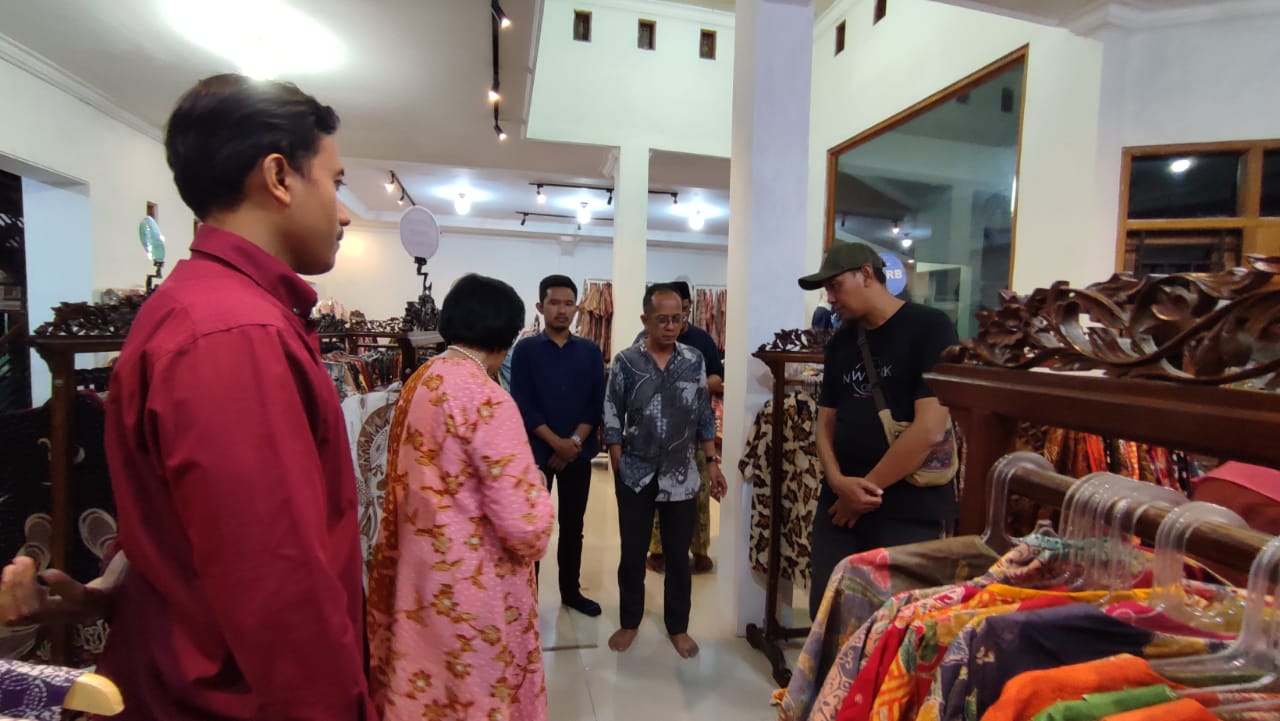
    Pekalongan City is famous as Batik City. In this city, many batik artisans and SMEs can be found, each of which has its own peculiarities. Even Pekalongan has a typical batik motif, namely Batik Jlamprang. The batik culture in Pekalongan City is so legendary that Pekalongan is dubbed the World Creative City. To facilitate the development of batik SME business, many batik SMEs in Pekalongan City establish batik SMEs association. One of them is the Kampung Batik Kauman Association and Kampoeng Wisata Batik Pesindon. The association aims to provide independent parties that bridge the deliberation between the Pekalongan City government and batik craftsmen. In addition, this batik association also makes it easier to coordinate exhibitions, establish a website to display members’ profiles, and so on.

    The Pekalongan City Government also highly appreciates the establishment of batik SME associations. On several occasions, the Pekalongan City Government always involves the Batik SME association in the policy-making process related to environmental health, urban planning, and others. Not only that, the Pekalongan City Government also facilitates various forms of batik marketing initiated by the associations. This is manifested in the form of batik exhibitions and the establishment of a special e-commerce platform in Pekalongan City.

    However, this batik SME association still facing numerous problems that are suitable as the development focus of the Kosabangsa program. One of the problems is the dilemma of using chemical dyes that are not environmentally friendly. The Pekalongan City Government itself has conducted extensive discussions with batik SMEs to advocate the use of natural dyes. However, this cannot be done due to operational constraints. This problem will be the focus of this community service program.

    To achieve an environmentally friendly batik production process, the Kosabangsa Community Service Team assisted the association member on how to utilize batik dye machines, batik heating machines, and cow bone powder, which is in line with the technology offered by the Universitas Sebelas Maret Counsel Team (UNS) chaired by Prof. Dr. Rahmawati, M.Si., Ak.

    Prof. Rahmawati said that the production process using this technology is expected to overcome the environmental pollution problem due to batik dye waste and production processes’ inefficiency in Kampung Batik Kauman and Pesindon.

    As for the problem of the lack of variations of new batik motifs in Kampung Batik Kauman, the Implementation Team conducted training and assistance to create new batik motifs by considering art management in its creation. This was done with the assistance of the UNS Team which has created a new batik motif technology, namely Kupu Tinebar, which has been registered with IPR.

    The training and mentoring are expected to bring up new variations in batik motifs that can follow the advances in fashion trends but remain instilling the characteristics of Pekalongan batik. Furthermore, particular to the business management problem, the Implementing Team held bookkeeping training and mentoring on how to establish Kampung Batik Kauman dashboards. Meanwhile, in Kampung Batik Pesindon, the team proposed to conduct training and assistance on the use of e-commerce applications, google ads, and Facebook ads in accordance with the technology offered by the UNS Counsel Team.

    In addition, there will also be training on trademark registration for both Kampung Batik Kauman and Pesindon. This is because many batik artisans have yet to understand the importance of trademark usage. After creating a brand, the team will also conduct brand utilization training to create advertising content and product packaging.

  • FEB UNS Seminar on Financial Technology and Small Business

    FEB UNS Seminar on Financial Technology and Small Business

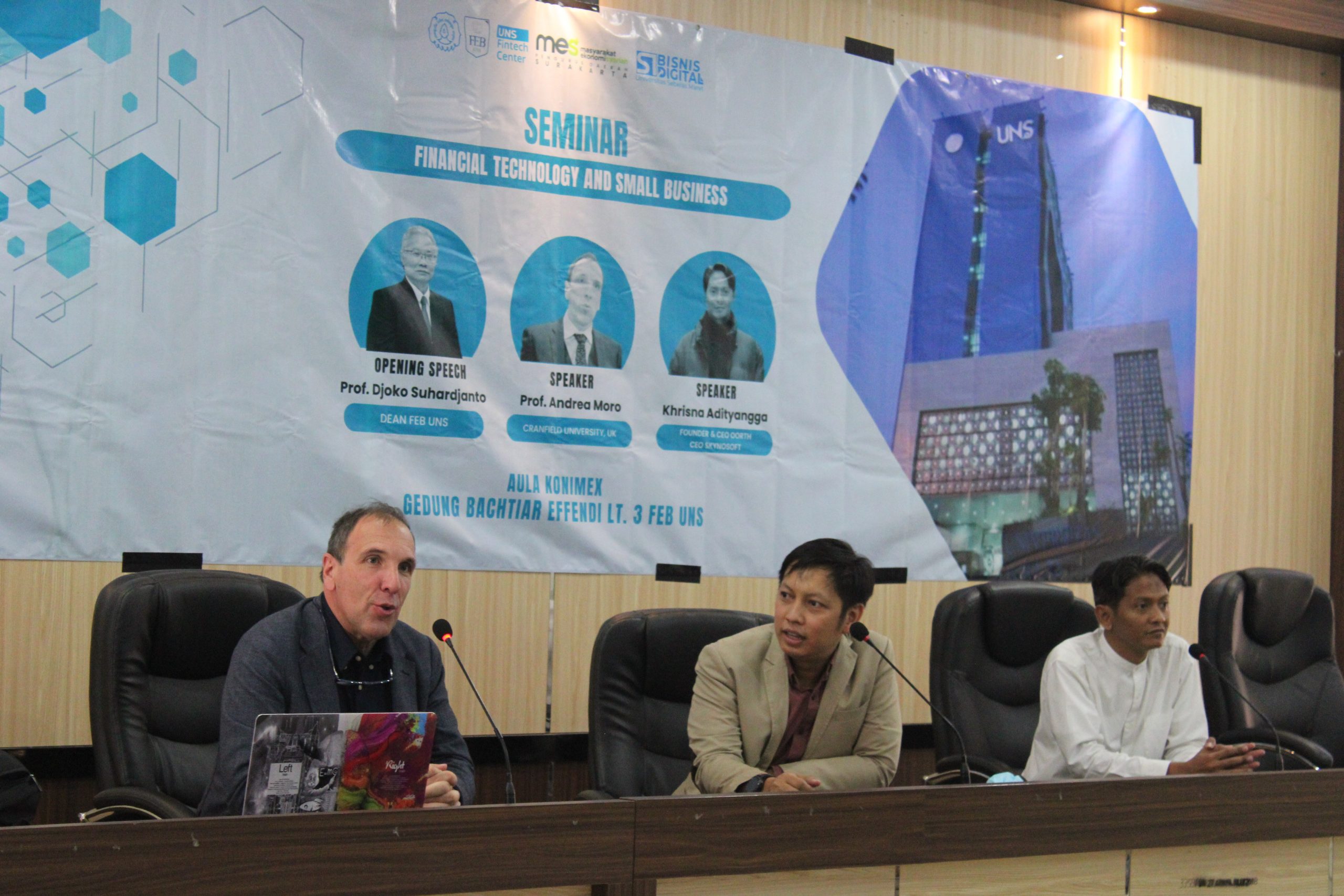
    A wonderful collaboration between the Faculty of Economics and Business (FEB), Universitas Sebelas Maret (UNS), Digital Business Study Program, PUI Fintech and Banking, and MES (Sharia Economic Community) Surakarta, presented a seminar entitled Financial Technology and Small Business, Wednesday, October 18, 2023.

    The seminar was held on the 3rd floor, KONIMEX Hall, Bachtiar Effendi Building FEB UNS, where two speakers were invited to deliver materials related to funding for small businesses (MSMEs) and the halal ecosystem. The two speakers invited in this occasion were Prof. Andrea Moro from Cranfield University, UK, and Krishna Adityangga, CEO of PT Xyz Digital Innovation.

    Dr. Tastaftiyan Risfandi, Vice Dean of Planning, Partnership, Business, and Information FEB UNS, in his remarks, revealed the importance of understanding funding sources for MSMEs in Indonesia, especially those provided by Fintech. Moreover, students also need to know which financial technology service providers are registered and supervised by the Financial Services Authority (OJK).

    “Welcome to UNS, Prof. Moro and Mr. Krishna. We at UNS always strive to establish networks with the industrial world, for this reason, today we will learn from the invited speakers about MSME funding. I hope we will be able to receive a lot of knowledge from today’s seminar,” explained Dr. Tastaftiyan.

    Delivering a material entitled ‘The Black Box of Funding Small Firms,’ Prof. Moro argues that contrary to the general opinion that an entrepreneur only focuses on financial benefits, they often prefer the organic growth of their business. “Entrepreneurs often have less money than regular employees but are more optimistic about their long-term vision. Therefore, they are willing to accept a lower income at the present time,” said Prof. Moro.

    Regarding funding, business owners or entrepreneurs prefer funding sources that provide freedom for them to manage the businesses they established. This allows businesses to grow, have greater resources, and with lower interest rates. Furthermore, Prof. Moro explained the types of funding sources including the advantages and disadvantages of each funding source.

    Continuing the discussion related to funders, Khrisna Adityangga stated that the biggest problem faced by small businesses is the difference in expectations between entrepreneurs and investors. Krishna also discussed material entitled ‘Halal Ecosystem in the Digital Transformation of the Decentralized Era: Discourse for Small Business.’

    According to him, the main purpose of digital transformation is to reduce moral hazard. Meanwhile, data decentralization, which is a form of digital transformation, can cut supply chains and help to realize data sovereignty. “Decentralized finance essentially is in line with sharia values. MSMEs can receive many benefits from decentralized finance, one of them is the availability of many funding sources. On the other hand, decentralized finance can encourage small businesses to be more transparent, considering that with the use of decentralized finance, business transaction reports can no longer be manipulated,” he explained.

    Regarding education in the digital sector, Krishna added that one of the problems faced by MSMEs is related to education, especially related to digital literacy. “Digital literacy in Indonesia is still very low. Therefore, the curriculum carried out by the Digital Business Study Program is very good and useful to be applied in the community, this knowledge can be used to prepare a better business incubation program and encourage the establishment of a good digital business,” he said concluding his material presentation.

    The seminar, which lasted for approximately two hours, went interactively with more than 100 participants having the opportunity to interact directly with the speakers through the question-and-answer sessions.