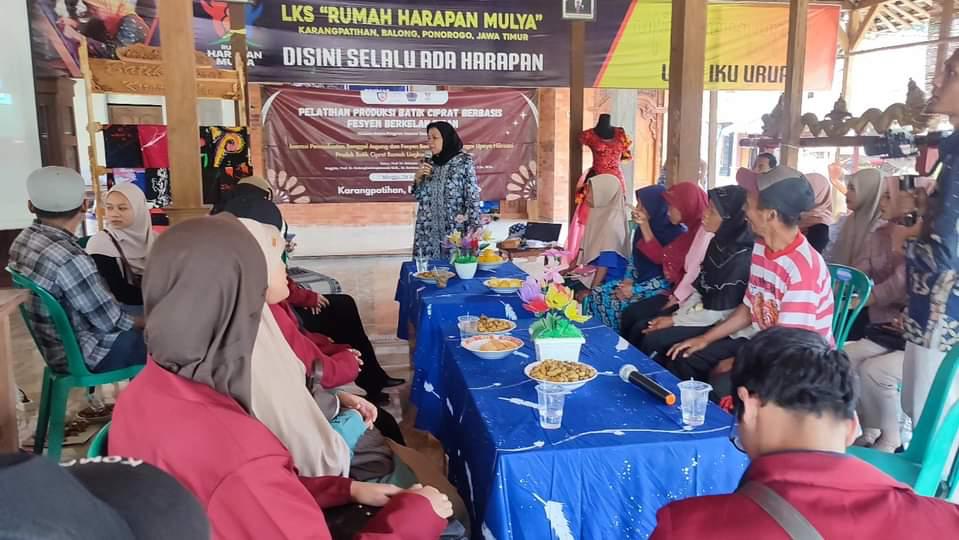
Universitas Sebelas Maret (UNS), in collaboration with Universitas Muhammadiyah Ponorogo (UMPO), Universitas Primagraha (UPG), and STIE Arlindo, conducted a community service program titled “Training and Support for Utilizing Corn Cobs and Sustainable Fashion” in Karangpatihan Village, Ponorogo, on Sunday, July 28, 2024.
The community service team was led by Prof. Dr. Rahmawati, M.Si, Ak., along with its members M. Rudianto, S.E., S.Sn., M.Sn., Dr. Rochmat Aldi Purnomo, S.E., M.Si., Sarah Rum Handayani Pinta, M.Hum., Siti Nurlaela, and Isnayni Sabila.
 The team provided training on sustainable fashion through the production of Batik Ciprat using corn cobs to workers with disabilities in Karangpatihan Village and disabled students from Universitas Muhammadiyah Ponorogo (UMPO).
As the main speaker, Prof. Rahmawati outlined several innovations introduced in the training, including the use of corn cobs in waste processing, natural dyes as alternatives to synthetic dyes traditionally used, and the application of bone meal to enhance the efficiency of Batik Ciprat production.
“The objectives of this training and support activity are twofold: first, to teach the use of processed corn cobs for waste management. Second, to introduce natural dyes as an alternative to synthetic ones, as international consumers are increasingly interested in natural colors,” she explained.
Dr. Rochmat Aldi added that the objective of the program is to equip the Karangpatihan community, especially UNS’s partner, with skills in sustainable fashion and waste management, specifically how to use corn cobs in Batik Ciprat production.
“And this effort doesn’t end with us; it can be further developed using other methods, such as fans or improved batik techniques and motifs that are more sustainable,” he noted.
Meanwhile, Karangpatihan Village Head Eko Mulyadi expressed his gratitude to the FEB UNS Community Service Team for their assistance in alleviating poverty in the village. “Thank you to all parties who have contributed to our efforts to reduce poverty in Karangpatihan. We are also deeply grateful to everyone who has collaborated to help us develop Batik Ciprat,” he said.
He praised the training as extraordinary, highlighting its potential to help the Karangpatihan community with the development of Batik Ciprat and the implementation of efficient drying techniques.
This event is expected to have a positive impact on the economic and social development of Karangpatihan Village and to promote the use of natural materials in the Indonesian batik industry.
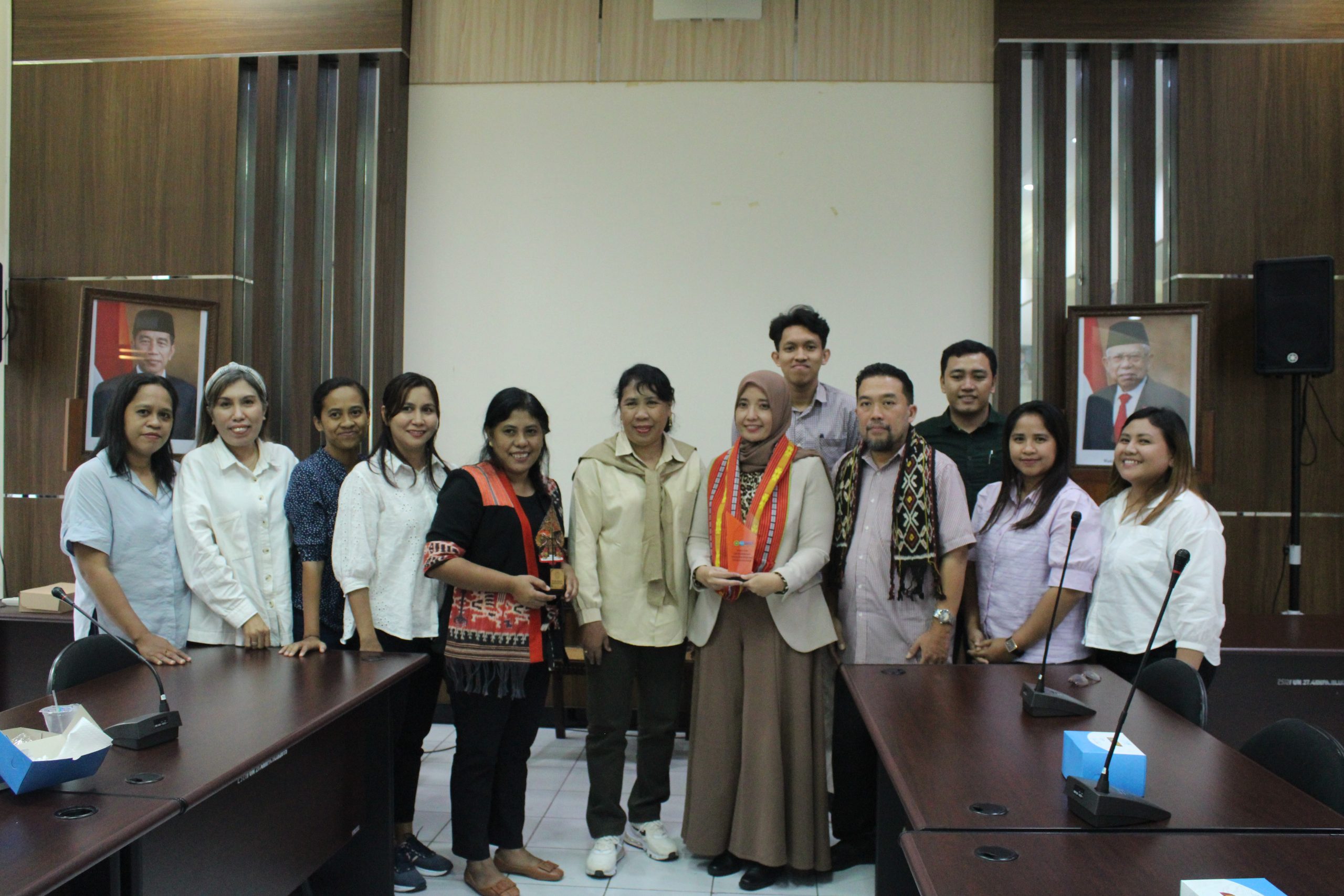
 In his welcome remarks, Tastaftiyan Risfandy, S.E., M.Sc., Ph.D., Vice Dean for Planning, Business Partnership, and Information, extended his greetings and thanks to Dr. Apriana and her team for their visit to FEB UNS.
 Consequently, FEB UNDANA chose FEB UNS as their benchmark. Dr. Apriana also introduced the members of her delegation, including the Vice Dean 1, Program Coordinators, Quality Control Team, and lecturers from the S1 Development Economics Program at UNDANA.
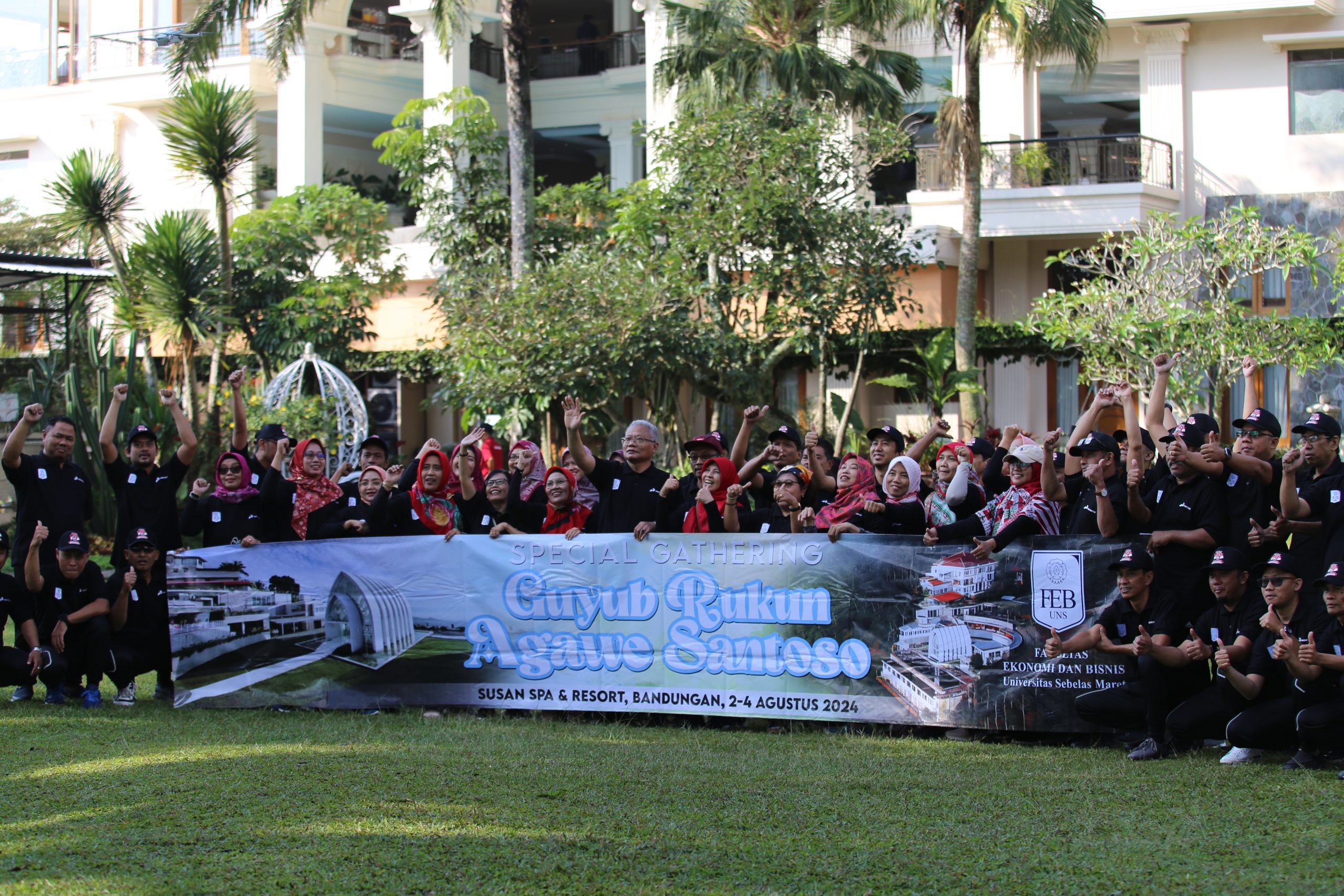

 In his opening remarks, the Dean of FEB UNS, Prof. Djoko Suhardjanto, M.Com(Hons), Ph.D., Ak., extended his gratitude to Pertamina for their support in making the gathering possible. Prof. Djoko also expressed his thanks to the attending leaders, lecturers, support staff, students, and Dharma Wanita FEB. He acknowledged that his tenure as Dean was coming to an end in a few weeks and apologized for any shortcomings during his leadership. “These are the final weeks of our leadership at FEB. I apologize if there have been any words or actions that did not meet your expectations,” he said.
 Prof. Djoko encouraged FEB academic members to maintain harmony and to support each other, emphasizing the need to unite and support the future Dean to ensure further progress for FEB.
 In response, Dr. Atmaji thanked the Dean and his team for the invitation to the retirement gathering. “Thank you for the invitation, Dean. On behalf of myself and my family, I apologize for any mistakes during our interactions,” he said.

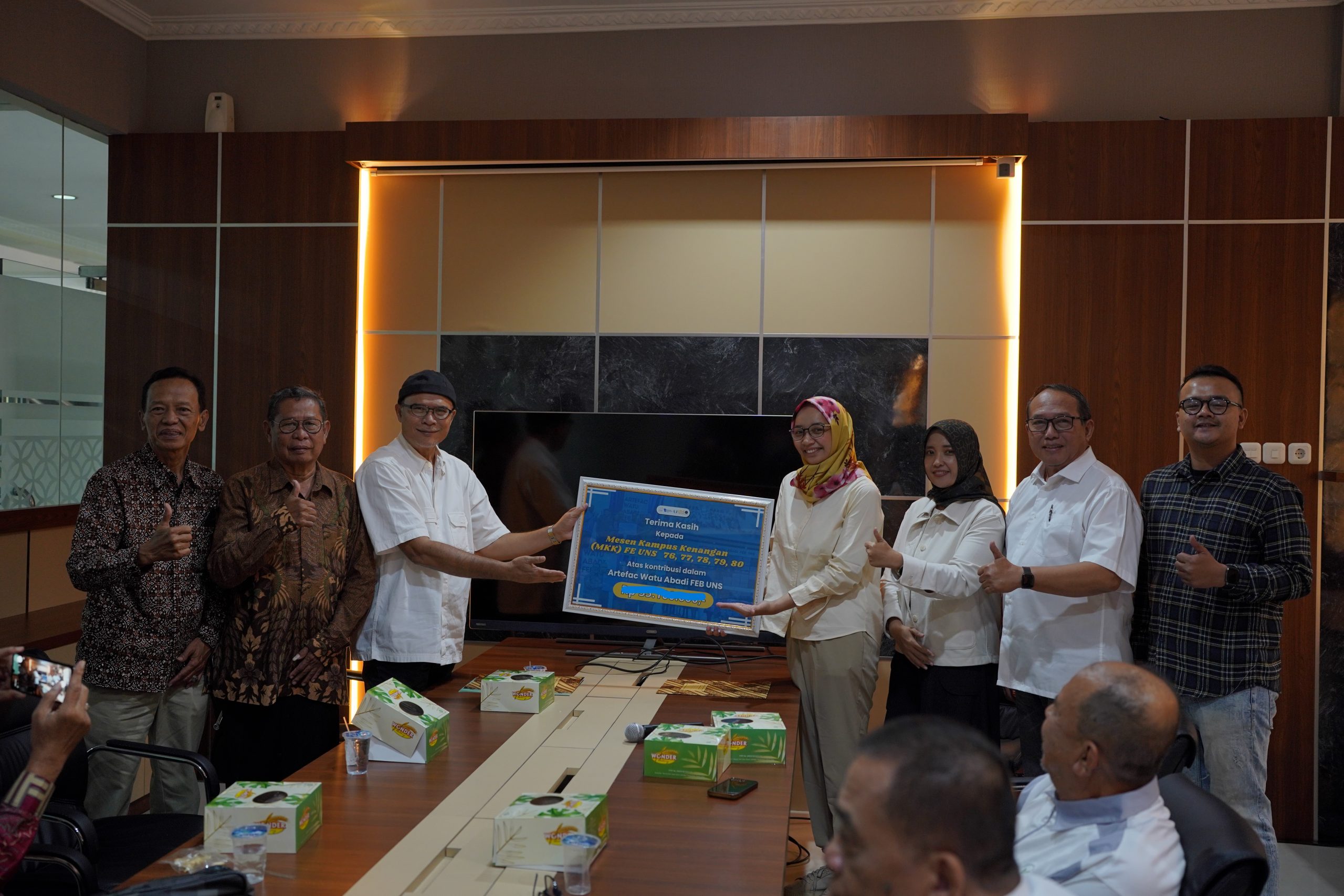
 In his remarks, Sonny said that the funds were collected from all members of MKK, the 1976 to 1980 class. Sony also recounted that the MKK 76-80 Community was born in September 2011. At that time, only a few were incorporated, but now there are many more, all students who have studied at the Mesen campus are members of MKK.
 On this occasion, Dr. Dwi Prasetyani also conveyed various achievements of FEB. On a national scale, FEB is ranked 4th for the best Economics Faculty in Indonesia. Currently, with the seamless cooperation with alumni, the Faculty strives to improve FEB to get a better position and ranking and, hopefully, to be the number 1 university in Indonesia. On the international scale of the World Class Ranking (WUR), FEB UNS is ranked 301-350 for Accounting & Finance and also Economics & Econometrics.
 For example, the establishment of the Fiscal Corner at FEB UNS, a specific function as part of the partnership between FEB and the Ministry of Finance. Regular meetings and joint programs between alumni in the ministry and lecturers in FEB are initiated and gradually implemented. Collaboration with alumni also makes it easier to access research and community service activities abroad.
 The Chairman of the Faculty Senate, Prof. Dr. Tulus Haryono, M.Ek., added that the effort to improve FEB UNS cannot be done individually but must be achieved through collaboration and partnership with alumni. After the handover ceremony for the scholarship funds by MKK 76-80, the representatives of MKK 76-80 took a group photo in front of “Artefac Watu Abadi FEB UNS,” a symbol of alumni’s continuous charity, adopting the concept of Endowment Funds.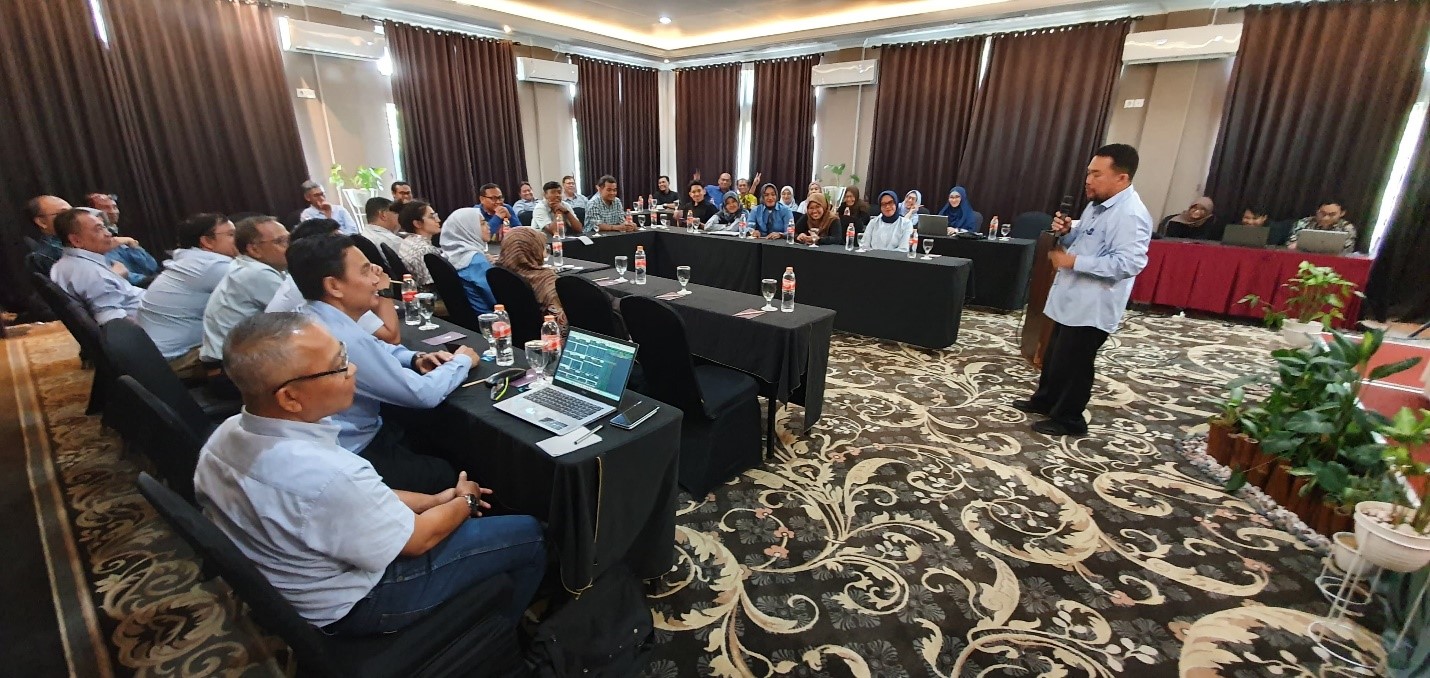
 The event was led by the Head of the Study Program, Bhimo Rizky Samudro, S.E., M.Si., Ph.D., and aimed to enhance teaching quality and deepen understanding of the knowledge cluster among faculty members. The workshop was marked by high enthusiasm, with active interaction from the lecturers of the Development Economics Study Program at FEB UNS. “We are very pleased with the level of participation and enthusiasm shown by the lecturers in this workshop,” said Bhimo Rizky Samudro.
 The workshop covered several important topics, including the latest teaching methods, curriculum development, and aligning course materials with recent advancements in the field of development economics. This workshop is part of the ongoing efforts by the Development Economics Study Program FEB UNS to ensure that students receive high-quality education that meets current job market needs.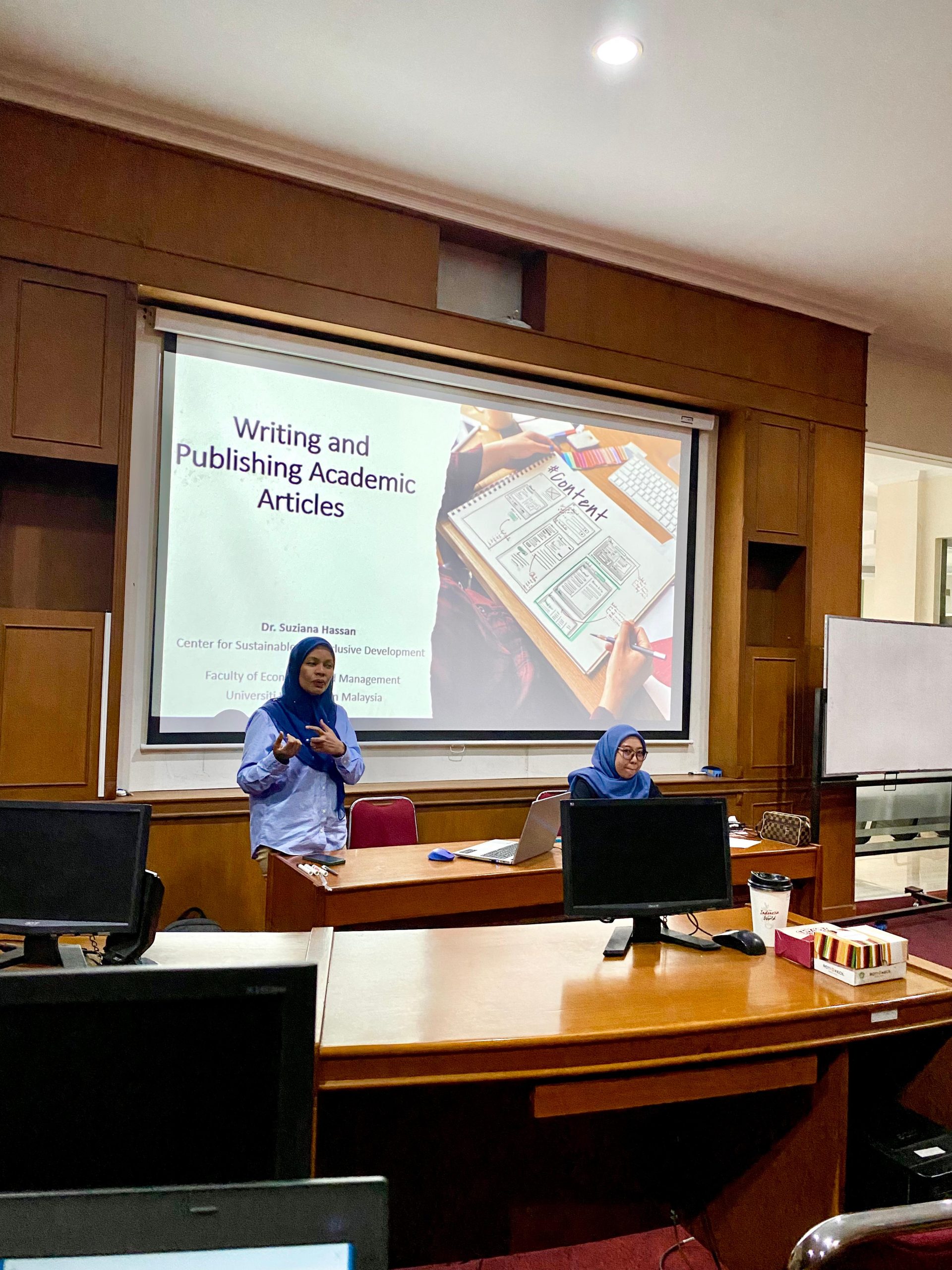

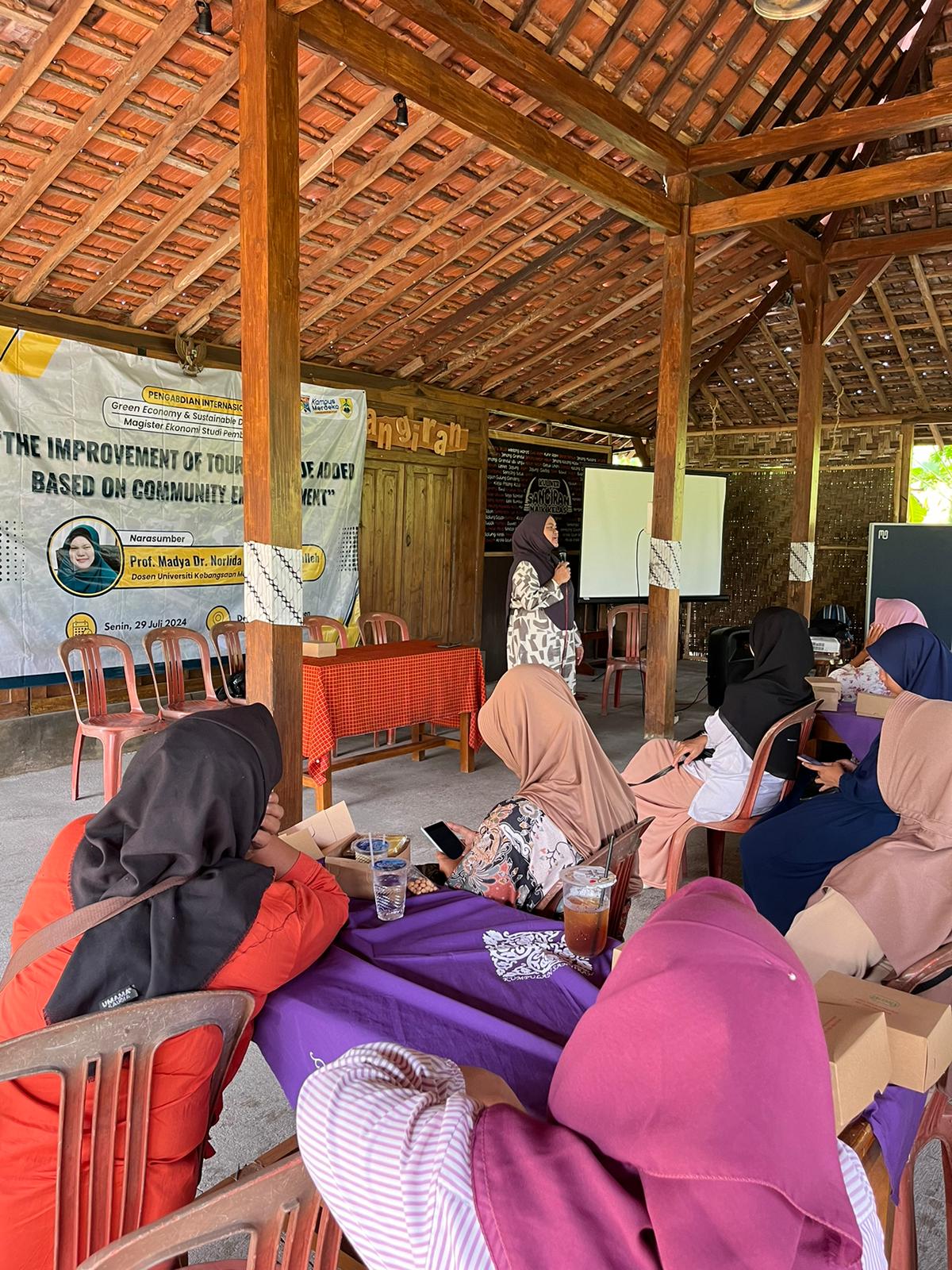
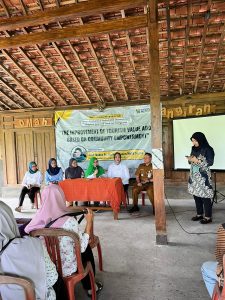 The initiative aims to foster community collaboration to enhance the international tourism value of the Krikilan Village. This activity is expected to create mutual benefits through the exchange of tourism knowledge between the community of Krikilan Village and a delegation of faculty members from Universiti Kebangsaan Malaysia.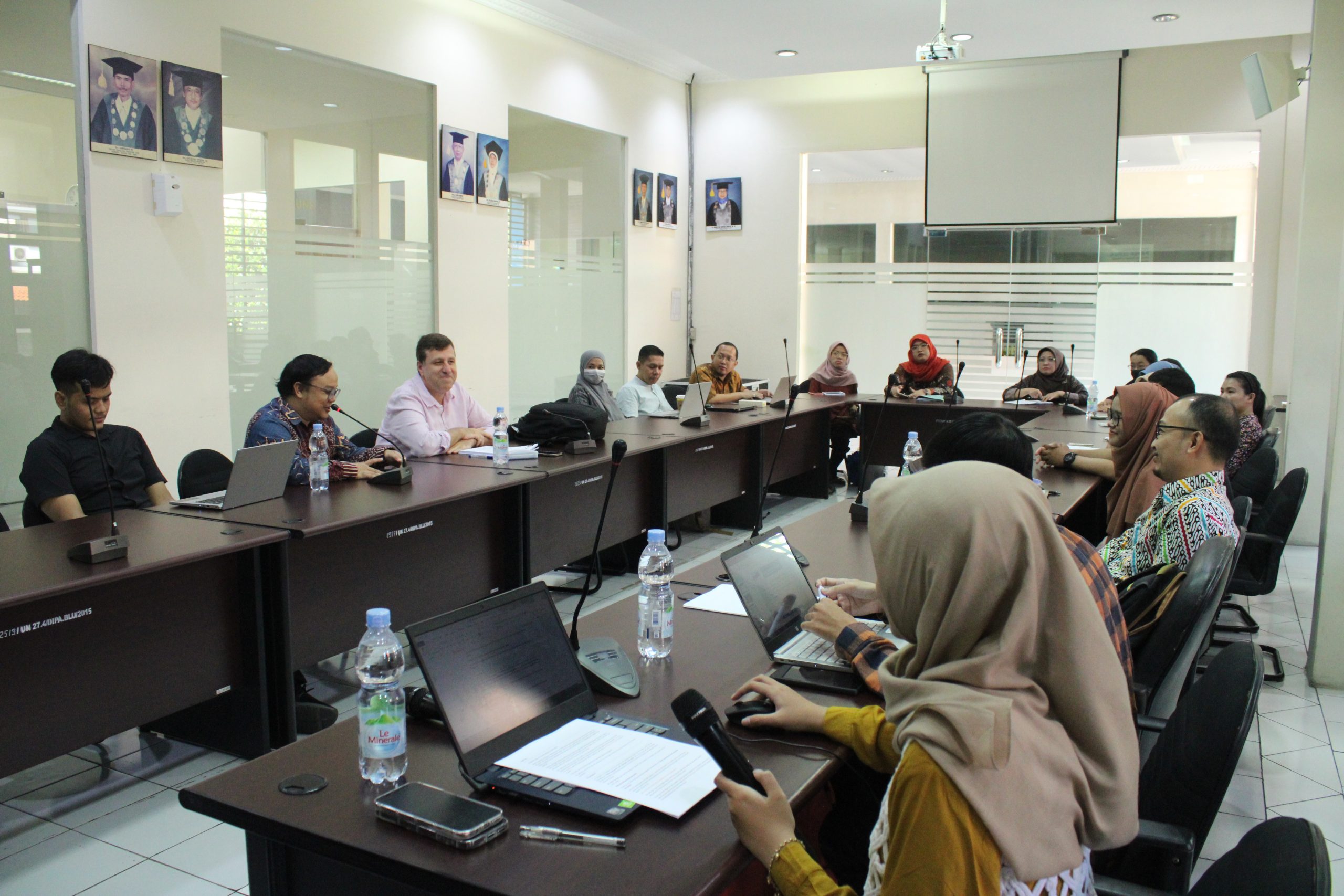
 Representing the FEB UNS leadership, Putra Pamungkas, S.E., M.Rech., Ph.D., Head of the Undergraduate Study Program in Digital Business, expressed his appreciation to Prof. Aysan and the three presenters. He conveyed his gratitude to Prof. Ahmet Faruk Aysan for his willingness to attend and share insights with the presenters, as well as to the presenters for contributing their working papers in the field of finance.
 The first presenter, M. Yusuf Indra Purnama, presented a paper entitled “Robot Deployment and Corporate Risk-Taking,” which examined the economic impact of robot adoption in the industrial sector. His study found that the implementation of robots in industrial firms is associated with a lower level of corporate risk-taking.
 The final presenter, Inas Nurfaida Futri, presented her study entitled “The Success of Social Projects in Online Crowdfunding in Indonesia.” Her research indicated that fundraising activities for social causes demonstrate a higher success rate compared to fundraising initiatives for other purposes.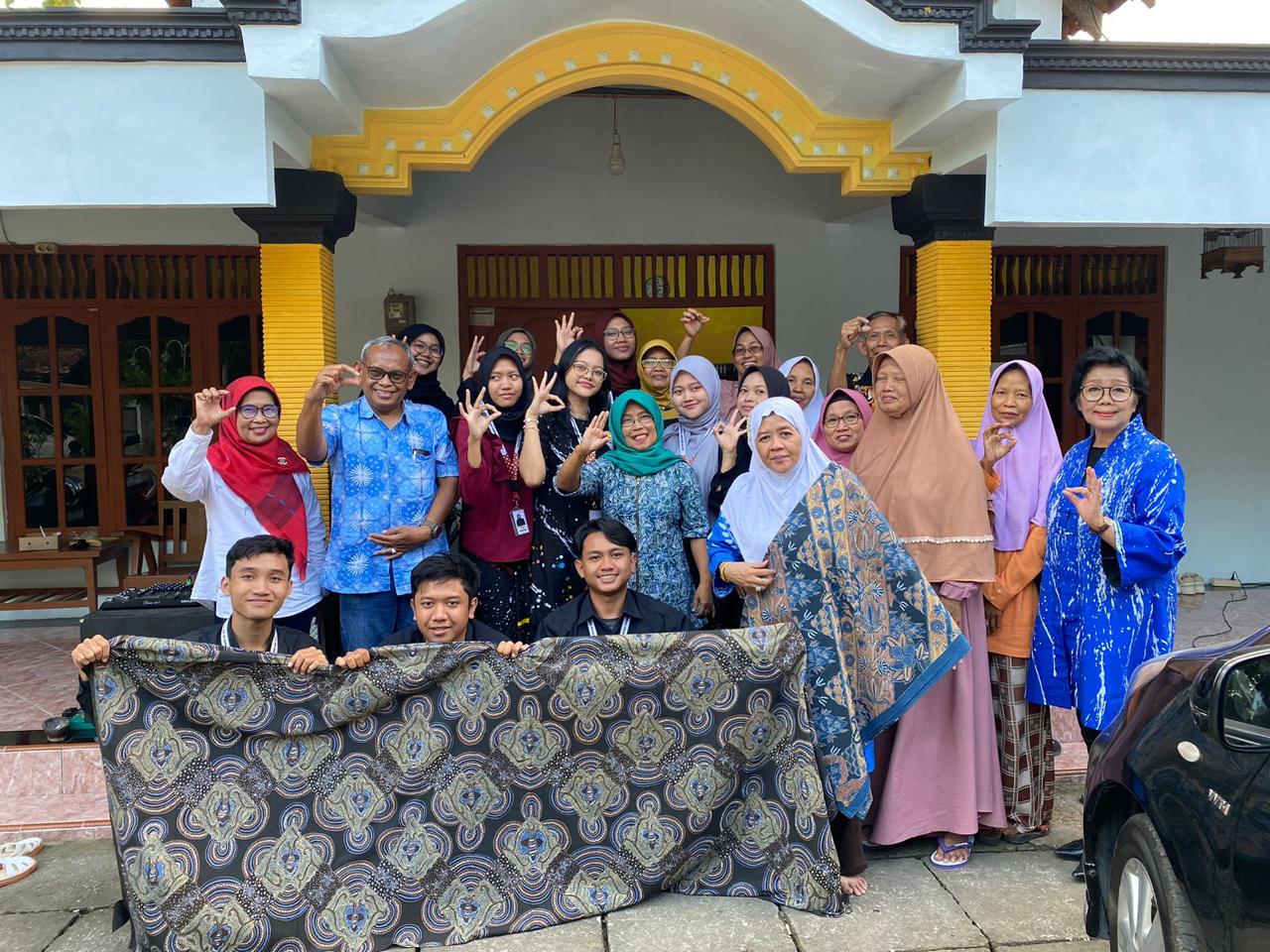
 The community service project, entitled “Development of Digital Marketing and Natural Coloring and Utilization of Heating Machines,” was led by Prof. Dr. Rahmawati, M.Si., Ak., and involved students in various program activities.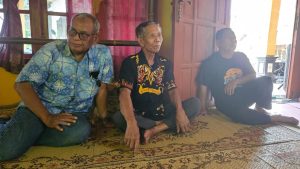
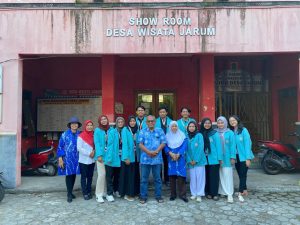 Support also came from local government agencies through the village administration, Bappeda, and the Department of Industry and Trade of Klaten Regency. In order to strengthen the independence of the batik industry in Jarum Village, particularly involving the SMEs of KUBE Putri Kawung, the Ministry of Research, Technology, and Higher Education is consulted about providing support in the form of facilities for the association’s marketing outlets, managerial skill development for partner SMEs, and infrastructure development for information technology-based supply and marketing networks.