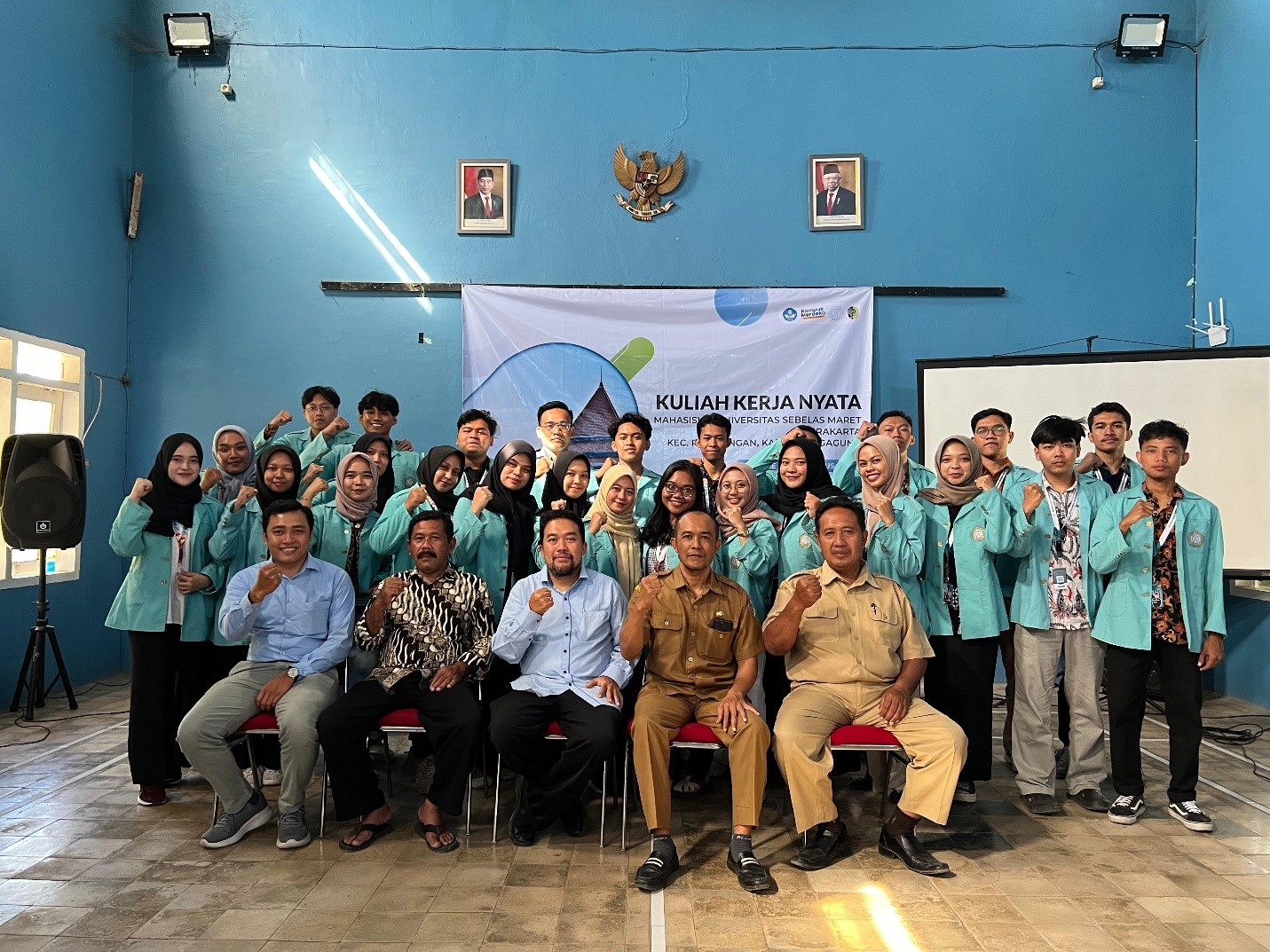
The People’s Economy Research Group (RG) from the Faculty of Economics and Business (FEB), Universitas Sebelas Maret (UNS), has successfully organized a community service activity entitled “Empowerment and Institutional Development of Consumption Fish Farmers in Tulungagung.”
 This activity not only aims to enhance the welfare of local fish farmers but also served as part of UNS’s Students’ Community Service Program (KKN), where students were directly involved in community empowerment.
Held on July 16-17, 2024, the event involved various stakeholders, including students, faculty members, and the local community. A series of educational and training activities were conducted, covering effective fish farming techniques, feed management, and fish production management. Additionally, the primary focus of this initiative was to build strong institutions among fish farmers to increase their bargaining power in the market.
Bhimo Rizky Samudro, S.E., M.Si., Ph.D., Head of the People’s Economy Research Group at UNS, stated that this activity is a testament to UNS’s commitment to supporting a people-based economy. “We believe that with proper empowerment and the formation of solid institutions, fish farmers can significantly improve their welfare,” he said.
 Additionally, students give positive feedback to the KKN program as an integral part of this program. They believed that they acquired valuable experience and practical knowledge that is beneficial for their daily lives and academic endeavors. “Through this KKN, we were able to observe firsthand and see how the knowledge we learn in the classroom is applied in real life by going straight to the field,” said one of the participating KKN students.
One of the fish farmers who participated, Pak Eko, expressed his gratitude to UNS. “We are very grateful for this activity. We have learned better farming techniques and how to sell our harvest at more profitable prices,” he said.
Looking ahead, the People’s Economy Research Group at FEB UNS plans to continue similar activities in various other regions, hoping to empower more communities and build a stronger people-based economy.
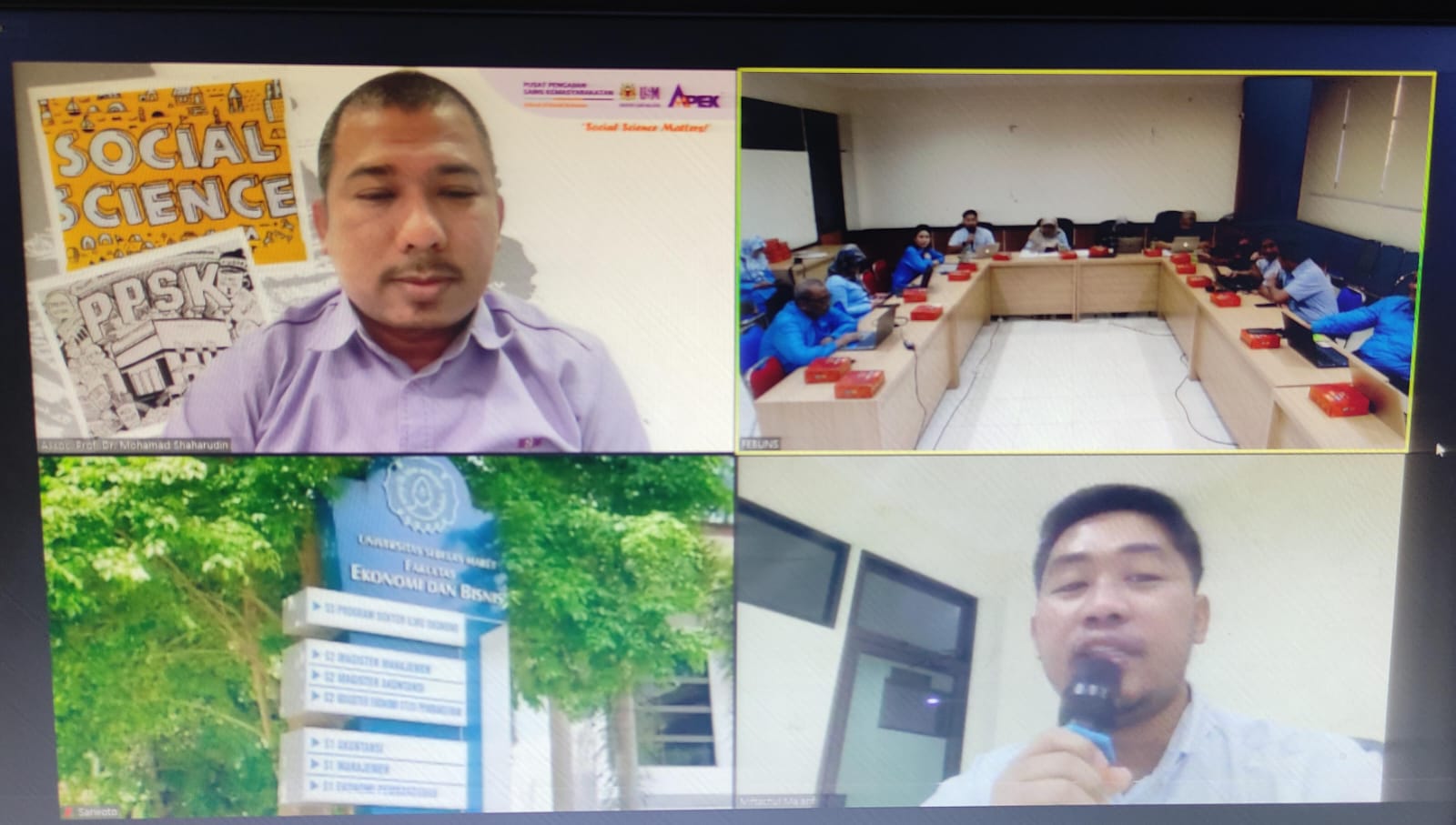
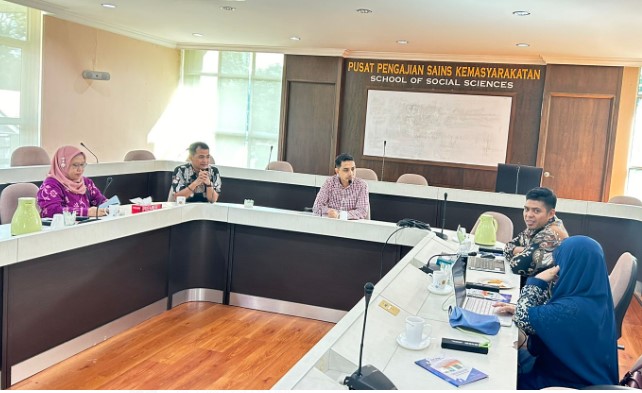
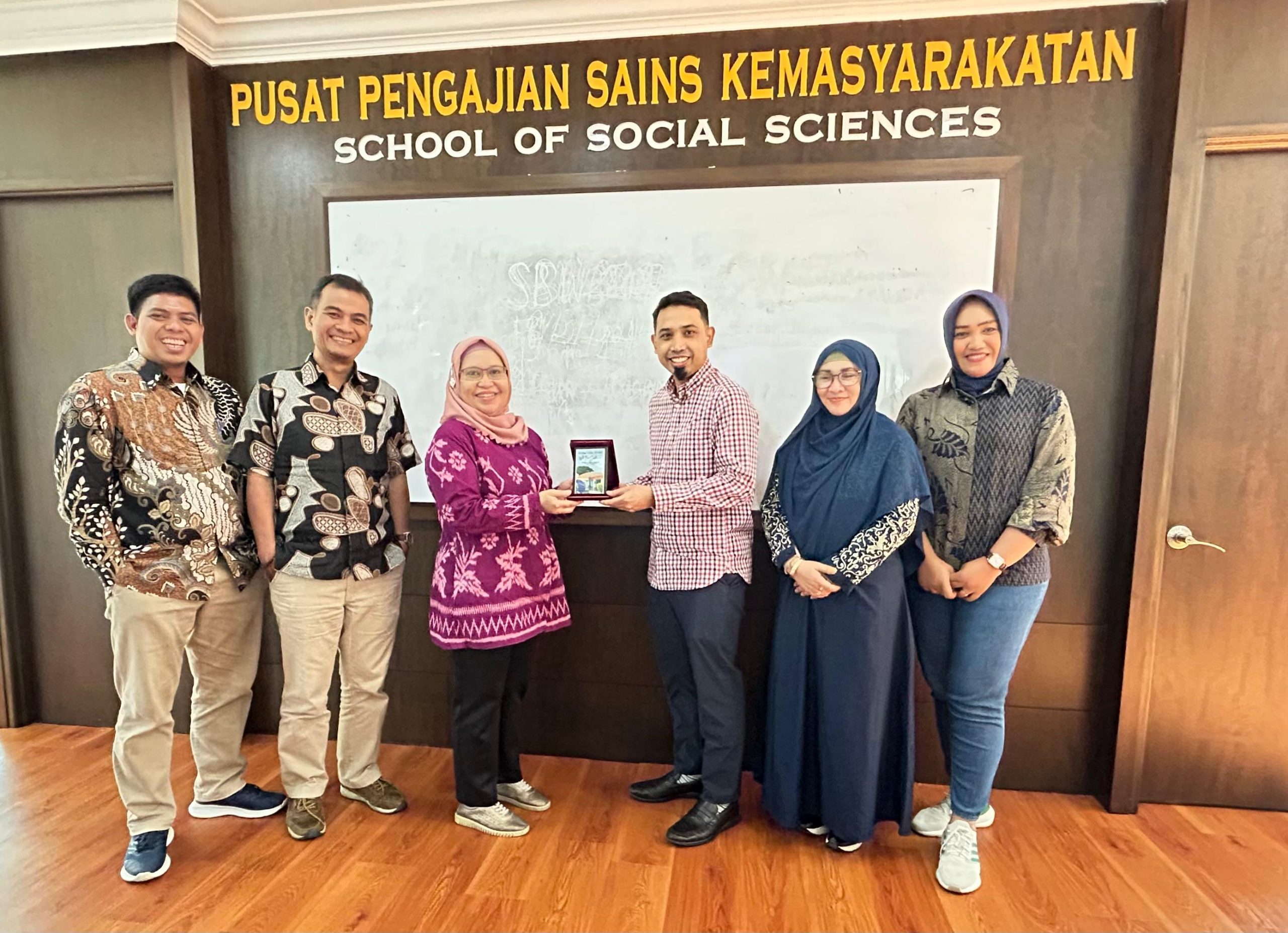
 In her opening remarks, Dr. Dwi Prasetyani, S.E., M.Si., Vice Dean for Academic Affairs, Research, and Student Affairs of FEB UNS, expressed her sincere appreciation to Assoc. Prof. Dr. Mohamad Shaharudin Samsurijan for his willingness to participate virtually and share insights on quality assurance practices implemented at the School of Social Sciences, USM. She conveyed the expectation that the meeting would generate mutual benefits for both FEB UNS and the School of Social Sciences, USM.

 In this context, he highlighted benchmarking as a strategic activity to learn from the experiences of other universities in managing teaching and learning processes, thereby supporting FEB UNS in achieving broader national and international recognition. Prof. Budhi also conveyed his appreciation to Assoc. Prof. Shaharudin and the team from the School of Social Sciences, USM, for their willingness to share experiences and best practices. In the subsequent session, Assoc. Prof. Shaharudin presented a detailed explanation of the quality assurance system implemented at the School of Social Sciences, USM, followed by an interactive discussion with the participants.
 These issues include low motivation for business strategies among entrepreneurs; limited understanding of digital marketing, including e-commerce and social media, as well as digital financial recording; and a lack of awareness about established institutions, their responsibilities, and the benefits for business owners.
 The team also offered training on technology development, including explanations and practical sessions on installing necessary applications for culinary MSMEs. Briefings on the roles, perks, obligations, and responsibilities of institutional administrators and members were provided to the traders to address their knowledge of and use of supporting institutions.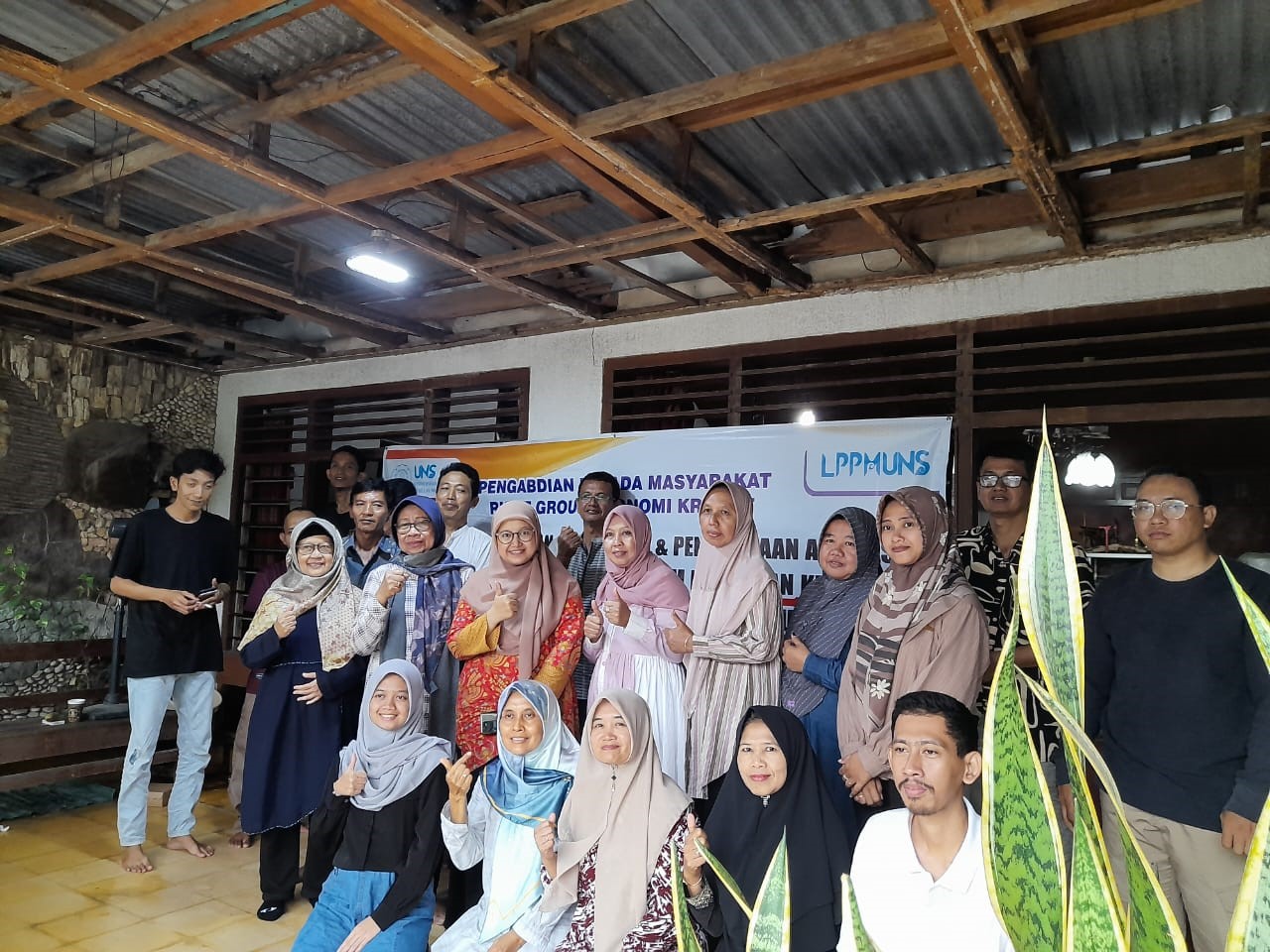
 Each business owner employs between 5 (five) to 7 (seven) residents. The MSME owners are members of an extended family, coordinated by UD. Latansa. Established in the 1990s, these MSMEs faced a downturn in 2012 due to the owner’s lack of managerial skills in running the business, leading to errors in profit calculation and poor bookkeeping discipline, resulting in bankruptcy.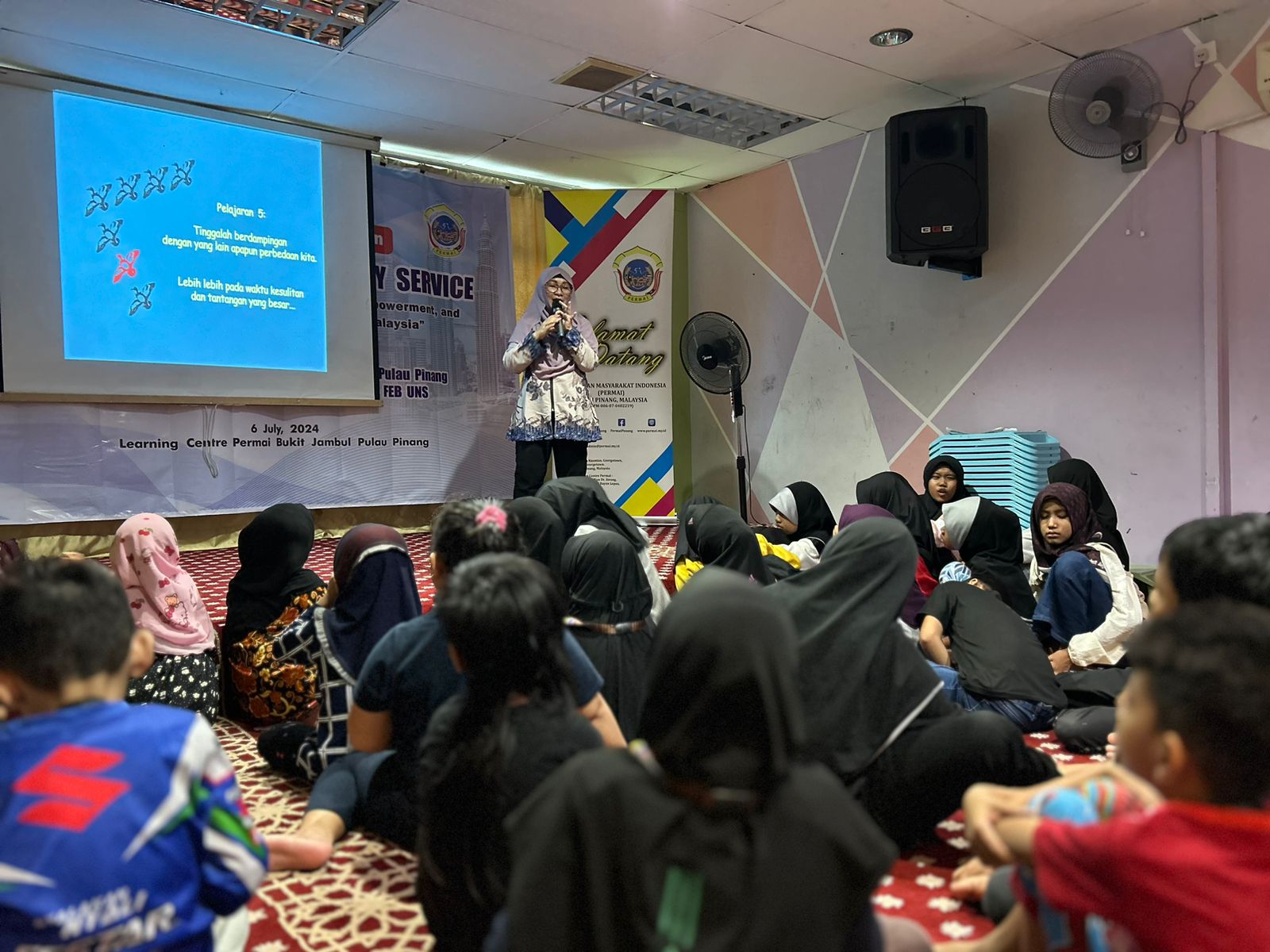
 The MESP UNS delegation was led by the Head of the MESP Study Program, Dr. Evi Gravitiani, S.E., M.Si., accompanied by several MESP lecturers, Prof. Dr. Izza Mafruhah, S.E., M.Si., Dr. Suryanto, S.E., M.Si., Dr. Sarjiyanto, S.E., M.M., and Dewi Ismoyowati, S.E., M.Ec.Dev. The delegation was welcomed by the PERMAI management board, including Khozaeni Ambon as Vice President of PERMAI, Agung Kartajaya as Secretary I of PERMAI, other board members, as well as teachers from Sanggar Bimbingan PERMAI.



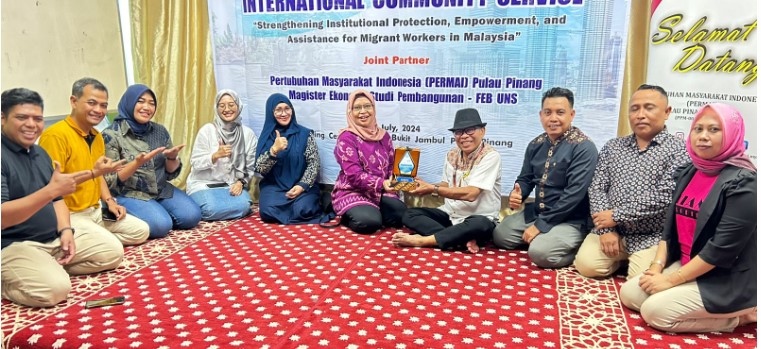
 Through the FGD involving key stakeholders engaged in migrant worker assistance, the activity was expected to inform the formulation of a follow-up international Community Engagement program in the coming year. The planned program will focus on specific themes and roles related to the economic empowerment of migrant workers, both during their employment period in Malaysia and after their return to Indonesia.
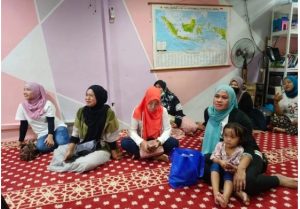
 On the second day, the team carried out Community Engagement activities with children of Indonesian Migrant Workers who are under the care of PERMAI. One of the key sessions focused on learning motivation and the introduction of Indonesian cultural values, delivered by Prof. Izza Mafruhan and Dr. Suryanto.
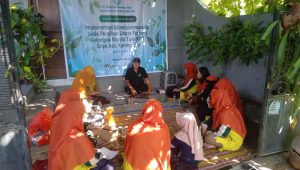 The PKM team from FEB UNS was led by Dr. Falikhatun, M.Si., Ak., CA., SAS., along with members Arif Lukman Santoso, SE., MM., M.Pro., Ak., and Dr. Susanto Tirtoprojo, MM., as members.
 “Murabahah contract is a sales contract for products that are ready for immediate consumption (consumer goods) or ready for use (usable goods), while Salam and Istishna’ contracts are sales contracts in which the goods are ordered in accordance with the specifications requested by the consumer. The difference lies in Salam contract, where full payment must be made upfront, whereas in Istishna’ contract, a Down Payment (DP) can be made first, and the remainder of the costs can be settled after the product is completed, either in one payment or in installments,” explained Falikhatun.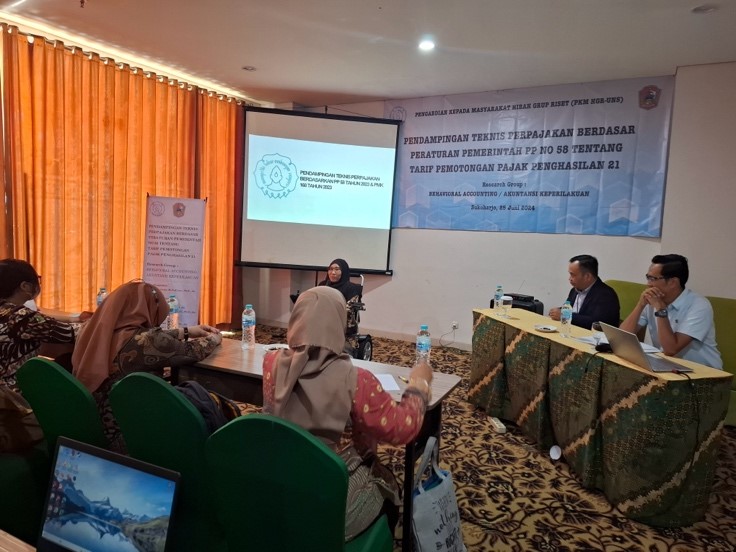
 The team provided technical assistance based on Government Regulation No. 58 Article 21 concerning the Income Tax Withholding Rates.