A scientific forum becomes the best venue for doctoral students to disseminate their research results and to get suggestions and reviews from international academics, thus improving the quality of their publications and building collaboration networks. The Doctoral Program in Economics (PDIE), Faculty of Economics and Business (FEB), Universitas Sebelas Maret (UNS), organizes the International Colloquium on Business and Economics (ICBE) as an annual event.
 At this year’s ICBE, the study program invited 4 (four) speakers from three universities, namely Universiti Malaya, UNS, and Universitas Prima Graha. The four keynote speakers are Dr. Farzana Parveen Tajudeen and Prof. Dr. Noor Ismawati Binti Jaafar, from Universiti Malaya, Malaysia. Prof. Doddy Setiawan, Ph.D., from Universitas Sebelas Maret, and Prof. Dr. Endang Dwi Amperawati, MM., from Universitas Prima Graha.
 Taking on the theme of Inclusive Innovation: “Co-creating digital entrepreneurship with the disabled community and its ecosystem-insight from Indonesia,” ICBE 2024 is organized in collaboration with 6 (six) publication outlets, three of which are Scopus-indexed reputable international journals.
“PDIE FEB UNS has launched a roadmap for an international reputation acceleration program, including increasing research outputs achieved by doctoral students. We hope that this forum can be useful for all of you and contribute to the development of the PDIE program in the future,” said Prof. Rahmawati in her remarks marking the opening of the event.
 Regarding innovation, the first keynote speaker, Dr. Farzana Parveen, delivered material on the development of Artificial Intelligence (AI), which is currently being implemented in various fields, including business and education. Furthermore, related to inclusive innovation, AI plays a role in increasing accessibility for disability community and providing a more personalized learning interaction experience.
Prof. Dr. Noor Ismawati Jaafar in her presentation as the second keynote speaker highlighted the role of digital entrepreneurship in the scope of inclusive innovation, through material entitled ‘Promoting Digital Entrepreneurship with Inclusive Innovation for a Sustainable Society,’ followed by speech from Prof. Dr. Endang Dwi Amperawati entitled Co-creation, Digital Entrepreneurship, Innovation, and Its Role in Disabilities Community.
 The last speaker, Prof. Doddy Setiawan, Ph.D., delivered a material entitled ‘The Role of Accounting in Climate Change Mitigation,’ which focuses on the role of the accounting sector in handling climate change. Further, Prof. Doddy also discussed two of the most recent publications carried out by FEB UNS faculty members related to climate reporting by companies in Indonesia.
The annual event, which was conducted seamlessly for two days on Thursday-Friday, 27-28 June 2024, was attended by representatives from the selected 64 articles, where they were given the opportunity to disseminate and discuss their research in the parallel session.

 ICBE 2024 also awarded the Best Paper Award to three participants with the best article, they are Lilik Nurcholidah with an article entitled “Investigating The Impact of Work Family Conflict, Job Stress On Innovative Work Behavior With Job Satisfaction As a Mediator On University Women Teacher In Indonesia” as the 1st Best Paper. Meanwhile, Lukman Hakim with an article entitled “Disability and Poverty: Study In Central Java Indonesia At Village Level,” and Afif Yoga Perdana with an article entitled “Research Trends And Networks In Sustainability Reporting: A Bibliometric Approach” were awarded the 2nd Best Paper Award and the 3rd Best Paper Award, respectively.
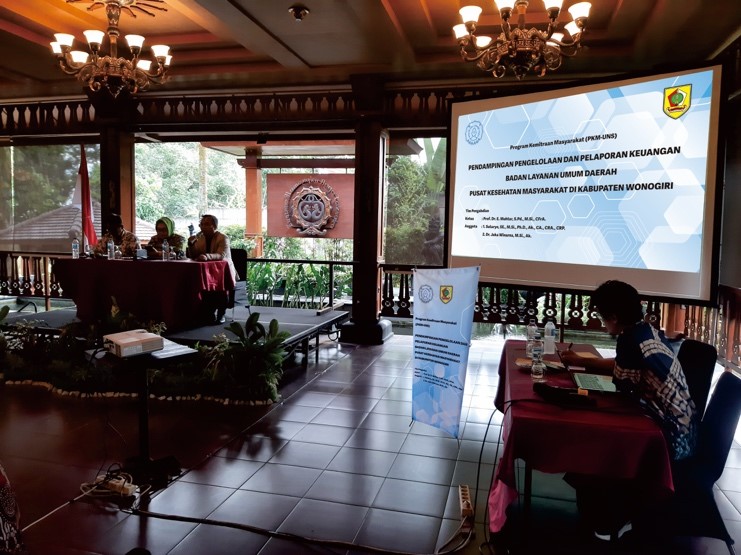
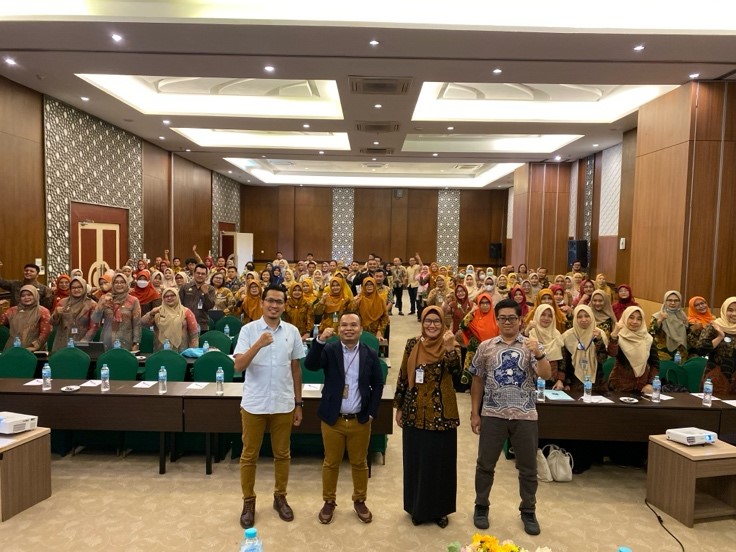
 This PKM-UNS activity was attended by 105 participants representing 21 BLUD UPT Puskesmas in Karanganyar Regency and was attended by Purwati, S.K.M., M.Kes., Head of the Karanganyar Regency Health Office and team.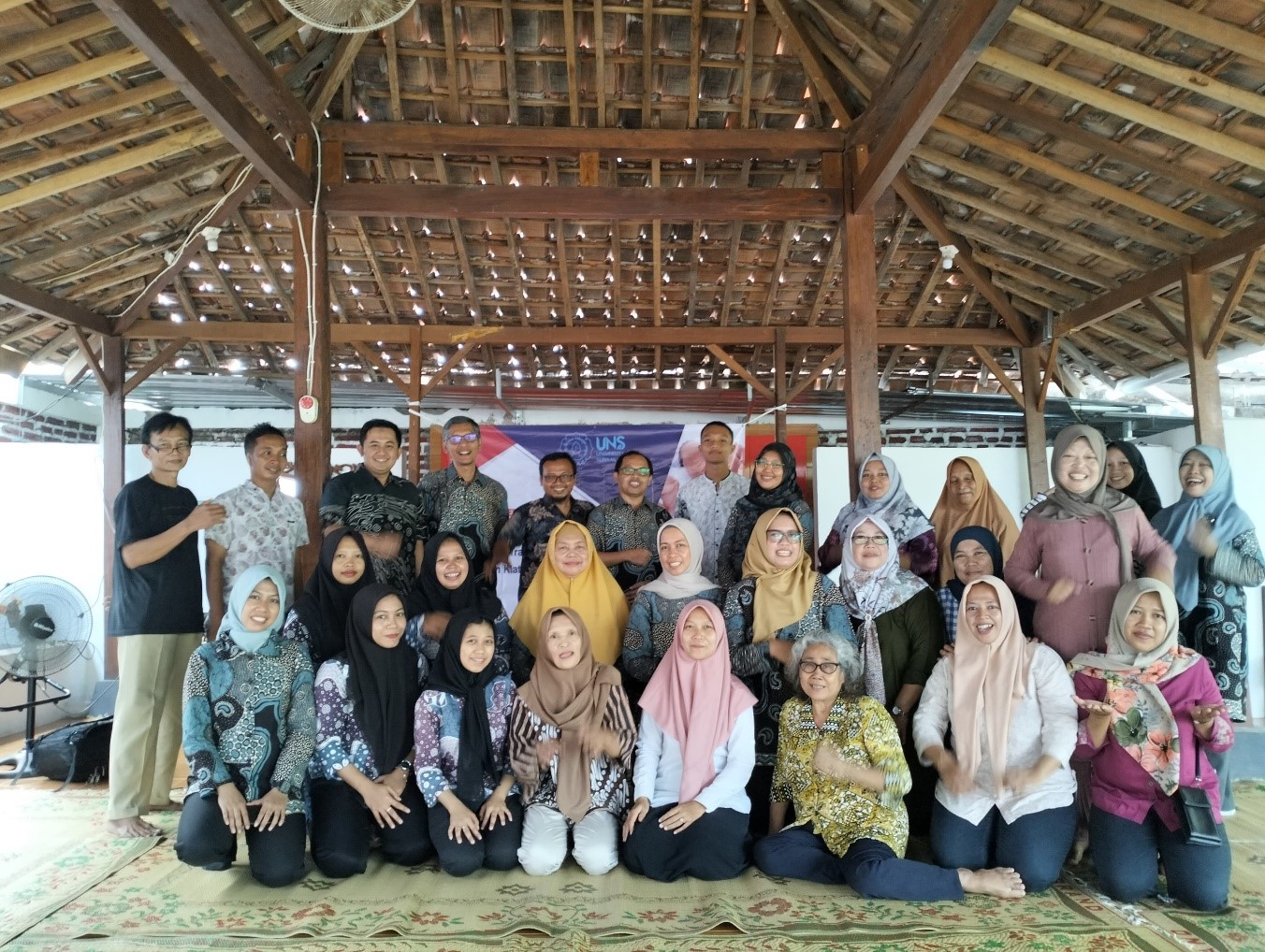


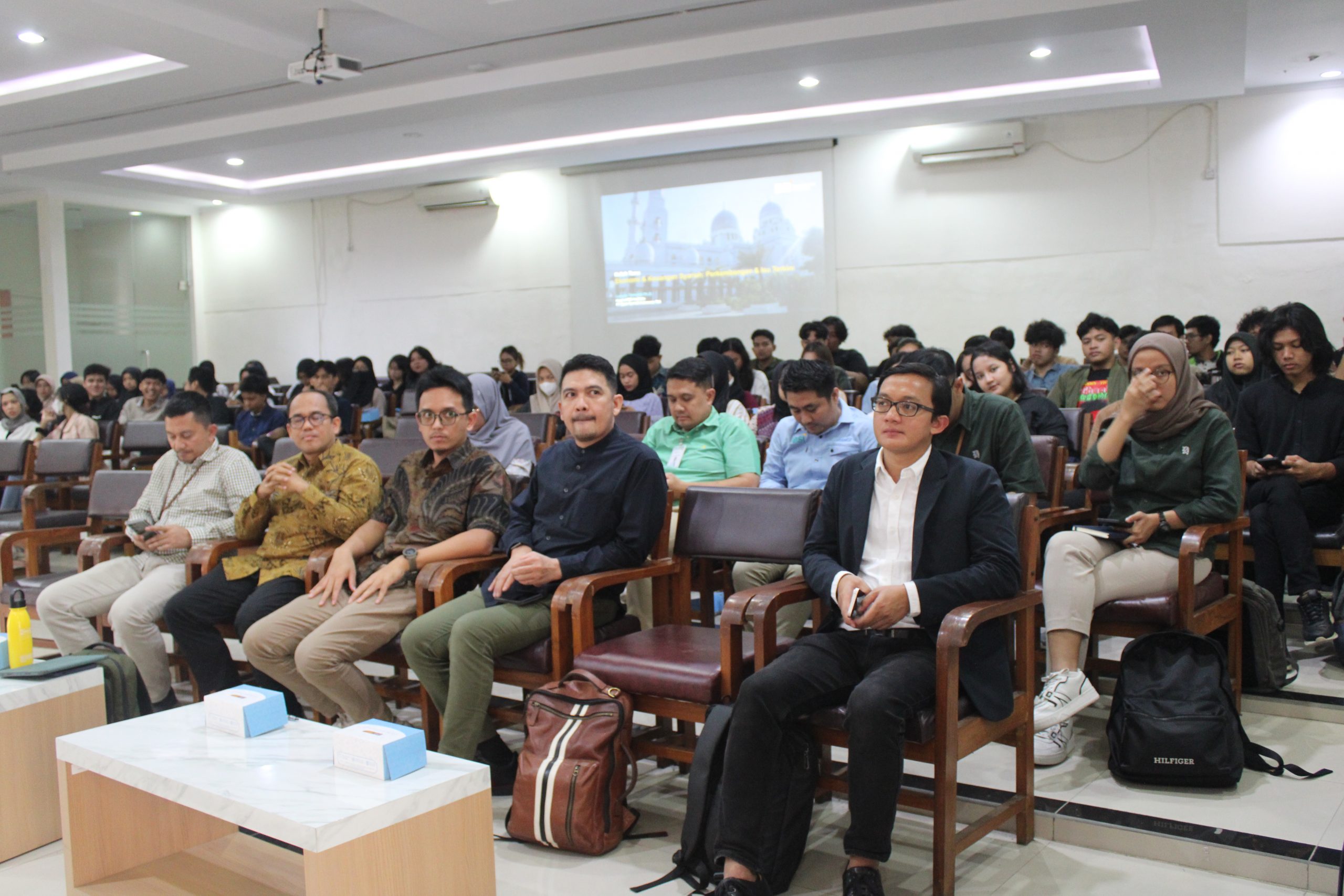


 Why? Because each professor brings expertise in a specific field—like myself, who may have knowledge in finance but not in marketing. Professors complement each other’s skills, yet many are not directly involved in practical fields. This is why it’s essential to hold public lectures and collaborate with external parties,” he explained.
 He further noted that guest lectures like this are vital to enhance students’ capabilities, update their skills, and refine their soft skills, helping prepare them for the workforce. Students must cultivate additional competencies beyond their regular coursework to be well-equipped for future careers.

 “Good morning everyone, Prof. Hurng-Jyuhn Wang, Prof. Doo Chul Kim, and Dr. Yung Yung Chang. It is an honor for us to welcome you to our faculty. We thank you for your visit to FEB UNS. The collaboration between the two institutions aims to increase the two universities’ excellence and encourage innovation, thus, it can benefit the community,” said Dr. Dwi Prasetyani.
 Dr. Dwi introduced FEB UNS faculty members in attendance, among others are the Vice Deans, Dr. Djuminah and Dr. Tastaftiyan Risfandy; the Head of the Master and Bachelor Programs at FEB UNS; the Head of the FEB International team, Tri Mulyaningsih, PhD., and FEB UNS faculty members. Further, Dr. Dwi explained that at FEB UNS, lecturers are required to join a research group, which consists of lecturers with the same field of study. Additionally, Dr. Dwi mentioned that later on, the two universities can discuss certain potential for collaboration, such as international research collaboration and various other activities.
 The Taiwanese delegation, Prof. Hurng-Jyuhn, expressed his gratitude for the opportunity to visit FEB UNS. “For me, this is my second visit to Solo. Every time we visit, we always get a new experience. This city is different from other cities, being a city that used to be a kingdom, hence, it’s rich in history. This visit marks the beginning of our future collaboration,” he said at the beginning of his presentation.
 Prof. Hurng-Jyuhn also introduced the National Dong Hwa University through his presentation, where he mentioned that the National Dong Hwa University was established in 1994, a young but strong university. “Our university is very focused on development, with a campus area of about 251 hectares, where we always maintain and work surrounded by a green environment,” said Prof. Hurng-Jyuhn.
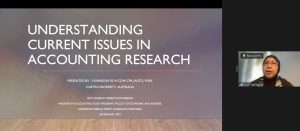 Starting with an opening remark by the Head of the Master’s Program in Accounting, Dr. Wahyu Widarjo introduced the new students to several previous heads of the Master’s Program in Accounting before he assumed the position. He also introduced various stakeholders within the program.
 He also covers the Rector’s Regulation No. 23 of 2020, Article 31, on learning outcomes, emphasizing the importance of timely study completion and the publication prerequisites for graduation. This requirement ensures that each student has at least one scientific paper published in an internationally or nationally accredited journal, listed as Sinta 2 as the minimum requirement.
 Based on Dr. Wahyu’s presentation, the Master’s Program in Accounting facilitates students to become familiar with publication writing as early as possible. Thus, this webinar serves not only as a medium for international exposure for students but also aims to extend students’ understanding of how to start writing and choosing research topics.
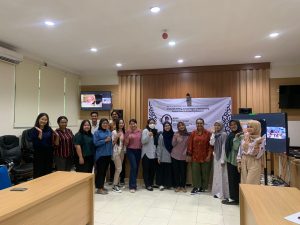 She also highlighted the importance of understanding environmental issues due to climate change, which increases financial risks. In Australia, this research trend is also prevalent and has been implemented, for instance, in companies like AMPOL and VIVA ENERGY AUSTRALIA.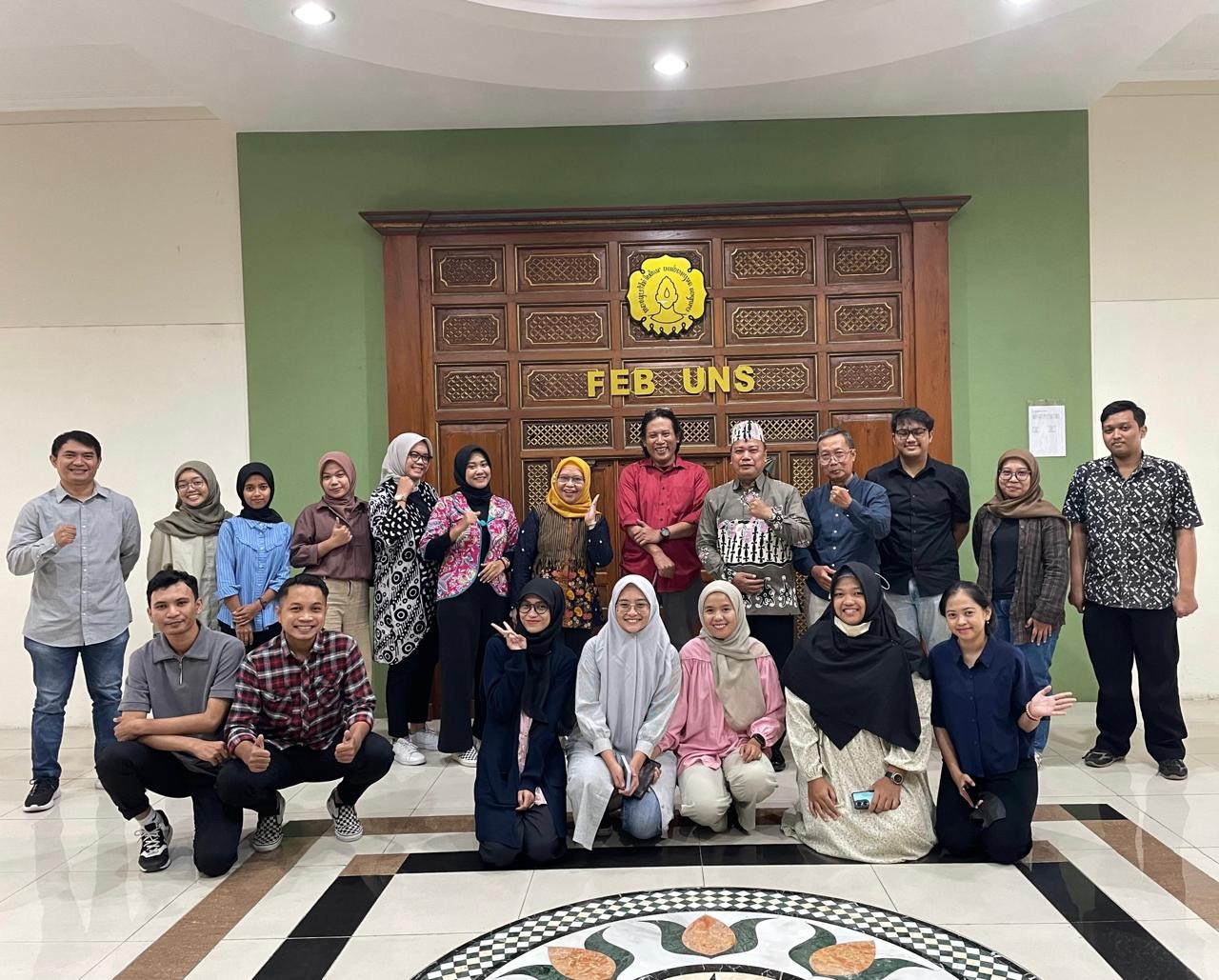
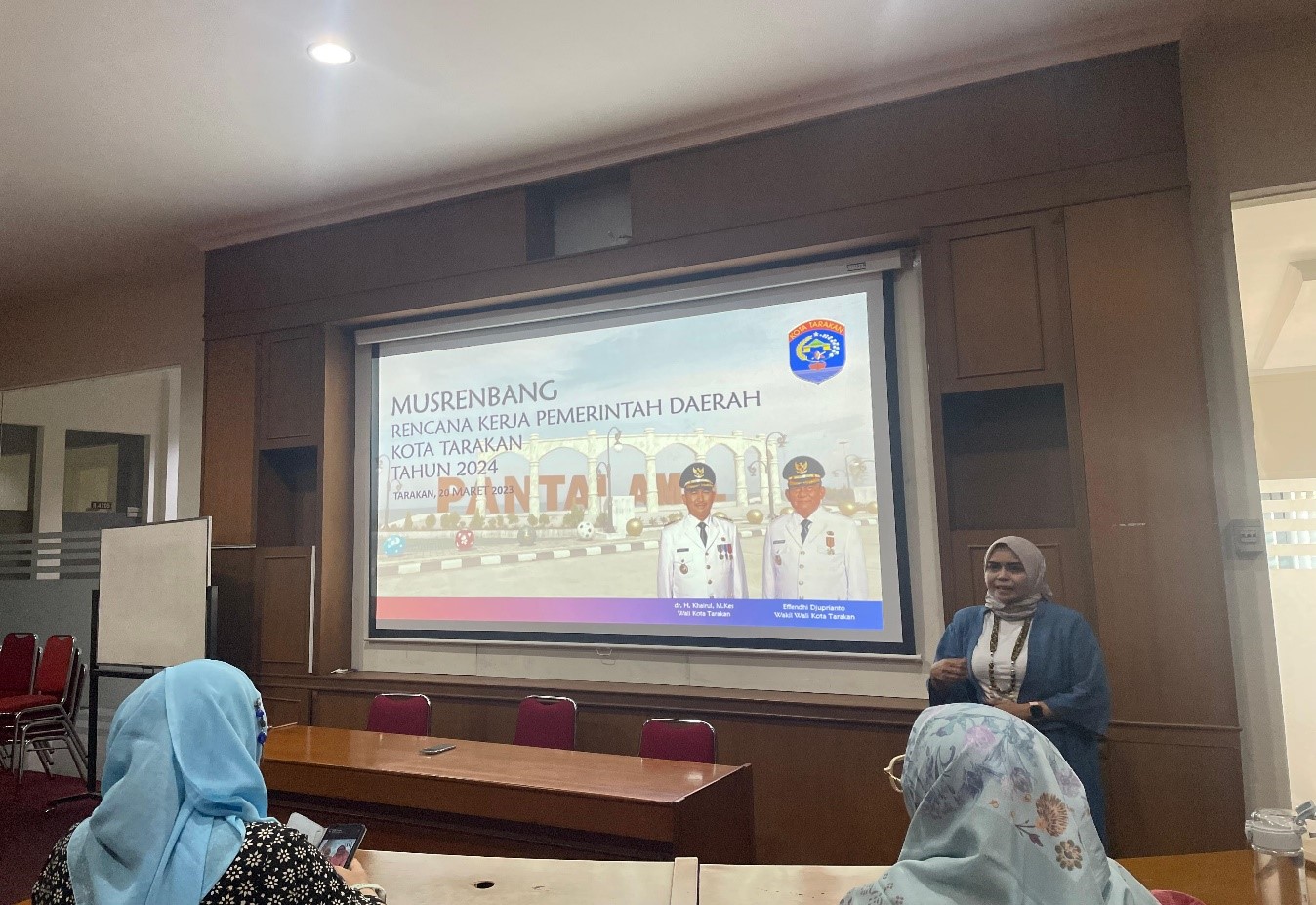

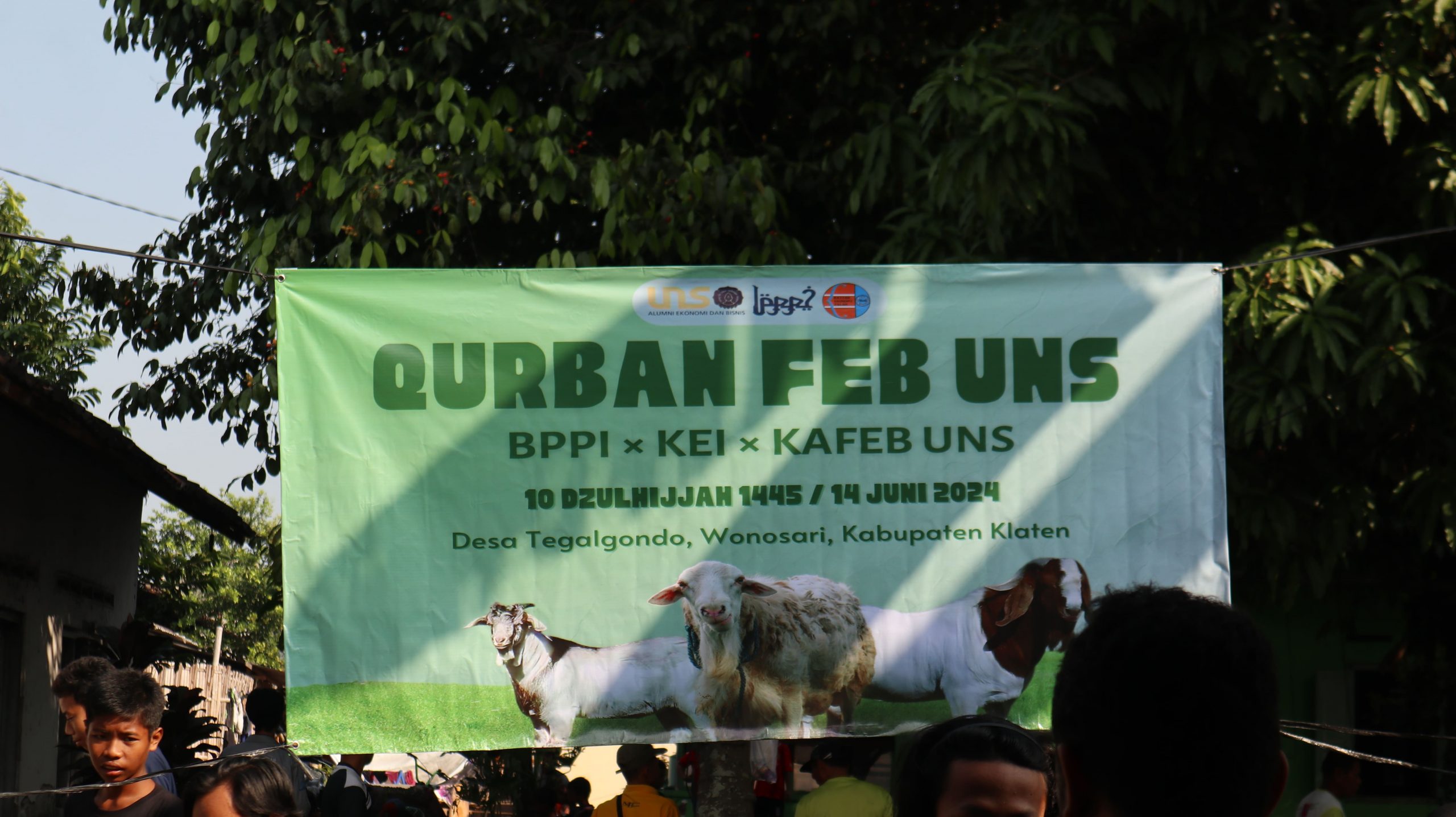
 This event, initiated by the Islamic Study and Practice Board (BPPI) of FEB UNS, served as a means of strengthening networking and demonstrated the active collaboration between BPPI and all student organizations (Ormawa) within FEB UNS, including the Islamic Economics Study Group (KEI), which played a key role in this sacrificial event.
 “Alhamdulillah, for this year’s FEB sacrificial event, we have nine cattle, consisting of five goats and four sheep. May this event strengthen the bonds between BPPI and all Ormawa and KAFEB UNS, fostering greater collaboration,” he said.