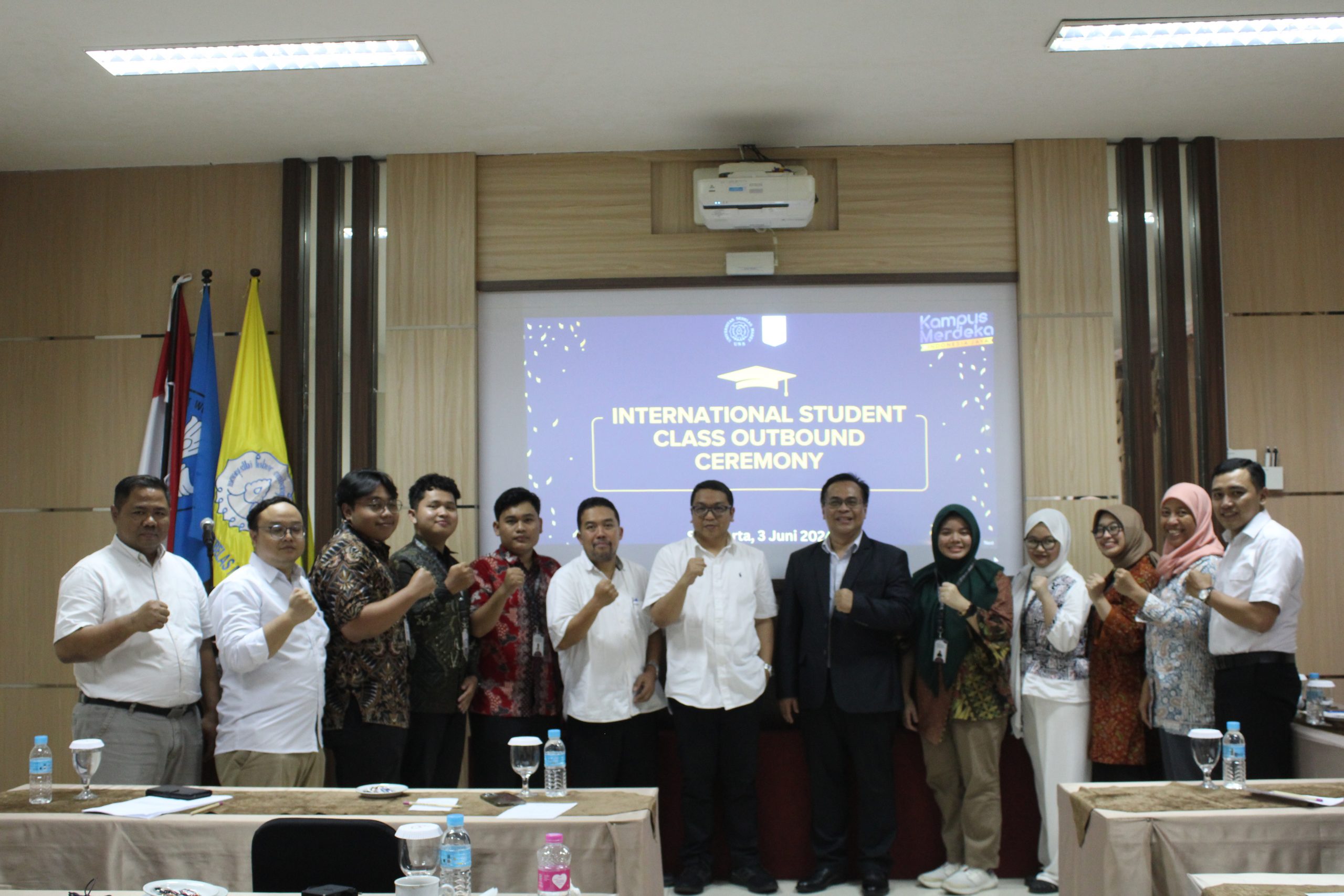
Faculty of Economics and Business (FEB), Universitas Sebelas Maret (UNS), will send 6 international students to attend a short course at Osaka University Japan, June 10-20, 2024. The six students are Alya Faiza, Andika Satria Ramadhan, Rachmadilla Putri Heryanto, and Salsabila Azka Maharani Sasongko from the Development Economics Study Program and two students from the Accounting Study Program, M. Hisham Asadul, and Sandi Bima. The deployment ceremony of the six students was conducted at UNS Inn, Monday 3 June 2024.
Aside from the six international class students, Prof. Irwan Trinugroho, S.E., M.Sc., Ph.D., the Vice-Rector for Planning, Partnership, Business, and Information Affairs, the Head of the Study Program in FEB, and Dr. Jaka Aminata S.E., MA., Head of IE Study Program, Department of Economics FEB, Universitas Diponegoro, also attended the ceremony.
At the beginning of his speech Bhimo Rizky Samudro, Ph.D., welcomed all invited guests at the special ceremony for the deployment of the FEB UNS International Class students to attend a short course at Osaka University Japan.
Furthermore, he said that this short course not only provides opportunities for FEB students to study abroad but also builds international connections with global cultures. “This is a golden opportunity for international students in the Development Economics and Accounting Study Program to build connections and learn about the unique culture at Osaka Japan University,” he said.
 Bhimo also expressed his gratitude to Osaka University for extending its collaboration with FEB UNS. Expressions of gratitude are also conveyed to Dr. Jaka Aminata who also assisted UNS in this short course. He hopes that the six students can enjoy the whole journey to the short course, either during the program or on their trip to Japan, both in academic and non-academic activities. “We believe this program will be beneficial for students and the university in the future,” he concluded.
Meanwhile, Dr. Jaka Aminata S.E., M.A., emphasized that students should take the undergoing short courses seriously. “You must all be serious. If you’re not serious, it will be troublesome for you as a student and also the university because we all carry the UNS name, so we must maintain the good name of UNS,” he advised.
He further explains that students from FEB UNS will join students at Osaka University Japan, where there will be three compulsory courses, namely Research Method, Project Evaluation, and Sustainable Development Goals.
 “So you will take three courses, three exams, maybe a take-home exam. For the course to be delivered for two full days, after that there is an exam, don’t panic don’t be afraid, enjoy. Be a professional student,” he said encouragingly.
Prof. Irwan in his speech said that the short course will be an experience to study abroad for international class students. In the future, UNS will encourage not only short courses but also transfer credits for a semester at partner universities abroad.
 “Have a good trip, you will study at a cross-country university, and will interact with friends from Japan. During the 10 days, you can take advantage of this opportunity to get a cross-cultural experience, by studying culture abroad. There you can also discuss how universities manage their graduates, this can be shared with the study program. My message is, be enthusiastic, you will get a lot of knowledge and experience, get friends, and keep the good name of UNS,” he said.
At the end of his speech, Prof. Irwan also congratulated the Undergraduate in Accounting Study Program and Development Economics Study Program for sending its students to get the experience of studying abroad.
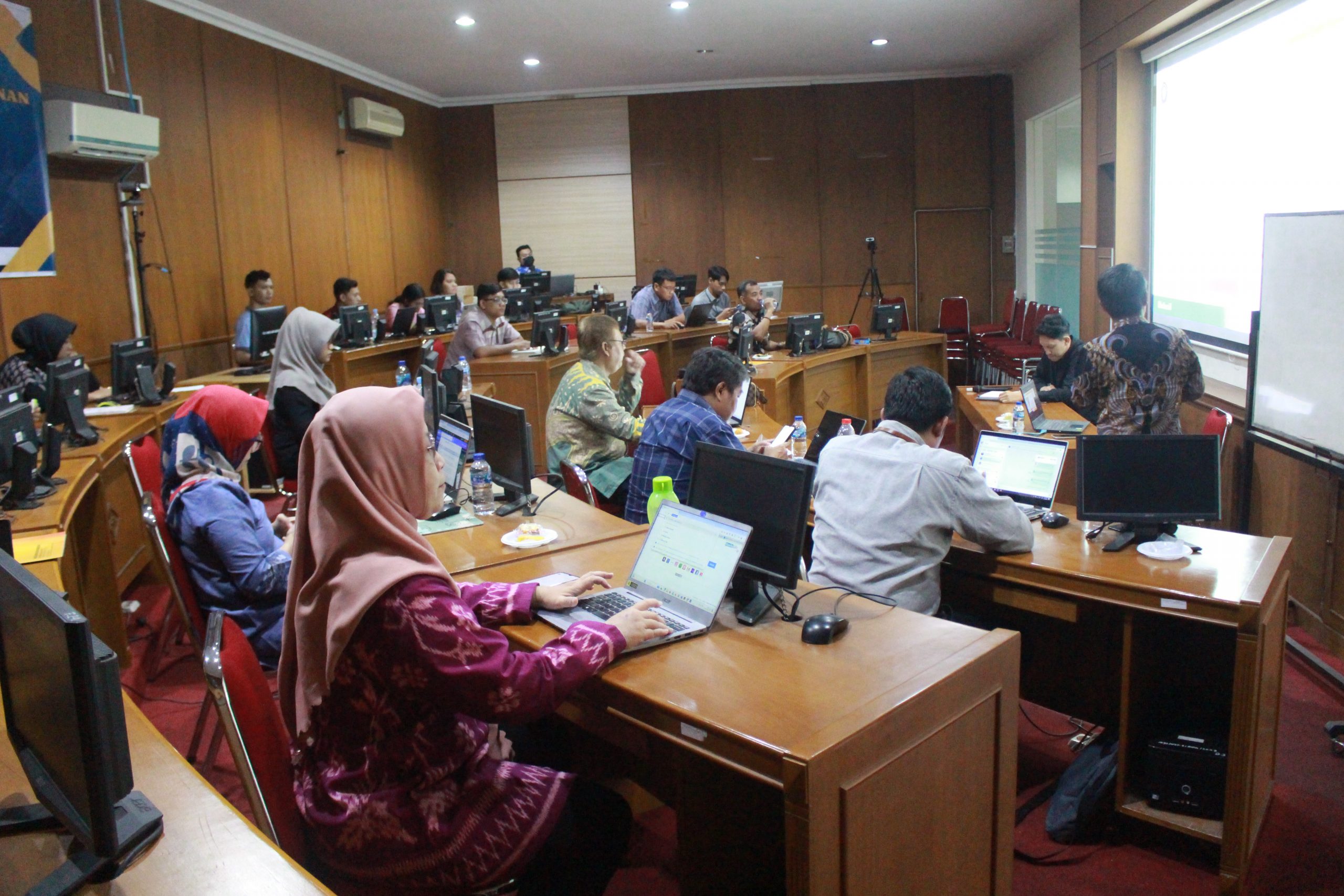
 In her opening remarks, the Head of the MESP Study Program, Dr. Evi Gravitiani, S.E., M.Si., expressed her appreciation to the invited speaker for his participation. She explained that this activity is routinely conducted every two years, with the previous workshop held in 2022. She noted that the session was expected to provide opportunities for sharing and discussion on the formulation of the vision, mission, objectives, and strategies of the MESP Study Program, and hopefully support the maintenance of its “A” or “Excellent” accreditation status.
 Objectives are derived from the vision and mission and should undergo regular evaluation and review to remain aligned with ongoing and future developments. Strategies, meanwhile, describe the processes for carrying out the mission and realizing the vision through the achievement of strategic objectives, with clear outputs and impacts that enhance competitiveness through effective and efficient use of available resources at both national and global levels.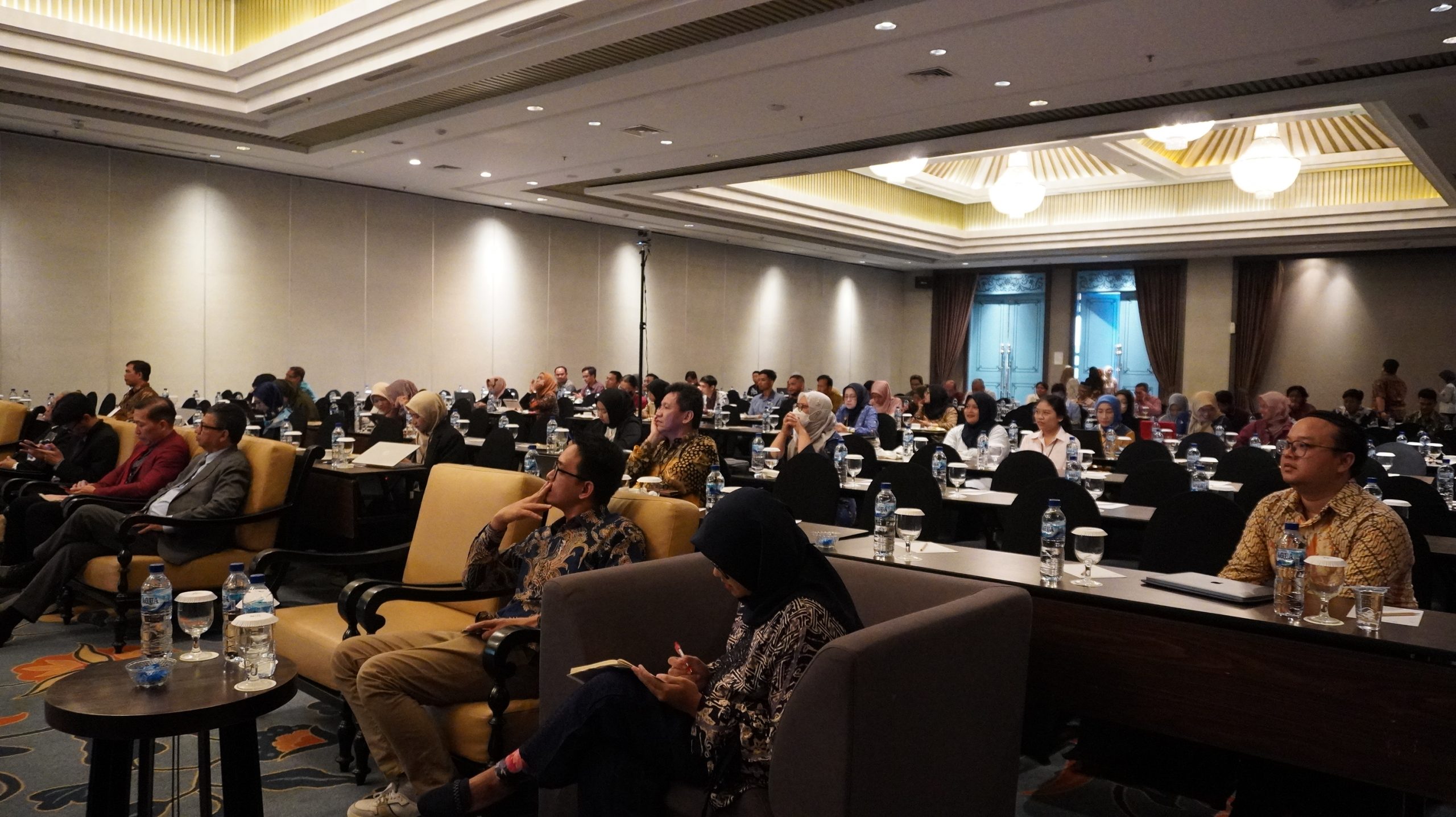



 The three presenters who received the Best Paper award were Antonius Grivaldi Sondakh from Gadjah Mada University, with an article entitled Competitive Information Systems and Knowledge Sabotage: The Moderating Effect of Group Identity, Hadi Ismanto from Doctoral Program in Economics (PDIE) FEB UNS with an article entitled the Role of Sales and Investment on Environmental Performance of Publicly Listed Companies in Indonesia, and Mohamad Egi Destiartono from Universitas Sebelas Maret with an article entitled Does Digitalization Foster Economic Development: Evidence from Emerging Economies.
 The Bachelor in Management Study Program, Faculty of Economics and Business (FEB), Universitas Sebelas Maret (UNS) Surakarta, held a Guest Lecture on Human Resource Management II, with the topic Current Issues and Theoretical Development in HRM, on May 18, 2024. In this activity, the study program presented guest lecturers from Universiti Putra Malaysia, Assoc. Prof. Dr. Zuraina Dato’ Mansor.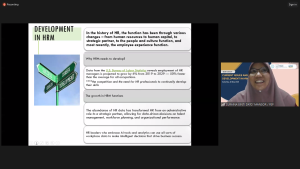
 Marking the advancement of the partnership, a Memorandum of Agreement (MOA) between DDTC and FEB UNS on Education Development and Improvement was signed on Monday, May 20, 2024, at UNS Tower, Surakarta.
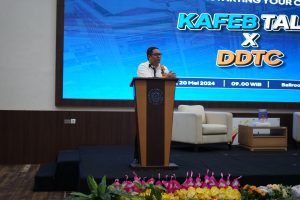 The signing of the MoA was also witnessed by the Chair of the UNS Academic Senate, Prof. Tulus Haryono, Executive Chairman of KAFEB UNS, R. Andiona Boedisoejoto, as well as the Chairman of Dharma Bekti Foundation KAFEB UNS Jati Haryanto.
 The founder of DDTC, Darussalam, said that the institution is open to various activities and partnerships that would be carried out after the signing of the MoA. One of the activities that can be done is joint research and internship.
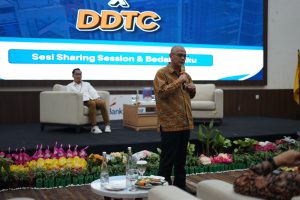 The Vice-Rector for Planning, Partnership, Business, and Information Affairs UNS, Prof. Irwan Trinugroho welcomed the partnership. According to him, UNS will continue to establish synergies and collaborations with various parties, including DDTC, to create graduates who suit the needs of the industry. Moreover, UNS and DDTC have also signed a memorandum of understanding (MOU). In addition to FEB UNS, DDTC has also signed a cooperation agreement or MOA with UNS Vocational School.
 In addition to the signatory ceremony of the MoA between DDTC and FEB UNS, there were two side agendas at this KAFEB Talk X DDTC event. First is the book review for the DDTC’s latest book entitled Basic Tax Concepts: Based on an International Perspective, which is the 24th book launched to coincide with the DDTC’s 17th anniversary on August 20, 2024. This book was written by Darussalam alongside DDTC Founder, Danny Septriadi and Tax Expert, CEO Office DDTC, Atika Ritmelina Marhani. In this event, DDTC also distributed books to the UNS Rectorate Office, FEB UNS, and KAFEB UNS. Furthermore, some of the selected participants also received this book exclusively.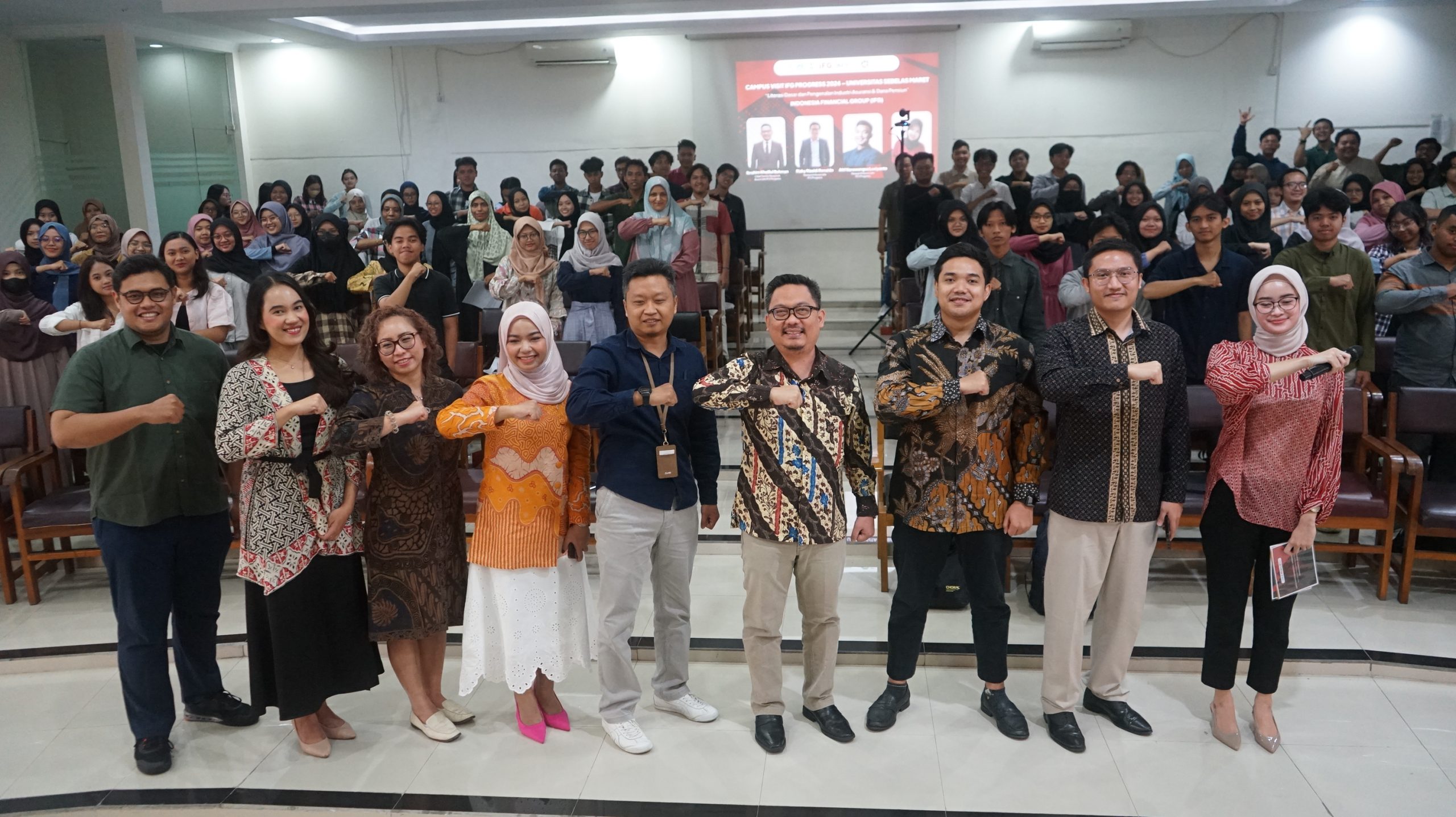
 In general, the role of non-banking financial institutions such as insurance and pension funds does not eliminate all kinds of risks that occur, but instead to mitigate risks.
 IFG Progress serves several functions for public publication, research, and education as it is ongoing today.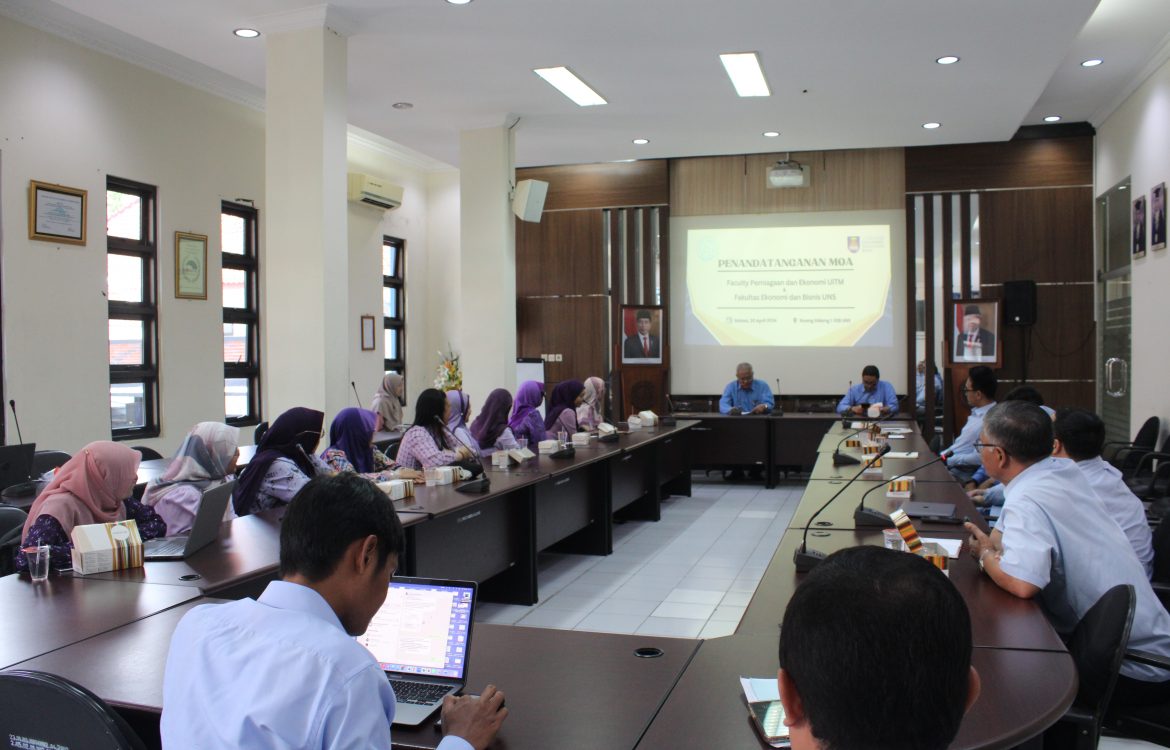

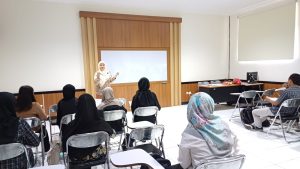
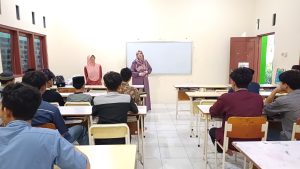 In the forum, Tastaftiyan Risfandy, Ph.D., Vice Dean of Planning, Business, Partnership, and Information conveyed several collaborations that had been carried out between FEB UNS and UiTM, where in the previous year FEB UNS faculty member had the opportunity to teach at UiTM, research collaboration with UiTM, and there was also an opportunity to create a business journal competition.
 Prof. Irwan also emphasized that the cooperation between FEB UNS and UiTM shall really be implemented. “I don’t like it if we sign a cooperation agreement but there is no activity, the activity must be implemented, in one year I will evaluate to see to what extent the agreement program implementation is and the extent of the real activity implementation,” he said.

 Dr. Dwi Prasetyani, Vice Dean of Academic, Research, and Student Affairs FEB UNS, in her remarks, said that in this activity, participants could collaboratively oversee the formation of international units at FEB UNS. A jointly owned unit, where there is a representative from all study programs at FEB UNS.


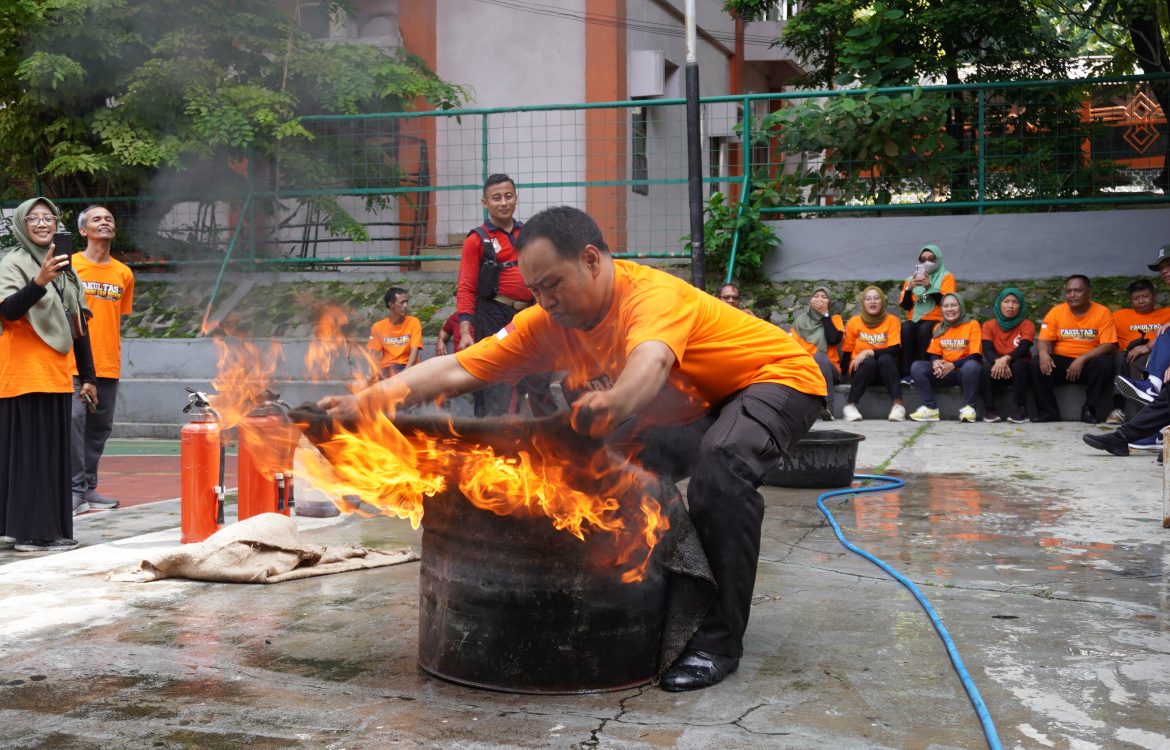
 Examples include ensuring that buildings have safe evacuation routes, installing smoke detectors, and training human resources in the use of light fire extinguishers (APARs) and emergency procedures.
 Fire mitigation training and simulation of the use of APAR is an important step in improving the safety and preparedness of the FEB UNS Academic Community in dealing with potential fire disasters. This training aims to equip the Academic Support Staff (Tendik) with the knowledge and skills needed to deal with fires quickly and effectively.
 Iwan said, at the same time an inspection visit is scheduled for several buildings. It is possible to add the necessary tools so that FEB UNS can be fully equipped with all K3L facilities in the future.
 The instructor also explains how to isolate fire from oxygen, one of which is the traditional way of using gunny sacks, towels, or any type of fabric, as long as it is not synthetic fabrics.
