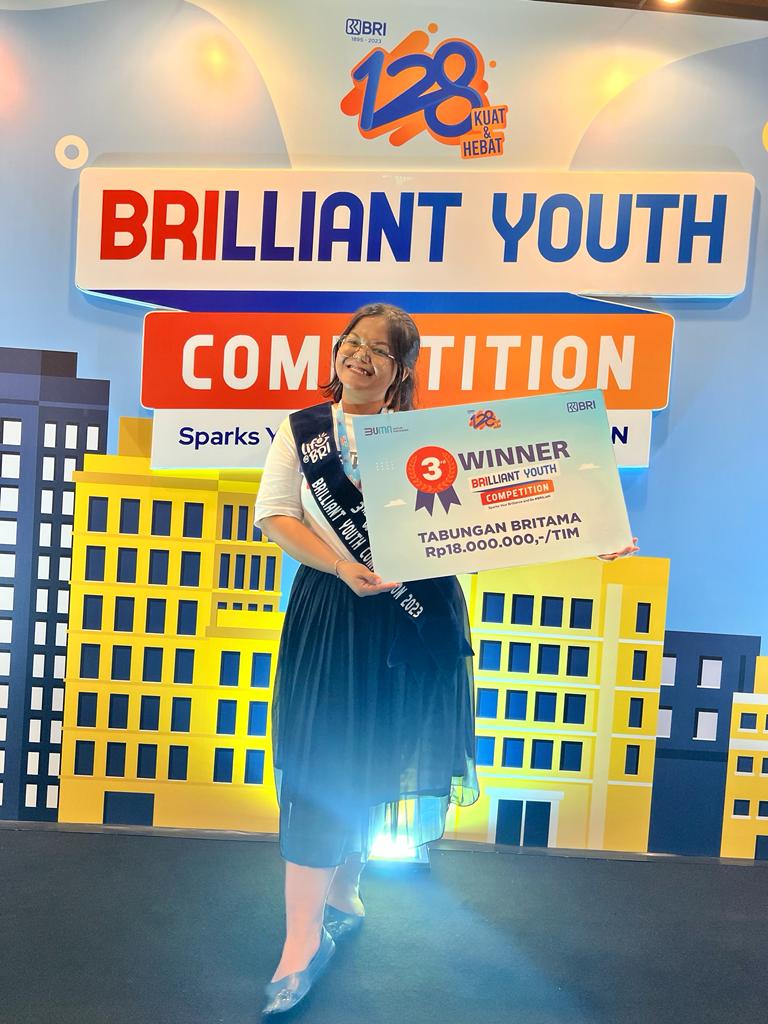
The Brilliant Youth Competition (BYC) is a Business Case Competition organized by LifeatBRI on November 30 – December 1, 2023 in Jakarta. Through this competition, students can get up to IDR 75 million in funding, internship opportunities, and a career opportunity at Bank Rakyat Indonesia (BRI).
The BYC opens wide opportunities for students and fresh graduates (undergraduate level) with a competitive, collaborative spirit, and strong courage to show their potential in building creative and innovative ideas to support the nation’s economic growth, especially for the future Indonesian banking industry.
The student of the Development Economics Study Program, Faculty of Economics and Business (FEB), Universitas Sebelas Maret (UNS), Magdalena Asmara was the only UNS delegate participating in the competition.
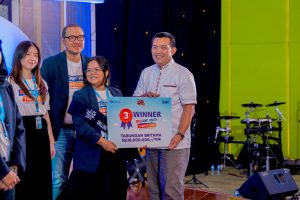 Her strong motivation and enthusiasm to participate in BYC finally paid off with her success in taking home the 3rd Place championship title in the Competition. This competition is not the first business case competition for Magdalena. She has often participated in similar competitions and often also takes home an award trophy.
To feb.uns.ac.id, Magdalena explained that the main reason she likes business case competition is because of her interest in the banking and fintech world. This race for her is challenging, fun, and full of opportunities for her.
Magdalena also explained that in the BYC competition, there are several screening stages that must be passed by each participant. Starting with administrative document screening, where participants submit their curriculum vitae and motivation letter, at this stage 30 finalists are selected from the total of 1,400+ participants coming from 11 universities in Indonesia. In the next stage, the 30 finalists were grouped into 10 groups, which were determined based on the proportion of the case theme selected by the participants. Then at D-7 of the race, each group was given a new case that they needed to review through the brainstorming process, analyzing case the groups can use various methods or tools such as SCQA, pastel tows, etc., or alternatively, they can do strategy discussions and presentations.
“Other than that I just need to prepare myself, make sure to always think positively, be optimistic, and don’t give up easily, just be confident,” she said.
Behind all the selection stages, of course, there are some challenges faced by the FEB UNS student. The challenge she must overcome in this competition is related to how participants shall ‘not only serve the best’ but also have to ‘make it different and interesting’. Moreover, each team is formed based on the screening process carried out by the committee, thus, all members face new and new environments for the first time. Thus, in this aspect, students also face different challenges in terms of teamwork and team agility.
Tips and tricks that are effective in this race, according to Magdalena are with “PDKT” (approach). “Participants must approach the company profile, values, and goals. They should also not forget to approach the team members, because no matter how good an idea is, if it is not followed with mutual cooperation and good teamwork, it will be less perfect,” she said.
Finally, Magdalena revealed one of her life motto and motivations so far. “Don’t be afraid to fail, just keep on trying until we exhaust our allotment to fail and finally succeed.”
Hopefully, her statement can provide encouragement for all of us to keep on trying and never be afraid to fail.
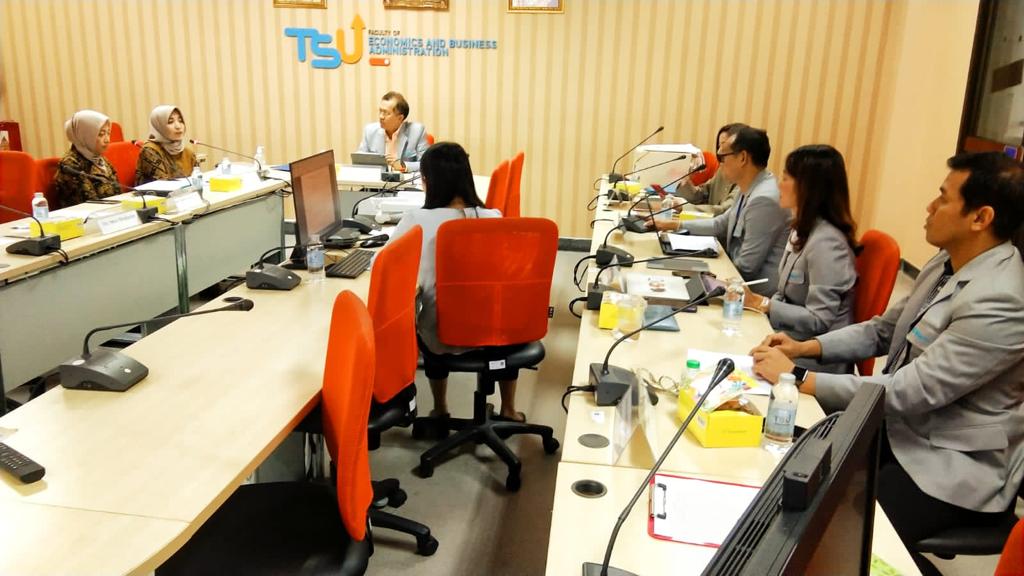
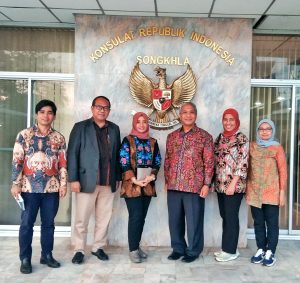
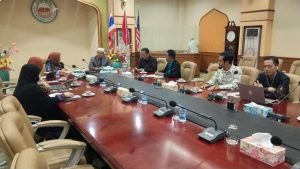
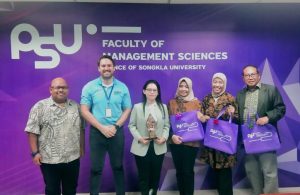
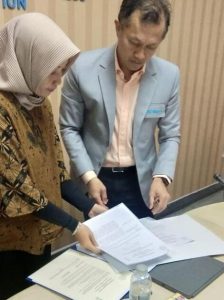
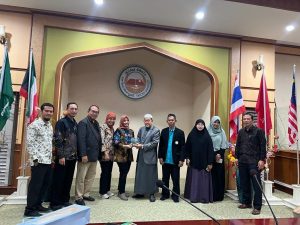 On the last day of the visit, there was a revision and follow-up discussion with PSU to strengthen the cooperation agreement and send a final MOA to be signed by the President of Thaksin University.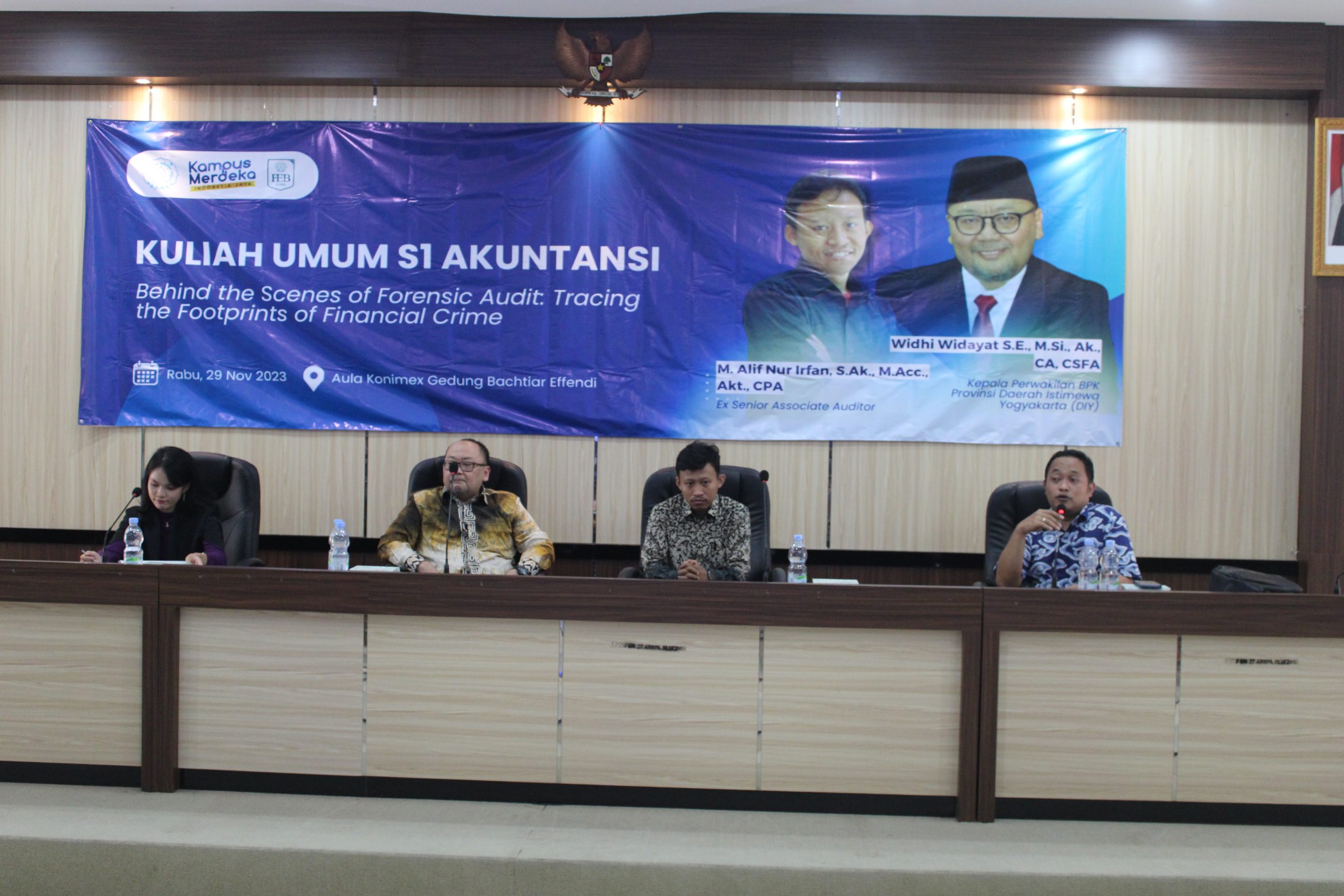
 That gap must be aligned by a process called audit. The audit process shall be conducted by an independent party acting professionally in accordance with the code of ethics and standards.
 This also encourages the development of the theory on how to identify when a fraud occurred. “The motive of fraud keeps growing, initially due to pressure, also because of capability or ability, this is mainly because usually fraud is carried out by people who have great authority in an entity. As the theory grew, a new causative factor called arrogance emerged. The arrogance of someone with a very high position, who feels untouchable or not bound by the rules, as well as the feeling of legal immunity, thus, they feel free to commit fraud,” he said.
 The series of investigative examinations includes pre-planning, planning, implementation, and reporting.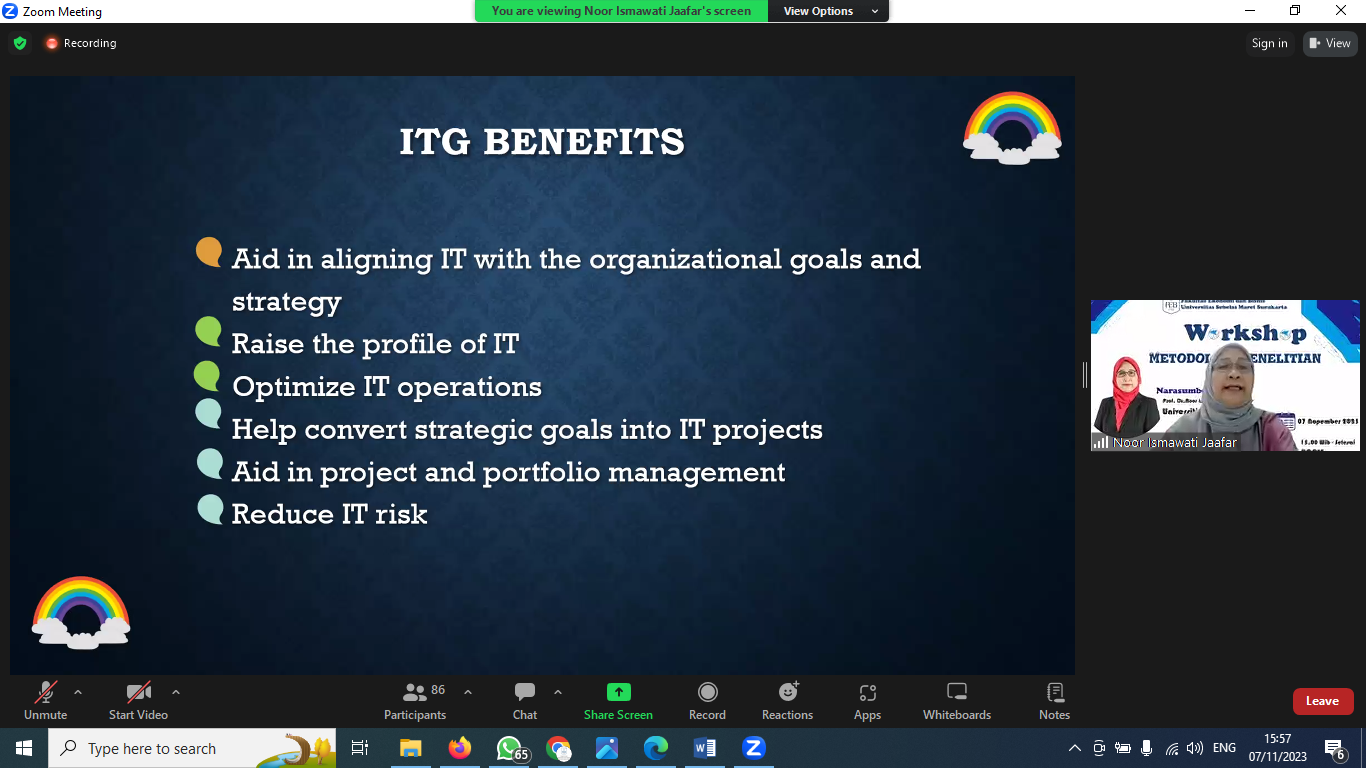
 Opening the session, Prof. Noor said that in Research in Organizations, there are several challenges and skills that a researcher needs to minimize the possibility of failure in an IT implementation project.
 “IT governance is actually a combination of numerous aspects. Therefore, this involves people from the IT department. It involves people from the accounting department. It also involves people from the strategy section. Hence, we can see how complex the problems related to IT management in the organization are,” explained Prof. Noor in her explanation related to the definition of IT.
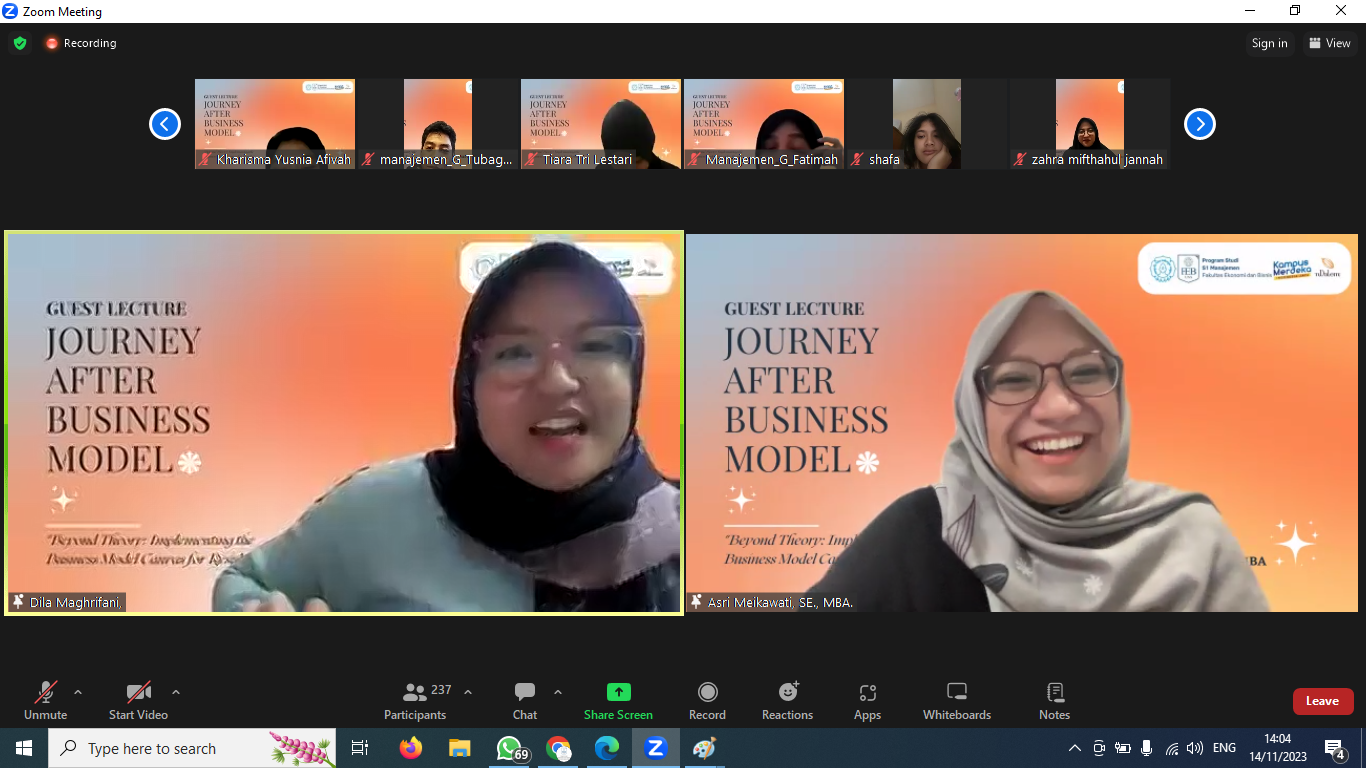
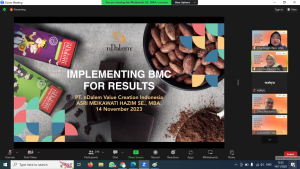 In business development, the justification and objective can change. Even so, the important thing is that we are not lacking new objectives and consistency in maintaining business. Because sometimes many are discouraged in the middle of the way. We also have to learn more about the business we are in.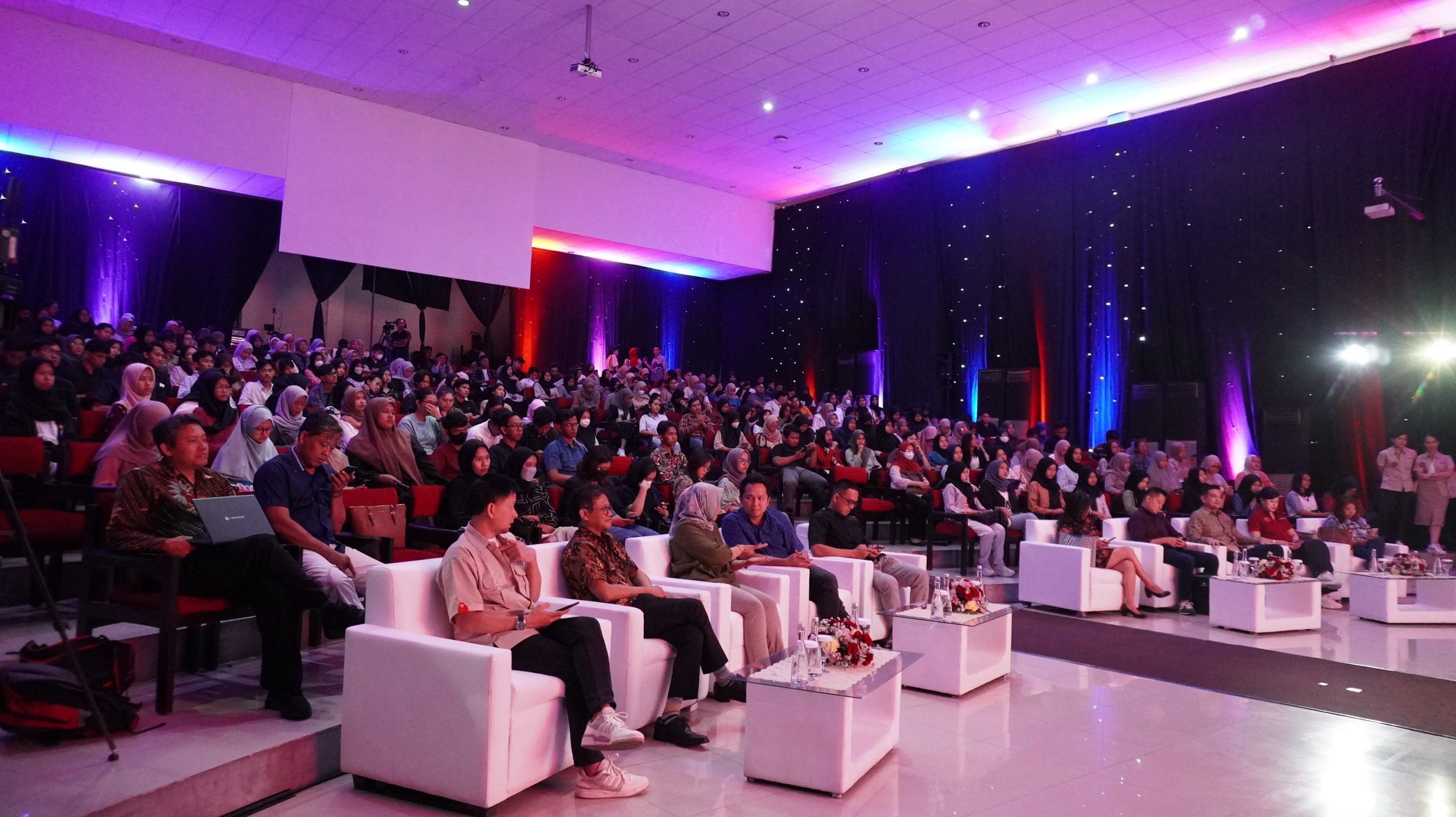


 In terms of investing, Prof. Irwan reminded students to understand three things, understand the theory, understand the real practice, and also have analytical skills. Students should be more able to see whether the investment makes sense or not. Don’t be tempted by investments that offer bombastic returns.


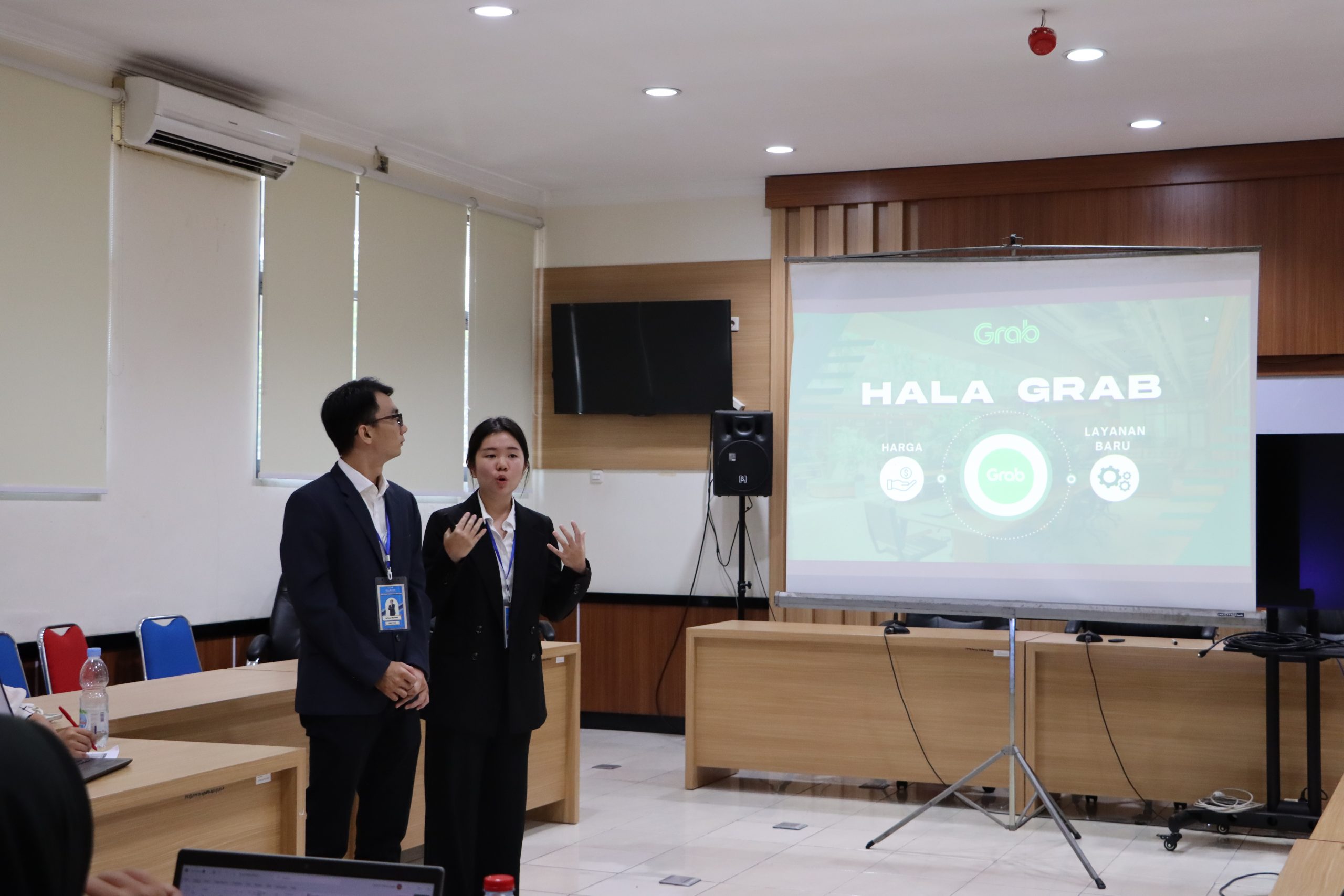


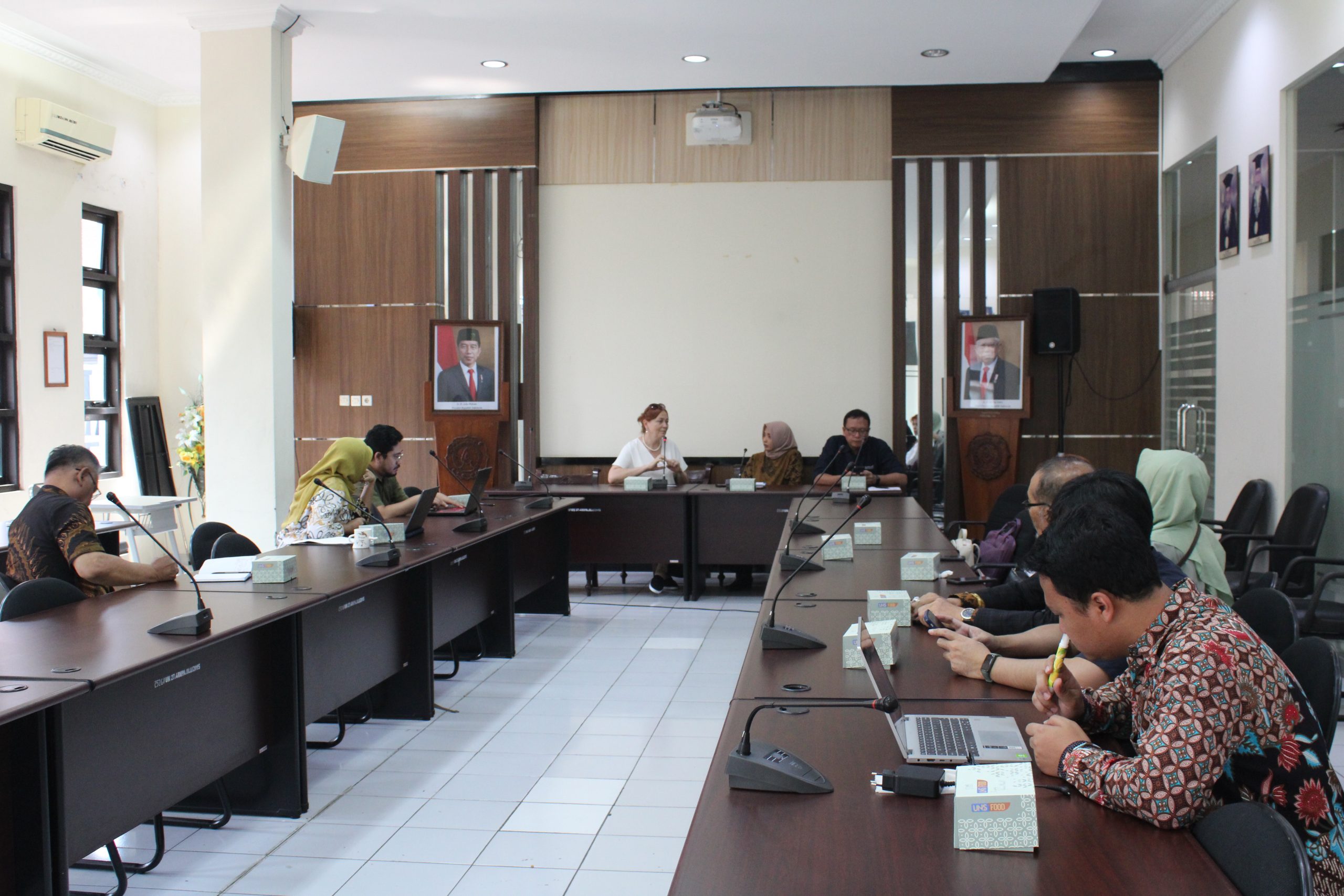


 Responding to discussion questions related to programs available to students from Russia, Prof. Dr. Drs. Pranoto, M.Sc., Head of the S3 Environmental Science Study Program UNS explained that UNS provides short courses organized by the Center of Excellence in Science and Technology (PUI) at UNS.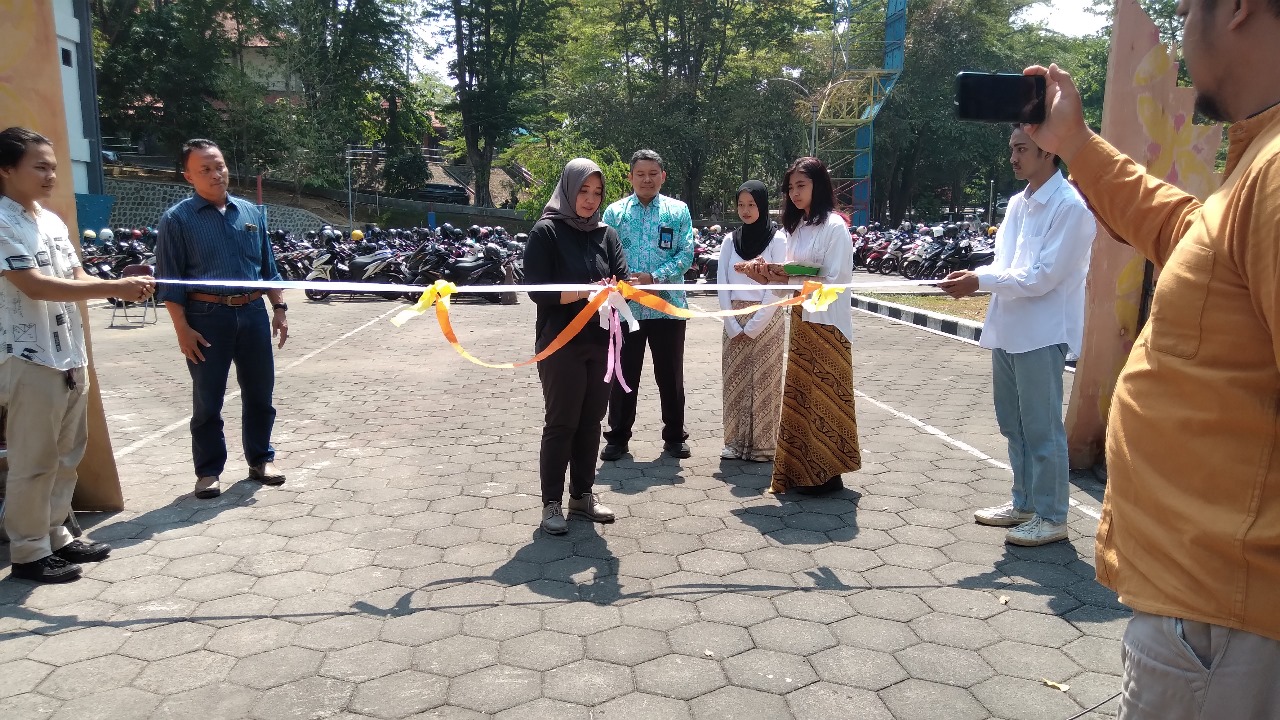
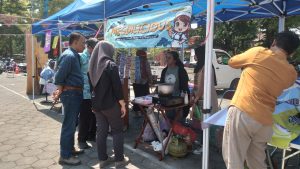

 The highlight of the occasion, as well as the closing ceremony of the FEBstival activity, was a tribute to the FEB UNS academic members, namely the FEB AWARDS. The committee has designated the nominations and nominee, which was voted by FEB UNS academic members before D-Day, with 3 categories of nominations, including Lecturer nominations, Student nominations, and SME/ORMAWA nominations.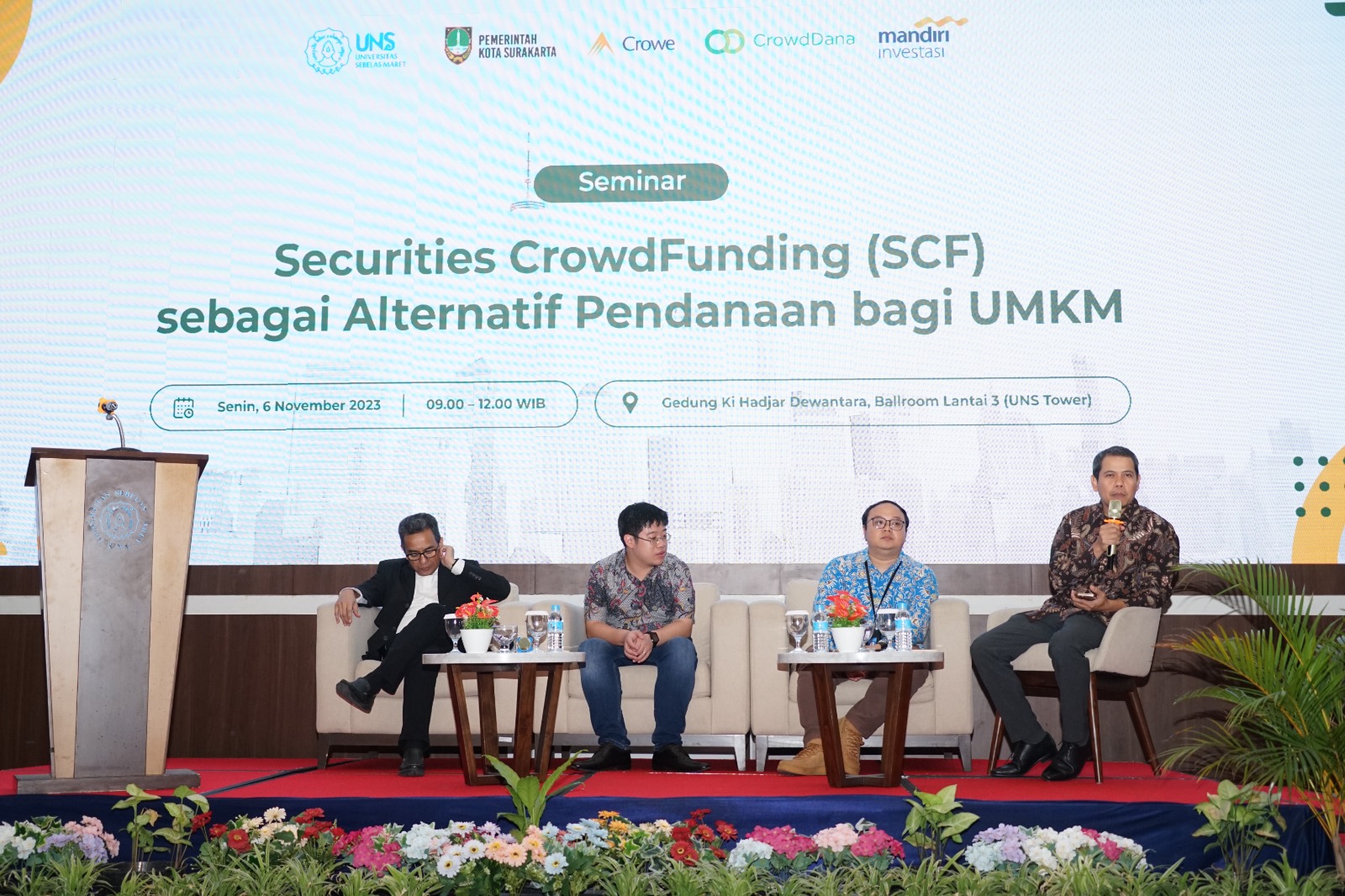
 Prof. Wimboh Santosa, Professor of FEB UNS who previously served as Chairman of the OJK Board of Commissioners for the period 2017-2022 in his remarks said this occasion was an effort to provide encouragement for MSMEs to enter the capital market.
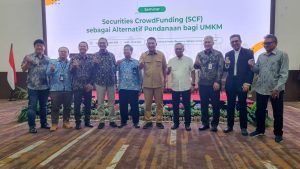 Furthermore, in the economic system in Indonesia, MSMEs play an important role in life, especially as a source of income in the community. We continue to increase thousands and even millions of MSMEs, to make MSMEs more empowered, one of which we do is provide funding for MSMEs. “The financing provided seems to be the only rational choice for MSMEs so that their business can maintain its operations, besides providing an understanding of information technology and innovations from MSMEs themselves,” he explained later.