FEB

Kategori: faculty

  • Guest Lecture of the Bachelor’s Degree Program in Management Discusses the Latest Trends and Issues in the Field of Organizational Behavior

    Guest Lecture of the Bachelor’s Degree Program in Management Discusses the Latest Trends and Issues in the Field of Organizational Behavior

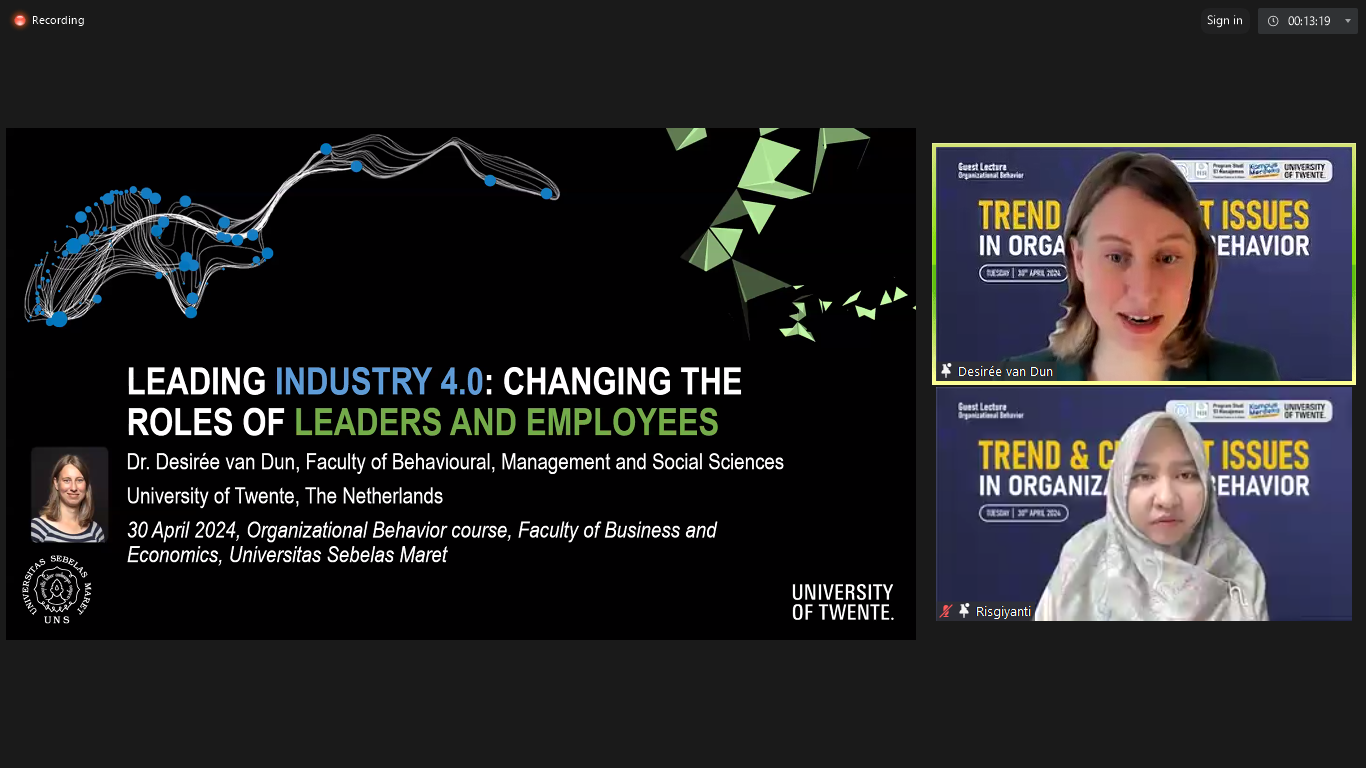
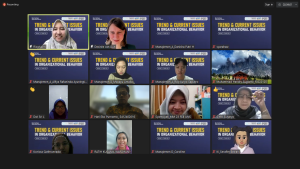
    The Bachelor of Management Study Program, Faculty of Economics and Business (FEB), Universitas Sebelas Maret (UNS) held a Guest Lecture entitled ‘Trend and Current Issues in Organizational Behavior,’ on Tuesday, April 30, 2024. The guest lecture, which took place virtually through Zoom Cloud Meeting was attended by undergraduate and postgraduate students and lecturers at FEB UNS.
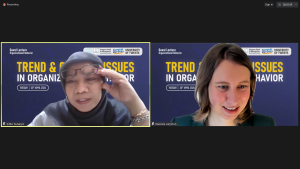
    The activity attended by more than 170 participants, was presented by guest lecturer Desiree van Dun from the University of Twente, Netherlands.

    Dr. Van Dun delivered the material entitled ‘Leading Industry 4.0: Changing the Roles of Leaders and Employees.

    She opened the session with an explanation that Industry 4.0 refers to the fourth industrial revolution which is characterized by the use of the Internet and the Internet of Things (IoT), where these changes have a significant impact on organizational behavior.

    “Some of the significant effects of this industrial revolution include the changing role of operators with the use of robots or drones as well as the role of artificial intelligence (AI) in highly specialized activities, such as cancer diagnosis,” explained Dr. van Dun.
    However, she added that although Industry 4.0 affects the role of employees in the organization, the success of implementing the latest technology also depends on the actors in the organization. In this case, there are three scenarios for the application of technology in the work environment, including a scheme where technology/robots are positioned in front of employees so that robots have a role to interact directly with customers.

    This scheme is often applied in the customer service process, where customers will interact with chatbots for general questions or problems, and if there are more complex problems the system will direct customers to directly interact with employees (humans).

    The second scheme is to put robots/systems side by side with employees, where technology will help employees when interacting with customers. The last scheme that can be applied is the placement of systems/programs behind employees, where programs/systems execute processes and tasks from the back office.

    Regarding the influence of technology on the role of leaders and employees, Dr. van Dun explained that with the help of technology, organizational members have more time to explore existing options and be creative.

    “The existence of Industry 4.0 requires higher creativity for both employees and leaders. Moreover, technology can also increase the level of individualism because employees work and interact with technology more often than other colleagues,” explained Dr. van Dun.

    Furthermore, Dr. van Dun also explained employee responses to changes related to the application of technology, which can be divided into four response groups.
    The four response groups are change disengagement, employees view changes negatively but do not actively resist changes; change resistance, employees who actively show or express resistance to changes; change acceptance, employees accept changes but do not actively show support, and the last is proactive change, employees actively show support and participation in changes. In this case, the leader needs to use a different approach for each group.

    “As leaders, we must give equal attention to groups that are proactive towards change, as well as listening to and addressing the concerns of groups that resist because they actually have a lot of input for leaders,” said Dr. van Dun.

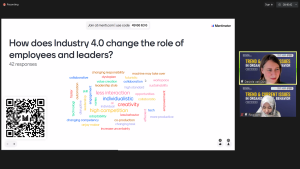
    In the guest lecture that lasted more than two hours, participants were invited to interact directly through Mentimeter, where they could respond directly to several questions from the speaker. In addition, participants were also given the opportunity to submit questions directly to Dr. van Dun in a question-and-answer session.
  • International Research Collaboration: UNS, UMPO, and Universiti Malaya Initiate the Development of Inclusion in Entrepreneurship for Disabled Community

    International Research Collaboration: UNS, UMPO, and Universiti Malaya Initiate the Development of Inclusion in Entrepreneurship for Disabled Community

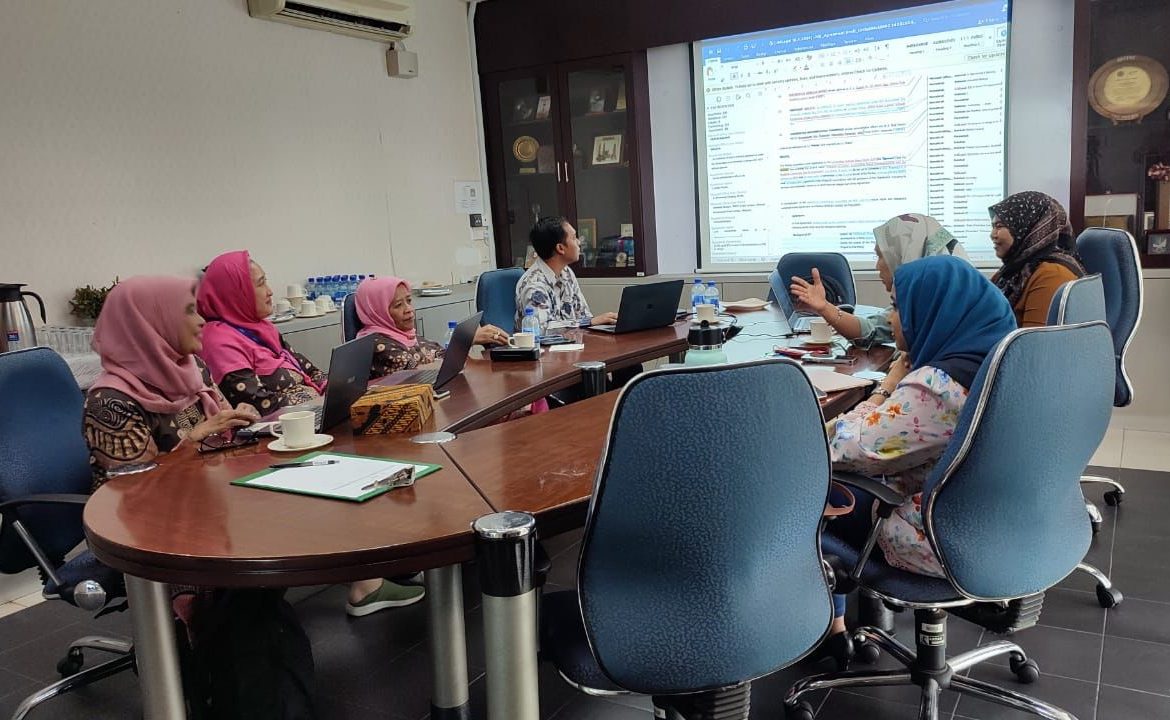
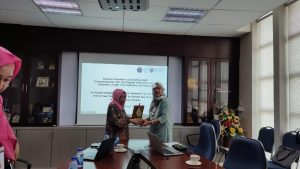
    Universitas Sebelas Maret (UNS) and Universitas Muhammadiyah Ponorogo (UMPO) together with Universiti Malaya (UM) Malaysia initiated innovative research as an effort to collaborate on cross-border research.

    The UNS team is led by Ari Kuncoro Widagdo, Ph.D., consisting of Prof. Rahmawati and Dr. Sri Hartoko. The collaboration was represented by Dr. Rochmat Aldy from UMPO, and Prof. Noor Ismawati Binti Jaafar, from Universiti Malaya. In addition to cross-country collaboration, this activity also involved three students, two students from postgraduate programs and one student from FEB UNS undergraduate students.
    In their media release to feb.uns.ac.id, Dr. Rahmawati reveals that this collaboration aims to investigate and develop an inclusion innovation model for Persons with Disabilities (PwD) by encouraging digital innovation and entrepreneurship as a significant step toward economic inclusion and community empowerment.

    It is said that persons with disabilities (PwD) are usually at higher risk of limited access to education and educational facilities, lower employment rates, and higher poverty rates. PwD also faces various obstacles to social and economic inclusion in society.

    “Developing countries, including Indonesia and Malaysia, continue to strive to ensure greater inclusion for people with disabilities by equalizing opportunities and ensuring the full inclusion and participation of people with disabilities in society. For example, craftsmen from the PwD community produce Batik Ciprat in Karangpatihan Village, Ponorogo, Indonesia, where there are 205 people with disabilities living there. Similarly, in Malaysia, there are disability NGOs, namely Rumah Harapan and Batik Kuala Lumpur, which have zones for disabled batik artisans. Despite facing stereotypes, stigma, and discrimination, the PwD community continues to run their business,” she explained.

    This study used observations of people with disabilities who run their own businesses and Focus Group Discussions (FGD) with stakeholders in the disability community. She further explained that this research collaboration emphasizes the importance of cross-country partnerships in facing urgent social challenges and encouraging inclusive development.

    Hopefully, by employing the expertise and shared resources from UNS, UMPO, and UM, this research can have great potential in exploring the entrepreneurial potential of PwD, as well as contributing to economic resilience and broader social inclusion throughout the region, especially in Indonesia and Malaysia.

    As the study progresses, stakeholders and policymakers can gain valuable insights that can be used in evidence-based interventions and policy reform.

    The goal is to create an environment that supports PwD entrepreneurship. With cross-disciplinary dedication and collaboration, these universities are at the forefront of driving positive change and creating a more inclusive society for all.

  • Intercultural Communication in Business from European Expert Perspective, Bachelor of Management Study Program Presents Guest lecture Business Communication and Marketing

    Intercultural Communication in Business from European Expert Perspective, Bachelor of Management Study Program Presents Guest lecture Business Communication and Marketing

    The Bachelor of Management Study Program, Faculty of Economics and Business (FEB), Universitas Sebelas Maret (UNS), presented another guest lecture entitled Business Communication and Marketing: Communication in Global and Business Market.

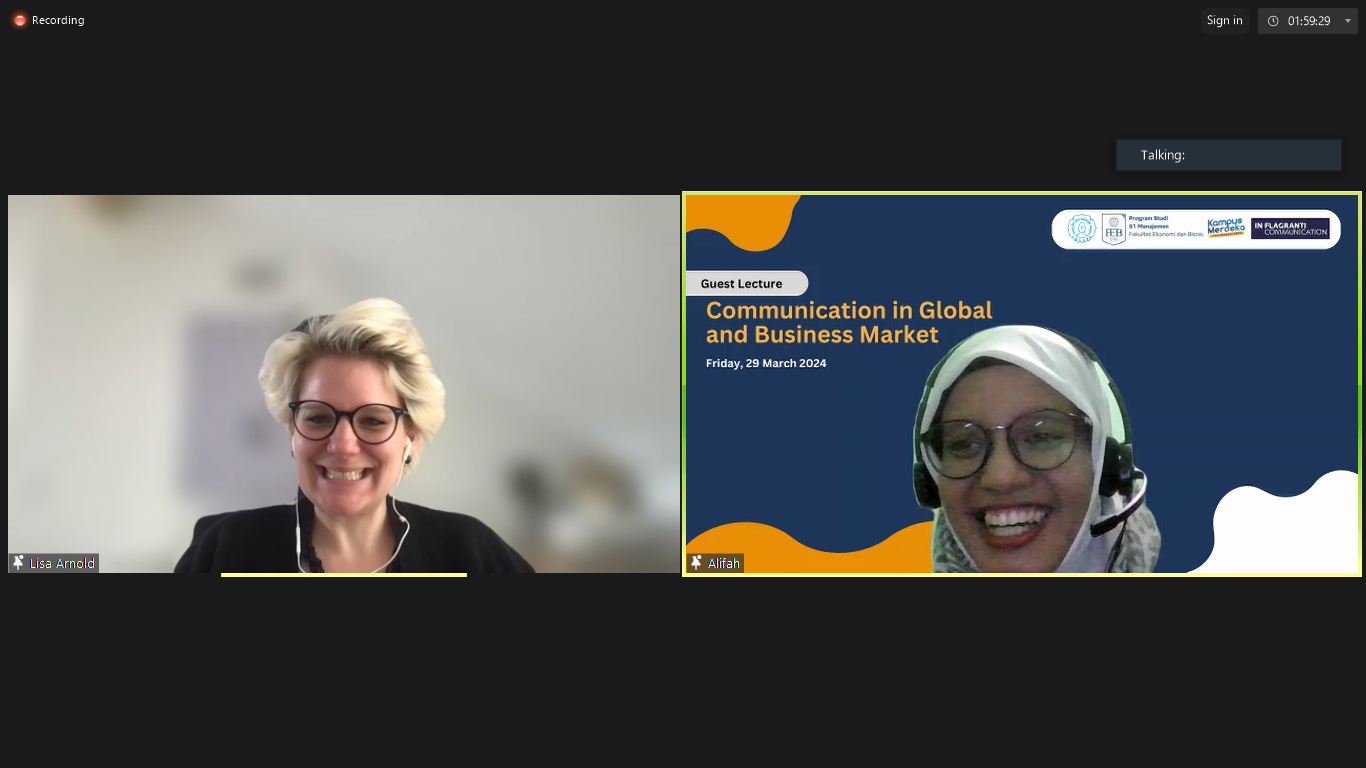
    In this guest lecture session, the Management Undergraduate Study Program presented Lisa Arnold, Head of Content, Copywriter/Concept Designer, and Deputy Head of Creation InFlagranti Communication, Switzerland, virtually through Zoom Cloud Meeting.
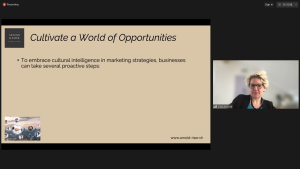
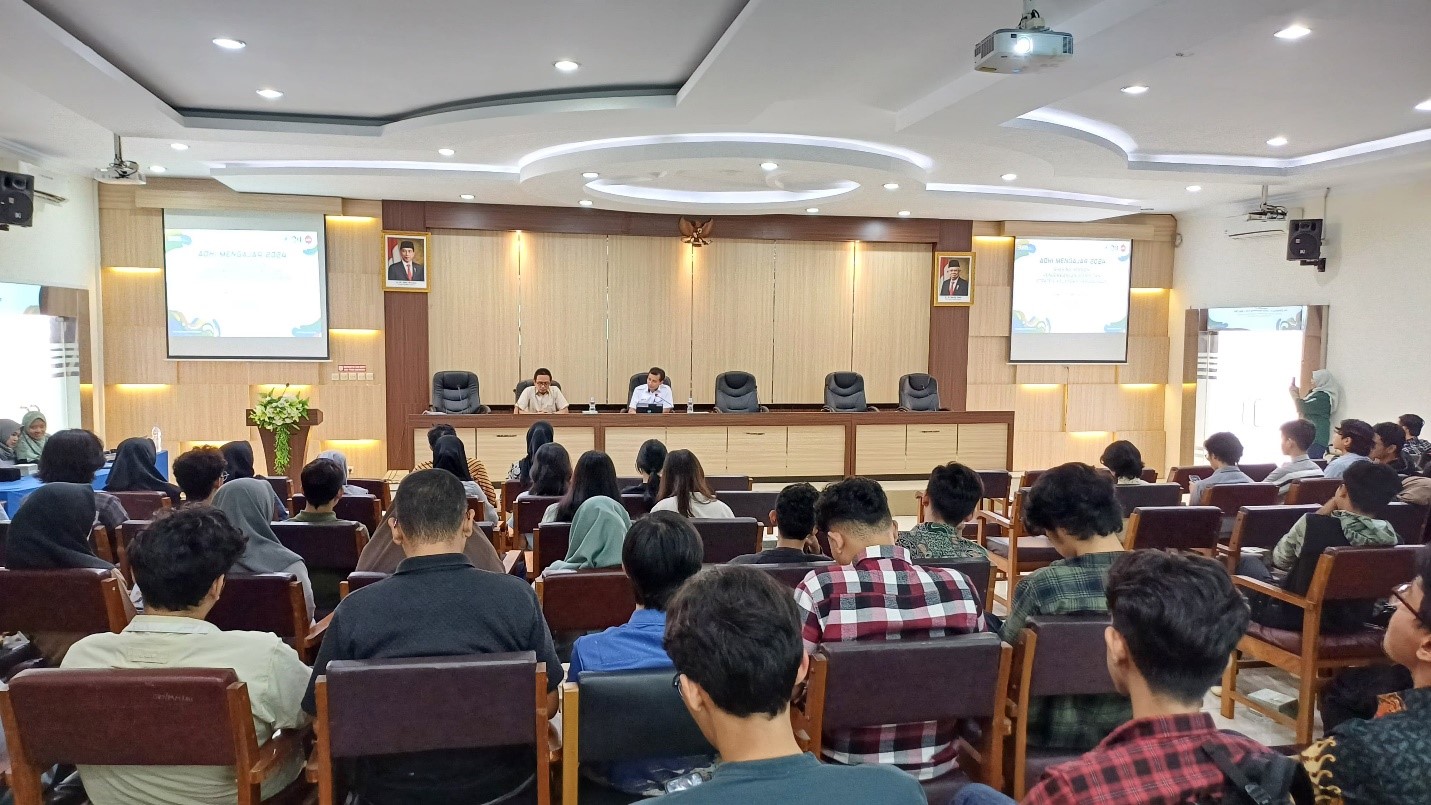
    In the agenda that took place virtually on Friday, March 29, 2024, Lisa Arnold, who is the co-founder of Arnold-Riser Consulting, delivered a material entitled ‘Multicultural communication in business and its application in marketing,’ to more than 90 participants. According to her, multicultural communication has an important role in marketing, thus, it is important for students to understand cultural differences, especially in business.

    “Communication errors often occur in marketing, not only due to differences in language, but also due to differences in culture, business ethics, and non-verbal communication,” she explained.

    Furthermore, Lisa explained the importance of ‘global language’ in business, where a business person needs to pay attention to communication standards in different cultures. In a business context, a company that can implement intercultural communication has various advantages such as the ability to develop market reach, where the company may sell and market its products to other regions despite having different cultures and product preferences.

    A business with good intercultural communication can also successfully build international partnerships, improve product image, and attract global talent from various cultures, therefore, increasing business success at the international level.

    Aside from presenting materials related to communication, Lisa also presents examples of international brands that have successfully applied diversity in company marketing media. Furthermore, in the question and answer session, Lisa gave some tips for communicating product information, especially for the European market.

    Regarding the question of the most effective means for students to learn cultural diversity, Lisa answered that traveling and cultural agendas such as ‘UNS Cultural Night’ can be an effective medium for students to get to know cultures from other countries through the international students who are studying at UNS.

  • Chelsea and Raida, Undergraduate Students in Development Economics Passed IISMA 2024 Selection

    Chelsea and Raida, Undergraduate Students in Development Economics Passed IISMA 2024 Selection

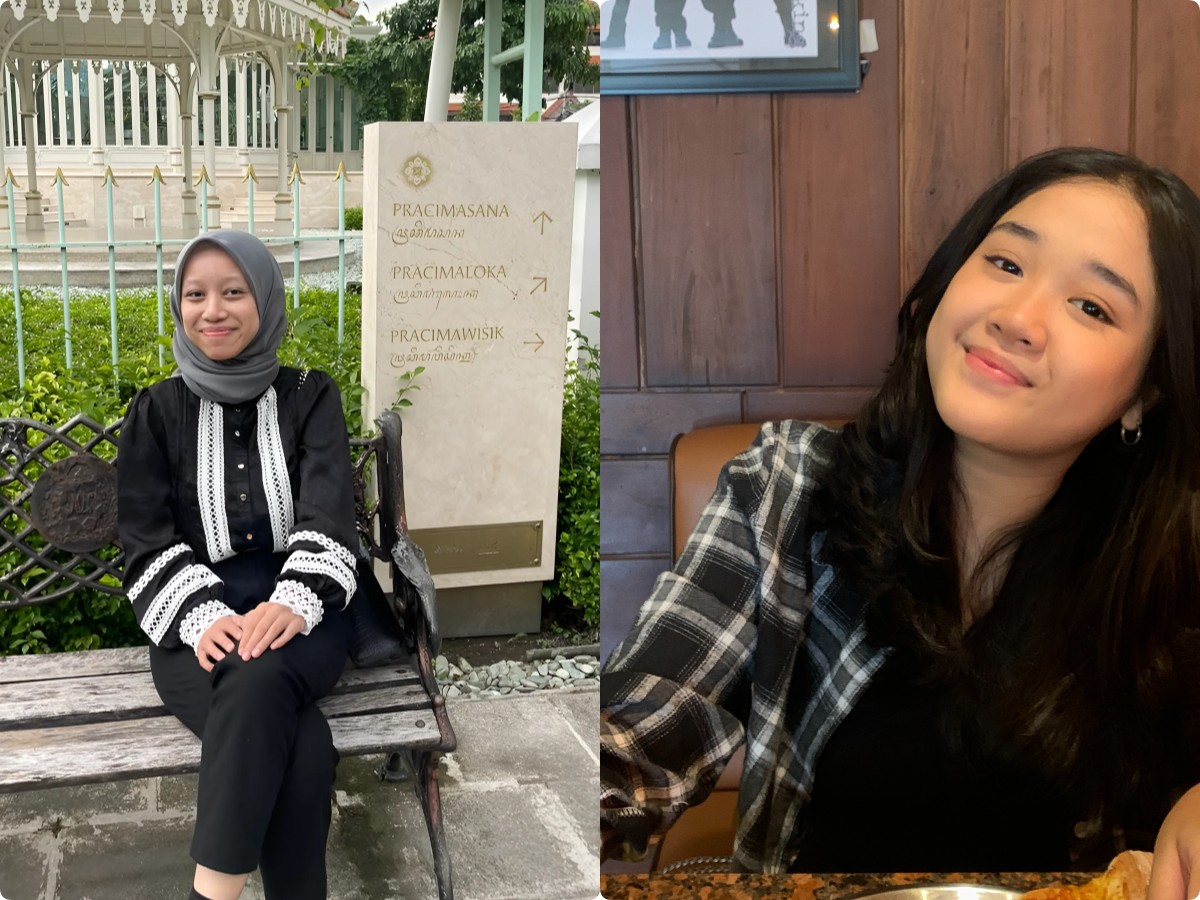
    FEB UNS – Chelsea Nadia Maharani and Raida Raisa Pari, Undergraduate Students in Development Economics, Faculty of Economics and Business (FEB), Universitas Sebelas Maret (UNS) passed the Indonesian International Student Mobility Awards (IISMA) 2024 Program. Both of them managed to pass the rigorous selection process along with 25 other UNS students. In this program, Chelsea Nadia Maharani chose Palacky University Olomouc, Czech Republic, while Raida chose Universiti Sains Malaysia, Malaysia.

    IISMA is a Kampus Merdeka program providing a scholarship scheme from the Ministry of Education, Culture, Research, and Technology of the Republic of Indonesia, which provides funding for Indonesian students to study in a one-semester mobility program at leading universities and industries abroad. This year, IISMA selection registration is open from 23 January – 19 February 2024 involving multiple selection stages including administrative selection, nationalism examination, and interviews.

    The IISMA preparation series at UNS begins with an internal screening that selects students who are interested in participating in IISMA. From the internal screening process carried out by the International Office (IO), students who pass the previous selection stage will take part in the preparation of the English Proficiency Test (EPT) at the Language Technical Implementation Unit (UPT) covering 20 training sessions.

    Students who get EPT scores that meet the IISMA standards can follow the preparation for essay writing, preparation for interviews, and mentoring by IISMA alumni. Assistance by IISMA alumni is carried out during the registration process until the completion of the interview selection. To feb.uns.ac.id, Chelsea and Raida shared their stories on how they passed the qualification selection for IISMA 2024.


    Chelsea Nadia Maharani: Don’t Be Afraid to Try Everything New

    Chelsea said that her desire to participate in the IISMA program started in the 4th semester. According to her, this program can be a suitable path for her to be able to learn and have an impact, both for personal development and even the surrounding environment.

    The purpose of this program itself according to Chelsea is excellent because it opens opportunities for Indonesian students to gain knowledge and experience in studying abroad, which can later be implemented for the development of Indonesia. “I personally feel that there are several stages of registration that are quite tricky. It is necessary for us to commit to completing all the preparation and registration because there are quite a few required documents to be prepared. But because I was in a fairly supportive environment, I always felt motivated during the preparations,” she said.

    Furthermore, the reason for choosing Palacky University Olomouc was because Chelsea had previously planned her career path in the future. “The host university that I choose is already on the top list of host universities I would like to take since last year because the courses offered can support my career in the future,” she said.

    Chelsea also advised her fellow students, as written in her essay as one of the IISMA requirements, “Life is just like a box of chocolate, you never know what flavor you get unless you try it first,” -Forest Gump. Take advantage of all the opportunities around you. Because, personally, I believe every academic and organizational activity can offer you a completely different experience and knowledge. So, don’t be afraid to try all new things,” she concluded.


    Raida Raisa Pari: That Challenge Can Be an Opportunity to Grow and Learn

    The desire to attend IISMA actually arose from the beginning of her study because the opportunity to study abroad was very interesting, but Raida could only register for this opportunity in the 6th semester. According to her, one of the difficulties during the IISMA registration is the number of administrative documents that must be completed. This is because Raida had a short time when she wanted to register for IISMA, and it coincided with her internship in Jakarta. Additionally, the stage that she found difficult was the interview. Fortunately, UPT KLI provided a Zoom meeting to prepare for the interview and it really helped her to practice the interview.

    “Because of the limited time, I didn’t have much time to prepare myself, especially when doing English tests, so I could only rely on my past knowledge and memory. As for interview preparation, from the day before, I had practiced answering several questions and did not forget to also pray and make a mental preparation,” she explained.

    Universiti Sains Malaysia has a good university ranking and its location in Penang makes it more attractive. Raida chose Malaysia because of its proximity to Indonesia and similar demographics. As a Muslim student, Raida thought that Malaysia would be the right country because it would definitely be easy to find places of worship and halal food.

    Raida advised that students who want to register for IISMA can prepare themselves from the previous year, thus they will not miss information, because UNS conducted an internal screening stage for applicants. Then you should also prepare well to take the English test because the cost is not cheap. If possible, do not repeat the test for technical reasons (especially if you choose the DET test).

    “Keep believing in your potential and remember that every challenge can be an opportunity to grow and learn,” Raida concluded encouragingly.

  • Students of FEB UNS Digital Business Participate in Adhi Karya Lecture

    Students of FEB UNS Digital Business Participate in Adhi Karya Lecture

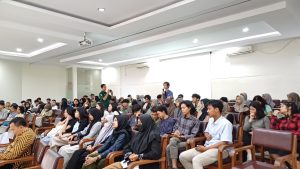
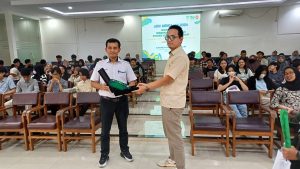
    Business development and corporate financial strategy become the pivotal topic discussed at the Adhi Karya Lecture at the Konimex Hall of Bachtiar Effendi Building, Faculty of Economics and Business (FEB), Universitas Sebelas Maret (UNS), end of February.Public Lectures attended by students of the Digital Business Study Program FEB UNS presented Ir. Lasarus Bambang S., ST., MM., IPM., General Manager, Business Development Department, PT. Adhi Karya (Persero) Tbk.

    The activity was also attended by Tastaftiyan Risfandy, Ph.D., Vice Dean for Planning, Cooperation, Business, and Information Affairs FEB UNS, and Johadi S.E., M.Sc Lecturer of FEB UNS.

    Adhi Karya Persero is a construction public company, where most of its share ownership is owned by the state with 64% of the stake and the remaining 36% is owned by the public.

    Adhi Karya’s business lines include Engineering and Construction, Property, Manufacture, Investment, and Concession.

    Some of the famous projects from Adhi Karya include the Sigli-Banda Aceh Toll Road, Riau National Road Preservation, Integrated Waste Management Facility (FPLT), South Sumatra National Road Preservation, LRT, Jabodetabek, and recently the Solo-Yogyakarta-Kulonprogo Toll Road.

    In front of students, Lasarus explained several theories used by Adhi Karya in running the company’s business in order to grow and develop.
    The five theories outlined are (1) Collaborative Governance Theory, which is a collaborative governance that brings together stakeholders from various sectors to jointly develop and implement a joint policy; (2) Business Development Theory, in order to develop business successfully, it is necessary to seek new business opportunities, build and maintain existing client relationships or strategic partnerships, and other plans to increase profit and market share; (3) Corporate Financial Strategy Theory, this strategy seeks to maximize the company’s financial value by taking into account the best financial actions; (4) Public Private Partnership Theory, this theory means that it is important to have a relationship between the government and business entities in the context of infrastructure development and provision; (5) IMBT Theory (Ijara Muntahiyaa Bit-Tamleek), which is a lease agreement related to the transfer of ownership of the contract object from the tenant to the tenant.

    Lasarus conveyed a message that we must view diversity in this case as a positive aspect and must be used to always innovate.

  • SMA Assalam Sukoharjo Visits FEB UNS, Get to Know the Undergraduate Study Program in FEB

    SMA Assalam Sukoharjo Visits FEB UNS, Get to Know the Undergraduate Study Program in FEB

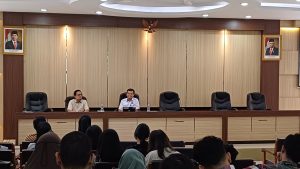
    Faculty of Economics and Business (FEB), Universitas Sebelas Maret (UNS) welcomed a visit from SMA Assalam Sukoharjo at Konimex Hall, Bachtiar Effendi Building, Tuesday, March 5, 2024.

    The teachers and students were welcomed by the Vice Dean of Planning, Partnership, Business, and Information, Tastaftiyan Risfandy, Ph.D.; the Head of the Development Economics Study Program, Bhimo Rizky Samudro, Ph.D., and lecturers representing the Accounting and Digital Business Study Program, Isna Putri Rahmawati, M.Sc., and Aldy Fariz Achsanta, Ph.D.

    Tastaftiyan, Ph.D. in his remarks welcomed and thanked the teachers and students of Assalam Sukoharjo High School who have visited and collaborated with FEB UNS.

    “Thank you for visiting, we are very open to sharing and working together because the campus is now required to not be exclusive but to be inclusive to outside parties. One of the activities that can be done on campus is by collaborating in the form of community service, campus teaching in schools, can also be done with research and others both in schools and outside other campuses. InsyaAllah, this cooperation and the visits of SMA Assalam’s teachers and students are also very beneficial for us,” he said.

    In this activity, representatives of each study program, Development Economics, Management, Accounting, and Digital Business can share about the study programs in FEB UNS.

    Introduction to the Digital Business Study Program was delivered by Aldy Fariz Achsanta, Ph.D., Lecturer of the FEB UNS Digital Business Study Program.

    “Currently, the Digital Business Study Program led by Putra Pamungkas, S.E., M.Rech., Ph.D., FEB UNS Digital Business Study Program connects the knowledge of the business world with the digital world. So that my fellow Assalam’s students who are interested in this study program will learn the implementation of governance in the field of business as well as data analysis that will be used to face the challenges of the digital business environment,” he explained.

    Currently, the FEB UNS Digital Business Study Program is also a superior study program with the highest admission competitiveness ratio at UNS. The career opportunities for the Digital Business Study Program FEB UNS graduates include becoming a Digital Start-up entrepreneur, e-commerce and digital strategy manager, digital marketing expert, digital business analyst, and so on.
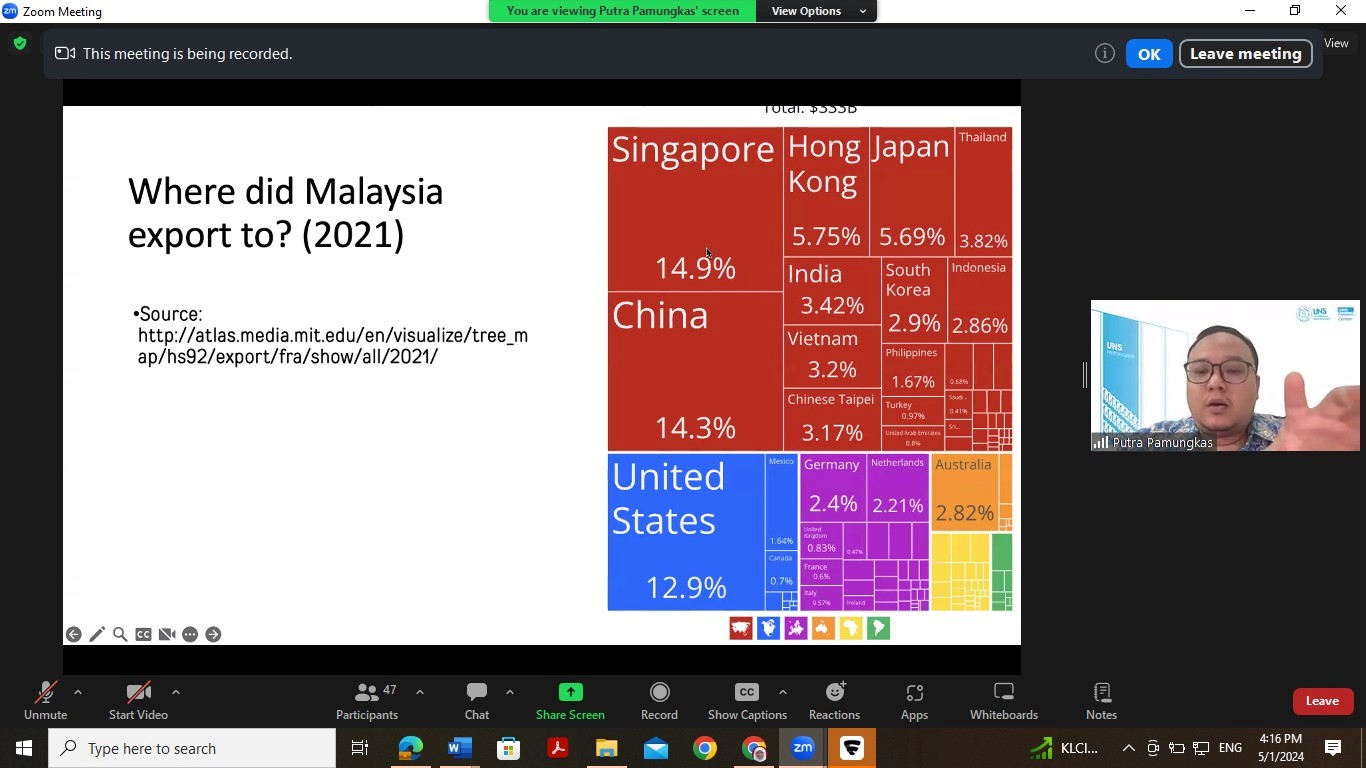
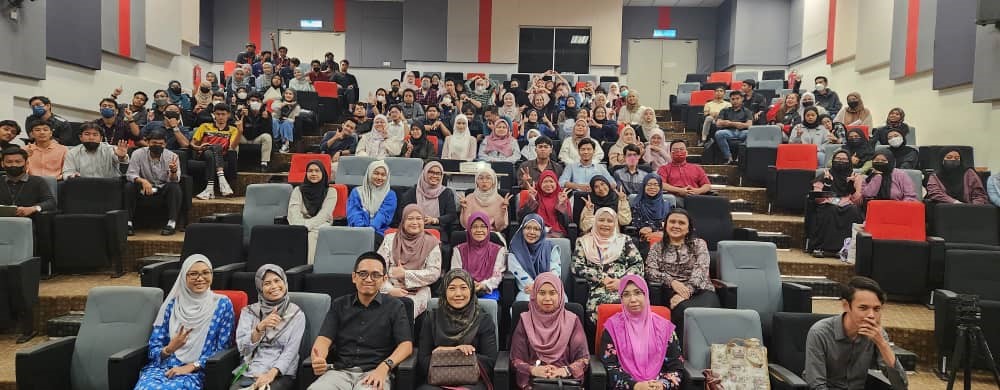
    The introduction of the study program was also delivered by the representative from the Undergraduate Study Program in Development Economics, Accounting, and Management.

    Tastaftiyan, Ph.D., emphasized that students do not need to be too confused to choose a study program at FEB UNS, because basically all study programs at FEB UNS will be related to the wider fields of economics. Thus, the job prospects will also be broad.

    In the discussion session, the students asked several questions including related to the short course program, the prospect of the Development Economics Study Program, the appropriate study program to continue the family business, and many others.

  • UiTM Invites FEB UNS Lecturer as Guest Speaker for Collaborative Teaching: Market Structure-Perfect Competition

    UiTM Invites FEB UNS Lecturer as Guest Speaker for Collaborative Teaching: Market Structure-Perfect Competition

    Universiti Teknologi MARA (UiTM) invited a number of FEB UNS lecturers to fill in public lectures. This activity is a follow-up to the collaboration between the Faculty of Economics and Business (FEB), Universitas Sebelas Maret (UNS), and the Faculty of Business and Management, Universiti Teknologi MARA (UiTM) Negeri Sembilan, Seremban Campus, Malaysia.

    Tastaftiyan Risfandy, M.Sc., Ph.D., Vice Dean for Planning, Partnership, Business, and Information, Putra Pamungkas, S.E., M.Rech., Ph.D., Head of the Digital Business Study Program, and Linggar Ikhsan Nugroho, S.E., M.Ec.Dev., FEB UNS lecturers became guest lecturers in the “Guest Speaker for Collaborative Teaching: Market Structure-Perfect Competition” held online through Zoom Cloud Meeting, on January 5, 2024.
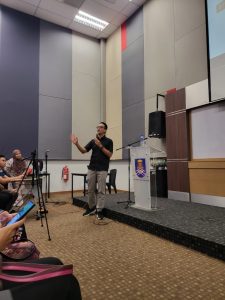
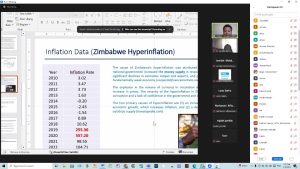
    Putra Pamungkas, Ph.D., delivers material about “International Trade.” In his material, he explained the reasons for a country needs trade and the benefits from trade to export activities in Malaysia. Meanwhile, Linggar Ikhsan Nugroho, M.Ec.Dev., FEB UNS Lecturer delivered material on the topic of “Inflation and Unemployment” alongside Dr. Jamilah Binti Mohd Mahyideen.

    Furthermore, on January 12, 2024, Tastaftiyan Risfandy, Ph.D., delivered a lecture material on “Entrepreneurial Management: How to Start a Business? Indonesia Case”.

    The guest lecture was carried out smoothly and was attended by students and also several lecturers from the Faculty of Business and Management, UiTM. This activity can be considered an interesting and attractive event that can improve students’ insight and knowledge of the business and economics sector. This activity is expected to play a role in developing an adaptive curriculum for the Faculty of Business and Management, Universiti Teknologi MARA, and also increase cooperation in the academic field with FEB UNS.

  • FEB UNS Establishes Tridharma Higher Education Partnership with the Faculty of Business and Management of Universiti Teknologi MARA

    FEB UNS Establishes Tridharma Higher Education Partnership with the Faculty of Business and Management of Universiti Teknologi MARA

    Faculty of Economics and Business (FEB), Universitas Sebelas Maret (UNS) Surakarta, is committed to support the university’s efforts to become a World Class University (WCU). This commitment can be implemented through partnerships with other abroad universities.

    To realize this, the Vice-Dean for Planning, Partnership, Business, and Information Affairs of FEB UNS, Tastaftiyan Risfandy, M.Sc., Ph.D., together with FEB UNS lecturers, Linggar Ikhsan Nugroho, S.E., M.Ec.Dev., conducted a partnership in higher education Tridharma and an official visit to the Universiti Teknologi MARA (UiTM), Negeri Sembilan, Seremban Campus, Malaysia on December 10-14, 2023.
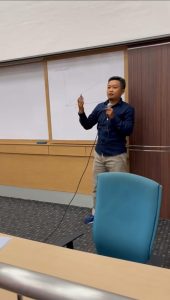
    UiTM is one of the fastest-growing universities in Malaysia. In 2023, UiTM was ranked 111th based on UI GreenMetric World University, and in 2024 has managed to obtain 159th position in the QS World University Rankings. This rapid growth made FEB UNS interested in collaborating further with UiTM.
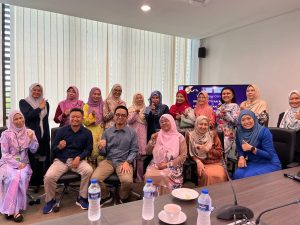
    On December 11, 2023, the Faculty of Business and Management of UiTM held a Welcoming Ceremony at the UiTM HEA Meeting Room to welcome the arrival of Tastaftiyan Risfandy, Ph.D., and Linggar Ikhsan Nugroho, M.Ec.Dev., as a visiting lecturer from FEB UNS.

    The ceremony was followed by International Community Service activities conducted by Linggar Ikhsan Nugroho, M.Ec. Dev., entitled “Motivational Talk: Unleash Your Potential” at DK TPSU 3, Seremban Campus which was attended by students and lecturers.
    The next day, the Faculty of Business and Management of UiTM invited Tastaftiyan Risfandy, M.Sc., Ph.D., to give a public lecture entitled “Entrepreneurial Management” at TPSU2, Seremban Campus. The event was attended by hundreds of students of the Faculty of Business and Management of UiTM.

    After that, on December 13, 2023, the two visiting lecturers conducted a Discussion of Research Collaboration with the Faculty of Business and Management of UiTM followed by the signing of the partnership agreement.

    The two partner universities also plan to carry out various future activities such as lecturer and student exchanges, improving the quality of scientific journals, and international community service.

  • More than 200 Students Participated in the MBKM Dissemination Held by the Undergraduate Management Study Program

    More than 200 Students Participated in the MBKM Dissemination Held by the Undergraduate Management Study Program

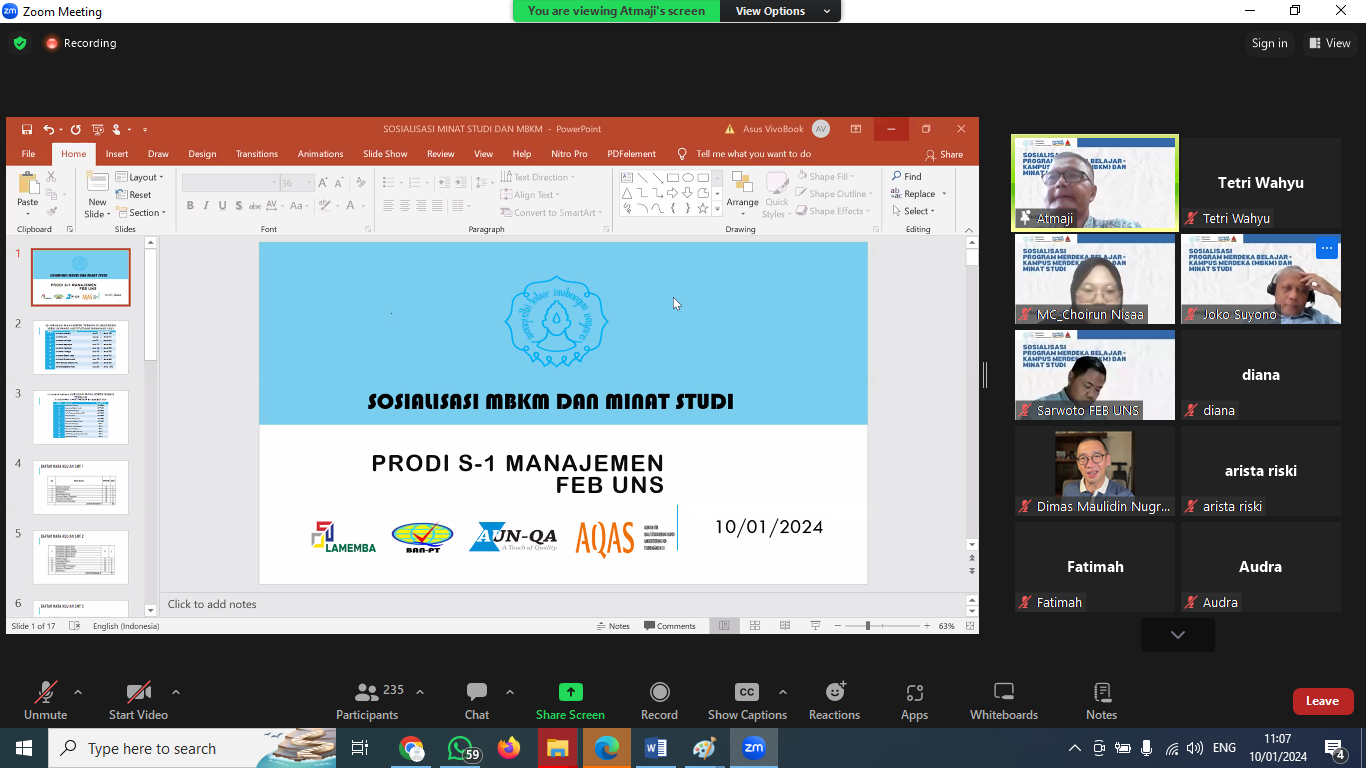
    The Management Study Program, Faculty of Economics and Business (FEB), Universitas Sebelas Maret (UNS), organized a Dissemination session for the Merdeka Belajar Kampus Merdeka (MBKM) Program for students, virtually, on Wednesday, January 10, 2024.

    The Study Program requires students of the Study Program in 2021 and 2022 to actively participate in the MBKM dissemination session. The study program also opens opportunities for students from different years if they want to join.
    The Interim (plt) Head of the Management Study Program, Dr. Atmaji, M.M., in his remarks, said that this dissemination is expected to provide detailed information and insight, either for the Coordinator of MBKM, lecturers, and especially for students in their 5th semester and further.

    According to him, this dissemination is very important because based on previous experience, with this dissemination, it turns out that many students of the Undergraduate in Management Study Program are interested in participating in MBKM.

    “We are proud because with you joining MBKM it means that you are courageous enough to take quite a big challenge, but on the other hand, with MBKM Program, I am sure you will have more experience. Alhamdulillah, based on previous experience, many students in the Undergraduate in Management Study Program were interested, there are around 50% of students participated in MBKM. Hopefully, there will also be many who are interested in various fields of MBKM,” he said motivating.
    The dissemination activity was divided into two sessions, namely the MBKM Material session delivered by Dr. Joko Suyono, S.E., M.Si., Coordinator of MBKM, and Study Interest Material by Dr. Atmaji, MM.

    Starting the presentation, Dr. Joko Suyono quoted the statement of Minister of Education and Culture, Nadiem Anwar Makarim, MBKM is giving freedom and autonomy to educational institutions, and independence from bureaucratization, lecturers are freed from convoluted bureaucratization and students are given the freedom to choose their fields of interest.
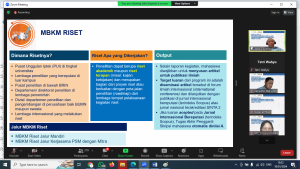
    As further explained, so far we know that there are 2 curriculum paths, the conventional curriculum has four study interests, namely the study of Marketing Management, Financial Management, Operations Management, and HR Management. For the most part, many activities are carried out on campus, although there will be many courses that bring the industrial world to campus.

    Then for the second track, students get the opportunity to study off-campus for one to two semesters, equivalent to 20 semester credits for one semester.
    “MBKM, the keyword is the freedom or autonomy of universities, faculties, and study programs. In this case, including lecturers and students, the keyword is to choose a preferred field. Therefore, the students are given the opportunity to study off-campus to choose certain areas to sharpen or even study other fields needed in the business world or the business world,” he explained.

    The Undergraduate in Management Study Program strives to implement the MBKM policy. MBKM in the Undergraduate in Management Study Program aims to improve graduates’ competency in an effort to strengthen links and matches with the business world and the industrial world.

    According to him, there is currently a gap between what the business world or the industrial world needs and what is learned on campus. To reduce the gap, several in-depth material options are offered related to certain areas beyond those taught by the study program.
    There are 8 areas of MBKM that students can choose from, namely Industrial Internships, Research, Entrepreneurship, Village Projects, Humanitarian Projects, Independent Projects, Teaching Assistance, and Student Exchange.

    To implement the MBKM Program, the Head of Management Study Program has appointed eight lecturers to help become the person in charge of each MBKM field with one lecturer as the MBKM Coordinator.

    In the next session, material regarding study interests is described in detail by Dr. Atmaji. All students were given the opportunity to discuss or ask questions related to the material that had been delivered by the two speakers.

  • Ormawa PPK Team BEM FEB UNS Takes Home 2 Abdidaya Ormawa Awards 2023

    Ormawa PPK Team BEM FEB UNS Takes Home 2 Abdidaya Ormawa Awards 2023

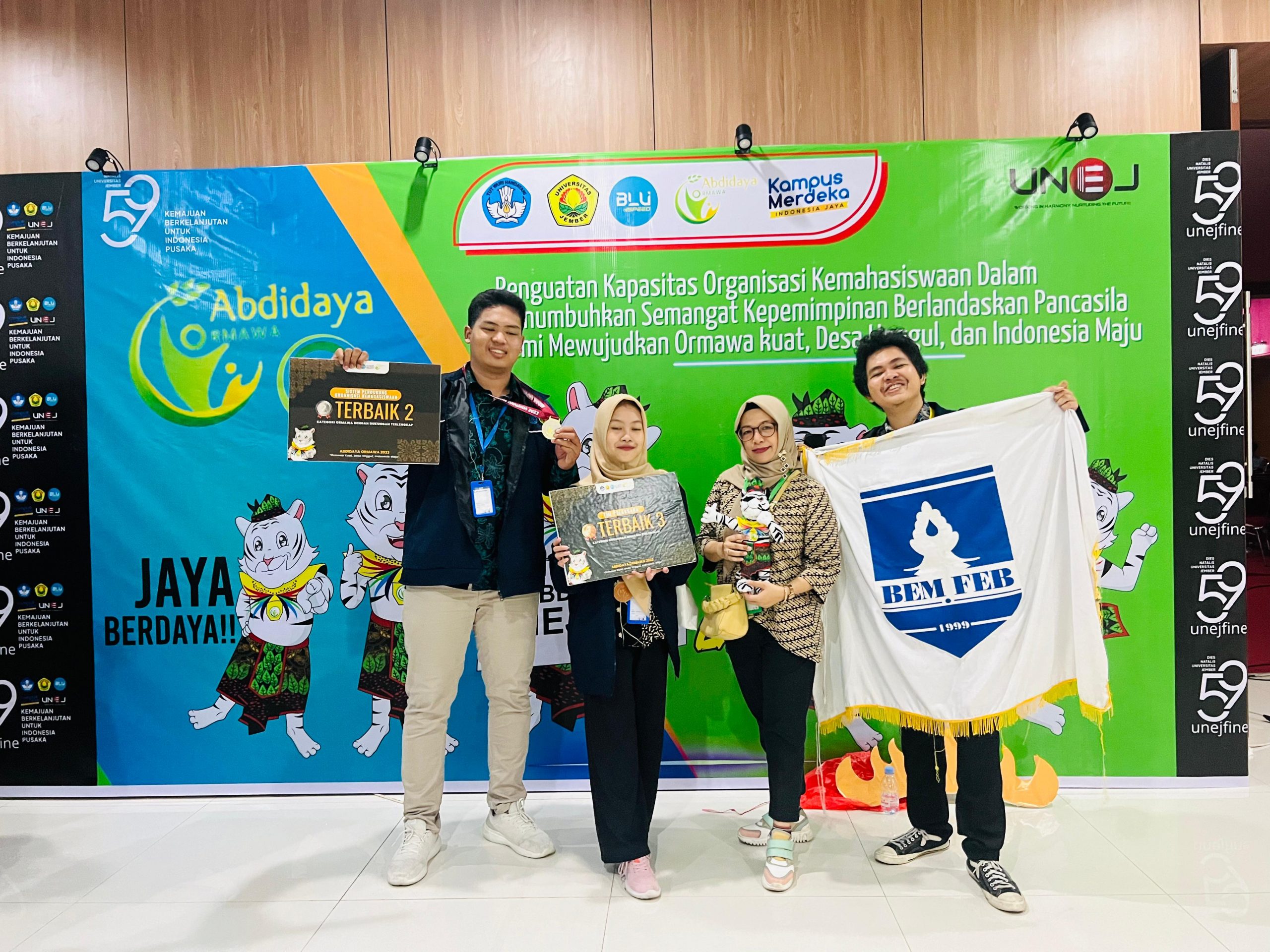
    The Capacity Building Program (PPK) Team of Student Organizations (Ormawa), Student Executive Board (BEM), Faculty of Economics and Business (FEB), Universitas Sebelas Maret (UNS), managed to take home 2 (two) awards in the Abdidaya Ormawa event.

    The two awards are the 2nd Best in “Supporting Ormawa System” for the “Ormawa with Complete Support” Category and the 3rd Best in “Implementing Team” for the “Team with Complete Ormawa Support” Category.

    Abdidaya Ormawa 2023 is the highest competition event for student organizations organized by the Belmawa Directorate of the Ministry of Education, Culture, Research, and Technology (Kemendikbudristek) on December 7-9, 2023, at the Universitas Jember.

    Abdidaya Ormawa is a prestigious event involving selection from more than 660 sub-proposals. This event was attended by the best PPK Ormawa teams in Indonesia, with 160 PPK Ormawa Teams, from 79 Universities, along with 60 Supervisors, and 9 PPK Ormawa Partners.

    Alvin Yusuf Akbar, President of BEM FEB UNS 2023 explained to feb.uns.ac.id about the reason behind PPK Ormawa BEM FEB UNS participation in Abdidaya Ormawa 2023. According to him, the participation of the PPK Ormawa BEM FEB UNS team is motivated by the awareness to fulfill one of the Tri Dharma of higher education activity, namely community empowerment. Therefore, this program was carried out through the Ministry of Social Affairs of the BEM FEB UNS.

    “BEM FEB has a spirit for community engagement and awareness of the Tri Darma of higher education, and it has become a tradition to take part in similar competitions, and definitely bring home championships titles that make us more motivated,” explained Alvin.

    In its implementation, the team needed to face various challenges including the adjustment between students’ ideas and the people of Karangturi Village’s opinion, which of course was not easy to align, considering the generational gap among the involved parties.

    However, the challenge did not discourage the PPK Ormawa BEM FEB UNS team from moving on and successfully organizing 9 programs and 12 classes, attracting approximately 36-41 participants, for each class/program session. These participants consist mainly of the program’s main targets, the village women, particularly, the Farmer Women’s Group (KWT) and Family Welfare Development (PKK) of Karangturi Village.

    In addition, the Abdidaya Group must have a minimum of 10 members, where the 3 best members will be selected to advance as representatives, the Abdidaya group must be supervised by a student organization unit, BEM FEB UNS, and submit a multitude of data to the faculty and university to get funding.

    Finally, Alvin gave a closing statement as a motivation for the FEB academic members. “Students must understand the Tri Dharma of higher education, here we have carried out one of them, namely community service. Therefore, all of FEB UNS students must also have awareness of the Tri Dharma of higher education to be able to build Indonesia.”