FEB

Kategori: faculty

  • Institutional and Human Resources Research Group Provides Training on Digital Marketing and Entrepreneurship Creative Products to SMK Bhakti Karya Karanganyar

    Institutional and Human Resources Research Group Provides Training on Digital Marketing and Entrepreneurship Creative Products to SMK Bhakti Karya Karanganyar

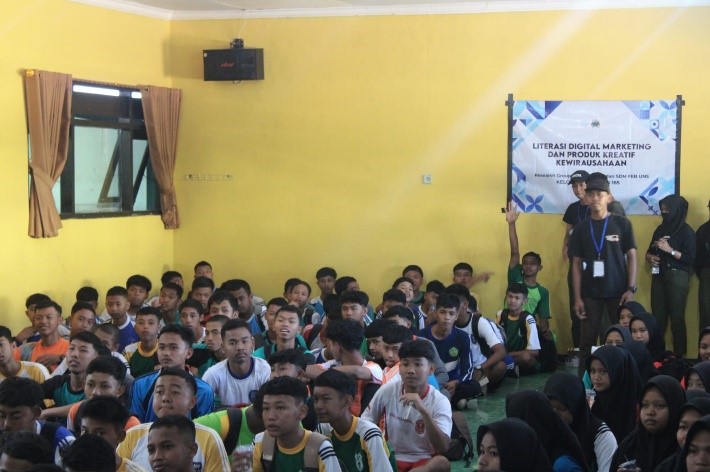
    Institutional and Human Resources Research Group (RG), Faculty of Economics and Business (FEB), Universitas Sebelas Maret (UNS), hosted a Community Service entitled “Digital Marketing Literacy and Entrepreneurial Creative Products,” at SMK Bhakti Karya Karanganyar, July 20, 2023.

    In the entirety of the activity, the RG Team was led by Dr. Ahmad Daerobi, along with Dr. Guntur Riyanto, Dr. Dwi Prasetyani, Dr. Vinc Hadiwiyono, Vita Kartika Sari, MSc., Aulia Hapsari Juwita, M.E., and also collaborated with students of the KKN Team 165.

    The Introduction to School Environment (MPLS) period is a fairly effective time for the team to introduce entrepreneurship lessons to students. The entrepreneurship subject is a new subject for the Karanganyar Vocational School students and has only been given to students starting from the 2022/2023 school year.

    The school hopes that the arrival of the RG Team can motivate and provide more insight to students in order to grow their entrepreneurial spirit. Thus, it can prepare students in order to create employment from an early age.

    A creative product is a product obtained from a unique idea or individual innovation that then has a high selling value. Creative products are widely used as one of the sources of individual income.

    Developing an entrepreneurial spirit among students is one of the important things to be part of employment opportunities, income, and welfare for every person/individual.

    The service team said that creative products can be in the form of making decorative ceramics derived from clay, the use of patchwork as casual pants, or the use of acrylic waste to decorate a room or a house. The more unique the idea of the creative product is, and the higher the benefits in its use, the higher the consumers’ interest in using it.

    Not only focused on the manufacturing process and production results, but the RG Team also explained how to market the product. Digitization of the marketing process is proven to be more effective, but it does not mean that all digital marketing strategies will produce results. In developing a digital marketing strategy, it is necessary to avoid mistakes, while maintaining the codes of ethics that should not be violated.

    In the following agenda, the students are introduced to the Business Model Canvas (BMC), and then there will be a competition related to BMC. Therefore, students can also learn about management strategies, and communicating business ideas, or concepts quickly and easily.

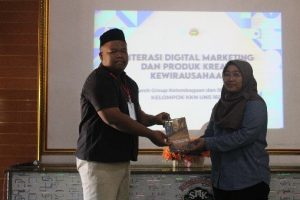
    The event concluded with the handover of books written by the community service team to SMK Bhakti Karya Karanganyar

  • FEB UNS Research Group Provides Accounting for Zakat, Infaq, and Shadaqah Training to ZIS Management Organizations

    FEB UNS Research Group Provides Accounting for Zakat, Infaq, and Shadaqah Training to ZIS Management Organizations

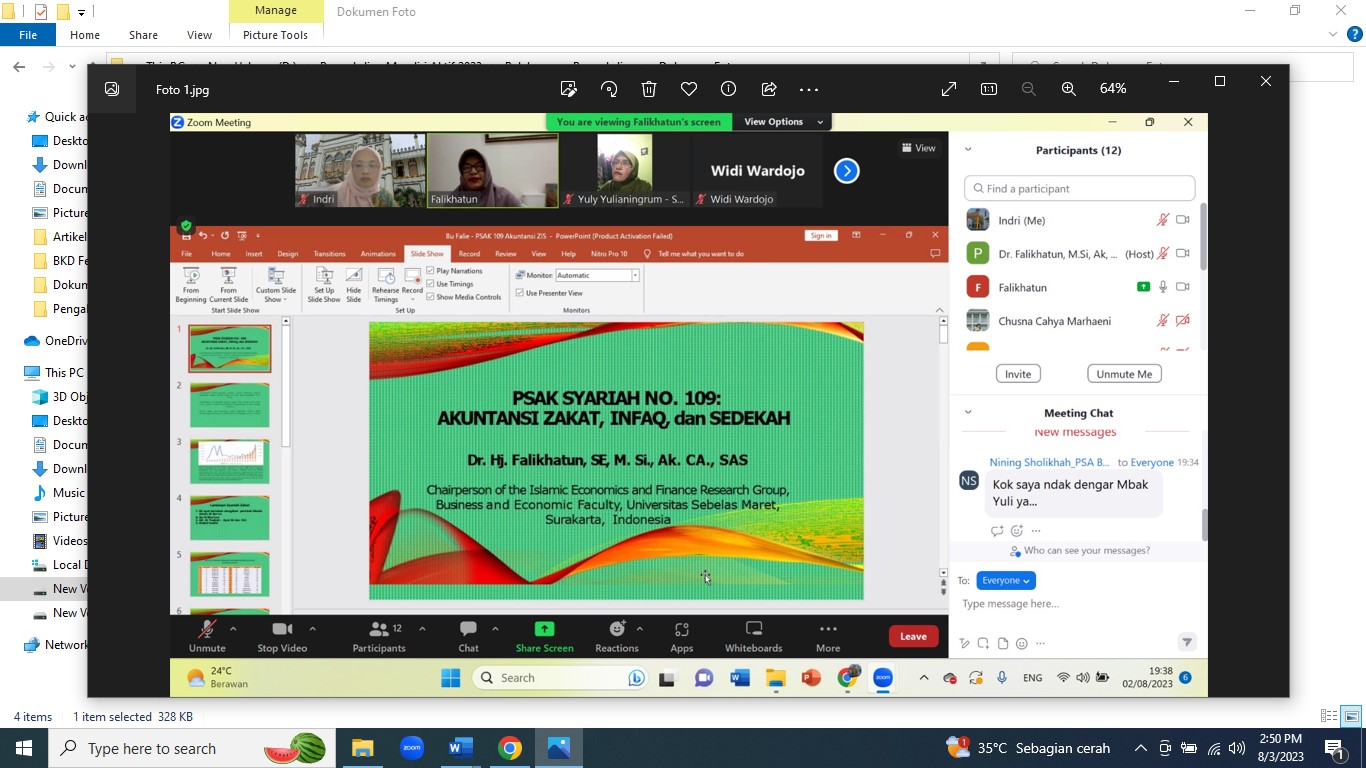
    Islamic Economics and Finance Research Group (RG), Faculty of Economics and Business (FEB), Universitas Sebelas Maret (UNS), hosted a virtual Community Service (PKM) activity for the ZIS Management Organization on Wednesday, August 2, 2023.

    The PKM FEB UNS team led by Dr. Falikhatun, M.Sc., Ak., CA., SAS., the PKM team leader provides ZIS Accounting Training in collaboration with the Regional Assembly (MD) of the HMI Wati Alumni Forum (Forhati) to Zakat, Infaq, and Shadaqah (ZIS) fund managers in the Great Solo Region.

    The online activity aims to assist ZIS managers in implementing the Islamic accounting standards of PSAK 109. In her presentation, Dr. Falikhatun said that the current program is motivated by the fact that the financial statements prepared by OPZ were not in accordance with the Accounting Standards for Zakat, Infaq, and Shadaqah.

    “Financial Statements are a means of accountability reporting for the sources of funds managed by OPZ, both funds originating from Zakat, Infaq, and Sadaqah. The financial statements must also contain the flow of funds as a form of distribution to Mustahiq or OPZ management costs. OPZ’s financial statements in accordance with PSAK 109 consist of Statements of Financial Position, Statement of Changes in Funds, Statement of Changes in Management Assets, Cash Flow Statements, and Notes to Financial Statements,” explained Dr. Falikhatun.

    This activity is expected to motivate ZIS Fund managers to prepare Financial Statements in accordance with PSAK 109, thus, improving Musakki’s trust in OPZ, and will ultimately increase the number of Zakat, Infaq, and Shadaqah fundraisers for each OPZ

  • Crowned as 2nd place Winner in the National Islamic Economic Olympiad, FEB Student Team Develops Sharia Financial Services Cooperative Innovation

    Crowned as 2nd place Winner in the National Islamic Economic Olympiad, FEB Student Team Develops Sharia Financial Services Cooperative Innovation

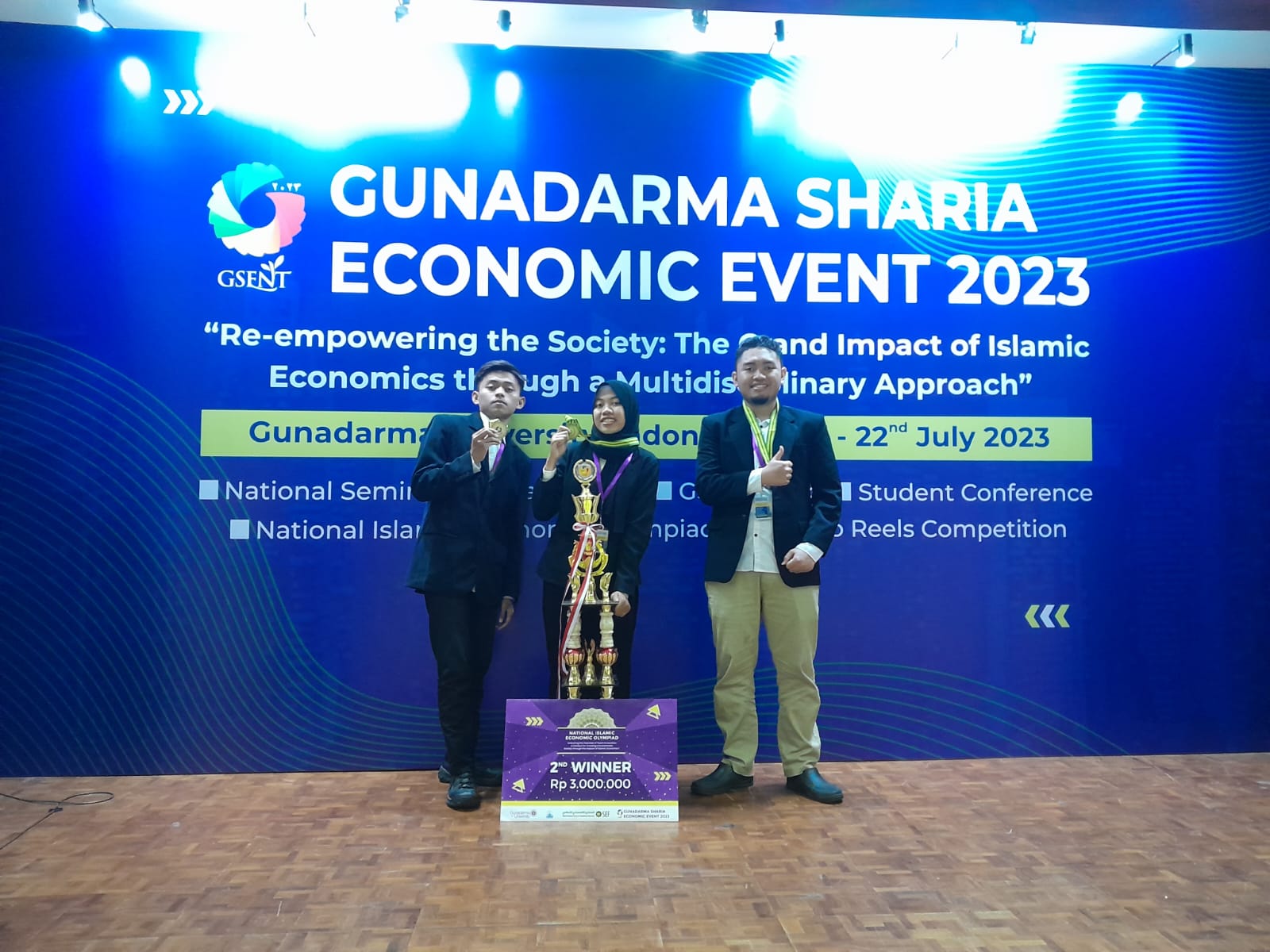
    A Team of the Faculty of Economics and Business (FEB) Universitas Sebelas Maret (UNS) students, won 2nd place in the National Islamic Economic Olympiad, held at Gunadarma University, 18-22 July 2023. The collaboration of three FEB students, Novita Anggun Pratiwi (S1 Management Study Program), Fathir Faiq Aqil Murtadlo (S1 Development Economics Study Program), and Fathir Fikro Al Ishlah (S1 Development Economics Study Program), led the three to achieve the victory.

    There are 50 teams from universities in Indonesia competing in the preliminary round, and 12 teams qualify for the semi-final round. Out of these teams, there are only 4 teams competing in the final round. Proposing an innovation entitled ‘Sharia Financial Services Cooperative Program Indonesia Berdaya Ukhuwah,’ derived from the three members’ idea, the team was able to attract the attention of the jury.

    The idea developed by Novita and her colleagues took a modification of the Grameen Bank that had been carried out in Bangladesh, initiated by Muhammad Yunus.

    “We are interested in highlighting the issue of poverty in Indonesia, which remains to this day. Grameen Bank is one of the concepts initiated by Muhammad Yunus in Bangladesh to alleviate poverty. Grameen Bank is only intended for women with the aim of minimizing poverty. This idea was modified by directing it to a group of peasant women in Karanganyar Regency,” explained Novita, the Leader of the FEB UNS Team in the National Islamic Economic Olympic.

    Previously, PPK Ormawa BEM FEB UNS organized a community service program at the Karanganyar Regency Farmers Women’s Group and focused on MSMEs. The idea proposed by Novita and the Team focused on a type of financing for women farmers of Karanganyar Regency, by adhering to the principles of sharia, with a system based on members’ trust. The main goal is to alleviate poverty in Karanganyar Regency.

    Later, this group of peasant women will form an association like the PKK. When the farmer group needs financing from KJKS (Sharia Financial Services Cooperative), they only need to fulfill the applicable prerequisites.

    This initiative proposed by the FEB Team, which is strengthened by presenting and supporting evidence, is considered by the jury as a good program idea and is expected to be implemented in the future.

  • Operations and Strategic Management RG in Collaboration with KADIN Surakarta Hosted MSME Assistance FGD

    Operations and Strategic Management RG in Collaboration with KADIN Surakarta Hosted MSME Assistance FGD

    Operations and Strategic Management Research Group (RG), Faculty of Economics and Business (FEB), Universitas Sebelas Maret (UNS) hosted a Focus Group Discussion (FGD) for MSME Assistance at Mangesthi Boutique Hotel Solo, Wednesday 26 July 2023. The event was attended by the Executive Director of KADIN Surakarta, MSME partners of KADIN, RG Team, and FEB UNS students.

    Chairman of the Operations Management RG, Prof. Wisnu Untoro, MS., said that this FGD was the final series of MSMEs assistance in collaboration with KADIN Surakarta by involving internship students from FEB.

    Prof. Wisnu expressed his gratitude to KADIN Surakarta for collaborating with Operations Management RG FEB UNS, hoping that this kind of collaboration can go on sustainably. Based on this collaboration, students and MSMEs get many benefits.

    “We hope that after this internship, students can share the experience with their colleagues that this activity is useful and also students can be proud to contribute to certain MSMEs,” he said.

    Executive Director of KADIN Surakarta, M. David R. Wijaya, S.E., also welcomed Prof. Wisnu’s remarks on the sustainability of this collaboration.

    Synergy and collaboration between the business world, academics, and city governments, especially in the development of MSMEs and also developing human resources, thus better preparing them for the future to face global competition.

    “With this cooperation, there are many things that can be obtained from students. They can learn a lot about applied business activities through MSMEs. On the other hand, we hope that MSME can also be helped by the presence of internship students. Today’s era, generation Z understands more about the digital world, knows more about how online marketing, about marketplaces, social media, and so on,” he explained.

    It is said that this internship at KADIN is not solely to work at the KADIN office, but encourages how these students get knowledge from MSMEs, allowing them to experience applied business in the MSME sector. Students have received many theories, financial management, and other knowledge on campus, thus, they need to hone their skills by looking at business actors.

    Why choose MSMEs as a place for internship activity? According to him, MSMEs have a lot of knowledge, ranging from how they build their businesses, how to prepare their human resources, how to record the cash receipt and disbursement, how to manage their production, marketing the product to stay exist to this day and survive, all of these are often done by the business owner.

    After the opening remark, the next activity was the material presentation regarding community service from the RG team, by Drs. Yong Dirgiatmo, M.Sc., Ph.D., and Dr. Hidajat Hendarsjah, MM., who conveyed about the development of MSME products.

    The agenda went on with an FGD on the Internship Program for MSME Mentoring, which included the presentation of the internship implementation report and discussion. The agenda was concluded with the submission of the assessment form as well as the withdrawal of intern students.

  • Gatrik Goes to Campus (GGTC) 2023, Get Closer to Electricity Rates and Subsidies

    Gatrik Goes to Campus (GGTC) 2023, Get Closer to Electricity Rates and Subsidies

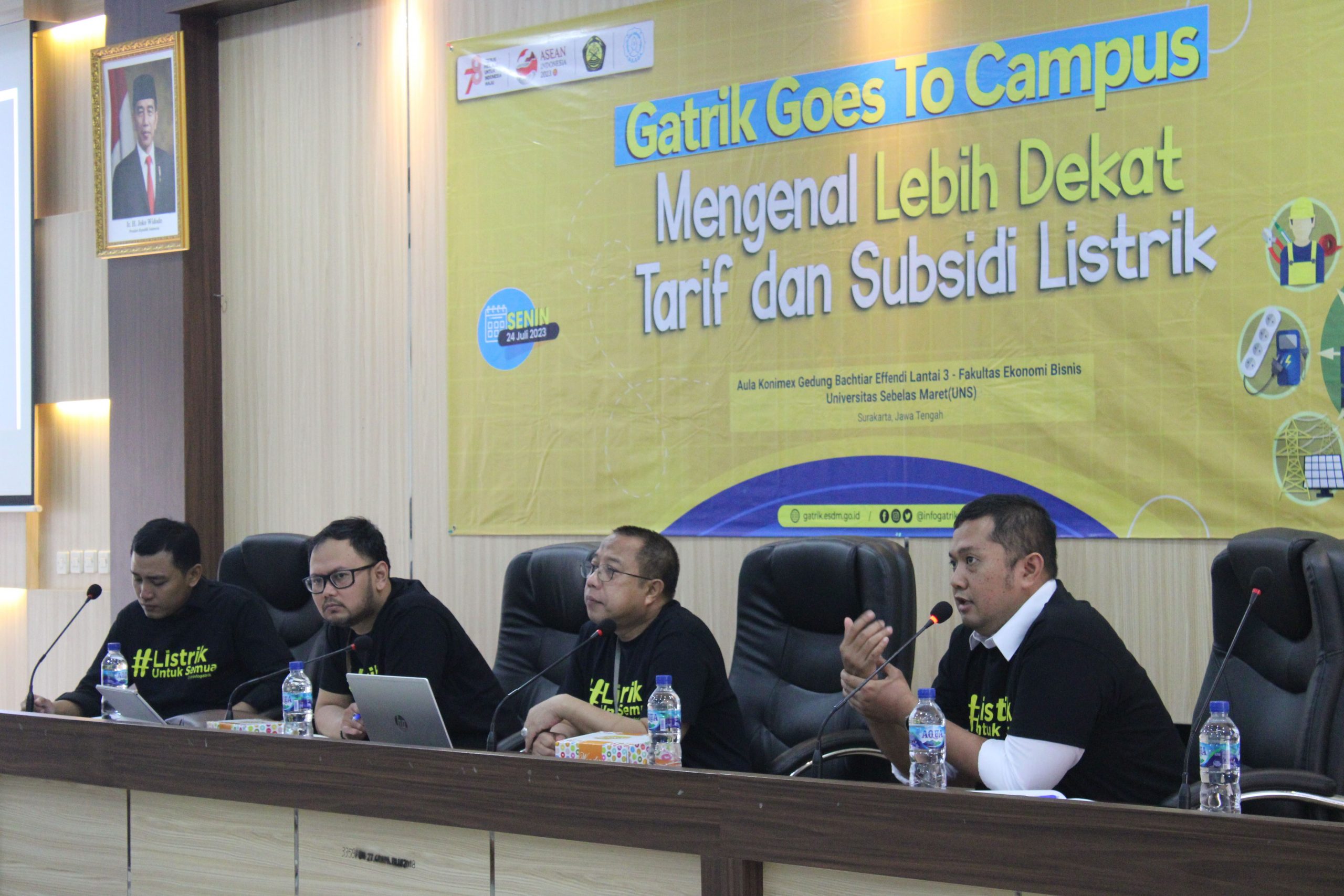
    Gatrik Goes to Campus 2023 under the theme “Getting to Know More About Electricity Tariffs and Subsidies,” was organized by the Directorate General of Electricity (Gatrik) of the Ministry of EMR in collaboration with the Faculty of Economics and Business (FEB) and the Student Executive Board (BEM) of FEB, Universitas Sebelas Maret (UNS), July 24, 2023 at the Konimex Building Hall, Bachtiar Effendi Building 3rd Floor.

    Bhimo Rizky Samudro, S.E., M.Sc., Ph.D., Head of the S1 Development Economics Study Program, on behalf of the Dean of FEB, welcomed the GGTC activities whose targets were students at UNS. Hopefully, public awareness of electricity can be improved along with this activity and material from the three speakers, as well as it can bring additional insights for students, for example by saving on electricity consumption.

    Ida Nuryatin Finahari, Secretary of the Director General of Gatrik, said that the current activity in FEB UNS was the first event involving the Director General of Gatrik. “This agenda is organized because we see that in everyday life, electricity is crucial for the community. However, not everyone understands how electricity tariffs and subsidies are arranged. Why students? We believe we are at the right place. We have never conveyed this detail to students before. That is why we are introducing electricity tariffs and subsidies to students in collaboration with FEB UNS,” she explained.

    Furthermore, it is said that there are approximately 83 million electricity customers, almost half of which get subsidies. There are 38 types of customers. Out of the 38 customers type, 25 customers are still subsidized and 13 are not. But every 3 months there is a tariff adjustment and if Gatrik does not adjust the tariff, then the government will provide compensation. Both subsidies and compensation are a burden on the government finance.

    In terms of policy, the Young Policy Analyst of the Directorate General of Electricity, Syariffudin Ahmad said that the electricity subsidy policy for fiscal year of 2023 aims to provide targeted electricity subsidies with harmonized economic recovery and community purchasing power; to ensure that electricity subsidies for households are given in a targeted manner for poor and vulnerable households; and to encourage the development of more efficient new renewable energy.

    The Tariff adjustment policy is determined by the Board of Directors of PT PLN (Persero) after obtaining the approval of the Minister. Tariff Adjustment itself is applied to non-subsidized customers every three months due to several uncontrollable factors (exchange rate, inflation, ICP, and coal prices). Tariff Adjustment is a national-scale policy, a crucial, strategic, and has a broad impact on the community, thus in its own discussion, it is carried out at the Plenary Cabinet Session or Limited Meeting.

    On the other hand, Moh. Arief Mudhari explained about Electricity Subsidies and Rates. Electricity subsidy is a form of assistance from the government for the general public to be able to pay electricity rates cheaper than their economic condition. Subsidized PLN customers are categorized into 25 groups, which are 45.25% of total customers, while compensated non-subsidized customers are categorized into 13 groups or 54.75% of total customers.

    Electricity tariffs consist of 38 groups and are divided into two groups, namely: subsidies and non-subsidies. Subsidized rates are designated for 25 tariff groups that include subsidized small household customers (450 VA and 900 VA) as well as all small and medium S, B, I, P, Traction, and Bulk customers. Meanwhile, non-subsidized tariffs are designated for 13 tariff groups including ‘R MAMPU’, ‘B’ medium/large, ‘I’ medium to high, and ‘P’ medium/large customers, street lighting, and special services.

    Meanwhile, FEB UNS Lecturer from Development Economics Study Program, Hery Sulistio Jati N S, SE., MSE., emphasized the need for the right momentum in determining the increase in TDL (Base Electricity Rate). That is by considering when the short-term and long-term are more optimistic.

    Furthermore, the electricity subsidy structure needs to be built with a more progressive formula to ensure that the electric energy trilemma does not progress any further. This aims to ensure that the electric energy trilemma does not become an impossible issue at the macroeconomics level with high costs when Indonesia had optimized most aspects back in 1998.

  • LAMEMBA Assessor Carry-out Site Assessment in Undergraduate in Accounting Study Program FEB UNS

    LAMEMBA Assessor Carry-out Site Assessment in Undergraduate in Accounting Study Program FEB UNS

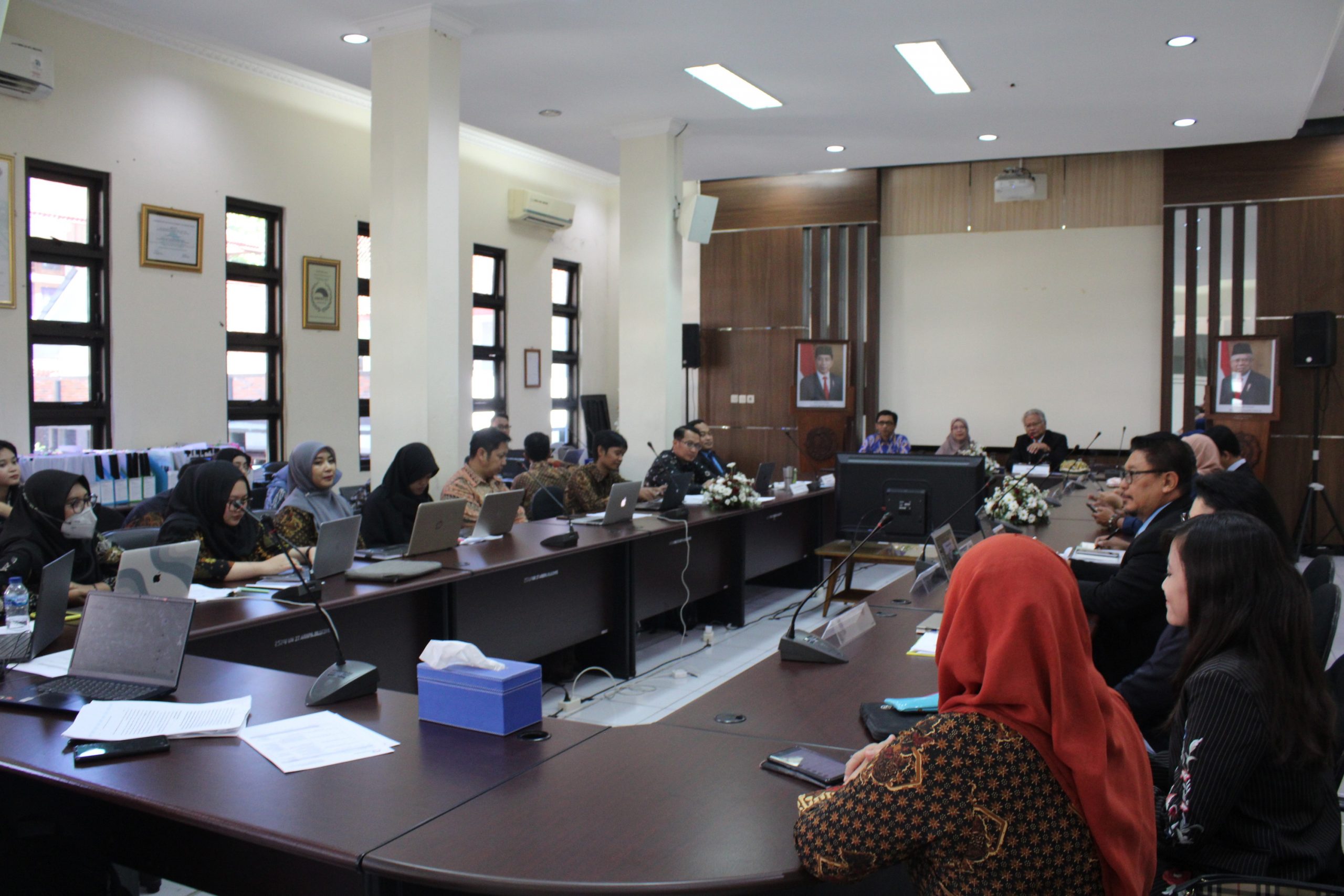
    On Thursday-Friday, July 20-21, 2023, a site visit assessment was carried out for the Accounting Undergraduate Study Program, Faculty of Economics and Business (FEB), Universitas Sebelas Maret (UNS) to obtain LAMEMBA accreditation. The Accounting Study Program is the first study program at FEB UNS to apply for accreditation conducted by LAMEMBA field assessment.

    The site visit assessment team, as appointed by LAMEMBA to conduct field assessments, consists of Prof. Dr. Dedhy Sulistiawan, S.E., M.Sc., Ak., C.A., from the Universitas Surabaya and Dr. Wuryan Andayani, C.A., MSi., CSRS., CSRA., CMA., from Universitas Brawijaya.

    LAMEMBA is an Independent Accreditation Institute for Business Management Economics and Accounting education program, which is tasked to carry out the Accreditation process for Study Programs in Economics, Management, Business, and Accounting.

    Both Assessors were welcomed in the Rector’s Assembly Room by Prof. Dr. Ir. Ahmad Yunus, M.S., Vice Rector of Academic and Student Affairs, Dean of FEB, Head of Accounting Study Program, and delegations from UNS Education Quality Assurance and Development Institute.

    Prof. Dedhy in his speech conveyed that his arrival with Dr. Wuryan is a mandate from LAMEMBA to carry out an assignment as an assessor. “After looking at the study program’s Self Evaluation Document (DED) and the Program Performance Document (DKPS), our task should be easier, we only need to confirm some documents and additional information to clarify problems related to the international engagement carried out by the Bachelor of Accounting Study Program,” he said.

    Meanwhile, Dr. Wuryan emphasized that the purpose of both assessor’s visit to UNS is not to audit and shall not be feared, because they only confirms the information reported in the DED and the DKPS. She said that the purpose of accreditation is for the university to make continuous improvements to provide better education and professional services. Dr. Wuryan is confident that Prof. Djoko as the FEB UNS Dean and some LAMEMBA Assessors at UNS know what tasks the assessors have to do.

    On the first day of the assessment, a confirmation session took place with the Head of the Study Program, Management Unit, Internal Quality Assurance, Accreditation Taskforce Team, Middle Management at UPPS, Lecturers, Alumni, and External Users. The Site Visit Assessment continued on the second day with the facility review session in FEB UNS.

    The field assessment was concluded with the report of the minutes of meetings and submissions of recommendations from both assessors.

  • Social Entrepreneurship, A New Step Toward Sustainable Business

    Social Entrepreneurship, A New Step Toward Sustainable Business

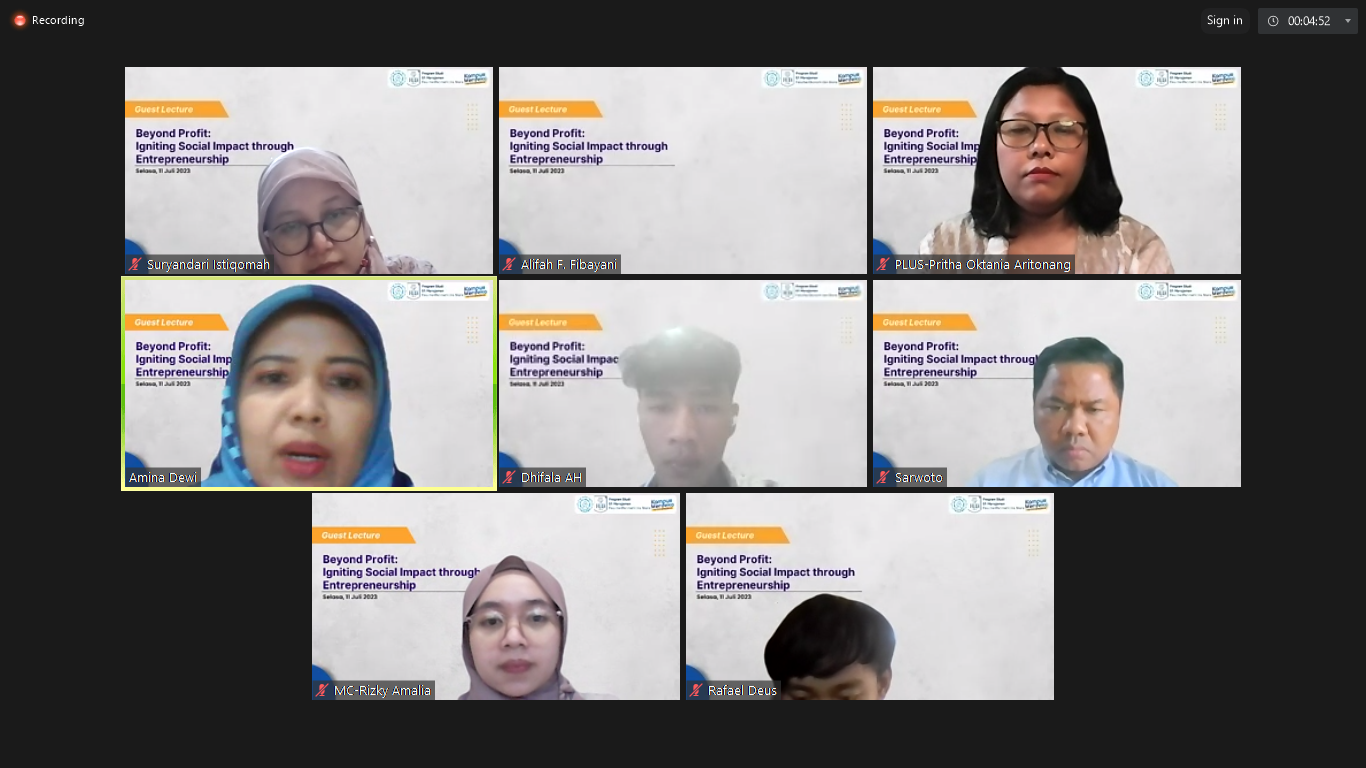
    Seeing the potential of achieving business growth beyond profit and including social impact through social entrepreneurship, the Bachelor in Management (S1) Study Program (MSP FEB UNS) hosted a Guest Lecture entitled “Beyond Profit: Igniting Social Impact Through Entrepreneurship.”

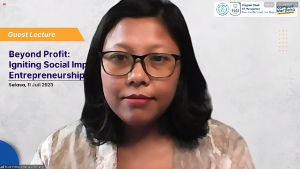
    Presenting Pritha O. Aritonang, Project Coordinator at the Platform Usaha Sosial (PLUS), the guest lecture session held on Tuesday (11/07/2023) was virtually attended by more than 100 participants consisting of students and lecturers of the Management Study Program, Faculty of Economics and Business (FEB), Universitas Sebelas Maret (UNS).

    Opening the guest lecture session, Dr. Atmaji, MM., Head of the Management Study Program, delivered an opening remark as well as officially started this guest lectures session. Through his speech, Dr. Atmaji expressed his gratitude and wishes, especially to Mrs. Pritha who has been willing to take her precious time for delivering some insights, at the same time hoping that the material will enlighten PSM FEB UNS students on the current condition of social entrepreneurship.

    “Currently, PSM always hosted face-to-face lecture sessions with guest lecturers. This aims to allow students to get knowledge from lecturers and practitioners or other academics who can provide a wider discourse for the material being studied. Thank you to all the participants, students and lecturers. I hope that students can follow the event carefully in order to reap the greatest benefits. Hopefully, this morning’s event can be held seamlessly and provide maximum benefits for students,” hoped Dr. Atmaji.

    Starting the presentation on Social Entrepreneurship (SE), Pritha said that there are fundamental differences between ordinary businesses, non-profit organizations or NGOs, and SE. “In non-profit organizations, there are no material benefits, while SE is focused between financial benefits and social impacts. The potential for social enterprises to be sustainable is greater than NGOs since it can generate its own income and not be dependent on grants,” Pritha explained.

    Social entrepreneurship itself can be defined as a movement that aims to make social change in the community, through responsible business practices that create a sustainable impact. Thus, the purpose of the said business is not only to generate profits but also to make a positive impact. According to her, the focus of SE triggers managers to grow the unique value to be offered to consumers. “Social enterprises can also focus on their own business income and are not dependent on grants. This is what makes social enterprises more sustainable,” she added.

    Sharing her experience as a part of the ecosystem, Pritha also explained three types of Social Entrepreneurship seen by its beneficiaries, including embedded models, integrated models, and separated models. In order to determine whether a business qualifies as a Social Enterprise, there are five steps that can be followed. The first step involves understanding the activities of the business. The second step requires identifying the consumers and target audience of the business. The third step involves recognizing any issues faced by the organization. The fourth step necessitates determining the sources of revenue for the business. The final step involves comprehending the objectives of any changes that the organization or business seeks to implement.

    In Indonesia, there is an increasing trend in the number of social businesses with the number of businesses established reaching almost more than 100 businesses in 2017. The majority of these businesses are engaged in the field of creative industries, followed by the agricultural and fisheries sectors, as well as education. However, according to data presented by Pritha, the distribution of social business is still centralized on Java. Where the majority of social entrepreneurs (47%) stated that the most frequent challenge faced was the lack of capital. In addition, they also stated that there are still difficulties in accessing funding sources and difficulties in improving managerial skills.

    During the guest lecture, several participants appeared eager to engage in direct discussions with the speakers. A few students even mentioned their attempts at establishing a social business and sought guidance and recommendations from Mrs. Pritha, the Project Coordinator on the Platform Bisnis Sosial.

  • Visiting FEB UNS, Head of BPS RI Monitor and Evaluate Study Assignment of the APBN BPS Student at MM FEB UNS

    Visiting FEB UNS, Head of BPS RI Monitor and Evaluate Study Assignment of the APBN BPS Student at MM FEB UNS

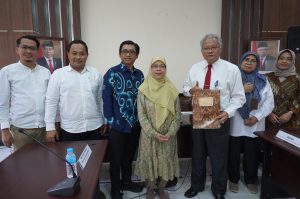
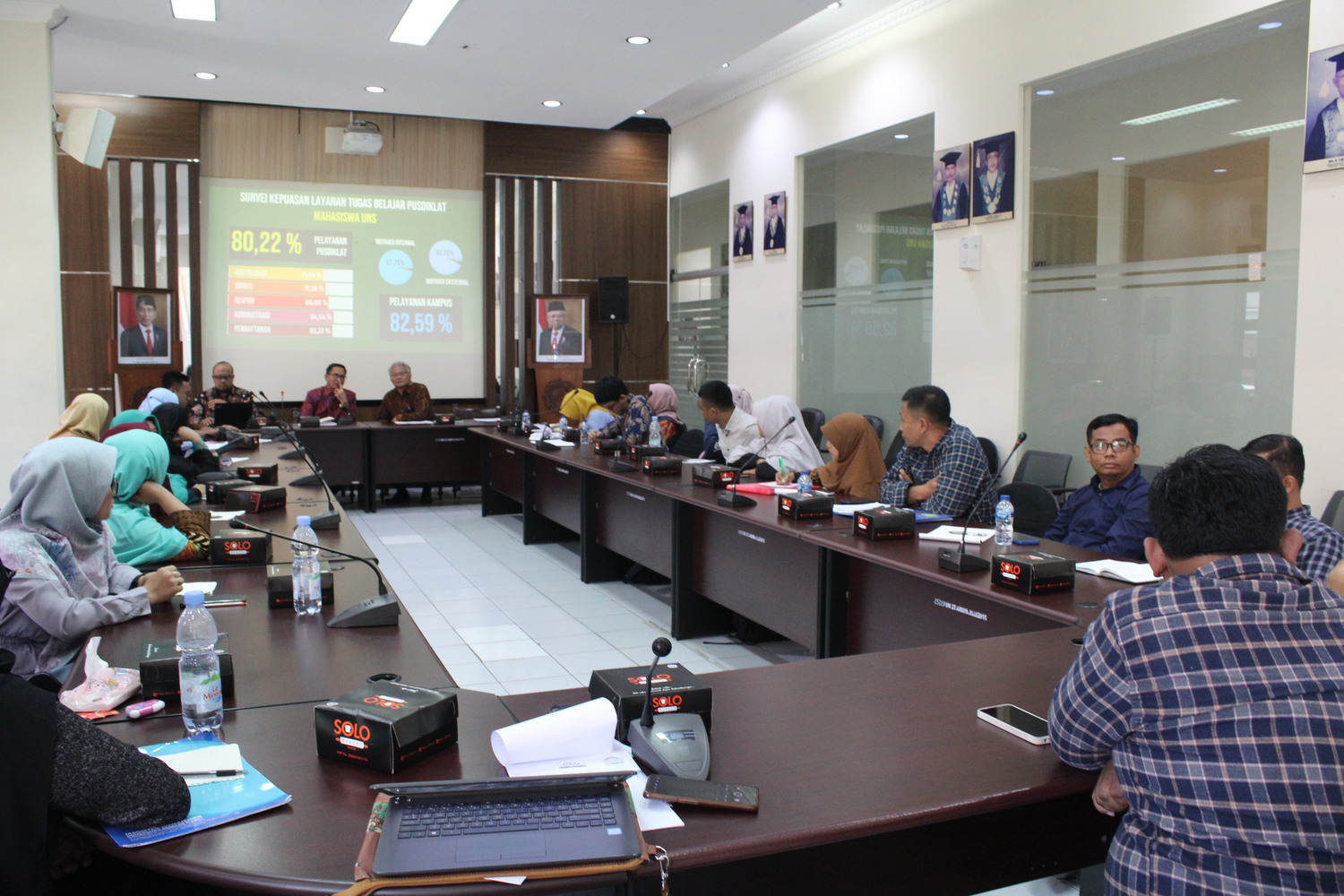
    The Faculty of Economics and Business (FEB), Universitas Sebelas Maret (UNS), welcomed a visitation from the Head of the Center for Education and Training (Pusdiklat) of the Central Bureau of Statistics (BPS) RI, Suntono, SE, M.Si., and the team on Friday, July 17, 2023.

    The team from BPS was welcomed by the Dean of FEB UNS, Prof. Dr. Djoko Suhardjanto, M.Com., (Hons). PhD., Ak., FEB UNS Deputy Deans, Head of Master of Management (MM) Study Program FEB UNS, and all students delegated in BPS Study Assignment at MM Study Program, at Assembly Room 1 Soeharno Building FEB UNS.

    This visit has a primary objective of monitoring and evaluating the progress of the BPS APBN Student’s study assignments within the Master of Management Study Program FEB UNS.

    After delivering a warm welcome speech and introducing the esteemed figures holding the positions of FEB UNS Dean and Head of the MM Study Program, Prof. Djoko has graciously offered a glimpse into the MM student graduation requirements.

    As a graduation requirement, MM students need to write research articles and have them published in international journals or accredited national journals, with at least Sinta 2. Prof. Djoko also encouraged students to complete their studies within 4 semesters.

    Prof. Djoko also thanked Mr. Suntono and the team who had delegated BPS staff to go on Study Assignments at the MM Study Program FEB UNS and hoped to continue this excellent partnership between FEB UNS and BPS.

    Regarding the partnership between the two institutions, Suntono remarked that BPS Leaders hold a positive view of UNS, highlighting the institution’s commendable and cooperative efforts during the initial year of their partnership with Pusdiklat BPS. This promising start ensures the collaboration with UNS to continue in a sustainable manner.

    On this occasion, the Head of the MM Study Program, Retno Tanding Suryandari, S.E., M.E., Ph.D., reported the students’ development under the BPS Study Assignment at the MM Study Program in detail.

    She also reported that to support a seamless study for the MM students, the study program has organized various activities including Scientific Writing Workshop, Analysis Tool Workshop, NCAB Conference, Business Seminar, Macroeconomic Training and Fiscal Policy, and including an upcoming agenda entitled ‘leadership workshop.’

    After the session, Suntono and the BPS team had an internal discussion with the 18 students regarding their study assignments.

  • Establishing Research Collaboration, FEB UNS Welcomed a Visit from UNJ Digital Business Study Program

    Establishing Research Collaboration, FEB UNS Welcomed a Visit from UNJ Digital Business Study Program

    The Faculty of Economics and Business (FEB) Universitas Sebelas Maret (UNS) cordially received a delegation comprising the Head of the Study Program and 79 undergraduate students from the Digital Business Study Program of the Faculty of Economics, Universitas Negeri Jakarta (UNJ). The visit took place on Thursday, July 13, 2023, was warmly welcomed by FEB UNS and took place at the Hall of the Suhardi Building FEB UNS.

    The entourage from the Undergraduate (S1) Program in Digital Business UNJ was welcomed by Vice Dean of Business and Information Cooperation Planning, Tastaftiyan Risfandy, Ph.D., Head of Study Program, Putra Pamungkas Ph.D., and also Lecturer of the Bachelor (S1) of Digital Business FEB UNS.

    In his speech, Tastaftiyan Risfandy, Ph.D., welcomed the Head of UNJ Digital Business Study Program entourage to UNS Solo, Dr. Osly Usman, M.Bus., along with the students. “We would like to welcome the Head of the UNJ Digital Business Study Program, Mr. Osly, and all students. It’s an honor for us, this is the 2nd time UNJ visited UNS. Previously, Mr. Osly had given many directions to the FEB UNS Digital Business Study Program as a newly established study program.”

    Furthermore, it is said that both Study Programs from UNJ and UNS will establish many collaborations, one of which is a research partnership. In line with Tastaftiyan Ph.D., Dr. Osly also confirmed that the Study Programs will conduct research and international community service collaboration that will involve students. Moreover, Field Work Courses (KKL) are expected to enhance the enthusiasm of UNJ Digital Business Study Program students to be independent.

    “Through various off-campus visits, we encourage our students to learn more and not to become ‘home-court aces,’ to be academicians who can dedicate their learned knowledge to the community. Students are free to explore anything, the great opportunity is available here at UNS. Students are free to inquire about UNS’ strengths, the previous and ongoing projects, and available courses in the fifth semester for student exchange. By engaging in this exploration, later they can confidently select UNS as the preferred destination for their exchange program,” he explained.

    Meanwhile, the Head of BG FEB UNS Study Program, Putra Pamungkas, S.E., M.Rech., Ph.D., confirmed that the collaboration established between the UNS Digital Business Study Program and UNJ has a common goal. This is to elevate the recognition of the Digital Business Study Program within the community and enhance its appeal, thereby fostering increased demand for the program.

    “We are equipping students with digital expertise nurturing future-ready talents for the industry’s advancement. The students were lucky enough to be the pioneers and equipped with digital science from the beginning, positioning them as sought-after recruits for the industry, fully prepared to embrace the challenges of the digital era.”

    He added that UNJ and UNS are set on many research collaborations, student activities, visits, and student exchanges. “Especially for those who have visited UNS and are interested in the UNS campus, we are ready to open student exchange for 1 to 2 semesters. We, at UNS, our specialization is finance. However, it does not eliminate the possibility that there will be a new focus in business and marketing. In Digital Business FEB UNS, we offer 3 concentrations study: finance, digital marketing, and digital governance.”

    Thanks to a well-coordinated effort made by the Student Association Department (HMJ) of the Digital Business Study Program FEB UNS, UNJ students can have the opportunity to see the infrastructure facilities in FEB UNS.

  • Inviting Two Speakers, KAFEB UNS Shares Tips and Tricks to Pass Interview and FGD Stages at BUMN Recruitment Process

    Inviting Two Speakers, KAFEB UNS Shares Tips and Tricks to Pass Interview and FGD Stages at BUMN Recruitment Process

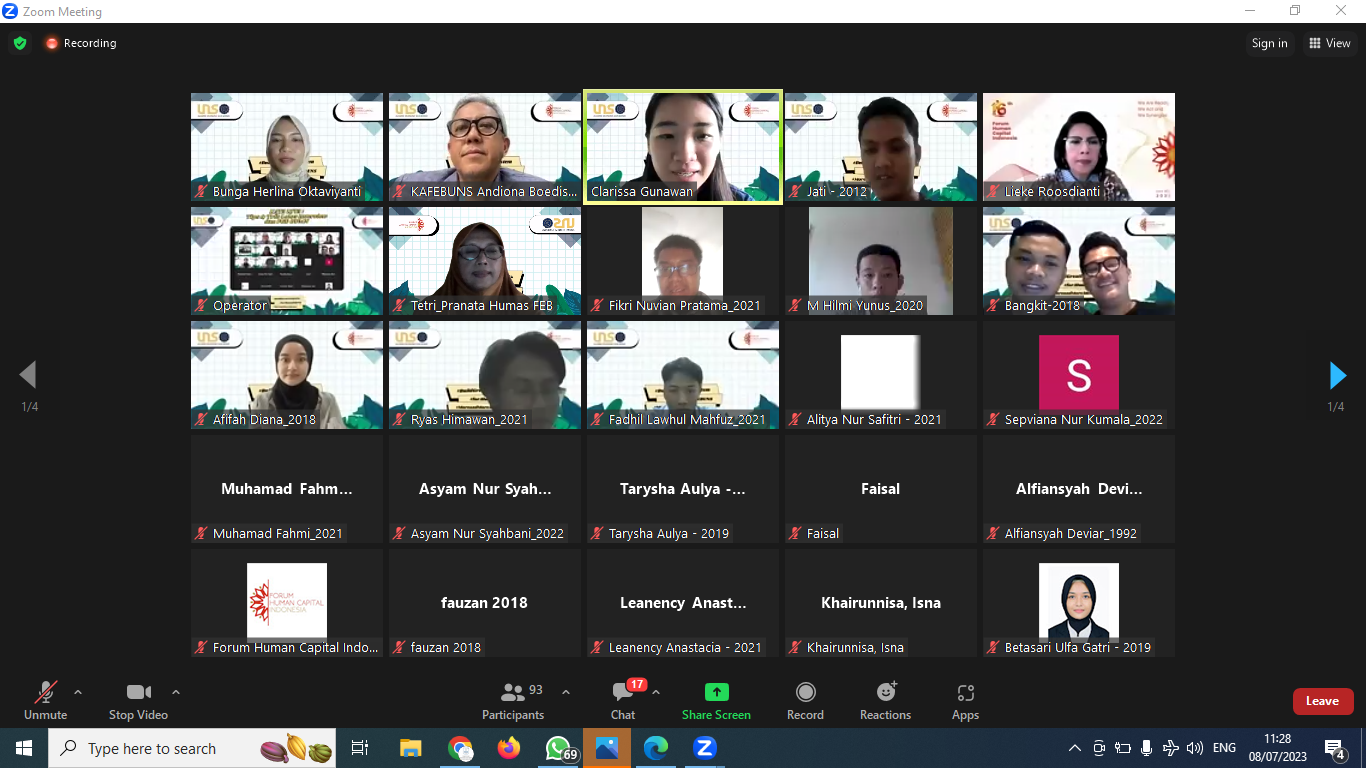
    The Alumni Association of the Faculty of Economics and Business (KAFEB), Universitas Sebelas Maret (UNS) hosted ‘KATA KITA: Tips and Tricks to Pass BUMN Interview and FGD,’ Saturday, July 8, 2023. The event attended by 100 participants presented two speakers, Lieke Roosdianti Pangkey, Executive Director of Human Capital Indonesia Forum (FHCI), and Bunga Herlina Oktaviyanti, VP Wholesale Banking BRI, alumni of FEB UNS Class of 2001.
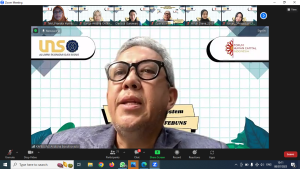
    Andiona Boedisoejoto commonly called Mas Oni, the co Head of Cash Product and Regulatory Project, Bank UOB Indonesia who also serves as the Chairman for Daily Operational KAFEB UNS, said this event was intended for students and alumni.

    “In this forum, we will discuss what is FHCI, what assistance can be provided by FHCI, and of course provide input to alumni and students. FHCI has an important role in carrying out the recruitment process and several other activities for SOEs in Indonesia. On this occasion, we will discuss the Tips and Tricks to Pass the Interview and FGD stages at the Indonesian SOE recruitment process. What are the stages and how are the recruitment processes carried out? We will hear directly from FHCI, from Mrs. Lieke and Ms. Bunga,” explained Mas Oni.

    He further revealed that a similar event will be a continuous agenda by KAFEB UNS, being the current event as the opening event. In the future, KAFEB UNS will be a key point for mutual development.
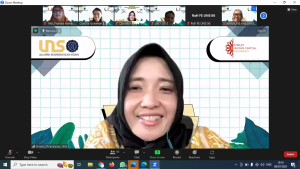
    Dr. Dwi Prasetyani, SE, M.Sc., Vice Dean of Academic, Research, and Student Affairs FEB UNS is very grateful to KAFEB UNS for facilitating this event and also to the two speakers who allocated their time to attend the event. “As stated by Mas Oni, the current agenda is part of a series of future activities, hosted by KAFEB UNS. Discussing how our students can be recruited or for students to be graduates with expected competency. Our task is to prepare students to be individuals who are ready to take part in the community with all the competencies they have. Today is the beginning, an enjoyable and warm first meeting, and in the future, we can collaborate better,” she said.

    Further, it was revealed that FEB and KAFEB UNS will host more events and activities that benefit students, such as internship recruitment and certification, which will be conducted in the near future. According to their profile, graduates can be divided into three categories, the first is those who go on professional career, the second is entrepreneurship, and the third is those who pursue further study.

    Graduates who pursue careers as lecturers and researchers are only composed of 10%, while the rest (90%) fall under professional workers and entrepreneurs. According to the survey, there is a considerable number of graduates pursuing careers as SOE employees. As there are considerable FEB students who are interested in pursuing a career, especially in SOEs, therefore, this activity is suitable and in line with the purpose of the study program and faculty.

    FHCI, Tips and Tricks to Pass SOE Recruitment Selection

    In his presentation, Lieke explained in detail about FHCI. FHCI is a forum for human capital consultants focusing on the SOE, especially the Directors of Human Capital or Human Resources (HR). FHCI is a hub to advance or improve SOEs’ human resources, both those who will work in SOEs and those who are already working in SOEs. FHCI programs include internships, assisting in providing supplies or recruiting employees from SOEs, commonly known as BUMN Joint Recruitment (RBB).

    In FHCI, SOEs or SOE entities opened job vacancies allowing fresh graduate job seekers to apply for the FHCI program, namely BUMN Joint Recruitment (RBB). The recent ongoing recruitment program is the 2023 RBB and it is currently at the beginning of the second online test for English proficiency test.
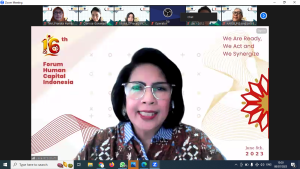
    In front of the 100 virtual participants, Lieke shares tips to pass the SOE selection process, such as applicants must really master the profile of the company they are applying to. Although the applicant has included his Curriculum Vitae (CV), in the interview process, the applicant must be ready to verbally explain what is listed on the submitted CV. In the interview process, applicants can explain the excellence and competency they have without worrying about being considered arrogant.

    Another important thing in the interview is that applicants do not need to tell negative aspects of other applicants, and do not need to tell a lot of their personal weaknesses, which will actually lower their value. The weaknesses that can be conveyed are aspects or requirements that cannot be met but are not related to the position in the company they were applied for.

    Similar to Lieke, Bunga highlighted how an applicant should convey his/her strengths and weaknesses. Applicants do not need to worry if they are considered arrogant if an accomplishment is indeed their commendable achievement. If applicants want to convey their weaknesses, they can do so in a way that also conveys the solution to the shortcomings.
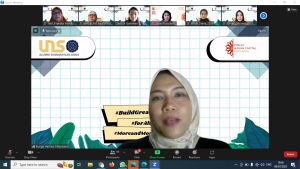
    “It’s precisely those advantages that the examiner will explore further, how you work in a team, how to overcome conflict if working with a team. How do you contribute to the team as a member, or when you’re a team leader? It doesn’t matter if you want to tell me your shortcomings but tell me how you plan to overcome those shortcomings. Such as maybe you are shy and tend to not dare to speak up a lot, thus, you can convey this but you need to also explain the effort you make. For example taking public speaking training classes, especially now there are also many free webinars. This will be the point,” she explained.

    On the other hand, in terms of internships, Lieke suggested the participants start taking internships at SOEs at first. “During your participation in an internship, if you can work well, I will not consider whether you graduate from a certain university, etc. If you can work, I will recruit, no matter where you graduated from,” she said encouragingly.

    KAFEB is very open, Lieke advises students to take this good opportunity to establish good communication and network with the association members, and always participate in training or activities held by KAFEB UNS.