According to Regulation of Mendes-PDTT No. 4 of 2015, a Village-Owned Business Entity is a business entity whose entire or most of its capital is owned by a Village through direct participation derived from Village wealth that is separated to manage assets, services, and other businesses for the maximum welfare of the Village community.
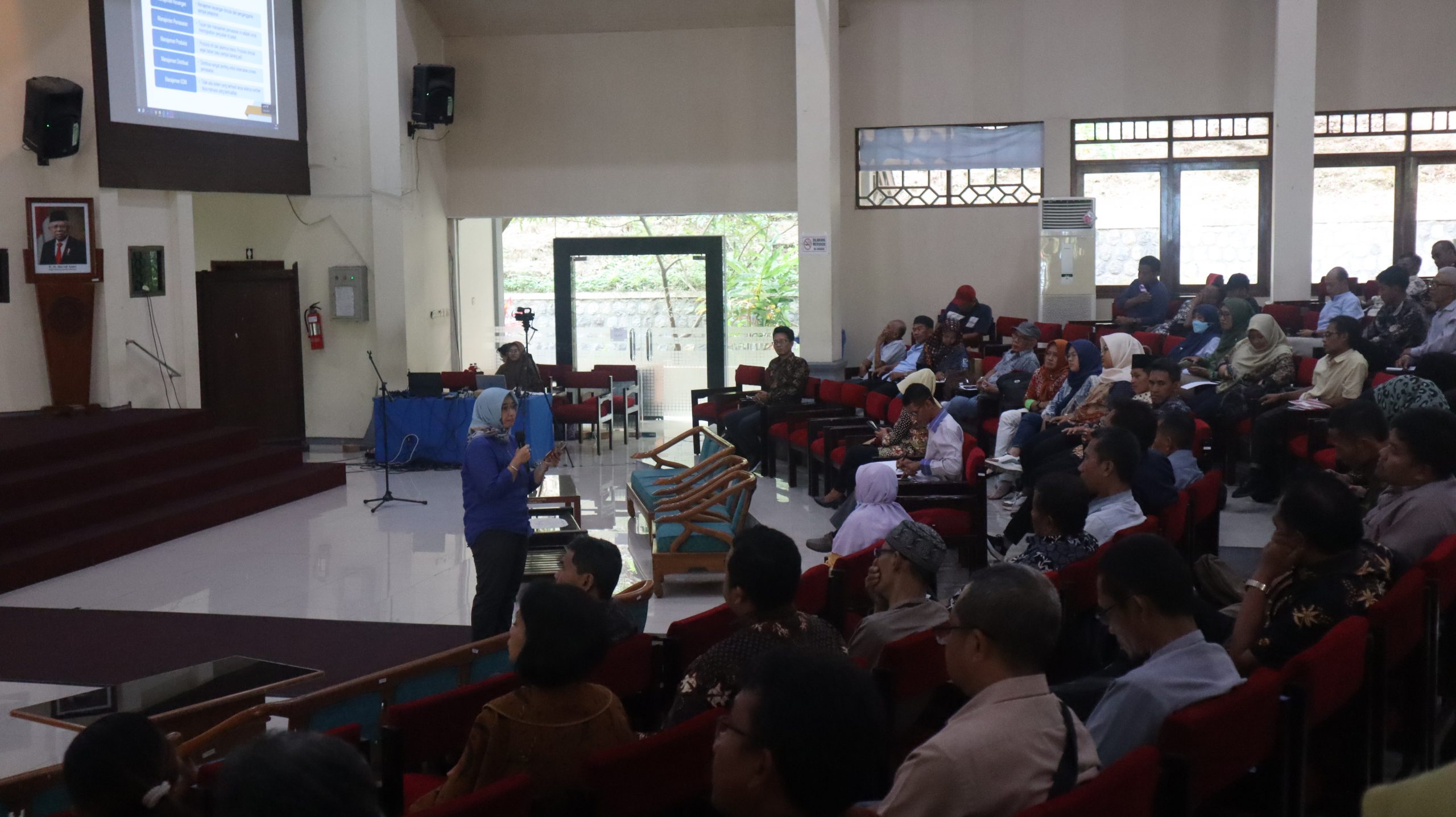
In order for BUMDes to contribute to increasing village income, it is necessary to set up a good management system. This statement was conveyed by Dr. Dwi Prasetyani, SE, M.Si., Plt. Vice Dean for Research and Student Affairs, Faculty of Economics and Business (FEB), Universitas Sebelas Maret (UNS), as one of the speakers at the Village Empowerment and Village-Owned Enterprises (BUMDes) Workshop, Tuesday 13 June 2023, organized by Puslitdesbangda LPPM UNS.
 In front of 250 BUMDes from Klaten, Karanganyar, Boyolali, and Sukoharjo regions, Dr. Dwi explains the Management and Marketing strategy for BUMDes Products. She said that, in its management, BUMDes must have capabilities in business management including financial management, marketing management, production management, distribution management, and HR management.
Financial management starts from budgeting to reporting activities, while Marketing Management, to increase sales in the market. As for Production Management, the core of the business process starts from raw materials to finished goods. Distribution Management is very important for the smooth marketing process, while HR Management has the most crucial role, where no system succeeds in the absence of quality human resources.
According to Dr. Dwi, the marketing concept depends on the character of the product. “In terms of marketing, we have to know the business model of the product. For example, in rural tourism, we talk about several things, whether culinary service is available or not, what kind of crafts we can create, what kind of gifts can be bought by those who will enjoy the products, what involvement will be enjoyed by those who will be our target consumers, how is the ecosystem and so on,” she explained.
Further, she states that, in principle, whatever business or enterprise we choose, we should have a business model and roadmap. These two will help us to plan on what to do in this year, or what to achieve in the next 2 years.
“Not only operational, there is a destination, there is a business concept. This can show that, yes, I have achieved my objective because there are indicators of success that have been set since the beginning. Try comparative studies to advanced BUMDes, they must have a roadmap,” she said.
Furthermore, there are 3 strategies to build a business model, initiation and positioning, branding development, and coaching and monitoring.
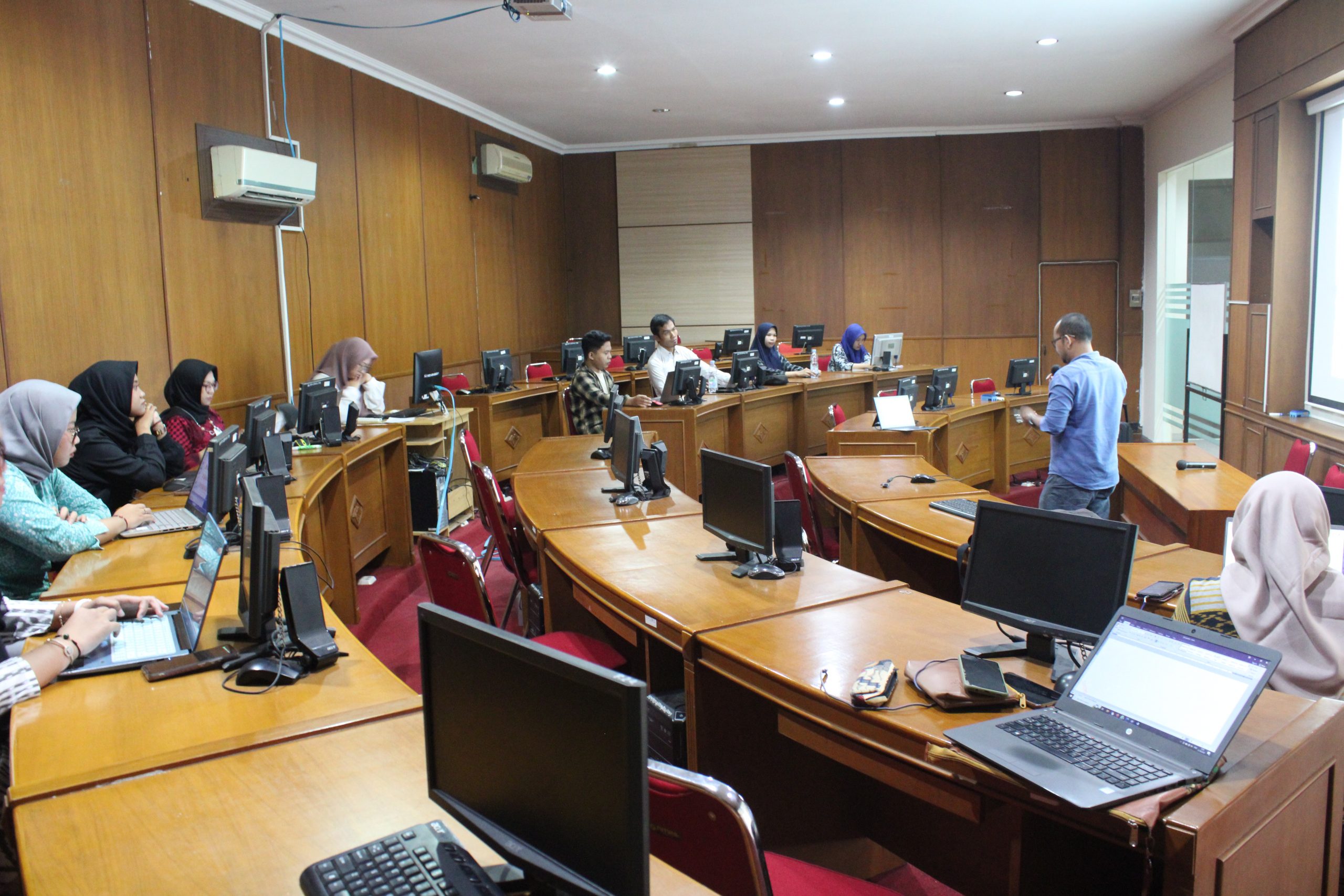
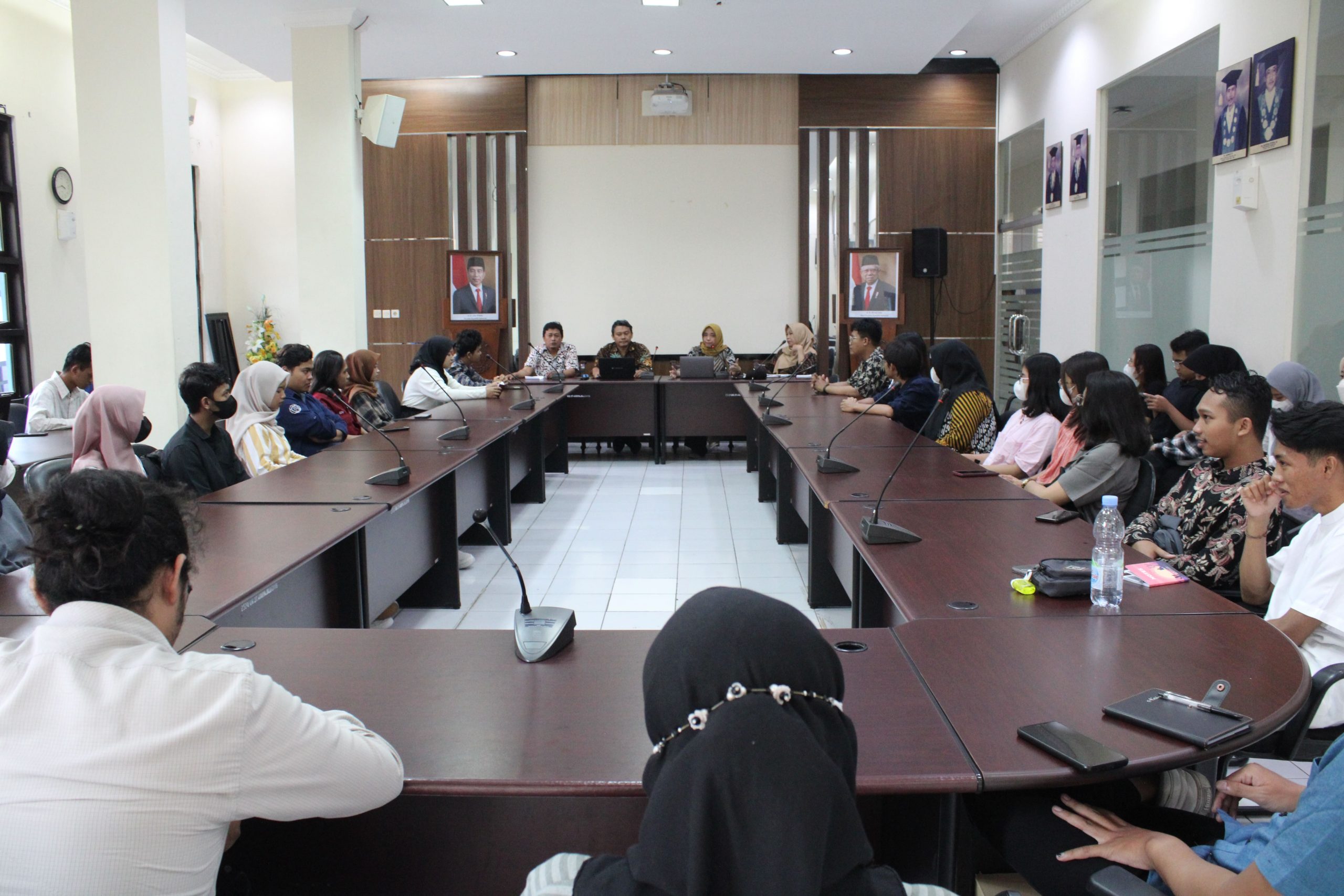
 Roth (1985) identified three types of experiments, the first of which was designed to discuss economic theory. The second is to investigate previously identified anomalies and the third is designed to inform policy. This statement was delivered by Dr. AGR. Deden Dinar Iskandar, SE, MA, a lecturer from FEB UNDIP, in the Experimental Economics Workshop organized by the Master in Economics and Development Studies (MESP) Study Program, Faculty of Economics and Business (FEB), Universitas Sebelas Maret (UNS). The hybrid workshop was conducted at the Teleconference Room Bachtiar Effendi Building FEB UNS and Zoom Meeting.
 ined that economic theory is designed to be generally applicable to different sets of subjects.
 There are 4 types of experiments, the first being the conventional lab experiments, experiments that use a collection of students as subjects, use framing, and are carried out in a laboratory setting with the application of a set of rules. The next type is Artefactual field experiments, which is the same as conventional laboratory experiments but with a collection of non-standard subjects (not students). The third is Framed field experiments, which is the same as artefactual field experiments but using real context both in the task, rules, or collection of information used by the subject.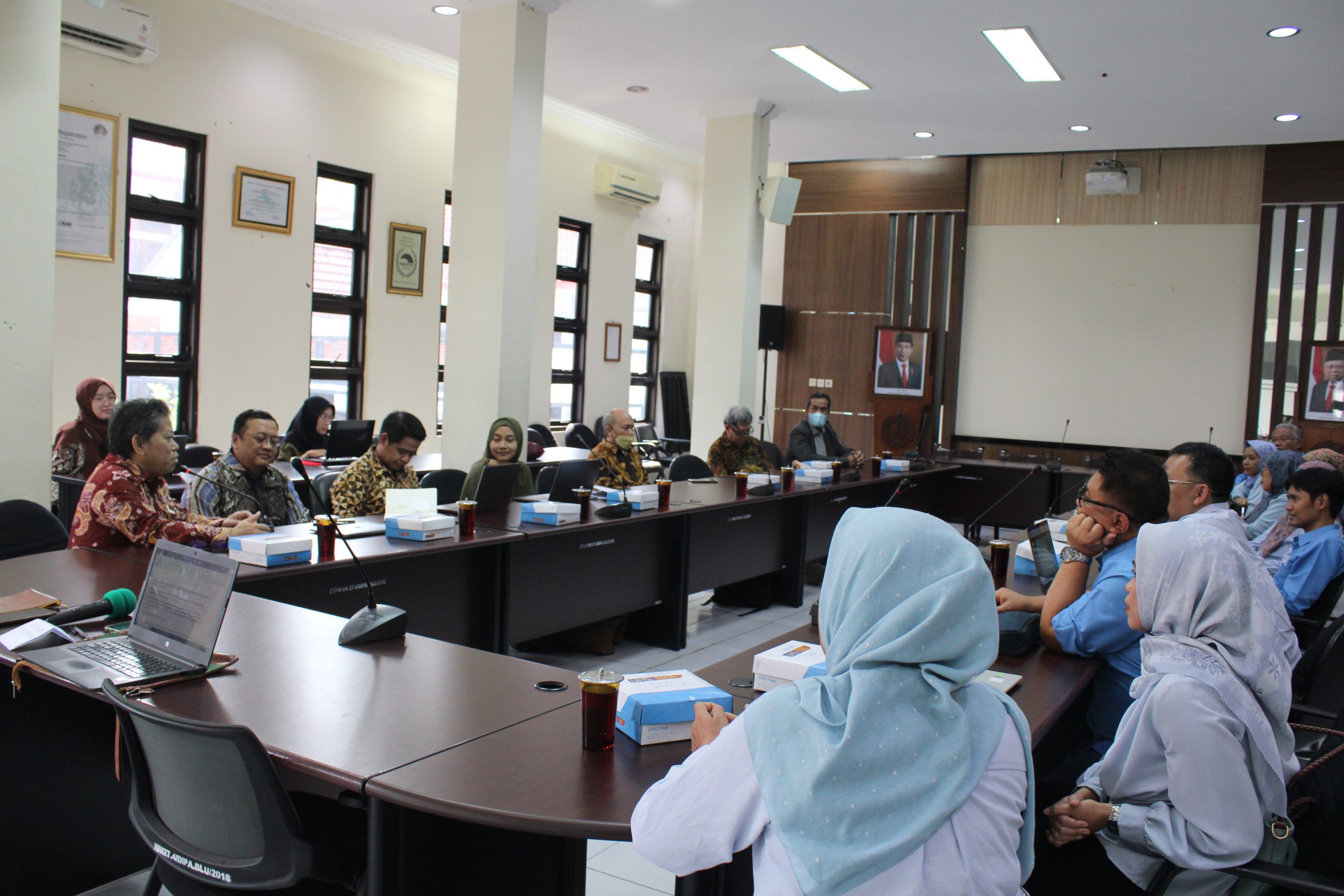
 The entourage led by the Coordinator of the Master of Science Study Program and Doctoral Program of FEB UGM, Prof. Catur Sugiyanto, M.S., Ph.D., was welcomed by the Dean, Head of Study Program for the Master’s and Doctoral Study Program FEB UNS, Head of UPM (Quality Assurance Unit) and P4M FEB.
 To this day, FEB UNS has three Master’s Study Programs, namely Master of Accounting, Master of Management, and Master of Economics and Development Studies, and one Doctoral Program in Economics. Prof. Djoko also explained the general stages that must be passed by the Master’s and Doctoral programs students until graduation.



 As the FEB UNS received the mandate to deliver a good academic process. The faculty must manage its funding appropriately and provide suitable hard-skill and soft-skill outlets for students. Students should also understand the Faculty’s strategic plan, vision, and mission.
 Dr. Dwi also emphasizes 3 principles that students must have, namely hard work, smart work, and networking. Further, she also highlighted that FEB students receive significant concern from the members of the FEB Alumni Association (KAFEB). “I hope ORMAWA administrators can participate in the internship vacancies provided by KAFEB UNS and be selected as intern students there. I don’t wish to see a gap between students and alumni. The alumni are eager to recruit our alumni,” she said encouragingly.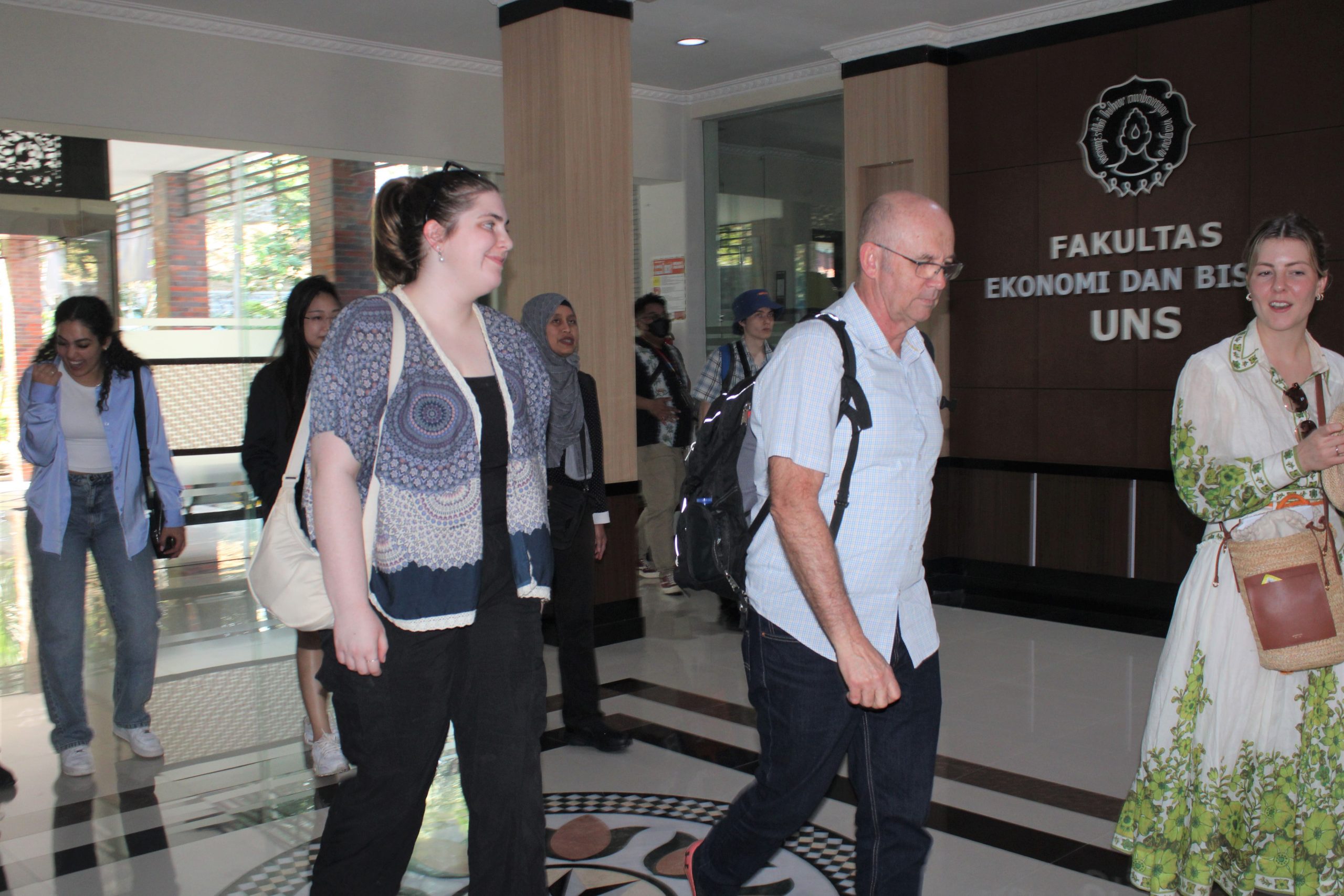
 To support this UNS mission, FEB hosted the Short Course Program ‘UNS International Summer Program’ in collaboration with the University of Canberra, Australia, through the New Colombo Plan Funding Scheme 2023 ‘Indonesian Economy’. The opening ceremony for this Summer Program was conducted on Friday (9/6/2023).
 Through her speech, Dr. Dwi Prasetyani also introduced some of the FEB UNS Deanery members and the lecturers who were attending the opening ceremony. She also hopes that the program can have a positive impact on both institutions.
 “Thanks to UNS for their support. We from the University of Canberra need support from partner universities starting from the application process. We also welcome UNS students to study in Canberra. Hopefully, UNS and the University of Canberra can build a sustainable collaboration.”


 This shall be achieved in an “ASEAN way” in line with the principles of the ASEAN Charter. A peaceful solution, no interference, no confrontation, mutual respect, cooperation, dialogue, consensus, soft diplomacy,” he explained.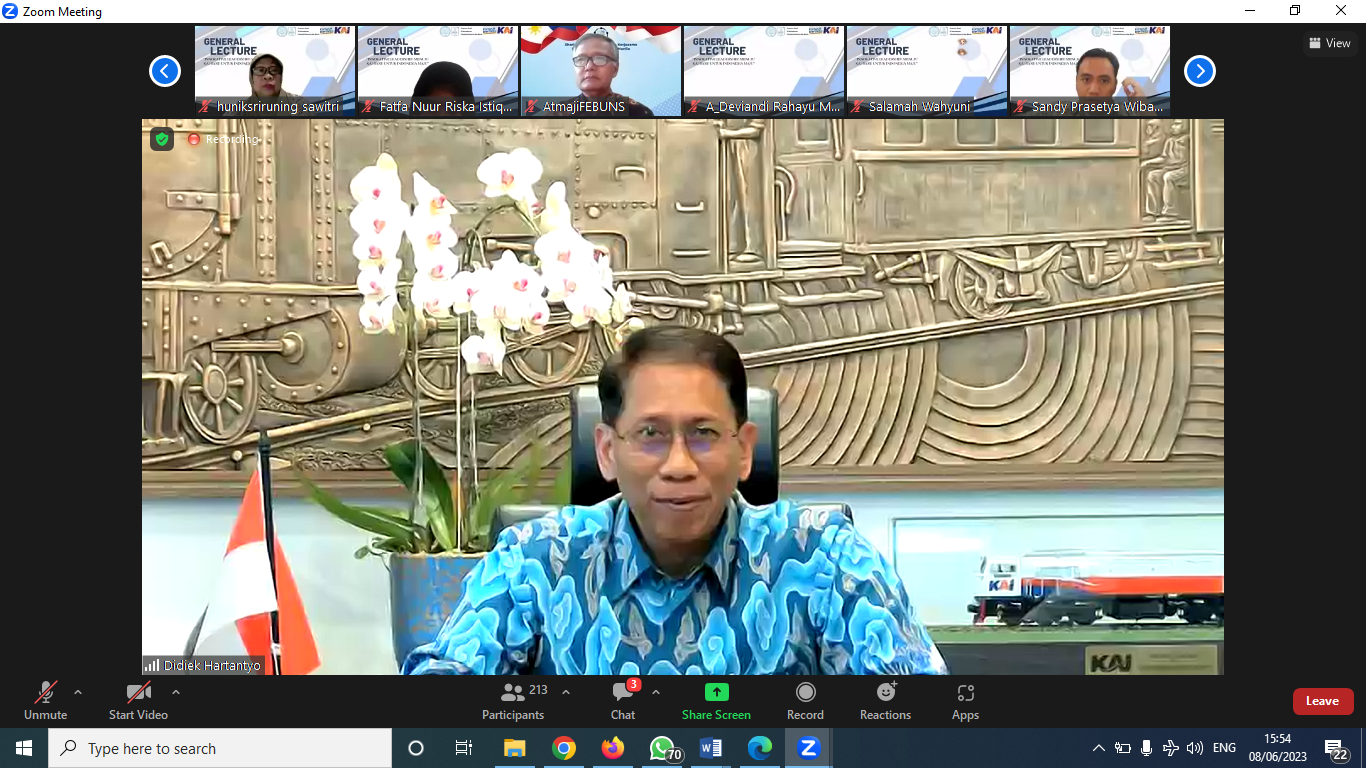
 In his material, Didiek quoted the statement of Deputy Minister of SOEs II, Kartika Wirjoatmodjo: “KAI became the executor for most difficult National Strategic Project in terms of risk and complexity level. Therefore, we need to master Functional Management Skills and Technical Sectoral Skills. However, within a transformation process, leadership skills are the key.”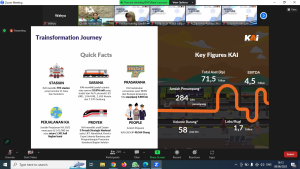
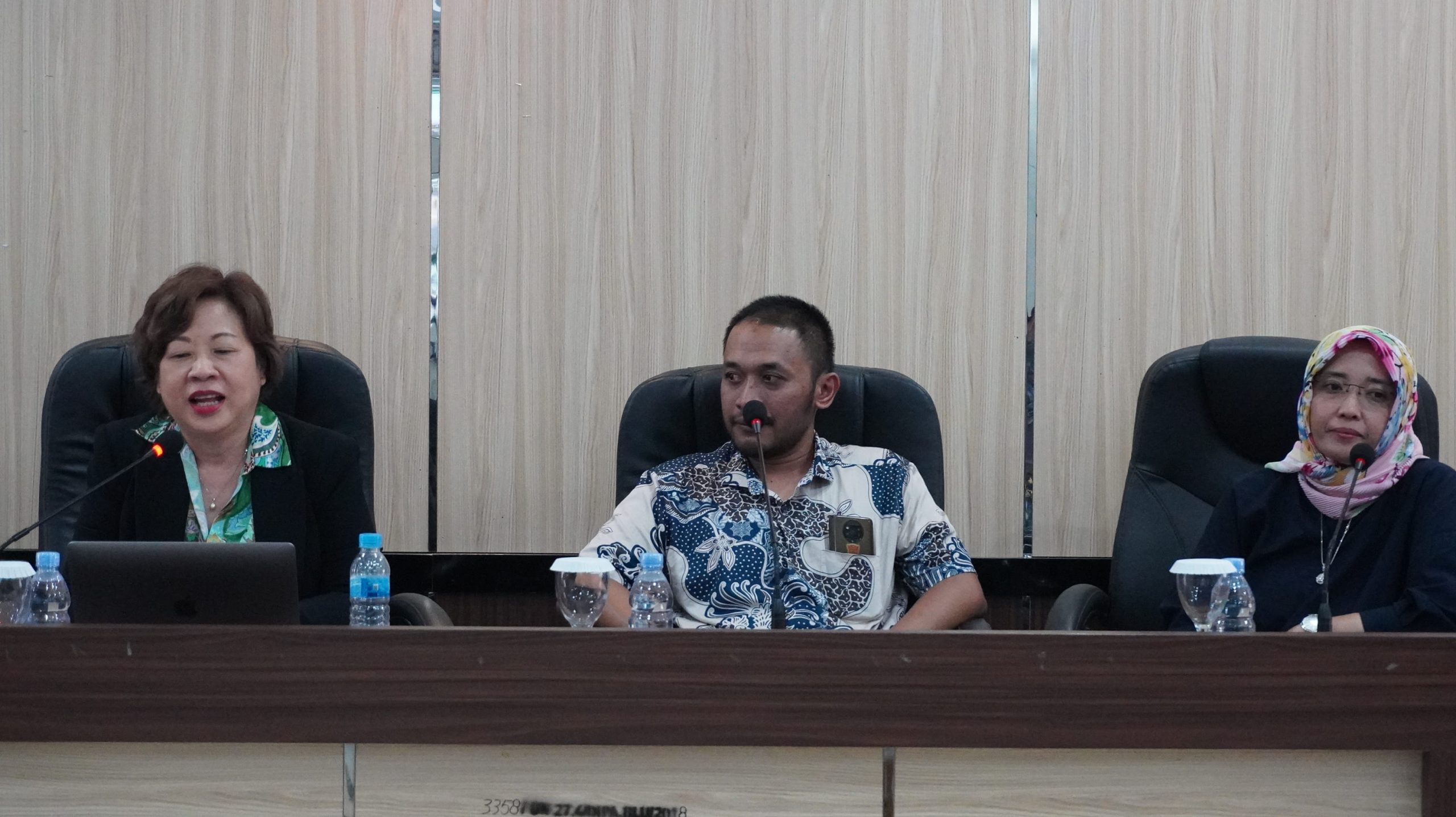
 In the visiting lecture agenda, FEB UNS in collaboration with the University of Newcastle Australia, invited Professor Caroline Chan, Strategic Leader, Global Future Initiatives, Office of DVC Global Engagement & Partnerships, as a guest lecturer. Prof. Caroline Chan, who also serves as Pro Vice-Chancellor, Global Partnerships of the University of Newcastle Australia, delivered the material entitled “Thriving in a Transformed Workforce Landscape.”
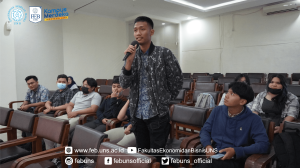 Furthermore, she explained the growth of digital services, which developed during the Covid pandemic. Not only in the trade sector, teaching and learning activities have also been transformed, especially in the field of digital learning. Students inevitably have to learn new skills related to this digital development. “Today employers are no longer asking for academic degrees. They focus more on whether you can do the task given and whether you can do the task given. That’s why you need to learn a new skill set to support your future job,” she explained.
 This transformation, according to Prof. Caroline, could not be separated from the effect of the Covid-19 pandemic, where many workers lost their jobs and had to find new jobs. In the future, there are four skills needed to be able to survive in the workplace. These skills include AI/ML, cloud computing, social media, and product management. Meanwhile, for the employment sector that will be widely available in the future, among others are, the digital economy (digital economy), care economy, and green economy.
 She added that sometimes the education curriculum is out-of-date. Indeed, curriculum amendment takes a long time. However, education provides the basic skills needed by students. By relying on these basic skills, students can learn many additional skills. This skill will then prepare students as lifelong learners. Because there is a possibility that the skills they learn today may no longer be relevant in the future. Students seemed enthusiastic about interacting with Prof. Chan, especially during the question and answer session. The session then concluded with a token of appreciation handover and a photo session with participants.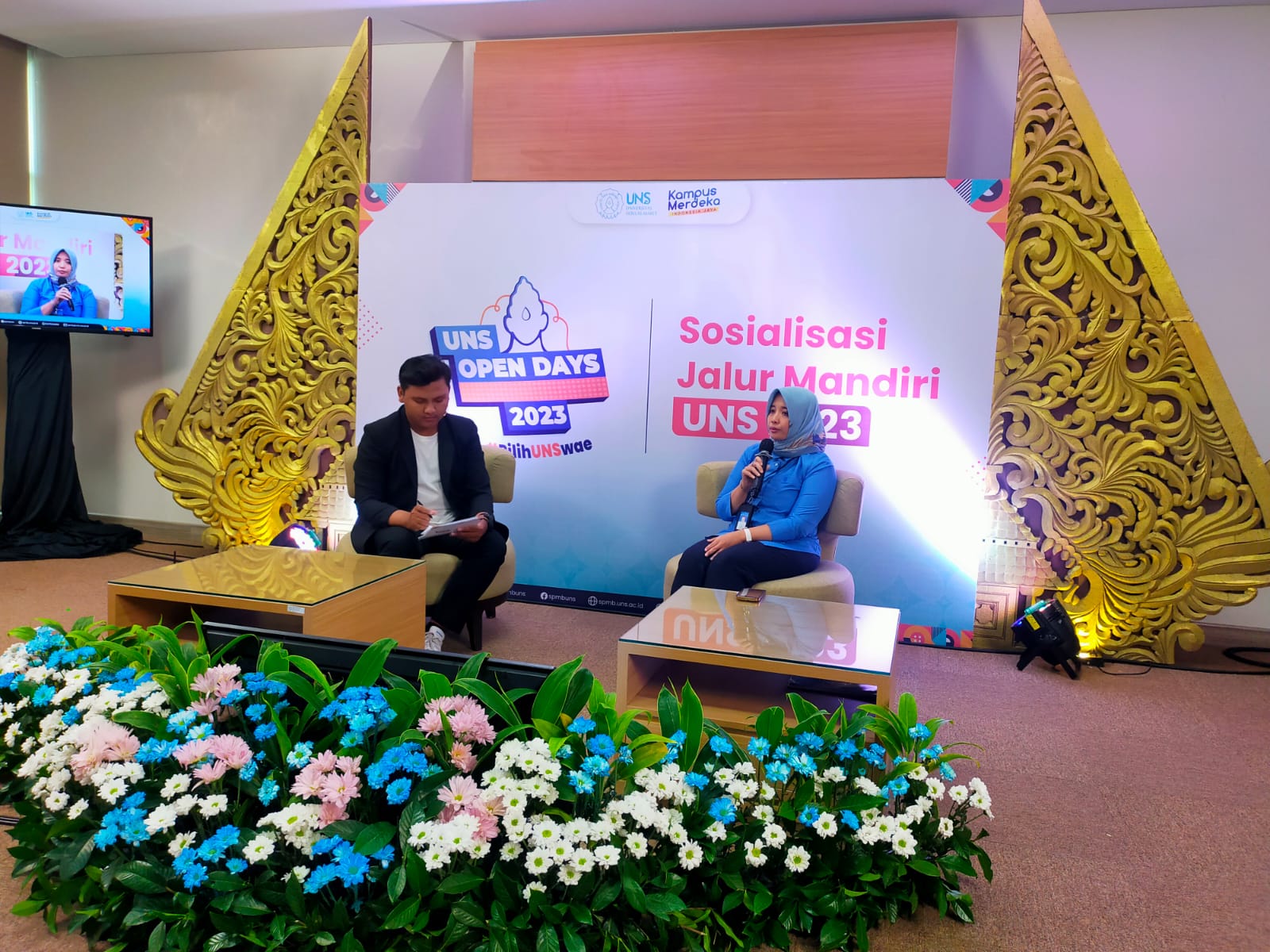
 The faculty also has qualified lecturers and academic support staff who will always be available to support the academic community activities. The facilities provided in the campus area are excellent and meet the standards for students to develop their knowledge, and at the same time develop soft skills and social skills.
 Furthermore, the faculty also has numerous outstanding alumni such as the Chairman of the OJK Board of Commissioners, the Deputy of the Bank Indonesia, the Director of KAI, as well as national and international entrepreneurs and many more. “This outstanding profile shows that FEB UNS is a very, very attractive faculty for the young fellow. So, please join us and we’ll make sure you will be a part of our extensive academic networks and activities,” she reveals in the UNS Open Days.
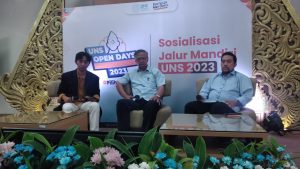 He added that the international class curriculum focuses on international exposure in addition to the similar curriculum provided in the regular program. “Our program has some advantages. You need to understand that in the future, the international orientation will be our focus. Choosing an international class is the right choice because you will get a lot of knowledge and international exposure through lectures given by both national and global lecturers.