FEB

Kategori: faculty

  • Creative Economy Research Group Provides Training in Information Technology-Based Business Managerial Skills for the Managers of BUMDes and MSMEs in Sumberbening Village

    Creative Economy Research Group Provides Training in Information Technology-Based Business Managerial Skills for the Managers of BUMDes and MSMEs in Sumberbening Village

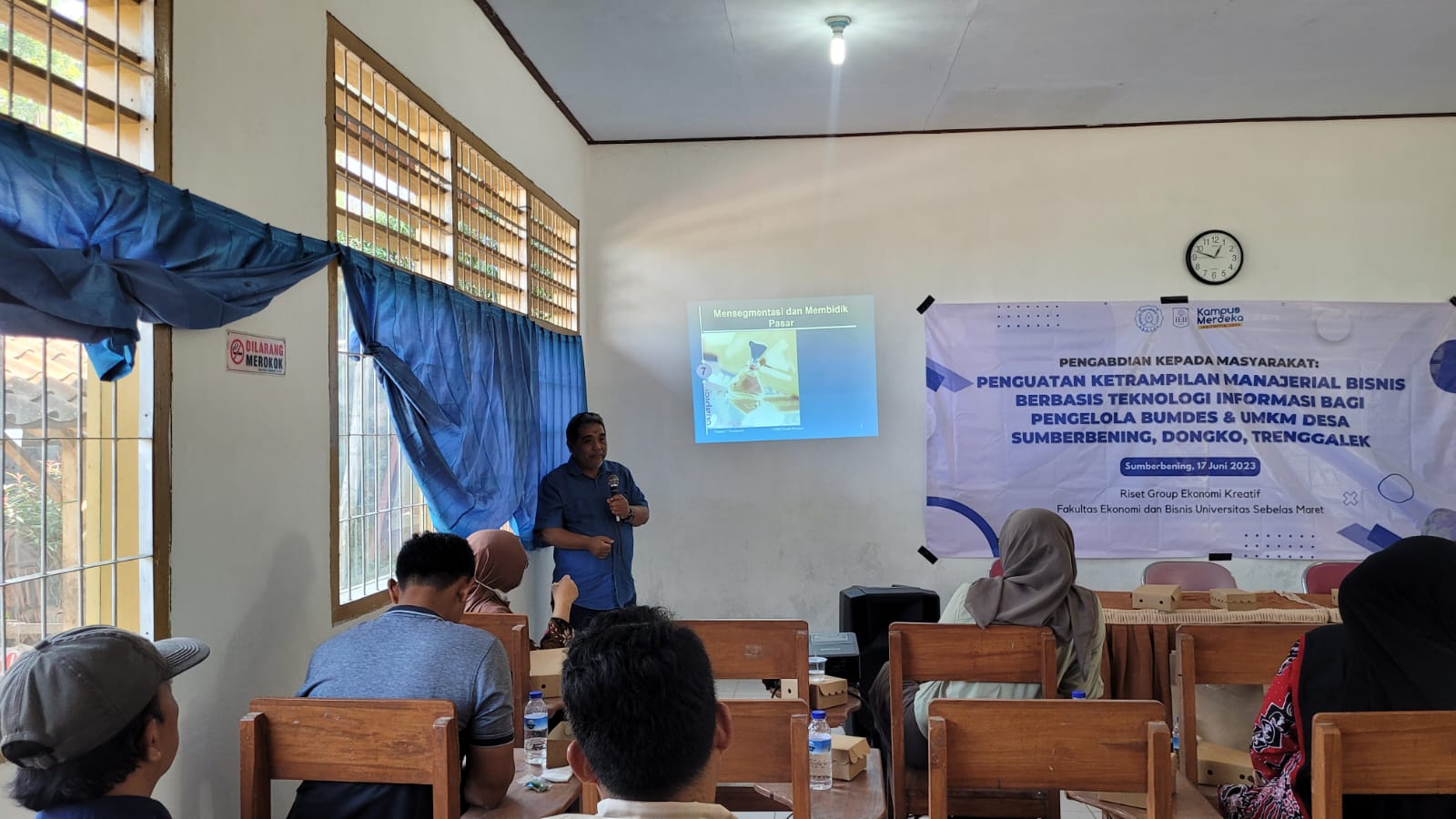
    The Creative Economy Research Group, Faculty of Economics and Business (FEB), Universitas Sebelas Maret (UNS) hosted a community service in Sumberbening Village, Trenggalek, on Saturday, June 17, 2023. Sumberbening Village is one of the villages in Dongko District, Trenggalek Municipality, where the majority of the population are farmers, PE goat cattle farmers, and a small number of MSMEs.
    Sumberbening Village is one of 37 rural tourism sites in Trenggalek Regency. This rural tourism is managed by Pokdarwis “Sengunglung,” in collaboration with the Village Government and also Village Owned-Enterprise (BUMDes) Sumberbening.

    With the existing potential of the village, be it the potential of natural resources, human resources, cultural or artificial, the Pokdarwis try to explore and develop this potential as an established culture within the community while providing community-based economic value.

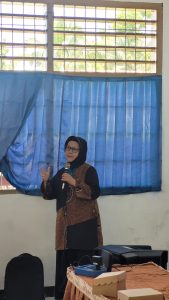
    The Head of Community Service Program, Dr. Mugi Harsono, S.E., M.Sc., along with the team, Prof. Dr. Hunik Sri Runing Sawitri, M.Sc., Prof. Dr. Asri Laksmi Riani, M.S., Dr. Intan Novela Qurrotul Aini, S.E., M.Sc., and Suryandari Istiqomah, SE., M.Sc., provide assistance and training to managers of BUMDES and MSMEs in Sumberbening Village.
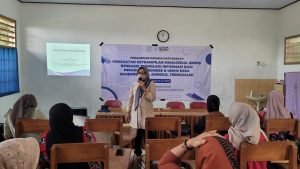
    Community service that took place at the Sumberbening Village Hall focused on the topic of Strengthening Information Technology-Based Business Managerial Skills for BUMDES and MSME Managers at Sumberbening Village, Dongko, Trenggalek.

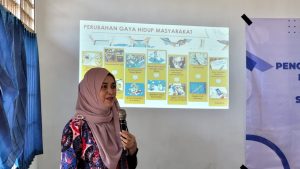
    The Creative Economy Research Group provides several training and assistance materials to the managers of BUMDES and MSMEs in Sumberbening, including work motivation and the basics of starting a business, which includes entrepreneurial mindset and mapping opportunities, determining segments, targets and positioning.

    Participants were also trained on how to implement MSME digital marketing strategies which include getting to know digital media, effective and efficient digital marketing strategies, and getting to know about Digital Marketplace. The last material on MSME digital marketing practices includes CANVA flyer design and simple photography as well as promotions through WhatsApp, Facebook, Instagram, and Shopee.
    Previously, on November 14, 2022, a Partnership Agreement was signed between FEB UNS, Sumberbening Village Government, and involving the STKIP Trenggalek. FEB UNS received a mandate to monitor the management system of several BUMDes’ business units, which will be realized in early 2023.

    From the initial meeting, the program members and the BUMDes organizing committee as well as the Head of Sumberbening Village, have agreed that the problem they face is the lack of motivation of the BUMDes administrative staff because their profession has not guaranteed a decent life, the lack of business unit management knowledge and skills, and the lack of knowledge about using information technology to support daily business work.
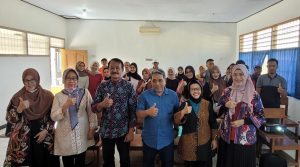
    After receiving training from the FEB UNS Research Group, the BUMDes manager feels that the material is helpful in helping them develop the business unit. They also acquire knowledge about product marketing and also knowledge on how to manage the business digitally
  • Undergraduate Management Study Program Presents Head Analyst of Bank Indonesia in Guest Lecture on Digitization of MSMEs

    Undergraduate Management Study Program Presents Head Analyst of Bank Indonesia in Guest Lecture on Digitization of MSMEs

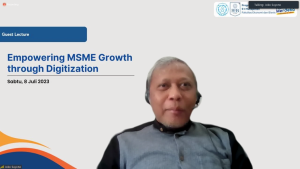
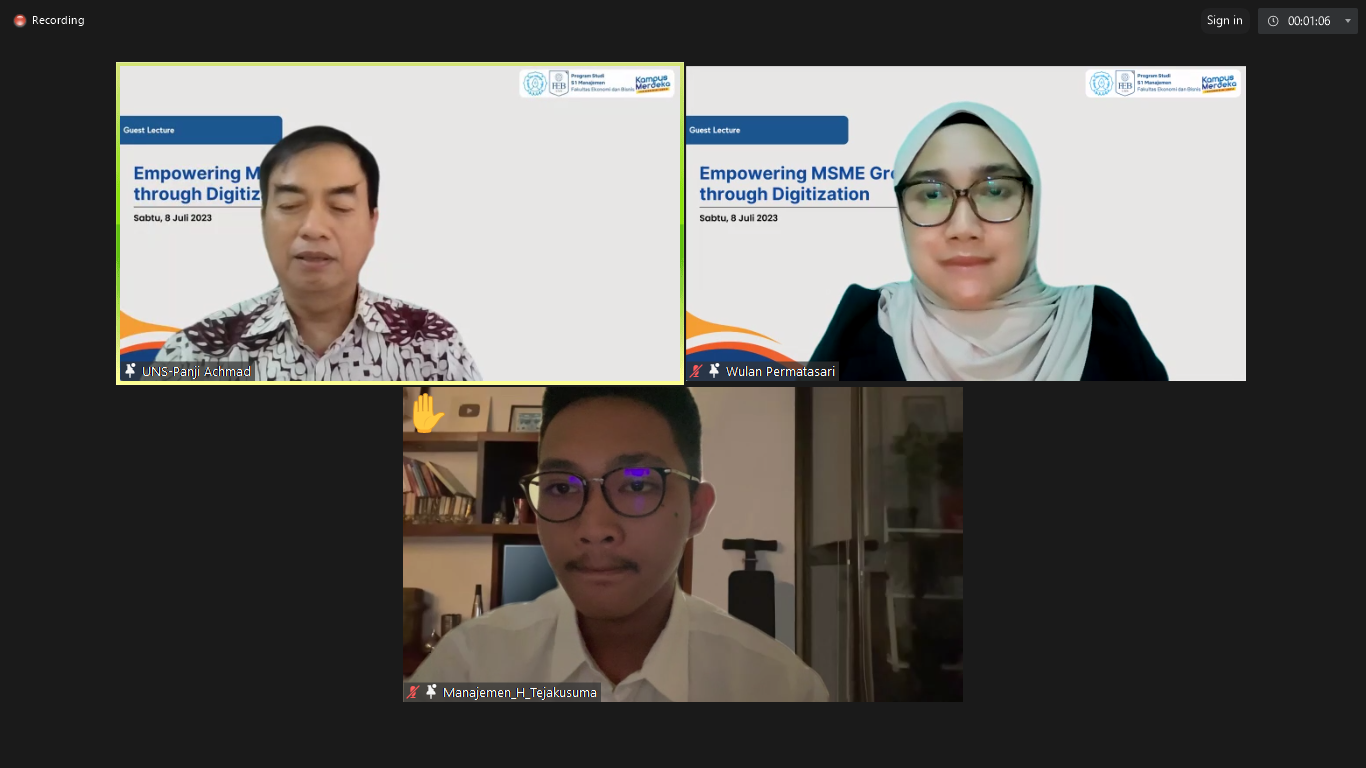
    The Management Study Program (MSP) hosted a Guest Lecture presenting an invited speaker from Bank Indonesia. The Guest Lecture entitled Empowering MSME Growth through Digitization was held virtually through Zoom Cloud Meeting on Saturday (07/08/2023). The guest lecture presents Dr. Panji Achmad, LL.M., Group Head/Director of the Legal Department of Bank Indonesia who discussed four important points in digitalization development in MSMEs.

    These points include the duties and authorities of the central bank after the enactment of Law No. 4 of 2023 concerning the Development and Strengthening of the Financial Sector (P2SK Law), the application of omnibus law of the financial system, Bank Indonesia and payment systems in Indonesia, and the development of MSMEs and digitalization in Central Java.

    The event, which lasted for approximately two hours, opened with Dr. Joko Suyono’s remarks. Through his remarks, he revealed that this guest lecture was attended by the majority of MSP students in the final semester who participated in the MBKM program. “We hope that today’s material can enrich students’ knowledge on how to manage MSMEs related to digitalization,” said Dr. Joko Suyono.

    In line with Dr. Joko, Dr. Panji stated that the objectives of the guest lecture are in line with BI duties related to the empowerment of MSMEs. Hence, creating a well-synchronized guest lecture theme. This is because currently Bank Indonesia is actively engaged in disseminating new regulations related to omnibus law or P2SK Law. “Digitization helps MSMEs during the Covid pandemic. Without digitalization, perhaps the effect of the pandemic will be more severe for MSMEs,” said Dr. Panji.
    In addition to serving as the central bank in Indonesia, the BI participates in the development of MSMEs, among others, through mentoring, financial literacy, and price stability. In this case, BI’s duties in the P2SK Law include issuing legal tender, formulating and implementing monetary policy, regulating and maintaining the seamless flow of the payment system, maintaining financial system stability through macroprudential regulation and supervision, and carrying out the function of “the lender of the last resort.”

    Regarding the development of the digital payment sector, he said that consumers need to consider the balance between the risks and the functionality of digital payment tools. This is related to the many security risks, inherent to the use of such digital systems. “Henceforth, all payment systems in Indonesia must be under the supervision of the central bank, there should be no ‘shadow banking’ (banks that do not comply/do not follow BI regulations). The payment system must be connected to the banking system. One of the technological advancements launched by BI is the use of a QR code, named the QR code Indonesian Standard. The implementation of QRIS is highly beneficial, especially during the Covid-19 pandemic,” he explained.

    In fact, this QRIS has developed into a cross-border QRIS, which now has been adopted in Thailand, Malaysia, and finally legalized in Singapore. In line with the development of the official payment system built by BI, according to data from the Ministry of Cooperatives and MSMEs, in 2022, there were 20.76 million MSME units that had implemented the digital ecosystem. Under this MSME development framework, BI provides MSME development programs and inclusive finance.

    “According to the digitization statistics in Central Java, the largest users of digital payment are Generation Z and millennials. In 2022, the number of SMEs that have entered the digital ecosystem increased 26.6% compared to 2021. Meanwhile, the Kemenkop target for 2024 is 30 million MSME units joining this digital ecosystem.”

    The enthusiasm of students for the material of the Indonesian financial system was seen during the question-and-answer session, where Dr. Panji said several times that the questions asked by students were very interesting and important.

    At the end of the question-and-answer session, Dr. Panji conveyed two important suggestions related to the usage of digital payment systems. “Use digital payments wisely. Be careful in carrying out digital transactions,” he stressed. Concluding the Guest lecture on this occasion, Dr. Wulan Permatasari, SE., MM., SHRM-CP., the moderator of the event expressed her gratitude to Dr. Panji for his comprehensive material.

    “Pak Panji discussed a lot about the development of MSMEs in Central Java and Indonesia. This is a very useful material because many students at FEB UNS do not understand the payment system in Indonesia. Hopefully, in the future, Mr. Panji will be able to share his knowledge and experience with FEB UNS students. Thank you to the participants and the MSP FEB UNS PKKM Task Force Team. Thank you, Mr. Panji, for your knowledge and sharing,” she said, ending the Guest Lecture session.

  • Collaborating with the Semarang Regency Tourism Office, FEB UNS Hosted FGD in Synergizing Culinary Tourism and Iconic Nature Tourism Attraction at Bandungan

    Collaborating with the Semarang Regency Tourism Office, FEB UNS Hosted FGD in Synergizing Culinary Tourism and Iconic Nature Tourism Attraction at Bandungan

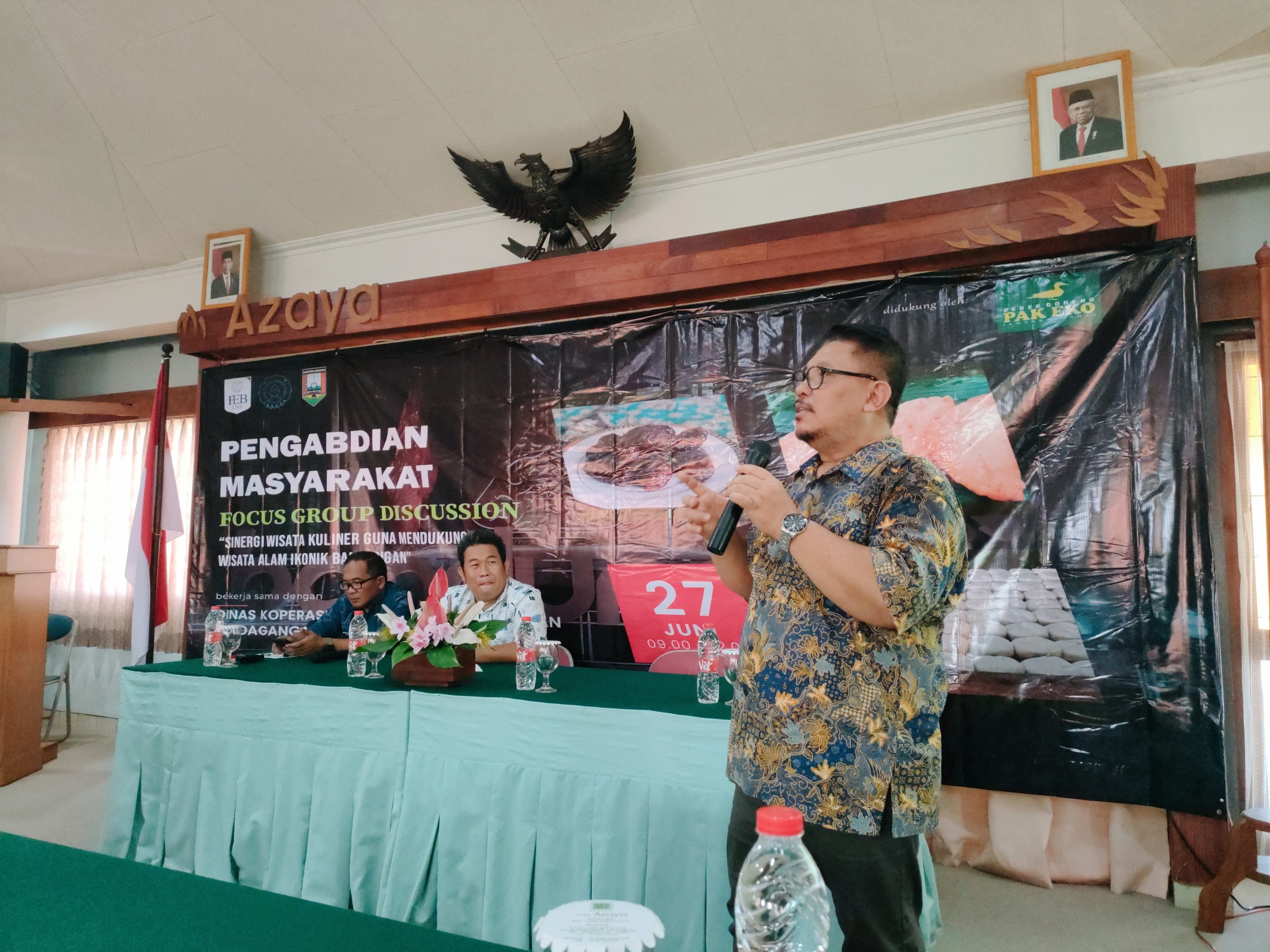
    Faculty of Economics and Business (FEB), Universitas Sebelas Maret (UNS) Surakarta, in collaboration with the Semarang Regency Tourism Office held a Focus Group Discussion (FGD) on the Synergy of Culinary and Bandungan Iconic Natural Tourism Attractions, Tuesday 27/6/2023 in Bandungan. The activity, attended by the Managers of Culinary Tourism and Bandungan Natural Tourism, invited 3 speakers.

    The three speakers were Drs. Heru Subroto, M.M., Head of Diskumperindag Semarang Regency delivering material on ‘Synchronization of Policy and Potential of the Culinary Tourism and Bandungan Natural Tourism’; Prof. Dr. Budi Haryanto, MM., a Professor of Consumer Behavior FEB UNS with material entitled ‘Developing Synergy and Attraction of Culinary Tourism and Natural Tourism Based on Consumer Behavior’; and Mr. Eko, Owner of Pak Eko Fried Chicken, Semarang Municipality with material entitled ‘Managing and Developing Culinary Tourism Growth and Maintaining Local Tourism Excellence.’

    Dr. Ahmad Ikhwan Setiawan, S.E., M.T., Head of FEB UNS Business Management Unit in his opening remarks revealed that this activity is part of a series of activities to develop tourist destinations and increase the synergy between culinary and natural tourism.

    “This activity is a series of activities that we previously initiated in terms of how to develop tourist destinations. Thus, the objective of mapping how to set up a tourism business in Bandungan is accomplished. Indeed, natural tourism is closely correlated to culinary. That’s why we brought up this culinary topic. Finally, we hope to establish an appropriate network among tourism spots. Allowing the synergy of culinary tourism and natural tourism to maximize their benefits in the future,” he explained in front of 40 FGD participants.

    Furthermore, he states that the image of Bandungan as a tourist area becomes the center of attraction facilitating the growth of various tourism spots in the surrounding Bandungan area. Various natural tourist destinations such as Gedong Songo Temple, Umbul Sidomukti, and Celosia Flower Park have proven to make Bandungan an iconic tourist spot. The power of Bandungan tourism also shines more brightly with the establishment of new destinations such as Banyukuning tourism and Perantunan tourism.
    Various culinary and natural tourism potentials in Bandungan can complement each other to strengthen the iconic image of Semarang Municipality. The various unique characteristics of each tourist destination will strengthen the attraction to visit Bandungan

  • KEI FEB UNS Brought Home 2 Trophies at Temilreg FoSSEI 2023

    KEI FEB UNS Brought Home 2 Trophies at Temilreg FoSSEI 2023

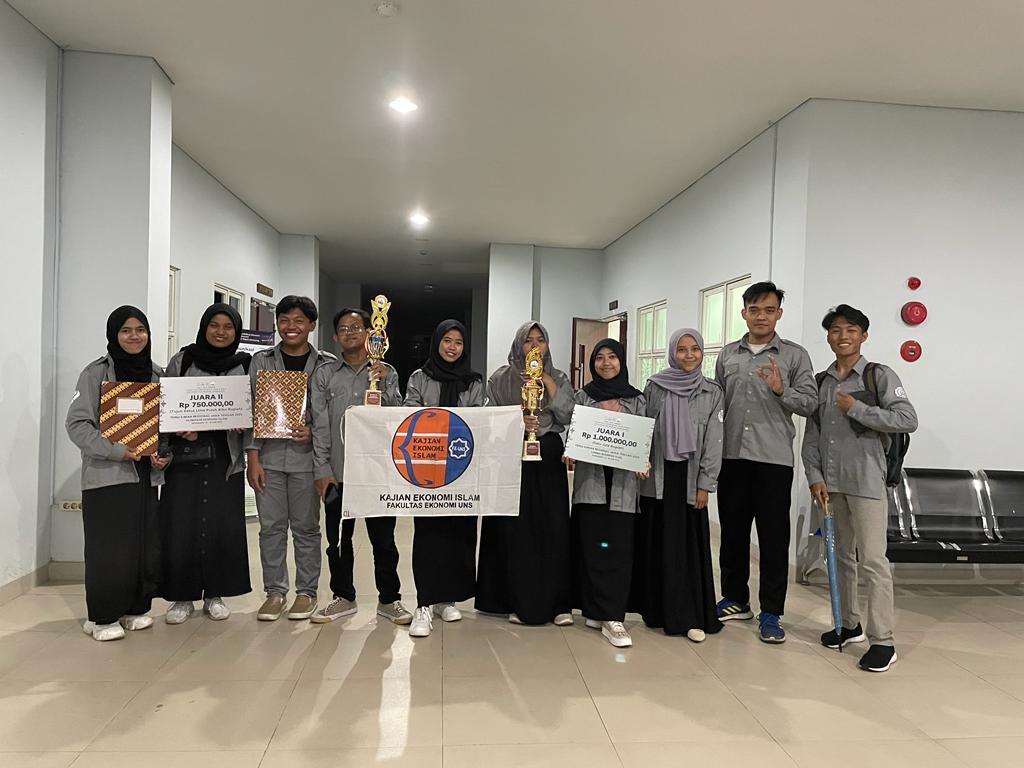
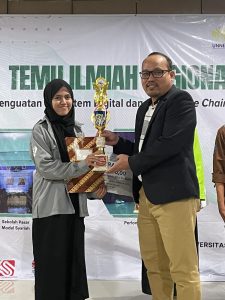
    The Student Activity Unit (UKM) for Islamic Economics Study (KEI), Faculty of Economics and Business (FEB), Universitas Sebelas Maret (UNS), won 1st Place in the Business Plan Competition and 2nd Place in the Islamic Economics Olympiad.

    Competing against participants from 30 universities in the Business Plan Competition, KEI FEB UNS proposed a business idea entitled ‘UNS SYATIF.ID’ (SHARIA OF CREATIVE), Provider of Halal Product Design Freelancer Service Application Platform using Freelance Marketplace to Increase Sharia-Based MSMEs Branding.
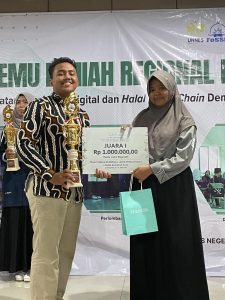
    President of KEI FEB UNS, Fadhil Lawhul Mahfuz said that to be able to win the competition, his team took a long time to prepare.

    “The strategy we adopt to win the championship has been prepared carefully since about 2 months before the competition was held,” said Fadhil.

    While UNS delegated 2 Teams, he highlighted that all universities in Central Java participated in this competition. There are 10 teams who took part in the Business Plan Contest with a total of 30 participants. Meanwhile, for the Islamic Economic Olympiad, there are 29 teams competing from all across the province, with a total of 87 participants, where UNS sent 2 teams as delegations.

    Regional Scientific Meetings (Temilteg) is one of the annual agendas by the Forum for the Study of Islamic Economics (FoSSEI) as a forum for competition between FoSSEI cadres.

    Through Central Java Temilreg, FoSSEI cadres who are members of the Islamic Economics Study Group (KSEI) from various universities throughout Central Java have the opportunity to interact with each other, to establish ‘Ukhuwah (t/n friendship/fellowship)’, to share knowledge, and compete in the field of sharia economics.
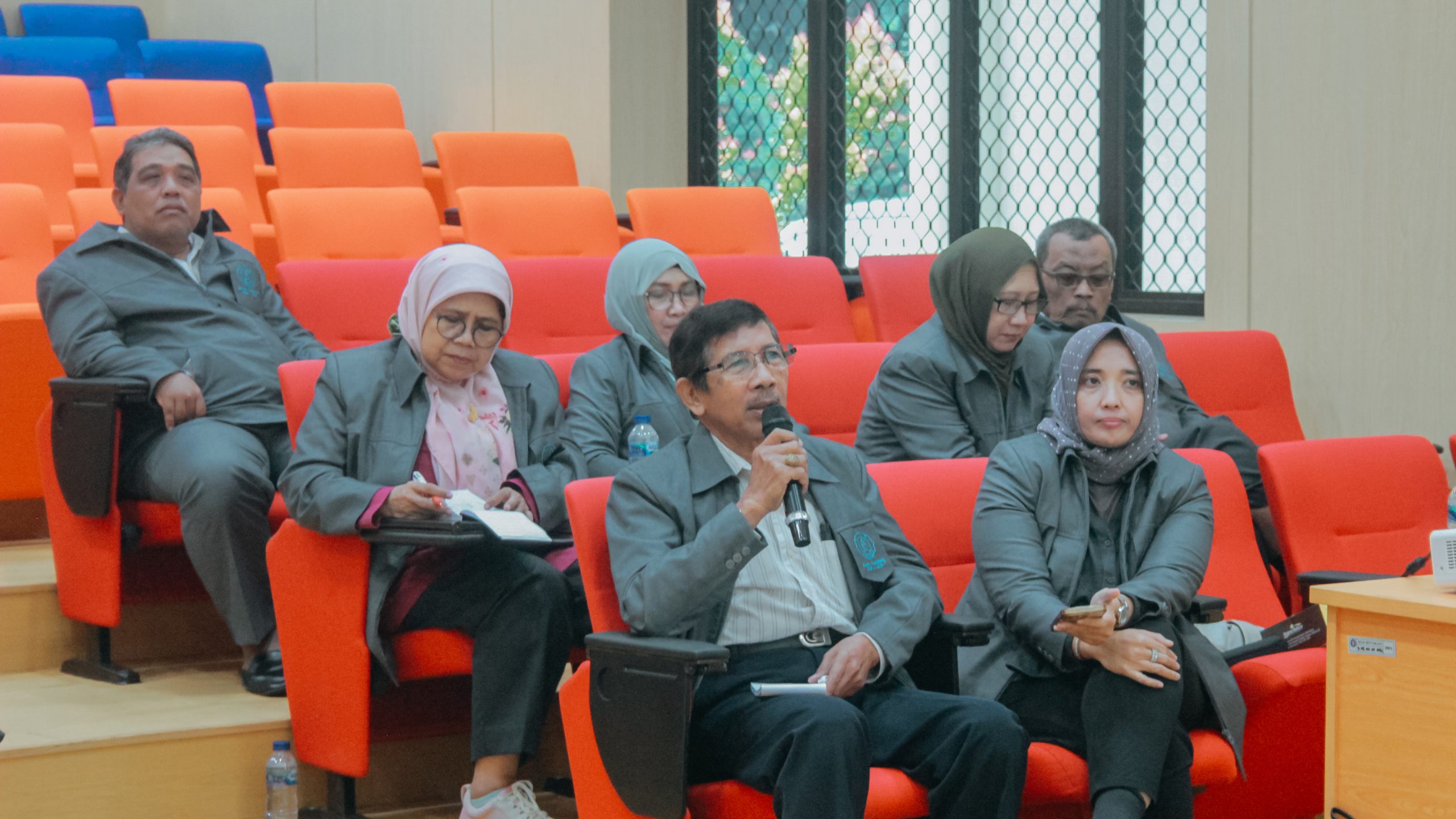
    This event is part of the cooperation between BEI, OJK, and Central Java MES with KSEI FEB UNNES as the organizer. Temilreg FoSSEI Jateng continued a series of final round events for participants who managed to pass through the final stages of the Business Plan, LKTI, and Olympic competitions as well as Regional Discussions.

    The event concluded with an awards ceremony (Awarding Night), announcing the champion and awarding the winners of the competition.

    On the following day, Sunday (06/18/2023), participants are invited to a field trip to the Ronggowarsito Museum and Grand Mosque of Central Java marking the closing ceremony of the Temilreg FoSSEI Central Java 2023 event series.

  • Three FEB Students Win as Favorite Champion of MSME Financing Book Review Competition

    Three FEB Students Win as Favorite Champion of MSME Financing Book Review Competition

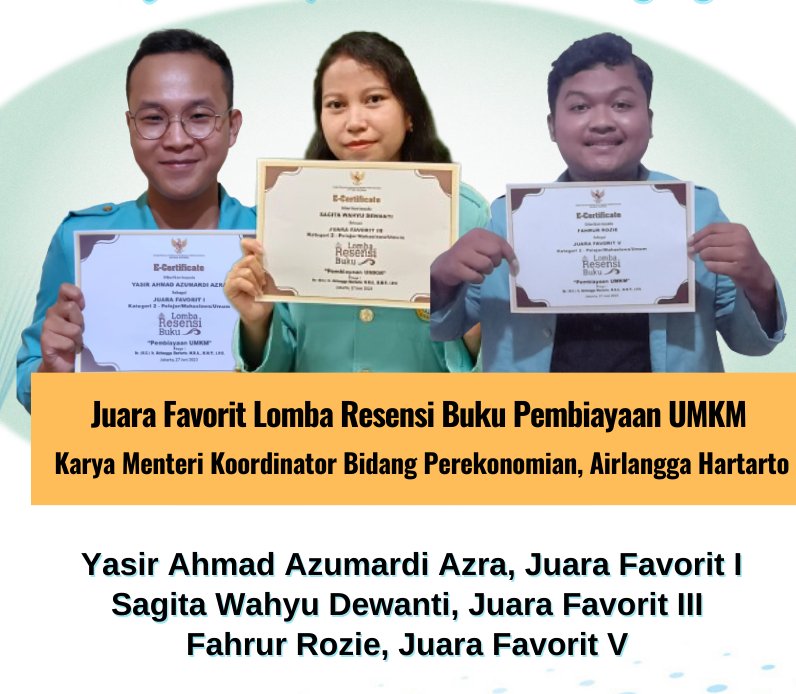
    Three exceptional students of the Faculty of Economics and Business (FEB), Universitas Sebelas Maret (UNS), claimed the esteemed title of Favorite Champion under the Students/General Category in the MSME Financing Book Review Competition. The book was written by the Coordinating Minister for Economic Affairs, Airlangga Hartarto. The three students, Yasir Ahmad Azumardi Azra awarded as 1st Favorite Champion, Sagita Wahyu Dewanti as the 3rd Favorite Champion, and Fahrur Rozie as the 5th Favorite Champion.

    The book entitled “MSMEs Financing” was launched in 2021, and discusses the strategic role of MSMEs to the Indonesian economy. It explores the remarkable resilience exhibited by MSMEs in facing various crises in the country. Moreover, the book sheds light on the challenges faced by these enterprises in securing financing, particularly through banking to obtain additional capital.

    The Registration for MSME Financing Book Review Competition was opened from April 17 to May 31, 2023, and managed to attract a total of 229 participants. The review competition is divided into 2 categories. The first category is designated for teachers/lecturers, and the second category is for students/general public.

    Though the winners were announced on Wednesday, June 21, 2023, the virtual competition organized by the Coordinating Ministry for Economic Affairs of the Republic of Indonesia, hosted a separate winner award ceremony on Tuesday, June 27, 2023.

    The judging process for this review competition was carried out on June 1-9, 2023, led by the Chairman of the Board of Jury, Iskandar Simorangkir as the Expert Team of the Coordinating Minister for the Economy. The members of the Board of Jury consist of the Plt. (Acting Officer) for the Deputy for Macroeconomic and Financial Coordination of the Coordinating Ministry of Economy, Ferry Irawan; Editor-in-Chief of InfoBank Magazine, Eko B. Supriyanto; PEBS Advisor at Faculty of Economics and Business, University of Indonesia, Nining Soesilo Indroyono; and Director of Tempo.co (PT Info Media Digital), Y. Tomi Aryanto.

    After the competition, Yasir said that in compiling the book review there were obstacles, especially managing the time between reviewing the book and other assignments, since the deadline for the book review submission and other lecture assignments fell on the same date. “I’ve not read the book before. Thus, I have to read the book first, of course with screening techniques, thus, I only need a short time to read. That way, the drafting process takes approximately a week before the deadline for review collection,” he said.

    According to Sagita, writing a book review is quite difficult because the reviewer must read the entire contents of the book first. However, they also need to pay attention to the composition of the book to find the weaknesses and excellence of the book. “It can’t be done in a short time actually, but I finish it in 3 days.”

    Meanwhile, Fahrur said that at first he was not interested in participating in the competition, but in the end, he tried. “I happen to have the book on MSME Financing by Mr. Airlangga Hartanto. I finally tried to start writing the review at 20.00 pm on the final day of the submission day,” he said.

    The three FEB students were grateful because in the competition, with more than 200 participants, they won the Favorite Champion title.

  • FEB UNS Academic Senate Benchmarking Visit to IPB FEM Senate

    FEB UNS Academic Senate Benchmarking Visit to IPB FEM Senate

    The Academic Senate (SA) of the Faculty of Economics and Business (FEB), Universitas Sebelas Maret (UNS), made a benchmarking study visit to the Senate of the Faculty of Economics and Management (FEM), Institut Pertanian Bogor (IPB University) on Thursday, June 22, 2023.

    To FEB Media, Prof. Dr. Tulus Haryono, M.Ek., Chairman of SA FEB UNS conveyed that the purpose and objective of the visit to the FEM IPB Senate was for a benchmarking study regarding the main duty and the faculty senate.

    “During the visit, I presented the Organizational Structure of SA FEB UNS and introduced all the commissions attending the benchmarking visit that are Commission A for Academic, Student Affairs and Alumni Affairs; Commission B for Finance and Logistics Affairs; Commission C for Innovation and Partnership Affairs, and those assigned to Commission C, the Commission of Professors,” he explained.

    It is said that from the visit, SA FEB UNS indirectly received a lot of input related to the main duty and functions of the faculty senate and also received a lot of motivation related to the achievements of FEM IPB. And no less important is the proposed workshop between the FEM IPB Senate and FEB UNS related to building Nationalism Mentality, if in UNS there is a Pancasila Fortress.

    Dr. Dwi Prasetyani, SE, M.Si., the SA Representative who also serves as Plt. FEB UNS Vice Dean of Academic, Research, and Student Affairs added that during the visit, SA FEB UNS was welcomed by the Dean of FEM IPB, Dr. Irfan Syauqi Beik, and Chairman of the FEM IPB Senate, Dr. Ir. Bayu Krisnamurthi, MS.

    According to her, this visit is very beneficial, in addition to a benchmarking study, it opens a wide opportunity for collaboration between the two parties.

    “Yesterday’s visit was very useful, our initial goal was to stay in touch, benchmarking, we also got an offer of collaboration, so we welcomed each other offers,” she said.

    Many things were discussed in the discussion session that took place at the FEM IPB Auditorium. In addition to sharing the role and function of the Senate in FEM IPB and SA FEB UNS, the implementation of Merdeka Belajar Kampus Merdeka (MBKM) was also discussed.

    From the long discussion, there will be follow-up activities between the two institutions. There was a joint discussion for the evaluation of MBKM and hopefully, not only between the FEM IPB Senate and SA FEB UNS but also cooperating with the senate in other faculties. In addition, business development workshops will be held.

    It was also discussed that there would be a discussion forum that took place in a hybrid manner between FEM IPB and FEB UNS alumni.

    After the discussion, SA FEB UNS had the opportunity to visit the IPB University museum, which was inaugurated on July 12, 2023, describing IPB from the past to the future, this museum is also a form of appreciation for its predecessors and also a point to design the future

  • Accounting Study Program FEB UNS Invited Three Alumni in Success Story Sharing Session

    Accounting Study Program FEB UNS Invited Three Alumni in Success Story Sharing Session

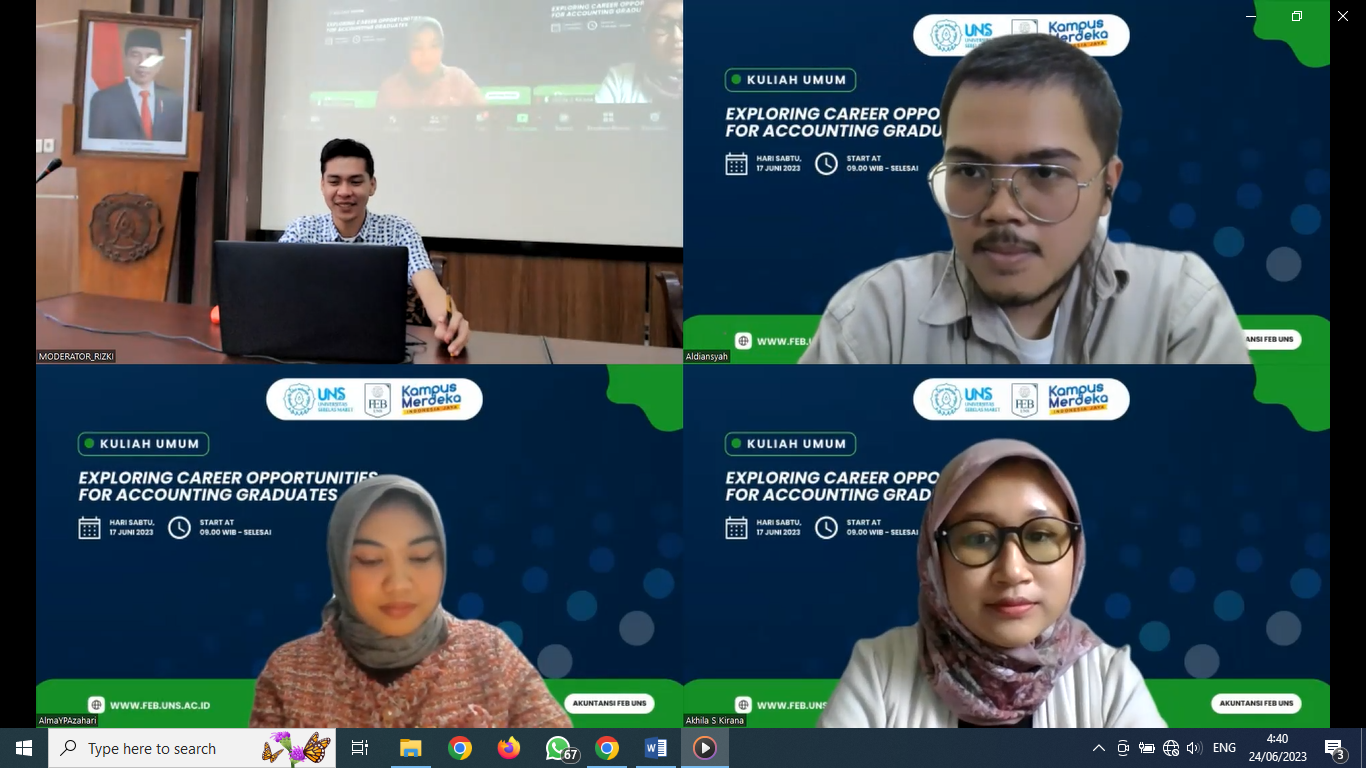
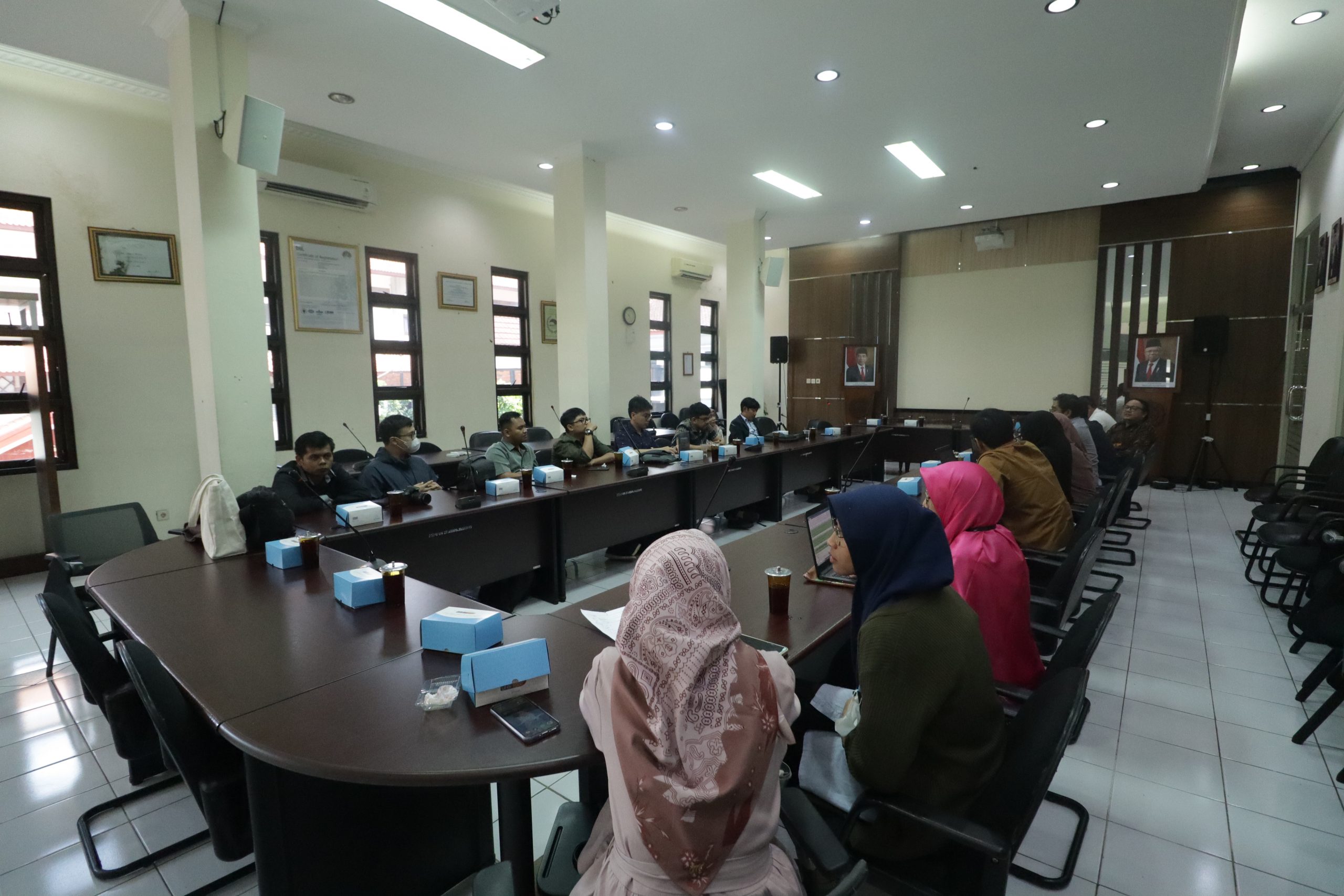
    The Bachelor in Accounting (S1) Study Program, Faculty of Economics and Business (FEB), Universitas Sebelas Maret (UNS) hosted a Public Lecture entitled ‘Exploring Career Opportunities for Accounting Graduates,’ Saturday, June 17, 2023.

    The hybrid event was conducted at Assembly Room 1 of Soeharno TS Building FEB UNS and the Zoom Meeting. The public lecture featured three alumni of the Accounting Study Program alumni, the three were Aldiansyah Syahrizal, Accounting Staff at BUMN ID Food, Akhila Santika Kirana, a Junior Supervisor at OJK, and Alma Yulia Putri Azahari, a Junior Consultant at Baldwin Bayle Group.

    The Plt. (Acting Officer) for the Head of the Accounting Study Program, Prof. Agung Nur Probohudono, S.E., M.Si., Ph.D., Ak., CA., CFrA., expressed his gratitude to all speakers and participants attending the event. “I hope on this occasion, the speakers can share their career experience after graduating from Accounting Study Program, including tips on what to do next after graduating, what soft skills are needed when entering the workforce, and how the recruitment process goes,” he said.
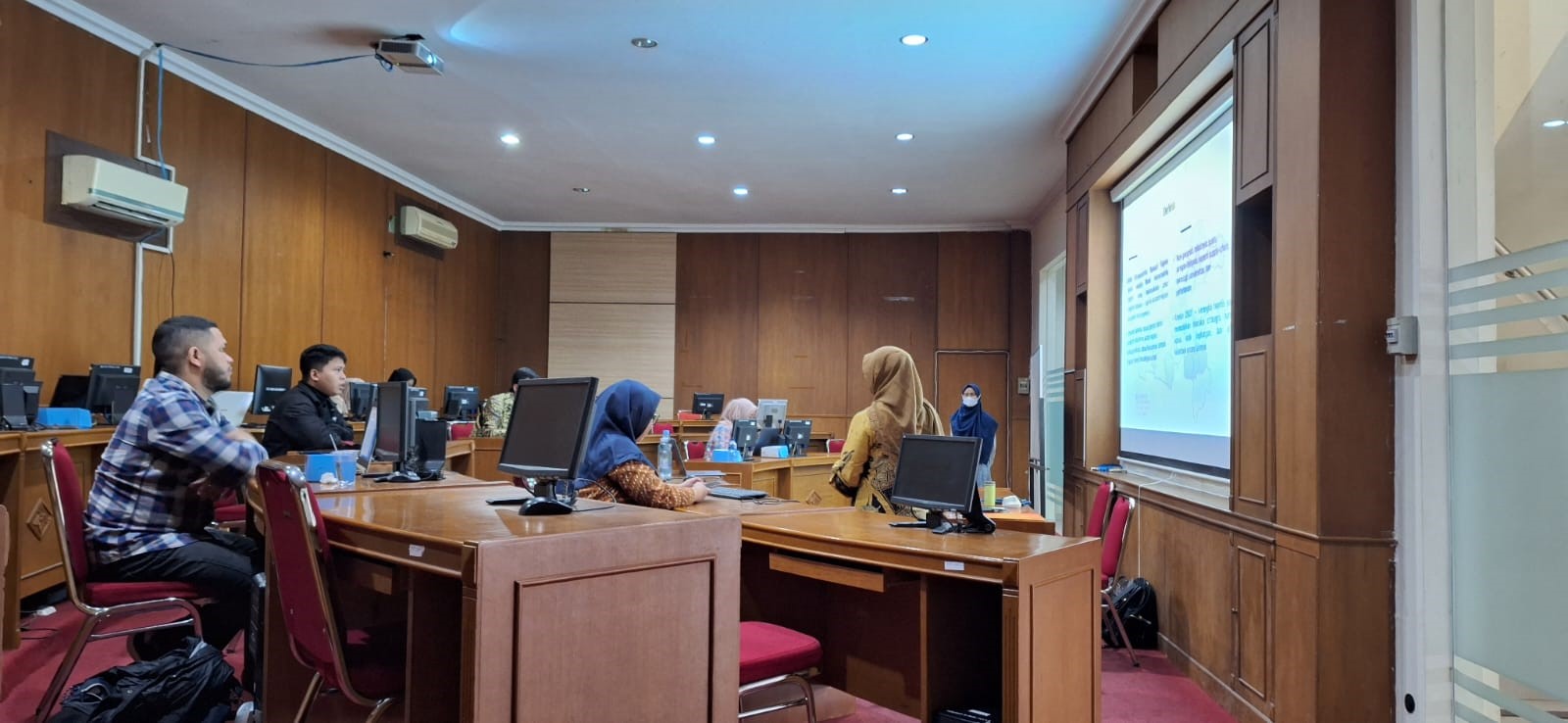
    Afterward, Prof. Agung states that, indeed, the professional sphere is different from the academic world.
    Do all accounting study program graduates have to become an accountant? Are there any other opportunities for the graduates, and how to prepare for these opportunities? These are some of the topics that can be discussed with the three invited alumni.

    The invited speakers mentioned that FEB UNS Accounting graduates now received a Diploma Supplement Certificate, which provides a significant advantage to fresh graduates. Further, also opened up about their study experiences, addressing the question of whether it is enough to only attend lectures each semester, or if joining a student organization is necessary. In short, they are free to share any stories and experiences with their junior. The three speakers shared their experiences starting from graduating as ASP FEB UNS students and pursuing a career as professionals.

    Furthermore, based on the World University Ranking (WUR) by Subject Ranking released in January 2023, FEB UNS Accounting Study Program entered the world’s top 300 study programs and ranked 4th in Indonesia after UNAIR, UI, and UGM. This achievement is an important asset for all fellow ASP FEB UNS students, as a boost of confidence to be FEB UNS graduates, especially from the Accounting Study Program, to be a successful personality in the future.

    Concluding the shared experiences, career preparation is a long-term process, where students must make exhaustive preparation, established a clear goal, never be afraid to learn more and change, and not hesitate to take the opportunity.

  • MESP Study Program Hosted a Spatial Econometrics Workshop

    MESP Study Program Hosted a Spatial Econometrics Workshop

    The Master in Economics and Development Studies Study Program, Faculty of Economics and Business (FEB) Universitas Sebelas Maret (UNS), hosted another workshop this week.

    A Workshop on Stata for Spatial Econometrics was hosted to support student learning, by inviting Dr. Dyah Maya Nihayah, SE, M.Si., the Chairman of the Quality Assurance Division of Universitas Negeri Semarang. The workshop was conducted on Saturday, June 24, 2023, in Teleconference Room Bachtiar Effendi Building FEB UNS and Zoom Meeting.
    In front of a number of MESP students, Dr. Dyah explained Spatial Econometrics in detail. Spatial econometrics is a combination of econometrics and spatial (space), which means the econometric models (regression) that include an abundance of spatial elements in the form of spatial autocorrelation and spatial heterogeneity.

    Spatial econometrics can only be used for cross-section data and panel data. Examples of these data are in the form of geography data between countries, districts/cities, villages, and housing data. These data usually can be found in the form of the PODES and SUSENAS data, while non-geography data are available such as supply chains, technology, universities, and friendships.

    According to Anselin (2001), spatial econometrics is a theoretical framework that models strategic interactions, social norms, the environment, and other equivalent group effects. The first stage of spatial econometrics analysis determines the weighting matrix used as a carrier of the spill-over effect, which is divided into a contiguity matrix and an inverse-distance matrix.

    Then a spatial dependency test is carried out (to determine whether data analysis will be carried out with spatial or non-spatial regression) and the model assumption test is selected, whether to use SLM, SLXM, and SEM. The SLM (Spatial Lag Model) is a model in which variables are dependent on dependent variables observed in neighboring units and on a set of observed local characteristics. SLXM (Spatial Lag X Model) is a model in which dependent variables in a location are related to independent variables in other neighboring or local units. SEM (Spatial Error Model) is a spatial model in which dependent variables depend on a set of observed local characteristics and error terms correlated across space.

  • Presenting Two Speakers, Master of Accounting Study Program Holds Academic Research Workshop in the Artificial Intelligence Era

    Presenting Two Speakers, Master of Accounting Study Program Holds Academic Research Workshop in the Artificial Intelligence Era

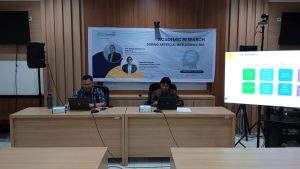
    The Master of Accounting (Maksi) Study Program, Faculty of Economics and Business (FEB), Universitas Sebelas Maret (UNS) hosted an “Academic Research Workshop During Artificial Intelligence Era,” Wednesday, June 21, 2023.

    The hybrid event was held in Teleconference Room Soedarah Soepono Building FEB UNS and Zoom Meeting presented by Rayenda Khresna Brahmana, S.E., M.Sc., Ph.D., Lecturer in the School of Economics, Finance, and Accounting, Coventry University, and Prof. Doddy Setiawan, S.E., M.Sc., Ph.D., Professor at FEB UNS.

    Plt. (Acting Officer) of. the Head of the Master of Accounting Study Program FEB UNS, Dr. Wahyu Widarjo, S.E., M.Si., CRP., CFrA., in his remarks, said that this event is part of regular activities in MAKSI FEB UNS. “We at MAKSI FEB UNS hosted regular activities like this each semester, at least once. In the future, we will try to increase the frequency to host the event twice in one semester under various topics and we strive to invite speakers from one of UNS’ international partners. We hope that this activity can enrich students’ insight and deepen their knowledge,” he explained.

    He further states that the development of technology today develops rapidly, not only in the industrial sector but also in the academic field. One of the phenomena currently developed in the academic field is the use of Artificial Intelligence (AI) in academic research. Of course, most students are familiar with ChatGPT and Google Bard.

    “If we look at the current news, mostly reported on how academics respond to the emergence of AI. We can use that technology but it should not violate academic ethics. Like a knife, if in the hands of the right person it will be used for good activities, for cooking, cutting vegetables, and producing something good. But if it falls into the hands of the wrong person, the knife can be used for bad things, robbery for example, I hope this short description helps,” he explained.

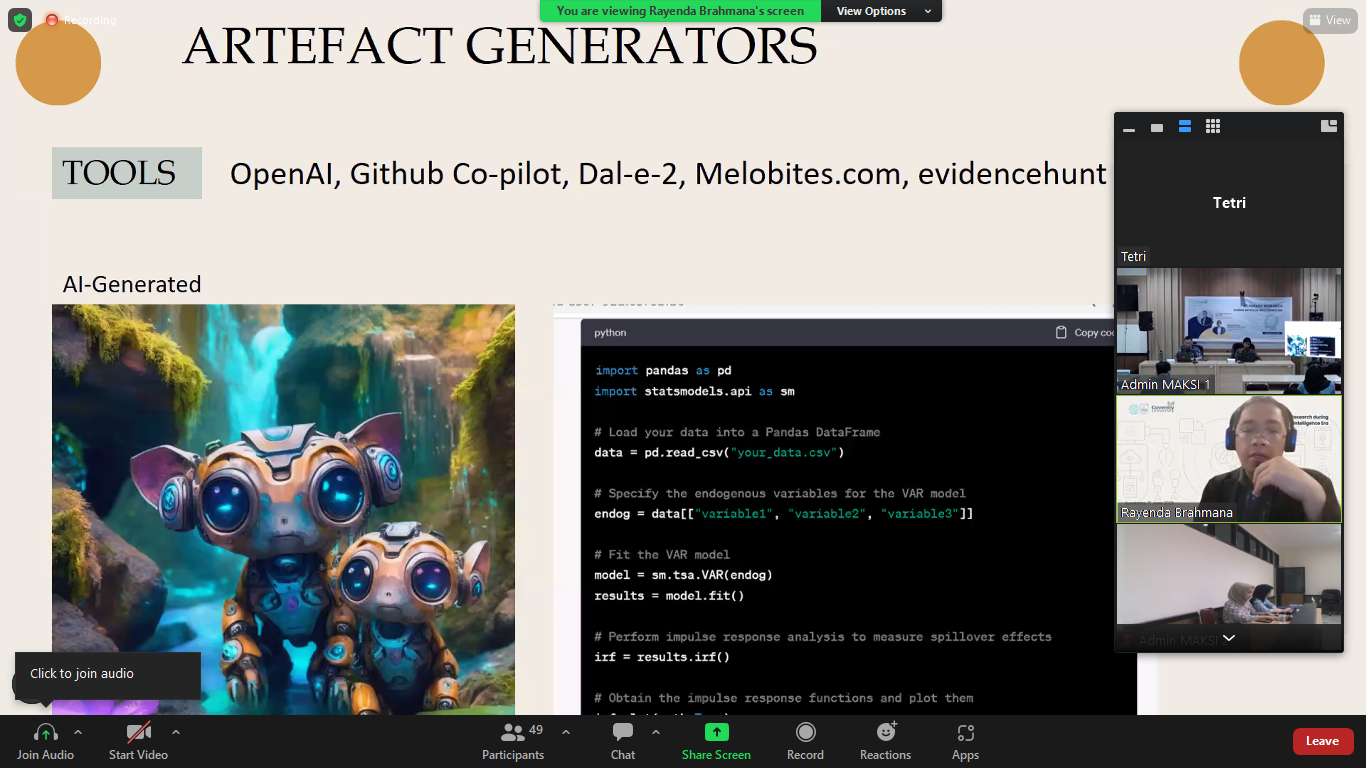
    In his material, Dr. Rayenda explained four topics related to AI, namely traditional VS Contemporary research, Tools Objectives, Practical Examples, and Ethical Issues. He explains that AI tools have been around since the 90s but at different levels. Type 1 is the most basic AI, this type refers to Translation Software, which we often use like Google Translate. Type 2 includes Spellcheckers, Predictive Text, Paraphrasers, Grammar Checks, and Speech to Text (Grammarly, Quillbot, ChatGPT, Dragon). Type 3 includes Essay Boots and Text Generators (Chat GPT, Quillbot, Preplexity.ai, Chimp Writer). While Type 4 AI is the highest level, including Programming Code, Graphics, Artworks, Maths, and Music (Github Co-Pilot, DAL-e-2, Melobites.com).
    Dr. Rayenda said students could take advantage of the technology but shall remain cautious against the use of AI. “I often say, we treat these AI tools as assistants, and assistants are not always right. Thus, we still have to review their responses. Don’t assume that technology can’t be wrong, and just simply copy all the results. Every time I use ChatGPT, I will review the result again, to determine which one is wrong,” he reminded.

    Dr. Rayenda also directly gives some examples of how AI cannot provide a highly reliable result in helping academic tasks. In line with Dr. Rayenda, Prof. Doddy emphasized that AI offers many conveniences to facilitate academic activity, but a review is a must to ensure the quality of work.

    “ChatGPT is very helpful for us, but one thing I would like to emphasize to students, you must have the ability to review the quality of work yourself. The ability to review is very important. For example, literature review-related tasks can be accelerated, but still, you must be able to understand the result independently. Do not let yourself rely too much on Chat GPT, resulting in a contrasting output between your written manuscript and presentation, where you write well but cannot deliver your ideas seamlessly,” he reminded.

  • Digital Business Study Program UPI Visits Digital Business FEB UNS, Establishes Cooperation

    Digital Business Study Program UPI Visits Digital Business FEB UNS, Establishes Cooperation

    The Digital Business (BG) Study Program, Faculty of Economics and Business (FEB), Universitas Sebelas Maret (UNS), welcomed a visit from the Head of Study Program and Lecturer of Bachelor in Digital Business Study Program (S1 BisDig) Universitas Pendidikan Indonesia (UPI), Friday, June 23, 2023, in Assembly Room 1, Soeharno TS Building FEB UNS.

    The visit was led by the Head of the Digital Business Study Program, Adam Hermawan, S.Kom., M.B.A., and was welcomed by Tastaftiyan Risfandy, S.E., M.Sc., Ph.D., the Vice Dean for Planning, Business Partnership, and Information Affairs, FEB UNS Digital Business Head of Study Program and a number of FEB UNS Digital Business lecturers. In his welcoming remark, Dr. Tastaftiyan welcomes the entourage to UNS Solo and expresses his gratitude and honor to be visited by UPI’s Head of Study Programs and BisDig Lecturers. He states that there are many cooperation opportunities that can be done, such as student exchanges. There are numerous potentials in BisDig UPI Study Program and BG FEB UNS that need to get explored, which later implemented into a cooperation that will be mutually beneficial for both parties.

    Meanwhile, the Head of the BisDig Study Program UPI said that this visit aims to develop cooperation in education activities, research, community service, scientific publications, and other academic activities, including study program management benchmarking.

    “Currently we still have a lot to learn from other Digital Business Study Programs, one of which is to accelerate our objectives, thus, we have to learn a lot from the external environment,” he said.

    Furthermore, Putra Pamungkas, M.Rech., Ph.D., Plt. (Acting Officer) for the Head of FEB UNS Digital Business Study Program shared a short profile of the BG FEB UNS. “BG FEB is a new study program at UNS established in 2020, there are 5 permanent lecturers, and right now we had only our first student batch, this year is the second batch. Alhamdulilah, we received outstanding enthusiasm for the Program, since we are now in a digital era, thus, we see numerous prospective students applying to the study program,” he said.

    Also, this year, the BG Study Program FEB UNS is ranked first in UNS and fifth at the national level for all clusters. In the first batch, BG FEB UNS admitted 60 students for 2 classes, and this year there will be 3 classes available. The BG Study Program has 3 major concentrations, digital finance or financial technology, digital marketing, and digital governance.

    Further, the two study programs discussed various topics, sharing knowledge, and the occasion ended with a cooperation signatory ceremony, signifying a beginning of a collaboration signed by both parties.