FEB

Kategori: faculty

  • FEB UNS Organizes Workshop in Budgeting Submission and SPJ Preparation

    FEB UNS Organizes Workshop in Budgeting Submission and SPJ Preparation

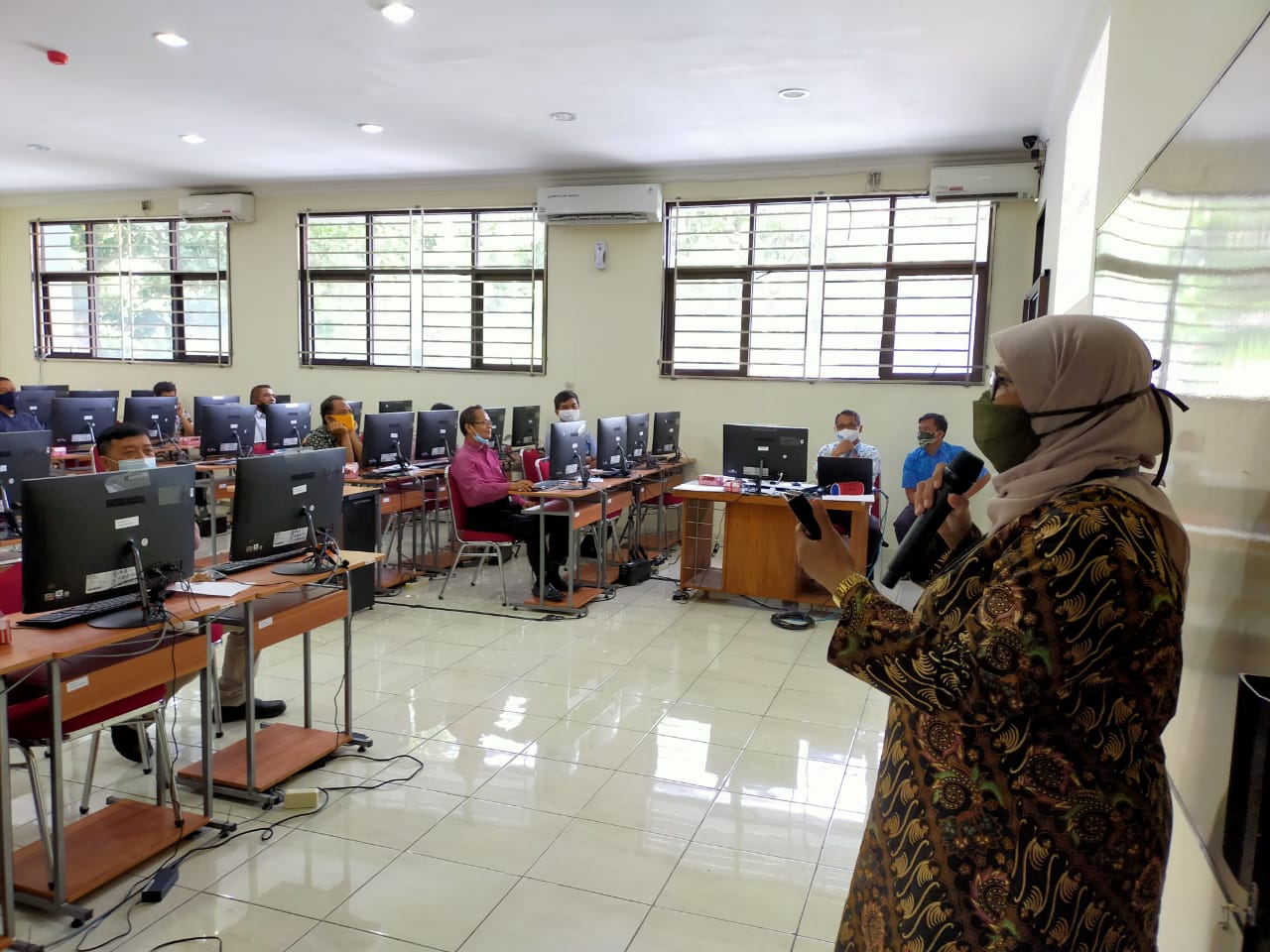
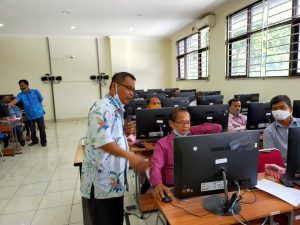
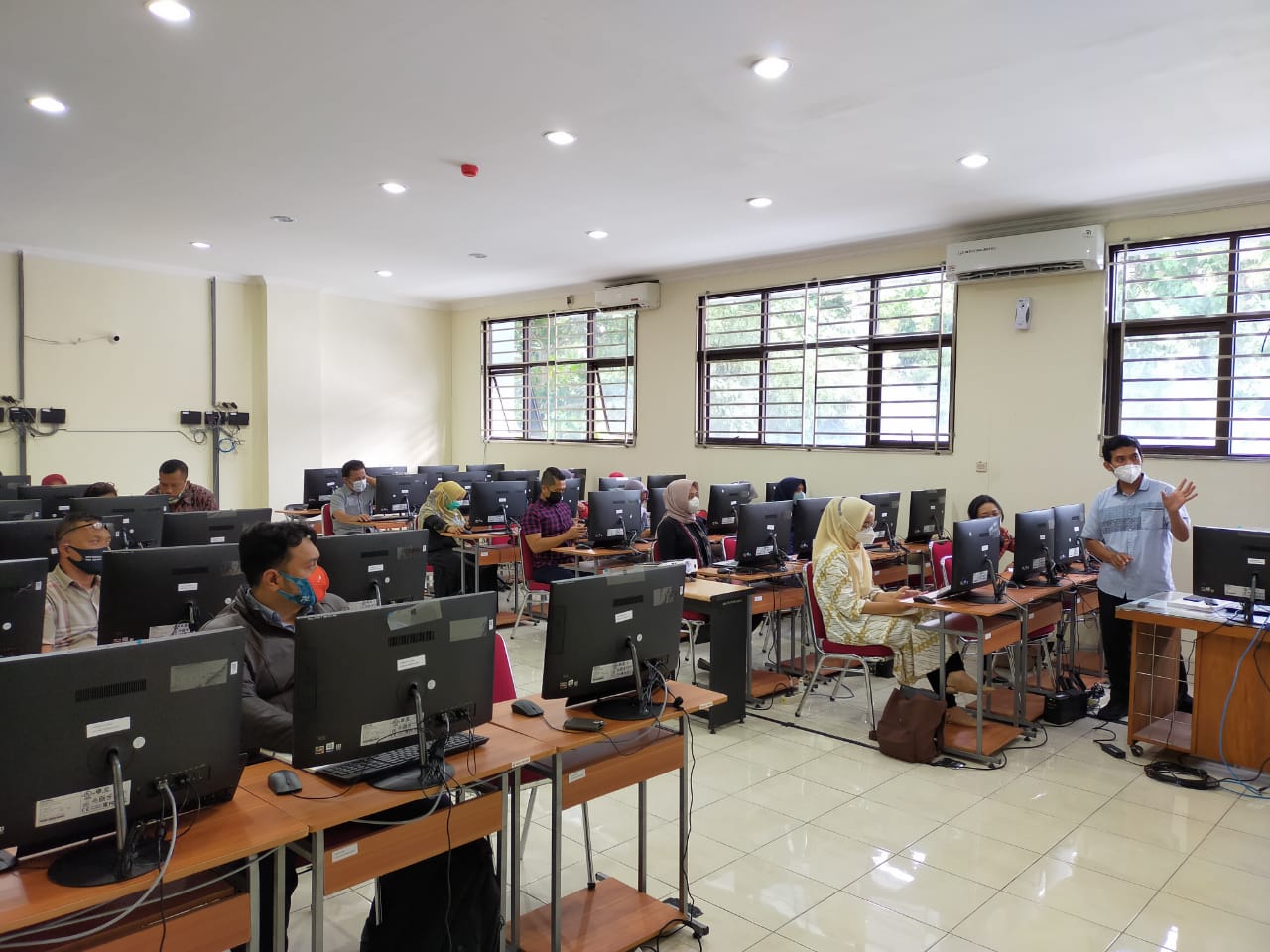
    The Faculty of Economics and Business (FEB) Universitas Sebelas Maret (UNS) Surakarta organizes a Workshop in Budgeting Submission and Accountability Report (SPJ) Preparation on Thursday (25/02/2021) in FEB UNS Computer Laboratory. The event was attended by 20 participants representing each study program in FEB UNS and Helpdesk administrator.

    The Coordinator of FEB UNS Administration Unit, Tunggul Ardhi, S.Si., in his remarks stated that the shift of UNS administration from Public Service Agency (BLU) into a State University as Legal Entity (PTN BH) need several adjustments in term of budget submission and SPJ preparation. The currently applicable guideline is the UNS Minimum Standard Cost (SBM).

    On this occasion, all technical staff will be introduced to the new guidelines, how to prepare SPJ, and the budget submission process. Through this training, it is expected that all technical staffs can adjust faster. Christiana Yulia, S.Pd., as the FEB UNS General Treasurer, and Gigih Fantriko, A.Md., from the FEB UNS Planning Unit, become the instructors for the workshop.

    Gigih Fantriko explains the general description of the service provided by FEB UNS Planning Affairs, such as uploading and supporting faculty data (KPI), the revision for budget submission, downloading faculty planning, and budget planning procedure. He also guides the participants on how the study program’s operator uses Budget Planning and Evaluation System (Sireva).

    Meanwhile, Christiana Yulia delivers the technical budgeting submission and SPJ preparation. Participants are expected to learn the new guidelines. In order to evaluate participants’ understanding, at the end of the session, Yulia delivers questions that need to be solved. The questions related to SPJ preparation, Payment Warrant (SPBY), payment receipt according to the rates used, and taxes according to the new regulations. (Humas FEB UNS)

  • UNS Economist on the Restrictions on Community Activities

    UNS Economist on the Restrictions on Community Activities

    A total of 23 Municipalities in Central Java are selected to implement the implementation of Restrictions for Community Activities (Pemberlakuan Pembatasan Kegiatan Masyarakat – PPKM), starting of January 11th, 2021 until January 25th. This policy is taken in response to the Central Government policy to limit the public activities in Java and Bali. Responding to this policy, the economist from the Faculty of Economics and Business (FEB) Universitas Sebelas Maret (UNS) Surakarta, Lukman Hakim, Ph.D., states that, this policy will affect people’s economic condition because it will reduce community economic activities.

    To uns.ac.id, Lukman stated that during PPKM, there is a limitation for restaurant activities. Dining is only allowed with a maximum of 25% of the dining room capacity, while delivery can be provided during the restaurant operational hours. The policy also limits the operational hours for a shopping center or mall until 19.00 Western Indonesia Time. Lukman Hakim stated that Based on the experience, the community’s transaction and consumption pattern has changed from the beginning of the pandemic. He also thinks that this policy will not bring a significant impact on community economic conditions.

    “Based on past experience, the public’s transaction and consumption pattern has changed, since the beginning of pandemic. I think this will not have a significant effect on the economic condition. For instance, a policy in Solo where all culinary transaction that is limited to 7 pm is canceled, and restaurants are allowed to open according to their operation hours while implementing health protocols. This means that there is no difference from the previous condition,” Lukman explained, Saturday (16/1/2021).

    According to him, the government will still consider the economic impact of their policies. As long as the availability of staple foods is secured, there will hardly be a problem. Moreover, the government will continue distributing financial aids through various schemes, both through cash and transfer. There is also financial aid for Civil Servants who generate income below IDR 5 million, which will increase community purchasing power.

    “Purchasing power is still okay. There is only a time limit. People are still purchasing goods at the designated time by applying health protocol,” he concluded.

  • Literature Review Webinar by PDIE UNS

    Literature Review Webinar by PDIE UNS

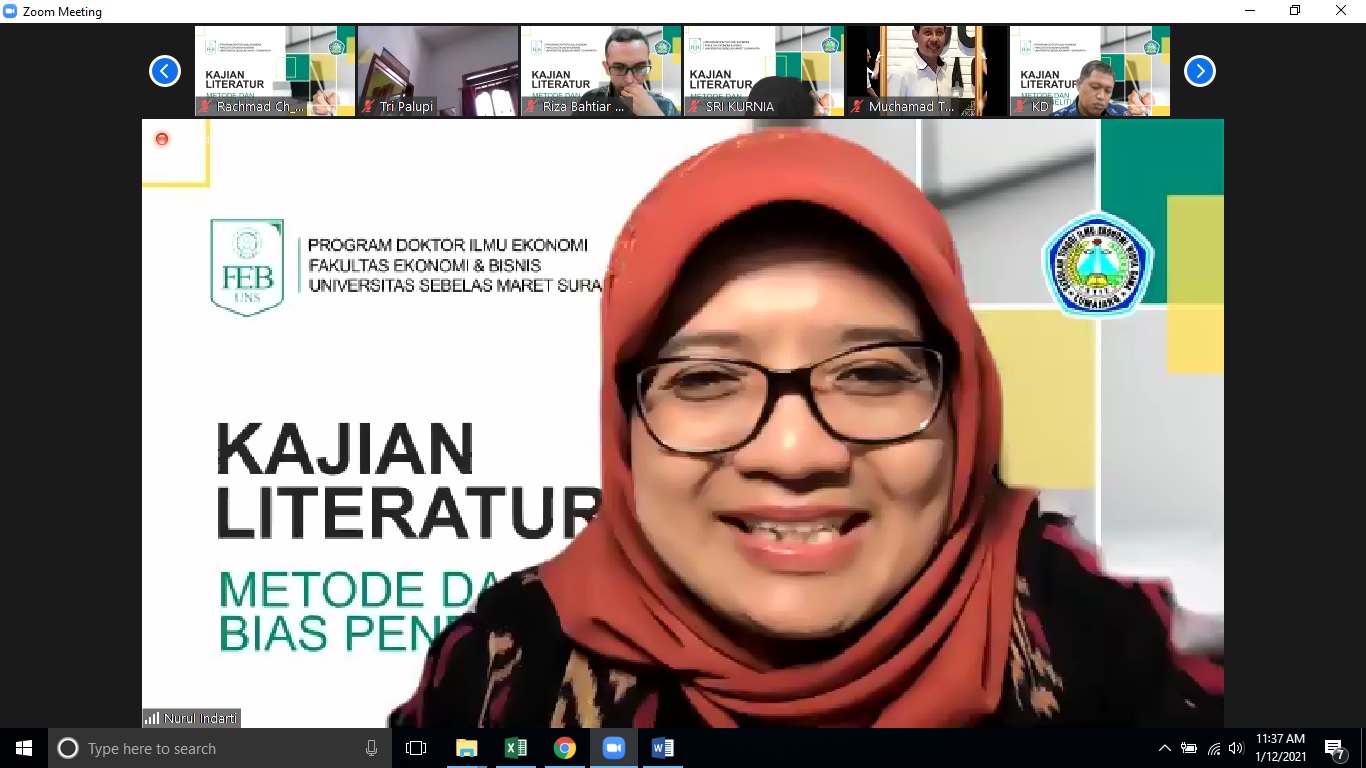
    The Doctoral Program in Economics (PDIE) Faculty of Economics and Business (FEB) Universitas Sebelas Maret (UNS) Surakarta held a webinar on ‘Literature Review: Research Method and Bias’ on Tuesday (12/1/20201) through the Zoom Cloud Meeting application.

    Inviting Prof. Nurul Indarti, Sivilekonom, Cand Merc., Ph.D. from FEB Universitas Gadjah Mada (UGM) Yogyakarta, the webinar was attended by 190 participants. Opening the event, the Head of PDIE, Prof. Rahmawati reveals that the webinar is compulsory for the students who currently taking the Research Methodology course and new student. However, the webinar is also open for public.

    Prof. Nurul opened her material with the definition of literature review as a summary of a research topic in a particular field that will support identifying specific research questions. “This stage emphasized how the researcher arrived at their research question,” Prof. Nurul explained.

    Head of PDIE FEB UNS, Prof. Rahmawati

    In her session, Prof. Nurul also explained the benefit and aims of the literature review. The literature review benefits are providing a specific and thorough background in understanding a topic and underlie the importance of the study. This stage also brings new research ideas and limits a topic and shows a specific topic to be studied.

    The literature review aims to differentiate between what has been done and what should be done. With the literature review, a researcher can identify the important and relevant variables for a research topic, synthesize ideas and essential findings from previous studies, and find new perspectives. The literature review also aims to rationalize the significance of issues to be studied to identify appropriate research methodology and technique implemented in previous research and places the current study in the context of novelty.

    Prof. Nurul also shared tips to choose a research topic. First, consider the novelty aspect, relevance, and personal. The novelty aspect can be achieved through the complexity of the phenomenon, the relationship among the research variables, the method employed, and the observation context. Third, relevance is presenting the level of the importance of the research topic, and lastly, personal.

    Prof. Nurul concluded the session with an explanation about bias. Bias could happen in the bibliometric literature study. It is vital to understand this bias and mitigate bias by identifying its causes and impacts. The mitigation of bias can be performed at the conceptual and technical level, and researchers should understand the fundamentals of in-depth literature study. (Humas)

  • PTNBH UNS: FEB UNS Dean Encourages Students to Pursue International Level Achievement

    PTNBH UNS: FEB UNS Dean Encourages Students to Pursue International Level Achievement

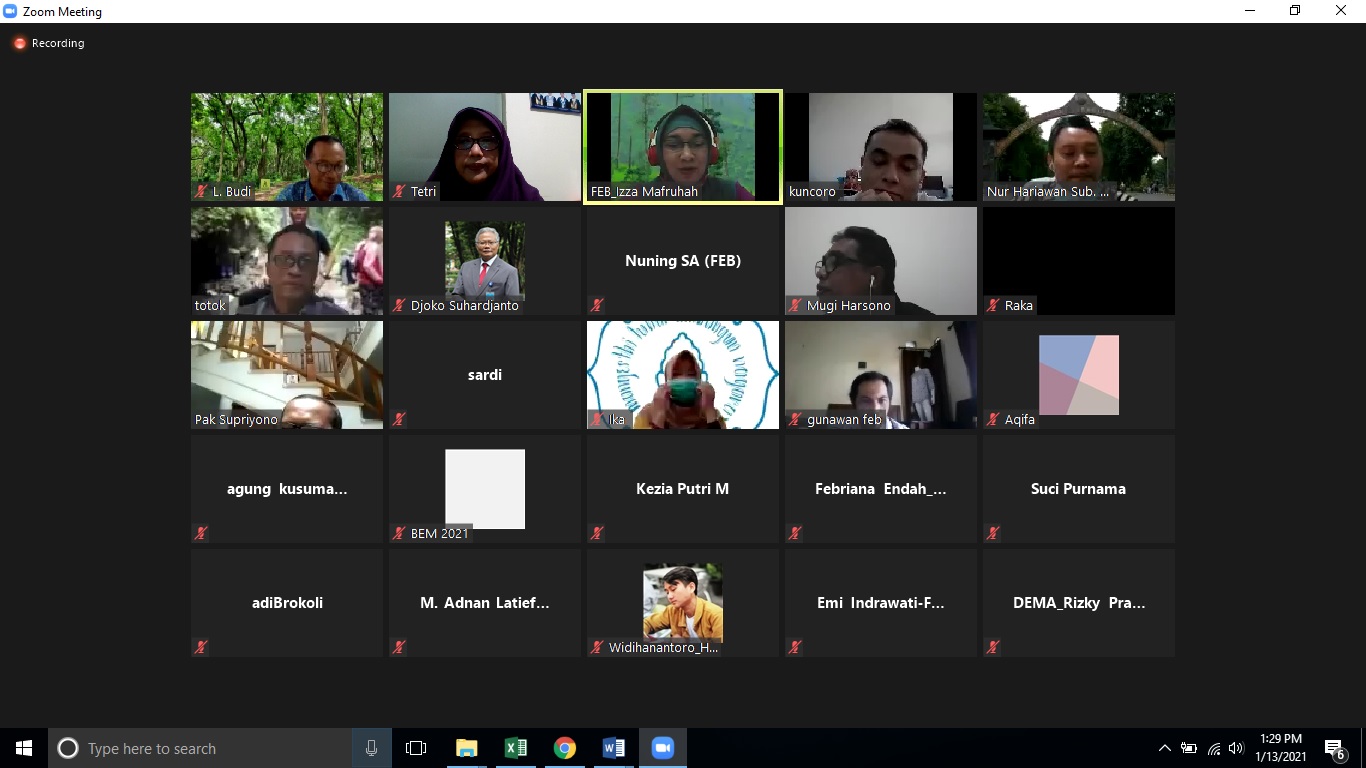
    The Student Executive Board (BEM), Student Executive Council (DEMA), Student Associations, Student Organizations, and Academic Staff in Academic and Student Affairs Sub-Division FEB UNS in Faculty of Economics and Business (FEB), Universitas Sebelas Maret (UNS) Surakarta, are participated in an Information and Dissemination on Academic, Research and Student Affairs Session, Wednesday, 13 January 2021. The online session was held to discuss 4 (four) agenda namely the change of UNS SOTK as a University as Legal Entity (PTNBH), Kampus Merdeka Program, Evaluation, and Academic and Student Affairs Information.

    In his speech, Prof. Djoko Suhardjanto, M.Com, (Hons), Ph.D., Ak encouraged students to be active and participate in the international level events. The faculty will assist the students in terms of funding and training.

    Prof. Djoko stated that with UNS status as Public University with Legal Entity (PTN BH), student’s activities in academic and non-academic fields should be directed to achieve international level achievements. The university, faculty, and programs will support students in their efforts to achieve such accomplishments and will take an active role in solving challenges faced by students as an effort to meet government targets for UNS to enter the Top 500 Universities in the world.

    “We need to work together and work harder to achieve the target,” Prof. Djoko states.

    In his direction, Prof. Djoko mentioned the adjustments that were made after UNS is granted the PTN BH status on 6 October 2020 and the leaps that must be taken. He conveyed that all community members should understand the status change, which will require UNS to achieve the target set by the government. Great leaps should be made to achieve the target, and it requires hard work from all academic members. The organizational structure of UNS has gone through a streamlining to increase its performance effectiveness.

    In UNS organizational structure as a PTN BH, there are four vital organs at the executive board level; MWA, Academic Senate, Rector, and the Board of Professors. At the faculty level, Dean is assisted by Vice-Dean for Academic, Research, and Student Affairs, Vice-Dean for Human Resources, Finance, and Logistics Affairs, and Vice-Dean for Planning, Partnership, Business, and Information Affairs. Previously the Vice-Dean for Academic Affairs, Vice-Dean for Management and Financial Affairs, and Vice-Dean for Student and Alumni Affairs.

    Changes also performed in the Chief of Academic Staff Administration. Previously the post was led by the Chief of Administrative Bureau and 4 officials serving as the Chief of Sub Section; now it is the Coordinator of Administrative Bureau with 2 Sub-Coordinators for Academic and Non-Academic Affairs. These changes will affect faculty activities, including the academic, student affairs, and students who need to adjust to the new arrangement.

    The Vice-Dean for Academic, Research, and Student Affairs, Prof. Dr. Izza Mafruhah, SE, M.Si added that students are the key to achieve the 1st and 2nd Key Performance Indicators (IKU), which focus on the percentage of Undergraduate and Diploma Program graduates who get a job, continue their study or become entrepreneurs with appropriate income outside the campus, and the percentage of Undergraduate and Diploma (D4/D3/D2) program graduates who spend at least 20 Semester Credits outside the campus or achieve at least one national-level achievement.

    Prof. Izza emphasized that in addition to students’ hard skills or intellectual capability, soft skills are also vital for students to achieve an accomplishment. Students must understand the ethics in communication and deliver an opinion. Therefore, students are expected to be active in non-academic activities. “To support this effort, the faculty will issue Surat Keterangan Pendamping Ijazah (SKPI) (Attachment to Diploma),” Prof. Izza stated.

    On the other hand, as Vice-Dean for Planning, Partnership, Business, and Information Affairs FEB UNS, Dr. Mugi Harsono, M.Si., stated that in Kampus Merdeka Program, students would have the independence to learn outside the campus. This program includes the village building program and a humanitarian project, which can be recognized as university courses.
  • The 2021 New Year Workshop: The Dean of FEB UNS Motivates the Academic Staff

    The 2021 New Year Workshop: The Dean of FEB UNS Motivates the Academic Staff

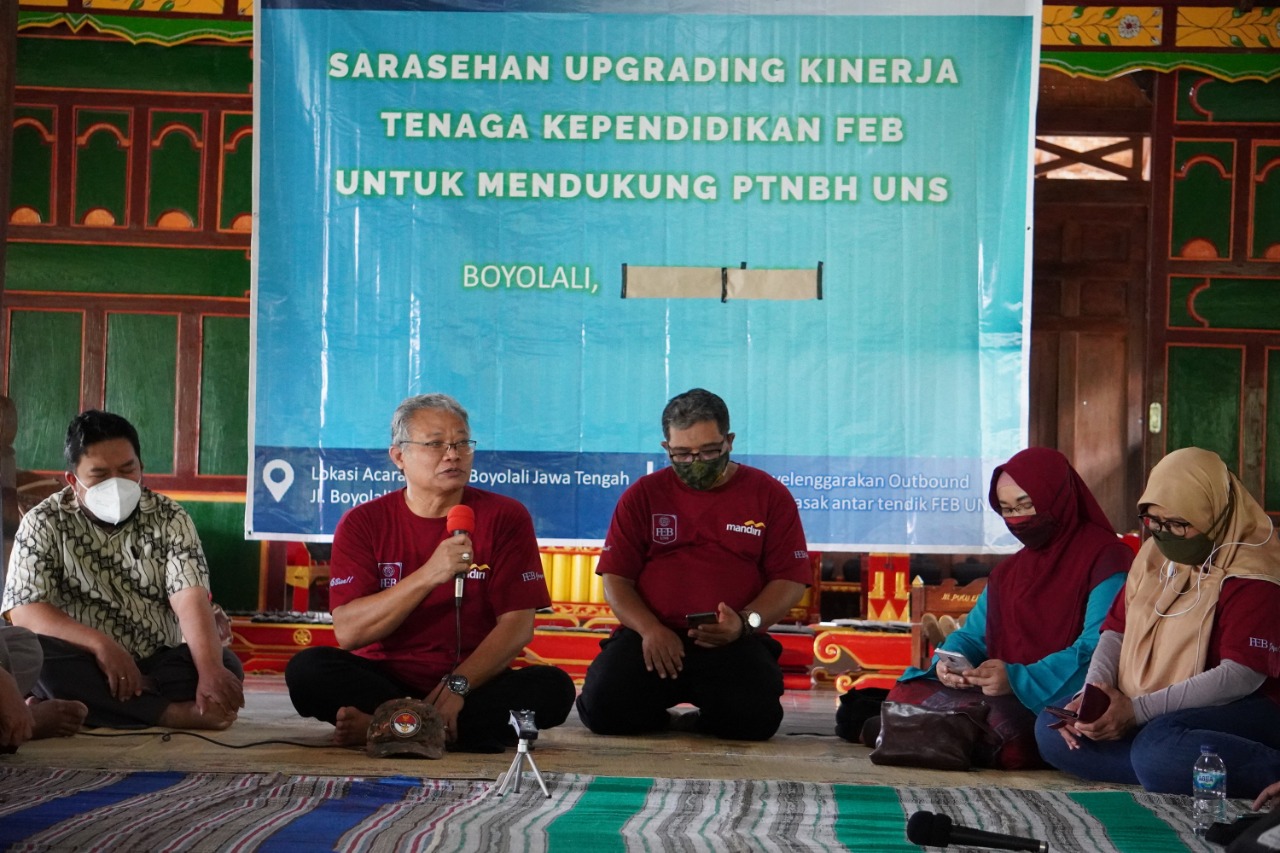
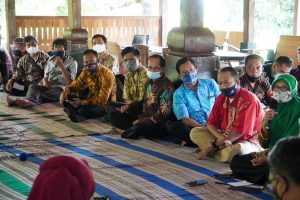
    Opening the new year of 2021, Faculty of Economics and Business (FEB) Universitas Sebelas Maret (UNS) held a Sarasehan for Academic Staff in Padepokan Aji Tirta Wening (ATW) Boyolali, Wednesday (6/1/2021). This sarasehan is used to motivate Academic Staff o FEB UNS to support the Public University with Legal Entity (PTN BH) status of UNS.

    The sarasehan was attended by the Dean and Vice-Deans and the Head of Programs. This sarasehan is a routine agenda of FEB UNS to build closeness among the staff in FEB UNS. Solidarity, togetherness, and responsibility made among the academic staff will improve performance and become a strong power to achieve FEB development.

    The Dean of FEB UNS, Prof. Djoko Suhardjanto, M.Com, (Hons), Ph.D, Ak opening his remark by sharing the news of UNS designation as PTN BH since 6 October 2020 and all the leaps and challenging works that need to be done. Prof. Djoko stated that with PTN BH status, UNS should be able to be the Top 500 universities in the world. “Big leaps should be taken, and it requires hard works from all academic members. Besides that, the management needs to be streamlined. Many changes occur in the organizational structure, which aims to increase the effectiveness,” Prof. Djoko explained.

    The demand in the future will be harder to achieve and should be understood together. Prof. Djoko invited all academic staff to always work together, help one another, collaborate, and develop care toward one another. The Vice-Dean for Research, Academic, Student, and Alumni Affairs FEB UNS, Dr. Izza Mafruhah, SE, M.Si added that PTN BH is an achievement but also a challenge, and if UNS implemented it well, it would become a reward. She emphasized that with PTN BH status, all academic members should work full power, and it is not a one-person show.

    There are four main actors in PTN BH to achieve the Key Performance Indicators (IKU), namely the regulators, executors, supporting system, and end-user. The regulators are four university leaders that consist of the Trustee Council, Academic Senate, Rector, and Board of Professors. Dr. Izza also said that there would be many changes, but it will not be a total change but inclusion of components required to achieve World Class University title.

    “One of the efforts implemented by the regulators is 8 IKU, which covers the aspect of academic, students, and teachers, which not only focuses on the output but the outcome,” Dr. Izza stated.

    The Dean and staff below the dean are the executors or regulations issued by the government. In the SOTK, there are organizational structure changes that can be categorized as academic and non-academic, which increases the executor’s duties. The supporting system is the government, business circles, and community, which hold a vital part in PTN BH UNS. Executors should be able to provide excellent services to the supporting system. Training for service excellent, particularly from front office workers, such as security officers, is needed to support this effort. Another main actor in the system is the end-user or the students. The students should receive equal services because they also assess university performance.

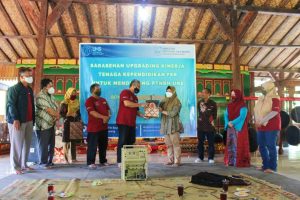
    Additional direction to motivate the academic staff was delivered by the Vice-Dean for Human Resources, Finance, and Logistic FEB UNS, Dr. Djuminah, M.Si, Ak., and the Vice-Dean for Planning, Partnership, Business, and Information FEB UNS, Dr. Mugi Harsono, M.Si. The sarasehan also serves as a farewell ceremony for the Head of FEB Sub-Department, L. Setyo Budi, S.IP and Lidiya Kusuma Dewi, SE move to another unit in UNS. Besides relaxing chat, the event was also enlivened with outbound and satay cooking competition around ATW.

  • Academic Staff of FEB UNS Joined IT Training

    Academic Staff of FEB UNS Joined IT Training

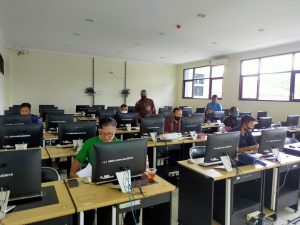
    Nearing the end of 2020, the Faculty of Economics and Business (FEB) Universitas Sebelas Maret (UNS) held a Training for Information Technology (IT) for academic staff on Wednesday (30/12/2020) in FEB Computer Room. The participants were divided into three groups, basic, medium, and expert, according to staff’s skills. This category aims to achieve practical training.

    In this training, the tutor came from FEB UNS academic staff who have skills in IT. The tutors are Ngadimin, S.Kom., M.Kom, Ardian Oktobrima Hangga Kusuma, S.Pd, and Gigih Fantriko Tri Wibowo, A.Md.

    Vice-Dean for Human Resources, Finance, and Logistic FEB UNS, Dr. Djuminah, M.Si, Ak in her remark, stated that in the digital era, academic staff as a part of the academic community should be able to adapt to the rapid changes. Academic staff is demanded to always learn and hone their knowledge, especially their IT skills, to provide excellent, fast, and precise services.

    Dr. Djuminah hopes that after this training, academic staff can apply the skills they learned in their unit. With the limited time, the training was only held a day, but participants can follow up the training with all the tutors. “I conveyed my thanks to all tutors and participants who actively participate in this training. This Human Resource development training will be held routinely by the faculty annually by adjusting the training with academic staff field of work. The training will be repackaged to get better,” she stated.

    During the training, the participants were enthusiastic about following the material delivered by the tutors. Participants also performed direct practice through the questions provided by the tutor. In an interview after the training, Ngadimin, as one of the tutors, hopes that this kind of training can be held more often on a more extended period, 2 or 3 days, so that participants have more time to absorb the shared knowledge. Before forming the training groups, it will be better if participants were asked to fill a questionnaire to assess their skills. (Humas)

  • PDIE FEB UNS Held Visiting Scholar Lecture with Prof. Meryem Duygun

    PDIE FEB UNS Held Visiting Scholar Lecture with Prof. Meryem Duygun

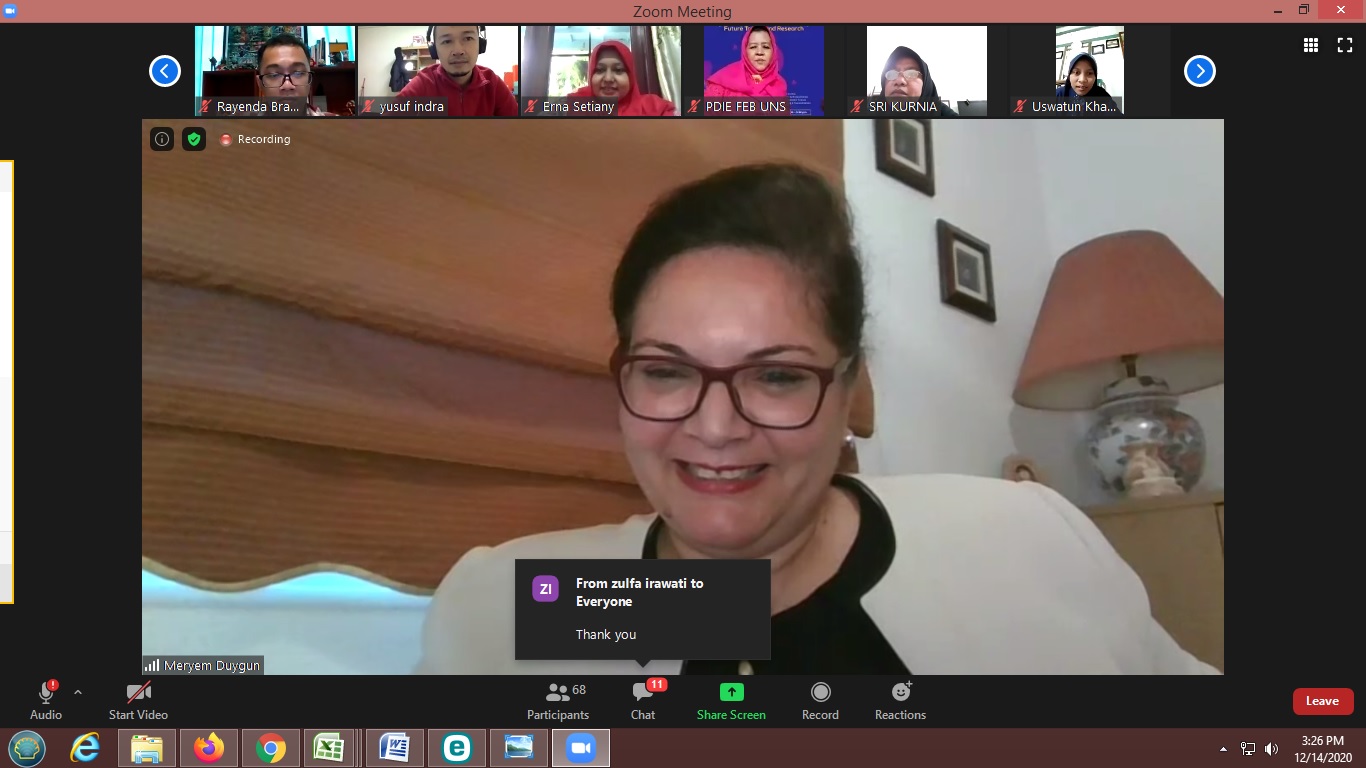
    The Doctoral Program in Economic (PDIE) Faculty of Economics and Business (FEB) Universitas Sebelas Maret (UNS) held Webinar Digitalizing Finance with Technology: Future Trends and Research, Monday (14/12/2020). The webinar that invited Prof. Meryem Duygun, Aviva Chair Risk in Insurance, Nottingham University Business School, UK, was held in collaboration with The Center for Science and Technology Pusat of Higher Education (PUI PT) Fintech and Banking.

    The event was opened by the Director of PDIE FEB UNS, Prof. Rahmawati, who delivered her gratitude to all parties who have contributed to managing the webinar and Prof. Meryem for the lecture. Prof. Rahma stated that technology development had encouraged innovations in finance that changes the financial industry landscape. These innovations are Peer-to-Peer (P2P) Lending, Digital payment, Crypto-currency, InsurTech, Robo Advisor, and many other innovations. Prof. Meryem Duygun, as the President of International Finance and Banking Society (IFABS) and editor of many reputable international journals, supports PDIE goals to prepare its students to select the dissertation topic.

    “We hope that this forum will be beneficial for all participants and thank you for participating in this lecture,” Prof. Rahmawati stated.

    Prof. Meryem opened her material with examples of current conditions in which insurance companies employ Artificial Intelligence (AI) to collect their customers’ personal data to provide good services. It is possible because customers have agreed that their insurance company can access the data stored in their electronic devices as a term to get lower insurance premium. Additionally, 75% of the executive in the insurance field believe that artificial intelligence will revolutionize the insurance industry.

    “Technology innovation has become the main driver of changes in the financial sector. This innovation is often known as FinTech,” Prof. Meryem explained.


    She added that the use of innovation in the insurance industry would improve efficiency and functionality. This innovation can come in various forms such as software, application, startup, product, and service. Therefore, InsurTech has highly specialized policies and uses databases derived from equipment connected to the internet, enabling them to determine dynamic insurance premiums.

    “The main area in the insurance field’s innovation is the intermediation and distribution model, sharing economy and insurance, robo-advisor and artificial intelligence (AI), and data aggregation and analytics. Some examples of Insurance Technology (InsurTech) companies are BIMA, Friendsurance, and InsPeer,” she added.

    Insurance level in Indonesia, according to Prof. Meryem, is low because of various factors such as low insurance literacy and distrust toward the financial institution. However, there are still opportunities for InsurTech to grow in Indonesia, considering Indonesia’s population size, growing middle class, and the development of the internet economy. She concluded the material with studies on P2P and InsurTech. The webinar was closed with a question and answer session between Prof. Meryem and more than 70 webinar participants. (Aulia/Humas)

  • HMJ Management FEB UNS Held Social Care

    HMJ Management FEB UNS Held Social Care

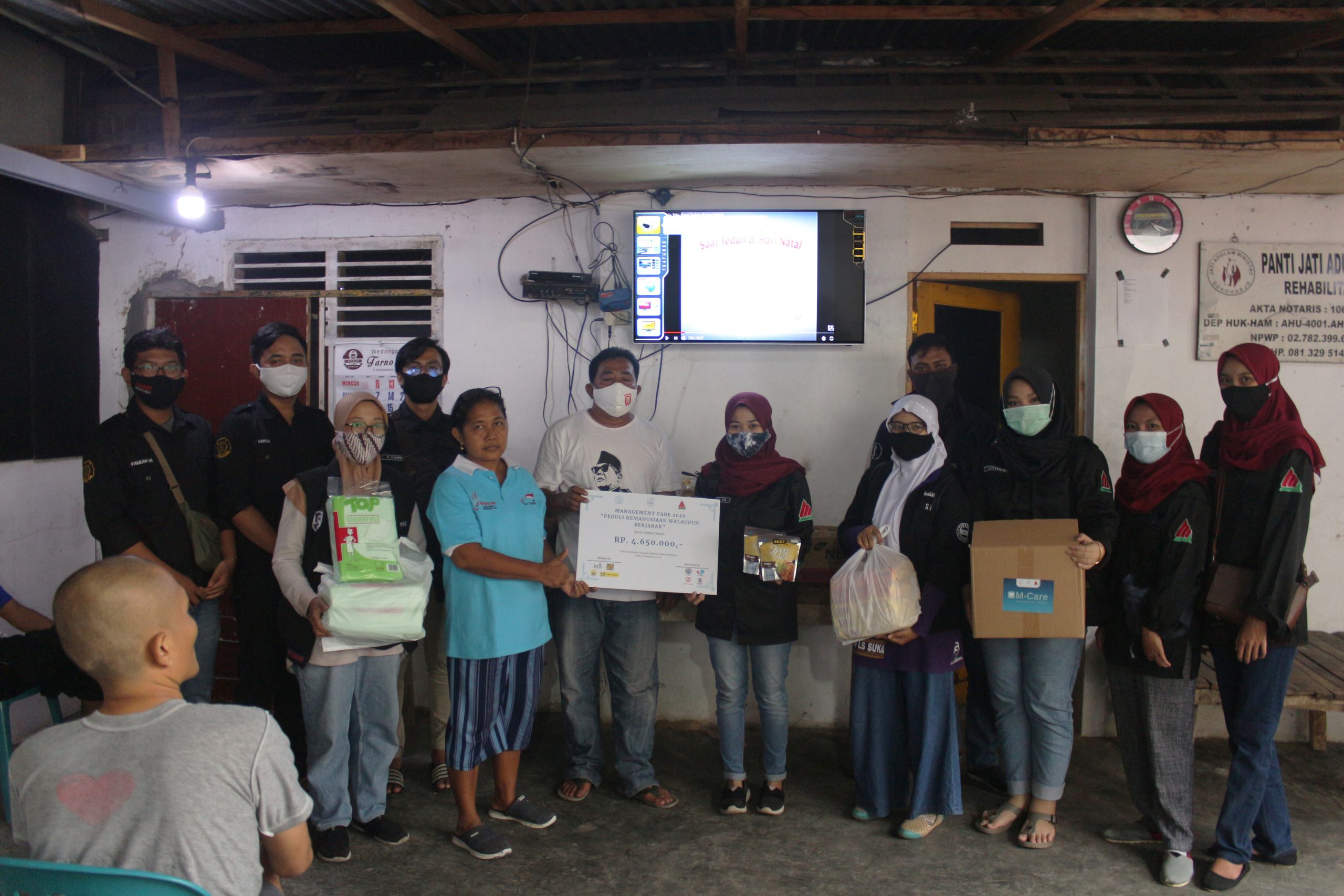
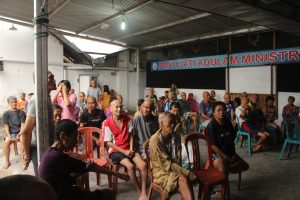
    Student Association of Undergraduate Program in Management (HMJ Manajemen) Faculty of Economics and Business (FEB) Universitas Sebelas Maret (UNS) Surakarta held Management Care (M-Care), a social service program, in Panti Jati Adulam Ministry, Pasar Kliwon, Solo.

    The person in charge of this program, Nanda Febrian Adyningsih stated that this program is a routine agenda of HMJ Manajemen that targets financially disadvantaged people. This program aims to develop social sensitivity, care, and a sense of love and belonging to each other. M-Care started with fundraising from the financially advantaged community in various forms, both cash and goods. The collected money and goods were then distributed to the disadvantaged community.

    “M-Care invites people to participate and lend a hand to help others. Alhamdulillah, in around two weeks, we succeed in raising funds from donors that exceed our target. This includes funds from FEB UNS Motorbike Club, EMC, and we are thankful for the support. And on 5 December 2020, we had conducted the Social Service,” Nanda explained, Thursday (17/12/2020).

    For 2020, Panti Jati Adulam Ministry becomes the target of the M-Care event because the institution has 70 residents with mental disorders and 10 elderly people. The relief in the form of cash, staple foods, and cleaning tools was handed symbolically to the management. After the ceremony, the students assisted the administration in preparing afternoon tea for all residents. The management conveyed their gratitude and was glad to receive such assistance. (Humas)

  • FEB UNS Dean: Grobogan Government Should Involve Millennial Generation

    FEB UNS Dean: Grobogan Government Should Involve Millennial Generation

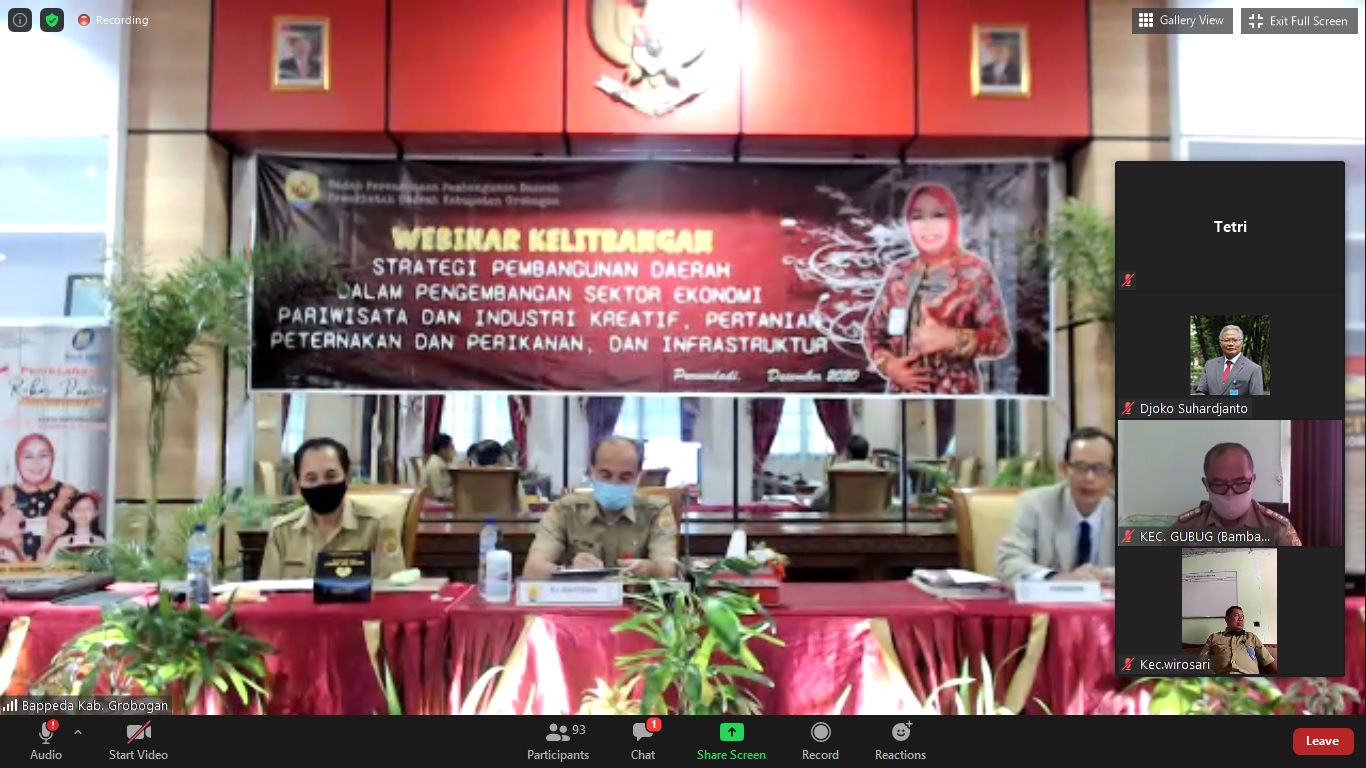
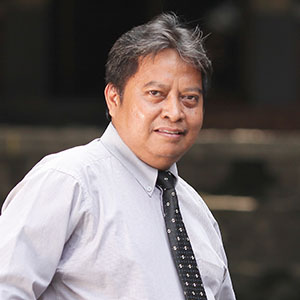
    The Dean of Faculty of Economics and Business (FEB) Universitas Sebelas Maret (UNS) Surakarta, Prof. Drs. Djoko Suhardjanto, M.Com, Hons, Ph. D, Ak., encourage the Regional Government (Pemkab) of Grobogan to involve the millennials in regional development. This was mentioned by Prof. Djoko while serving as a speaker in a Webinar organized by the Research and Development Department of the Development Planning Agency at Sub-National Level of Grobongan District regarding ‘Local Economy Development Based on Agriculture, Tourism and Creative Industries’, Monday (14/12/2020).

    In his presentation, Prof. Djoko states that Grobogan District has valuable assets, with a total of 1,473,431 population and plenty of MSMEs, as well as a beautiful environment. This asset will be more valuable when developed optimally. Especially during the ongoing pandemic, where the economic sector needs various digital creations. “There is substantial asset’s potential in Grobogan District, such as Lusi River, Timeless Fire in Mrapen, Bledug Kuwu, Teak Forest, Train, Kendeng Hill, Gua Macan, agricultural lands, and culinary tour. All of these potential need to be developed for the community welfare and popularize Grobogan District’s reputation,” Prof. Djoko explains.

    Additionally, a fundamental step that is needed by Pemkab Grobogan to adapt to the current condition is by managing regional assets to be more productive. Further, the bureaucratic mindset needs to be transformed into an entrepreneurs’ spirit with more courage to think and act creatively, innovatively, and visionary, to implement new public management and strong leadership. According to him, the leading sector can encourage other sectors, either in agro-tourism or cultural tourism. The creative economy follows the chosen leading sector. The most probable region is the Pulokulon with its agricultural characteristic. This region can be driven with appropriate branding and digital media coverage.
    “There are many natural potentials in Grobogan that need better management. Interesting tourism attraction can be managed and combined with activities showing local culture. Furthermore, each event must be broadcasted through social media,” Prof. Djoko states.

    A more creative and innovative regional tourism assets management can be useful for the local community. Economic activities can continue and improve Grobogan’s community welfare. Prof. Djoko encourages the participants to think out of the box, to think of something differently, creatively, innovatively, and visionary. The young generation’s involvement, especially those who understand the current technology, is crucial to promote Grobogan’s reputation through social media. In concluding his presentation, Prof. Djoko shares several strategies in developing the creative economy in Grobogan District. Among others are organizing tourism village competitions at sub-district and district level, give rewards to winners of tourism village competitions, promote them using social media. These activities can involve the Public Servant at the District level. Another supporting aspect such as culinary tourism, souvenirs, etc., should be prepared too. (Humas)

  • Accounting Study Program FEB UNS Hosts Visiting Lecturer with Evan Lau

    Accounting Study Program FEB UNS Hosts Visiting Lecturer with Evan Lau

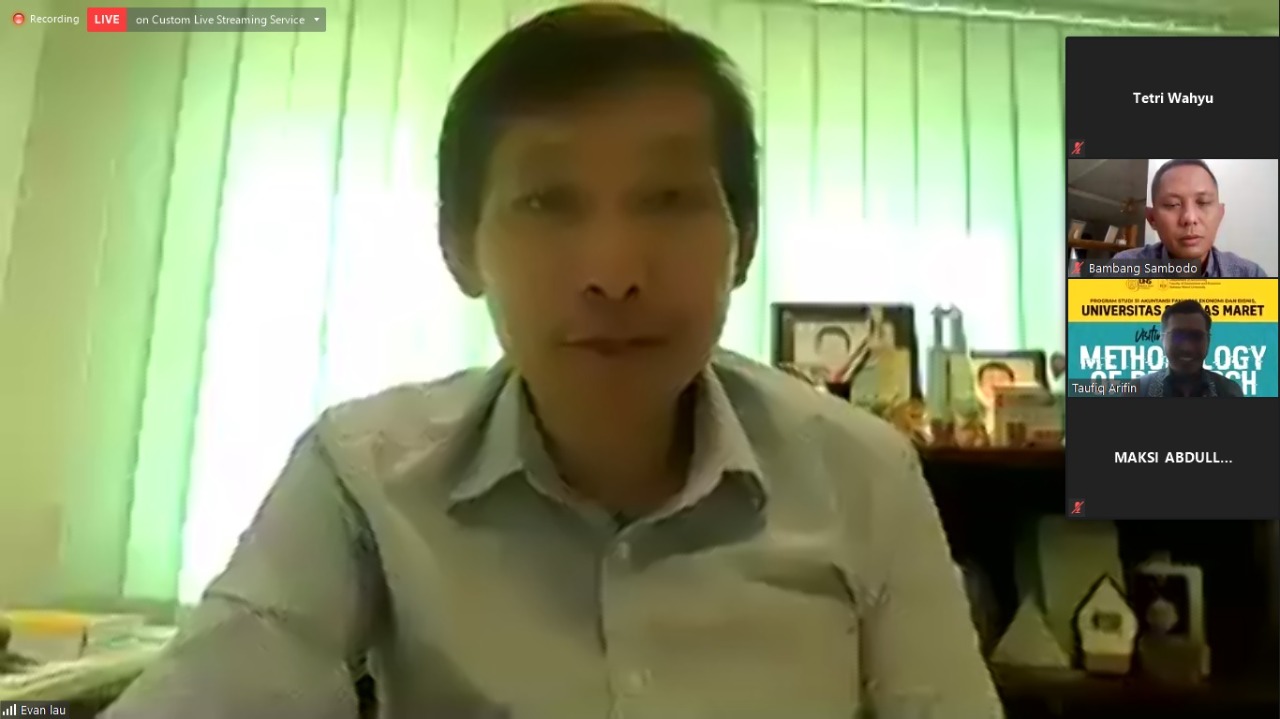
    The Accounting Study Program at the Faculty of Economics and Business, Universitas Sebelas Maret (UNS) Surakarta, organized a Visiting Lecturer on the Methodology of Research inviting Assoc. Prof. Evan Lau from Universiti Malaysia Sarawak (UNIMAS) on Tuesday-Wednesday (24-25/11/2020).

    In his opening remarks, Dr. Agung Nur Probohudono, Ph.D., Head of the Accounting Study Program at FEB UNS, expressed his gratitude to Prof. Evan for sharing his valuable experiences on research methodology with the students. “Although conducted virtually, we hope that the current situation does not diminish the value of this lecture. Research methodology is crucial as it provides knowledge about the proper steps and methods for conducting final research,” he stated.

    Meanwhile, Prof. Evan addressed the students of FEB UNS who were taking the course on research methodology and several lecturers from the Faculty of Economics and Business, delivering various definitions of research and reasons why research is necessary.

    “Research is a process of seeking and investigating, to find the ‘truth’ of an event or condition, which must be carried out in accordance with methodology, systematic, and following the rules and ethics of research,” he explained.

    Furthermore, he elaborated on the aspects of research, including the 3C’s: concentration, commitment, and continuity. The first session concluded with an interactive Q&A session between the speaker and the participants.

    Prof. Evan also presented the problem statement, which relates to the interesting research topics and how to identify issues that could become research topics. “When starting research, we should begin with uncertainty, doubt, questions, or problems. If there is already an answer to the problem, then there is no need to conduct research on it. Instead, consider extending the previous research,” he clarified.

    The problem statement is a crucial aspect as it will affect the literature to be reviewed, hypotheses, required data, analysis techniques, and appropriate conclusions.

    A well-formulated problem statement should include several elements, such as answering unanswered questions in previous literature, replicating previous research but focusing on a different research object, expanding or deepening the analysis of previous research, and being related to practical field conditions. For this, Prof. Evan encouraged the participants to brainstorm ideas.

    On the second day of the visiting lecturer, the discussion continued with Research Design. Research design can be understood as the plan used to answer the research problem. This design includes the techniques to be used, the objects involved in the research, how data is collected, and how data is analyzed. Several points need to be considered in determining the research design, including the nature of the research problem, research objectives, available data sources, and academic discipline.

    (Aulia/Humas)