FEB

Kategori: s1_ep

  • BPUF FEB UNS Provides Managerial Training for Sharia Cooperative Manager in Solo

    BPUF FEB UNS Provides Managerial Training for Sharia Cooperative Manager in Solo

    A number of the managers in Koperasi Simpan Pinjam dan Pembiayaan Syariah (Sharia Savings and Loans Cooperative-KSPPS) Solo participated in a managerial training organized by the Business Management Agency of the Faculty of Economics and Business (BPUF), Universitas Sebelas Maret (UNS), Saturday, September 25 at the Amrani Hotel Solo.

    The Head of BPUF FEB UNS, Dr. Ahmad Ikhwan Setiawan, SE, MT., in his statements, reveals that the training aims to introduce the significance of fintech implementation to support various cooperative business operations. According to him, fintech implementation in KSPPS Surakarta is still limited, and most of the daily operations activities are still carried out manually, which leads to limited market coverage. This condition is in contrast with the MSMEs spirit in Solo, which encourages online business. Therefore, such asymmetry needs to be addressed immediately to allow KSPPS Surakarta to have a significant role in business and economic growth in Solo.

    Additionally, KSPPS is also expected to synergize with the existing financial institutions to increase product innovation and funding. “Cooperatives need to conduct fintech technology assessments to observe various fintech initiatives that are suitable for cooperatives. Afterward, cooperatives need to internalize and socialize the fintech benefits to avoid employees’ resistance. Selecting the right fintech partners is also crucial to find the most capable and efficient financial technology. Periodical monitoring and evaluation on fintech application is carried out to understand its impact on the cooperatives’ performance,” he explained.

    Dr. Ikhwan added that there are many advantages of fintech implementation in KSPPS Surakarta. Cooperatives that adopt fintech are more capable of demonstrating an excellent service quality to achieve customers’ or members’ satisfaction. Fintech adoption in cooperatives can enhance its’ brand image as a trusted cooperative due to its capabilities to adopt technological advances.

    Fintech adoption can expand a cooperative’s market share, reaching out to more depositors and borrowers, expanding to various cities or even across various regions. Fintech allows communication between depositors and borrowers to be more timely, thus various lending and borrowing decisions can be executed quickly. (Humas FEB)

  • FE UNTAN Deanery Visit FEB UNS, Discussing MBKM

    FE UNTAN Deanery Visit FEB UNS, Discussing MBKM

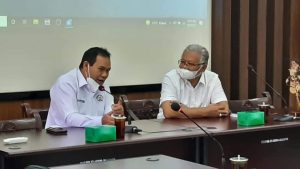
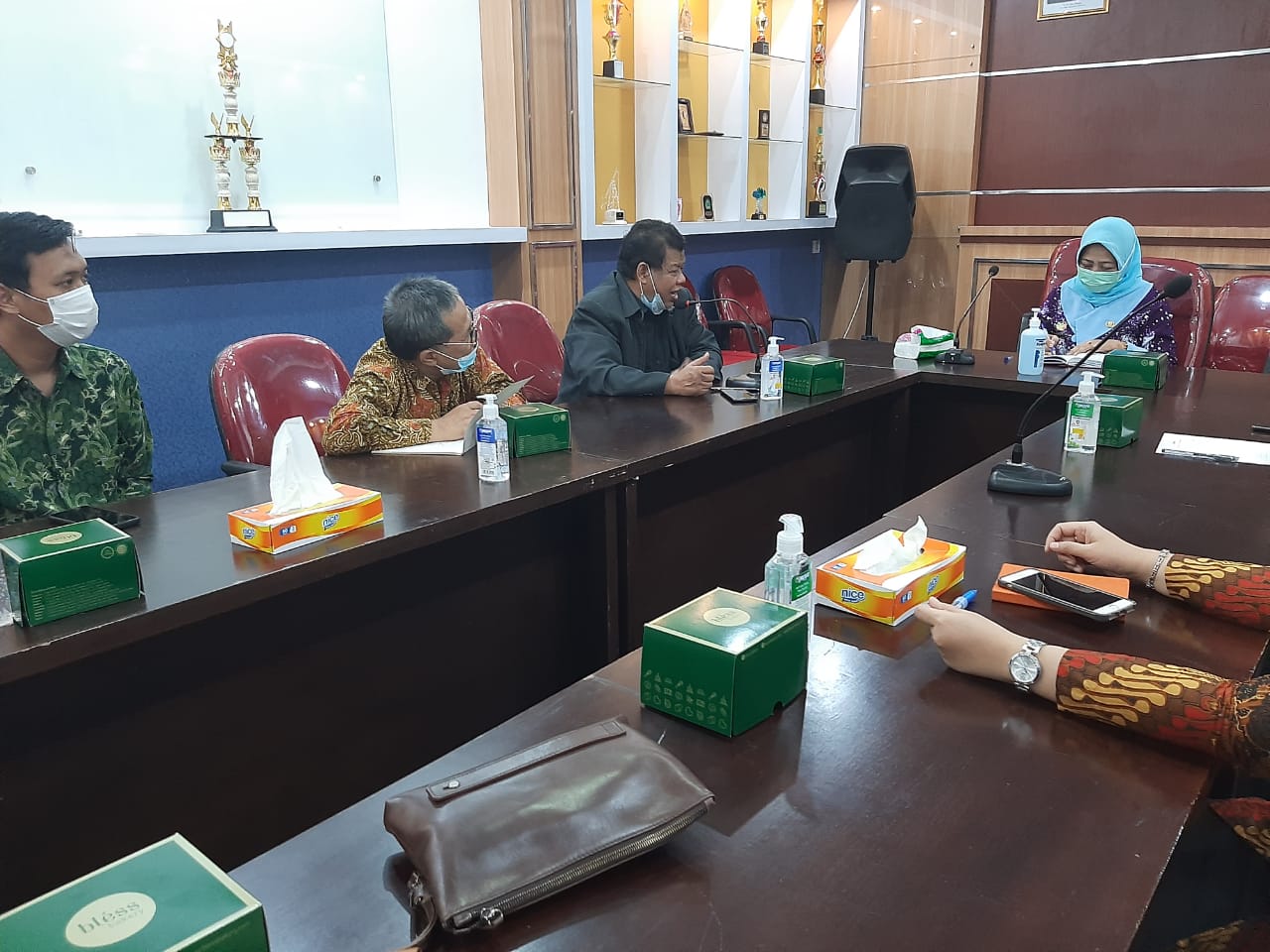
    The Faculty of Economics and Business (FEB) UNS received a visit from the Deanery of the Faculty of Economics, Tanjungpura University (UNTAN) Pontianak, Monday 20 September 2021, in Meeting Room 1 FEB UNS. On this occasion, the representative of FEB UNS presented the faculty profile, the Merdeka Belajar Kampus Merdeka (MBKM) Policy, and its implementation in each study program.

    Dr. Haryono, WD 2 FE UNTAN presenting the FE UNTAN profile

    The entourage of FE UNTAN, consisting of Muz’an Sulaiman, SE., MM., as the Vice-Dean 1 FE UNTAN, Dr. Haryono, SE, Ak, CPA, Asean CPA, as the Deputy Dean 2 FE UNTAN, Dr. Restiatun, MSi, Secretary of the IE Doctoral Study Program FE UNTAN, Dr. Afrizal, MSi, the Head of the FE UNTAN Library, was welcomed by the Dean of FEB UNS, Prof. Djoko Suhardjanto, M.Com. (Hons) Ph.D., Ak., FEB UNS Vice Deans, the Heads of Undergraduate Study Programs, and the Head of Doctoral Programs in Economics FEB UNS. Following the welcome remark, Prof. Djoko Suhardjanto briefly explained the profile of FEB UNS.

    Prof. Djoko mentioned that all undergraduate and postgraduate study programs at FEB UNS have been accredited A from the National Accreditation Board for Higher Education (BAN-PT). International accreditation certifications have also been achieved, such as the EPAS, AUN QA, and ABEST21. Around November this year, the three undergraduate study programs in FEB UNS, the Accounting, Management, and Development Economics will be assessed by AQAS, an international accreditation agency recognized by the Directorate General of Higher Education (Dikti). This year also, FEB UNS has opened an international class.

    “Since 6 October 2020, UNS has obtained the status of a State University with Legal Entity (PTN-BH). In addition, UNS is included in the first cluster or the main cluster of the best universities (PT) in Indonesia. Because of the PTNBH status, there is the main requirement where 50% of the lecturers must have a doctoral degree, and FEB is slowly fulfilling this requirement,” he said.

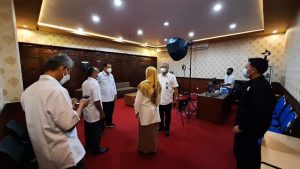
    Visiting the FEB UNS Studio

    Meanwhile, information regarding the MBKM Policy in FEB UNS was delivered by the Vice Dean of Academic Research and Student Affairs FEB UNS, Prof. Izza Mafruhah, SE, M.Si. The implementation at study program level was delivered by the Head of Accounting Study Program, Agung Nur Probohudono, SE, M.Sc., Ph.D., Ak., CA., the Head of Management Study Program, Dr. Atmaji, MM, and the Head of Development Economics Study Program, Bhimo Rizky Samudro, SE, M.Si., Ph.D.

    During the visit, the UNTAN Deanery also visited some of the FEB UNS facilities adapted to national and international accreditation standards, including classrooms, professor rooms, learning studio rooms, work stations, teleconferencing rooms, and others. (Humas FEB).

  • FEB UNS Held Achievement Motivation Training and Outbound for Academic Support Staff

    FEB UNS Held Achievement Motivation Training and Outbound for Academic Support Staff

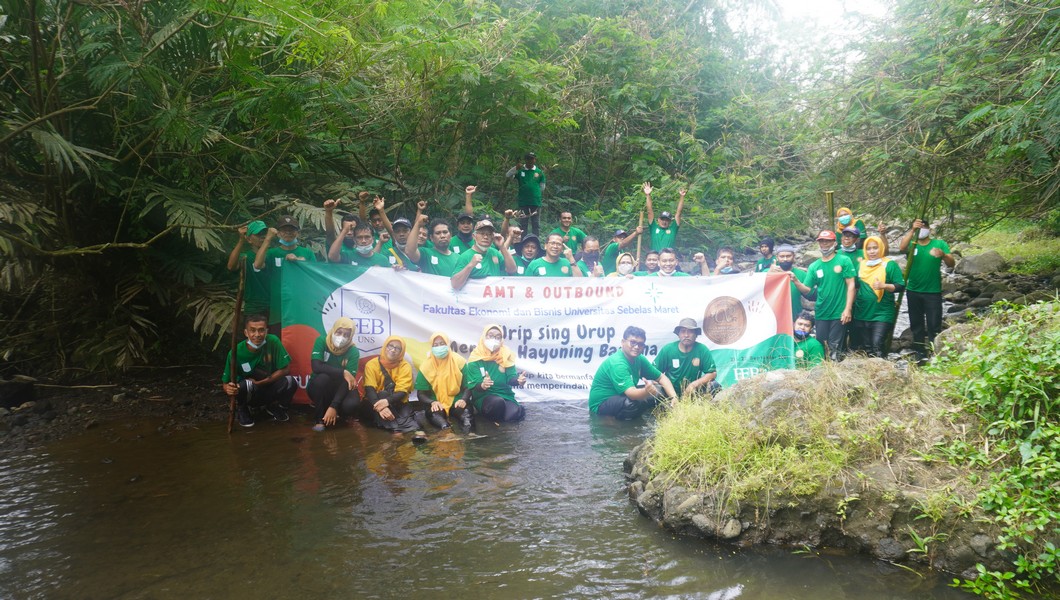
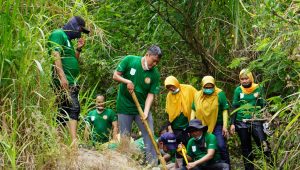
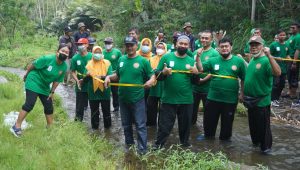
    The Faculty of Economics and Business (FEB) Universitas Sebelas Maret (UNS) held an Achievement Motivation Training (AMT) and Outbound on Saturday, September 11, 2021, in Tempel, Sleman, Yogyakarta. The first stage of training was attended by more than 40 FEB UNS academic support staff (tendik), the Deanery, and the Head of several Study Programs in FEB UNS.

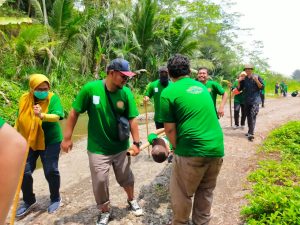
    Before the outbound start, Prof. Djoko Suhardjanto, M.Com., Hons., Ph.D., Ak., as the Dean of FEB UNS, reveals that this activity is not only for refreshment but also to provide motivation in strengthening the academic support staff teamwork in facing work challenges in FEB UNS. This year’s outbound was different from the previous year because participants will need to travel quite a distance around the foot of Mount Merapi and various obstacles, walking through Salak gardens, forest, and cruising along a riverbank.

    The Dean hopes that after the training, the academic support staff can always collaborate harmoniously and maintain cohesiveness to achieve common goals. “Let’s keep a calm and peaceful life, urip sing urup memayu hayuning Bawana. Life should provide benefits for others, provide happiness, safety, and prosperity for the environment,” Prof. Djoko stated.

    During the outbound, the academic support staff was divided into 3 (three) groups that must follow the directions provided by the travel guide. Each group must stay together and help each member in solving the challenges. Some of the rules that must be obeyed during the trip include not taking anything when entering the community’s plantation area, not throwing anything away, not killing any animals except in forced circumstances.

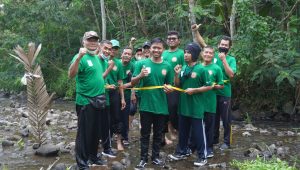
    During the trip, the staff must be extra careful while going up and down hills with slippery soil, traversing the Krasak River with a fairly swift and deep-water level, as well as steep waterfall cliffs. The FEB staff are also required to cut through the Sempadan Forest. At the end of the trip, a Gayam tree was planted on the Krasak riverbanks to preserve nature.

    After the outbound, FEB academic support staff took part in a gathering at the Pendhopo of Omah Noto Plankton to share and evaluate the outbound activities, which lasted for approximately 4 hours.

    Overall, all of FEB UNS support staff had a pleasant impression on the experience on the trip through the gardens, forests, rivers, and the games provided by the guide team. The staff also gave suggestions and input to the Omah Noto Plankton team, as the outbound organizing and leading team, for future improvements. (Humas FEB)

  • FEB UNS Holds Hybrid Lecture Simulation

    FEB UNS Holds Hybrid Lecture Simulation

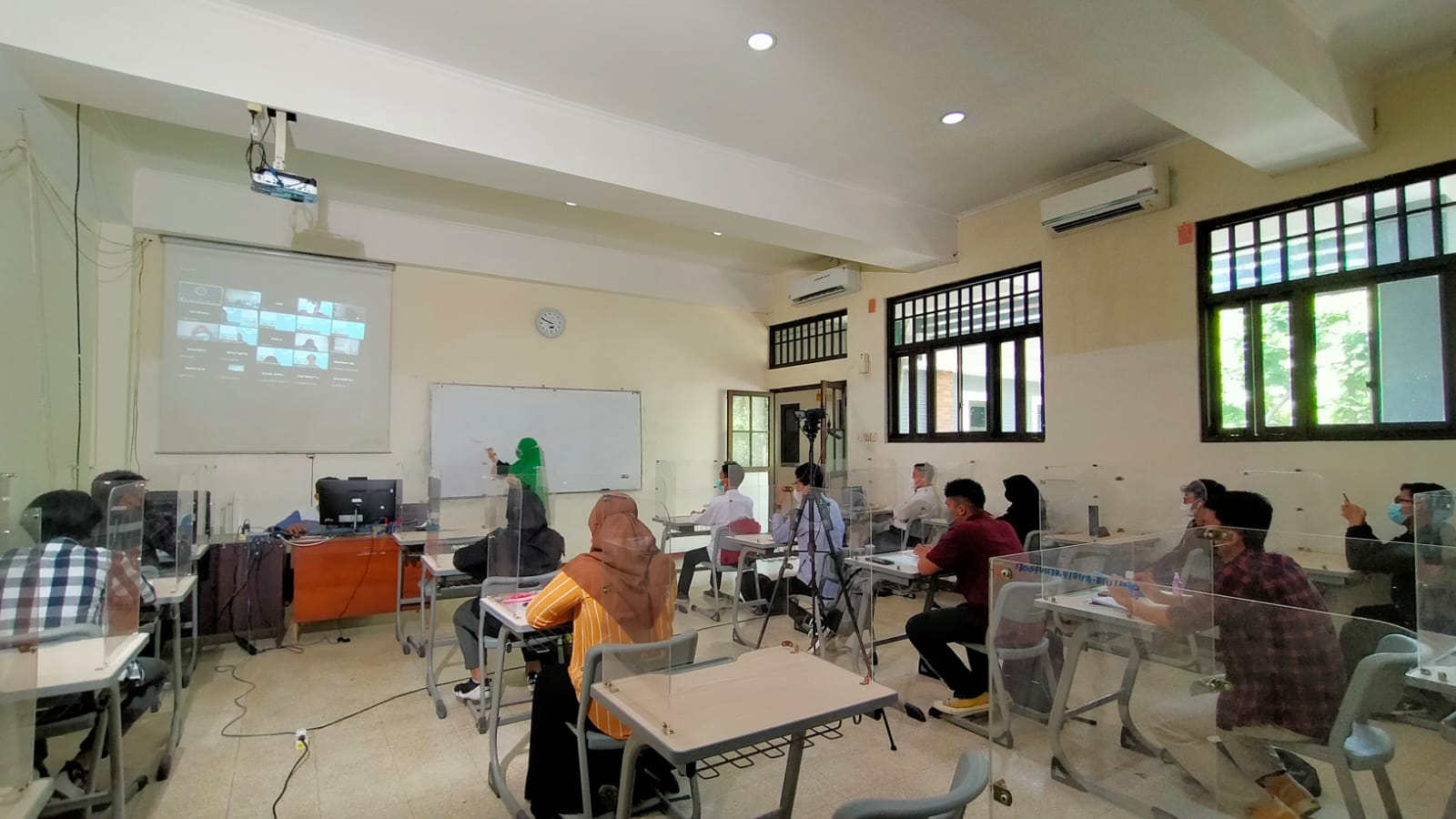
    A number of first semester students from the Management Study Program, Faculty of Economics and Business (FEB) Universitas Sebelas Maret (UNS) attended the Introduction to Macroeconomics lecture delivered by Prof. Dr. Izza Mafruhah, SE, M.Si., in Classroom 2.203 FEB UNS. At the same time, the rest of other students who enrolled to the course can follow the session through Zoom Cloud Meeting, Friday, September 3, 2021.

    This hybrid lecture, which combines two learning methods (online and direct learning), is an initial simulation carried out by FEB UNS to prepare Face-to-face Lectures (PTM) that will be implemented gradually by UNS. In the early stages, UNS will hold PTM for the first semester (class of 2021) students while prioritizing the residents of Solo Raya and vaccinated students to attend the PTM. Students are vibrant and enthusiastic about participating in the hybrid lecture simulation that will last for 2 hours.

    “Students attending the face-to-face lectures are currently only from the Great Solo region, such as from Wonogiri, Sukoharjo, Klaten, and also Surakarta. With this method, lecturers can explain the material in more detail, especially for topics that require calculation, since Zoom Cloud Meeting still has limitations,” said Prof. Izza reveals after her lecture.

    According to her, equipment and technical officers’ preparation to support the implementation of this hybrid lecture are crucial to facilitate students, both joining the face-to-face lecture and virtual lecture, in understanding the material and allowing them to join class discussions can smoothly. Prof. Izza hopes that the university will immediately provide vaccination facilities for the new students; thus, students can safely join the face-to-face lecture.

    Meanwhile, Andreansyah Saputra, a student of the Management Study Program, said that this method is implemented perfectly. Students can clearly understand the material presented by the lecturer.

    “We, as students, feel comfortable attending lectures while maintaining health protocols on campus and in class,” he said briefly. (Humas FEB)

  • FEB UNS Hosted AQAS Accreditation Dissemination and Preparation

    FEB UNS Hosted AQAS Accreditation Dissemination and Preparation

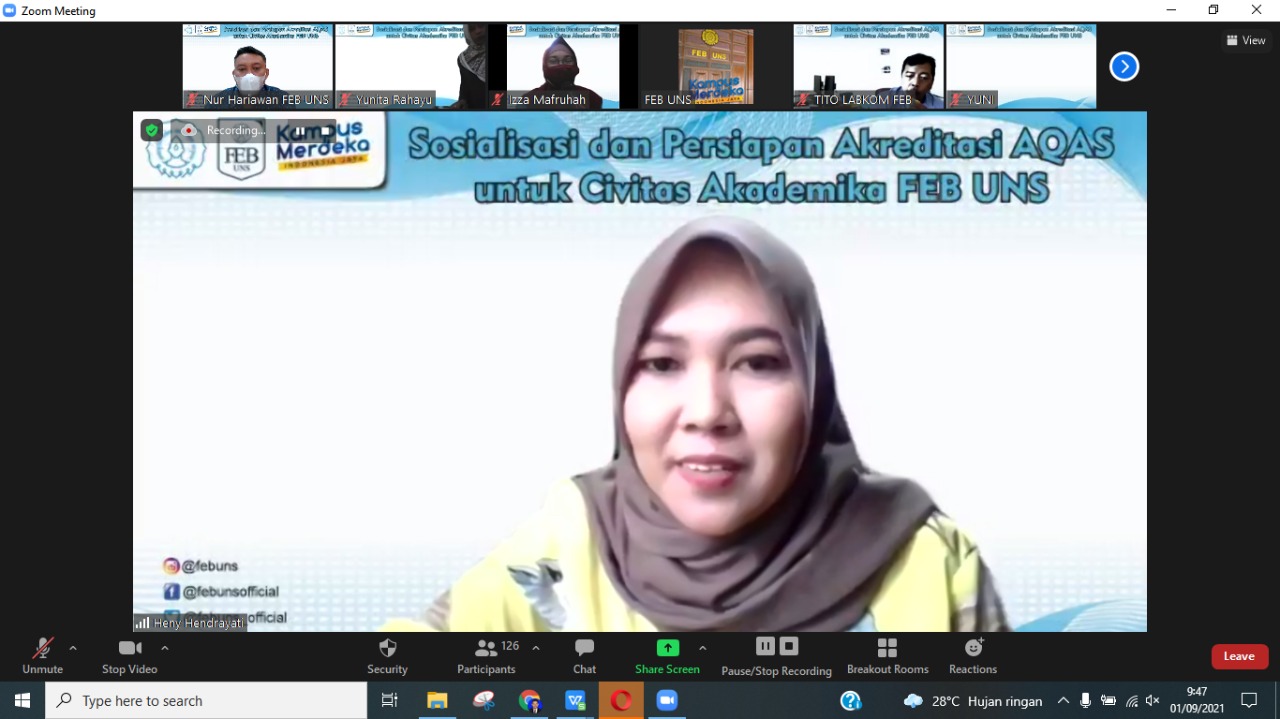
    Three study programs in the Faculty of Economics and Business (FEB) Universitas Sebelas Maret (UNS), the Accounting, Management, and Development Economics Study Program, are applying for the Agency for Quality Assurance by Accreditation of Study Programs (AQAS) International Accreditation this 2021. The study programs’ AQAS Self Evaluation Report (SER) was submitted in early August 2021 along with two other study programs in UNS. If the desk evaluation review returned a favorable result, the study programs would undergo a virtual site assessment in early November. In this regard, FEB UNS organized a hybrid AQAS Accreditation Dissemination and Preparation for the faculty members on Wednesday, September 1, 2021.

    The event, which was attended by all faculty members, academic support staff, and student organizations representatives, invited two speakers, Dr. Heni Hendrayati, SIP, MM., from the Indonesian Universitas Pendidikan Indonesia Bandung, and Irwan Trinugroho, SE, M.Sc. Ph.D., the Director of Partnership, Development, and Internationalization UNS, who is also a Lecturer at FEB UNS.

    The Dean of FEB UNS, Prof. Drs. Djoko Suhardjanto, M.Com Hons, Ph.D., Ak., in his speech, states that AQAS is one of the international accreditation institutions recognized by the Directorate General of Higher Education (Dikti). The accreditation was established in 2002 and is headquartered in Cologne, North Rhine-Westphalia, Germany.

    “Since UNS was determined as a State University with Legal Entity (PTNBH) starting of October 6, 2019, we have been given the mandate to be the top 500 global universities. This is an arduous assignment and has become our collective responsibility; therefore, an international accreditation is very much needed,” he said.

    Furthermore, the Ministry set a target for the Universitas Sebelas Maret to have 15 out of its 167 study programs accredited internationally. It is clear that for the FEB UNS, the target is to get all of its study programs accredited internationally.

    In fact, before UNS was designated as PTNBH, the study programs at FEB had been accredited and certified internationally. The Bachelor in Management and Development Economics Study Program has received AUN QA certification, while the Bachelor in Accounting Study Program received EPAS certification. As for the postgraduate study programs, the Masters in Accounting, Masters in Management, Masters in Accounting, and Doctoral Programs in Economics, have been certified by ABEST 21. However, all those previous accreditation institutions are currently not recognized by DIKTI. Hence, the Faculty need a slight amendment to find a recognized international accreditation agency.

    At the end of his remarks, the Dean wishes that the two speakers will enlighten the Faculty members on the focal point of AQAS Accreditation to assist the study programs at FEB UNS in earning the international certification. According to BAN-PT criteria, if a study program has received international accreditation, it will automatically be granted superior status. Hopefully, by the end of this year, all undergraduate study programs will be internationally accredited.

    The two invited speakers for the session explained in detail the preparation process, the site visit, and the description AQAS accreditation assessment. The invited speakers also explained the strategies needed to ensure the assessment process went smoothly.

    Dr. Irwan emphasized that the most crucial aspect of the assessment is the preparation of lecturers, students, and any other stakeholders invited to the interview session. The study program task force must discuss and communicate all assessment material and criteria to the invited stakeholder to establish a similar understanding according to the study program’s SER. Furthermore, the study programs must prepare and arrange all potential documents in a virtual drive to facilitate the ease of access. Additionally, the assessed study programs must follow the approved schedule and focus on the assessment process. (Humas FEB)

  • The Morning Briefing of UNS: Three Focal Points According to the Dean of FEB UNS

    The Morning Briefing of UNS: Three Focal Points According to the Dean of FEB UNS

    As one of the universities that nurtured from the Pancasila values and devoted all of its capabilities to the greater community welfare, Universitas Sebelas Maret plays an active role in learning activities that involve all stakeholders in the Merdeka Belajar Kampus Merdeka Program (MBKM).

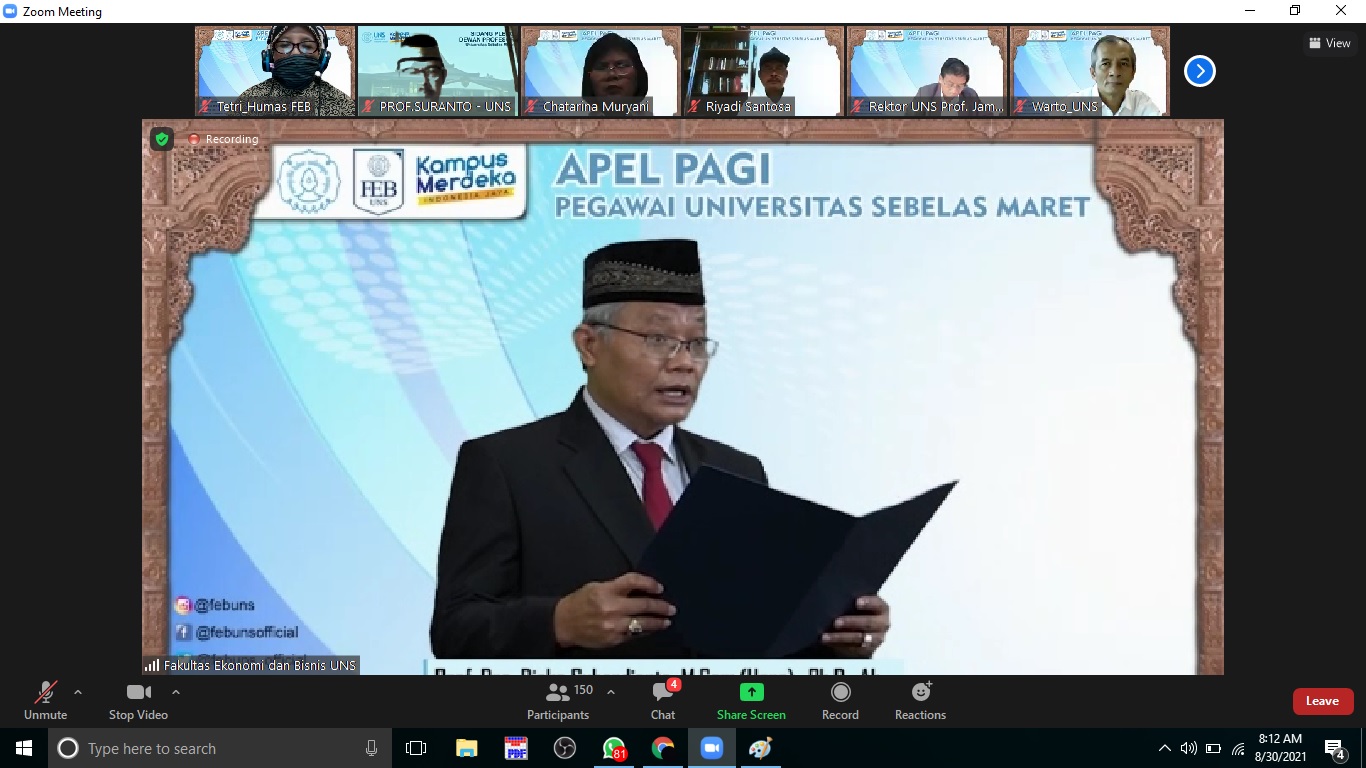
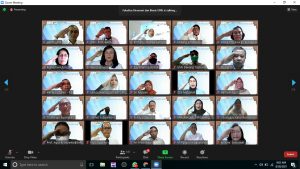
    In this MBKM program, UNS must shape the noble and virtuous character of the nation’s young generation and assist students in developing their abilities. This assistance should cover both the hard skills and soft skills through the eight types of MBKM activities. Doing so will ensure that UNS will not become an ivory tower in the education sector but also plays an active role in the community by devoting its energy through scientific contribution and charitable knowledge. This statement was delivered by the Dean of the Faculty of Economics and Business, Prof. Drs. Djoko Suhardjanto, M.Com (Hons), Ph.D., Ak., in the virtual Morning Briefing attended by all UNS academic members, Monday, August 30, 2021.

    Further, he explains that evaluation and budget implementation for the second half of the semester aims to improve education quality both in human resource development, teaching and learning facilities, including international-class laboratories, and various supporting facilities to encourage superior accreditation at both national and international levels.

    In terms of the achievement of the second semester in 2021 Key Performance Indicators (KPI), Prof. Djoko states that UNS has made various efforts to achieve the target KPI in the previous semester. All UNS academic members, including the faculty members in collaboration with lecturers, students, and academic support staff, are working hard to achieve the KPI target and even exceed it and continue to strengthen UNS position in the first cluster of Indonesia’s universities ranking. However, all these strenuous efforts must be implemented continuously to achieve UNS’ ultimate objective as a world-class university, both at the Asian University Ranking and the World University Ranking.

    These three main points were conveyed by Prof. Djoko Suhardjanto in the Morning Briefing welcoming the last week of August. Many are expected that UNS will be more successful both in the national and international spheres.

    The Morning Briefing is a routine held by UNS on Mondays, where the party responsible for the briefing is selected from, in turn, from the 16 Work Units at UNS. As of August 30, 2021, FEB is fully responsible for the Morning Briefing implementation.

    Other than Prof. Djoko, other officers who served in the Morning Briefing are the Head of the Management Study Program, Dr. Atmaji, who led the tribute to Country Flag and National Anthem. Meanwhile, the Moment of Silence was led by the FEB UNS Dean, Prof. Djoko Suhardjanto, followed by the Recitation of the Pancasila Manuscript by the Chair of the Faculty Senate, Prof. Tulus Haryono, Recitation of the Preamble to the 1945 Constitution by the Vice Dean for Academics, Research, and Student Affairs, Prof. Izza Mafruhah, Recitation of the Panca Prasetya Korps Pegawai RI by the Vice Dean for Human Resources, Finance, and Logistics Affairs, Dr. Djuminah, Prayer by the Vice Dean for Planning, Partnership, Business, and Information Affairs, Dr. Mugi Harsono, and lastly the Master of Ceremony was conducted by the FEB UNS Public Relations Staff, Tetri Wahyu Aryanti. (Humas FEB)

  • Welcoming New Students, Dean of FEB Invites Students to Accomplish Achievements at National and International Levels

    Welcoming New Students, Dean of FEB Invites Students to Accomplish Achievements at National and International Levels

    More than 700 new students from the Undergraduate Study Programs in the Faculty of Economics and Business, Universitas Sebelas Maret (FEB UNS), participated in the Virtual New Student Introduction to Campus Life (PKKMB) on Monday, August 16, 2021. The Dean of FEB UNS, Prof. Drs. Djoko Suhardjanto, M.Com. (Hons). Ph.D., Ak., welcomed new students and symbolically handed students’ Semester Course Plan to three student representatives from each study program, Widya Zhafira from Accounting Study Program, Devina Alfa Levia Rizky Alharis from Management Study Program, and Perdana Gilang Yudha Firmansyah from Development Economics Study Program.
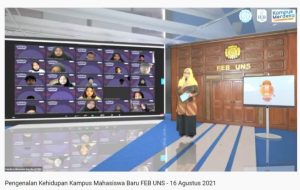
    “The Deanery of FEB UNS congratulate the new students. We are thrilled and proud because all of you have joined our Faculty as new students. Once again, congratulations, you have become the faculty members of FEB UNS. Please stay enthusiastic in your study, strengthen your capacity in the FEB UNS Candradimuka crater (t/n: Candradimuka represents an ancient stringent training ground for great champions in old Javanese manuscript), a cultivating place to nurture your competencies to achieve success,” said the Dean encouragingly.

    All study programs at FEB UNS, both the Undergraduate and Postgraduate Study Programs, have been accredited ‘A’ by the National Accreditation Board for Higher Education (BAN-PT). Various international accreditation certifications are also achieved by the study programs such as EPAS, AUN QA, and ABEST21. Starting on October 6, 2020, UNS obtained the status as a State University with Legal Entity (PTN-BH). In addition, UNS is included in the first cluster or the main cluster of the best universities in Indonesia.

    Further, the Dean also advised that while studying in FEB UNS, new students must maintain good interaction with all existing educational components on the campus and alumni who are often visiting FEB UNS. Numerous alumni of FEB UNS are successful figures occupying important positions both in governmental and private sectors. The notable alumni, among others, are Prof. Wimboh Santoso, who currently serves as Chairman of the Board of Commissioners of the Indonesian Financial Services Authority (OJK), Doni P Joewono, the current Deputy Governor of Bank Indonesia, Didik Hartantyo, President Director of PT KAI, and several other successful alumni in the private sector including Harijanto, and Nur Harjanto.

    At the end of his remarks, the Dean hopes that students would be able to accomplish numerous achievements, both at the national and international levels, while still promoting the nation’s noble cultural values and upholding the life principle of ‘urip sing urup memayu hayuning bawana’ (life should provide benefits for others as well as for the universe).

    The PKKMB activity that lasted from morning until late afternoon was also filled with explanations from the FEB UNS Vice Deans, Laboratory Administrator, Supporting Units, Academic Support Staff, and the lecturers from each study program. Several successful alumni are invited to deliver a motivational speech to the new students, such as Doni Primanto Joewono, SE, M.Si, Ubaidi Socheh Hamidi, SE, MM., Endang Kurniawan, SE, Ak., and Dr. Nur Harjanto, MM.

    The Deputy Governor of Bank Indonesia, Doni P. Joewono, in his speech, conveyed four important things to guide students to be successful in pursuing studies and careers, namely, being grateful, finding role models, having passion, and being adaptive. The success achieved by the students is due to Allah’s and parents’ blessing. Gratitude must always be expressed for the opportunity to be enrolled on this campus because currently, the achievements of FEB UNS are growing rapidly. All study programs at FEB have been accredited A and obtained international certification.
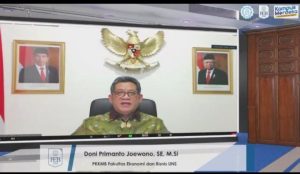
    Furthermore, it was conveyed that students must also have a role model to encourage them in achieving future success in their studies and career. “Role models provide motivation and encouragement in learning. Having a role model allows us to explore ourselves, we have a dream, knowing our future goals, whether to continue our studies or to be an economist or to be an entrepreneur, who will be our example,” Mr. Doni said enthusiastically.

    Students must also have passion, must have an interest. Passion will encourage students to find role models and be active in organizational activities to enrich and expand students’ knowledge and experience. Fourth, students must be adaptive. Successful people are adaptive people, not just smart and intelligent people. How many people are having mediocre academic achievements but are successful at work because they are highly adaptive to their job environment. (Humas FEB)
  • Institutional and Human Resource Research Group at FEB UNS Supports Establishment of Tourism SOE in Magetan Regency

    Institutional and Human Resource Research Group at FEB UNS Supports Establishment of Tourism SOE in Magetan Regency

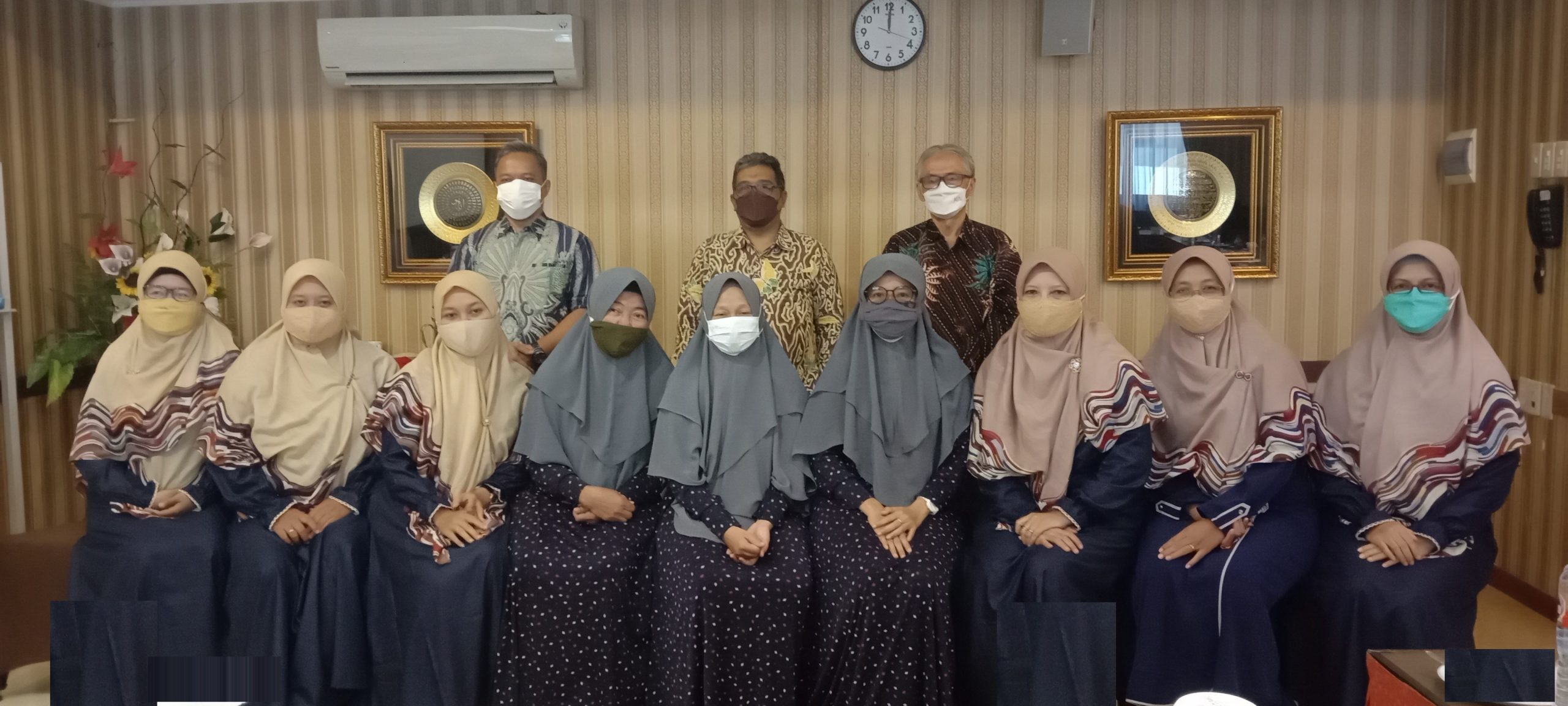
    The Institutional and Human Resource Research Group at the Faculty of Economics and Business (FEB), Universitas Sebelas Maret (UNS), conducted a Community Service (PKM) initiative to support the establishment of a Tourism State-Owned Enterprise (SOE) in Magetan Regency, held on Friday, June 25, 2021, at the Regional Development Planning Agency (Bappeda), Magetan Regency.

    Led by Vita Kartika Sari, S.E., M.Sc., a lecturer at the Faculty of Economics and Business, FEB UNS, the team was accompanied by several members including Dr. Dwi Prasetyani, S.E., M.Si., Aulia Hapsari Juwita, S.E., M.E., Sumardi, S.E., M.Si., Dr. Guntur Riyanto, M.Si., Dr. Ahmad Daerobi, M.S., Dr. Vinc Hadi Wiyono WS, M.A., and Ana Shohibul Manshur Al Ahmad, S.E., M.Sc.

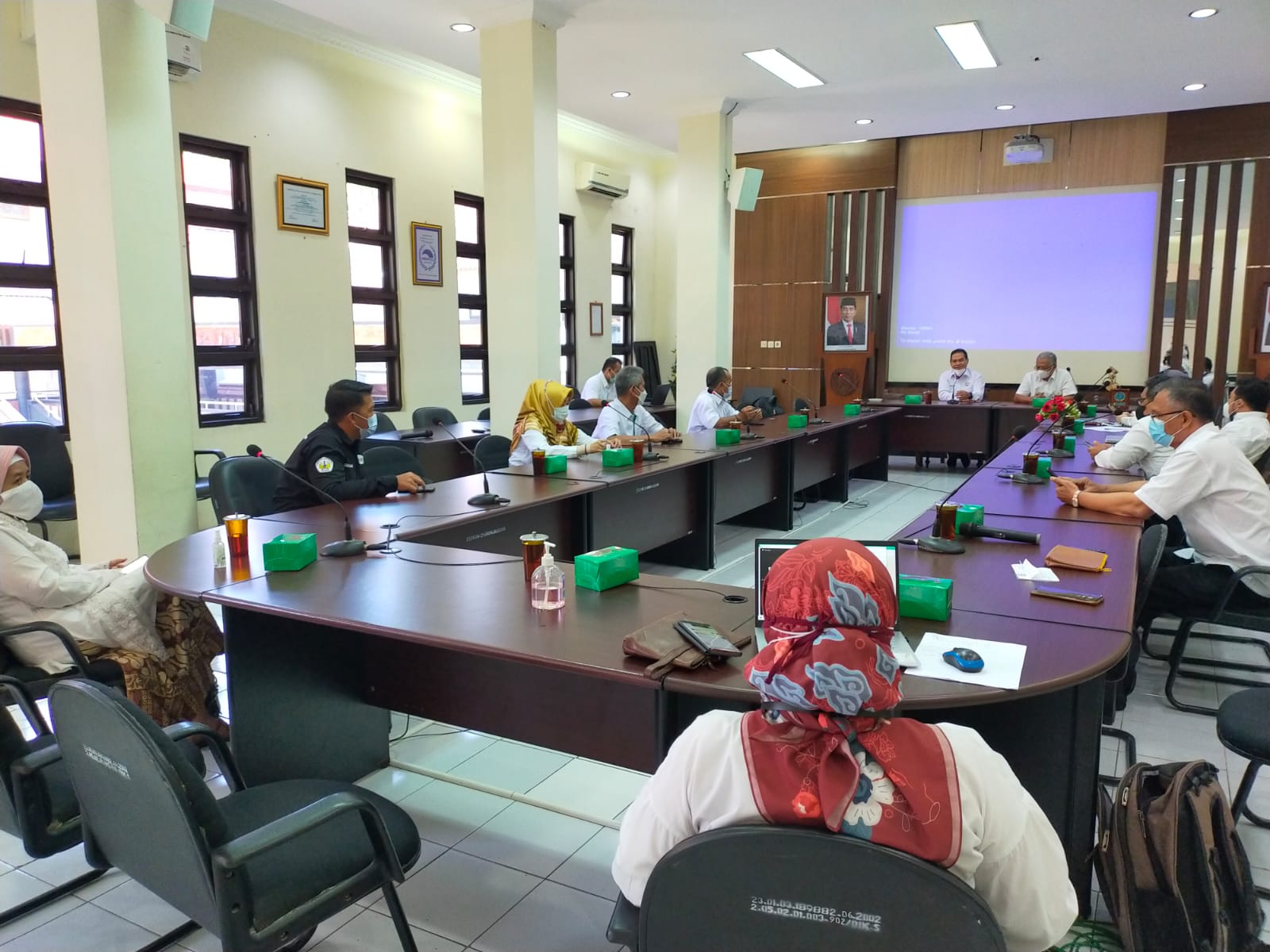
    During the PKM, the Research Group conducted a Focus Group Discussion (FGD) focusing on investment opportunities, mapping investment packages, and implementation strategies. The second part of the discussion centered around the necessity of establishing a Tourism SOE to manage the tourism sector in Magetan. “The objective of this PKM initiative is to develop Magetan into a small city with significant tourism potential,” explained Vita Kartika Sari, S.E., M.Sc.
    She noted that the event proceeded smoothly and garnered enthusiastic participation from the Magetan Regency Investment and One-Stop Service Agency, as they discussed with members of the Institutional and HR Research Group, gaining valuable insights and constructive input.

    The Institutional and HR Research Group explained that SOEs are business entities established by local governments, predominantly or entirely owned by the local government, and serve as crucial tools for local governments in managing tourism.

    Despite challenges posed by the COVID-19 pandemic during its implementation, the event proceeded smoothly with stringent health protocols. “Suboptimal tourism management can lead to reduced Locally Own-Source Revenue (PAD), and thus, we aim to provide assistance in addressing this issue,” she added.
    Through this PKM activity providing support for the establishment of an SOE in Magetan Regency, hopefully, the potential for tourism management in the area will be improved, consequently boosting local revenue.

    Concluding the event, the Research Group expressed gratitude to all participants for their involvement in the PKM initiative. Hopefully, the Magetan Regency’s Investment and One-Stop Service Agency will implement Good Corporate Governance (GCG) principles to enhance the SOE’s performance in fulfilling its role as a provider of community needs and serves as an economic driver, particularly in advancing Magetan’s tourism sector.

    Source: Institutional and Human Resource Research Group, FEB UNS
    Editor: Humas FEB UNS

  • Development Economics Study Program Invites US Political Science Expert in Webinar on State, Political Corruption, and Pandemic

    Development Economics Study Program Invites US Political Science Expert in Webinar on State, Political Corruption, and Pandemic

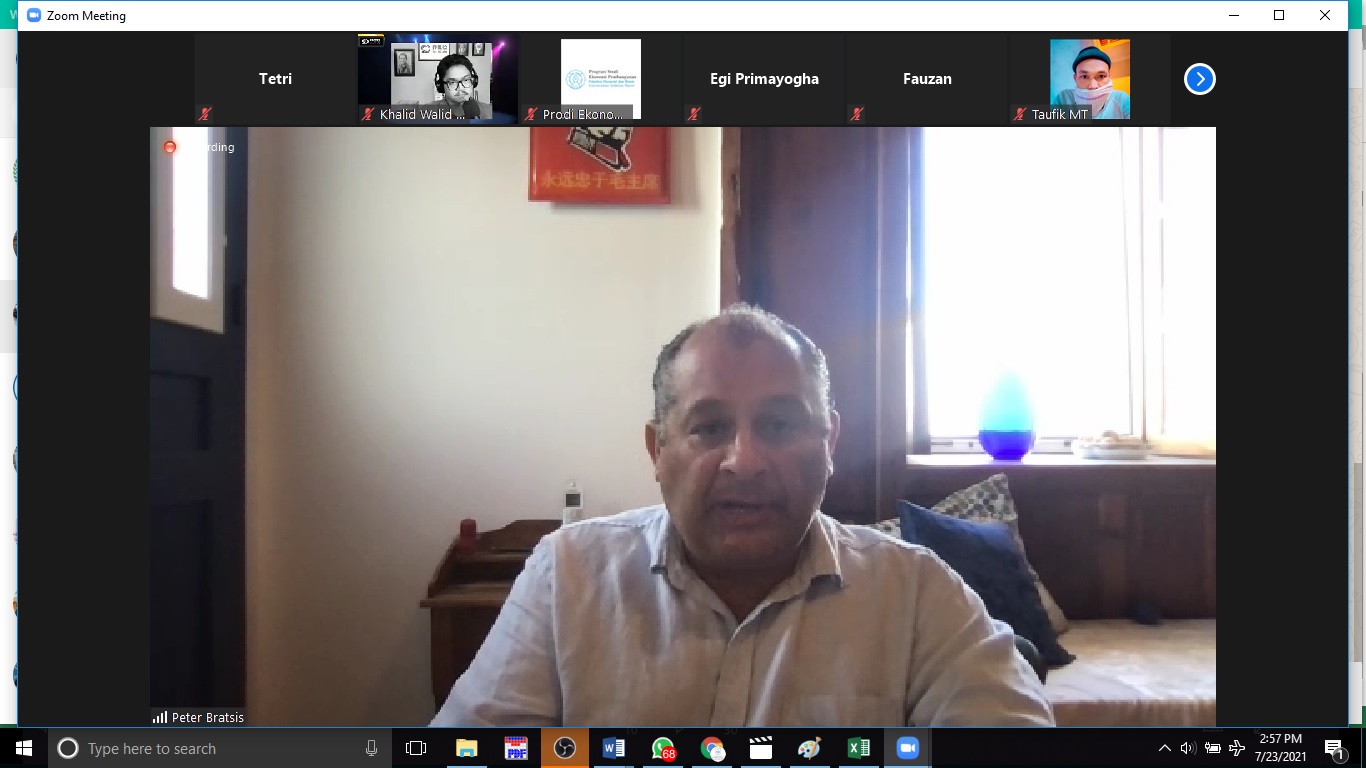
    The Development Economics Program (EP), Faculty of Economics and Business, Universitas Sebelas Maret (FEB UNS), Surakarta, hosted another international webinar entitled “State, Political Corruption, and Pandemic on Heterodox Perspective” featuring Dr. Peter Bratsis as the sole speaker on Friday, July 23, 2021.

    Dr. Bratsis is an Associate Professor in Political Science at the City University of New York, United States. The webinar was organized through collaboration between the EP Program at FEB UNS, the People’s Economy Research Group, Institutional Evolution, and Development Dynamics Studies, and the Prodes Institute.

    Dr. Bratsis opens his presentation by defining corruption, noting its evolving definition over time. Initially considered as something outside normal conditions and inherently bad, corruption has transformed into a situation marked by a lack of openness or transparency.
    “In reality, perceptions of corruption vary widely among countries. Sometimes corruption is perceived broadly, while in other countries it may be seen more narrowly,” explained Dr. Bratsis.

    Universally, corruption is associated with a lack of transparency and corrupt practices in the private sector. However, the actual manifestation of corruption can differ significantly across countries due to cultural effects and other factors.

    The webinar was conducted interactively, allowing participants to pose questions directly to the speaker during breaks in the presentation.

    Reporter: Aulia
    Editor: Humas FEB

  • International Class at UNS Attracts Considerable Interest

    International Class at UNS Attracts Considerable Interest

    The Undergraduate in Accounting Study Program and Development Economics Study Program, Faculty of Economics and Business (FEB), Universitas Sebelas Maret (UNS), recently introduced the International Class program. This program was introduced in collaboration with Curtin University. While, student enrollment took place from June 15 to July 2, 2021, and the new student admission announcement will be made on July 13, 2021.

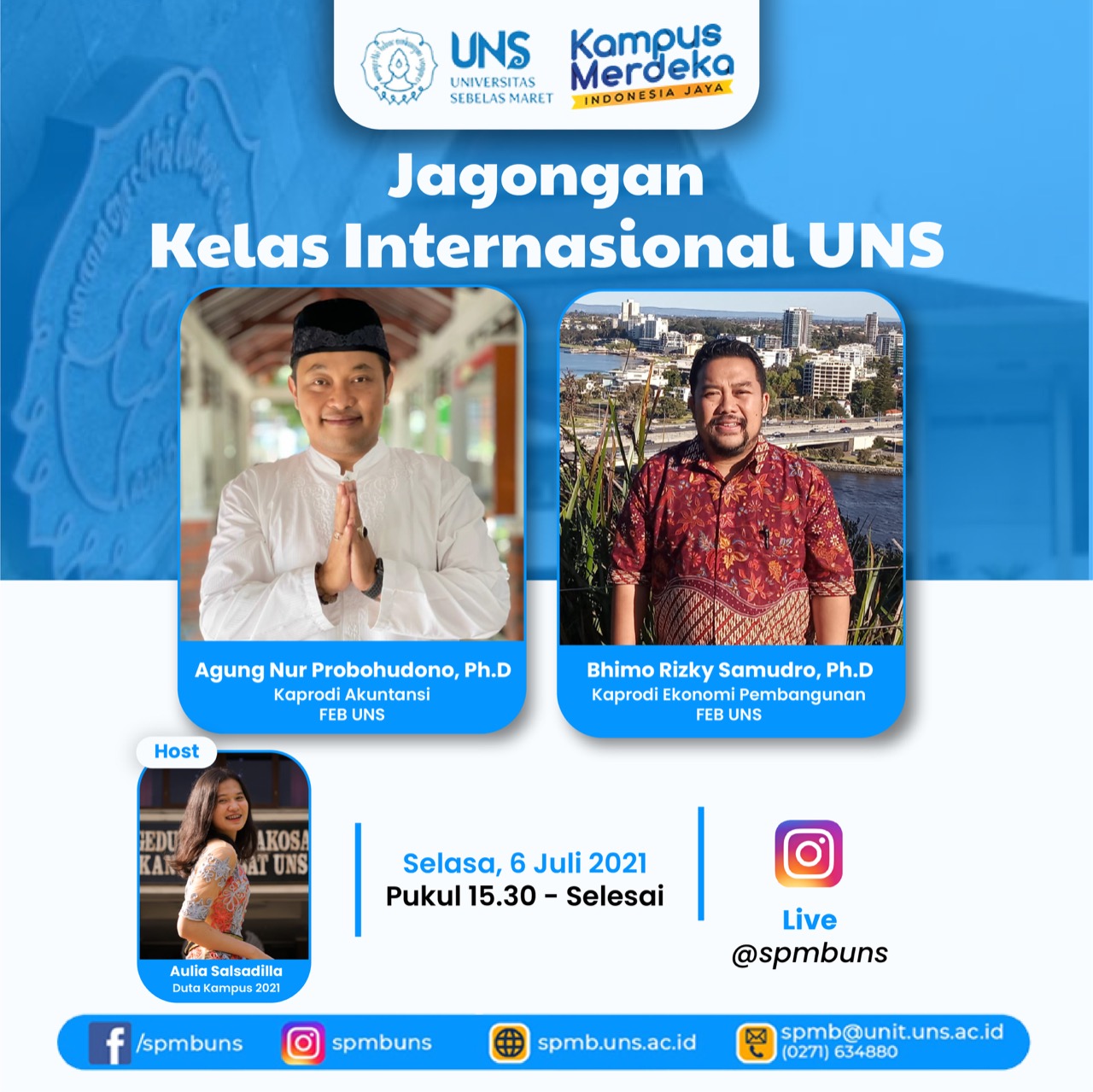
    On the “Jagongan Kelas Internasional UNS” on Tuesday, July 6, 2021, the Technical Implementational Unit (UPT) for New Student Admissions Selection (SPMB) UNS invited Agung Nur Probohudono, S.E., M.Si., Ph.D., Ak., CA., Head of the Accounting Study Program FEB UNS, and Bhimo Rizky Samudro, M.Si., Ph.D., Head of the Development Economics Study Program, to provide more details about the newly launched program.

    Dr. Agung Nur Probohudono explained that the International Class Program aims to produce graduates with strong personalities, creativity, high reasoning abilities, and the capacity to face the challenges of globalization. The curriculum is almost similar to the regular program, but the distinguishing factor is that the entire learning process is conducted in English. Students also have the opportunity to participate in student exchange programs, summer courses, double-degree programs, visiting professorships, and other international events. They will gain educational experiences abroad and international recognition.

    “While this class adopts an international approach, it does not mean it becomes exclusive. We will fortify the students from attitudes that do not reflect our national identity. We will instill local wisdom slogans such as ‘memayu hayuning bawana‘ and ‘urip hanguripi,’ thus students can implement these values during their studies,” he emphasized.

    He stated that the International Class received a considerable amount of applicants. However, this year, each program will only open one class for 25 students. Hopefully, in the coming years, they can open more than one class.

    Bhimo Rizky Samudro, Ph.D., added that several aspects are considered during the selection process for the International Class, including academic potential, English language proficiency, and the participants’ personalities through interview tests.

    “In the circulated information, we did not specify the minimum TOEFL or IELTS scores. We attempt to select candidates who are not only excel in English proficiency but also have a balanced academic performance and exhibit strong personalities. We expect to have a diverse and excellent cohort,” he explained.

    He further stated that in this first batch, they are committed to providing the best service and to continuously learn and improve the program. In the following year, they will reformat the registration process to be more flexible, allowing participants from abroad to join the International Class as well. Quality control is also paramount to ensure students and parents receive satisfactory service.