FEB

Kategori: s1_ep

  • DESP FEB UNS Disseminates MBKM Program to Students

    DESP FEB UNS Disseminates MBKM Program to Students

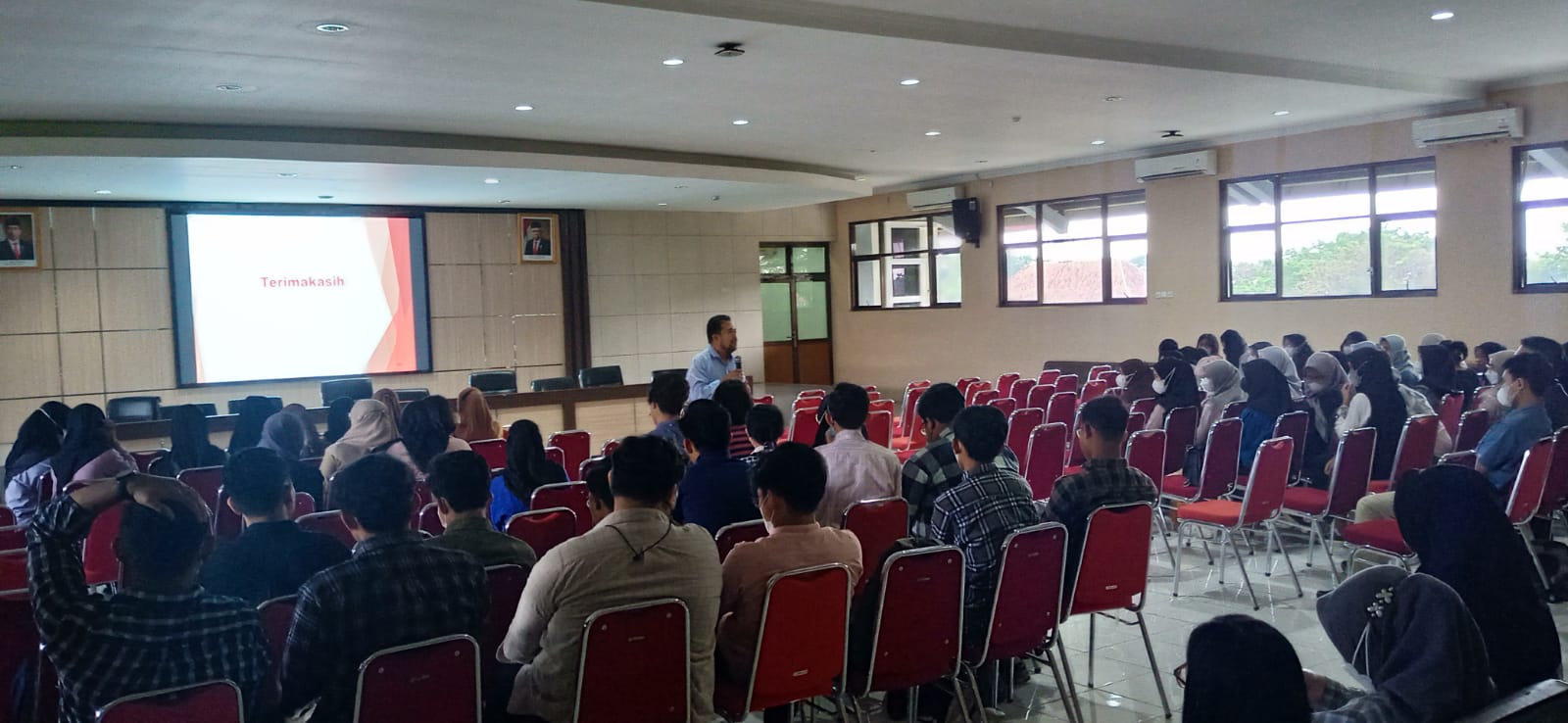
    Development Economy Study Program (DESP), Faculty of Economics and Business (FEB), Universitas Sebelas Maret (UNS) Surakarta, hosted a Dissemination of Merdeka Belajar Kampus Merdeka (MBKM) Program to DESP students, especially for the 4th-semester students, on 28 February 2023 at Soedarah Soepono Building FEB UNS. This agenda aims to prepare students to understand the stages, procedures, and process dynamics of MBKM application in DESP FEB UNS.

    Bhimo Rizky Samudro, S.E., M.Si,. Ph.D., the Head of DESP, delivers an overview of the MBKM Program hosted by the Minister of Education, Culture, Research, and Technology (Kemendikbudristek), which the objective to give liberty and autonomy to education institutions to be independent of bureaucracy, while lecturers are freed from complex bureaucracy, and students are given the freedom to choose their preferred field of study.

    Bhimo Rizky Samudro, Ph.D., the Head of DESP

    Several MBKM programs provided by the Ministry of Education are student exchange, independent study/project, entrepreneurship, research, humanities project, rural development, internship, and teaching assistance.

    The DESP has provided various supporting accommodations to facilitate MBKM Program implementation.

    “The Study Program always provides support and assistance for students who wish to participate in MBKM to improve student’s individual quality and competency,” he explains.

    To this day, the Study Program has delegates outbound students through the Permata Sakti Program and welcomed inbound students through an internal program in collaboration with the Economics Education Study Program FKIP UNS under the HRM course.

    Moreover, DESP also establishes a reciprocal partnership, student exchange (inbound and outbound) with Development Economy Study Program FEB in Universitas Brawijiaya, Universitas Negeri Jember, Universitas Jenderal Soedirman, and Universitas Negeri Semarang. DESP FEB UNS also received inbound students from the reciprocal partnership with Development Economy Study Program FEB Universitas Lambung Mangkurat and participated in Permata Merdeka MBKM Program.

    Further, Dr. Bhimo explains the system for Kampus Merdeka Program applied in DESP FEB UNS, established by the Study Program to assist students through their participation in the Program.

    Participants of the Dissemination Session: Second-Year DESP Students

    For instance, in the student exchange program, DESP chose non-block learning for MBKM Program. Through this model, the Study Program offers General Courses and Study Program-specific courses at the introductory level in the first and second semesters.

    In the third and fourth semesters, the Study Program offers intermediate-level Program-specific courses, while in the fourth to sixth semesters, students have the right to take courses from other Study Programs, either out of university, internship (fifth and seventh semester), or courses offered by other Study Programs in their home university (sixth semester). After completing the MBKM Program, students will continue their studies to the eighth semester to finish their final student thesis.
  • Development Economics Study Program Invites Visiting Lecture for Research Discussion

    Development Economics Study Program Invites Visiting Lecture for Research Discussion

    The Undergraduate of Development Economics Study Program, Faculty of Economics and Business (FEB), Universitas Sebelas Maret (UNS), welcomes Prof. Hurng-Jyuhn Wang from National Dong Hwa University and Prof. Doo Chul Kim from Okayama University, Thursday, 2 March 2023.

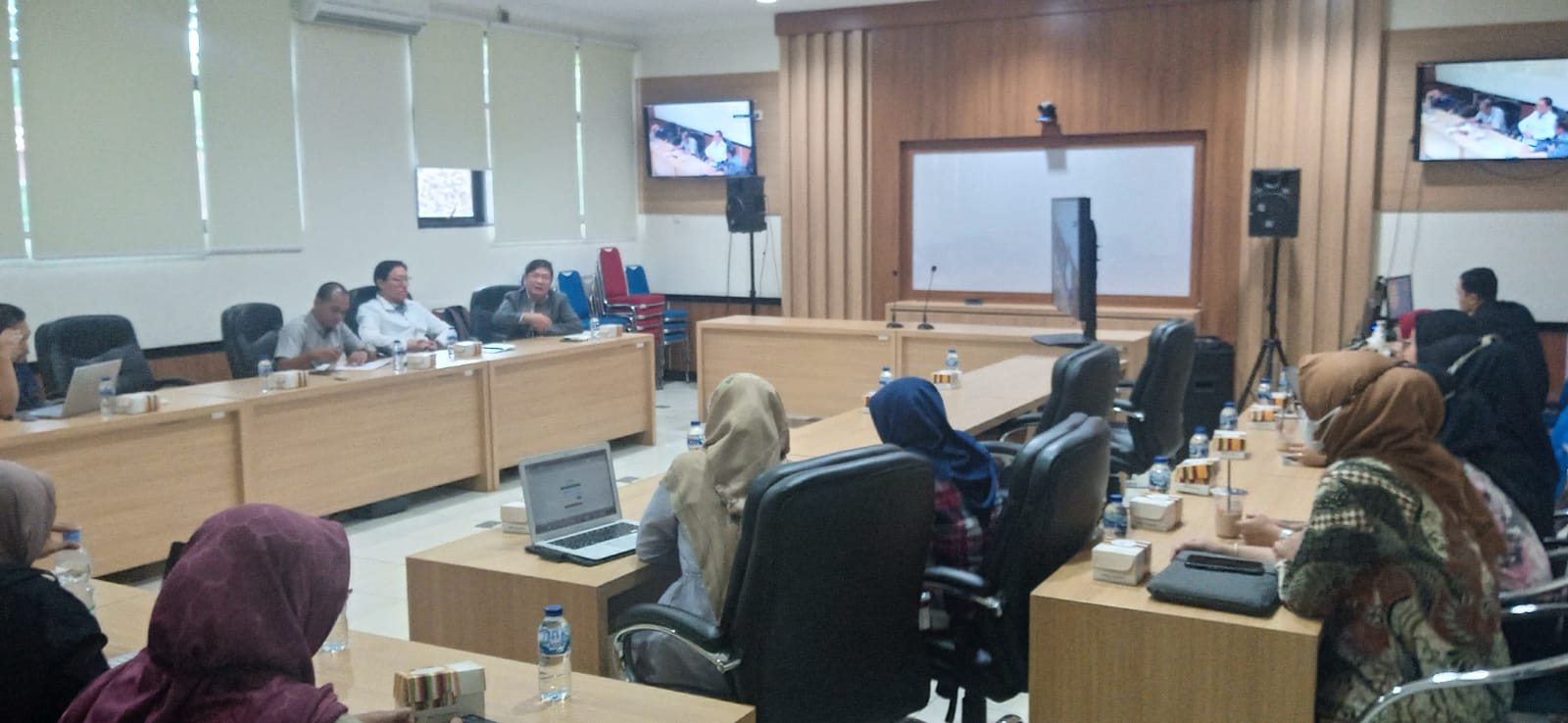
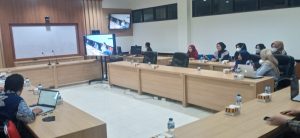
    The two professors were welcomed by the Head of Development Economics Study Program, Bhimo Rizky Samudro, S.E., M.Si., Ph.D., lecturer representatives, and students, in Teleconference Room, Soedarah Soepono Building, FEB UNS.

    This visit by Prof. Wang and Prof. Kim attempted to explore further discussion on previous research conducted in rural development and poverty eradication in Vietnam. The discussion led by Yogi Pasca Pratama, S.E., M.E., one of the lecturers in the Development Economics Study Program, went interactively, where the participants share their research experiences.

    In between the discussion session, the two visiting researchers expressed their appreciation to the Head of the Study Program, Bhimo Rizky Samudro, Ph.D., for his initiative in conducting the session. The two professors also welcomed any lecturer who is interested to pursue further study at their home university. “Future collaboration between the parties will bring excellent outcomes. I can’t wait for the future joint collaborations with FEB UNS colleagues,” said Prof. Hurng-Jyuhn Wan.

    The session was concluded by Bhimo Rizky Samudro, Ph.D., with a gratitude note to the two Professors for spending their time visiting FEB UNS and participating in the discussion.

  • Development Economics Study Program Community Service Team Provides Assistance for Fish Farmers in Trenceng Village

    Development Economics Study Program Community Service Team Provides Assistance for Fish Farmers in Trenceng Village

    Education, Research, and Community Service are obligatory assignments for a lecturer under the Tri Dharma of Higher Education Institutions. To fulfill the requirement of their duties, lecturers conducted community service activities to show their concern and contribution to community development.

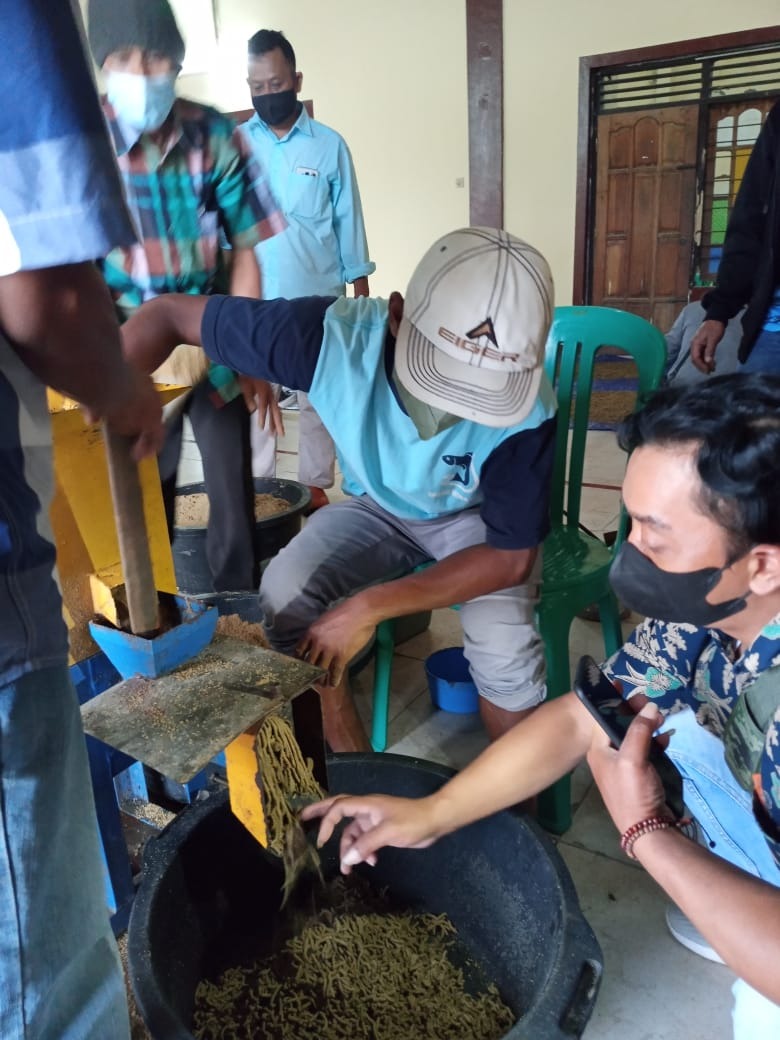
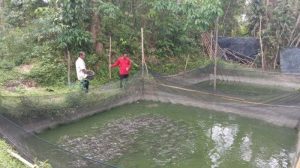
    The Development Economics Study Program Community Service team, Faculty of Economics and Business (FEB), Universitas Sebelas Maret (UNS) Surakarta, organized community assistance for fish farmers in Trenceng Village, Sumbergempol Sub-District, Tulungagung Regency. The program, which aims to assist the development of community skills in producing fish pellets independently, effectively, and efficiently, was implemented well in 2022.
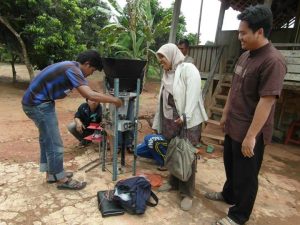
    The successful program was led by Bhimo Rizky Samudro, S.E., M.Si., Ph.D., who currently serves as the Head of the Development Economics Study Program FEB UNS. “Fish farmers in Trenceng village need to produce fish pellets independently to maximize its outcome,” he revealed.

    According to him, the problem faced by fish farmers was the ineffective and inefficient usage of fish pellets available in the market, which affected the optimization of fish farming products in Trenceng village. Considering this problem, the community service team needs to provide intensive assistance for the farmers.

    Khoirul Basor, the Head of the Youth Organization in Trenceng village, expressed his gratitude to the community service team for helping fish farmers produce fish pellets independently. This assistance, hopefully, can improve fish farming outcomes in Trenceng village to be more effective and efficient.

  • DESP FEB UNS Visited IUP UI, Discussing International Class Development

    DESP FEB UNS Visited IUP UI, Discussing International Class Development

    The Development Economics Study Program (DESP), Faculty of Economics and Business (FEB), Universitas Sebelas Maret (UNS) Surakarta, visited Universitas Indonesia Wednesday, 9 November 2022.

    The visit led by the Head of the Development Economics Study Program FEB UNS,  was conducted as Focus Group Discussion (FGD) between DESP FEB UNS and IUP UI. The agenda was conducted at Meeting Room of Main Administration Building 2nd Floor, Universitas Indonesia.

    Dr. Isfandiarni, S.E., M.A., the Coordinator of IUP UI welcomed the Head of Development Economics Study Program FEB UNS, Bhimo Rizky Samudro, S.E., M.Si., Ph.D., and the team.

    “Welcome to IUP UI. On this occasion, we will exchange experiences, we have our experiences in IUP UI, and also, there is knowledge brought by the UNS entourage to be shared and discussed. Hopefully, this discussion will lead to a collaboration between UI and UNS, especially DESP FEB UNS,” she said welcomed the FEB Team.

    Further, Dr. Isfa explained the journey of IUP UI and the process they undergo to reach its current state. A strong commitment from UI leaders becomes one of the crucial keys to conducting a qualified international class.

    The discussion moderated by the Head of Economics Department UI, Vid Adrison, S.E., M.A., Ph.D., goes amicably with interactive discussion. The agenda was concluded with a group picture taken as a token of appreciation.

  • DESP FEB UNS Visited IUP UNAIR, Discussing International Class Development

    DESP FEB UNS Visited IUP UNAIR, Discussing International Class Development

    The Development Economics Study Program (DESP), Faculty of Economics and Business (FEB), Universitas Sebelas Maret (UNS) Surakarta, visited Universitas Airlangga Monday, 7 November 2022. This visit is part of the development program for the international class initiated by the Study Program in 2020.

    The visit led by the Head of the Development Economics Study Program, Bhimo Rizky Samudro, S.E., M.Si., Ph.D., was welcomed by Dr. Devi Sulistyo Kalanjati, SE., M.Acc., M.Sc., Ak., the Coordinator for Undergraduate Program (IUP) UNAIR, alongside IUP UNAIR program managers. On this occasion, a Focus Group Discussion (FGD) between DESP FEB UNS and IUP UNAIR was conducted.
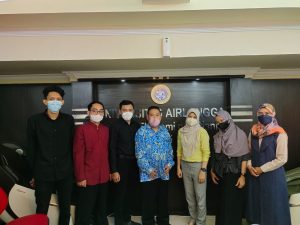
    Dr. Devi welcomed the Head of Development Economics Study Program FEB UNS and the team. “Welcome to IUP UNAIR. On this occasion, we will exchange experiences, we have our experiences in IUP UNAIR, and also, there is knowledge brought by the UNS entourage to be shared and discussed. Hopefully, this discussion will lead to a collaboration between UNAIR and UNS, especially DESP FEB UNS,” she welcomed the FEB Team.

    Further, Dr. Devi explained the journey of IUP UNAIR and the process they undergo to reach its current state. A strong commitment from UNAIR leaders becomes one of the crucial keys to conducting a qualified international class.
    The discussion moderated by the Head of Development Economics Study Program UNAIR, Rumayya, S.E., M.Reg. Dev., Ph.D., goes amicably with interactive discussion. The agenda was concluded with a group picture taken as a token of appreciation.

  • FEB UNS Applied Microeconomics Research Group Discuss Randomized Control Trial for Social Science in an Inbound Scholar Webinar

    FEB UNS Applied Microeconomics Research Group Discuss Randomized Control Trial for Social Science in an Inbound Scholar Webinar

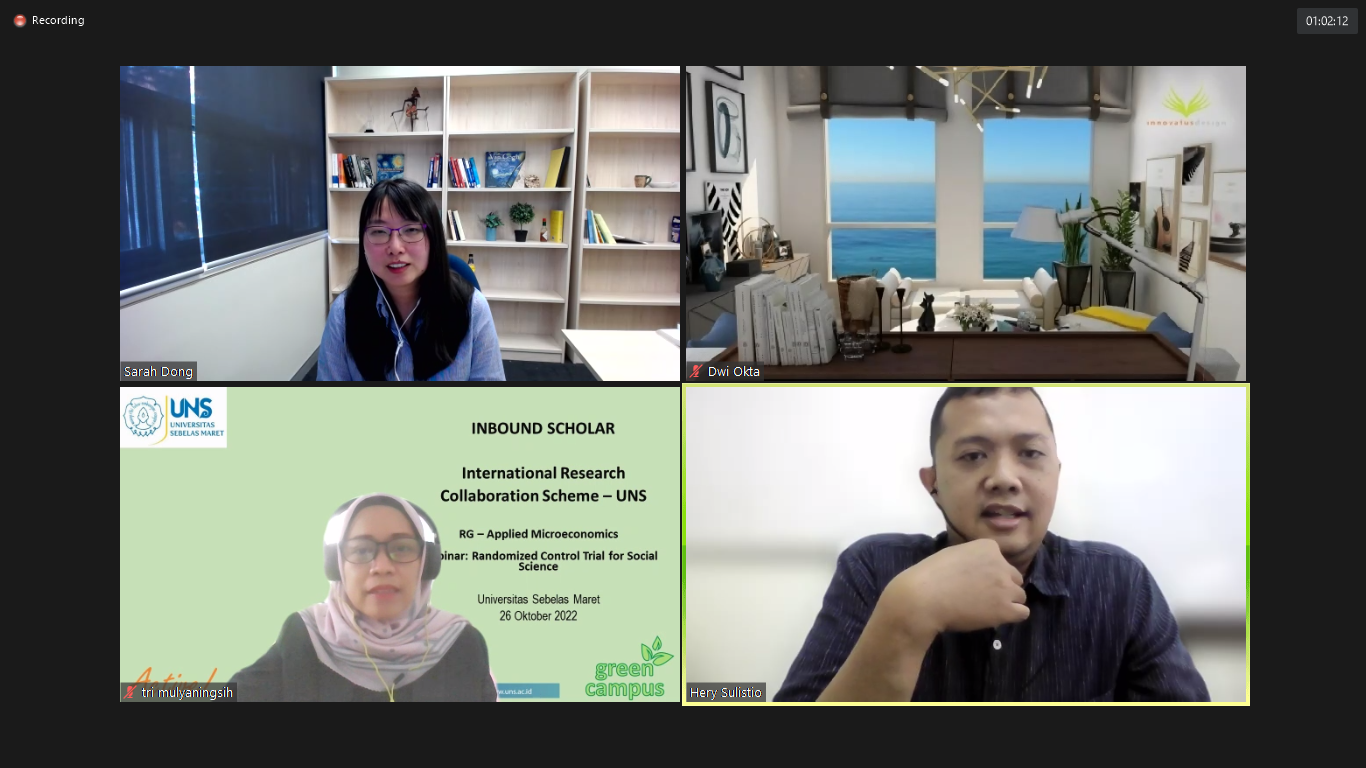
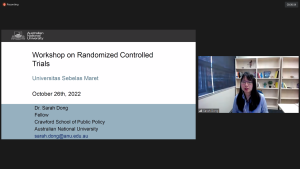
    The Applied Microeconomics Research Group, Development Economics Study Program, Faculty of Economics and Business (FEB), Universitas Sebelas Maret (UNS) Surakarta, hosted an Inbound Scholar guest lecture entitled Webinar: Randomized Control Trial for Social Science, with Dr. Sarah Dong from Crawford School of Public Policy, Australian National University (ANU). The webinar, as part of the series in the UNS International Research Grant Scheme, was conducted virtually through the Zoom Cloud Meeting on Wednesday, October 26th, 2022.

    Starting the material presentation, Dr. Sarah explained the implementation of the RCT technique, especially in a public policy context. Regarding this matter, she provided an example of the contra-factual effect. For instance, a research attempting to measure the effect and efficiency of a social assistance program under two different assumptions, where the effect of assistance for a specific recipient will be compared to the condition of the same subject when they do not receive assistance. “Under this context, OLS regression is not applicable to determine the causality effect of assistance provision or a policy implementation,” explains Dr. Sarah.
    Further, Dr. Sarah explained the process of RCT implementation that tend to require more intensive planning. Generally, she divided the planning process into three stages. The first stage of RCT implementation is determining the design for the randomization process, this stage includes sample size determination, randomization technique, and randomization validation test. The second stage is intervention, which refers to the categorization of research subjects into control groups. The last stage is result examination using statistical analysis to calculate the effect of applied treatment. “Randomization process can be challenging, especially if the process was conducted by an independent agent where the process can deviate from research objectives,” she added.

    After detailing the RCT application process, Dr. Sarah explains the example of research topics that can use the RCT technique and her previous research project using the RCT technique. Nearing the end of the agenda, Dr. Tri Mulyaningsih, as the Moderator of the discussion, delivered a brief summary of Dr. Sarah’s materials and started the interactive question-and-answer session. “Thank you for this opportunity, there are many questions from participants, you can contact me directly through the provided email address in case you have further inquiries on RCT technique,” concluded Dr. Sarah at the end of the webinar session.

  • Green Economy RG FEB UNS Develops Ecological and Educational Tourism for Kedung Ombo Reservoir Using 5W Strategy

    Green Economy RG FEB UNS Develops Ecological and Educational Tourism for Kedung Ombo Reservoir Using 5W Strategy

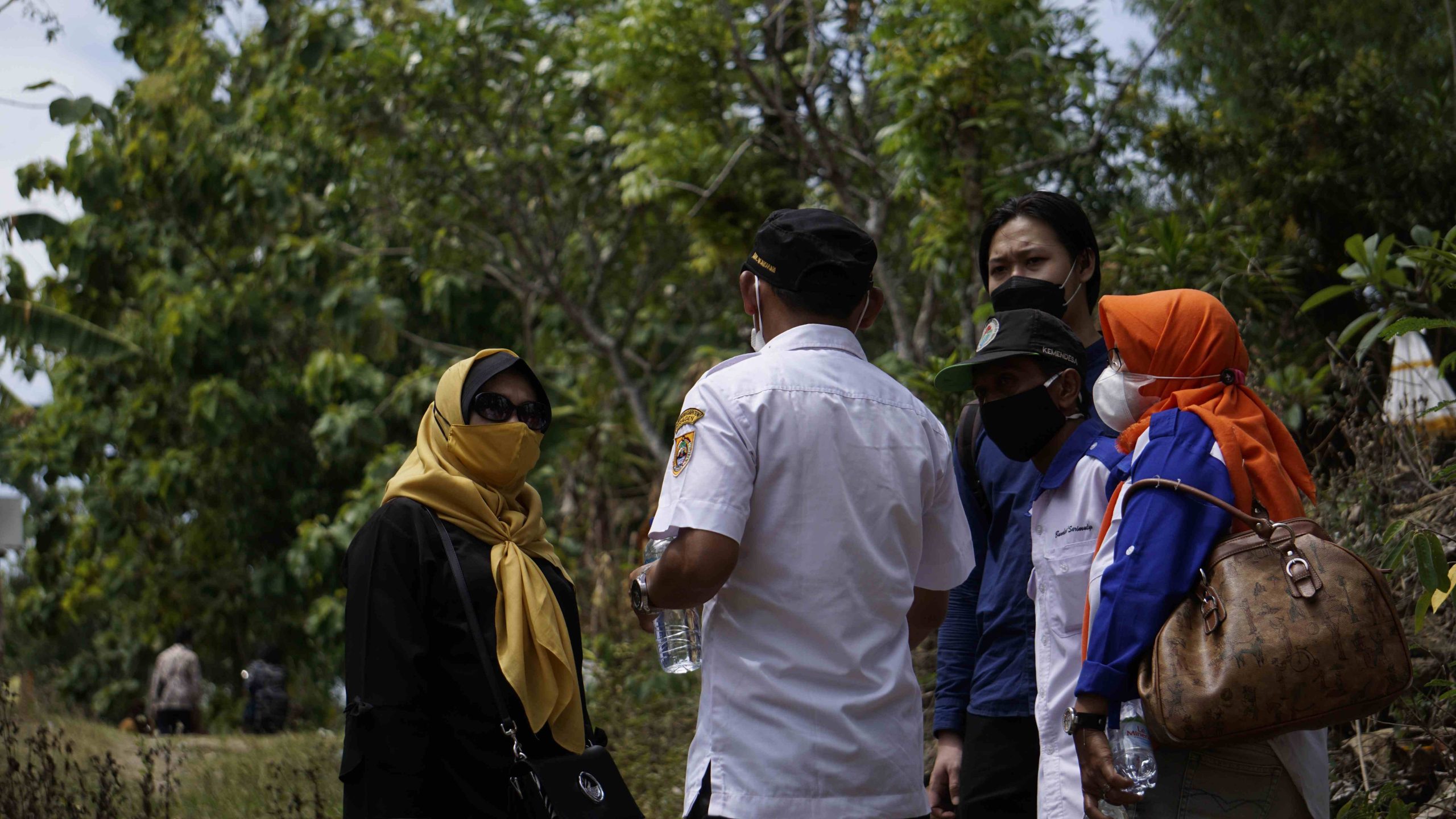
    The Green Economy Research Group (RG), Faculty of Economics and Business (FEB) Universitas Sebelas Maret (UNS) hosted a research and community service in Kedung Ombo Reservoir (WKO) Sragen, Wednesday, September 22, 2021. Chaired by Prof. Dr. Izza Mafruhah, SE, M.Si, as the Vice-Dean for Academic, Research, and Student Affairs, FEB UNS, the RG conducted education and assistance in managing the WKO tourist area for the Ngargosari Sragen village apparatus. The team developed a blend of ecology and education tourism for this region, a tourism concept that combines education and the environment.

    Prof. Izza said that WKO is one of the reservoirs in Central Java, which extended through three Regencies, namely Grobogan, Sragen, and Boyolali Regency. Currently, the Sragen WKO has very good and extraordinary potential, especially in terms of ecology, which can be developed and combined with education, but so far, it has not been developed and yet to be managed properly. “The development of a tourism area has five main aspects: what to see, what to do, what to buy, what to arrive, and what to stay. These five aspects are indicators that will help the development of the WKO tourist area, especially in the Sragen Regency,” she explains through a release received by feb.uns.ac.id.
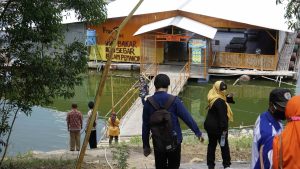
    The ‘what to see’ aspect refers to what the visitor will see at WKO. The main potentials for WKO include the potential for vast waters, green forested areas with natural scenery, and cool air. This potential can be developed with the help of the second indicator. The ‘what to do’ aspect can be developed through fisheries establishment, especially Karamba aquaculture, culinary, fishing, and water games, while still adhering to safety aspects.

    The vast potential of the terrain can be used for fruit crops, especially Longan and crystal guava, camping ground, special interest sports, especially those with out-bond nuances, as well as the establishment of viewing posts with Instagram-able photo spots. The special tracks that have been built for walking and cycling can be equipped with various other means of transportation such as Bendi, Kereta Kelinci, and other facilities that make it easier for visitors to get around.

    In terms of ‘what to buy,’ additional culinary and souvenir outlets can be established along the track and lakesides, which will attract tourists to come and also revive the community’s economy. What to arrive refers to the efforts taken by business actors and tourism activists to host periodic events that will attract visitors, for example, kite festivals, culinary festivals, ornamental boat festivals, and others. Hence, visitors will be attracted to attend the event. As for the last aspect, what to stay, WKO can follow the current demand on a natural-nuances inn, equipped with tents, where glamping will actually attract people from various circles, especially students, to visit WKO.

    Another potential of the Ngargosari Village is the fact that the village is designated as a WKO Sragen developer and one of the internet literacy villages launched by the Sragen Regency. Internet adoption will affect tourism development, while the ease of internet access will be one of the main attractions for tourists. Meanwhile, the main weakness of WKO in Sragen is the lack of appropriate access to the location. These potentials and weaknesses certainly require a comprehensive development plan and efforts carried out by various stakeholders from the government, business actors, communities, academics, and media.

    “The government is responsible and holds the authority for the road facilities construction as well as other supporting facilities at the WKO site. Business actors are responsible for developing the attractiveness of WKO in the form of events, supporting facilities, and culinary arts. Academics members are obliged to conduct research and service that encourage the lifecycle and development of WKOs. While the media is responsible for their role as the promotional mouthpiece for the WKO area,” Prof. Izza said. The five elements are known as the Penta helix. When established thoroughly, it will provide essential points for developing WKO as an attractive tourist destination. Humas FEB UNS

  • Entrepreneurship Startup Training for FEB UNS Students

    Entrepreneurship Startup Training for FEB UNS Students

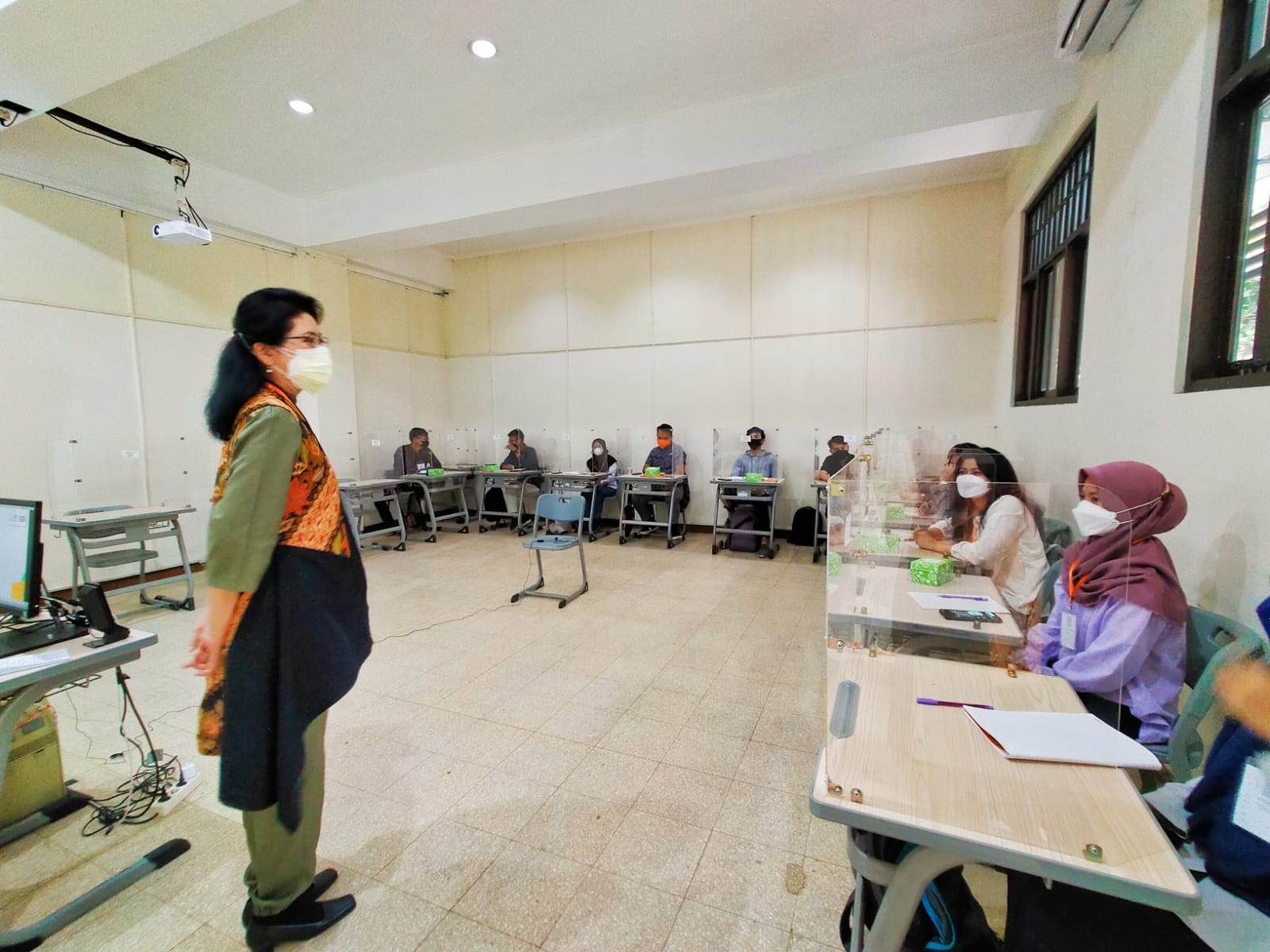
    Students of the Faculty of Economics and Business (FEB UNS), who are divided into two classes, are participated in a hybrid Entrepreneurship Startup Training. The on-site training was conducted in two classrooms, room no 2202 and 2203 FEB UNS, while the online sessions are available through a Zoom Cloud Meeting, Thursday (14/10/2021).

    Prof. Asri Laksmi Riani, M.Si., as the Chairman of the Entrepreneurship Laboratory (KWU Lab), in her report, states that the training is part of the training series organized by KWU Lab. “The Entrepreneurship training will last until mid-November 2021. The training began with the recruitment of Entrepreneurship trainers from FEB lecturers, which were selected from each study program. The recruitment is followed by Training of Trainer (TOT) that invites several speakers, preparation of modules, training implementation, preparation of business proposals, presentations, mentoring and evaluation,” said Prof. Asri.

    Further, Prof. Asri said that the training involves 18 FEB UNS lecturers as training instructors, 8 Academic Support Staff, and 29 students. Out of the 29 students who took the training, 24 students joined the on-site session, and five others are joining through an online meeting platform. Students are divided into six groups within three business sectors, namely fashion, culinary, and craft.

    The main objective of this activity is the achievement of UNS’ Main Performance Indicator (IKU), which specifies the number of students who start new businesses. Hence, this training is likely to be a pilot project for the upcoming training.

    In line with Prof. Asri, the Vice Dean of Academic, Research and Student Affairs, FEB UNS, Prof. Dr. Izza Mafruhah, SE, M.Si. in her speech states that a higher education institution has eight tasks within the IKU accomplishment, which includes graduates with decent jobs, entrepreneurship initiative, or further studies. Entrepreneurship is one of the schemes under the Merdeka Belajar Kampus Merdeka (MBKM) Program to prepare students with an entrepreneurial spirit.

    Prof. Izza hopes that the training facilitated by FEB UNS can be beneficial and creating added value for the students. The benefit should not be limited to the Certificates of Diploma Companion (SKPI) that will be given to all participants but also the knowledge and the strategies or tricks in entrepreneurship. To develop entrepreneurship, students need to collaborate with students from other faculties in order to get better results.

    Meanwhile, Drs. Rohman Agus Pratomo, the Head of Academic and Student Affairs Bureau in UNS, appreciates the entrepreneurship training conducted by FEB UNS through a hybrid system. With this training, students are expected to compete at the university level as well as at the national level.
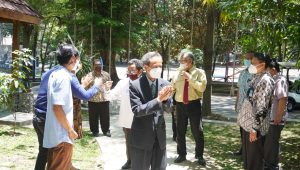
    “With an early start in entrepreneurship activities, in the following year, students can participate in competitions at the university, and also the national level. Business planning prepared (by the students) was cool, can be implemented and developed. After the students are graduated, they can become entrepreneurs, so they will create jobs and employment and are not looking for jobs. Therefore, they can recruit their friends, neighbors, and many others. It will also certainly contribute to their alma mater university achievement,” he concluded. (Humas FEB)

  • After 41 Years of Service, Prof. JJS Dedicates His Expertise in Macroeconomics and Development Economics

    After 41 Years of Service, Prof. JJS Dedicates His Expertise in Macroeconomics and Development Economics

    The Dean and all of the Faculty of Economics and Binis (FEB) Universitas Sebelas Maret (UNS) academic members expressed their highest gratitude and appreciation to Prof. Dr. Julius Jhonny Sarungu, MS or commonly known as Prof. JJS, for his contributions and devotion during his service at FEB UNS. “We hope Prof. JJS to stay healthy even after retirement, continues his craft, and stay happy with his beloved family.”

    Dean of FEB UNS Thanked Prof. JJS

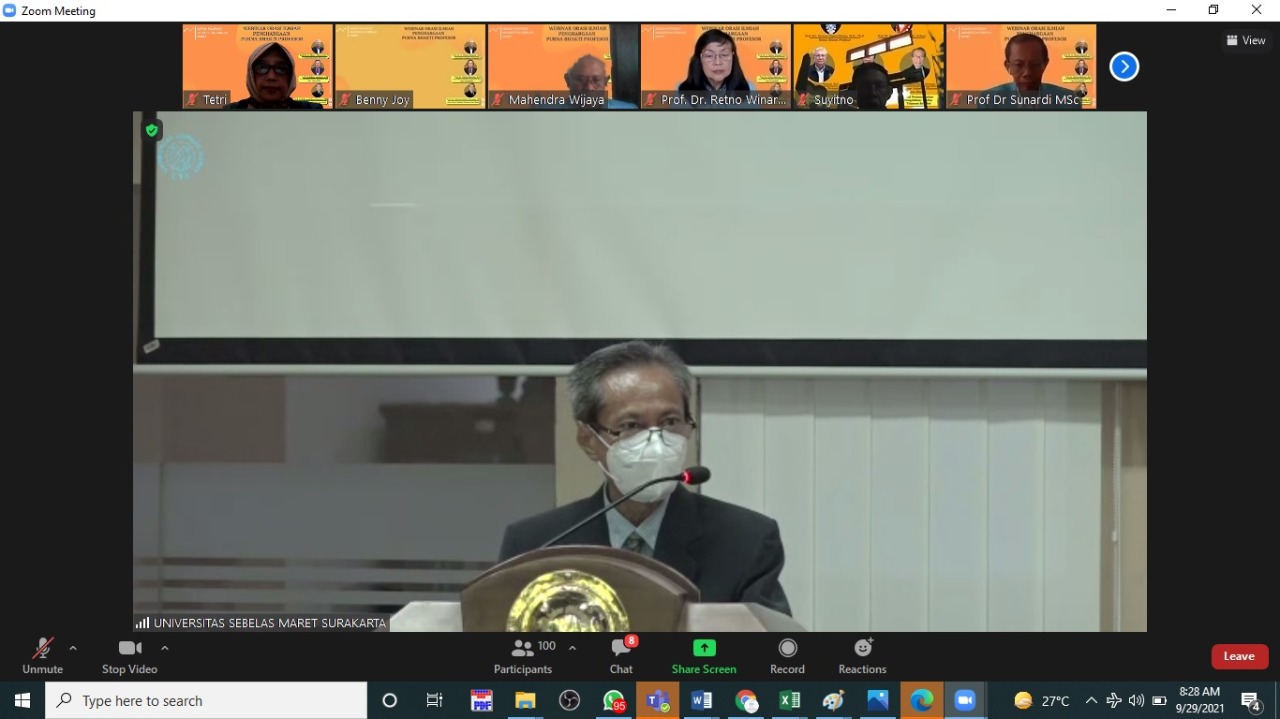
    The statement was delivered by the Dean of FEB UNS, Prof. Drs. Djoko Suhardjanto., M.Com. (Hons), Ph.D. Ak. at the hybrid “Webinar of Scientific Oration Award for Professor Retirement.” The on-site event was held in FEB UNS Assembly Room IV, while the online event is available through Zoom Cloud Meeting, Wednesday, September 29, 2021.

    Prof. Djoko said that, since being appointed as a Civil Servant in 1980, Prof. JJS, has done extraordinary service for UNS for the last 41 years.

    “The special characteristic of him who was born in Makale, Tana Toraja, South Sulawesi, July 11, 1959, is his black jacket, and always having a cup coffee or warm tea with him during lecture. Prof. JJS is a disciplined, friendly, and patient lecturer. According to his students, this professor in black jackets always appreciates the opinions of students in teaching. His speech and improvisation while teaching help students to understand the teaching material easily. When supervising students’ final assignment, he patiently explains the theory and the flow of writing,” he explained.

    Prof. JJS is graduated from Universitas Kristen Satya Wacana Salatiga in the field of economic studies in 1977. He earned his Master’s Degree at the University of Indonesia in Population and Employment studies in 1991. He completed his Doctoral study in 2001, and receiving his Ph.D. in Economics studies from Universitas Airlangga Surabaya.

    Welcoming Prof. JJS at FEB UNS

    As one of the founding fathers of the Faculty of Economics, especially in the Development Economics Study Program, Prof. JJS has served as Secretary of the Department of Development Economics, Vice Director of Academic Affairs for the Master Program in Management, and Secretary II of the Doctoral Program in Economic Studies, UNS Postgraduate School.

    Prof. JJS is an inspiring person to his juniors. He has made numerous contributions to the development of science, dozens of textbooks and articles published in reputable international journals, accredited National Journals, and proceedings. His work demonstrates expertise in macroeconomics and development economics. He is also active in scientific organizations, including the Indonesian Bachelor of Economics Association and the Member of The Australian Development Studies Network (ANU), Australia. (Humas FEB).

  • The Chairman of OJK, Rector of UNS, and Dean of FEB UNS Inaugurated Al-Latief Mosque FEB UNS

    The Chairman of OJK, Rector of UNS, and Dean of FEB UNS Inaugurated Al-Latief Mosque FEB UNS

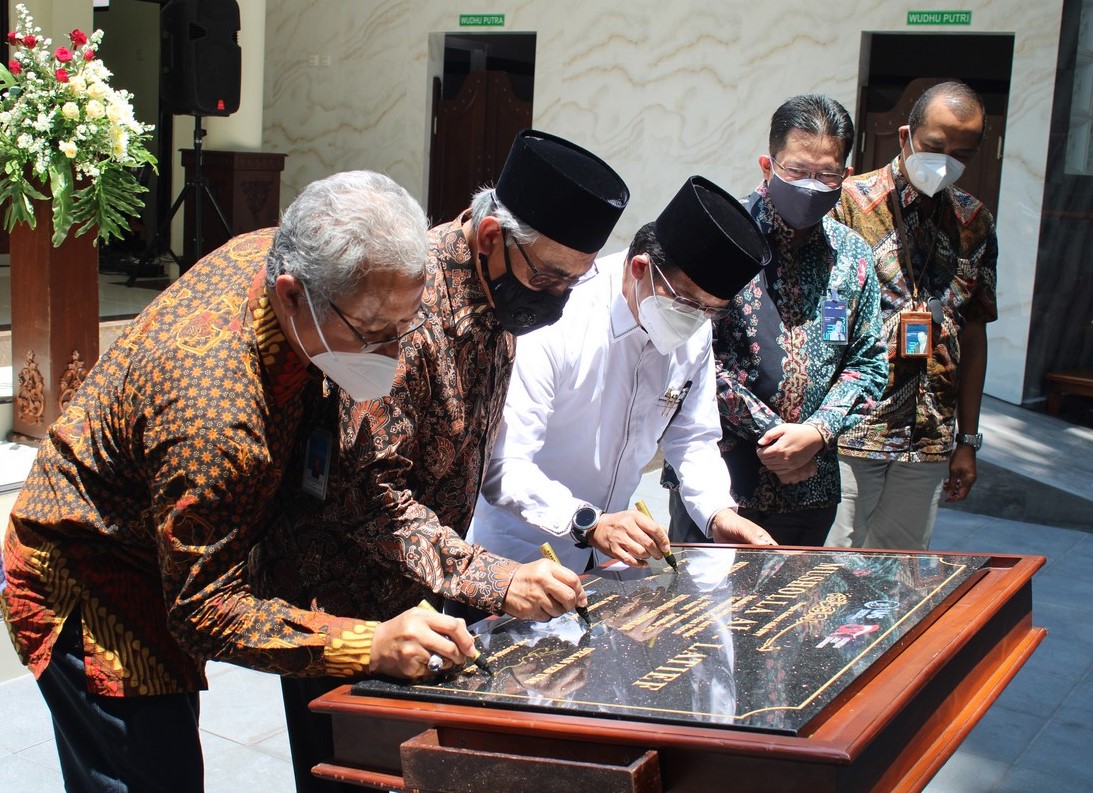
    The Chairman of the Board of Commissioners (DK) of the Financial Services Authority (OJK) of the Republic of Indonesia, Prof. Wimboh Santoso, the Rector of Universitas Sebelas Maret (UNS) Surakarta, Prof. Jamal Wiwoho, and the Dean of the Faculty of Economics and Business (FEB) UNS, Prof. Djoko Suhardjanto signed an inscription to mark the inauguration of Al-Latief Mosque FEB UNS, Friday (1/10/2021).

    The inauguration ceremony by Prof. Jamal, Prof. Wimboh, and Prof. Djoko (left to right)

    During the inauguration of the new Mosque, Prof. Wimboh, Prof. Jamal, and Prof. Djoko also did the ribbon-cutting ceremony symbolizing the readiness Al-Latief Mosque as a special place of worship and other supporting activities to improve the quality of worship and also the community welfare.

    The Dean of FEB UNS, in his report, states that the Al-Latief Mosque was previously a prayer room (mushola). A critical renovation of the building is essential to provide a more comfortable prayer.

    The Dean also thanked Bank Mandiri, Bank BRI, Bank BNI, and OJK for providing assistance in the Al-Latief Mosque renovation. Thus, establishing a comfortable praying site for worshipers in carrying out prayer and other activities.

    “The design of our Mosque follows the philosophy of sharia, tarekat (order), hakikat (nature), and makrifat (knowledge). The pillars are ‘gilig (round in shape)’ as a symbol of ‘manembah kepada Gusti‘ (worshiping the God almighty),” he said.

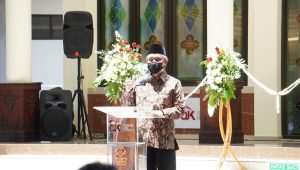
    Prof. Wimboh delivers inauguration speech

    The Dean has also appointed a young lecturer from FEB UNS, Ibrahim Fatwa Wijaya, Ph.D., as the Takmir (manager) of the Al-Latief Mosque to maintain the Mosque further. The new Takmir is expected to transform the Mosque into a center of excellence. Prof. Djoko also wishes for more religious activities in the Mosque such as Islamic economic studies and Islamic history for the greater benefit of the community and contribute to UNS achievement.

    Similarly, Prof. Wimboh emphasized that a mosque is not only a worship place but also a center for knowledge development, which can be beneficial to the community. There must be studies, innovations in the development of Shariah values.

    “Alhamdulillah, the Al-Latief Mosque, which was previously a mushola, is now better, more comfortable, and beneficial for both of FEB academic community and the general community. The Al-Latief Mosque can be a center of excellence. Not only for prayer, not only to worship but to establish synergy in raising innovation for sharia values,” said Prof. Wimboh.

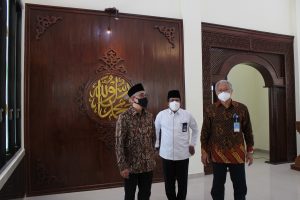
    Reviewing the Mosque architecture and facilities

    According to Prof. Wimboh, the significance of sharia and Islamic studies is mainly because the majority of the Indonesian population is Muslim. Therefore, increasing the percentage of community members who wish to enjoy Islamic banking products.

    “The potential for Sharia banking is still very small, with only 9 percent. Now, how can we increase that portion? Shariah products must be propagated. The community sharia assets must also be propagated. Mosque administrators should set in discussions regarding the innovations on how to develop the Mosque,” said Prof. Wimboh.

    After the inauguration, Prof. Wimboh, Prof. Jamal, and Prof. Djoko, alongside a number of invited guests, were reviewing the architecture and facilities at Al-Latief Feb UNS Mosque. (Humas FEB)