FEB

Kategori: s1_ep

  • Welcoming New Students on the First Day of College, the Development Economics Study Program (DESP) Invites Guest Lecturers from Universiti Sains Malaysia

    Welcoming New Students on the First Day of College, the Development Economics Study Program (DESP) Invites Guest Lecturers from Universiti Sains Malaysia

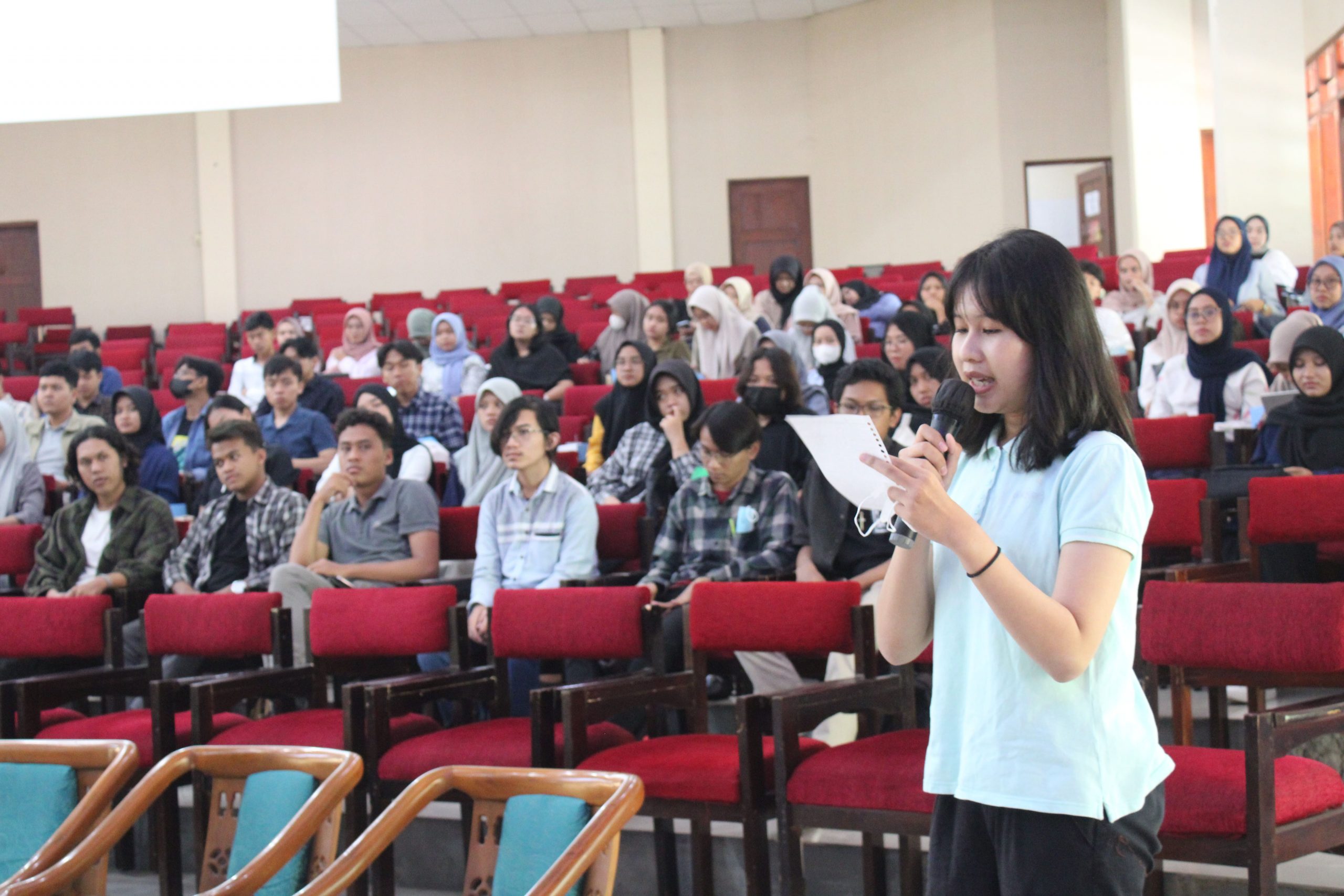
    On the first day of the August 2023-January 2024 academic session, Monday, 28 August 2023, the Development Economics Study Program (DESP), Faculty of Economics and Business (FEB), Universitas Sebelas Maret (UNS), welcomed new students by hosting a Guest Lecturer inviting Assoc. Prof. Dr. Radij Firdaus Radin Badaruddin from Universiti Sains Malaysia. Additionally, the agenda invited Dr. Suryanto, SE, M.Sc., a Lecturer of the DESP FEB UNS as one of the invited speakers.

    The event held at the Suhardi Building Hall FEB discussed the Impact of Climate Change on Food Security and Economic Growth. Opened by the Head of the DESP FEB UNS, Dr. Bhimo Rizky Samudra, SE. M.Sc. Ph.D., the event was also attended by several lecturers of DESP FEB.

    Prof. Radij in his presentation said that climate change has been included in the SDGs, more specifically SDG13, because it is considered as the most significant obstacle to economic growth. This argument is supported by the multitude of evidence showing that climate change directly affects the social, economic, and human development growth in a country.

    Climate change itself is not a recent natural problem. However, the increase or acceleration of climate change began to occur in the mid-1970s.

    On the other hand, some human activities have been shown to have a role in increasing carbon dioxide (CO2) levels. Among many activities, the electricity and agricultural production sectors (including forestry and other land uses) contributed 25% and 24% respectively to the increase in CO2 levels in the world. This increase will bring many negative effects such as the melting of permafrost (eternal snow), rising sea levels, frequent droughts, and extreme weather, to threats to food production. Further, climate change mitigation can be applied through six steps, namely reduce, remove, regulate, put a price, use of government subsidies, and international cooperation.

    Meanwhile, Dr. Suryanto said Indonesia as an agrarian region was also certainly affected negatively by climate change. According to the records of KLH (2004), examples of climate change are the rise of air temperature and continuous rainfall over a long period of time between 50 to 100 years. The Intergovernmental Panel on Climate Change (IPCC) concluded that global air temperatures have increased 0.6 degrees Celsius (1 degree Fahrenheit) since 1861.

    “The increase in temperature from year to year is accelerating, although it may not be felt, but if it is not immediately anticipated, the temperature will get hotter. Maybe it is not you or us who receive the impact, but the next generation who will face a tremendous effect,” he said.

    Regarding food security, the problem is not only about food availability but also about accessibility and the choice of healthy food types. Impacts of Climate Change

    Broadly speaking, it is mentioned that food security or the impacts of climate change on food security are quite significant. This effect will be greater when our economic activities or economic growth remain using old concepts that are not environmentally friendly, while the environment has a limited capacity and carrying capacity.

    “Just like us, if we are disturbed once, we may withstand it, the second we can withstand it, the third time we can’t withstand it anymore and will get angry. A similar concept applies to the earth, the environment, and how can we be kind to the environment, thus creating a mutual relationship between the environment and humans. Meaning that we can carry out our economic activities, while the environment also maintained to supports our lives,” he explained.

    We do not need a highly advanced economy if its pursuant has to destroy the earth and make humans suffer. Instead, we need environmentally friendly economic growth, and a sustainable economy in the long run.
  • PKKMB 2023: FEB Deans Welcome New Students from Undergraduate Study Programs

    PKKMB 2023: FEB Deans Welcome New Students from Undergraduate Study Programs

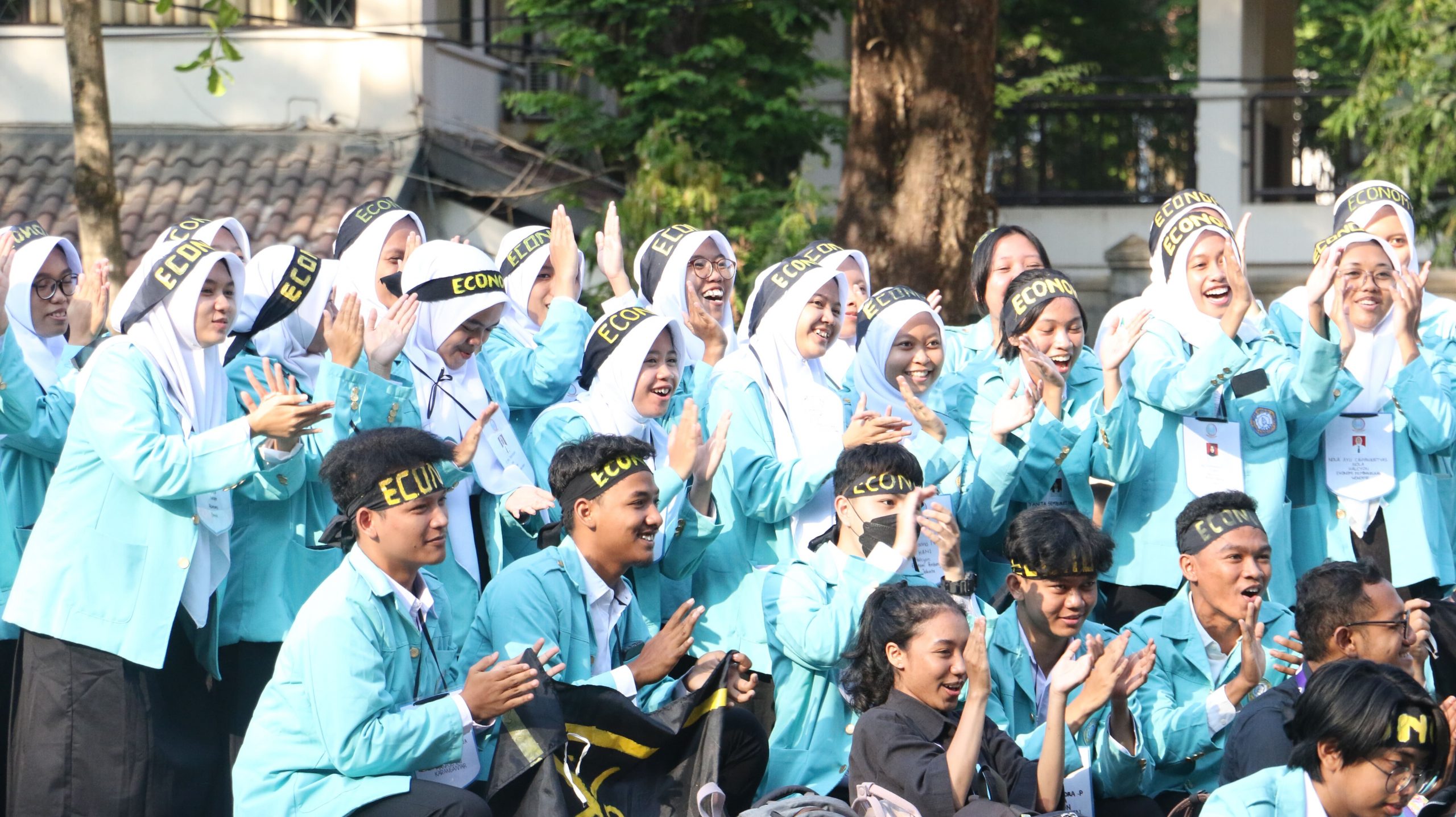
    New students of the Faculty of Economics and Business (FEB), Universitas Sebelas Maret (UNS) were welcomed by the Deans of FEB UNS, Tuesday, August 22, 2023, at the Djarwanto PS Building parking yard for the FEB UNS Introduction to Campus Life for New Students (PKKMB) Series.

    The Dean of FEB UNS, Prof. Drs. Djoko Suhardjanto, M.Com (Hons) Ph.D., Ak., in his remarks, welcomed all new students and also introduced the Deans, Head of the Undergraduate Study Programs, Coordinator Head, and Sub-Coordinator Staff.

    “Welcome all of you on the second day of PKKMB, today’s agenda is set for you to know the FEB UNS campus. I am very proud and happy to meet all of you who are very persistent and smart. You are the selected few from several thousands of prospective students from all over Indonesia who want to get enrolled in FEB. And there are 546 students joining today’s agenda and will study in FEB UNS. So if you a few months ago are still called a kid, you are now a student and become part of the FEB family,” said the Dean.

    The Dean also motivates new students to be diligent during teaching and learning activities. During academic sessions, students are required to be more independent, study alone, find their own journal articles, and find their own books with the guidance of lecturers or teaching assistants. Students must be able to manage time well so that they can graduate on time.

    Prof. Djoko also advised that students not only study but also actively participate in student organization activities provided and supported by FEB, including the Student Executive Board (BEM), Student Executive Council (DEMA), Study Program Student Association, and other Student Activity Units.

    The PKKMB activities will last for 3 days. On the first day, the new students participated in various activities at the University level, and the following two days students will be engaged in the faculty, study program, and study program student association.

  • Institutional and Human Resources Research Group Provides Training on Digital Marketing and Entrepreneurship Creative Products to SMK Bhakti Karya Karanganyar

    Institutional and Human Resources Research Group Provides Training on Digital Marketing and Entrepreneurship Creative Products to SMK Bhakti Karya Karanganyar

    Institutional and Human Resources Research Group (RG), Faculty of Economics and Business (FEB), Universitas Sebelas Maret (UNS), hosted a Community Service entitled “Digital Marketing Literacy and Entrepreneurial Creative Products,” at SMK Bhakti Karya Karanganyar, July 20, 2023.

    In the entirety of the activity, the RG Team was led by Dr. Ahmad Daerobi, along with Dr. Guntur Riyanto, Dr. Dwi Prasetyani, Dr. Vinc Hadiwiyono, Vita Kartika Sari, MSc., Aulia Hapsari Juwita, M.E., and also collaborated with students of the KKN Team 165.

    The Introduction to School Environment (MPLS) period is a fairly effective time for the team to introduce entrepreneurship lessons to students. The entrepreneurship subject is a new subject for the Karanganyar Vocational School students and has only been given to students starting from the 2022/2023 school year.

    The school hopes that the arrival of the RG Team can motivate and provide more insight to students in order to grow their entrepreneurial spirit. Thus, it can prepare students in order to create employment from an early age.

    A creative product is a product obtained from a unique idea or individual innovation that then has a high selling value. Creative products are widely used as one of the sources of individual income.

    Developing an entrepreneurial spirit among students is one of the important things to be part of employment opportunities, income, and welfare for every person/individual.

    The service team said that creative products can be in the form of making decorative ceramics derived from clay, the use of patchwork as casual pants, or the use of acrylic waste to decorate a room or a house. The more unique the idea of the creative product is, and the higher the benefits in its use, the higher the consumers’ interest in using it.

    Not only focused on the manufacturing process and production results, but the RG Team also explained how to market the product. Digitization of the marketing process is proven to be more effective, but it does not mean that all digital marketing strategies will produce results. In developing a digital marketing strategy, it is necessary to avoid mistakes, while maintaining the codes of ethics that should not be violated.

    In the following agenda, the students are introduced to the Business Model Canvas (BMC), and then there will be a competition related to BMC. Therefore, students can also learn about management strategies, and communicating business ideas, or concepts quickly and easily.

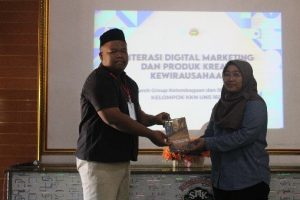
    The event concluded with the handover of books written by the community service team to SMK Bhakti Karya Karanganyar

  • Crowned as 2nd place Winner in the National Islamic Economic Olympiad, FEB Student Team Develops Sharia Financial Services Cooperative Innovation

    Crowned as 2nd place Winner in the National Islamic Economic Olympiad, FEB Student Team Develops Sharia Financial Services Cooperative Innovation

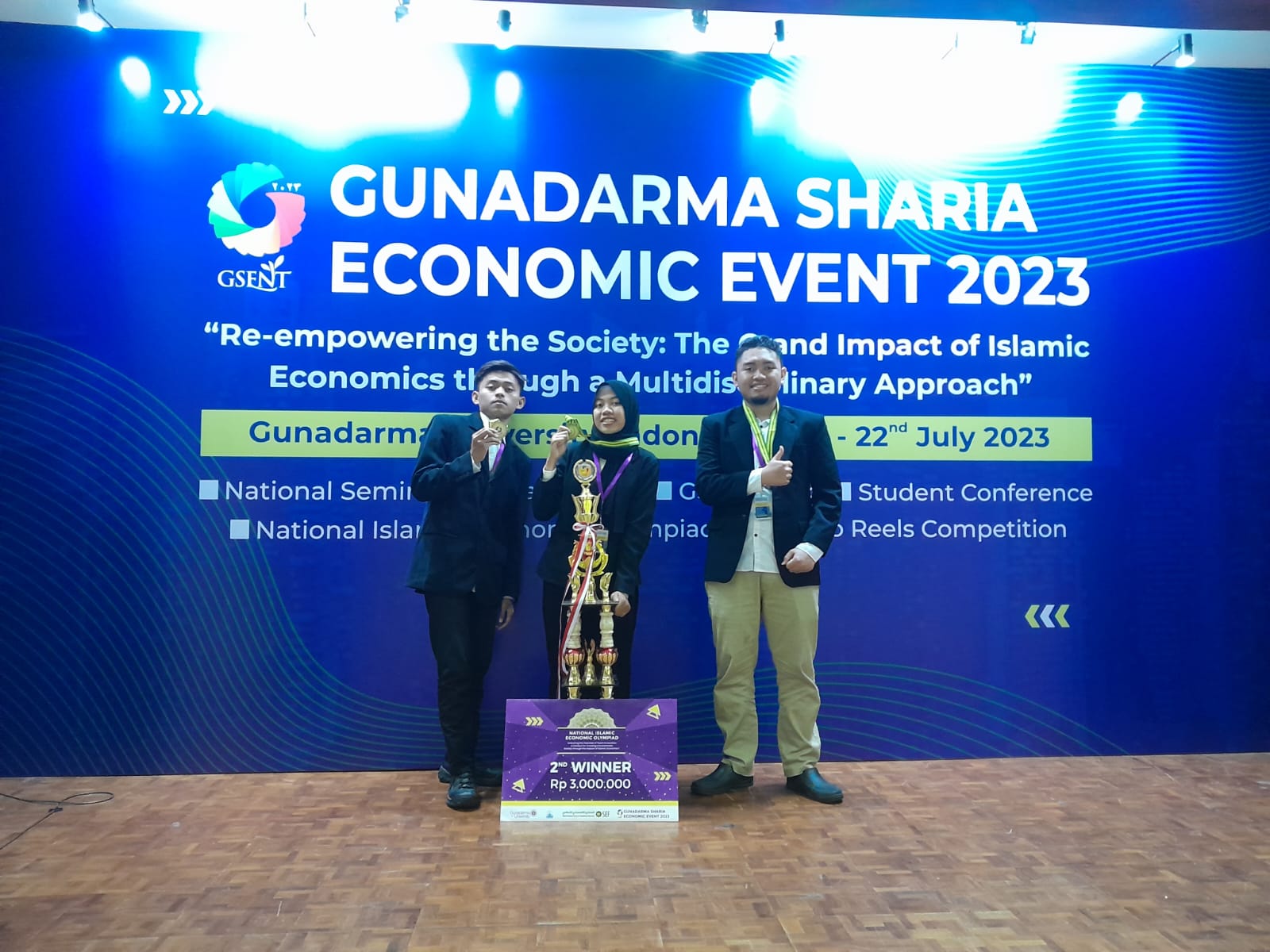
    A Team of the Faculty of Economics and Business (FEB) Universitas Sebelas Maret (UNS) students, won 2nd place in the National Islamic Economic Olympiad, held at Gunadarma University, 18-22 July 2023. The collaboration of three FEB students, Novita Anggun Pratiwi (S1 Management Study Program), Fathir Faiq Aqil Murtadlo (S1 Development Economics Study Program), and Fathir Fikro Al Ishlah (S1 Development Economics Study Program), led the three to achieve the victory.

    There are 50 teams from universities in Indonesia competing in the preliminary round, and 12 teams qualify for the semi-final round. Out of these teams, there are only 4 teams competing in the final round. Proposing an innovation entitled ‘Sharia Financial Services Cooperative Program Indonesia Berdaya Ukhuwah,’ derived from the three members’ idea, the team was able to attract the attention of the jury.
    The idea developed by Novita and her colleagues took a modification of the Grameen Bank that had been carried out in Bangladesh, initiated by Muhammad Yunus.

    “We are interested in highlighting the issue of poverty in Indonesia, which remains to this day. Grameen Bank is one of the concepts initiated by Muhammad Yunus in Bangladesh to alleviate poverty. Grameen Bank is only intended for women with the aim of minimizing poverty. This idea was modified by directing it to a group of peasant women in Karanganyar Regency,” explained Novita, the Leader of the FEB UNS Team in the National Islamic Economic Olympic.

    Previously, PPK Ormawa BEM FEB UNS organized a community service program at the Karanganyar Regency Farmers Women’s Group and focused on MSMEs. The idea proposed by Novita and the Team focused on a type of financing for women farmers of Karanganyar Regency, by adhering to the principles of sharia, with a system based on members’ trust. The main goal is to alleviate poverty in Karanganyar Regency.

    Later, this group of peasant women will form an association like the PKK. When the farmer group needs financing from KJKS (Sharia Financial Services Cooperative), they only need to fulfill the applicable prerequisites.

    This initiative proposed by the FEB Team, which is strengthened by presenting and supporting evidence, is considered by the jury as a good program idea and is expected to be implemented in the future.

  • Gatrik Goes to Campus (GGTC) 2023, Get Closer to Electricity Rates and Subsidies

    Gatrik Goes to Campus (GGTC) 2023, Get Closer to Electricity Rates and Subsidies

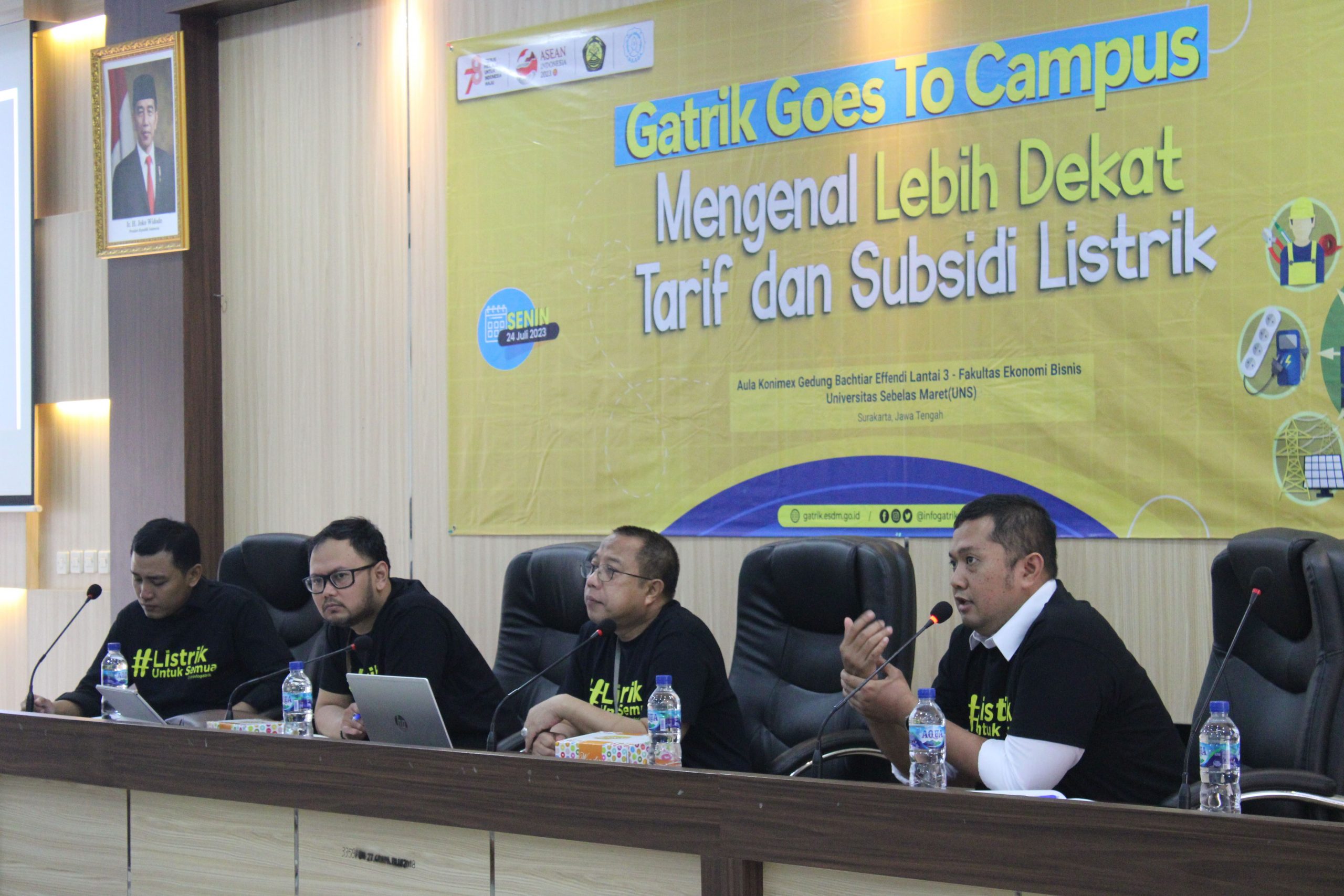
    Gatrik Goes to Campus 2023 under the theme “Getting to Know More About Electricity Tariffs and Subsidies,” was organized by the Directorate General of Electricity (Gatrik) of the Ministry of EMR in collaboration with the Faculty of Economics and Business (FEB) and the Student Executive Board (BEM) of FEB, Universitas Sebelas Maret (UNS), July 24, 2023 at the Konimex Building Hall, Bachtiar Effendi Building 3rd Floor.

    Bhimo Rizky Samudro, S.E., M.Sc., Ph.D., Head of the S1 Development Economics Study Program, on behalf of the Dean of FEB, welcomed the GGTC activities whose targets were students at UNS. Hopefully, public awareness of electricity can be improved along with this activity and material from the three speakers, as well as it can bring additional insights for students, for example by saving on electricity consumption.

    Ida Nuryatin Finahari, Secretary of the Director General of Gatrik, said that the current activity in FEB UNS was the first event involving the Director General of Gatrik. “This agenda is organized because we see that in everyday life, electricity is crucial for the community. However, not everyone understands how electricity tariffs and subsidies are arranged. Why students? We believe we are at the right place. We have never conveyed this detail to students before. That is why we are introducing electricity tariffs and subsidies to students in collaboration with FEB UNS,” she explained.

    Furthermore, it is said that there are approximately 83 million electricity customers, almost half of which get subsidies. There are 38 types of customers. Out of the 38 customers type, 25 customers are still subsidized and 13 are not. But every 3 months there is a tariff adjustment and if Gatrik does not adjust the tariff, then the government will provide compensation. Both subsidies and compensation are a burden on the government finance.

    In terms of policy, the Young Policy Analyst of the Directorate General of Electricity, Syariffudin Ahmad said that the electricity subsidy policy for fiscal year of 2023 aims to provide targeted electricity subsidies with harmonized economic recovery and community purchasing power; to ensure that electricity subsidies for households are given in a targeted manner for poor and vulnerable households; and to encourage the development of more efficient new renewable energy.

    The Tariff adjustment policy is determined by the Board of Directors of PT PLN (Persero) after obtaining the approval of the Minister. Tariff Adjustment itself is applied to non-subsidized customers every three months due to several uncontrollable factors (exchange rate, inflation, ICP, and coal prices). Tariff Adjustment is a national-scale policy, a crucial, strategic, and has a broad impact on the community, thus in its own discussion, it is carried out at the Plenary Cabinet Session or Limited Meeting.
    On the other hand, Moh. Arief Mudhari explained about Electricity Subsidies and Rates. Electricity subsidy is a form of assistance from the government for the general public to be able to pay electricity rates cheaper than their economic condition. Subsidized PLN customers are categorized into 25 groups, which are 45.25% of total customers, while compensated non-subsidized customers are categorized into 13 groups or 54.75% of total customers.

    Electricity tariffs consist of 38 groups and are divided into two groups, namely: subsidies and non-subsidies. Subsidized rates are designated for 25 tariff groups that include subsidized small household customers (450 VA and 900 VA) as well as all small and medium S, B, I, P, Traction, and Bulk customers. Meanwhile, non-subsidized tariffs are designated for 13 tariff groups including ‘R MAMPU’, ‘B’ medium/large, ‘I’ medium to high, and ‘P’ medium/large customers, street lighting, and special services.

    Meanwhile, FEB UNS Lecturer from Development Economics Study Program, Hery Sulistio Jati N S, SE., MSE., emphasized the need for the right momentum in determining the increase in TDL (Base Electricity Rate). That is by considering when the short-term and long-term are more optimistic.

    Furthermore, the electricity subsidy structure needs to be built with a more progressive formula to ensure that the electric energy trilemma does not progress any further. This aims to ensure that the electric energy trilemma does not become an impossible issue at the macroeconomics level with high costs when Indonesia had optimized most aspects back in 1998.

  • Monetary and Fiscal Studies Research Group Assisted Japeledok Village Farmers Producing Self-Made Fertilizer

    Monetary and Fiscal Studies Research Group Assisted Japeledok Village Farmers Producing Self-Made Fertilizer

    Education, research, and community service activities are lecturers’ duties and obligations within the Tri Dharma of Higher Education framework. To fulfill one of the Tri Dharma, community engagement-related activities aim to improve community welfare.

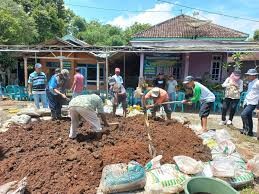
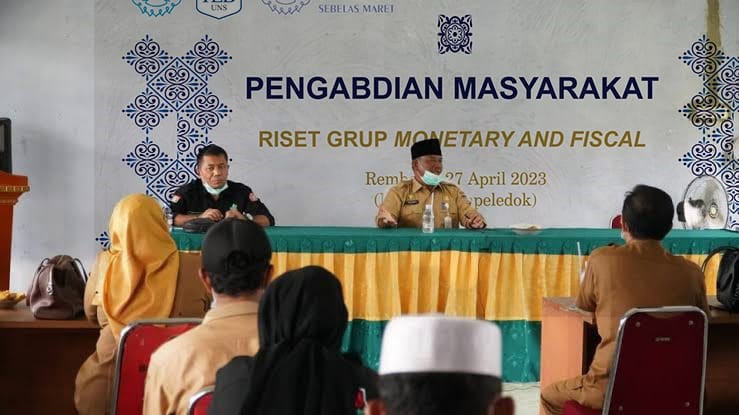
    A Community Service Team of the “Monetary and Fiscal Studies Research Group,” Development Economics Study Program, Faculty of Economics and Business (FEB) Universitas Sebelas Maret (UNS), carries out a training for self-made fertilizer manufacturing, at Japeledok Village, Pancur District, Rembang Regency. The activity was carried out on April 27, 2023, at the Japeledok Village Hall, Rembang Sub-district, Rembang Regency.

    The activities led by Dr. Tetuko Rawidyo Putro, S.E., M.Si., as the Chair of the Organizing Committee for the Community Service Team of the “Monetary and Fiscal Studies” Research Group. The community service program aims to support the enhancement of local community expertise in order to produce fertilizer independently, effectively and efficiently. “Farmers in Japeledok Village really need to produce fertilizer independently, to maximize the harvest results,” he said.

    According to him, the problems faced by farmers involves the use of less effective and efficient fertilizers offered in the market, which impacted the maximum yield of agricultural crops in Japeledok Village. Therefore, the team needs to intensively provide assistance to farmers.

    Ahmad Ariq, the Chairman of Karang Taruna (Youth Association) at Japeledok Village expressed his gratitude to the organizing team from DESP FEB UNS for assisting the farmers to produce fertilizer products independently. Hopefully, this assistance can improve the efficiency and effectiveness of agricultural crop yield in Japeledok Village.

  • ASEAN Economy, an Excellent Guest Lecture by the Development Economics Study Program

    ASEAN Economy, an Excellent Guest Lecture by the Development Economics Study Program

    ASEAN or the Association of Southeast Asian Nations is an organization that aims to develop the prosperity and welfare of countries in the Southeast Asia region. The member countries are Indonesia, Malaysia, Singapore, Philippines, Thailand, Brunei Darussalam, Vietnam, Laos, Myanmar, Cambodia, and East Timor. This regional organization was established on August 8, 1967, by the 5 (five) founding countries, namely Indonesia, Malaysia, Singapore, Philippines, and Thailand.ASEAN Economy Guest Lecture

    The regional association is starting from the similarity among the countries that were once colonized, except for Thailand. The organization will strive to strengthen economic sovereignty, promote sustainable economic growth, and create a conducive environment for the development of the digital economy in the Southeast Asian region.

    This material presentation was delivered by Drs. Heru Wicaksono, M.M., a Diplomat who is also a FEB UNS alumnae, at the ASEAN Economy Guest Lecture, entitled ‘ASEAN Economic Dynamics: Networking and Cooperation,’ Monday (5/6/2023), at the Soedarah Soepono Hall FEB UNS.

    The Guest Lecture hosted by the Development Economics Study Program (DESP), Faculty of Economics and Business (FEB), Universitas Sebelas Maret (UNS), was led by Lukman Hakim S.E., M.Si., Ph.D., a lecturer FEB UNS, as the moderator.

    Related to the ASEAN economic situation, Indonesia will become the Chair of ASEAN in 2023. This can be a momentum to expand and strengthen the de-dollarisation spirit to break away from the superpower countries’ power. “Indonesia as Chair of the ASEAN focuses on strengthening the ASEAN economy into a fast-growing, inclusive, and sustainable economic region, as the center of regional and world economic growth.

    Speaker of ASEAN Economy Guest LectureThis shall be achieved in an “ASEAN way” in line with the principles of the ASEAN Charter. A peaceful solution, no interference, no confrontation, mutual respect, cooperation, dialogue, consensus, soft diplomacy,” he explained.
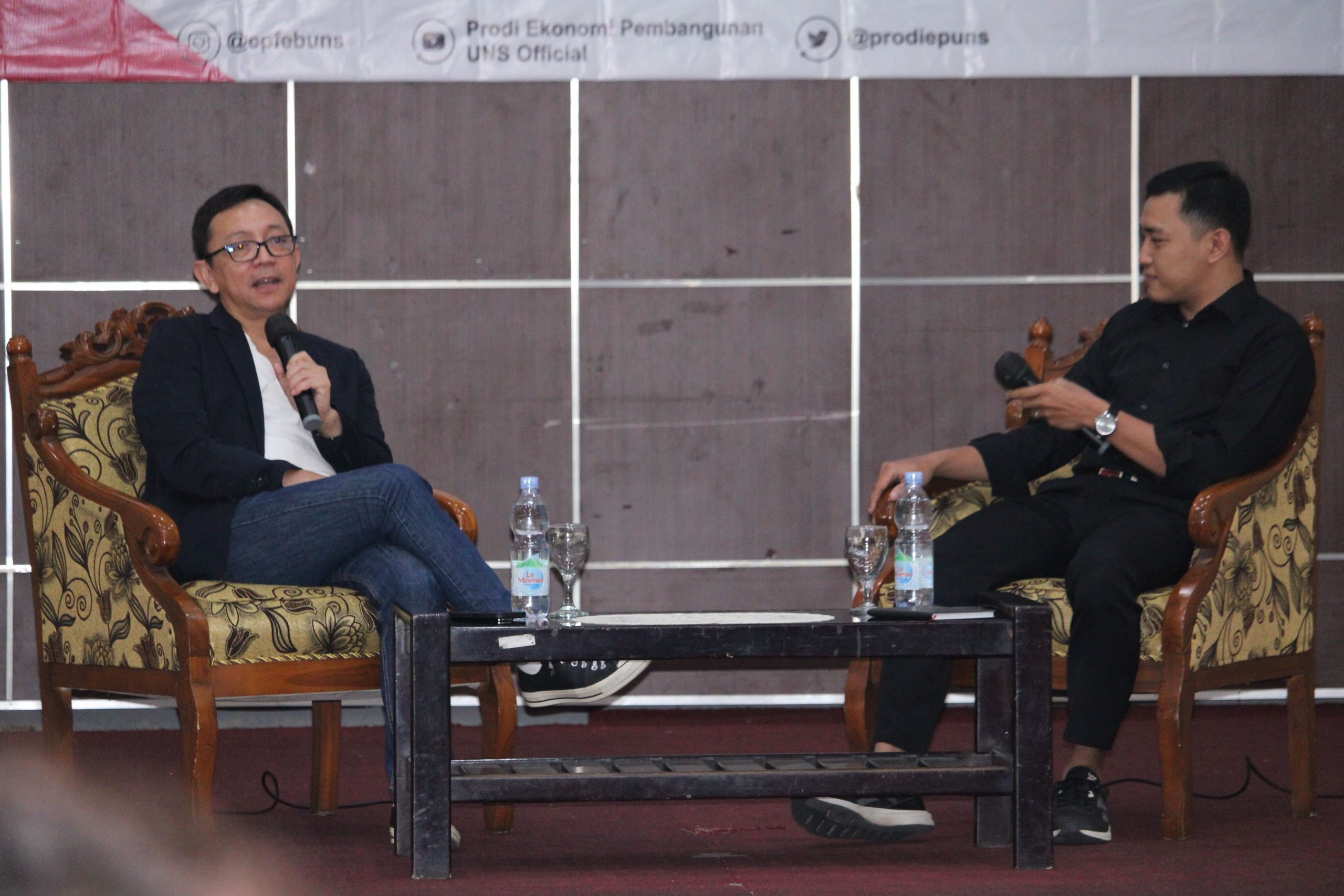
    Meanwhile, Drs. Heru also states that Indonesia and Thailand are the two main countries in the ASEAN region. Good relationships have been an asset for both countries to move forward and contribute significantly to the region.

  • Presenting Neuroscience Enthusiast, Development Economy Study Program Holds the National Discussion Forum 7

    Presenting Neuroscience Enthusiast, Development Economy Study Program Holds the National Discussion Forum 7

    Neuroscience, a study of the nervous system and brain function, is related to the economic sector in several ways. Some scientists and economists believe that neuroscience can improve our understanding of cognitive processes and the underlying factors of human behavior affecting economic decisions.

    National Discussion ForumThe Neuroscience perspective in Economics become a slick topic raised by the Development Economics Study Program (DESP), Faculty of Economics and Business (FEB), Universitas Sebelas Maret (UNS) in the 7th National Discussion Forum (Diskusi Nasional 7), Tuesday, 20 May 2023 at the Soehardi Building, FEB UNS.

    The event, which was attended by more than 100 participants, invited Dr. Ryu Hasan, Sp. BS., Neurosurgeon/Neuroscience Enthusiast, as the main speaker.

    Bhimo Rizky Samudro, S.E., M.Sc., Ph.D., as the Plt. (acting officer) for the Head of the Development Economics Study Program, in his speech said that the national discussion forums held by the DESP FEB UNS discussed or reviewed heterodox discourses, which are anti-mainstream in nature.National Discussion Forum 7

    “Forums like this can be an enrichment for discourse and exchange in FEB, especially in the DESP FEB UNS. We offer this discussion to our fellow faculty members at FEB UNS, especially the DESP students. Mainly to highlight that we should be more holistic in our critical thinking or applying economic theory, using a broader approach, and consider other scientific dimensions,” he said.

    In the forum, Dr. Bhimo welcomed the participants and hope they can have an excellent exchange, fruitful discussion, and an interactive dialogue with Doctor Ryu Hasan. Further, he also wishes that the discussion may bring blessing to scientific development and can establish an applicative conclusion.

    Neuroscience discussion at National Discussion Forum 7Dr. Ryu Hasan explains that from a neuroscience perspective, economic decisions are responsible for making people more efficient and effective at acquiring calories to reduce entropy.
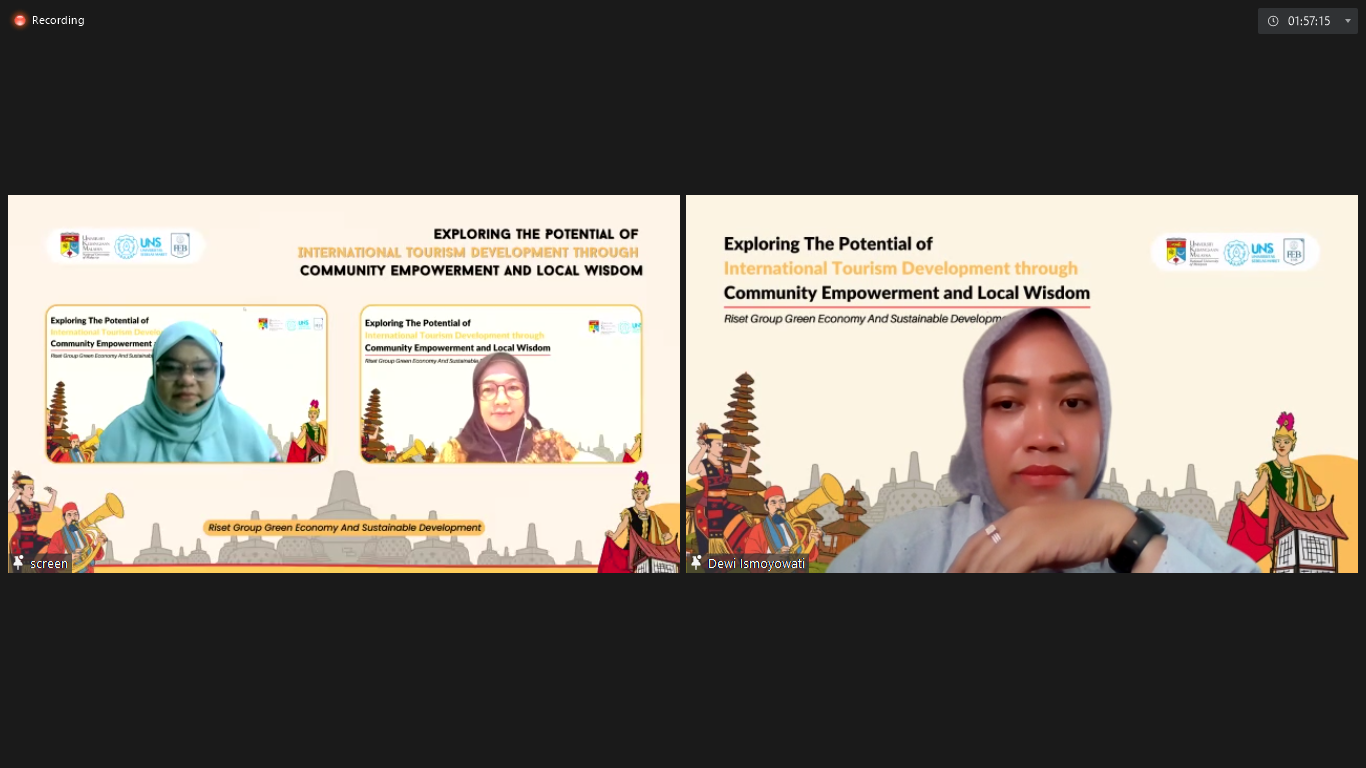
    The discussion, which lasted for about two hours, went interactively. Several students also raised questions about the speaker’s material.

  • Green Economy and Sustainable Development Research Group FEB Presents Three Speakers at an International Webinar

    Green Economy and Sustainable Development Research Group FEB Presents Three Speakers at an International Webinar

    Commitment to tourism development, especially the leaders’ commitment, is crucial. In terms of community empowerment in the tourism industry, there are numerous applicable methods for tourism business actors. This information was revealed by Dwi Marhen Yono, S.STP, M.Si., Director of Tourism Marketing of the Ministry of Tourism Indonesia, at the International Webinar ‘Exploring the Potential of International Tourism Development Through Community Empowerment and Local Wisdom,’ on Thursday, May 25, 2023.

    international webinar participantsThe international webinar was organized by the Green Economy and Sustainable Development Research Group, Faculty of Economics and Business (FEB), Universitas Sebelas Maret (UNS). Three guest speakers were invited, namely Dwi Marhen Yono, S.STP, M.Si., (Director of Tourism Marketing Kemenparekraf RI), Associate Prof. Dr. Norlida Hanim Mohd Salleh (Universiti Kebangsaan Malaysia), and Dr. Nurul Istiqomah, S.E., M.Si (DESP FEB Universitas Sebelas Maret).

    In addition to delivering material related to the recovery of the tourism sector and Indonesia’s tourism development plan, Dwi Marhen also explained the halal certification process that has been initiated by the government. The initiative was revealed during the question and answer session with webinar participants.

    The second speaker for the session, Assoc. Prof. Dr. Norlida Hanim, delivered material entitled ‘Rural Tourism: How Could Local Communities Develop Their Local Wisdom as Economic Values?’

    Responding to the material that has been submitted by Marhen, Prof. Norlida agreed that today cultural tourism has become public demand. Further, she explained the aspects needed to develop rural tourism and the challenges faced. “This development (of the tourism sector) requires the role of the government. It is also necessary to consider local wisdom, environmental support, planning, and other planning from the internal sector within the community,” explained Prof. Norlida, in line with Marhen’s statement.RG Green Economy and Sustainable Development FEB UNS International Webinar

    The material presentation continues to the third speaker, Dr. Nurul Istiqomah, with material entitled ‘Sustainable Tourism Development.’ Dr. Nurul also represents the Green Economy and Sustainable Development Research Group in this webinar.

    In her presentation, Dr. Nurul focuses on the implementation of sustainable tourism after the Covid-19 pandemic. It was revealed that Indonesian tourism is growing rapidly after the pandemic. The growth is proven by the increase in Indonesia’s Global Tourism Index in 2021.

    “The difference between sustainable tourism and conventional tourism lies in the involvement of stakeholders. In conventional tourism, development and enhancement activities only involves tourism sector actors, such as managers or tourism site caretaker. While on sustainable tourism, all stakeholders in the tourism region are involved in the tourism management process, including tourists who visit tourist sites,” explained Dr. Nurul.

    Chair of Green Economy and Sustainable Development Research Group FEB UNSThe lecturer of the DESP FEB UNS then explained that although the Indonesian tourism index improved, the attention toward sustainable tourism has not improved. “To reduce the negative impact of the tourism sector, including natural damage, we know of the carrying capacity concept. As mentioned by the previous speaker, the concept refers to a specific calculation to limit the number of visitors. Therefore, minimizing the negative effects. This concept is applied, for example, in the Raja Ampat tourism area, which is indeed designed in such a way, to limit the number of visitors and to reduce environmental damage,” she said.

    Concluding the event, Prof. Izza Mafruhah, Chairman of the Green Economy and Sustainable Development Research Group, expressed her gratitude to the invited speakers. Hoping that the tourism sector can become a ‘business of happiness’ not only for tourists but also for the surrounding community.

  • DESP Public Lecture Discuss the Role of Surveys in Policy Formulation at Bank Indonesia

    DESP Public Lecture Discuss the Role of Surveys in Policy Formulation at Bank Indonesia

    As the Central Bank in Indonesia, Bank Indonesia (BI) has three main policies, namely Monetary Policy, Macroprudential Policy, and Payment System and Rupiah Management Policy. These policies aim to maintain a stable macroeconomic and financial system, as well as contribute to promoting economic efficiency and inclusiveness, allowing the Indonesian economy to grow strong, and to be balanced, resilient, and prosperous.

    DESP FEB UNS Public LectureThis message was conveyed by Reza Anglingkusumo, Plt. (acting officer) for the Head of the BI Statistics Department, in a Public Lecture entitled The Role of Surveys in Policy Formulation at Bank Indonesia. The Public Lecture was hosted by the Development Economy Study Program (DESP), Faculty of Economics and Business (FEB), Universitas Sebelas Maret (UNS), Friday, 26/5/2023 at the Suhardi Building Hall FEB UNS.

    Furthermore, in carrying out its duties, BI can conduct surveys to obtain the data and information needed to support policy formulation. “The survey results conducted by BI are needed as one of the inputs in the policy formulation process at Bank Indonesia,” he explained in front of hundreds of students.

    DESP FEB UNS Public Lecture with Bank IndonesiaAs an illustration, BI conducts several surveys related to the real sector to obtain relevant early information as input to the formulation of monetary policy. The survey includes Consumer Survey, Retail Sales Survey, and Business Sector Activity Survey, which monitors the latest domestic economic developments, and then serves as the input for pre-emptive and forward-looking monetary policy formulation.

    The DESP Public Lectures went smoothly, with the invited speaker delivering a few interesting gifts to students who actively participate in the discussion.