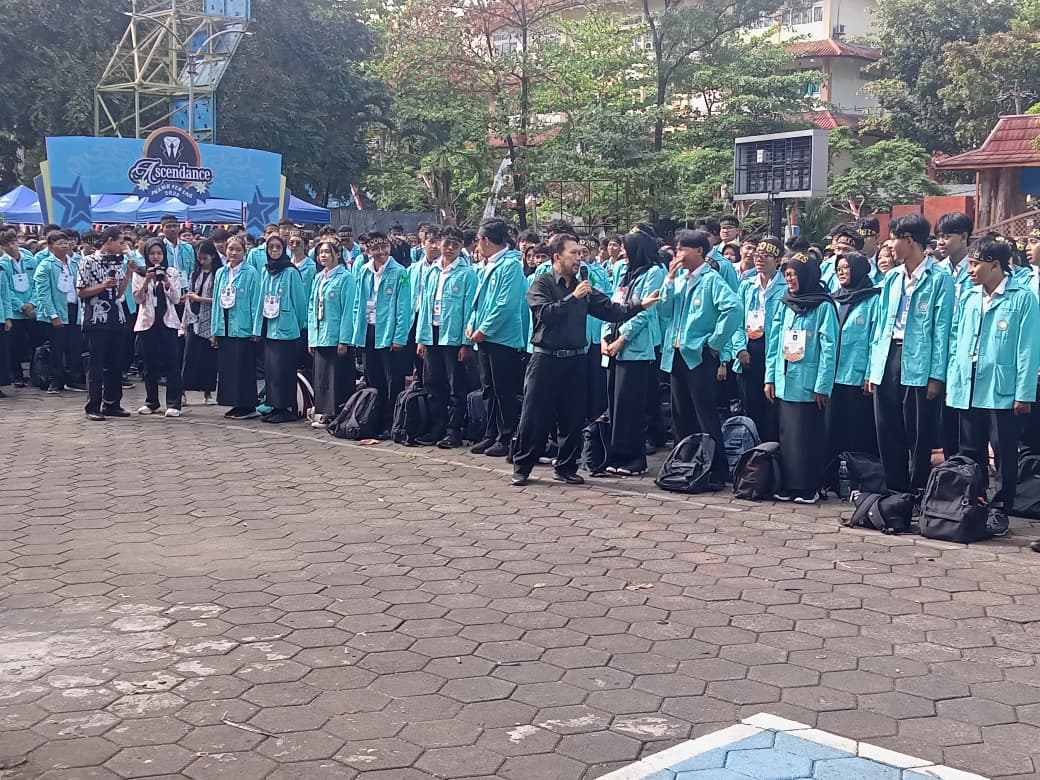
The Introduction to Campus Life for New Students (PKKMB) at the Faculty of Economics and Business, Universitas Sebelas Maret (FEB UNS), was conducted from 19 to 21 August 2025. A series of activities, both at the university and faculty level, were organized to welcome the new cohort. The materials covered included National Insights and State Defense, Academic Ethics and Integrity, Graduate Character, and others.
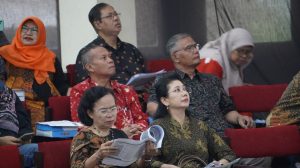
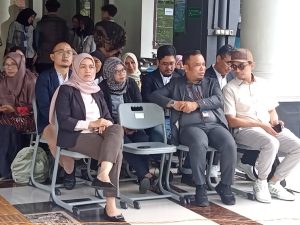
The opening of PKKMB FEB UNS took place at Djarwanto PS Hall on Wednesday, 20 August 2025, attended by the Dean Office, Heads of Study Programs, Head of Administrative Office, Heads of Subdivision, and all new students.
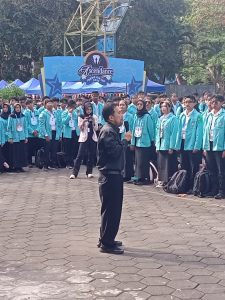 Dean of FEB UNS, Prof. Bhimo Rizky Samudro, S.E., M.Si., Ph.D., conveyed three key messages in his address: the importance of ethics, building networks, and developing tolerance during the study period on campus. “I would like to remind you, your presence here is not solely due to your own efforts, but also because of the role of God Almighty and the prayers of your parents, especially your mother. A mother’s prayer is vital in your life journey,” said Prof. Bhimo.
He emphasized that students should never forget to honor their parents as a core foundation in pursuing education. In addition, he reminded them of the importance of respecting lecturers and all faculty staff. “As the young generation, ethics must be the primary foundation you hold firmly,” he stressed.
The Dean also encouraged students to actively build networks by joining student organizations. “Do not just go back and forth between home and class. Join at least one student organization, thus, you can expand your networking and do not live in isolation,” he urged.
Alongside ethics and networking, Prof. Bhimo highlighted the importance of tolerance and mutual respect. He explained that UNS provides five places of worship on campus as a tangible expression of its respect for diversity and pluralism. “Inclusivity and pluralism are hallmarks of UNS that we must uphold together,” he remarked.
 Following his speech, Prof. Bhimo introduced the Vice Deans, Heads of Study Programs, the Head of Administrative Office, and Heads of Subdivision of FEB UNS.
The three key messages—ethics, networking, and tolerance—are aligned with the spirit of the Sustainable Development Goals (SDGs). Ethics supports SDG 4 (Quality Education) by instilling strong character values. Networking contributes to SDG 8 (Decent Work and Economic Growth) through the development of skills and career opportunities. Meanwhile, tolerance and respect for diversity reflect the values of SDG 10 (Reduced Inequalities) and SDG 16 (Peace, Justice, and Strong Institutions).
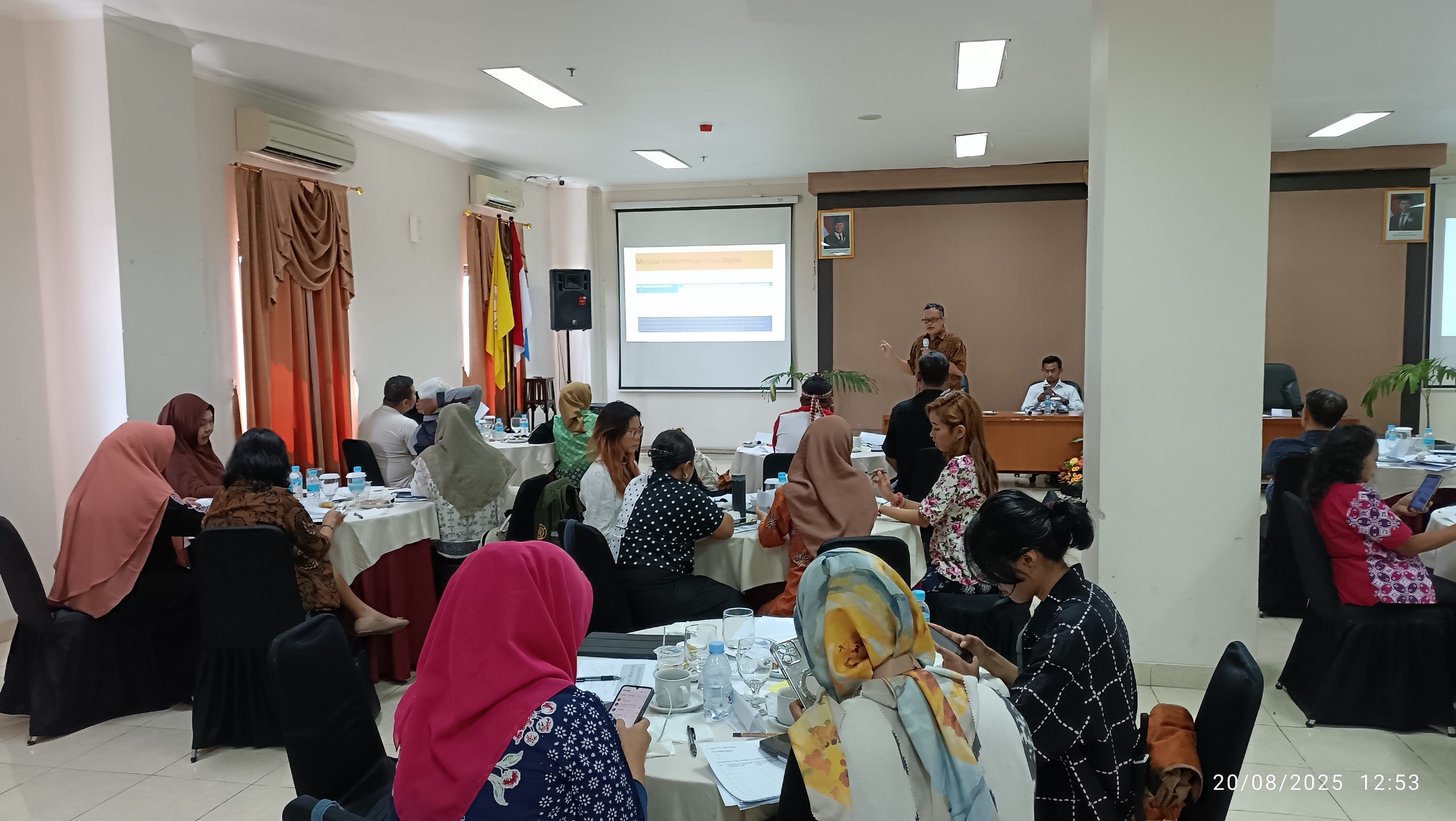
 Drs. Yong Dirgiatmo, M.Sc., Ph.D., Head of RG MOS, stated in his remarks that this program is designed to assist SMEs in systematically identifying the structure and requirements of their business processes before adopting digital solutions. Through a research-based and simulation-driven approach, SME participants are equipped with analytical capabilities and foundational skills to formulate targeted digital strategies, rather than simply following trends.
 Through an applied research approach, RG MOS introduced analytical methods such as the Analytic Hierarchy Process (AHP) and Step-Laddering Technique to SME participants. These tools are used to identify business process priorities, recognize core problems, and formulate the most relevant and impactful digital solutions. The program, carried out by RG MOS over approximately nine months, began with a one-month field observation to map out the characteristics and fundamental needs of SMEs supported by the Surakarta Chamber of Commerce.
 In its implementation, RG MOS also opened opportunities for collaboration with other institutions, including information technology teams from the banking sector and relevant financial institutions, to support the adoption of secure and affordable digital solutions. This initiative not only addresses the urgent need for effective digital transformation but also represents a concrete contribution to achieving the Sustainable Development Goals (SDGs).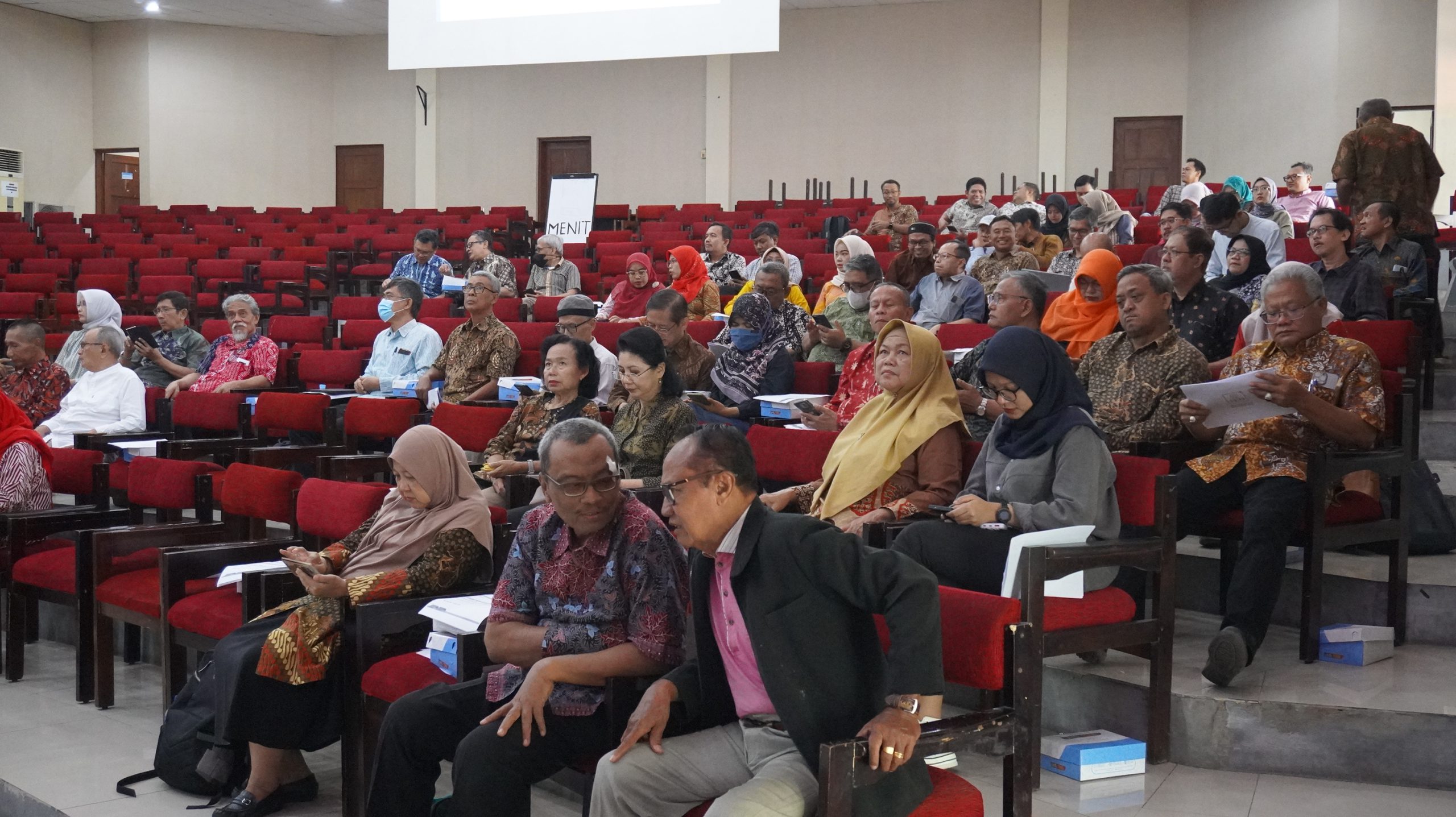



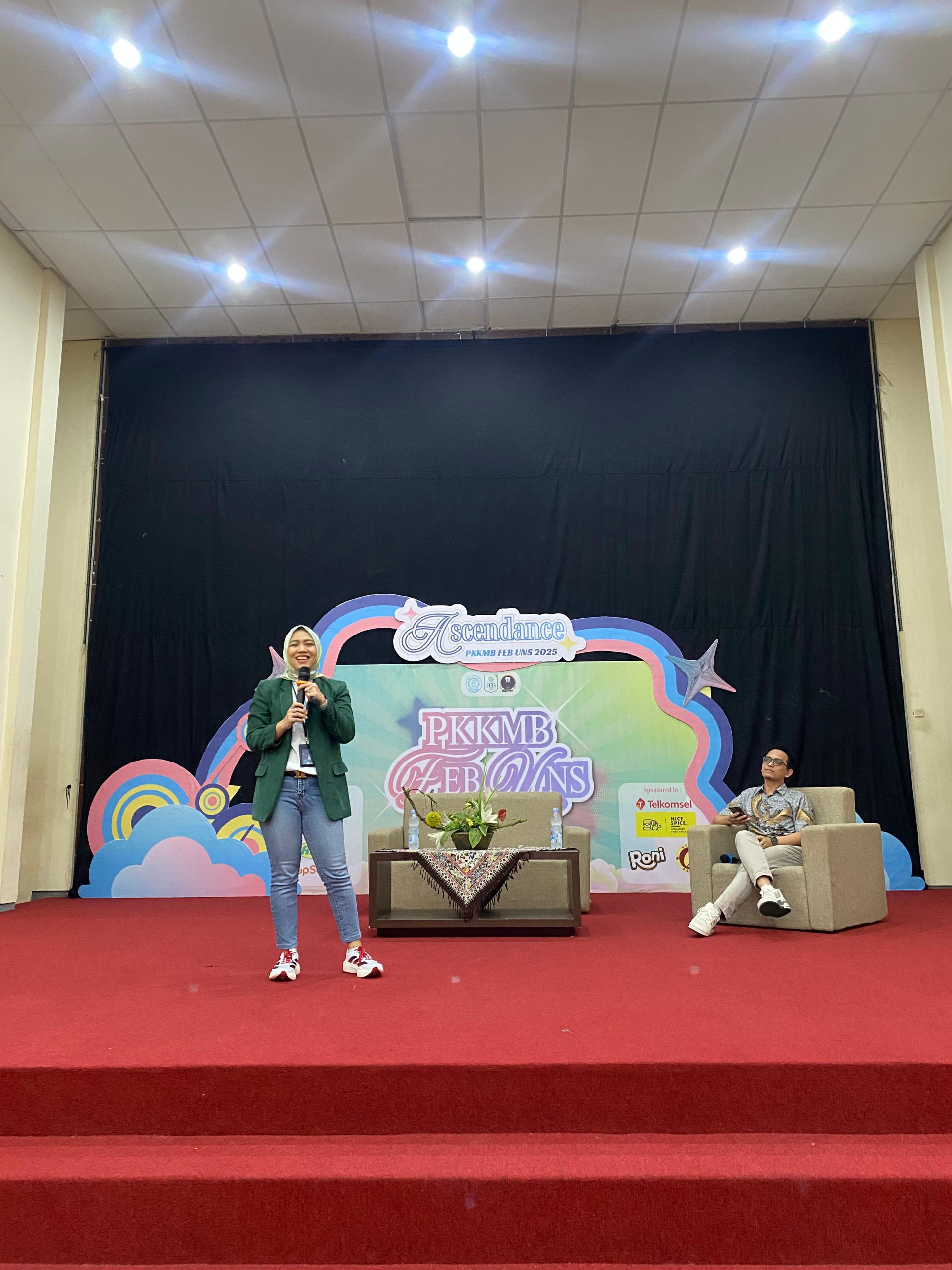
 With her distinguished career in the national banking sector and her current position as Senior Vice President at PT Bank Rakyat Indonesia (Persero) Tbk, Bunga has inspired many, not only through her achievements but also through her consistency in upholding integrity, hard work, and the spirit of lifelong learning. In her session, she encouraged students to take pride in being part of UNS and to use their university years as a foundation for building their future. “Dreams are free, so dream as high as you can. Once you have a vision, the most important thing is persistence in realizing it. Keep working tirelessly, without stopping,” she remarked.
 Beyond academics, Bunga underlined the importance of involvement in campus organizations. She stated that active participation develops leadership skills, builds networks, enhances communication abilities, and strengthens teamwork. Concluding her presentation, she emphasized that students should go through three essential stages.
 Tak hanya soal akademik, Bunga juga menekankan pentingnya keterlibatan dalam organisasi kampus. Ia menyebutkan bahwa aktif berorganisasi bisa melatih jiwa kepemimpinan, membangun relasi, meningkatkan kemampuan komunikasi, serta mengasah kerja sama tim.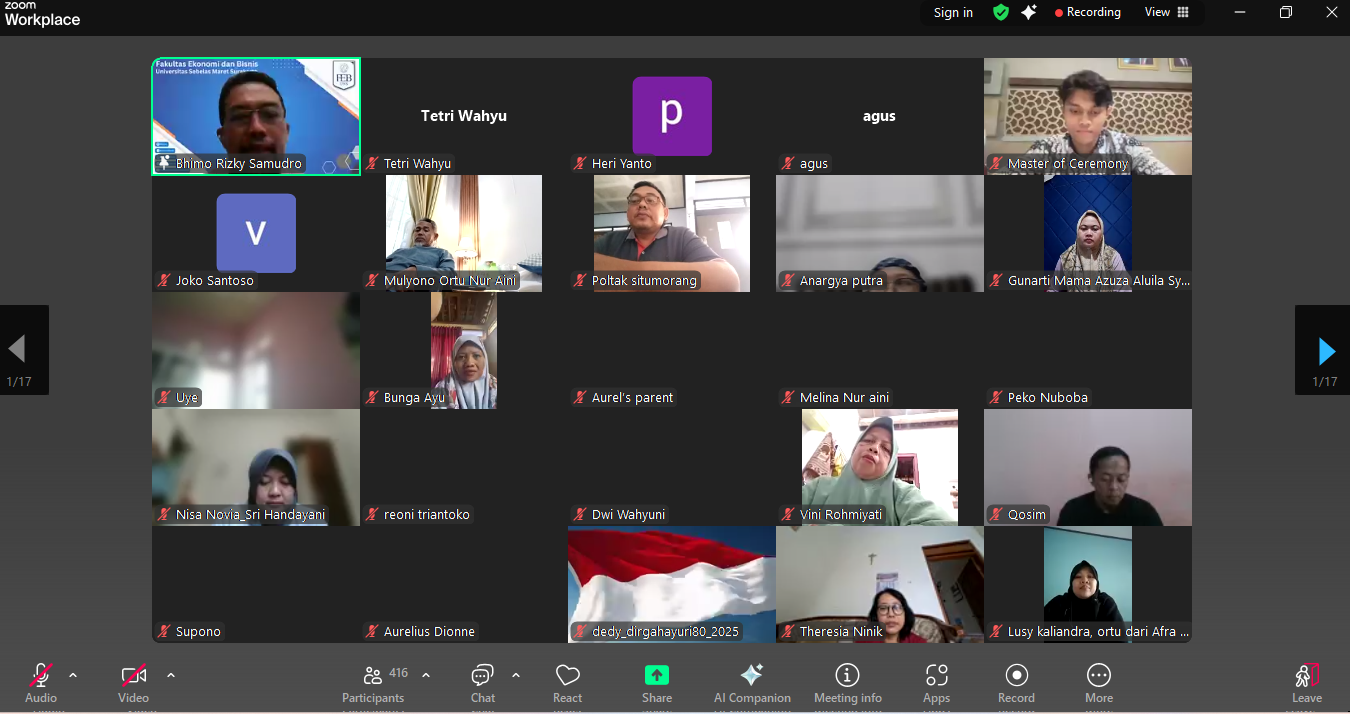
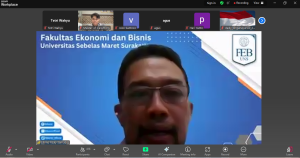 In his remarks, Prof. Bhimo Rizky Samudro, S.E., M.Si., Ph.D., Dean of FEB UNS, explained that the meeting was initiated as a preparatory step prior to the Introduction to Campus Life for New Students (PKKMB), which will take place from August 19 to 23, 2025. “We are grateful to be able to connect with all of you. By the time your children are admitted as students at FEB, they become part of the FEB UNS family. It is our responsibility, starting from the Dean Office to the Study Programs, to oversee various aspects of their academic activity, including teaching and learning process, as well as student organizations. However, FEB cannot achieve everything by ourselves; we need your contribution and collaboration, thus, students can complete both academic and non-academic program smoothly,” he conveyed.
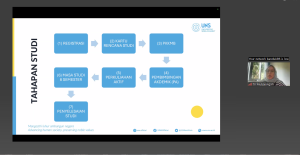 Prof. Bhimo also highlighted FEB UNS achievements at both national and international levels. He further explained that the Dean Office has adopted a policy requiring students to engage in at least one non-academic activity through Student Activity Units (UKM) or Student Organizations (Ormawa). This is intended to support their academic abilities while also helping them develop skills such as public speaking and foreign language proficiency.
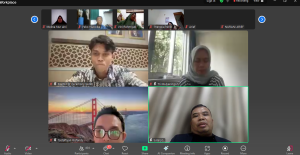 Following the Dean’s address, the event continued with presentations from Vice Dean for Academic and Research Affairs, Prof. Tri Mulyaningsih, S.E., M.Si., Ph.D.; Vice Dean for Non-Academic Affairs, Sutaryo, S.E., M.Si., Ph.D., Ak., CA., CRA., CRP., ACPA.; and Vice Dean for Student and Alumni Affairs, Tastaftiyan Risfandy, S.E., M.Sc., Ph.D. Parents were also given the opportunity to engage in discussions with the Dean Office, followed by a session with each Head of Study Program (Kaprodi).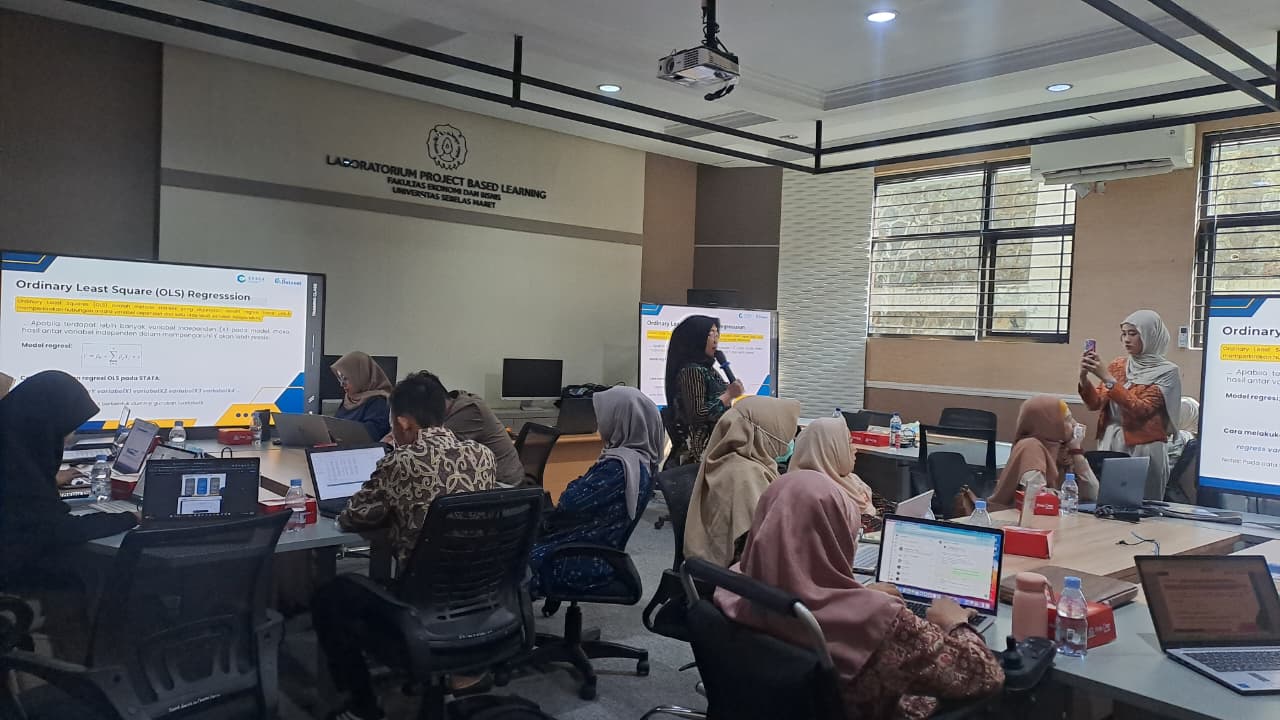
 The materials were presented by Hamidah Dwi Nita, assisted by Meifaza Ainur Rosyidah and Cindi Nandita Dewi. Participants engaged in hands-on practice, from data cleaning and variable construction to applying descriptive and inferential statistical analyses. The session also discussed techniques for creating informative graphs and reproducible reports to enhance the quality of academic publications and ensure transparency in the analysis process.
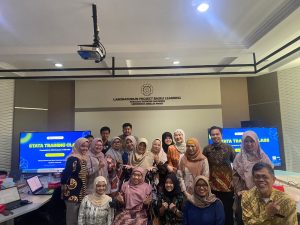 The Stata Training Class served not only as an educational program but also as a refresher for lecturers who had previously used Stata. Revisiting the fundamentals while learning advanced features helps maintain research quality and ensures skills remain up to date with current data analysis developments.