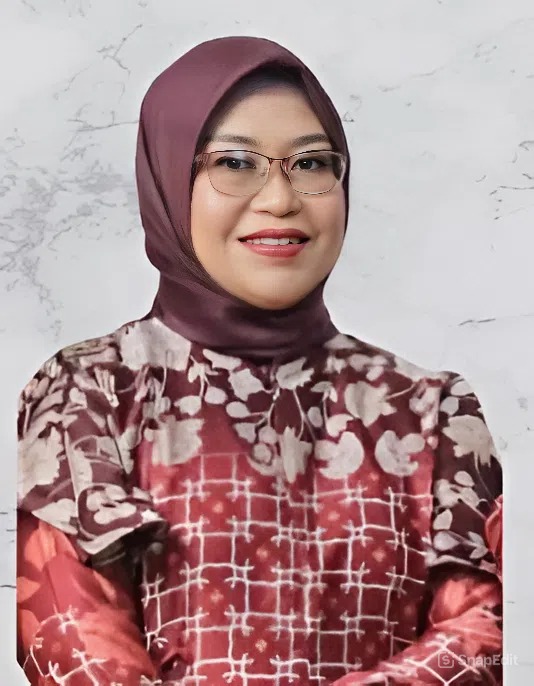
A research team from the Faculty of Economics and Business (FEB), Universitas Sebelas Maret (UNS), implemented a Community Service Program under the “Equity the Impact Rankings 2025” scheme, aimed at enhancing the business capacity and income of communities in Panggungharjo, Sewon, Bantul, Special Region of Yogyakarta. The program was carried out by a team comprising Catur Sugiarto, Rahmawati, Hunik Sri Runing Sawitri, and Ratna Endah Santoso, in collaboration with international collaborator Junaid M. Shaikh from Universiti Teknologi Brunei, Brunei Darussalam.
The program was motivated by a number of challenges faced by the partner small and medium enterprises (SMEs), particularly in the production of natural dye-based batik. Prior to the program, production processes were carried out entirely by hand, resulting in limited production capacity and inconsistent dye quality, while the natural dyeing techniques that characterize the products were also prone to reduced colorfastness. In addition, a relatively simple business management system had led to poorly structured task allocation, and digital marketing had yet to be utilized to its full potential, conditions that collectively impacted production efficiency and constrained market expansion.
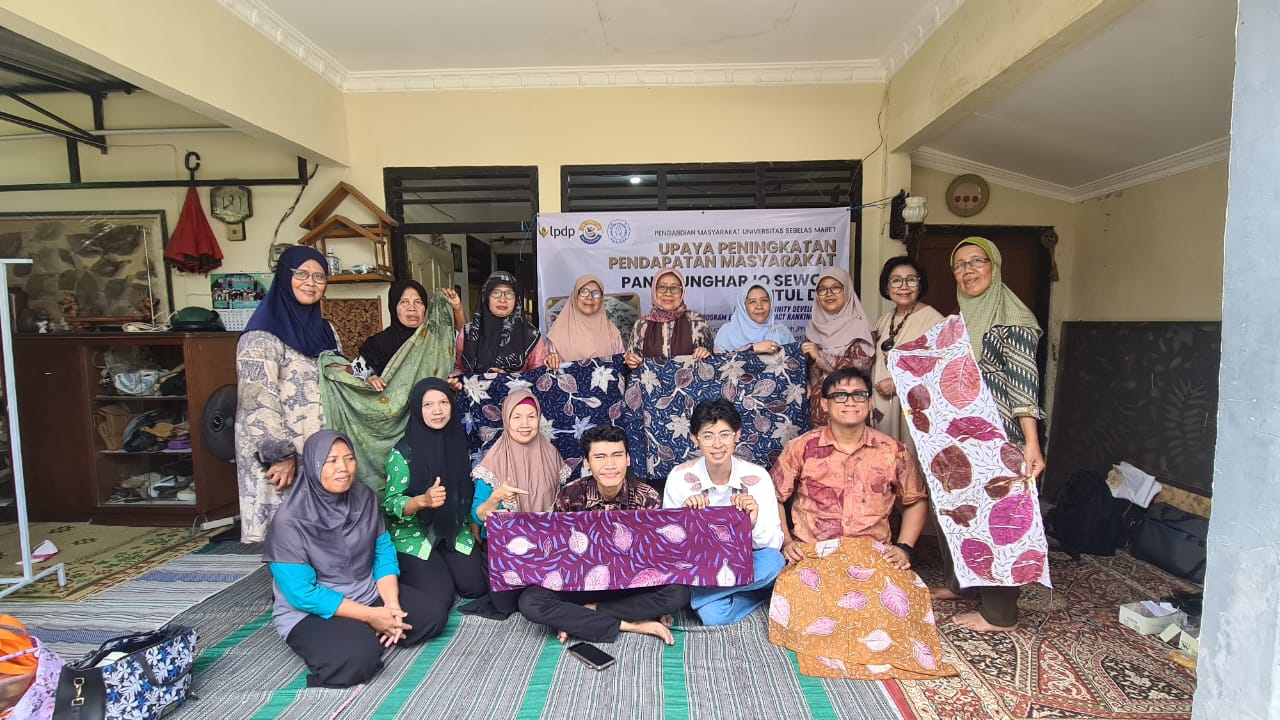
Through the program, the community service team implemented a series of integrated activities, beginning with socialization and field observation to map the needs of the partner community. This was followed by technical training in ecoprint and exotic batik production, including the optimization of the mordanting process, a chemical process to prepares fibers, using more environmentally friendly materials. The team also provided managerial mentoring covering basic bookkeeping, production planning, and the application of the plan–do–check–act management cycle. On the marketing front, partners were assisted in conducting SWOT analyses, developing promotional materials, and optimizing their use of social media and online marketplaces.
A key component of the program was the handover of appropriate technology assistance in the form of a batik feeder machine and supporting production equipment. This contribution is expected to improve work efficiency, accelerate the production process, and maintain quality consistency without compromising the artistic value of nature-based batik. The partner artisans also succeeded in developing a new product innovation through this program, exotic batik, a hybrid technique combining batik and ecoprint methods utilizing locally sourced natural dyes. This product offers superior colorfastness, greater design variety, and added value as a sustainable regional specialty product.
One of the partner artisans expressed appreciation for the mentoring provided by the UNS team, noting that the dyeing machine contributed significantly to the production process. “Thank you to Prof. Rahmawati and the team from UNS Solo for guiding us over the past several months. We also received a machine to assist with the dyeing process. The color results are finer and the process is more efficient compared to before, when everything was done manually, so the outcomes are far better,” she conveyed.
The community service program is expected to drive improvements in community business capacity while strengthening the development of creative products grounded in local resources. The activity is also consistent with the university’s commitment to advancing the United Nations Sustainable Development Goals (SDGs), particularly SDG 8 (Decent Work and Economic Growth) and SDG 12 (Responsible Consumption and Production), through the strengthening of community economic capacity and the development of environmentally responsible products.
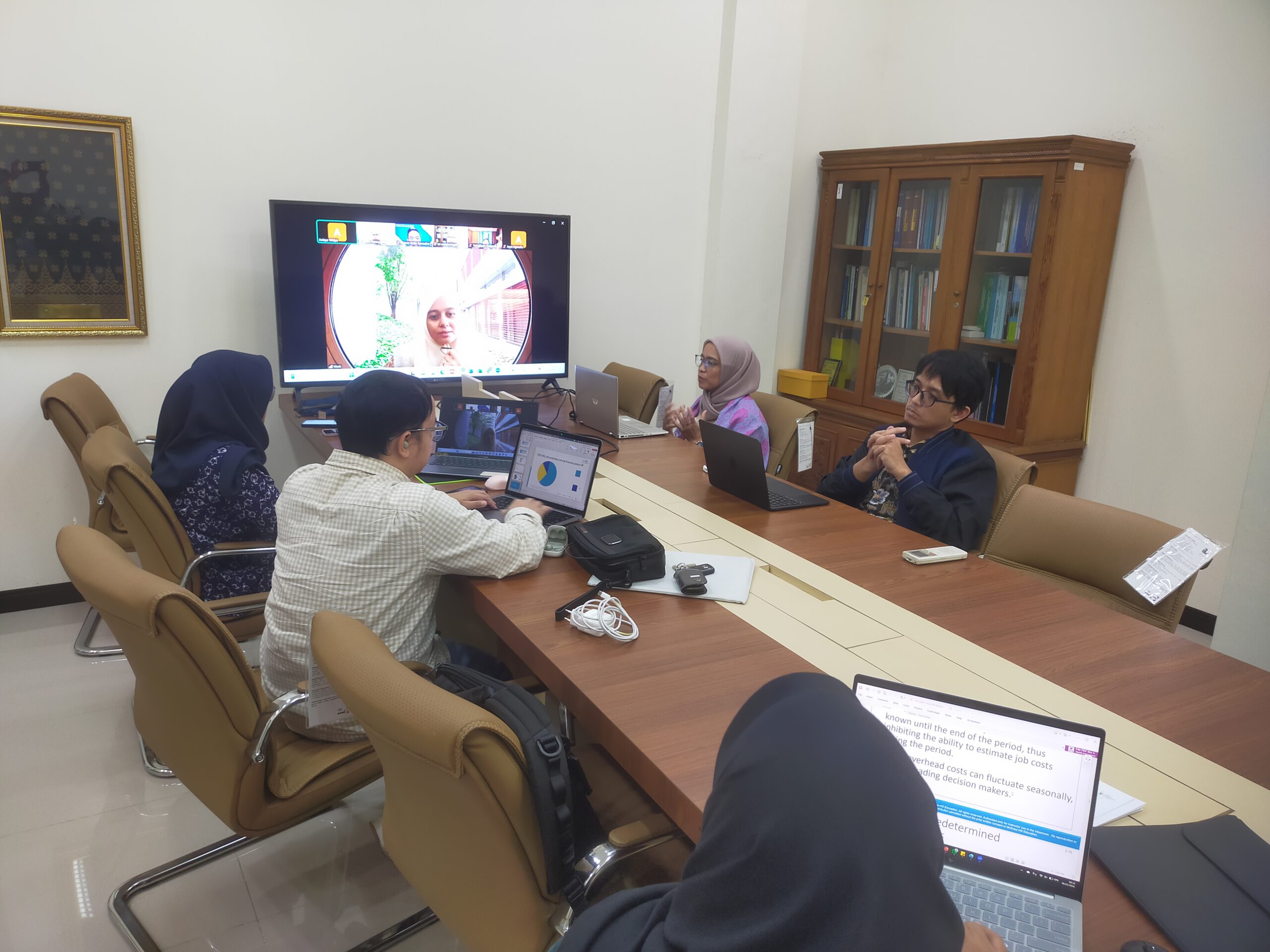
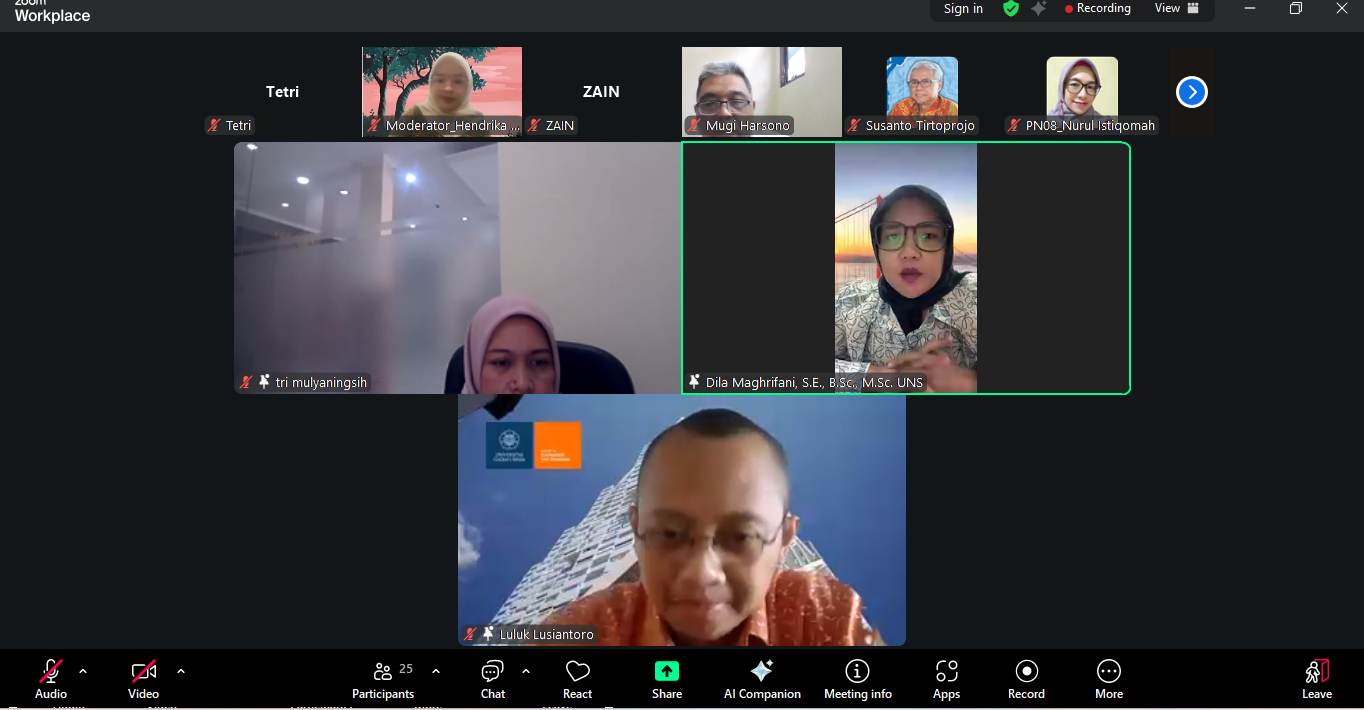
 In his remarks, the Dean of FEB UNS, Prof. Bhimo Rizky Samudro, S.E., M.Si., Ph.D., conveyed that FEB UNS is currently preparing its eligibility application, which is planned for submission in April. External input was therefore considered essential to strengthen the documents prepared by the accreditation team. “We need feedback before proceeding with the submission in April, specifically, which areas require further strengthening. Although our team has prepared the materials, we still need to learn how to present and communicate them more effectively,” said Prof. Bhimo.

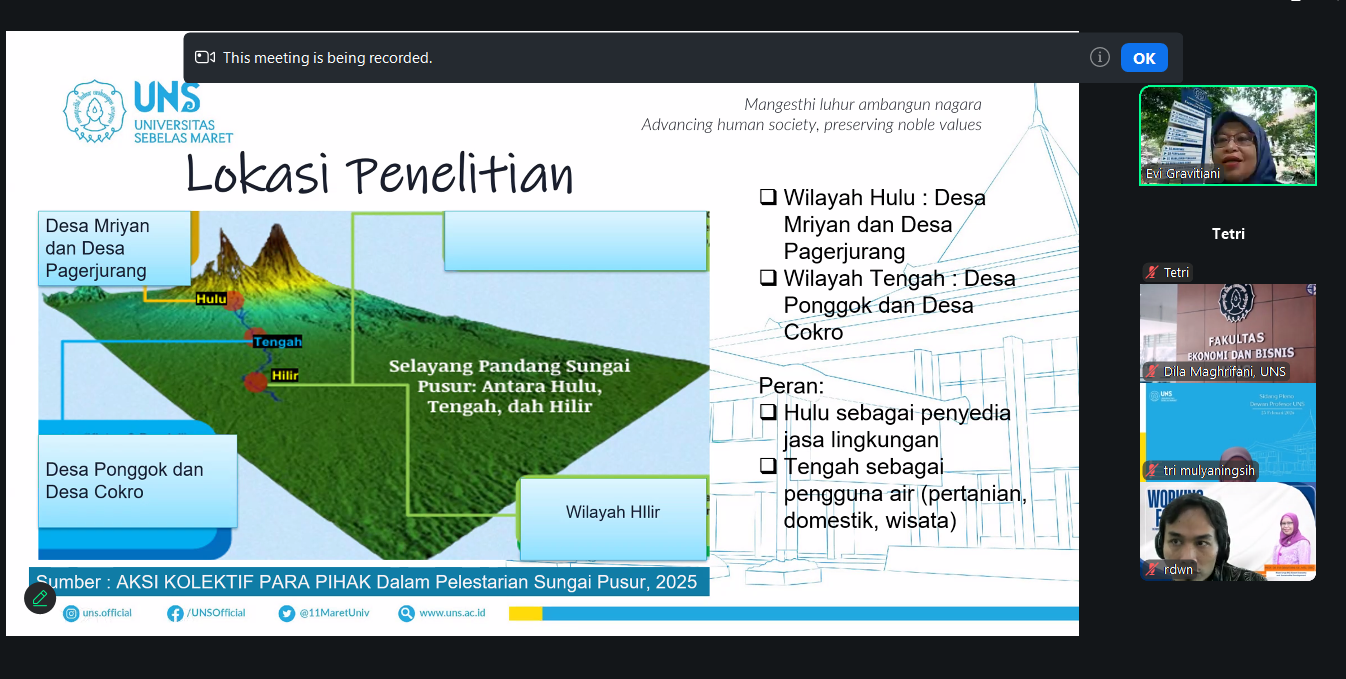
 The study, conducted in the Pusur Sub-Watershed in Klaten Regency, involved community surveys to assess residents’ willingness to support environmental conservation efforts through a Payment for Environmental Services (PES) scheme. The research team measured two primary approaches: Willingness to Pay (WTP), referring to the readiness of water users to contribute financially to conservation efforts, and Willingness to Accept (WTA), referring to the readiness of upstream communities to receive compensation in exchange for maintaining environmental sustainability. The research sites encompassed upstream villages of Mriyan and Pagerjurang, as well as the mid-watershed villages of Ponggok and Cokro in Klaten Regency. All villages are selected for their direct involvement in the utilization and management of water resources within the Pusur Sub-Watershed. Employing a field survey methodology through the Contingent Valuation Method (CVM), the study engaged hundreds of respondents to identify community perceptions of the PES scheme.
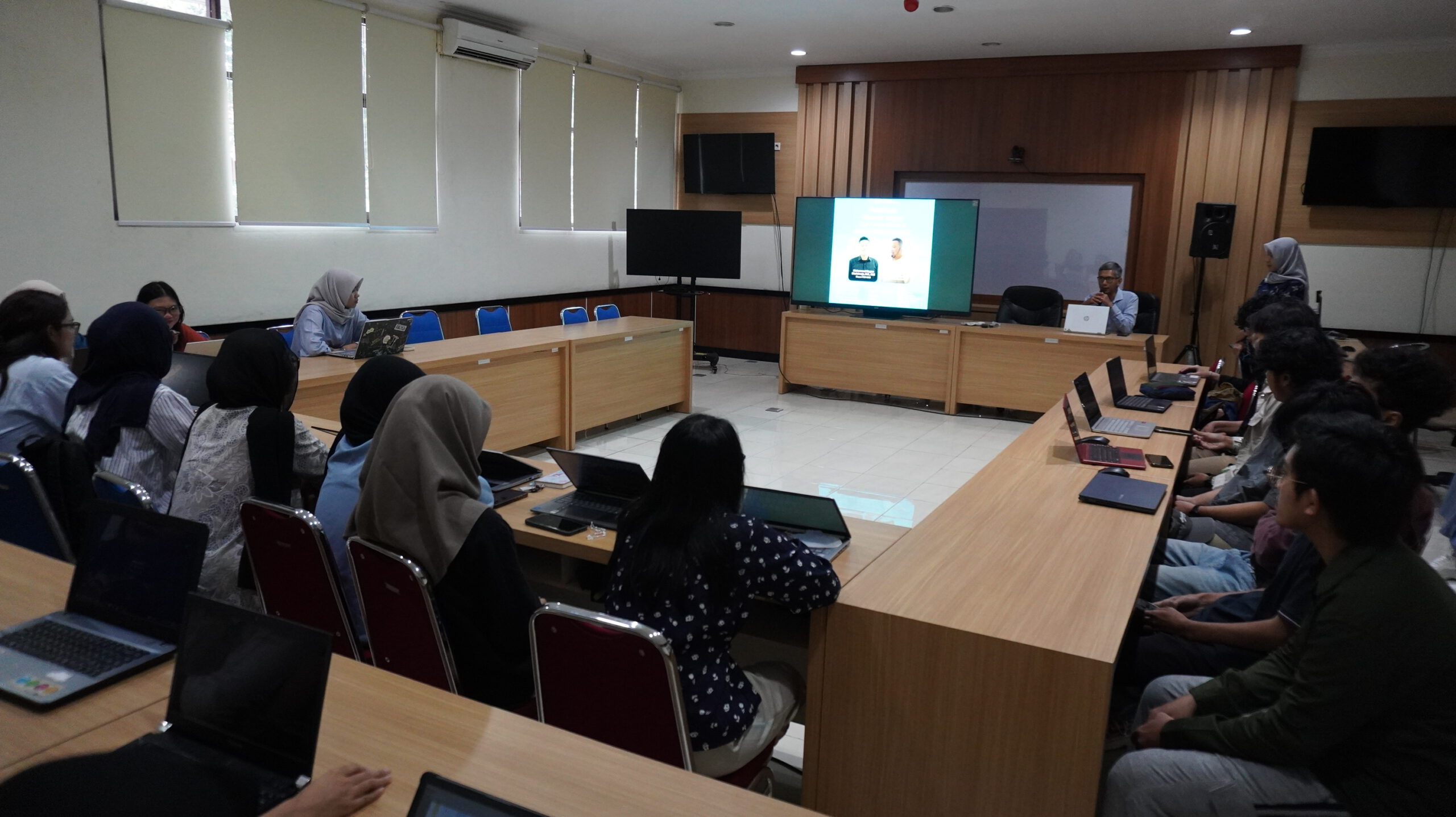
 In his opening remarks, the Head of the Export-Import Laboratory FEB UNS, Arif Rahman Hakim, S.E., M.Ec.Dev., Ph.D., MCE., conveyed that the activity forms part of the faculty’s student competency development program in the field of international trade. He explained that in 2026, the Export-Import Laboratory of FEB UNS plans to organize six rounds of export-import training, with the current session constituting the first batch in the series.
 Arif further noted that the first through fifth batches will be conducted internally, featuring speakers from among FEB lecturers and export practitioners based in Surakarta, while the certification-based training will be held in partnership with the Ministry of Trade. Through this program, participants will not only receive a faculty-issued training certificate, but will also be encouraged to proceed to professional certification at the university level through the UNS Professional Certification Body (LSP).
 He further affirmed that the objective of the training extends beyond fulfilling administrative student requirements, and is aimed at strengthening practical skills and soft skills relevant to the world of work. “We wish students to not only have a strong GPA, but also to possess expertise that will serve them well when entering the workforce. One of the essential skills is understanding export-import process,” he added.
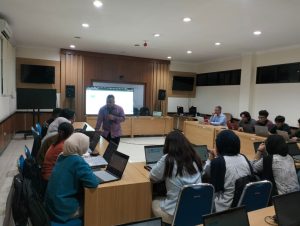 “We will try to identify commodities that have export market potential, such as coffee and spices like chili and ginger, and examine which countries offer the greatest market opportunities,” he explained.
 Through this activity, students are expected to gain practical insights into international trade while strengthening their readiness to navigate the dynamics of the global business environment. The training also reflects FEB UNS’s ongoing efforts to develop well-rounded graduates who excel not only academically, but also possess practical skills aligned with industry needs. Furthermore, the training is consistent with the commitment of the Faculty of Economics and Business, UNS, to advancing the Sustainable Development Goals (SDGs), particularly SDG 4 (Quality Education) through the strengthening of student competencies in international trade, and SDG 8 (Decent Work and Economic Growth) by equipping students with practical skills relevant to the industrial world and global business opportunities.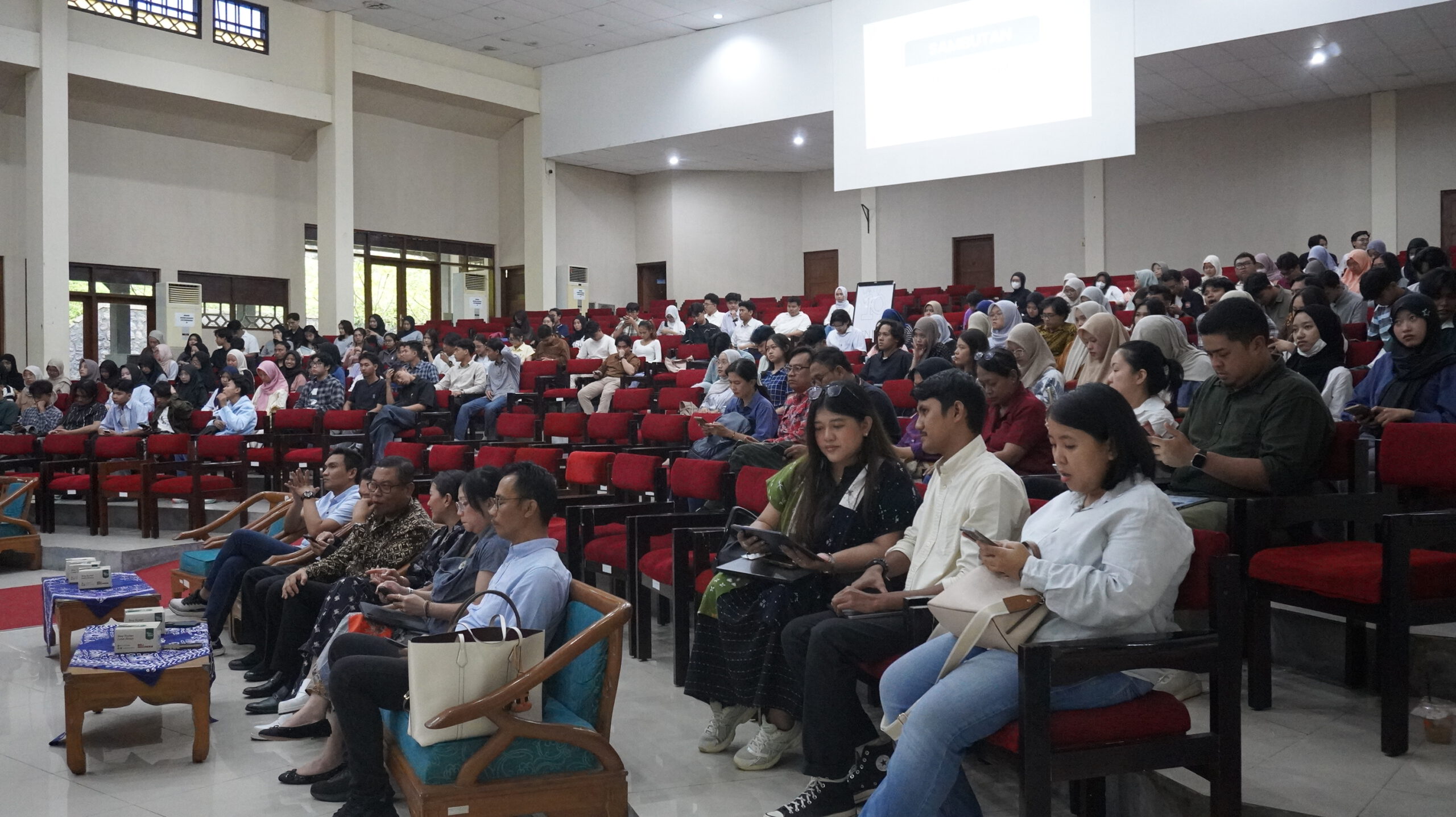

 He further noted that UNS is currently placing emphasis on integrating academic activities with the Sustainable Development Goals (SDGs) agenda, particularly
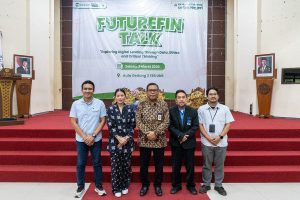
 Through the FutureFin event, students are expected to acquire not only theoretical understanding but also a meaningful discussion experience that offers a tangible perspective on industry practice.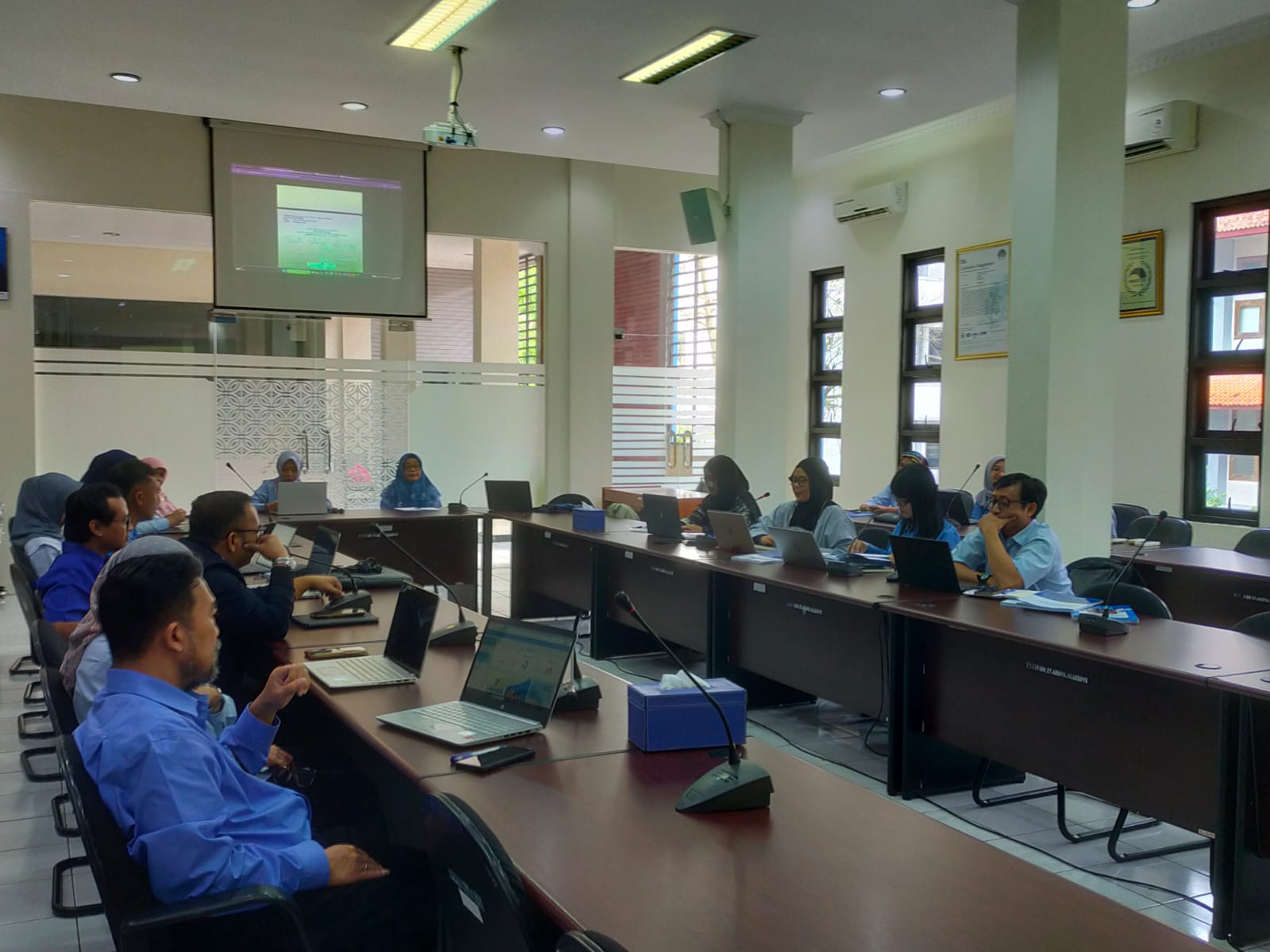
 The visit aims to verify and strengthen the implementation of inclusivity, equality, and accessibility within the campus. The program also constitutes part of the application of the UNS Inclusion Metric, which refers to the implementation of reasonable accommodation policies for persons with disabilities within the educational system. Assessment in this inclusive competition encompasses three principal standards: psychological support, physical facilities, and learning standards. All of these aspects serve as key indicators in evaluating the extent to which a faculty is able to create an academic environment that is welcoming, equitable, and accessible to all members of the academic community, including persons with disabilities.
 In his remarks, the Dean of FEB UNS, Prof. Bhimo Rizky Samudro, S.E., M.Si., Ph.D., stated that the faculty has been continuously working to make improvements based on feedback provided by the university team in previous assessments, and affirmed that FEB remains open to suggestions and evaluations that can drive further enhancement of inclusivity within the faculty. “Several notes from the previous year have served as areas for us to continue improving. We hope that through this visitation, the assessor team can provide constructive feedback so that the implementation of the inclusion program at FEB can progress further,” he stated.
 Meanwhile, the UNS Inclusive Competition Team, led by Prof. Dr. Ir. Bambang Suhardi, S.T., M.T., ASEAN Eng., expressed appreciation for the warm reception and preparations made by FEB UNS. He explained that the assessment is not intended to identify shortcomings, but rather to serve as a space for dialogue in collectively strengthening an inclusive campus culture. “We are here to conduct verification while also engaging in discussion regarding the implementation of inclusivity, equality, and accessibility values within the faculty. It is our hope that this process will yield tangible benefits for the development of a more inclusive campus culture,” he explained.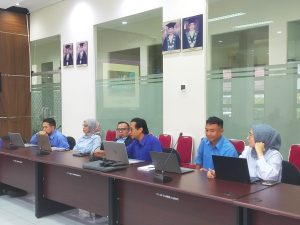

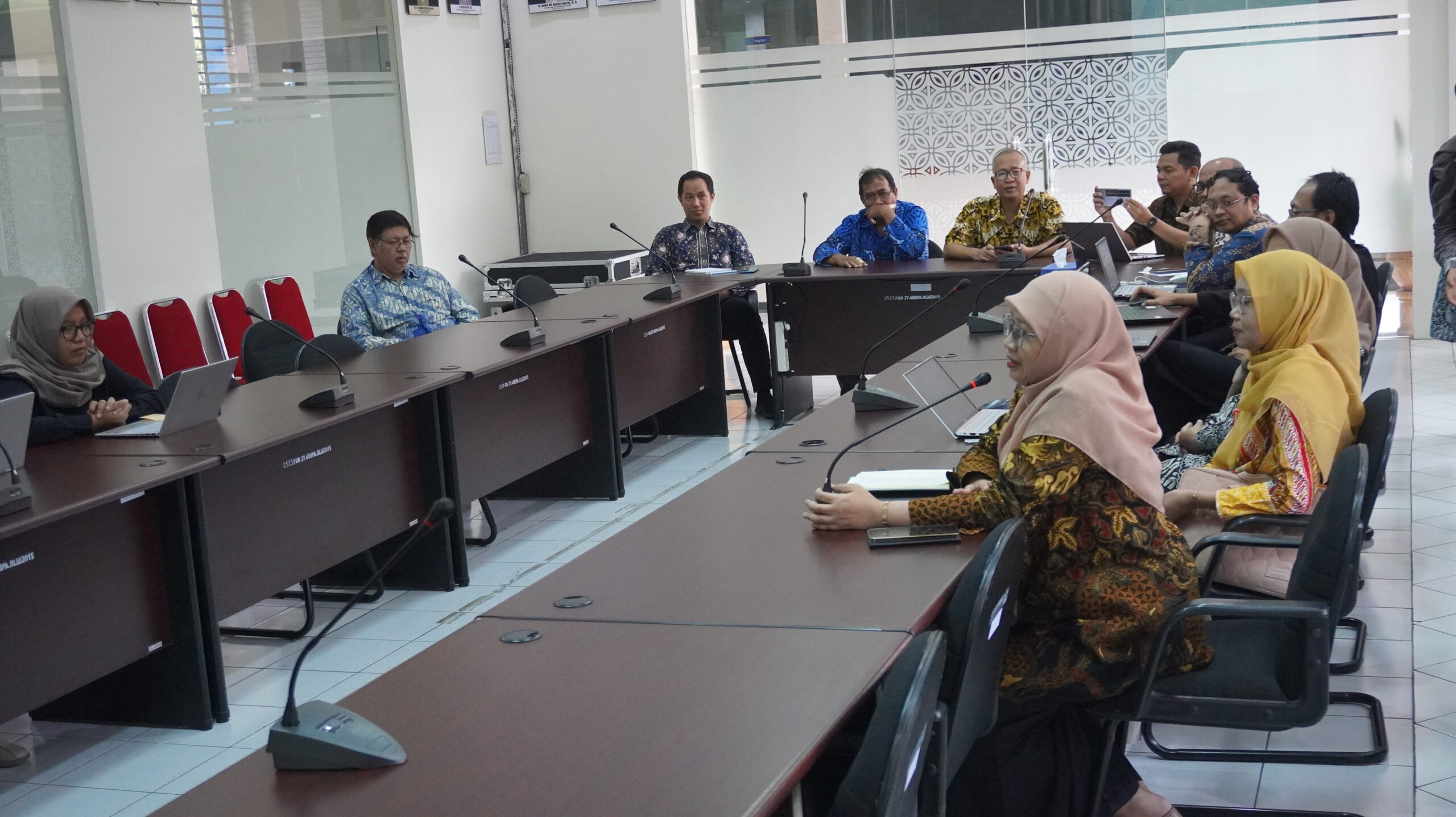

 The Dean of FMIPA UNS, Prof. Dr. Desi Suci Handayani, S.Si., M.Si., conveyed that FMIPA is preparing to open two international classes, for the Chemistry Study Program and Biology Study Program respectively. This visit conducted following a direct recommendation of the Vice Rector for Academic and Research Affairs, thus, FMIPA could learn from FEB’s experience.
 The Vice Dean for Academic and Research Affairs of FEB UNS, Prof. Tri Mulyaningsih, S.E., M.Si., Ph.D., then provided a detailed presentation on the regulatory framework governing the International Class program, ranging from Rector’s Regulation No. 21 of 2024 on the Implementation of Undergraduate Programs to the specific provisions of Rector’s Regulation No. 32 of 2025 on the Implementation of International Class Programs. The program is further strengthened by Rector’s Decrees issued in 2025 formally establishing the International Class and Double Degree programs for three study programs: Accounting (No. 1518/2025), Management (No. 1686/2025), and Development Economics (No. 1687/2025).