FEB

Blog

  • FEB UNS Terima Tim Visitasi Lomba Inklusif Antarfakultas

    FEB UNS Terima Tim Visitasi Lomba Inklusif Antarfakultas

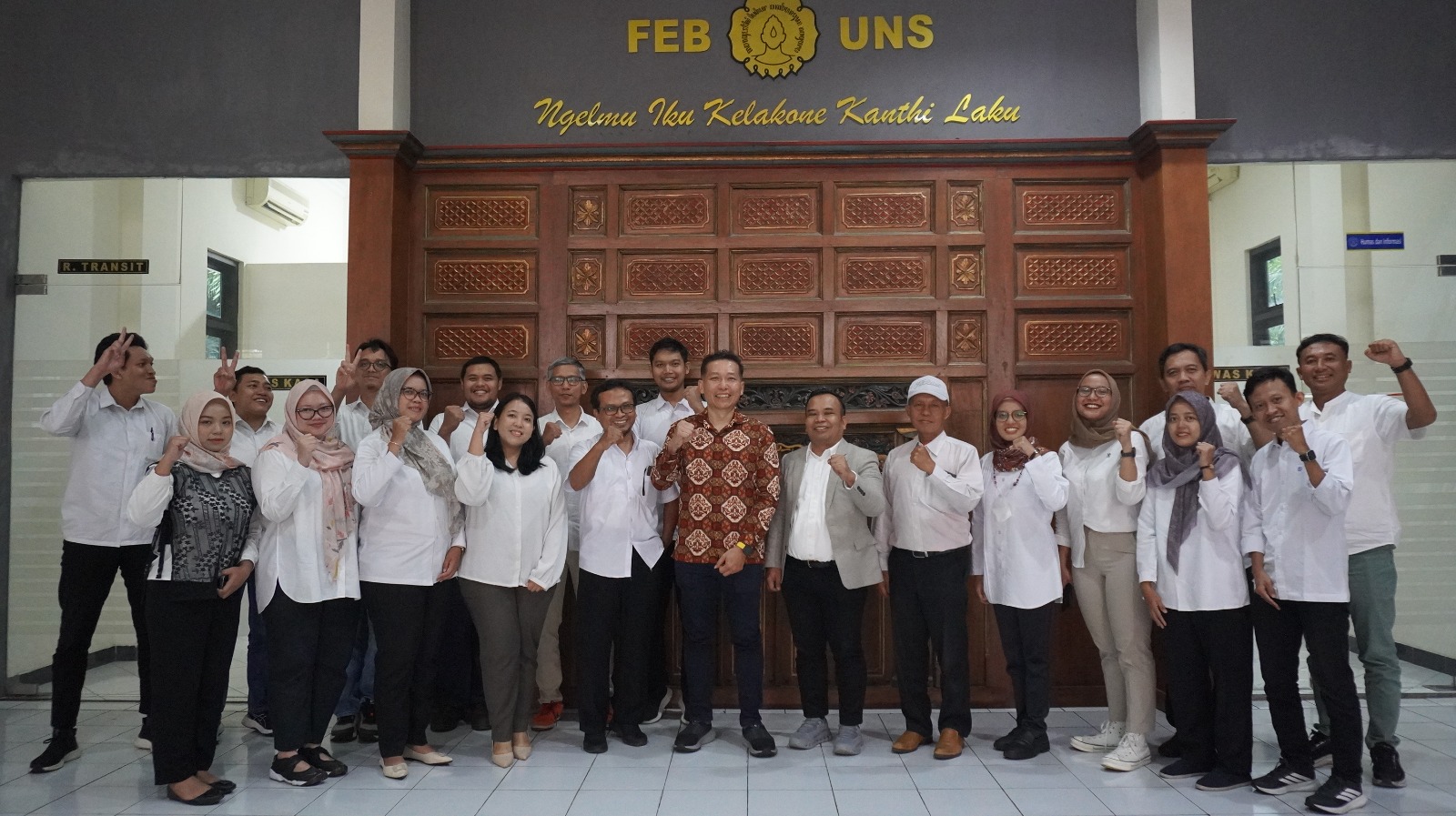
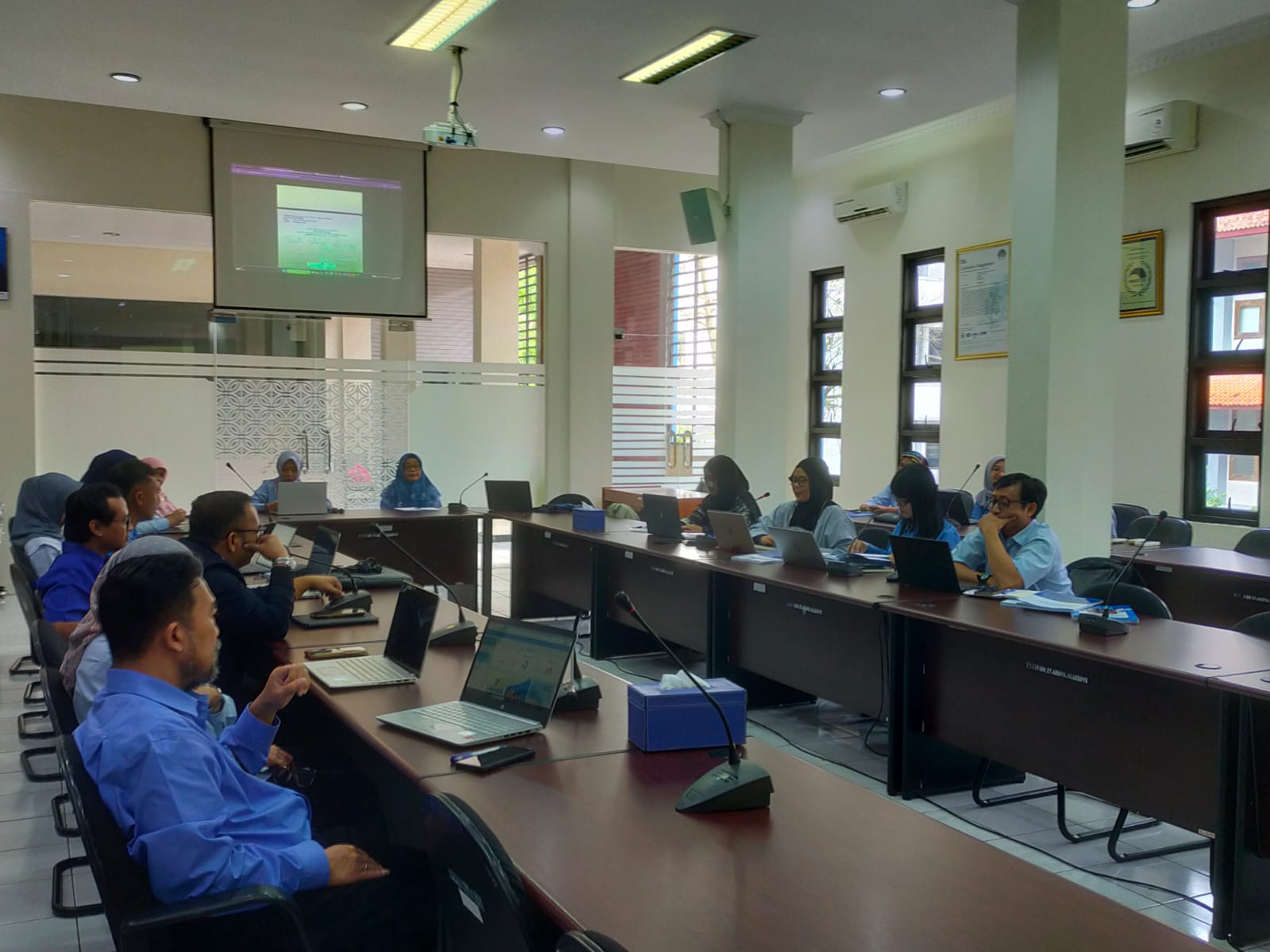
    Fakultas Ekonomi dan Bisnis (FEB) Universitas Sebelas Maret (UNS) menerima kunjungan Tim Visitasi dalam rangka Lomba Inklusif Antar Fakultas di lingkungan UNS Tahun 2026, Selasa (3/3/2026) di Ruang Sidang I Gedung Soeharno TS FEB UNS.

    Kegiatan ini merupakan bagian dari rangkaian peringatan Dies Natalis ke-50 UNS sekaligus upaya mendorong implementasi nilai inklusivitas di lingkungan perguruan tinggi.

    Visitasi  bertujuan untuk memverifikasi sekaligus memperkuat implementasi nilai inklusivitas, kesetaraan, dan aksesibilitas di lingkungan kampus. Program ini juga menjadi bagian dari penerapan UNS Inclusion Metric, yang mengacu pada implementasi kebijakan akomodasi yang layak bagi penyandang disabilitas dalam sistem pendidikan.

    Adapun penilaian dalam lomba inklusif ini mencakup tiga standar utama, yaitu standar dukungan psikologi, standar fasilitas fisik, dan standar pembelajaran. Ketiga standar tersebut menjadi indikator penting dalam menilai sejauh mana fakultas mampu menciptakan lingkungan akademik yang ramah, setara, dan aksesibel bagi seluruh sivitas akademika, termasuk bagi penyandang disabilitas.
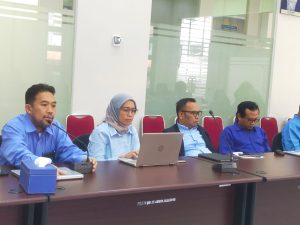
    Dekan FEB UNS, Prof. Bhimo Rizky Samudro, S.E., M.Si., Ph.D., dalam sambutannya menyampaikan bahwa fakultas terus berupaya melakukan perbaikan berdasarkan masukan yang diberikan oleh tim universitas pada pelaksanaan sebelumnya.

    Ia menegaskan bahwa FEB terbuka terhadap berbagai saran dan evaluasi yang dapat mendorong peningkatan kualitas implementasi nilai inklusivitas di lingkungan fakultas.
    “Beberapa catatan dari tahun sebelumnya menjadi pekerjaan rumah bagi kami untuk terus melakukan perbaikan. Kami berharap melalui kegiatan visitasi ini, tim asesor dapat memberikan masukan yang konstruktif agar implementasi program inklusi di FEB dapat semakin baik ke depannya,” ujarnya.
    Sementara itu, Tim Lomba Inklusi UNS yang dipimpin oleh Prof. Dr. Ir. Bambang Suhardi, S.T., M.T., ASEAN Eng menyampaikan apresiasi atas sambutan dan persiapan yang telah dilakukan oleh FEB UNS.

    Ia menjelaskan bahwa kegiatan asesmen ini tidak dimaksudkan untuk mencari kekurangan, melainkan sebagai ruang dialog untuk bersama-sama memperkuat budaya inklusif di lingkungan kampus.

    “Kami hadir untuk melakukan verifikasi sekaligus berdiskusi mengenai implementasi nilai inklusivitas, kesetaraan, dan aksesibilitas di lingkungan fakultas. Harapannya, proses ini dapat memberikan manfaat nyata bagi perkembangan budaya kampus yang lebih inklusif,” jelasnya.

    Pada kesempatan tersebut, Ketua Tim Inklusi FEB UNS, Mulyadi, S.E., M.Ec.Dev., Ph.D., MCE, menyampaikan bahwa kegiatan visitasi diarahkan pada diskusi langsung bersama tim asesor terkait implementasi program inklusi yang telah dijalankan di FEB. Diskusi ini diharapkan dapat memberikan masukan konstruktif guna memperkuat langkah pengembangan inklusivitas di lingkungan fakultas.
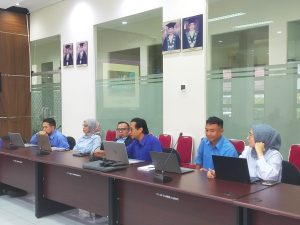
    Melalui kegiatan ini, FEB UNS menunjukkan komitmennya untuk terus mengembangkan lingkungan pendidikan yang inklusif dan ramah bagi seluruh sivitas akademika. Upaya tersebut sejalan dengan semangat Dies Natalis ke-50 UNS, yaitu “Lima Dasawarsa Berbakti kepada Negeri: Fondasi untuk Akselerasi Prestasi yang Berdampak dan Berkelanjutan.”

    Komitmen terhadap penguatan budaya inklusif di perguruan tinggi juga selaras dengan Tujuan Pembangunan Berkelanjutan (Sustainable Development Goals/SDGs), khususnya SDG 4 tentang Pendidikan Berkualitas dan SDG 10 tentang Berkurangnya Kesenjangan, yang menekankan pentingnya akses pendidikan yang setara dan inklusif bagi semua.
  • Prof. Dr. Evi Gravitiani Inaugurated as Professor at FEB UNS, Affirms the Strategic Role of Natural Resource Economics in Sustainable Development

    Prof. Dr. Evi Gravitiani Inaugurated as Professor at FEB UNS, Affirms the Strategic Role of Natural Resource Economics in Sustainable Development

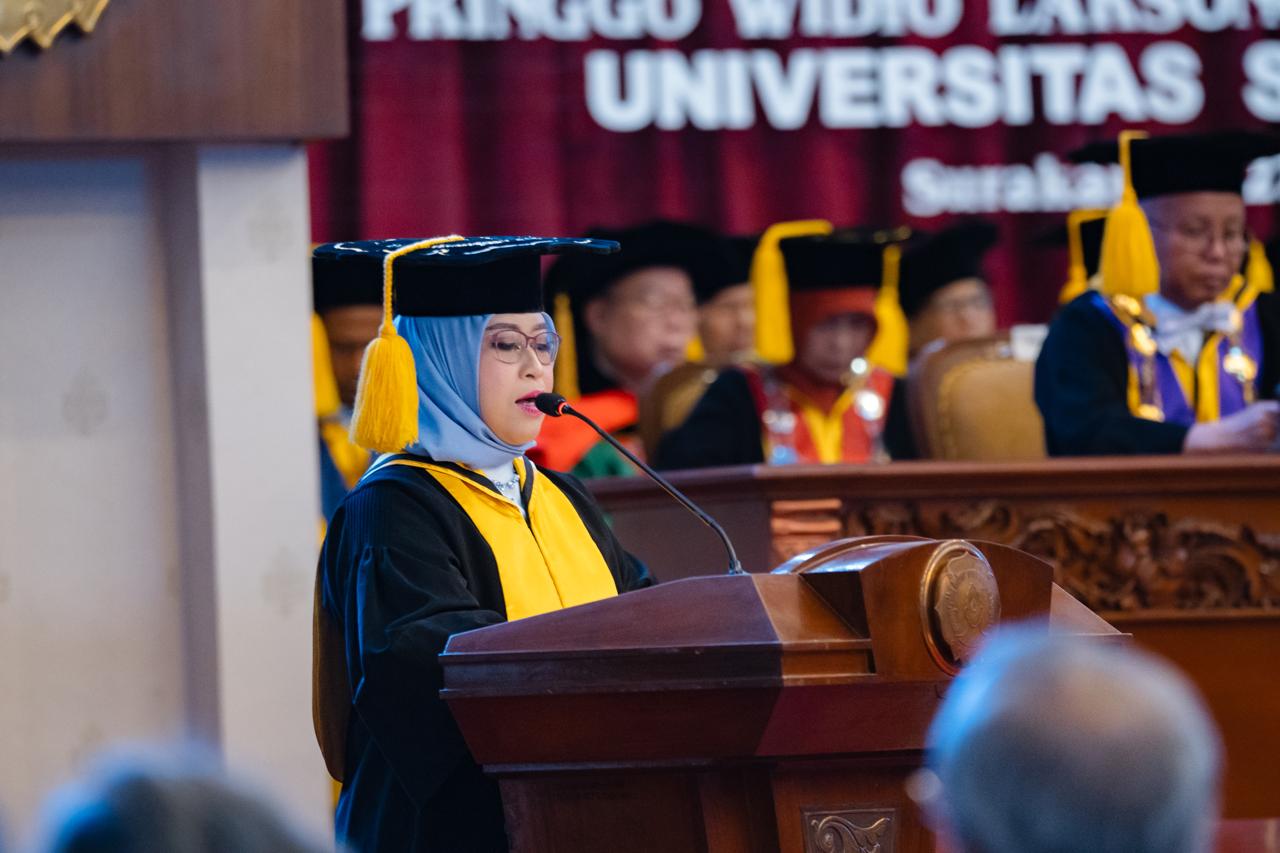
    Faculty of Economics and Business (FEB), Universitas Sebelas Maret (UNS), records another distinguished academic milestone. Prof. Dr. Evi Gravitiani, S.E., M.Si., CBEc., is officially inaugurated as Professor of Natural Resource Economics during the UNS Professorial Inauguration Ceremony held at the Auditorium G.P.H. Haryo Mataram UNS on Tuesday (27/1/2026).

    This inauguration marks a significant step for FEB UNS in strengthening the advancement of economic scholarship, particularly in the domain of natural resource management and sustainable economic development. Prof. Evi is the only professor from FEB UNS inaugurated at the beginning of 2026, alongside eight other professors from various faculties within UNS.

    In her inaugural address titled “Natural Resource Economics and the Transformation of Sustainable Economic Development as a Scientific Foundation for the Circular Tourism Model,” Prof. Evi emphasizes the urgency of adopting a natural resource economics approach that is adaptive to global challenges, environmental crises, and the increasing demand for sustainable and inclusive development.

    According to her, natural resource management can no longer be understood solely through the lens of economic exploitation. Instead, it must be situated within a long-term sustainability framework that integrates environmental integrity, social equity, and community welfare. The circular tourism model emerges as a relevant conceptual framework to address these challenges.

    “The transformation of economic development must be grounded in a sustainability paradigm, where the utilization of natural resources generates added value without compromising future generations,” she asserts in her address.

    For FEB UNS, Prof. Dr. Evi Gravitiani’s inauguration not only represents institutional pride but also reinforces the faculty’s role in advancing economic scholarship that responds to sustainability, environmental concerns, and development rooted in local potential. Moving forward, the knowledge developed in this field is expected to contribute meaningfully to policymaking processes and sustainable economic development at both national and global levels.

    Her appointment as Professor of Natural Resource Economics also aligns with the achievement of the Sustainable Development Goals (SDGs). The academic framework she advances contributes directly to SDG 8 (Decent Work and Economic Growth), SDG 12 (Responsible Consumption and Production), SDG 13 (Climate Action), and SDG 15 (Life on Land) through the strengthening of sustainable economic development paradigms and environmentally responsible natural resource management.

  • UNS Inaugurates New Professor: Prof. Dwi Prasetyani Highlights the Strategic Role of Women Entrepreneurs in Sustainable Development

    UNS Inaugurates New Professor: Prof. Dwi Prasetyani Highlights the Strategic Role of Women Entrepreneurs in Sustainable Development

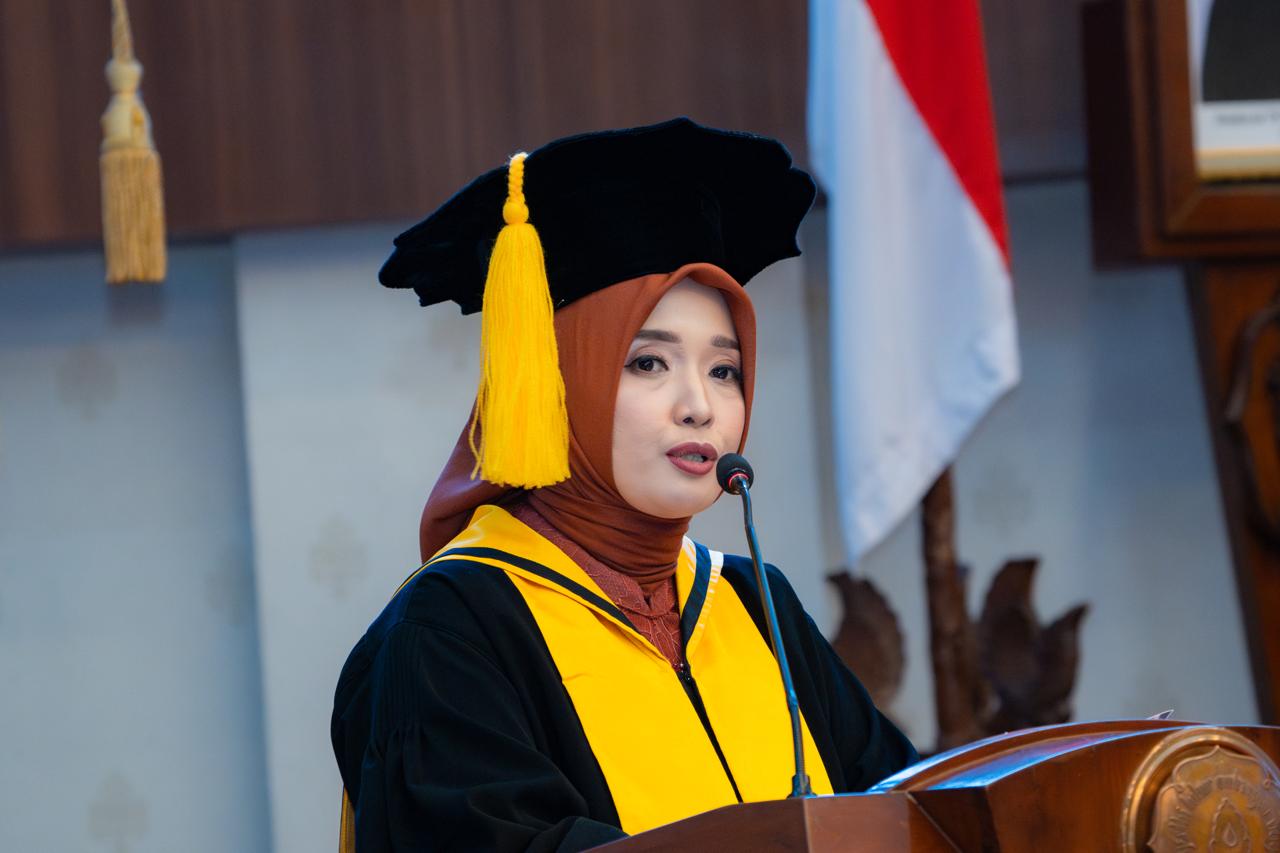
    Universitas Sebelas Maret (UNS) once again inaugurated a new full professor in an official ceremony held at the Auditorium G.P.H. Haryo Mataram UNS on Tuesday (10/2/2026). Prof. Dr. Dwi Prasetyani, S.E., M.Si., CIPE., CPRM., was officially conferred the title of Professor in Entrepreneurship and Women’s Empowerment by the Rector of UNS, Prof. Dr. Hartono, dr., M.Si., alongside five other newly appointed professors within the university.

    In her inaugural scientific oration titled “The Role of Women Entrepreneurs in a Holistic Perspective: Between Business, Family, Religion, Society, and Sustainable Development,” Prof. Dwi emphasized the strategic position of women entrepreneurs as both economic drivers and guardians of societal values.

    At the outset of her address, she presented empirical data indicating progress in gender development in Indonesia, including improvements in the Gender Development Index (GDI), Gender Empowerment Index (GEI), and women’s participation in higher education. Nevertheless, she underscored that substantial gaps persist, as reflected in disparities in labor force participation rates, wage inequality, and women’s political representation that has yet to reach affirmative quotas.

    “Progress has been achieved, but substantive equality still requires collective effort,” she asserted.

    Prof. Dwi explained that married women often experience dual roles as mothers and professionals, frequently leading to tension between domestic and occupational responsibilities. In this context, entrepreneurship offers an empowering alternative, providing flexibility and autonomy.

    Entrepreneurship, she argued, creates space for women to integrate business and family roles. Women’s entrepreneurial motivations often center on autonomy and flexibility, alongside economic necessity and self-actualization.

    However, women entrepreneurs continue to face significant structural challenges, including gender bias, limited access to capital, domestic workload burdens, technological gaps, and restricted professional networks. Therefore, women’s empowerment strategies must be contextual, gender-sensitive, value-based, and culturally grounded rather than partial or fragmented.

    A central theme of her oration was the integration of Islamic values into women’s entrepreneurial practices. Drawing from her research on Muslim women entrepreneurs in Surakarta, Prof. Dwi identified three principal domains of value implementation: business management, employee management, and financial management.

    In business management, orientation extends beyond profit to encompass barakah (blessing) and the pursuit of divine approval. In employee management, principles of justice, timely fulfillment of rights, and spiritual development shape organizational culture. In financial management, prudence regarding riba (usury) and adherence to Islamic commercial principles (muamalah) serve as guiding frameworks.

    “Business success is no longer measured solely by asset growth or revenue, but also by inner peace, role balance, and blessing,” she stated.

    She described this shift as a behavioral transformation—from material orientation toward falah (holistic success in this world and the hereafter)—integrating business, family, and spirituality into a unified framework.

    From a sustainable development perspective, Prof. Dwi affirmed that women entrepreneurs contribute meaningfully to the achievement of the Sustainable Development Goals (SDGs). Their contributions include poverty alleviation through job creation and local economic strengthening, promotion of gender equality, innovation in environmentally sustainable business practices, and community education and training initiatives.

    According to her, women entrepreneurs are not merely economic actors but social change agents who generate systemic impacts on societal welfare.

    Concluding her oration, Prof. Dwi emphasized the necessity of a holistic approach to women’s entrepreneurship development. She proposed five key dimensions: value-based entrepreneurship education; alignment with sustainable development principles; inclusive access to financing (including sharia-compliant schemes); support for local cultural and religious contexts; and reinforcement of religious values.

    “Business can run in harmony with worship, economic achievement can coexist with family happiness, and sustainable development can be rooted in noble values,” she concluded.

    Her oration ultimately reflects that women entrepreneurs are pillars of national development—not only as business actors, but as custodians of family harmony, preservers of culture, and practitioners of spiritual values within modern economic practice.

  • Inauguration of the Islamic Economics and Business Center Marks UNS’s Strategic Step in Building a Sharia Ecosystem

    Inauguration of the Islamic Economics and Business Center Marks UNS’s Strategic Step in Building a Sharia Ecosystem

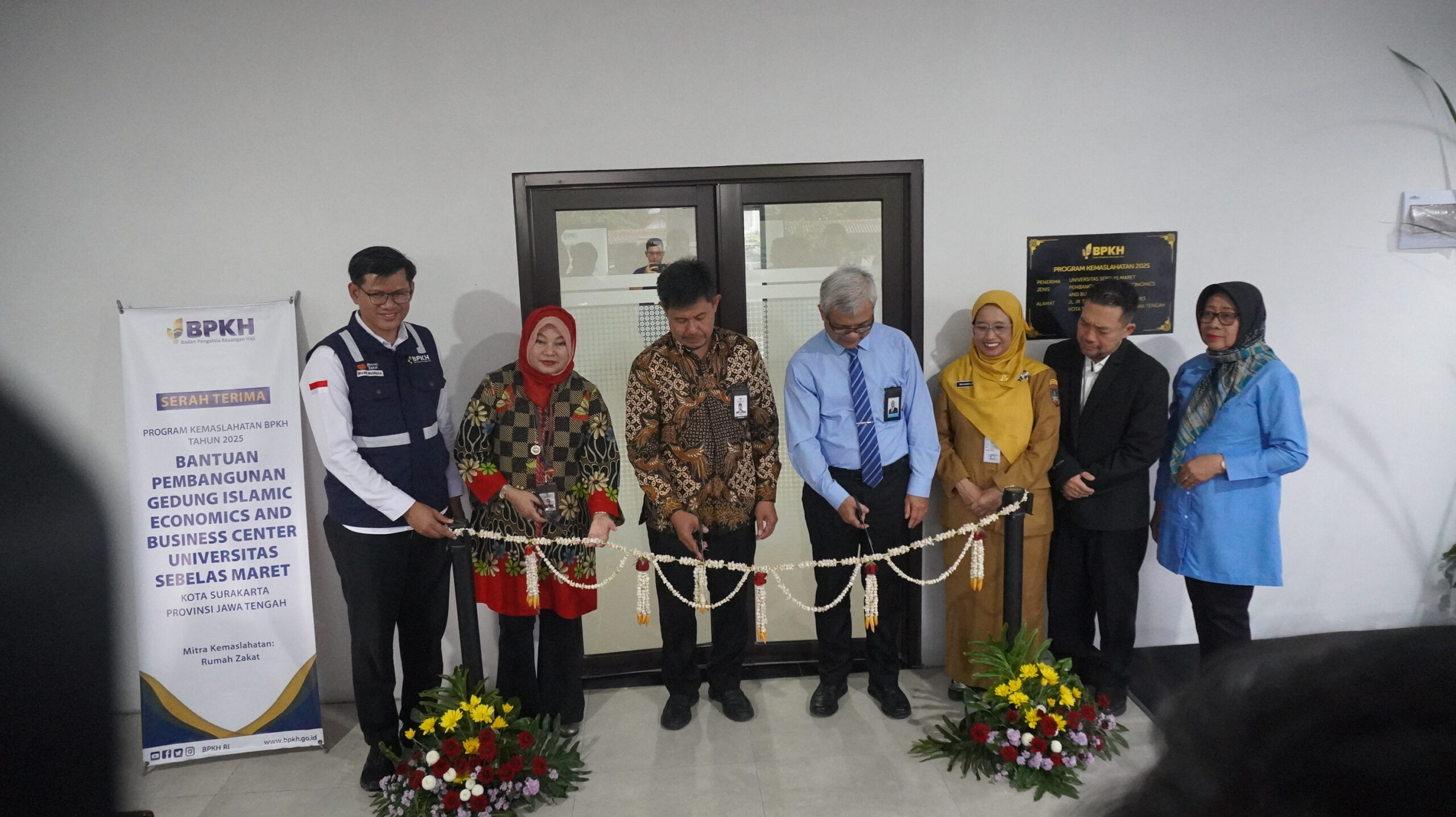
    Universitas Sebelas Maret (UNS) Surakarta officially inaugurated the Islamic Economics and Business Center building within the Faculty of Economics and Business (FEB) on Tuesday (10/2/2026). The inauguration forms part of the 2025 Maslahah Program of Badan Pengelola Keuangan Haji (BPKH) and represents UNS’s commitment to strengthening Indonesia’s national sharia economic ecosystem.

    The Rector of UNS, Prof. Dr. Hartono, dr., M.Si., expressed appreciation and gratitude to BPKH for its support through the Maslahah Program, which enabled the construction of the building. He explained that development began in July 2025 and the facility is now ready to support academic activities and scholarly advancement.

    According to Prof. Hartono, the establishment of the Islamic Economics and Business Center reflects a shared vision and collaborative spirit in shaping an inclusive, just, and sustainable sharia economic future. He emphasized that Indonesia, as the country with the world’s largest Muslim population, holds significant potential in advancing Islamic finance and the halal industry. However, this potential must be reinforced through the development of human capital, research capacity, and a sustainable ecosystem.

    He further noted that the Center aligns with UNS’s DREAMTEAM strategy, particularly the “Active” value, which underscores the importance of strategic collaboration with stakeholders—including government institutions, industry, philanthropic organizations, and civil society.

    He further highlighted that Universities as higher education institutions not only serves as centers of knowledge development but also as solution-driven institutions that generate tangible societal impact. The new building is therefore envisioned as a center of excellence for implementing the Tridharma of Higher Education—education, research, and community service—with a focus on sharia-based economics and business that promotes public benefit (kemaslahatan umat).

    The Islamic Economics and Business Center is projected to become a hub for innovative ideas, applied research, and cross-sector synergy in advancing Islamic economics at local, national, and global levels. UNS aspires for the Center to produce graduates who are not only academically accomplished but also uphold integrity, ethical values, and social responsibility.

    On this particular occasion, Prof. Hartono extended his appreciation to FEB UNS and all parties involved in preparing sustainable management of the facility. UNS also signaled its openness to collaboration with regional governments, Islamic financial institutions, zakat and waqf organizations, industry actors, and international partners.

    Meanwhile, Dr. Mulyadi, S.E., M.M., M.Si., Member of the Supervisory Board of BPKH, explained that the Dana Abadi Umat (Endowment Fund for the Muslim Community) managed by BPKH carries a maslahah function, including support for the education sector. This principle underpins BPKH’s involvement in funding the Islamic Economics and Business Center at UNS.

    He welcomed UNS’s initiative not only to utilize the new facility but also to plan the opening of new academic programs in Islamic economics and finance. According to him, this step aligns with BPKH’s mandate to manage Hajj funds in a transparent, accountable, and sharia-compliant manner.

    Through this collaboration, BPKH expects a continuous partnership development with UNS, particularly in education and strengthening literacy in Islamic economics and finance. The establishment of new academic programs also opens opportunities for further initiatives such as Hajj financial literacy outreach, seminars, and broader public engagement.

    In implementing its Maslahah Program, BPKH collaborates with partner organizations, including Rumah Zakat. BPKH has supported the development of educational facilities across Indonesia—from Sabang to Merauke—including Islamic boarding schools and other educational institutions. The appointment of UNS as a strategic partner reflects its growing institutional capacity, demonstrated societal contributions, and strong potential to become a national center for Islamic economics and finance education.

  • FEB UNS Welcomes Three New Professors, Strengthening the Faculty Academic Senate

    FEB UNS Welcomes Three New Professors, Strengthening the Faculty Academic Senate

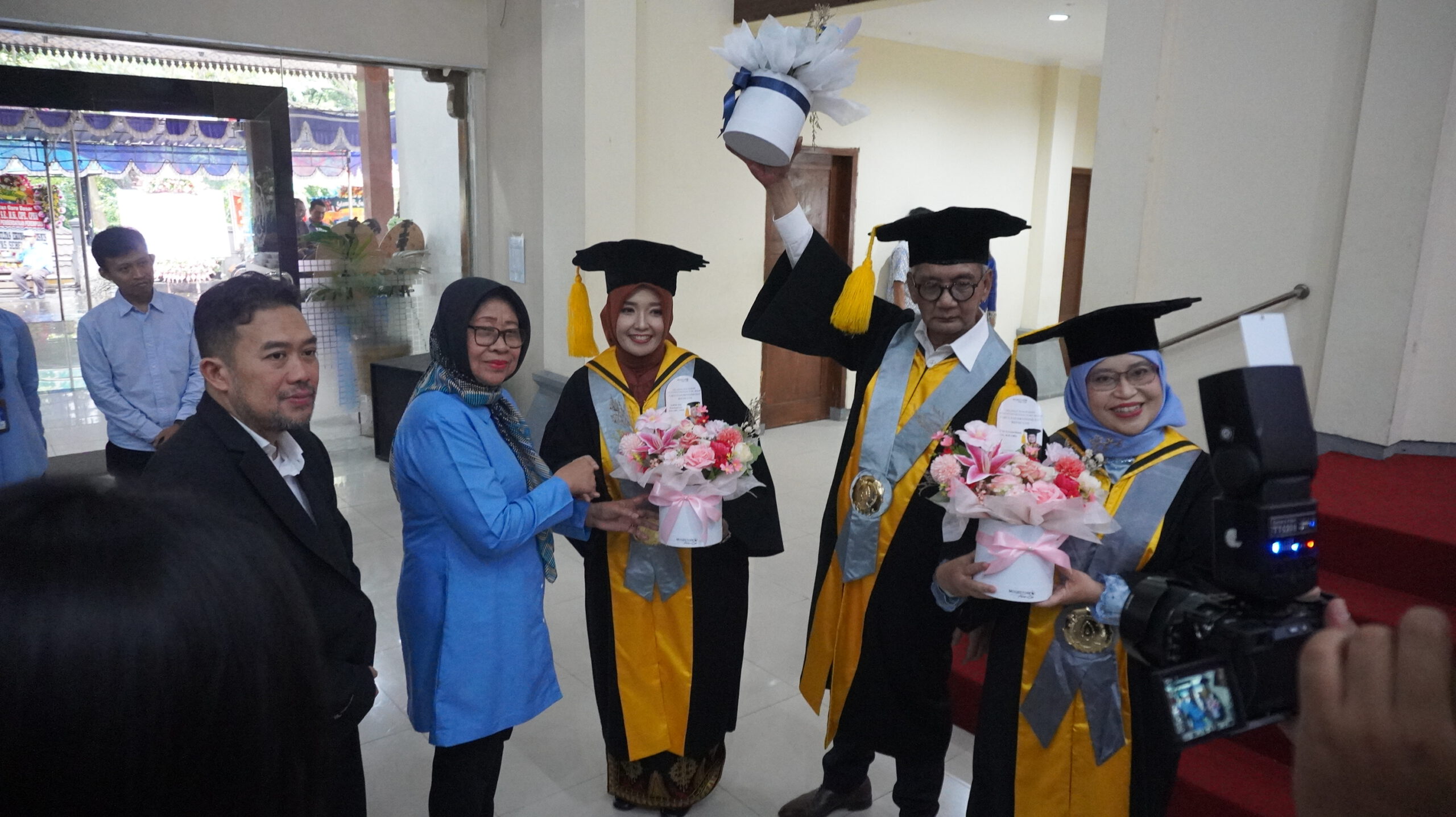
    Faculty of Economics and Business (FEB), Universitas Sebelas Maret (UNS) is celebrating the inauguration of three new full professors: Prof. Dr. Evi Gravitiani, Prof. Dr. Dwi Prasetyaningsih, and Prof. Dr. Muhammad Agung Prabowo. Their appointments were warmly received by the faculty leadership, the Faculty Academic Senate (SAF), and the broader FEB UNS academic community during an official welcoming ceremony.

    The Chair of the Faculty Academic Senate, Prof. Hunik Sri Runing Sawitri, stated that the addition of these three professors brings renewed optimism for strengthening the internal structure and institutional capacity of the Senate. By virtue of their professorship, all three automatically become members of the Faculty Academic Senate.

    “They are expected to contribute significant energy, reinforcing the SAF team through their insights, recommendations, and considered judgments,” she remarked.

    She further explained that such contributions are crucial in supporting the achievement of academic performance targets formalized in the performance agreement between the Dean of FEB and the Rector of UNS, enabling these targets to be achieved more effectively.

    The Dean of FEB expressed deep appreciation for the long and rigorous journey undertaken by the three newly appointed professors. He described the dynamic process of attaining the highest academic rank as an art in itself.

    “We fully understand the dynamics of submission, rejection, and revision—this is part of the art of being a professor,” the Dean noted in his address.

    According to Prof. Hunik, the process requires persistence and exceptional patience, particularly in light of the revised special requirements for professorship introduced this year, which have become more demanding. These include the mandatory publication of two articles in reputable international journals (Q1, Q2, or Q3).

    Although the professorial title opens broader opportunities for engagement beyond the university, both Prof. Hunik and the Dean conveyed a clear message that the newly appointed professors should continue to prioritize the interests of FEB UNS. “Prioritize the interests of FEB UNS. We, as professors, originate from FEB and carry its banner,” Prof. Hunik affirmed.

    The Dean further added that the new professors are expected to serve as “locomotives” for younger faculty members, inspiring them to pursue similar academic advancement while elevating the quality and international standing of research at FEB UNS in alignment with the Faculty’s Key Performance Indicators (IKU).

    Each of the three professors was also given the opportunity to deliver remarks, sharing reflections on their academic journey and the significance of attaining the highest academic distinction.

    FEB UNS’s efforts to cultivate more full professors represent not merely a ceremonial milestone but a tangible commitment to the Sustainable Development Goals (SDGs). First, this achievement advances SDG 4 (Quality Education), as the addition of top-level experts directly enhances teaching quality and curriculum development within the university.

    Second, through the expertise of the new professors in economics and related disciplines, FEB UNS strengthens its contribution to SDG 8 (Decent Work and Economic Growth) by producing applied research relevant to national policy. Finally, the enhanced international reputation brought by these three professors aligns with SDG 17 (Partnerships for the Goals), reinforcing UNS’s position in global academic collaboration.

  • Prof. Evan Lau Poh Hock Shares Strategies for PhD Success and Scientific Publication with FEB UNS Lecturers

    Prof. Evan Lau Poh Hock Shares Strategies for PhD Success and Scientific Publication with FEB UNS Lecturers

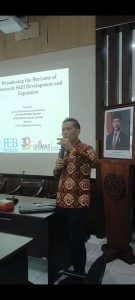
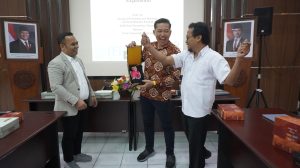
    Faculty of Economics and Business (FEB), Universitas Sebelas Maret (UNS) organized a workshop titled “Academic Growth Lab: PhD, Writing, and Research” on Monday, 9 February 2026, at Meeting Room 1, Soeharno TS Building, FEB UNS. The event featured Prof. Evan Lau Poh Hock from Universiti Malaysia Sarawak (UNIMAS) and was attended by FEB UNS lecturers.

    Prof. Evan began his presentation by emphasizing the importance of motivation in pursuing doctoral studies (PhD). According to him, motivation should stem from a clearly defined question or research problem.

    “Before you begin your PhD, start with a question. By doing so, when you complete your PhD, you will arrive at a conclusion,” Prof. Evan explained.

    He encouraged participants to cultivate the habit of asking questions—whether while reading scholarly articles or engaging in everyday activities. This critical inquiry mindset, he noted, is essential in doctoral research, as the primary objective of a PhD is to identify alternative approaches to addressing or resolving existing problems.

    In addition, he stressed the significance of research collaboration. Collaborative work, he explained, enables researchers to complement one another’s expertise and facilitates the discovery of innovative methods or alternative analytical perspectives.

    Throughout the doctoral journey, both students and lecturers may encounter moments of intellectual stagnation or the loss of promising research ideas. Therefore, maintaining motivation through continuous critical questioning becomes a key factor in sustaining research continuity and productivity.

    Prof. Evan further outlined several literature sources and academic journals that can serve as references and inspiration for conducting rigorous PhD research.

    He concluded his presentation by motivating participants not to fear rejection in the academic publication process. Rejection, he emphasized, is an inherent part of scholarly work and should be regarded as a constructive learning process that ultimately leads to stronger and more refined research outputs.

    This workshop reflects FEB UNS’s commitment to strengthening faculty capacity in advanced studies and scientific publication. The initiative aligns with the Sustainable Development Goals (SDGs), particularly SDG 4 (Quality Education) through the enhancement of higher education and research quality, as well as SDG 17 (Partnerships for the Goals) through international academic collaboration.

  • Preparing Future Accountants: Master of Accounting FEB UNS Holds New Student Orientation and Guest Lecture

    Preparing Future Accountants: Master of Accounting FEB UNS Holds New Student Orientation and Guest Lecture

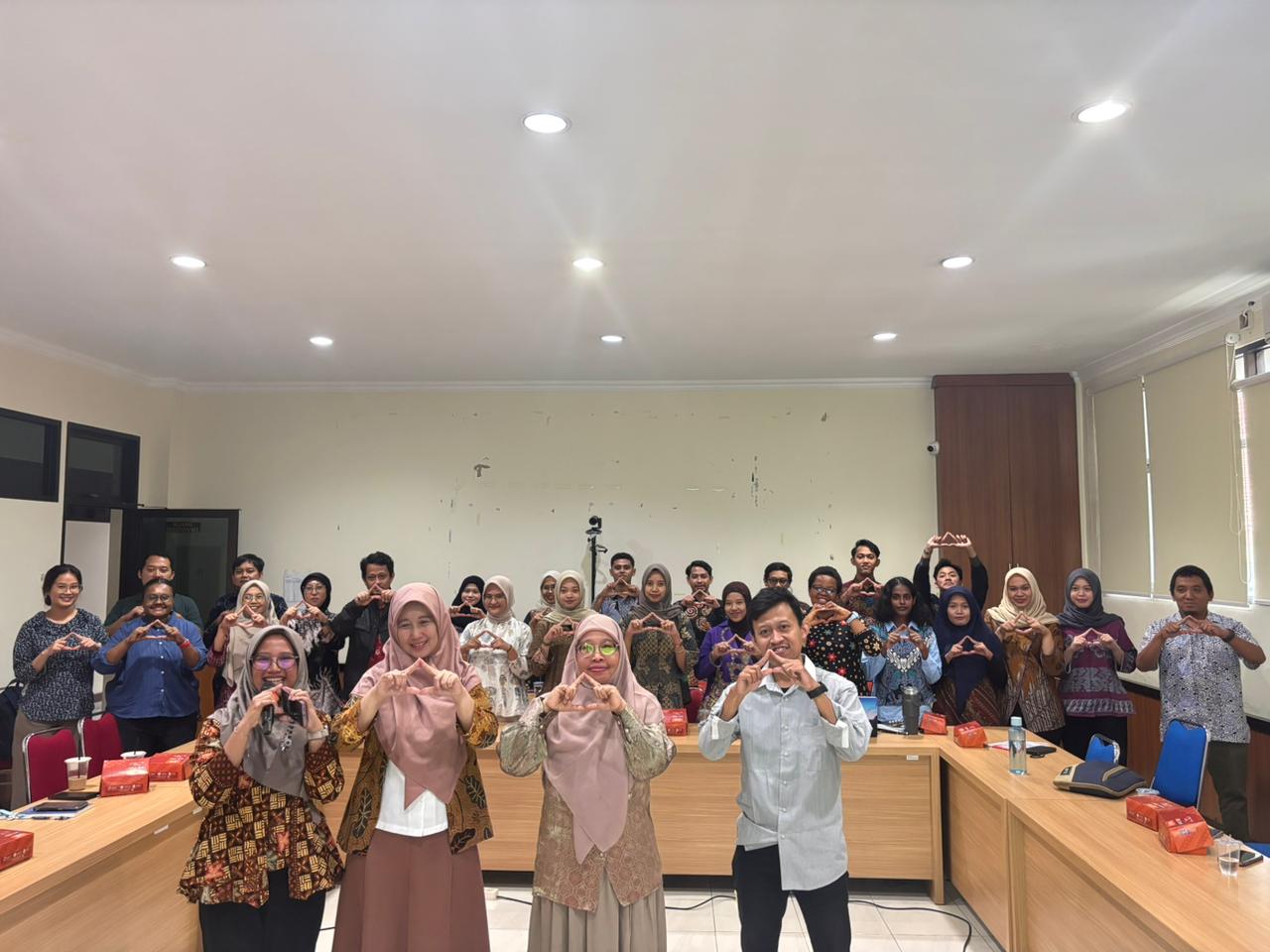
    Master of Accounting Study Program (MAKSI), Faculty of Economics and Business (FEB), Universitas Sebelas Maret (UNS) organized a New Student Orientation series combined with a Guest Lecture titled “Governance Professional” and an Alumni Sharing Session on Friday, 13 February 2026, at the Teleconference Room of FEB UNS. The event marked an important milestone for new students to understand the academic direction of the program while exploring strategic career opportunities at the international level.

    The program was officially opened by the Head of the Master of Accounting Study Program, Lulus Kurniasih, S.E., M.S.Ak., Ph.D. In her remarks, she expressed appreciation for the new students’ decision to join the program and emphasized that the Maksi UNS curriculum is designed to develop accountants who are adaptive to global transformation and professional demands.

    The main session featured an international expert, Dr. Nazratul Aina Mohamad Anwar from Universiti Sains Islam Malaysia (USIM). In her presentation, moderated by Muhammad Alif Nur Irvan, S.Ak., M.Acc., CPA. Dr. Nazratul elaborated on the evolution of the Corporate Secretary’s role into that of a Governance Professional. She explained that in the modern era, the responsibilities of accountants and governance professionals extend beyond legal compliance and have shifted toward becoming strategic partners to the board of directors in creating long-term organizational value.

    The alumni sharing session featured Antin Okfitasari, S.E., S.H., M.Si., Ak., CA., BKP., ASEAN CPA., as a practitioner who successfully manages a tax consulting and accounting services firm, Antin shared her multidisciplinary career journey, spanning accounting, law, and cross-sector professional engagement. “Love the accounting profession wholeheartedly. Deep understanding will cultivate strong competence and ethical professional practice,” Antin stated.

    She further emphasized the importance of reskilling and leveraging technological advancements, including cyber law, to address professional challenges in both rural and urban contexts.

    The panel discussion also highlighted the fact that the number of professional accountants in Indonesia remains significantly low relative to its total population. This condition presents a substantial opportunity for Master’s students in Accounting to fill the gap, particularly through professional certification and applied research aligned with industry needs.

    Concluding the event, the program management outlined the academic direction of the Master of Accounting program, which includes: curriculum structure focusing on strengthening data analytics and governance; thesis requirements providing guidance for applied and innovative research; and academic facilities, including library resources and laboratories, to support students’ academic progress.

    This initiative directly contributes to the achievement of the Sustainable Development Goals (SDGs), particularly SDG 4 (Quality Education) by ensuring higher accounting education aligned with global industry standards; SDG 8 (Decent Work and Economic Growth) by producing experts who reinforce national economic transparency; and SDG 16 (Peace, Justice, and Strong Institutions) by promoting ethical, accountable, and corruption-free organizational governance through the role of professional accountants.

  • SMAN 1 Grobogan’s Study Visit to FEB UNS: Promoting Quality and Ethical Education

    SMAN 1 Grobogan’s Study Visit to FEB UNS: Promoting Quality and Ethical Education

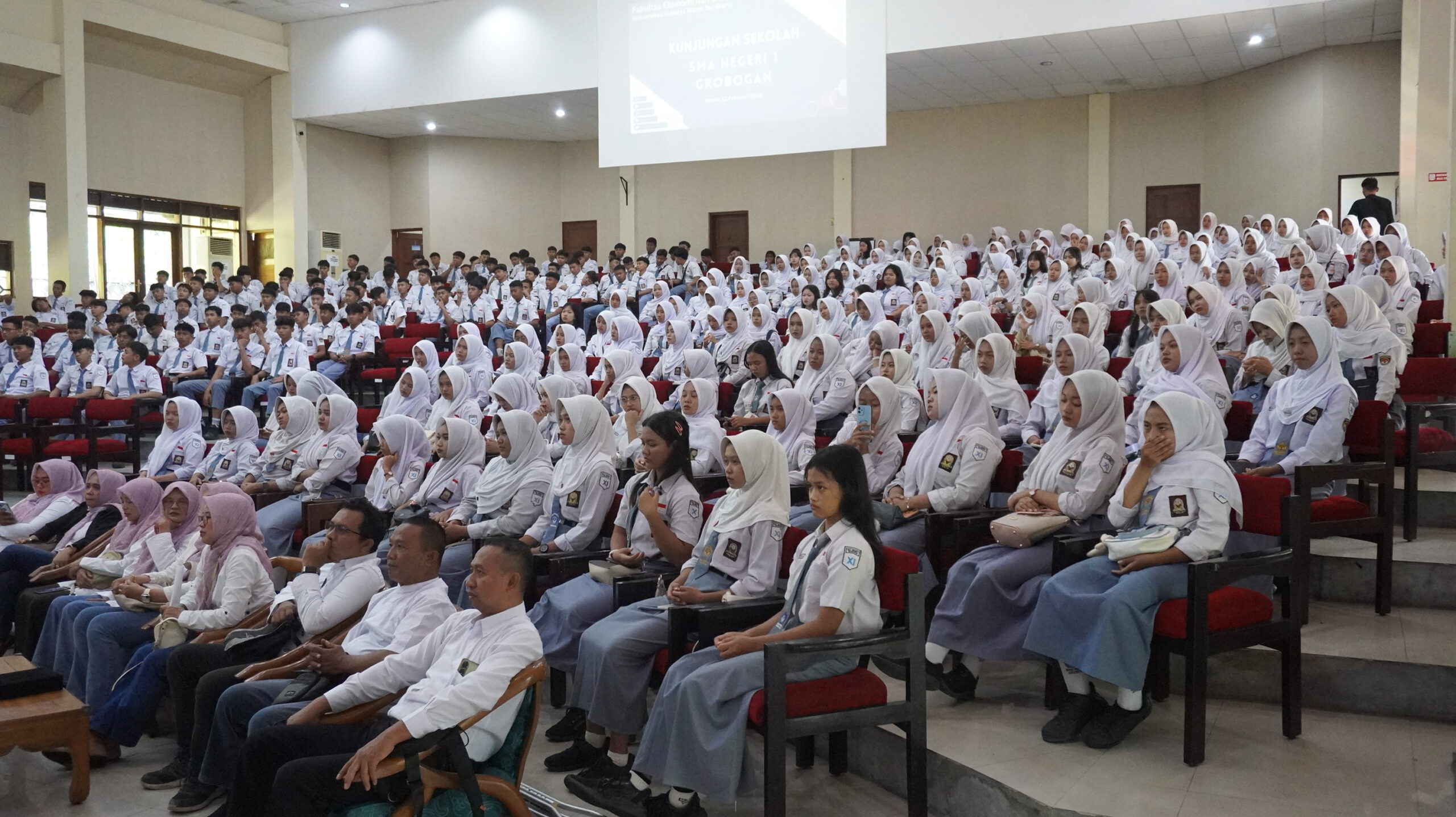
    Faculty of Economics and Business (FEB), Universitas Sebelas Maret (UNS), welcomed a study visit from SMA Negeri 1 Grobogan on Thursday, 12 February 2026, at the Suhardi Building Hall, FEB UNS. The visit aimed to provide insight into university life and to motivate Grade XII students to pursue higher education.

    In his welcoming remarks, Pram Suryanadi, S.E., M.Si., Head of the Public Relations Team FEB UNS, presented the faculty’s academic strengths, including its newest study program, Digital Business. He explained that business education at FEB UNS does not solely focus on profit generation but upholds the three core pillars of profit, people, and planet.

    “A good business must generate positive impacts for society and environmental sustainability. At FEB UNS, we are committed to maintaining educational quality so that our graduates are not only professionally competent but also ethically grounded and responsive to global issues,” Pram stated.

    He further highlighted that UNS, located in the culturally rich yet affordable city of Solo, offers an internationally oriented learning experience for students from various regions of Indonesia and abroad.

    Meanwhile, Djoko Priyanto, S.Pd., M.Pd., Principal of SMA Negeri 1 Grobogan, conveyed that UNS is a preferred destination for many of their students. He noted that numerous teachers at the school are alumni of UNS, strengthening the emotional bond and trust in the university’s academic quality. In addition to serving as a motivational platform, the visit also marked the school’s congratulatory gesture for the 50th Anniversary (Dies Natalis) of UNS, which will be commemorated on 11 March.

    “We hope that the relationship between SMA Negeri 1 Grobogan and FEB UNS will continue to grow and lead to more concrete collaborations in the future,” Djoko expressed.

    The welcoming program included presentations on study programs, interactive discussions, and an introduction to campus facilities to provide students with a comprehensive picture of academic life at one of Indonesia’s leading universities.

    This visit aligns with efforts to achieve the Sustainable Development Goals (SDGs), particularly SDG 4 (Quality Education) by expanding access to higher education information for students from regional areas. Furthermore, FEB UNS’s commitment to educating students on business principles that uphold environmental sustainability and human well-being reflects its support for SDG 12 (Responsible Consumption and Production).

  • Newly Appointed Professors of FEB UNS Plant Trees in the Courtyard of Djarwanto Building

    Newly Appointed Professors of FEB UNS Plant Trees in the Courtyard of Djarwanto Building

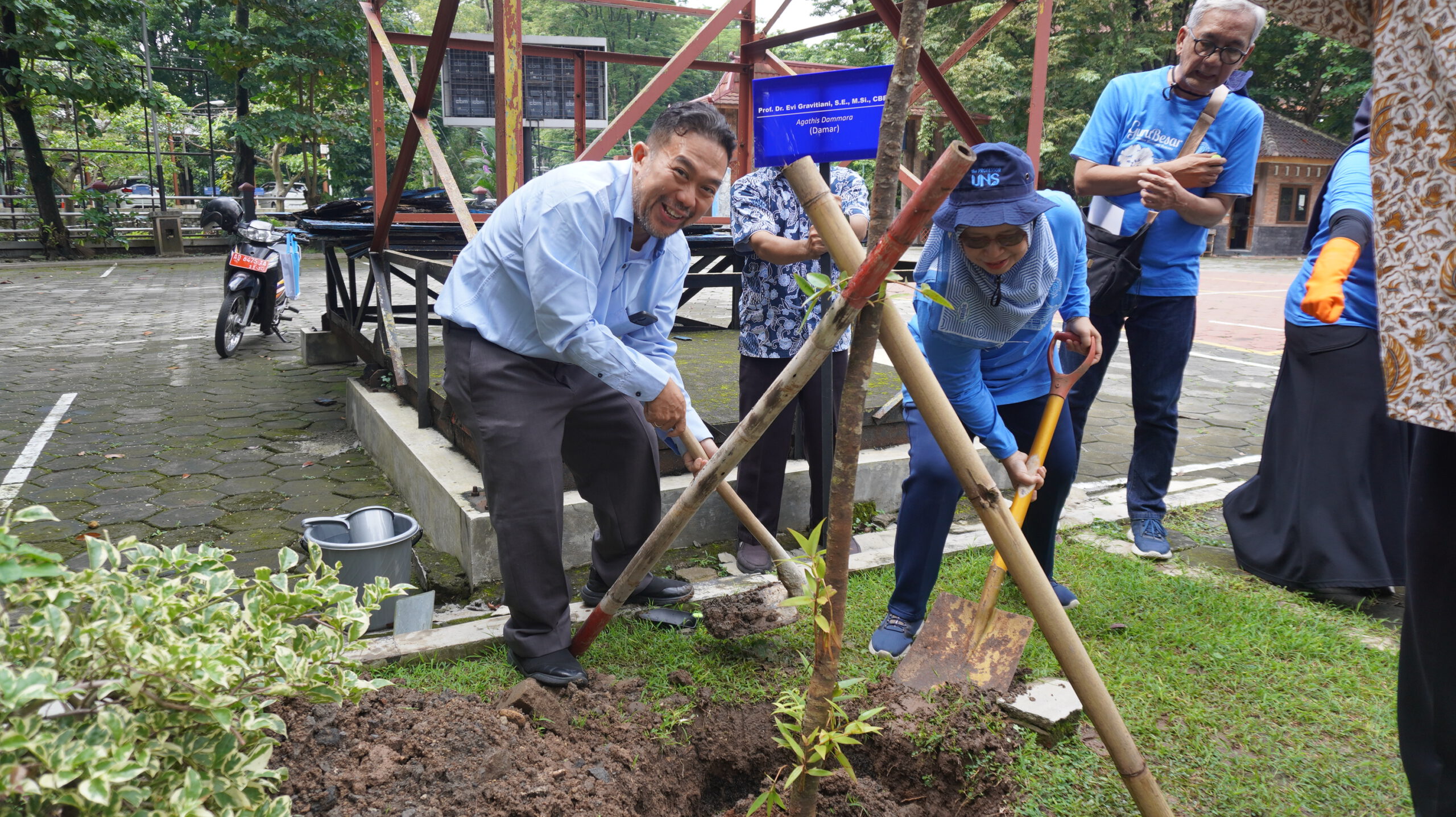
    Faculty of Economics and Business (FEB), Universitas Sebelas Maret (UNS), once again demonstrated its commitment to fostering a green and sustainable campus ecosystem through a tree-planting initiative led by its newly appointed professors. The activity took place in the courtyard of the Djarwanto PS Building, FEB UNS, on Thursday, 12 February 2026.

    The three professors—Prof. Dr. Evi Gravitiani, Prof. Dr. Dwi Prasetyaningsih, and Prof. Dr. Muhammad Agung Prabowo—selected a variety of beneficial tree species, namely damar, water apple (jambu air), and duku. The selection reflects both ecological and long-term environmental considerations for the campus landscape.

    In his remarks, the Dean of FEB, Prof. Bhimo Rizky Samudro, stated that the choice of location in front of the Djarwanto Building was intended to further optimize green open space within the faculty area. The initiative is also viewed as a strategic step in supporting the university’s performance in the UI GreenMetric World University Rankings.

    The tree-planting activity is expected not only to provide physical shade and environmental comfort but also to symbolize the contribution and “new colors” brought by the newly inaugurated professors to the advancement of the faculty. “Hopefully these trees will bear fruit, add vibrancy, and provide comfort for all of us, just as the presence of our new Professors enriches the academic environment of FEB,” Prof. Bhimo conveyed in his address.

    Melalui kegiatan ini, FEB berharap tradisi menanam pohon dapat terus terjaga sebagai bentuk tanggung jawab kolektif dalam menjaga kelestarian lingkungan kampus bagi generasi mendatang.

    Through this initiative, FEB hopes to sustain the tradition of tree planting as a form of collective responsibility in preserving the campus environment for future generations. The Dean also expressed appreciation for the initiative of the professors and the support of the academic support staff who facilitated the smooth organization of the event.

    This tree-planting activity represents a concrete contribution of FEB UNS to the Sustainable Development Goals (SDGs), particularly SDG 13 (Climate Action) through greening efforts aimed at reducing carbon emissions, and SDG 15 (Life on Land) by promoting biodiversity conservation and creating a sustainable campus environment

  • Inaugurated as Professor at UNS, Prof. Agung Prabowo Calls for Reframing Corporate Governance in Indonesia

    Inaugurated as Professor at UNS, Prof. Agung Prabowo Calls for Reframing Corporate Governance in Indonesia

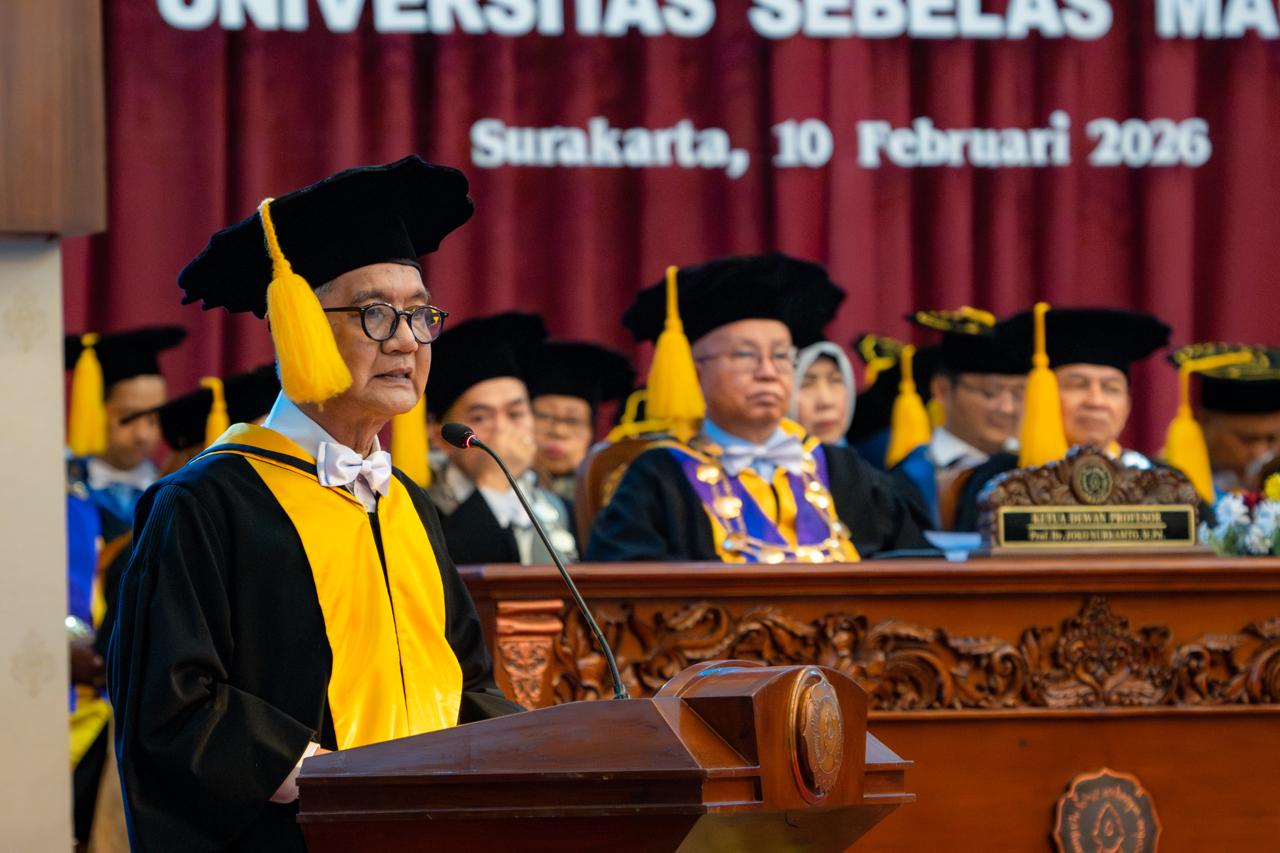
    Universitas Sebelas Maret (UNS) held a Professorship Inauguration Ceremony at the G.P.H. Haryo Mataram Auditorium on Tuesday (10/2/2026). Prof. Drs. Muhammad Agung Prabowo, M.Si., Ph.D., Ak., was officially inaugurated as Professor in Financial Accounting and Corporate Governance by the Rector of UNS, Hartono, together with five other newly appointed professors within the university.

    In his scientific oration entitled “Resetting the Discourse on Corporate Governance in Indonesia: Theoretical Foundations, Development Dynamics, and Multidimensional Empirical Evidence,” Prof. Agung emphasized the necessity of reframing perspectives on the practice of Good Corporate Governance (GCG) in Indonesia, so that it does not merely focus on regulatory compliance and formal structures.

    He explained that the theoretical foundation of corporate governance originates from Agency Theory, which addresses conflicts between owners and managers. However, in the Indonesian context—where concentrated ownership structures and family-controlled businesses are prevalent—the governance issue shifts toward conflicts between controlling shareholders and non-controlling (minority) shareholders. Consequently, the protection of minority shareholders becomes a central issue in the national corporate governance discourse.

    Drawing on empirical studies, Prof. Agung highlighted that the existence of formal governance mechanisms, such as independent commissioners, audit committees, and regulatory instruments, does not automatically guarantee effective oversight. Governance quality is substantially influenced by individual board characteristics, substantive independence, competence, and internal power dynamics within the firm.

    He further discussed the evolving corporate governance paradigm, which is increasingly integrated with sustainability issues. Governance is no longer assessed solely on financial performance but also on social and environmental accountability. Empirical evidence indicates that leadership characteristics, board members’ educational backgrounds and expertise, as well as ownership structures, significantly affect the quality of sustainability reporting and corporate responsibility practices.

    In his concluding remarks, Prof. Agung asserted that corporate governance reform in Indonesia requires a contextual approach that takes into account domestic economic structures, ownership characteristics, and national corporate culture. A “one size fits all” approach is insufficient to address the complexity of governance practices in Indonesia.

    He called for strengthening substantive board independence, enhancing the quality and integrity of corporate management, and ensuring the protection of minority investors as the foundation of fair and sustainable governance.

    The ideas presented in the oration are aligned with the Sustainable Development Goals (SDGs), particularly SDG 8 (Decent Work and Economic Growth), SDG 12 (Responsible Consumption and Production), and SDG 16 (Peace, Justice, and Strong Institutions), through the advancement of corporate governance that is grounded in integrity and long-term orientation.