FEB

Blog

  • Working Paper Series Features Three FEB UNS Presenters and a Discussant from Khalifa University, Qatar

    Working Paper Series Features Three FEB UNS Presenters and a Discussant from Khalifa University, Qatar

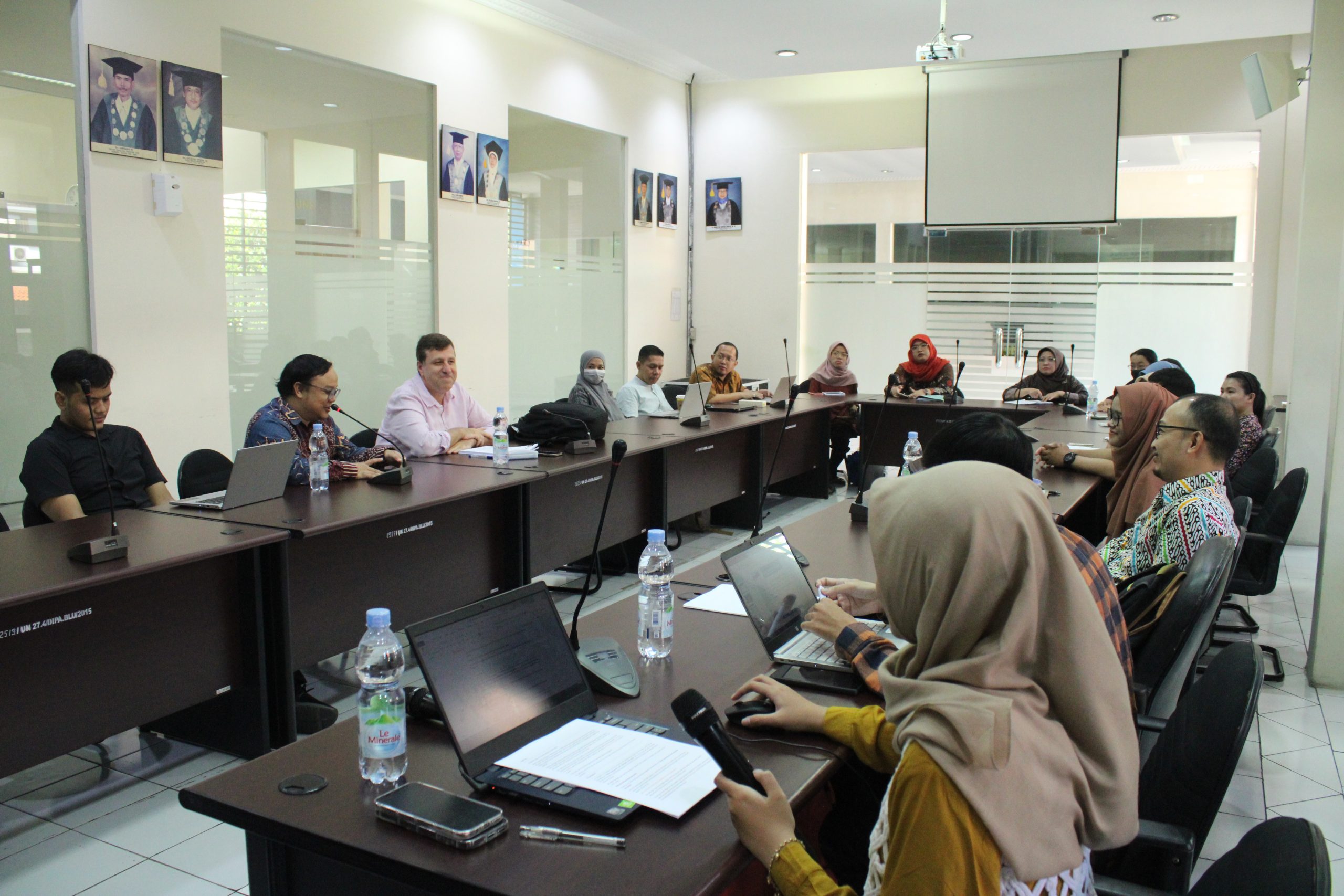
    The Faculty of Economics and Business (FEB), Universitas Sebelas Maret (UNS), in collaboration with the UNS Fintech Center, organized the Working Paper Rising Star Student in Finance on Friday, 26 July 2024, at Meeting Room 1, Soeharno TS Building, FEB UNS. The event featured three presenters: M. Yusuf Indra Purnama, newly graduated PhD student of National Central University, Taiwan, and a lecturer at FEB UNS; Bambang Sutrisno, a doctoral student of the Doctoral Program in Economics (PDIE) UNS; and Inas Nurfaida Futri, a master’s student in Management at FEB UNS. The session was discussed by Prof. Ahmet Faruk Aysan from Hamad Bin Khalifa University, Qatar.

    Representing the FEB UNS leadership, Putra Pamungkas, S.E., M.Rech., Ph.D., Head of the Undergraduate Study Program in Digital Business, expressed his appreciation to Prof. Aysan and the three presenters. He conveyed his gratitude to Prof. Ahmet Faruk Aysan for his willingness to attend and share insights with the presenters, as well as to the presenters for contributing their working papers in the field of finance.

    He further noted that the agenda provided a valuable opportunity for academic exchange, enabling participants to learn together and discuss approaches to developing existing research topics. Putra also extended his appreciation to all participants, emphasizing that the event was designed to benefit attendees through two sessions: the first featuring presentations by the three speakers, and the second providing an opportunity for participants to consult and discuss their research topics and challenges directly with Prof. Aysan.

    The first presenter, M. Yusuf Indra Purnama, presented a paper entitled “Robot Deployment and Corporate Risk-Taking,” which examined the economic impact of robot adoption in the industrial sector. His study found that the implementation of robots in industrial firms is associated with a lower level of corporate risk-taking.

    The second presenter, Bambang Sutrisno, delivered a paper entitled “Dividend Policy, Stock Price Crash Risk, and Islamic Label,” analyzing the effects of the presence of politically connected members of the Board of Commissioners within firms. The study identified differences between transactional and relational political connections, showing that commissioners with transactional political ties are associated with a higher risk of firm collapse.

    The final presenter, Inas Nurfaida Futri, presented her study entitled “The Success of Social Projects in Online Crowdfunding in Indonesia.” Her research indicated that fundraising activities for social causes demonstrate a higher success rate compared to fundraising initiatives for other purposes.
  • Working Paper Series Hadirkan 3 Presenter FEB UNS dan Pembahas dari Khalifa University Qatar

    Working Paper Series Hadirkan 3 Presenter FEB UNS dan Pembahas dari Khalifa University Qatar

    Fakultas Ekonomi dan Bisnis (FEB Universitas Sebelas Maret (UNS)  dan Fintech Center UNS Adakan Working Paper Rising Star Student in Finance, Jumat 26 Juli 2024 di Ruang Sidang 1 Gedung Soeharno TS FEB.

    Tiga pembicara dihadirkan dalam kegiatan itu M. Yusuf Indra Purnama, lulusan Program Doktor dari National Central Univerity Taiwan yang juga Dosen FEB UNS; Bambang Sutrisno, mahasiswa PDIE UNS dan  Inas Nurfaida Futri, mahasiswa Magister Manajemen FEB UNS. Dan sebagai pembahas Prof. Ahmet Faruk Aysan, Hamad Bin Khalifa University, Qatar.

    Putra Pamungkas, S.E., M.Rech., Ph.D., Kepala Program Studi S-1 Bisnis Digital mewakili Pimpinan FEB UNS menyampaikan ucapan terimakasih kepada Prof. Aysan dan juga kepada ketiga presenter.

    “Terima kasih kepada Prof. Ahmed Faruk Aysan, karena telah bersedia hadir ke FEB UNS untuk berbagi pengetahuan bersama tiga presenter kita hari ini. Terima kasih juga kami ucapkan kepada ketiga presenter yang telah bersedia untuk mempresentasikan working paper-nya di bidang keuangan,” ungkap Putra.

    “Kami harap agenda hari ini menjadi kesempatan yang sangat baik dimana kita dapat berbagi, sehingga dapat belajar dan mendiskusikan bagaimana mengembangkan topik yang ada” ungkapnya.

    Putra juga berterima kasih kepada peserta yang hadir, agenda hari ini adalah merupakan kesempatan yang baik bagi peserta, di sesi pertama ini akan ada tiga presenter dan di sesi kedua peserta bisa berkonsultasi, berdiskusi tentang topik, serta menanyakan tentang kesulitan yang sedang dihadapi kepada Prof. Aysan.

    Ketiga presenter yang hadir untuk mempresentasikan artikelnya adalah M. Yusuf Indra Purnama dengan arikel berjudul ‘Robot Deployment and Corporate Risk-Taking,’ yang membahas mengenai dampak ekonomi dari penggunaan robot di sektor industri.

    Dalam riset tersebut, ia menemukan bahwa penerapan robot di sektor industri berkaitan dengan turunnya tingkat ‘risk-taking’ oleh perusahaan sampel.

    Sementara itu, presenter kedua, Bambang Sutrisno dengan artikel berjudul ‘Dividend Policy, Stock Price Crash Risk, and Islamic Label’, mengemukakan efek dari keberadaan anggota Dewan Komisioner dengan relasi politis di perusahaan.

    Lebih lanjut riset tersebut menemukan perbedaan efek dari anggota Dewan Komisioner dengan hubungan politis transaksional dan hubungan politis relasional, dimana anggota dengan hubungan transaksional meningkatkan risiko jatuhnya perusahaan.

    Presenter terakhir, Inas Nurfadia Futri, menemukan bahwa kegiatan penggalangan dana untuk kegiatan sosial memiliki tingkat keberhasilan yang lebih tinggi dibandingkan dengan penggalangan dana untuk tujuan lainnya, dalam artikelnya berjudul ‘The Success of Social Project in Online Crowdfunding in Indonesia.’

  • Bedah Soal-Soal Tes Potensi Akademik Bersama Dr. Guntur Riyanto

    Bedah Soal-Soal Tes Potensi Akademik Bersama Dr. Guntur Riyanto

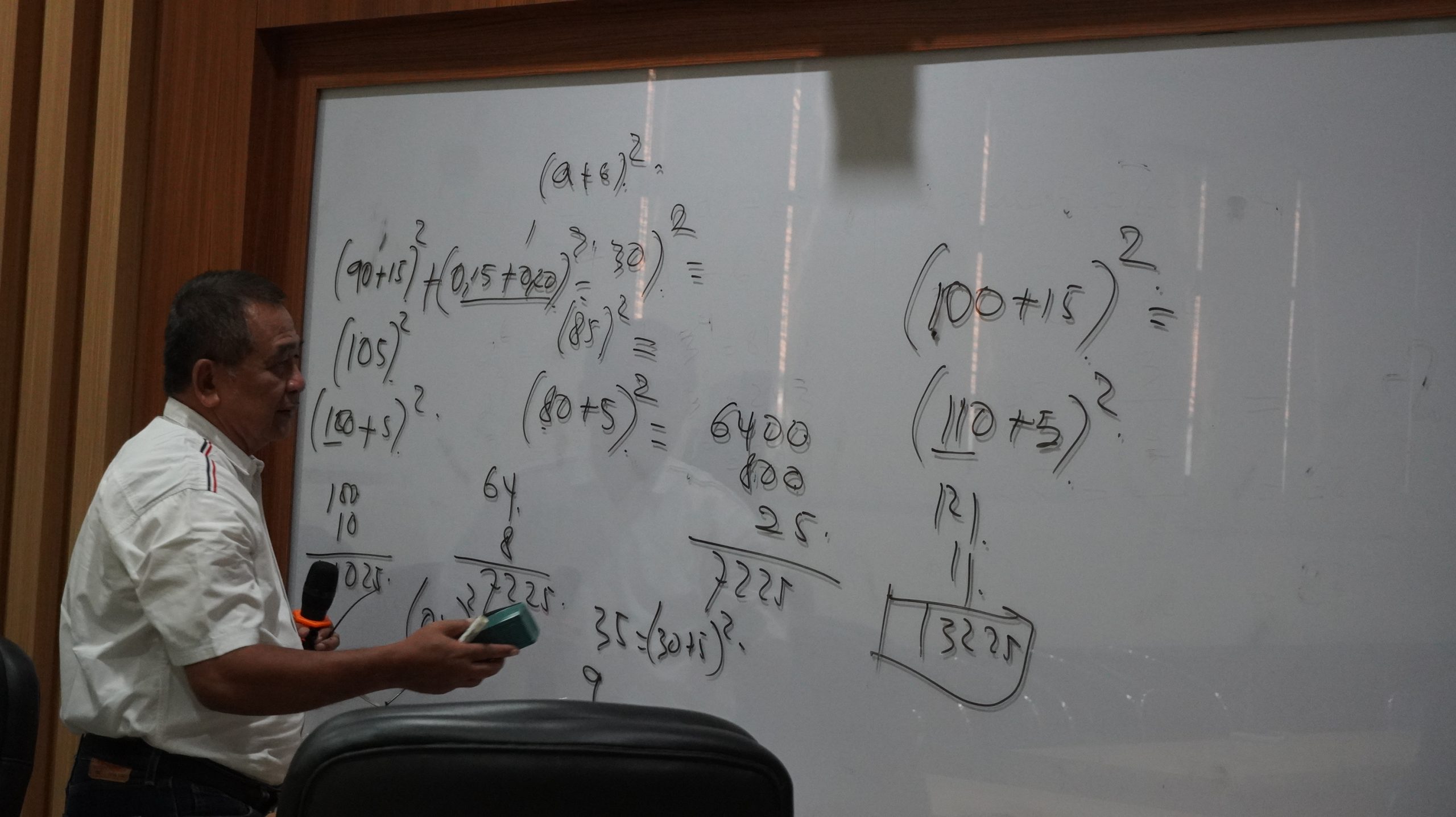
    Fakultas Ekonomi dan Bisnis (FEB) Universitas Sebelas Maret (UNS) bekerja sama dengan Keluarga Fakultas Ekonomi dan Bisnis (KAFEB) UNS menyelenggarakan Pelatihan Tes Potensi Akademik (TPA), 24-25 Juli 2024 secara hybrid, di ruang Telekonferen FEB UNS dan melalui Zoom Meeting.

    Kegiatan yang diikuti lebih dari 50 peserta itu menghadirkan instruktur  Dr. Guntur Riyanto, M.Si, Dosen FEB UNS

    Diawal pelatihan, Dr. Guntur menyampaikan bahwa kegiatan ini merupakan upaya fakultas memberikan pengetahuan kepada mahasiswa dan juga kepada lulusan untuk memasuki pasar kerja.

    “Ini merupakan upaya fakultas melatih mahasiswa dan juga  alumni yang belum bekerja yang baru bersiap masuk ke pasar kerja, untuk kita bimbing dan latih dalam menghadapi soal-soal TPA sehingga mendapatkan  penilaian yang tinggi, soal-soal seperti ini perlu ada triknya karena tidak hanya harus menjawab dengan tepat namun juga harus bisa cepat” tegasnya.

    Lebih lanjut dijelaskan TPA merupakan tes yang dirancang untuk mengukur kemampuan intelektual umum seseorang, termasuk kemampuan berpikir logis, analitis, dan kemampuan pemahaman verbal serta kuantitatif. TPA sering digunakan dalam berbagai seleksi masuk perguruan tinggi, seleksi beasiswa, maupun rekrutmen pegawai.

    TPA biasanya terdiri dari beberapa subtes, antara lain verbal, numerikal, logika atau penalaran dan spasial.

    Verbal, mengukur kemampuan memahami dan menganalisis teks tertulis, serta kemampuan kosakata dan pemahaman makna kata; Numerikal, mengukur kemampuan berpikir logis dan kuantitatif, termasuk pemahaman matematika dasar dan kemampuan menyelesaikan masalah numerik; Logika, mengukur kemampuan berpikir logis dan analitis, termasuk kemampuan menyusun argumen dan menyelesaikan masalah logis; Spasial, mengukur kemampuan memahami dan memanipulasi bentuk dan ruang, termasuk kemampuan visualisasi objek tiga dimensi.

    Menurutnya. untuk bisa mengerjakan TPA perlu memperbanyak latihan, kerjakan contoh soal-soal dan latihan dari berbagai sumber. Semakin sering berlatih, semakin terbiasa dengan tipe soal dan pola pikir yang diperlukan. Karena soal-soal TPA, hampir sama polanya.

    Selain itu perlu manajemen waktu, Saat berlatih, usahakan untuk mengerjakan soal dalam waktu yang ditentukan agara terbiasa dengan tekanan waktu dan prioritaskan soal yang lebih mudah dan pastikan menyisakan waktu untuk soal yang lebih sulit.

    Untuk mengasah kemampuan logika dan numerik, dasar-dasar matematika dan logika perlu dipelajari.

    Selama dua hari, Dr. Guntur membedah soal-soal TPA, di hari pertama pembahasan soal-soal numerik dan logika, sedangkan di hari kedua membahas soal-soal verbal dan spasial.

  • Supporting Putri Kawung SMEs in Klaten, FEB UNS Community Service Team Provides Education on Digital Marketing and Natural Coloring

    Supporting Putri Kawung SMEs in Klaten, FEB UNS Community Service Team Provides Education on Digital Marketing and Natural Coloring

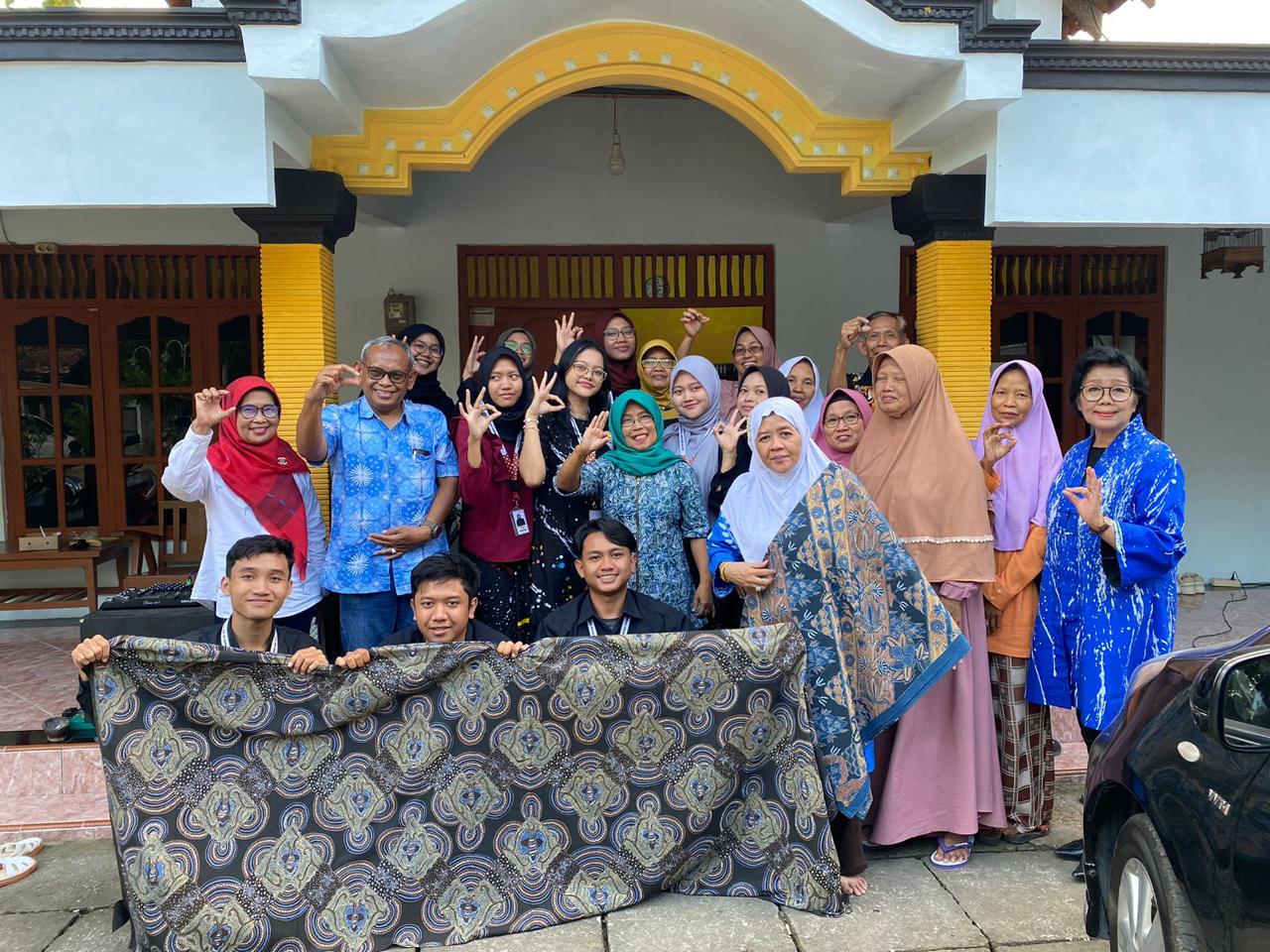
    In May 2024, the Community Service Team from the Faculty of Economics and Business (FEB), Universitas Sebelas Maret (UNS), Solo, provided assistance to the Putri Kawung Joint Business Group (KUBE) in Jarum Village, Bayat, Klaten.

    The community service project, entitled “Development of Digital Marketing and Natural Coloring and Utilization of Heating Machines,” was led by Prof. Dr. Rahmawati, M.Si., Ak., and involved students in various program activities.
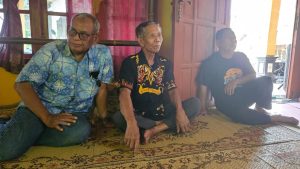
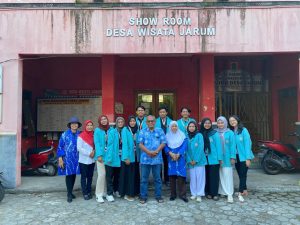
    This initiative aims to improve environmentally friendly production processes, enhance marketing capacities through information technology, strengthen institutional frameworks, and refine the adoption of appropriate technology to improve the quality of batik products using natural coloring.

    The methods employed in this community service project included education on brand awareness and several business management skills such as financial management, marketable packaging, and promotion; the practice of environmentally friendly production processes using natural dyes mixed with bone powder; adoption of Appropriate Technology (TTG) for heating machines; capacity strengthening for diversifying both typical Klaten motifs and batik derivative products; quality testing and certification of batik mark quality, especially for batik products using natural coloring; TTG utilization for bone powder in natural dyeing processes to improve product quality and prevent color fading; and information technology-based business management through digital marketing.

    This community service activity was designed to benefit all parties involved. For KUBE Batik Putri Kawung, this activity provided valuable experience to further enhance product quality. For academic lecturers, it served as an implementation of the Tri Dharma of Higher Education. For participating students, it offered additional knowledge through direct learning about real-world community issues and potential solutions.

    Additional support that has motivated artisans in Jarum Village includes government assistance such as a showroom to display products created by the association members and six sewing machines from the Department of Industry and Trade, which have not yet been fully utilized by KUBE Putri Kawung.

    Support also came from local government agencies through the village administration, Bappeda, and the Department of Industry and Trade of Klaten Regency. In order to strengthen the independence of the batik industry in Jarum Village, particularly involving the SMEs of KUBE Putri Kawung, the Ministry of Research, Technology, and Higher Education is consulted about providing support in the form of facilities for the association’s marketing outlets, managerial skill development for partner SMEs, and infrastructure development for information technology-based supply and marketing networks.
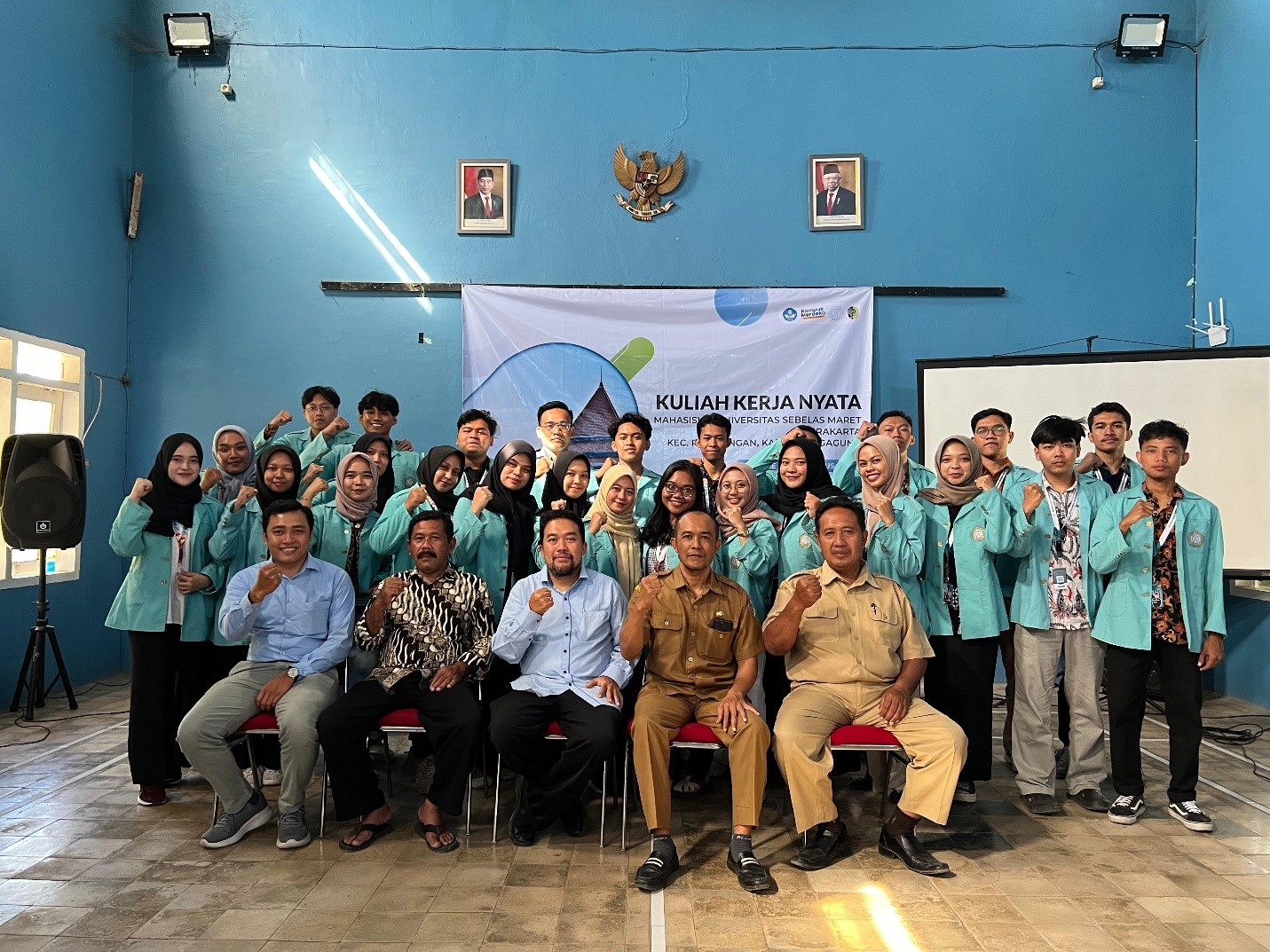
    The expected outcome of this activity is to raise the level of understanding among KUBE Putri Kawung business actors, leading to product innovation that ultimately can drive income optimization and the community economic welfare in Bayat, Klaten Regency.

  • People’s Economy Research Group Conducts Community Service and Institutional Activities for Fish Farmers in Tulungagung

    People’s Economy Research Group Conducts Community Service and Institutional Activities for Fish Farmers in Tulungagung

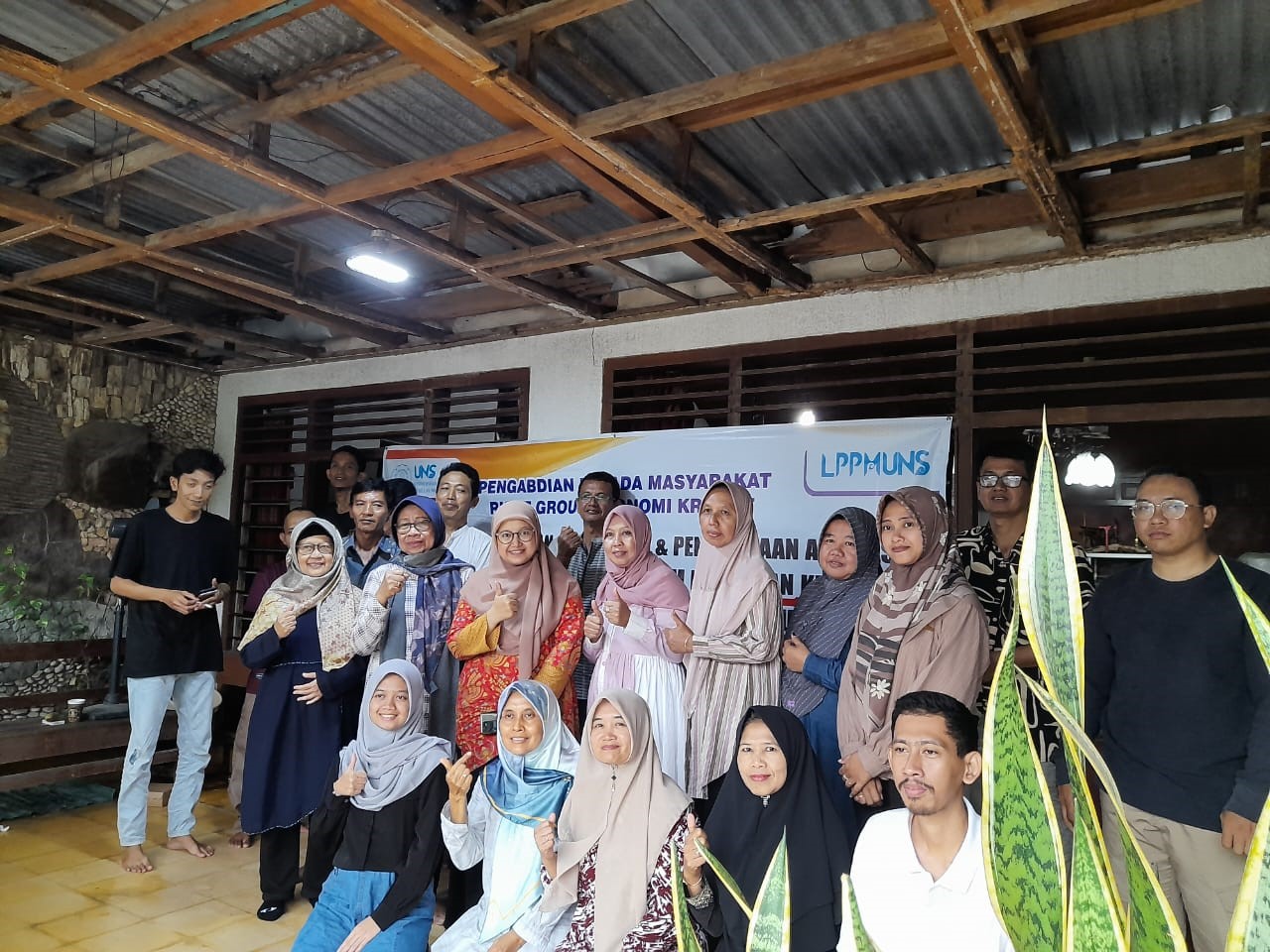
    The People’s Economy Research Group (RG) from the Faculty of Economics and Business (FEB), Universitas Sebelas Maret (UNS), has successfully organized a community service activity entitled “Empowerment and Institutional Development of Consumption Fish Farmers in Tulungagung.”

    This activity not only aims to enhance the welfare of local fish farmers but also served as part of UNS’s Students’ Community Service Program (KKN), where students were directly involved in community empowerment.
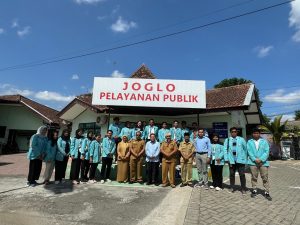
    Held on July 16-17, 2024, the event involved various stakeholders, including students, faculty members, and the local community. A series of educational and training activities were conducted, covering effective fish farming techniques, feed management, and fish production management. Additionally, the primary focus of this initiative was to build strong institutions among fish farmers to increase their bargaining power in the market.

    Bhimo Rizky Samudro, S.E., M.Si., Ph.D., Head of the People’s Economy Research Group at UNS, stated that this activity is a testament to UNS’s commitment to supporting a people-based economy. “We believe that with proper empowerment and the formation of solid institutions, fish farmers can significantly improve their welfare,” he said.

    Additionally, students give positive feedback to the KKN program as an integral part of this program. They believed that they acquired valuable experience and practical knowledge that is beneficial for their daily lives and academic endeavors. “Through this KKN, we were able to observe firsthand and see how the knowledge we learn in the classroom is applied in real life by going straight to the field,” said one of the participating KKN students.
    One of the fish farmers who participated, Pak Eko, expressed his gratitude to UNS. “We are very grateful for this activity. We have learned better farming techniques and how to sell our harvest at more profitable prices,” he said.

    Looking ahead, the People’s Economy Research Group at FEB UNS plans to continue similar activities in various other regions, hoping to empower more communities and build a stronger people-based economy.

  • Dampingi UKM Putri Kawung Klaten, Tim Pengabdian Masyarakat FEB UNS Beri Edukasi Pengembangan Digital Marketing dan Pewarnaan Alam

    Dampingi UKM Putri Kawung Klaten, Tim Pengabdian Masyarakat FEB UNS Beri Edukasi Pengembangan Digital Marketing dan Pewarnaan Alam

    Tim Pengabdian Masyarakat dari Fakultas Ekonomi dan Bisnis (FEB) Universitas Sebelas Maret  (UNS) Solo melakukan pendampingan kepada Kelompok Usaha Bersama (KUBE) Putri Kawung di Desa Jarum Bayat Klaten pada bulan Mei 2024.

    Pengabdian masyarakat yang mengambil tema Pengembangan Digital Marketing dan Pewarnaan Alam Serta Pemanfaatan Mesin Pemanas diketuai oleh Prof. Dr. Rahmawati, MSi, Ak dan juga melibatkan mahasiswa dalam program-program yang dilakukan.

    Kegiatan pengabdian ini dilaksanakan dalam rangka perbaikan kapasitas proses produksi yang ramah lingkungan, perbaikan kapasitas pemasaran berbasis teknologi informasi, penguatan kelembagaan, serta penyempurnaan adopsi teknologi tepat guna dalam rangka perbaikan kualitas produk batik dengan warna alam.

    Metode yang dilakukan pada kegiatan pengabdian ini meliputi: edukasi tentang brand awareness dan sejumlah ketrampilan manajemen usaha seperti manajemen keuangan, kemasan berdaya jual dan promosi; praktik proses produksi yang ramah lingkungan dengan warna alam campur bubuk tulang sapi; adopsi Teknologi Tepat Guna (TTG) mesin pemanas; penguatan kapasitas diversifikasi baik diversifikasi motif ciri khas Klaten ataupun produk turunan batik; pengujian kualitas dan sertifikasi kualitas batik mark khususnya bagi produk batik tulis warna alam; TTG pemanfaatan bahan tulang sapi dalam proses pewarnaan alam dalam rangka meningkatkan kualitas produk anti luntur; serta praktik pengelolaan bisnis berbasis teknologi informasi melalui digital marketing.

    Kegiatan pengabdian kepada masyarakat ini dirancang sedemikian rupa sehingga memberikan manfaat untuk semua pihak.

    Bagi KUBE Batik Putri Kawung, kegiatan ini memberikan pengalaman untuk peningkatan kualitas produk selanjutnya. Bagi akademisi dosen adalah sebagai bentuk implementasi kegiatan Tri Dharma Perguruan Tinggi. Bagi mahasiswa yang ikut membantu sebagai tambahan pengetahuan untuk pembelajaran secara langsung tentang permasalahan yang ada di masyarakat dan solusi yang dapat diambil.

    Dukungan lain yang telah menumbuhkan motivasi perajin di Desa Jarum adalah bantuan pemerintah desa berupa showroom untuk memajang produk yang dihasilkan oleh anggota paguyuban; bantuan 6 mesin jahit dari Dinas Perindustrian dan Perdagangan yang belum dimanfaatkan secara maksimal oleh KUBE Putri Kawung.

    Selain itu juga terdapat dukungan dari pemerintah daerah melalui pemerintahan desa, Bappeda serta dinas perindustrian dan perdagangan Kabupaten Klaten. Proses pemandirian industri batik tulis di desa Jarum khususnya UKM mitra KUBE Putri Kawung juga mengajukan dukungan kepada Kemenristekdikti berupa dukungan sarana prasarana untuk pengembangan jejaring pasokan dan pemasaran berbasis teknologi informasi, sarana dan prasarana penunjang gerai pemasaran bagi paguyuban juga pengembangan keterampilan manajerial bagi UKM mitra juga pengurus paguyuban.

    Hasil dari kegiatan ini adalah meningkatnya pengetahuan pelaku usaha di KUBE Putri Kawung dalam rangka meningkatkan inovasi produk yang pada akhirnya dapat mendorong optimalisasi pendapatan dan ekonomi masyarakat di wilayah Bayat Kabupaten Klaten.


  • Riset Grup Ekonomi Kerakyatan Gelar Kegiatan Pengabdian dan Kelembagaan Peternak Ikan Tulungagung

    Riset Grup Ekonomi Kerakyatan Gelar Kegiatan Pengabdian dan Kelembagaan Peternak Ikan Tulungagung

    Riset Grup (RG) Ekonomi Kerakyatan Fakultas Ekonomi dan Bisnis (FEB) Universitas Sebelas Maret (UNS) telah sukses menyelenggarakan kegiatan pengabdian kepada masyarakat dengan topik Pemberdayaan dan Kelembagaan Peternak Ikan Konsumsi Tulungagung.

    Kegiatan ini tidak hanya bertujuan untuk meningkatkan kesejahteraan peternak ikan lokal, tetapi juga menjadi bagian dari program Kuliah Kerja Nyata (KKN) UNS, mahasiswa terlibat secara langsung dalam upaya pemberdayaan masyarakat.

    Kegiatan yang berlangsung pada tanggal 16-17 Juli 2024 melibatkan berbagai pihak, termasuk mahasiswa, dosen, dan masyarakat setempat.

    Berbagai kegiatan edukatif dan pelatihan telah dilaksanakan, mulai dari teknik budidaya ikan yang efektif, manajemen pakan, hingga pengelolaan hasil produksi ikan.

    Selain itu, fokus utama kegiatan ini adalah membangun kelembagaan peternak ikan agar mereka memiliki daya tawar yang lebih kuat di pasar.

    Bhimo Rizky Samudro, S.E., M.Si., Ph.D, ketua Riset Grup Ekonomi Kerakyatan UNS, menyampaikan bahwa kegiatan ini adalah salah satu bentuk komitmen UNS dalam mendukung pembangunan ekonomi berbasis kerakyatan.

    “Kami percaya bahwa dengan pemberdayaan yang tepat dan pembentukan kelembagaan yang solid, peternak ikan dapat meningkatkan kesejahteraan mereka secara signifikan,” ujarnya.

    Lebih lanjut dikatakan, program KKN yang juga menjadi bagian dari kegiatan ini juga mendapat sambutan positif dari para mahasiswa. Mereka merasa mendapatkan pengalaman berharga dan ilmu praktis yang tidak hanya berguna dalam studi mereka tetapi juga dalam kehidupan sehari-hari.

    “Melalui KKN ini, kami dapat langsung terjun ke lapangan dan melihat bagaimana ilmu yang kami pelajari di bangku kuliah diterapkan secara nyata,” ungkap salah satu mahasiswa peserta KKN.

    Salah satu peternak ikan yang mengikuti kegiatan ini, Pak Eko, mengungkapkan rasa terima kasihnya kepada UNS.

    “Kami sangat terbantu dengan adanya kegiatan ini. Kami jadi lebih tahu cara budidaya yang baik dan cara menjual hasil panen dengan harga yang lebih menguntungkan,” katanya.

    Ke depan, Riset Grup Ekonomi Kerakyatan FEB UNS berencana untuk terus mengadakan kegiatan serupa di berbagai daerah lain dengan harapan dapat memberdayakan lebih banyak masyarakat dan membangun ekonomi kerakyatan yang lebih kuat.

  • International Benchmarking Initiative: FEB UNS Quality Assurance Unit Hosts Dean of the School of Social Sciences, Universiti Sains Malaysia

    International Benchmarking Initiative: FEB UNS Quality Assurance Unit Hosts Dean of the School of Social Sciences, Universiti Sains Malaysia

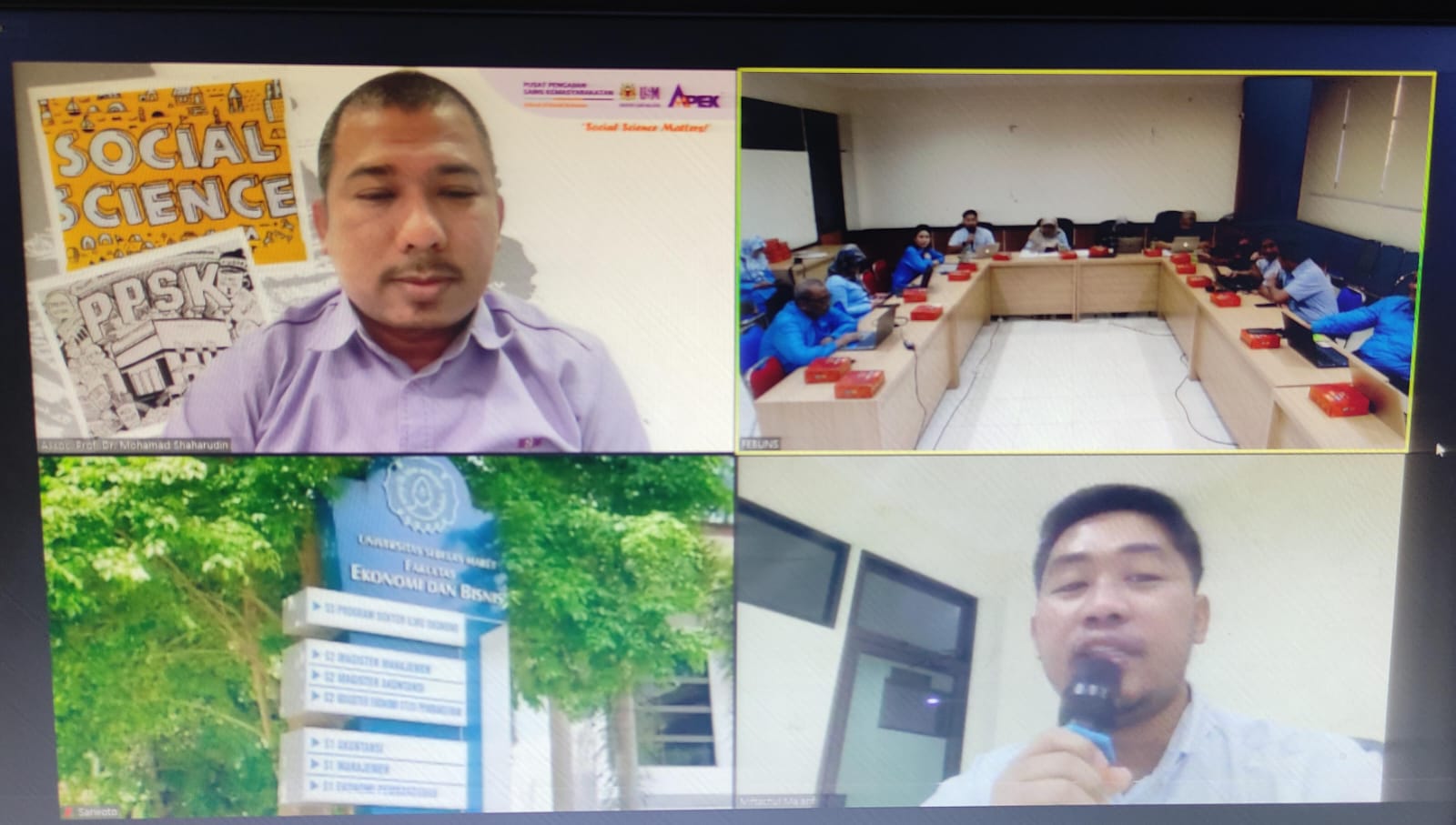
    The Quality Assurance Unit (UPM) of the Faculty of Economics and Business (FEB), Universitas Sebelas Maret (UNS), organized an International Quality Assurance Benchmarking activity with Assoc. Prof. Dr. Mohamad Shaharudin bin Samsurijan, Dean of the School of Social Sciences, Universiti Sains Malaysia (USM), on Tuesday, 16 July 2024. The activity was conducted virtually and attended by the Dean Office, Coordinators for Monitoring and Evaluation, Internal Quality Assurance System (SPMI), External Quality Assurance System (SPME), Quality Control Groups (GKM), as well as faculty coordinators at FEB UNS.

    In her opening remarks, Dr. Dwi Prasetyani, S.E., M.Si., Vice Dean for Academic Affairs, Research, and Student Affairs of FEB UNS, expressed her sincere appreciation to Assoc. Prof. Dr. Mohamad Shaharudin Samsurijan for his willingness to participate virtually and share insights on quality assurance practices implemented at the School of Social Sciences, USM. She conveyed the expectation that the meeting would generate mutual benefits for both FEB UNS and the School of Social Sciences, USM.

    Dr. Dwi further explained that FEB UNS currently manages four undergraduate Study Programs, three master’s Study Programs, and one doctoral Study Program. These Study Programs have obtained international accreditation from AQAS and achieved an “Excellent” status in the national accreditation conducted by LAMEMBA. In addition, she noted that FEB UNS is committed to preparing for the submission of AACSB accreditation in the current year.

    “As we understand, quality assurance can be divided into internal and external mechanisms, where institutions often place greater attention on external quality assurance. Nevertheless, UNS has developed an internal system to support the implementation of internal quality assurance,” she stated.

    She also expressed hope that UNS and USM would establish future collaboration and cooperation, including opportunities for academic visits, joint activities, or guest lectures involving the academic community of FEB UNS and the School of Social Sciences, USM.

    Meanwhile, Prof. Dr. Budhi Haryanto, M.M., Head of the Quality Assurance Unit of FEB UNS, introduced the UPM management team, ranging from field coordinators to the Quality Control Groups responsible for quality assurance across each Study Program. He emphasized that FEB UNS has consistently and sustainably implemented various academic activities to achieve its vision and mission, with the aim of attaining recognition as a reputable global university.

    In this context, he highlighted benchmarking as a strategic activity to learn from the experiences of other universities in managing teaching and learning processes, thereby supporting FEB UNS in achieving broader national and international recognition. Prof. Budhi also conveyed his appreciation to Assoc. Prof. Shaharudin and the team from the School of Social Sciences, USM, for their willingness to share experiences and best practices. In the subsequent session, Assoc. Prof. Shaharudin presented a detailed explanation of the quality assurance system implemented at the School of Social Sciences, USM, followed by an interactive discussion with the participants.

  • Financial Management RG at FEB UNS Provides Training and Assistance to Culinary Traders in Kota Barat Solo

    Financial Management RG at FEB UNS Provides Training and Assistance to Culinary Traders in Kota Barat Solo

    Micro, Small, and Medium Enterprises (MSMEs) in the culinary sector in Kota Barat Solo face various challenges in this globalization and digitalization era. Observations conducted by the Financial Management Research Group (RG) at the Faculty of Economics and Business (FEB), Universitas Sebelas Maret (UNS), led by Dr. Setianingtyas Honggowati, M.M., Ak., along with its members Dr. Bambang Hadinugroho, S.E., M.Si., Dr. Endang Suhari, M.Si., Drs. Harmadi, MM., and Yohana Tamara, S.E., M.M., identified several issues faced by traders.

    These issues include low motivation for business strategies among entrepreneurs; limited understanding of digital marketing, including e-commerce and social media, as well as digital financial recording; and a lack of awareness about established institutions, their responsibilities, and the benefits for business owners.

    In response, the Financial Management RG conducted a community service activity entitled “Strengthening Culinary MSMEs in Kota Barat Solo to Increase Income through Assistance and Business Management,” on July 9, 2024.

    Through the use of digital technology, to improve business management knowledge and skills, this community service seeks to increase the active participation of MSMEs in the culinary industry. Additionally, an assistance program is intended to guarantee income growth. The team provided lectures, consultations, discussions, and assistance on the importance of strengthening motivation and creativity in business. The hope is that MSME entrepreneurs will become truly aware and motivated to advance with a renewed spirit.

    The team also offered training on technology development, including explanations and practical sessions on installing necessary applications for culinary MSMEs. Briefings on the roles, perks, obligations, and responsibilities of institutional administrators and members were provided to the traders to address their knowledge of and use of supporting institutions.
  • Enhancing Managerial Skills of Leather Craft MSMEs in Magetan, Creative Economy Research Group FEB UNS Conducts Simple Bookkeeping Training Using Applications

    Enhancing Managerial Skills of Leather Craft MSMEs in Magetan, Creative Economy Research Group FEB UNS Conducts Simple Bookkeeping Training Using Applications

    Micro, Small, and Medium Enterprises (MSMEs) play a vital role in the economic growth of a country, particularly in Indonesia, where their contribution to the national economy is significant, especially in terms of job creation. Hence, the development of these enterprises are of the utmost importance. One of the keys to successful business development includes improving skills, managerial capabilities, and the willingness of MSMEs to maintain production and innovation according to market needs.

    The biggest obstacle in achieving this development is often due to the lack of managerial skills among MSME owners in managing their businesses, leading to stagnation or even bankruptcy. This challenge is also faced by the leather craft MSMEs in Mojopurna Village, Magetan, located in RT 3, RW 4, Mojopuro Village, Ngariboyo District, Magetan Regency, East Java. This group consists of 5 (five) MSMEs that process leather into footwear and various souvenirs.

    Each business owner employs between 5 (five) to 7 (seven) residents. The MSME owners are members of an extended family, coordinated by UD. Latansa. Established in the 1990s, these MSMEs faced a downturn in 2012 due to the owner’s lack of managerial skills in running the business, leading to errors in profit calculation and poor bookkeeping discipline, resulting in bankruptcy.

    The lack of bookkeeping knowledge and skills led to miscalculations, making it impossible for the enterprise to repay bank loans, causing the business to fail and become inactive. To address these issues, the team from the Creative Economy RG, led by Prof. Dr. Hunik Sri Runing Sawitri, S.E., M.Si., along with Prof. Dr. Asri Laksmi Riani, MS., Suryandari Istiqomah, SE., MSc., Dr. Anastasia Riani Suprapti, M.Si., Dr. Intan Novela Qurrotul Aini, S.E., M.Si., and Dr. Mugi Harsono, SE., M.Si., conducted a community service program for this MSME group in late April 2024.

    The main training provided aims to improve knowledge and skills in bookkeeping, along with hands-on practice in simple bookkeeping using the LAMIKRO application. Dr. Wahyu Widarjo, M.Si., delivered the materials, emphasizing the importance of bookkeeping in business processes in a simple approach that was well understood by the participants.

    The practical training using the LAMIKRO application was conducted by Frank Aligarh, M.Sc., who provided examples of journal records related to the activities carried out by MSMEs, giving a clear picture of future bookkeeping activities. During the training, participants were also asked to install and practice bookkeeping activities on their mobile phones.

    In addition to simple bookkeeping training, this community service also provided managerial training related to marketing, specifically focusing on improving product quality and its derivatives including digital marketing.